תורה וטיולים, פרשת שלח לך: הטיול של כלב ושלנו לחברון
| Actually, the Torah should have ended last week. At the end of the Book of Numbers, chapter 10, the journey from Egypt ended, and in just three days the Israelites will enter the Land, together with Moses and everyone. But then, in addition to the delays thus far, they really start to procrastinate, and event after event hinders them from continuing on their journey, expressing their hesitation and fear. The Israelites went from slow progress to stalling: initially they were supposed to leave Egypt and travel straight along the coastal road arriving in the Land within a few days, but when “[Gd] didn’t guide them through the land of the Philistines”, they had to detour through the desert, the Giving of the Torah, building the Tabernacle, and organizing the camp . Last week we heard that they ate the meat given to them, for a whole month, and waited with Miriam, who spoke badly about Moses. The story of the spies sent by Moses we encounter in this week’s Torah portion of Shelah-Lecha, is the crisis that postpones the entry of the People of Israel into the Land for forty years, determining that this will only happen when the entire generation that came out of Egypt, is replaced. | בעצם, התורה היתה צריכה להסתיים בשבוע שעבר. בסוף ספר במדבר, פרק י’, תם המסע ממצרים ובעוד כשלושה ימים יכנסו בני ישראל לארץ, יחד עם משה וכולם. אלא אז, בנוסף לעיכובים עד כה, הם מתחילים ממש להתמהמה, ואירוע אחרי אירוע מעכב אותם מלהמשיך בדרך, מבטא את היסוסם ופחדם. בני ישראל עברו מהתקדמות איטית לעצירה: בתחילה היו אמורים לצאת ממצרים ולנסוע ישר בדרך החוף כשהם מגיעים תוך כמה ימים לארץ, אך כש”לא נחם [אלוהים] דרך ארץ פלישתים”, נאלצו לעשות עיקוף דרך המדבר, מתן תורה, בניית המשכן, וארגון המחנה. בשבוע שעבר שמענו שהם אוכלים במשך חודש את הבשר שניתן להם, ומחכים עם מרים שדברה סרה במשה. סיפור שליחת המרגלים ע”י משה רבינו, שאנחנו פוגשים בפרשת השבוע הזה, פרשת שלח-לך, הוא המשבר שדוחה את כניסת עם ישראל לארץ בארבעים שנה, וקובע שדבר זה יקרה רק שיתחלף כל הדור ההוא שיצא ממצרים. |
| In the Torah, the sin of spies is mentioned twice, here and at the beginning of Deuteronomy, with each story completing what the other lacks. Who wanted to send the “spies”? Gd? Moses? The people? Who from amongst the people? One way or another, something similar to what happened in the sin of the Golden Calf happens here: out of their fear, everyone approaches Moshe in confusion, asking him to send representatives to check-out the Land. Moshe sends the future young leadership for a “Birthright” trip to the lLnd of their ancestors , to see ” what kind of country it is. Are the people who dwell in it strong or weak, few or many? Is the country in which they dwell good or bad? Are the towns they live in open or fortified? Is the soil rich or poor? Is it wooded or not? And take pains to bring back some of the fruit of the land.”—Now it happened to be the season of the first ripe grapes (Numbers 13:18-20). | בתורה מוזכר חטא המרגלים פעמיים, כאן ובתחילת ספר דברים, כשכל סיפור משלים מה שמחסיר השני. מי רצה לשלוח את ה”מרגלים”? הקב”ה? משה? העם? מי בעם? כך או אחרת, קרה כאן דבר דומה למה שקרה בחטא העגל: מתוך פחדם, באו כולם בעירבוביה למשה בבקשה שישלח נציגים לתור את הארץ. משה שולח את המנהיגות הצעירה העתידית לטיול “תגלית” בארץ אבותם, לראות “אֶת־הָאָ֖רֶץ מַה־הִ֑וא וְאֶת־הָעָם֙ הַיֹּשֵׁ֣ב עָלֶ֔יהָ הֶחָזָ֥ק הוּא֙ הֲרָפֶ֔ה הַמְעַ֥ט ה֖וּא אִם־רָֽב׃ וּמָ֣ה הָאָ֗רֶץ אֲשֶׁר־הוּא֙ יֹשֵׁ֣ב בָּ֔הּ הֲטוֹבָ֥ה הִ֖וא אִם־רָעָ֑ה וּמָ֣ה הֶֽעָרִ֗ים אֲשֶׁר־הוּא֙ יוֹשֵׁ֣ב בָּהֵ֔נָּה הַבְּמַֽחֲנִ֖ים אִ֥ם בְּמִבְצָרִֽים׃ וּמָ֣ה הָ֠אָ֠רֶץ הַשְּׁמֵנָ֨ה הִ֜וא אִם־רָזָ֗ה הֲיֵֽשׁ־בָּ֥הּ עֵץ֙ אִם־אַ֔יִן וְהִ֨תְחַזַּקְתֶּ֔ם וּלְקַחְתֶּ֖ם מִפְּרִ֣י הָאָ֑רֶץ וְהַ֨יָּמִ֔ים יְמֵ֖י בִּכּוּרֵ֥י עֲנָבִֽים” (במדבר יג:יח-כ). |
| We don’t have their travel log. Whether the instructions weren’t clear enough or they really saw and experienced things that scared them, it seems that sometime, something, goes wrong. A hint of this is given below: “They went up and scouted the land… and (he) came to Hebron (ibid, 21-22): the beginning of the verse in the plural, when everyone went together, and if so, it should have been “and they came”! Who is going to Hebron alone? According to what is told in the Talmud (in Tractate Sota, 34, which we’ll read in a couple of weeks in the daily “daf-yomi”), this is Caleb, who was worried because of their bad advice, and withdrew from the group, wishing to go prostrate on his ancestors’ graves to ask for mercy for himself and the people. | אין לנו את יומן המסע שלהם. בין אם ההוראות לא היו ברורות דיין או שהם באמת ראו וחוו דברים שהפחידו אותם, נראה שמתישהו, משהו, משתבש. רמז לכך מובא בהמשך: וַֽיַּעֲל֖וּ וַיָּתֻ֣רוּ אֶת־הָאָ֑רֶץ…. וַיָּבֹ֣א עַד־חֶבְרוֹן֒ (שם, כא-כב): תחילת הפסוק בגוף רבים, כשכולם הלכו ביחד, ואם כך, היה צריך להיות “ויבואו”! מי זה הולך לו לבדו לחברון? לפי המסופר בתלמוד (במסכת סוטה, דף לד, אותו נקרא בעוד כשבועיים בדף היומי), זהו כלב, שדאג בגלל עצתם הרעה, ופרש מהקבוצה כשהוא מבקש ללכת להשתטח על קברי אבות כדי לבקש רחמים על עצמו על העם. |
| How does the Midrash in the Talmud know that it is actually Caleb? In the version in the book of Deuteronomy (1:36) it says: “none except Caleb son of Jephunneh; he shall see it, and to him and his descendants will I give the land on which he set foot, because he remained loyal to Hashem”…. And where is “the land that he walked through”? In the book of Judges offers (1:20): “They gave Hebron to Caleb, as Moses had promised; and he drove the three Anakites out of there”. | איך יודע המדרש בתלמוד שזה דוקא כלב? בגרסא בספר דברים כתוב: זֽוּלָתִ֞י כָּלֵ֤ב בֶּן־יְפֻנֶּה֙ ה֣וּא יִרְאֶ֔נָּה וְלֽוֹ־אֶתֵּ֧ן אֶת־הָאָ֛רֶץ אֲשֶׁ֥ר דָּֽרַךְ־בָּ֖הּ וּלְבָנָ֑יו יַ֕עַן אֲשֶׁ֥ר מִלֵּ֖א אַחֲרֵ֥י ה’׃ ואיפה “הארץ אשר דרך בה”? בספר שופטים נאמר (א:כ): וַיִּתְּנ֤וּ לְכָלֵב֙ אֶת־חֶבְר֔וֹן כַּאֲשֶׁ֖ר דִּבֶּ֣ר מֹשֶׁ֑ה וַיּ֣וֹרֶשׁ מִשָּׁ֔ם אֶת־שְׁלֹשָׁ֖ה בְּנֵ֥י הָעֲנָֽק. |
| According to the Torah (13:22): … in Hebron… lived Ahiman, Sheshai, and Talmai, the Anakites (perhaps giants).—Now Hebron was founded seven years before Zoan of Egypt.— Who are the “Anakites” and who cares that Hebron was founded before Zoan? The Talmud continues (Sota 34:b): The verse continues to state about Hebron: “And Ahiman, Sheshai, and Talmai, the children of Anak, were there” (Numbers 13:22). Ahiman was called by this name because he was the most skilled [meyumman] among his brothers. Sheshai was called by his name because he would turn the land that he treaded upon into ditches [sheḥatot] due to his large dimensions. Talmai was called this because he would turn the land that he treaded upon into furrows upon furrows [telamim] due to his weight. Alternatively, their names signify another matter: Ahiman is the one who built the city of Anat. Sheshai built the city of Alush. Talmai built the city of Talbush. The verse describes them as “the children of Anak” because they were so tall and large that it appeared as if they were wearing [ma’anikin] the sun as a necklace due to their height. | לפי התורה, בחברון היו ילידי הענק: “וְשָׁ֤ם אֲחִימַן֙ שֵׁשַׁ֣י וְתַלְמַ֔י יְלִידֵ֖י הָעֲנָ֑ק וְחֶבְר֗וֹן שֶׁ֤בַע שָׁנִים֙ נִבְנְתָ֔ה לִפְנֵ֖י צֹ֥עַן מִצְרָֽיִם” (במדבר יג,כב). מי הם יליד הענק, ומה זה משנה שחברון נבנתה לפני צען מצרים? הגמרא ממשיכה (סוטה לד:ב): על חברון מסופר באותה פרשה “ושם אחימן ששי ותלמי ילידי הענק“ (במדבר יג, כב). ומבארים את פשר השמות: “אחימן” נקרא כך מפני שהוא מיומן (זריז ומוצלח) שבאחיו, “ששי” — שמשים את הארץ כשחתות (בורות) בהליכתו, מפני גודלו, “תלמי” — שמשים את הארץ תלמים תלמים בהליכתו, מפני כובדו. דבר אחר: “אחימן” — הוא זה שבנה את העיר ענת, “ששי” — בנה את אלש, “תלמי” — בנה את תלבוש. “ילידי הענק” — שמעניקין חמה בקומתן, שהם גבוהים כל כך שנראים כאילו החמה היא ענק לצווארם. |
| The continuation of the verse states: “Now Hebron was built seven years [shanim] before Zoan of Egypt [Mitzrayim]” (Numbers 13:22). The Gemara asks: What is the meaning of the phrase “was built”? If we say that it was actually built seven years before Zoan, would a person build a house for his younger son before he builds one for his older son? Canaan was the youngest son of Ham, as it is written: “And the sons of Ham: Cush, and Mizraim, and Put, and Canaan” (Genesis 10:6). How then could Hebron, a city in the land of Canaan, have been built before Zoan, a city in the land of Egypt, occupied by the descendants of Mizraim? | על מה שנאמר עוד “וחברון שבע שנים נבנתה לפני צוען מצרים“ (במדבר יג, כב), שואלים: מאי [מה פירוש] “נבנתה”? אילימא [אם תאמר] כי נבנתה ממש, וכי אפשר אדם בונה בית לבנו קטן קודם שבונה לבנו גדול?! דכתיב [שנאמר]: “ובני חם כוש ומצרים ופוט וכנען “(בראשית י, ו) וכנען הלא היה הבן הקטן, וכיצד נבנתה עירו לפני עירו של מצרים? |
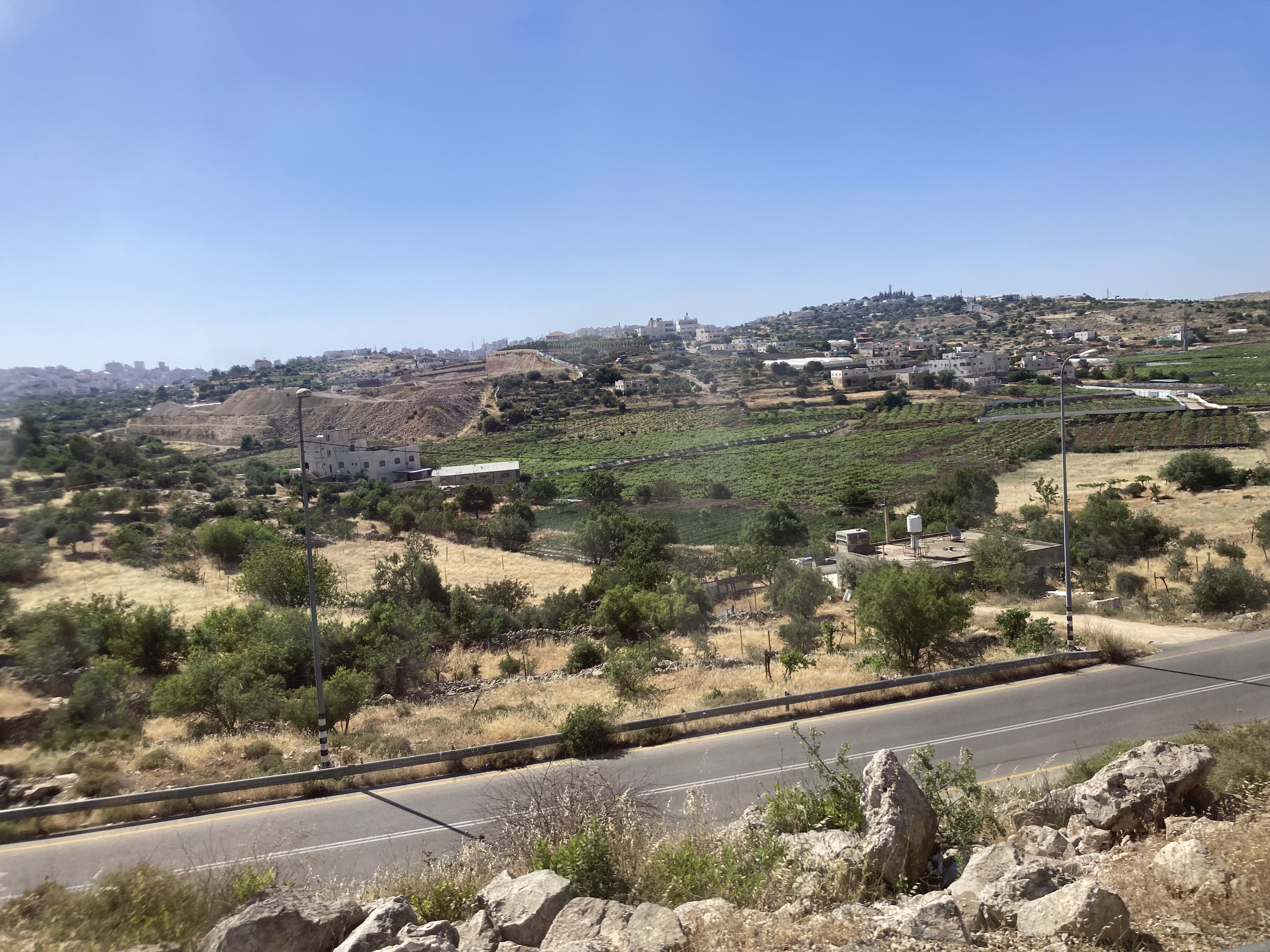
| Rather, the meaning of the verse is that Hebron was seven times more fruitful [mevunna] than Zoan. And there is no stonier land in Eretz Yisrael than Hebron. This is evident because they would bury the dead there, just as the forefathers were buried there. This was done only in land that was not suitable for agriculture. And of all the lands, there is none of a higher quality than the land of Egypt, as it is stated: “Like the garden of the Lord, like the land of Egypt” (Genesis 13:10). And there was no higher-quality land in all of the land of Egypt than Zoan, as it is written with regard to Pharaoh’s ministers, who would certainly have lived on the finest land in the country: “For his princes are in Zoan” (Isaiah 30:4). And even so, Hebron was seven times more fruitful than Zoan | אלא הכוונה היא שהיתה מבונה (פוריה יותר) על אחד משבעה (פי שבע) בצוען. ואין לך מקום שיש בו טרשים בכל ארץ ישראל יתר מחברון, והראיה לדבר: משום דקברי [שקוברים] בה שיכבי [מתים] וזהו דבר הנעשה בקרקע שאינה ראויה לעיבוד, ולכן שם הוא מקום קבורת האבות. ואין לך מעולה בכל הארצות יתר מארץ מצרים, שנאמר: “כגן ה’ כארץ מצרים” (בראשית יג, י), ואין לך מעולה בכל ארץ מצרים יתר מצוען, וראיה לדבר, ממה דכתיב [שנאמר]: “כי היו בצען שריו” (של פרעה מלך מצרים) (ישעיה ל, ד) ובודאי במקום המובחר שבמדינה היו יושבים, ואפילו הכי [כך] חברון מבונה אחד משבעה בצוען. |
| The Gemara asks: But is the land in Hebron in fact stony? But isn’t it written: “And it came to pass at the end of forty years, that Absalom said to the king: I pray, let me go and pay my vow, which I have vowed to the Lord, in Hebron” (II Samuel 15:7)? And Rav Avya says, and some say that it was Rabba bar bar Ḥanan: This means that Absalom went to bring sheep specifically from Hebron. And it is taught in a baraita (Tosefta, Menaḥot 9:3): One must bring the choicest animals to the Temple as offerings. Rams are brought from Moab, and sheep are brought from Hebron. This indicates that Hebron has rich land where fat and healthy sheep are raised. The Gemara answers: From this very source it can be proven that Hebron is not suitable for agriculture. Since the earth there is thin, it produces only grass for grazing and fattens the livestock (translation from Sefaria). | ושואלים: וחברון מקום טרשים הוי [היא]? והא כתיב [והרי נאמר]: “ויהי מקץ ארבעים שנה ויאמר אבשלום אל המלך אלכה נא ואשלם את נדרי אשר נדרתי לה’ בחברון “(שמואל ב טו, ז), ואמר רב אויא ואיתימא [ויש אומרים] שאמר זאת רבה בר בר חנן: שהלך אבשלום להביא כבשים מחברון דווקא. ותניא [ושנויה ברייתא] שמביאים למקדש קרבנות מן המובחר ביותר, אילים מביאים ממואב, כבשים מביאים מחברון, משמע שהארץ בחברון היא טובה, שמגדלת כבשים שמנים! ומשיבים: מינה [ממנה], מתוך קושיה זו עצמה אנו מוצאים ראיה לדבר, שכן איידי דקלישא ארעא עבדה רעיא ושמן קניינא [מתוך שקלושה היא האדמה ואינה עמוקה, הריהי מוציאה רק עשב למרעה ומשמין המקנה] (התרגום מאתר ספריא) |
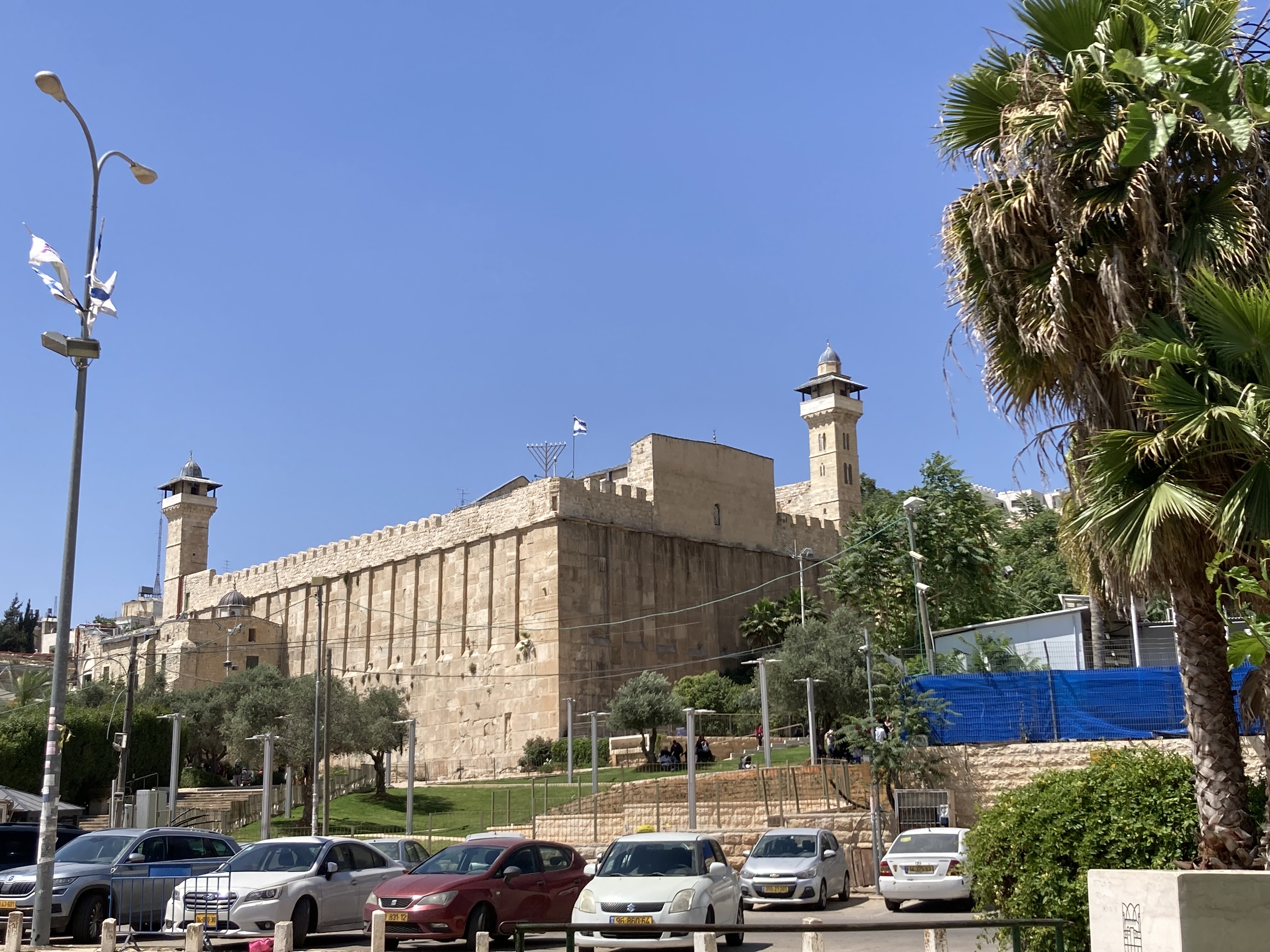
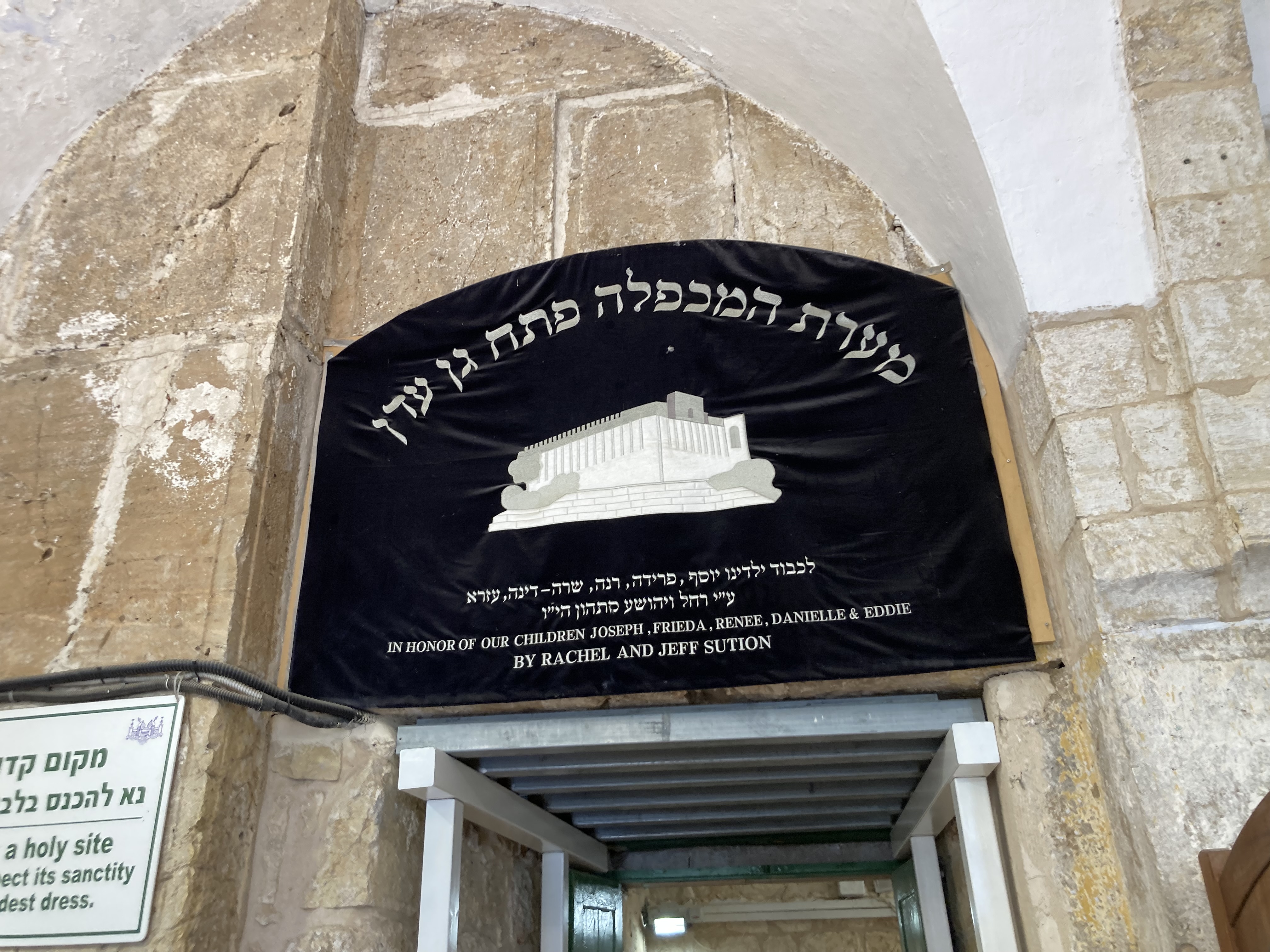
| Hebron, located in the Judean Mountains, about 35 km south of Jerusalem and at an altitude of 927 m above sea level, is one of the oldest cities in the world that have been inhabited almost continuously. According to our tradition, Hebron is also called the “City of the Forefathers”, where the Cave of the Patriarchs is located, which Abraham bought, and where the fathers and mothers of the nation were buried (Adam and Eve, Abraham and Sarah, Isaac and Rebekah, Jacob and Leah). According to the midrash, the place was considered bad for agriculture and was probably assigned to burials even before, which is consistent with the finding of about 3000 (!) burial caves in the area. After Abraham, Isaac and Jacob also lived in Hebron, and during the settlement period, it was declared one of the cities of refuge. | חברון, השוכנת בהרי יהודה, כ-35קמ דרומית לירושלים ובגובה 927מ’ מעל פני הים, היא אחת הערים העתיקות בעולם המאוכלסות כמעט באופן רצוף. לפי המסורת שלנו, חברון נקראת גם “עיר האבות”, שם נמצאת מערת המכפלה, אותה קנה אברהם אבינו, ובה נקברו אבות ואימהות האומה (אדם וחוה, אברהם ושרה, יצחק ורבקה, יעקב ולאה). לפי המסופר במדרש, המקום נחשב גרוע לחקלאות וכנראה הוקצה לקבורה עוד קודם, דבר שתואם את מציאתן של כ-3000 (!) מערות קבורה באיזור. לאחר אברהם, גם יצחק ויעקב ישבו בחברון, ובתקופת ההתנחלות, היא הוכרזה כאחת מערי המקלט. |
| Its original name in the Bible was Kiryat Arba after the name of the owner of the place, “Arba” who was the greatest man among the Anakites or perhaps – giants” (Joshua 14-15). The origin of the name “Hebron” is from the root H.B.R. – to unite, come together, connect, perhaps also forge a covenant. In Arabic The city is called “Al-Khalil” after Abraham, who in Arabic is known as Khalil Allah, Khalil being friend – or the one who’s connected with – Gd. | שמה המקורי במקרא היה קרית ארבע על שמו של בעל המקום, “ארבע” שהיה האדם הגדול בענקים” (ספר יהושע יד-טו). מקור השם “חברון” בשורש ח.ב.ר – לחבור, להתאגד, אולי גם ליצור ברית. בערבית נקראת העיר “אל-ח’ליל” על שמו של אברהם שנקרא בערבית ח’ליל אללה, ידיד – או חבר – האל. |
| Hebron was one of the largest cities during the Iron Age in the Land of Israel, and King David’s 1st capital for about seven years. Despite the ups and downs, Hebron remained for hundreds (and thousands) of years one of the four holy cities, along with Jerusalem, Safed and Tiberias. In the 16th century, a community of Jewish immigrants from Spain developed there, and at the end of the 19th century, many Jews arrived in the city, establishing it further. In the events of 1929, 67 of the city’s Jews were murdered here and the rest abandoned it. The settlement was later rebuilt by the remnants of the survivors, but the latter were forced to leave the city with the establishment of the State of Israel. | חברון היתה אחת הערים הגדולות בתקופת הברזל בארץ ישראל, והיא שמשה כבירתו הראשונה של דוד המלך במשך כשבע שנים. למרות העליות והירידות, חברון נשארה במשך מאות (ואלפי) שנים אחת מארבע ערי הקודש, יחד עם ירושלים, צפת וטבריה. במקום התפתחה במאה ה-16 קהילה של יוצאי יהדות ספרד ובסוף המאה ה-19, הגיעו לעיר יהודים רבים שביססו את הישוב בה. במאורעות תרפ”ט (1929) נרצחו כאן 67 מיהודי העיר והשאר נטשו אותה. היישוב שוקם אחר כך על ידי שרידי הניצולים, אך אחרוניהם נאלצו לעזוב את העיר עם הקמת מדינת ישראל. |
| Today Hebron is divided in accordance with the Oslo and Hebron Accords into area H1 (Palestinian Authority, with approximately 200,000 Palestinian residents and zero Jewish residents) and H2 (Israeli authority, with approximately 40,000 Palestinian residents and approximately 1,000 Jewish residents). In 2017, UNESCO decided to recognize the old city of Hebron as a “World Heritage Site”. Despite what the news sounds like, it’s possible to visit the Cave of the Patriarchs in Hebron without special permits and preparations. You can reach the place by public transportation or by private car, from the north (from Jerusalem) or the south (Beer Sheva-Arad area). You can also take a guide for the day and gain a deeper understanding of the place and the area. | כיום חברון מחולקת בהתאם להסכמי אוסלו וחברון לאיזור H1 (רשות פלסטינית, עם כ-200,000 אלף תושבים פלסטינים ואפס תושבים יהודים) ו-H2 (ישראל, עם כ-40,000 תושבים פלסטינים וכ-1000 תושבים). ב-2017 החליט ארגון אונסק”ו להכיר בעיר העתיקה של חברון כ”אתר מורשת עולמית”. למרות הנשמע החדשות, אפשר לבקר במערת המכפלה בחברון בלי אישורים והכנות מיוחדות. אפשר להגיע למקום בתחבורה ציבורית או ברכב פרטי, מצפון (מירושלים) או דרום (איזור באר שבע-ערד). אפשר גם לקחת מדריך ליום ולהרויח הבנה עמוקה יותר על המקום והאיזור. |
שבת שלום SHABBAT SHALOM!



 Torah & more... תורה ועוד