פרשת חוקת – מנהיגות משתנה וביקור בהור-ההר
| This week’s Torah portion, Chukat, opens with the complicated topic of The Red Heifer that fills chapter 19 and functions as a sort of “place holder” for the thirty-eight years in the middle of the journey, while chapter 20 according to tradition, begins in the 40th year of the journey and onward, to the entrance into the Land. The story it opens with, is Mei Meriva”, the water of quarrel, when Miriam, Moses and Aaron’s sister and a prophetess in her own right, dies, and the people complain about a lack of water. Gd commands Moses to speak to the rock so that it will bring out water for the People, and Moses strikes the rock. This is the point at which Gd declares that Moses and Aaron will not enter the Promised Land ” Because you did not trust Me enough to affirm My sanctity in the sight of the Israelite people, therefore you shall not lead this congregation into the Land that I have given them.” (Numbers 20:14). | פרשת השבוע שלנו, פרשת חוקת מתחילה בסוגיה ההלכתית המסובכת של הפרה האדומה הממלאת את פרק י”ט והמתפקדת כמעין “מחזיק מקום” לכך שלושים ושמונה השנים באמצע המסע, כשפרק כ’ לפי המסורת, מתחיל בשנה הארבעים של המסע ולקראת הכניסה לארץ. הסיפור הפותח בו הוא ענין מי מריבה כשמרים, אחות משה ואהרון ונביאה בפני עצמה, מתה, והעם מתלונן על מחסור במים. הקב”ה מצווה את משה לדבר אל הסלע כדי שיוציא מים עבור העם, ומשה מכה על הסלע. זו הנקודה בה ה’ מכריז שמשה ואהרון לא יכנסו ארץ המובטחת “יַ֚עַן לֹא־הֶאֱמַנְתֶּ֣ם בִּ֔י לְהַ֨קְדִּישֵׁ֔נִי לְעֵינֵ֖י בְּנֵ֣י יִשְׂרָאֵ֑ל לָכֵ֗ן לֹ֤א תָבִ֙יאוּ֙ אֶת־הַקָּהָ֣ל הַזֶּ֔ה אֶל־הָאָ֖רֶץ אֲשֶׁר־נָתַ֥תִּי לָהֶֽם” (במדבר כ, יב). |
| What exactly happened in the incident of hitting the rock? Is it because Moses hit the rock instead of talking to it? After all, water did come out! And what is Aaron’s business? And actually… was it even possible for Moshe and Aaron to enter Israel? Or is it time for new leadership? Chukat is actually the “watershed” that transforms us to a new stage in the journey of the People of Israel in the desert. This book begins with the organization of the camp, and because of that, first deals with the life of the individual – the metzora, the nazir, the sota. Then it moves on and deals with the conduct of the tribes and the people when dealing with themselves, internally: the desire to eat meat, the story of the spies, Korah and his mutiny against Moses. After we have clarified our internal affairs, we expand the circle and also encounter the nations of the world. | מה בדיוק קרה באירוע של ההכאה בסלע? האומנם בגלל שהיכה משה את הסלע במקום לדבר אליו? הרי יצאו מים! ומה עניינו של אהרון? ובעצם… האם בכלל אפשר היה למשה ואהרון שיכנסו לארץ? או שהגיע הזמן למנהיגות חדשה? פרשת חוקת היא בעצם “קו פרשת המים” המעביר אותנו למהלך חדש במסע של עם ישראל במדבר. ספר במדבר מתחיל בארגון המחנה, ומתוך כך, קודם עוסק במסגרת חיי הפרט – המצורע, הנזיר, הסוטה. אחכ הוא עובר ועוסק בהתנהלות השבטים והעם כשהם מופנים כלפי פנים: הרצון לאכול בשר, סיפור המרגלים, עמידתו של קורח וכל עדתו מול משה. אחרי שבררנו את עניננו הפנימיים, אנחנו מרחיבים את המעגל ופוגשים גם את אומות העולם. |
| In our portion, Chukat, the confrontation will first be on the political-military level, and in the portion after it, Balak, also in the spiritual dimension. Is there a message left here for today? Perhaps in order to build the nation, everyone must build himself, not in the egotistical sense, but as a complete person who knows their place in relation to their Gd, self and immediate relatives. After that, we must build ourselves as a people that functions together in harmony where everyone also knows their place and role in relation to the whole. And only then, can we successfully face the nations of the world. Perhaps some of the challenges we experience can be explained by the fact that we do things in a somewhat messy way, trying to arrange everything at once, personal, family, community, national, and no wonder we come across some challenges. | בפרשה שלנו, חוקת, ההתמודדות תהיה קודם כל במישור הפוליטי-מדיני-צבאי, ובפרשה לאחריה, בלק, גם במימד הרוחני. האם נשאר כאן מסר לימינו? אולי כדי לבנות את האומה, על כל אחד לבנות את עצמו, לא במובן האגואיסטי, אלא כאדם שלם היודע את מקומו ביחס לאלוהיו, עצמו והקרובים המיידיים שלו. לאחר מכן, עלינו לבנות את עצמנו כעם שמתפקד ביחד בהרמוניה בו כל אחד גם יודע את מקומו ותפקידו ביחס לכלל. ורק אחר-כך, נוכל לעמוד מול אומות העולם בהצלחה? אולי אפשר להסביר את חלק מהאתגרים שאנו חווים בכך שאנחנו עושים דברים בצורה מבולגנת משהו, מנסים לסדר הכל בבת אחת, את האישי, משפחתי, קהילתי, לאומי, ולא פלא שנתקלים בקשיים. |
| During the exodus of the people of Israel from Egypt to the Land, they had to pass through several nations. The first is Edom, a descendant of Esau. This is what the Torah says: “From Kadesh, Moses sent messengers to the king of Edom: “Thus says your brother Israel: You know all the hardships that have befallen us” (20:14). When Moshe asks for permission to pass through Edom, apart from calling him “brother”, It seems that the Torah uses the expression “And Moses sent.” Later, after several wars, when approaching the Land of Israel, it is said in the Torah: “Israel now sent messengers to Sichon king of the Amorites, saying”… (21:21). Who’s this “Israel” who sends messengers to Sichon? | במהלך יציאת עם ישראל ממצרים לארץ הוא צריך לעבור דרך כמה עמים. הראשון הוא אדום, מצאצאיו של עשו. על כך אומרת התורה: וַיִּשְׁלַ֨ח מֹשֶׁ֧ה מַלְאָכִ֛ים מִקָּדֵ֖שׁ אֶל־מֶ֣לֶךְ אֱד֑וֹם כֹּ֤ה אָמַר֙ אָחִ֣יךָ יִשְׂרָאֵ֔ל אַתָּ֣ה יָדַ֔עְתָּ אֵ֥ת כׇּל־הַתְּלָאָ֖ה אֲשֶׁ֥ר מְצָאָֽתְנוּ”… (כ, יד). כשמשה מבקש רשות לעבור דרך אדום, מלבד הכינוי כלפיו, “אח”, נראה שהתורה משתמשת בביטוי “וישלח משה”. יותר מאוחר, אחרי מספר מלחמות, כשמתקרבים לארץ ישראל נאמר בתורה: ” וַיִּשְׁלַ֤ח יִשְׂרָאֵל֙ מַלְאָכִ֔ים אֶל־סִיחֹ֥ן מֶֽלֶךְ־הָאֱמֹרִ֖י לֵאמֹֽר”… (כא כא). מי זה “ישראל” ששלח מלאכים אל סיחון? |
| In the Haftarah (Judges 11) it is told about Jephthah who receives the task of negotiating with the king of Ammon regarding the situation on the border between the tribes of Israel and Ammon. From this, they talk about those days when the Israelites left Egypt and crossed the eastern Jordan. The king of Ammon accuses Israel of taking his land, while Jephthah answers him and tells him that it was not so: “He said to him, “Thus said Jephthah: Israel did not seize the land of Moab or the land of the Ammonites. When they left Egypt, Israel traveled through the wilderness to the Sea of Reeds and went on to Kadesh. Israel then sent messengers to the king of Edom, saying, ‘Allow us to cross your country.’ But the king of Edom would not consent. They also sent a mission to the king of Moab, and he refused. So Israel, after staying at Kadesh” (Judges 11:15-17). | בהפטרה (שופטים יא) מסופר על יפתח שמקבל את המשימה להתדיין עם מלך עמון בענין המצב בגבול בין שבטי ישראל ועמון. מתוך כך, הם מדברים על אותם הימים בהם בני ישראל יצאו ממצרים ועברו בעבר הירדן המזרחי. מלך עמון מאשים את ישראל שלקחו את ארצו ואילו יפתח עונה לו ומספר לו שלא כך היה: וַיֹּ֣אמֶר ל֔וֹ כֹּ֖ה אָמַ֣ר יִפְתָּ֑ח לֹֽא־לָקַ֤ח יִשְׂרָאֵל֙ אֶת־אֶ֣רֶץ מוֹאָ֔ב וְאֶת־אֶ֖רֶץ בְּנֵ֥י עַמּֽוֹן׃ כִּ֖י בַּעֲלוֹתָ֣ם מִמִּצְרָ֑יִם וַיֵּ֨לֶךְ יִשְׂרָאֵ֤ל בַּמִּדְבָּר֙ עַד־יַם־ס֔וּף וַיָּבֹ֖א קָדֵֽשָׁה׃ וַיִּשְׁלַ֣ח יִשְׂרָאֵ֣ל מַלְאָכִ֣ים אֶל־מֶ֩לֶךְ֩ אֱד֨וֹם לֵאמֹ֜ר אֶעְבְּרָה־נָּ֣א בְאַרְצֶ֗ךָ וְלֹ֤א שָׁמַע֙ מֶ֣לֶךְ אֱד֔וֹם וְגַ֨ם אֶל־מֶ֧לֶךְ מוֹאָ֛ב שָׁלַ֖ח וְלֹ֣א אָבָ֑ה וַיֵּ֥שֶׁב יִשְׂרָאֵ֖ל בְּקָדֵֽשׁ (יא:טו-טז) |
| Let us note that Jephthah, contrary to what is written in our Torah portion, does not say that it was Moses who sent the messengers, but Israel! And on this Rashi says (from Midrash Tanhuma): “These scriptures need each other; this one closes and this one open, as Moses is Israel and Israel is Moses, to tell you that the leader of the generation is like the whole generation because the leader is everything.” | נשים לב שיפתח, בניגוד למה שכתוב בפרשה שלנו, לא אומר שמשה הוא ששלח את השליחים אלא ישראל! ועל כך אומר רש”י (שם מתוך מדרש תנחומא): “הכתובים הללו צריכים זה לזה זה נועל וזה פותח שמשה הוא ישראל וישראל הם משה, לומר לך שנשיא הדור הוא ככל הדור כי הנשיא הוא הכל”. |
| Wow. The leader is the entire generation! And the transition from “Moses sent” to “Israel sent” reflects drawing near to the Land of Israel, when the leadership passes into the hands of the people as a whole. At the same time, we also learn in this Torah portion, that our great leaders die. Miriam at the beginning of Chukat; Aaron in the middle of it (20, 24-29), and Moshe, even if we hear about his death only at the end of the book of Deuteronomy, he’s told about it already in this portion. And why exactly here, and what does it have to do with the question of who sent the messengers? | וואו. הנשיא הוא כל הדור כולו! והמעבר מ”וישלח משה” ל”וישלח ישראל” משקף את ההתקרבות לארץ ישראל, כשהמנהיגות עוברת לידי העם ככלל. במקביל, אנחנו גם לומדים בפרשה זו, שהמנהיגים הגדולים שלנו – מתים. מרים בתחילת הפרשה, אהרון באמצעה (כ, כד-כט), ומשה, גם אם נשמע על מותו רק בסוף ספר דברים, הרי הוא מתבשר על כך כבר בפרשה זו. ולמה דוקא כאן, ומה הקשר לשאלה מי שלח את השליחים? |
| We’ll answer the question with what we asked at the beginning, what is so terrible about Moses striking the rock and not speaking to it? After all, we have a similar story in the book of Exodus (17:6-7), when, by the way, Moses was told to strike the rock, and in both cases, the people received their water, which they rightfully asked for! So what’s the matter here? It’s possible that the Torah wants to tell us that there are different ways to lead the nation, sometimes by force and sometimes by speech. The force was more appropriate towards the slaves who had just left Egypt, but the people approaching the land, the new generation that grew up in the desert, can no longer accept this kind of treatment. So when Moses struck the rock, it wasn’t that he performed any less of a miracle, but he showed that possibly, someone else was needed as a leader. Gd forbid that we value Moshe less, but even he, the humble and great man, who was privileged to speak with Gd directly, is reaching the end of his journey as the leader of the People. | נענה בשאלה ששאלנו בתחילה, מה כל כך נורא בזה שמשה היכה את הסלע ולא דבר אליו? הלוא יש לנו סיפור דומה בספר שמות (יז, ו-ז), ששם אגב, נאמר למשה להכות את הסלע, ובשני המקרים, העם מקבל את המים שלו, שהוא בקש בצדק רב! אז מה הענין כאן? יתכן שהתורה רוצה להגיד לנו שיש אופנים שונים איך להנהיג את האומה, לפעמים בכוח ולפעמים בדיבור. הכוח התאים יותר כלפי העבדים שרק יצאו ממצרים, אך העם המתקרב לארץ, הדור החדש שגדל במדבר, כבר לא יכול לקבל מרות בצורה כזו. לכן כשמשה היכה את הסלע, זה לא שהוא עשה נס פחות יותר, אבל הוא הראה שיש צורך בדמות אחרת כמנהיג. לא חלילה שאנחנו מעריכים את משה פחות, אבל אפילו הוא, האיש הענו והגדול, שזכה לדבר עם הקב”ה ישירות, מגיע לסוף דרכו כמנהיג העם. |
| In the Talmud (Bava Batra 75:a), it is said: “Moses’ face is like the sun, while Joshua’s face is like the moon.” On the surface, we may tend to prefer sunlight, but sunlight is also strong and bright and does not allow other lights to be seen. When entering the Land, we need a strong leader, but also one who leaves room for other “stars”, such as Joshua bin-Nun who was described as “moon face”. | בתלמוד (בבא בתרא עה:א) נאמר: “פני משה כפני חמה, ופני יהושע כפני לבנה”. על פניו, יתכן שאנחנו נוטים להעדיף את אור השמש, אך אור השמש הוא גם חזק ובוהק ולא מאפשר לאורות אחרים להראות. בכניסה לארץ, יש לנו צורך במנהיג חזק, אך גם כזה שמשאיר מקום ל”כוכבים” אחרים, בדמות יהושע בן-נון שתואר “כפני לבנה”. |
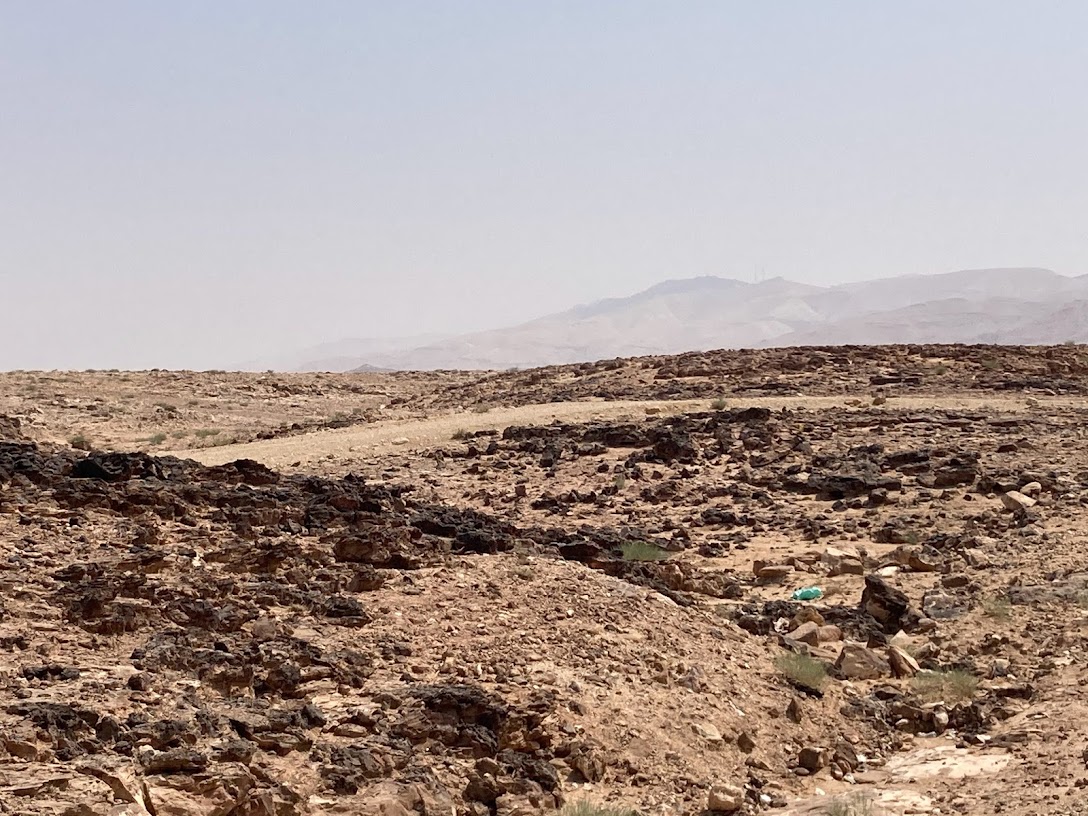
| Last summer, I had the privilege of taking a short trip to the eastern side of the Jordan, and for me everything was beautiful and moving. The very easy and comfortable (and smiling) crossing of the border that stood in stark contrast to my childhood experiences of a dangerous border, when we dug ditches at my grandparents’ house in a moshav under fear of an attack, was already a wow, and things only got better from there. Heading north from Aqaba towards the Dead Sea on the eastern side, passed through the area where the Israelites went in our portion, and indeed, I thought about them quite a bit (how would we look after three days in the desert without water…?). Besides the well-known tourist sites, Petra and Wadi Ram (the red rocks of the Edom), one of the most moving moments was when our guide waved his hand over a rocky peak, saying, “And there is Jabel Harun.” “Harun, you mean, Aaron”…? “Yes”. | בקיץ שעבר, זכיתי לצאת לטיול קצר בעבר הירדן המזרחי, ועבורי הכל היה יפה ומרגש. עצם מעבר הגבול הקל והנוח (והחייכני) שעמד בניגוד חריף לחוויות ילדותי מגבול מסוכן, כשחפרנו שוחות אצל סבא וסבתא שלי במושב תחת חשש ממתקפה, כבר היה שיא, ומשם הדברים רק השתפרו. המסע צפונה מעקבה אל עבר ים המלח בצד המזרחי, עבר באיזור בו הלכו בני ישראל בפרשה שלנו, ואכן, חשבתי עליהם לא מעט (איך אנחנו היינו נראים אחרי שלושה ימים במדבר בלי מים… ?). מלבד אתרי התיירות המוכרים, פטרה וואדי רם (הסלעים האדומים של ממלכת אדום), אחד הרגעים המרגשים ביותר היה כשהמדריך הניף את ידו את פסגה סלעית, ואמר, “ושם נמצא ג’בל הארון”. “הארון? אתה מתכוון, אהרון”….? “כן”. |
| And so stands Jabel Haroun – Mount Aaron the Prophet, steep and rocky, rising to a height of 1350m above sea level. From its summit there is a view of its entire surroundings, with its unique shape matches the nickname given to it in the Torah, “Hor Ha-har” (a mountain on / within a mountain). The place was identified as the burial place of Aaron the priest already in antiquity, and was first mentioned in the Book of Antiquities of the Jews (4, 4) and then in Eusebius’s Onomasticon (a list of biblical places from the 4th century CE). A building with a dome was built there that can be seen also, of course, from the west side (with help in the exact identification). Travelers, worshipers and visitors have been drawn to the place ever since, and since December 2019, Jewish access to the tomb has been renewed, an access that must be done with donkeys and on foot. | וכך עומד לו ג’בל הארון – הר אהרון הנביא, התלול והסלעי, מתנשא לגובה 1350מ’ מעל פני הים. מפסגתו יש תצפית על כל סביבתו, כשצורתו היחודית תואמת את הכינוי שניתן לו בתורה, “הור ההר”. המקום זוהה כמקום קבורתו של אהרן הכהן כבר בעת העתיקה, ונזכר לראשונה בספר קדמוניות היהודים (ד, ד) ולאחר מכן באונומסטיקון של אוסביוס (רשימת מקומות תנכיים מהמאה הרביעית לספירה). במקום נבנה מבנה עם כיפה שאפשר לראות (עם עזרה בזיהוי המדויק) גם, כמובן, מצד מערב. מטיילים, מתפללים ומבקרים נמשכים למקום מאז ועד היום, ומדצמבר 2019, חודשה הגישה ליהודים לקבר, גישה שצריך לעשות עם חמורים וברגל. |
| And of course, not far from there, there is also the slightly lower Mount Nebo or Har Ha’Avarim (817m above sea level), which also has a long history. The mountain also overlooks the Land of Israel, the Dead Sea, Jericho and on clear days – over eastern Samaria on its peaks, Jerusalem, Bethlehem and more, where according to tradition – perhaps – Moses was buried. Summer is not the most suitable season for a tour east of the Jordan river, and even so, a tour of Jordan – for those who haven’t done it, is recommended, doable and possible, and for those who have done it, surely want to come back and see more. | וכמובן, לא רחוק משם, נמצא גם הר נבו או הר העברים הנמוך יותר (817מ’ מעל פני הים), שגם לו הסטוריה ארוכה. ההר משקיף גם הוא על ארץ ישראל, ים המלח, יריחו ובימים בהירים גם על מזרח השומרון על פסגותיו, ירושלים, בית לחם ועוד, שם לפי המסורת – אולי – נקבר משה. הקיץ היא לא העונה הכי מתאימה לסיור בעבר הירדן המזרחי, ואף על פי כן, סיור בירדן – למי שלא עשה, מומלץ כדאי ואפשרי, ומי שעשה, בודאי רוצה לחזור ולראות עוד. |
ובנתיים, שבת שלום וקיץ נעים – and meanwhile, a peasant summer & Shabbat Shalom




 Torah & more... תורה ועוד