כי מראש צורים אראנו... תורה וטיולים עם פרשת בלק
| It is a good Shabbat, when the Torah readings in communities outside of Israel and inside the Land join again, so that we can continue together before the period of mourning for the destruction of the Temple is upon us. The Torah portion of Balak (outside of Israel, the double portion of Chukat-Balak) mainly deals with the prophecies of Bil’am ben Be’or who was commissioned by Balak ben Zippor (literally, son of a bird), king of Moab, to curse the People of Israel. The king is worried about the impact the Israelites might have if / when they pass through his country and therefore, sends messengers to invite Bil’am. At first, Bil’am refuses. When Balak sends more messengers, Bil’am answers them with the famous verse: “though Balak may give me a whole house full of silver and gold, I could not be able to transgress the word of Hashem, to do anything, small or great…” and we wonder, who anyway offered you silver and gold? Oh, you mean, for the right amount of silver and gold, maybe something can be done after all?… | זו שבת טובה, כשקריאות התורה של חוצלארץ וארץ ישראל חוזרות ומתחברות שוב, כדי שנוכל להמשיך ביחד לפני שמתרגשת עלינו תקופה האבל על חורבן בית המקדש. פרשת בלק (בחוצלארץ – פרשת כפולה, חוקת-בלק) עוסקת בעיקר בנבואותיו של בלעם בן בעור שהוזמן על ידי בלק בן ציפור, מלך מואב, כדי לקלל את עם ישראל. המלך מודאג ממה שעלול לקרות מכך שבני ישראל יעברו בארצו ולכן, שולח שליחים להזמין את בלעם. בתחילה, בלעם מסרב. כשבלק שולח שליחים נוספים, בלעם עונה להם בפסוק המפורסם:”אִם יִתֶּן לִי בָלָק מְלֹא בֵיתוֹ כֶּסֶף וְזָהָב לֹא אוּכַל לַעֲבֹר אֶת פִּי ה’ אֱלֹהָי לַעֲשׂוֹת קְטַנָּה אוֹ גְדוֹלָה.” במדבר כח,יח)… ואנו תוהים, מי בכלל הציע לך כסף וזהב? אה, כלומר, בשביל הכמות הנכונה של כסף וזהב אפשר אולי בכל זאת לעשות משהו?… |
| And so, finally, Bil’am leaves for the land of Moab after accepting the condition that Gd set for him that night, according to which he will only say what Gd puts in his mouth. On the way, an angel appears, with a sword drawn. Bil’am, the great magician, who is about to curse all the Israelites, does not see even one angel, and continues to ride. But his famous she-donkey, on which he rides, does indeed see the angel and therefore deviates from the road. Bil’am, who does not understand her behavior, beats her to get her back on the road. On the third time, a miraculous spectacle takes place when Gd opens the mouth of the donkey, and it is she, who explains to Bil’am what is happening around him. The angel evenyually sends Bil’am on his way, reminding him to speak only Gd’s words. | וכך, לבסוף יוצא בלעם לארץ מואב לאחר שקיבל את התנאי שהציב לו אלוהים באותו לילה, לפיו יאמר רק את אשר ישים אלוהים בפיו. בדרך, מופיע מלאך, כשחרב בידו. בלעם, הקוסם הגדול, שעומד לקלל את כל בני ישראל, לא רואה אפילו מלאך אחד, וממשיך לרכב. אך אתונו המפורסמת, עליה הוא רוכב, דוקא כן רואה את המלאך ולכן סוטה מהדרך. בלעם, שאינו מבין את התנהגותה, מכה אותה כדי להשיבה אל הדרך. בפעם השלישית מתרחש מחזה ניסי כאשר אלוהים פותח את פי האתון, ודוקא היא, מסבירה לבלעם מה קורה סביבו. המלאך שולח את בלעם לדרכו ומזכיר לו לומר רק את דברי אלוהים. |
| Bil’am meets with Balak and instructs him to build seven altars and sacrifice seven bulls and seven rams on them, so that the spirit of prophecy would preside over him. To Balak’s dismay and contrary to his original plans, Bil’am showers the People of Israel with prophecies of blessing and praise instead of cursing them, again and again. After Balak declares his disappointment for the third time, Bil’am adds yet prophecy, which includes mainly predictions for the future of the region’s nations. | בלעם נפגש עם בלק ומורה לו לבנות שבעה מזבחות ולהקריב עליהם שבעה פרים ושבעה אילים, כדי שרוח הנבואה תשרה עליו. למורת רוחו של בלק ובניגוד לתוכניותיו, בלעם מרעיף על עם ישראל נבואות ברכה ושבח במקום לקללם, שוב ושוב. לאחר שבלק מצהיר על אכזבתו בפעם השלישית, מוסיף בלעם עוד נבואה שעיקרה תחזיות על עתיד העמים באזור. |
| Among the famous ones in his sentences is ma tovu… “how goodly are your tents, oh Jacob, your dwelling places, Israel” (Numbers 24,5), a verse, which surprisingly, entered our daily prayer; and also “he (Israel) crouch, lies down like a lion, and like a lioness; who dares rouse them? Blessed are they who bless you; and cursed are they who curse you”! (24,9). By proclaiming such, he mirrors what we read in the Book of Genesis (27:29), when Isaac blesses Jacob saying, “those who bless you will be blessed, and those who curse you – will be cursed”. We understand the People of Israel as those who recognize the power of words and speech; the same speech that created the world as it is said in the book of Psalms: “in the word of Hashem, the heavens came to be, and through the spirit of his mouth, all their forces” (33,6), and the fact that there is speech within the human, is so, according to the Maharat from Prague, because Gd dwells within the human, endowing him (and her, of course), with a special mission in the world, through this power. | בין המפורסמים שבמשפטיו “מַה־טֹּ֥בוּ אֹהָלֶ֖יךָ יַעֲקֹ֑ב מִשְׁכְּנֹתֶ֖יךָ יִשְׂרָאֵֽל” (במדבר כד,ה), פסוק שבאופן מפתיע, נכנס לתפילה היומיומית שלנו, וגם “כָּרַ֨ע שָׁכַ֧ב כַּאֲרִ֛י וּכְלָבִ֖יא מִ֣י יְקִימֶ֑נּוּ מְבָרְכֶ֣יךָ בָר֔וּךְ וְאֹרְרֶ֖יךָ אָרֽוּר” (כד,ט). בכך הוא משקף את מה שנאמר כבר בספר בראשית, בברכתו של יצחק ליעקב: “אֹרְרֶ֣יךָ אָר֔וּר וּֽמְבָרְכֶ֖יךָ בָּרֽוּךְ” (כז:כט). אנחנו מבינים את עם ישראל כמי שמכיר בכוחן של המילים, ושל הדיבור. אותו דיבור שברא את העולם כפי שנאמר בספר תהילים “בִּדְבַ֣ר יְ֭הֹוָה שָׁמַ֣יִם נַעֲשׂ֑וּ וּבְר֥וּחַ פִּ֝֗יו כׇּל־צְבָאָֽם” (לג,ו), והעובדה שיש דיבור גם באדם, לפי המהר”ל מפראג, זה מפני שכך האלוהים נמצא באדם, ולכן לאדם שליחות מיוחדת בעולם דרך כוח זה. |
| Bil’am, in any case, was unable to subdue the People of Israel with the power of his speech, and therefore, offers Balak another way: Please Balak, send the daughters of Moab to tempt the Israelites to sexual promiscuity and idolatry in “Ba’al Pe’or”. This happens and an epidemic breaks out in the nation, which is only stopped when Pinchas, the grandson of Aharon the first high priest, stabs an Israeli tribal leader with a spear while he is “hanging out” with a Midyanite woman in front of the whole nation, but about that, next week… | בלעם בכל אופן, לא הצליח להכניע את עם ישראל בכוח הדיבור שלו, ולכן, מציע לבלק דרך אחרת: ישלח נא בלק את בנות מואב לפתות את בני ישראל לפריצות ועבודה זרה ב”בעל פעור”. הדבר קורה ופורצת מגפה בעם, שנעצרת רק כשפנחס, נכדו של אהרון הכהן, דוקר ברומח מנהיג שבט ישראלי כשהוא “מבלה” עם מדיינית לעיני כל העם, אבל על כך, בשבוע הבא… |
| In the idolatrous worship here (and it’s the most repulsive, if I may say so), the Israelites are described, not only as those who celebrate, visit, enjoy themselves, but as those who nitzmad – “cling, cleave” to Baal Pe’or. The Talmud (tractate Sanhedrin 64) compares the verb “cleave” here to the statement in the book of Deuteronomy (4:4): “And you who cling (devekim) to Hashem your Gd are living all this day”… which is stronger? To be nitzmad (cling) or to get “glued” (from devek)? One opinion says, of course, to cling. A second opinion says that cling from nitzmad is related to tzamid, bracelet, and a bracelet is usually a little loose on the hand and therefore less “glued”. But the question, perhaps a kind of warning, remains: sometimes we find ourselves, imbued with fervor and drive, precisely at the head of movements and various “isms”, which the Torah might see as idolatry. How do we know how to make the right choice? How do we know how to invest all our strength in the place where the good values are? How do we know how to be careful? | בעבודה הזרה (הדוחה ביותר, אם אפשר לומר), בני ישראל מתוארים, לא רק ככאלו שחוגגים, מבקרים, נהנים, אלא ככאלו ש”נצמדים” לבעל פעור. התלמוד (מסכת סנהדרין סד) משווה בין הפועל “נצמד” כאן, לאמירה בספר דברים (ד,ד): “וְאַתֶּם הַדְּבֵקִים בַּיהוָה אֱלֹהֵיכֶם חַיִּים כֻּלְּכֶם הַיּוֹם”… מה יותר חזק? להצמד או להדבק? דעה אחת אומרת, ברור, להצמד. דעה שניה אומרת שלהצמד זה כמו צמיד, וצמיד בד”כ נמצא בקצת רפיון על היד ולכן פחות חזק מ”דבק”. אבל השאלה, אולי מעין אזהרה, נשארת: לפעמים אנחנו מוצאים את עצמנו, חדורי אמונה ושליחות, דוקא בראשי תנועות ו”איזמים”שאולי התורה היתה קוראת להן עבודה זרה. איך נדע לבחור נכון? איך נדע להשקיע את כל כוחנו במקום בו הערכים הטובים? איך נדע להזהר? ******* |
| South of Jerusalem, there is a kibbutz “Rosh Tzurim” = top of the rocky hills, whose name is taken from a verse in Bil’am’s prophecies in our parasha: “For from Rosh Tzurim I will see him (Israel), gaze on him from the hills of Assyria; for this is a People who swells apart, not reckoned among the nations”… (Numbers 23,9). The kibbutz founded in 1969 in the renewing Gush Etzion of post the Six Day War, sits on the ruins of Kibbutz Ein Zurim which fell, with the settlements of the Gush, in the War of Independence (1948). | דרומית לירושלים, נמצא קיבוץ “ראש צורים”, ששמו נלקח מתוך פסוק בנבואות בלעם בפרשה שלנו: “כִּי-מֵרֹאש צֻרִים אֶרְאֶנּוּ וּמִגְבָעוֹת אֲשוּרֶנוּ, הֶן-עָם לְבָדָד יִשְכֹּן וּבַגוֹיִם לֹא יִתְחַשָּב” (במדבר כ”ג ט). הקיבוץ שנוסד ב-1969 בגוש עציון המתחדש אחרי מלחמת ששת הימים, יושב על חורבות קיבוץ עין צורים שנפל, עם ישובי הגוש, במלחמת העצמאות (1948). |
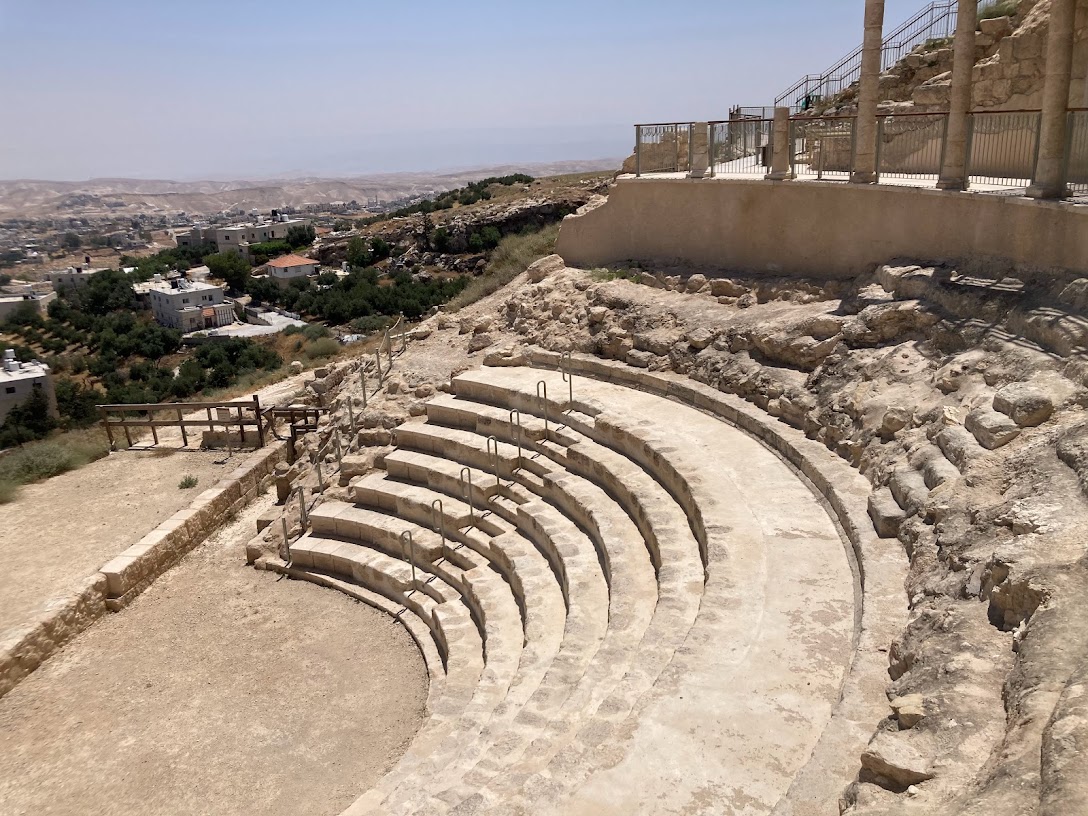
| Gush Etzion is a mountainous area between Jerusalem and Hebron whose peaks reach a height of 950-997m above sea level, but its configuration is “calm” (unlike the steeper Shomron / Samaria) with several flowing springs. Its eastern part sit on the edge of the Judean Desert, where stands, on an artificial hill, visible from the distance, Herodion Fortress – or “Mount Herod”, today a national park under the management of the Nature and Parks Authority (RTG) which is available – and highly recommended – for a visit. | גוש עציון הוא איזור הררי בין ירושלים וחברון שפסגותיו מגיעות לגובה 950-997מ’ מעל פני הים, אך תצורתו “רגועה” (לא תלולה כמו השומרון) ובו נובעים גם מספר מעיינות. חלקו המזרחי נמצא בספר (ס’ בשווא, במובן גבול) מדבר יהודה, שם עומד, על גבעה מלאכותית, נראית למרחוק, מבצר ההרודיון – או “הר הורדוס”, כיום גן לאומי בניהול רשות הטבע והגנים (רט”ג) שניתן – ומומלץ מאד – לבקר בו. |
| In Herodion we can find the remains of the magnificent and fortified summer palace built by King Herod including its towers, the most impressive water system and his tomb, from the Roman rule era in the Land of Israel. Herod, who lived and worked in the first century BCE, was the king of Judah, also known as “the builder king” because of his important projects such as the establishment of a large port city in Caesarea, the rebuilding of the city of Samaria (today’s Sebastia), the construction of a palace of refuge in Masada, winter palaces in Jericho, and his massive renovation of the Temple in Jerusalem, which he turned into a most magnificent structure. | בהרודיון נוכל למצוא את שרידי ארמון הקיץ המפואר והמבוצר שבנה המלך הורדוס על מגדליו, מערכת המים המרשימה ביותר וקברו, בתקופת השלטון הרומאי בארץ ישראל. הורדוס, שחי ופעל במאה הראשונה לפני הספירה, היה מלך יהודה ונודע גם בשמו “המלך הבנאי” בגלל מפעליו החשובים כמו הקמת עיר נמל גדולה בקיסריה, בנייה מחדש של העיר שומרון (סבסטיה של ימינו), בניית ארמון מקלט במצדה, ארמונות חורף ביריחו, ושיפוץ מסיבי של בית המקדש בירושלים, אותו הפך למבנה מפואר ביותר. |
| However, he only named “Herodion” after himself. The historian Yosef ben Mattheyahu (Josephus Flavius) tells us (in his writings from 2000 years ago!): “And when Herod made a lasting memorial to his relatives and his beloveds, he did not underestimate his own memory either: therefore he built a fort on a mountain facing the land of Arabia and called it the Herodion after himself, and even the plateau made by the hands of humans, at a distance of sixty ris from Jerusalem… Herod also called after himself, and summed up its beauty with respect and a generous spirit, because the top of the plateau was surrounded by round towers, and the entire surrounding square was filled with magnificent palaces, and not only the appearance of the houses inside was lust for the eyes, for even outside there was great wealth poured out on the walls and corners and the roofs. The king spent much money to draw a lot of water from a distance to the top of the plateau, and on the slope of the hill he carved two hundred stairs of white marble, because the hill was quite high, even though it was all made by human hands. And at the bottom of the hill Herod built other royal buildings, storehouse for the king’s vessels and dwelling places for his slaves, until this citadel resembled in all its laws to a whole city within the domain of the kings’ palace“…. (from “The History of the War of the Jews with the Romans). By the way, part of those stairs were kept to this very day (it’s only been 2000 years!!) and it’s possible to climb on them to the top of the hill. | אולם רק את “הרודיון” קרא על שמו. ההסטוריון יוסף בן מתתיהו כתב (לפני 2000 שנה!): “וכאשר עשה הורדוס זכר עולם לקרוביו ולאוהביו, לא זלזל גם בזכר עצמו: על־כן בנה מבצר בהר הפונה אל ארץ ערב וקרא לו הרודיון על שמו, ואף הרמה העשויה בידי אדם, במרחק ששים ריס מירושלים… גם לה קרא הורדוס בשם הזה וכלל את יופיה בכבוד וברוח נדיבה, כי את ראש הרמה הקיף מגדלים עגולים, ואת כל הכיכר המוקפת מילא ארמונות נהדרים, ולא רק מראה הבתים בפנים היה תאווה לעיניים, כי ־אם גם מחוץ היה עושר רב שפוך על הקירות והקרנות והגגות. המלך פיזר כסף רב למשוך ממרחק מים רבים עד ראש הרמה, ובשיפוע הגבעה חצב מאתיים מעלות שיש לבן צח, כי הייתה הגבעה גבוהה למדי, אף כי כולה נעשתה בידי אדם. וגם בתחתית הגבעה הקים הורדוס בנייני מלכים אחרים, בתי מסכנות (מחסנים) לכלי בית המלך ובתי משכן לעבדיו, עד כי דמתה המצודה הזאת לכל חוקיה לעיר שלמה בתחום ארמון ־מלכים“…. (מתוך “תולדות מלחמת היהודים עם הרומאים). אגב, חלק מהמדרגות המתוארות כאן, נשמרו עד היום (רק עברו 2000 שנה!!) ואפשר לטפס בן אל ראש הגבעה. |
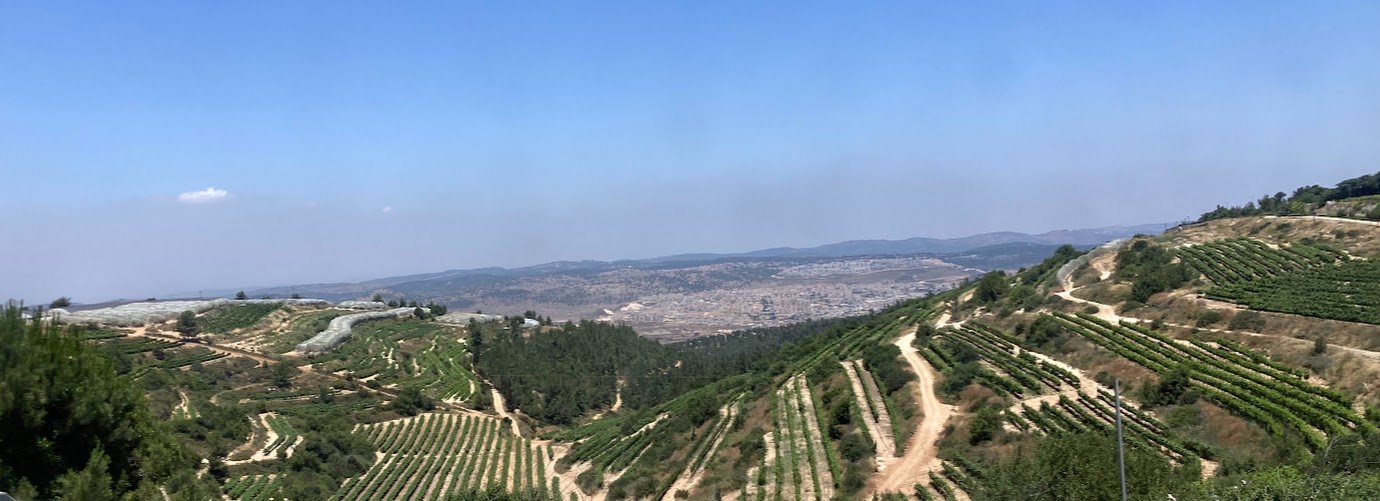
| As mentioned, it is possible to visit Herodion, combining the visit with a tour of Gush Etzion itself to learn about the history of the place in the years before the establishment of the state of Israel. Attempts at Jewish settlement here began as early as 1927 with the establishment of a settlement that was forced to abandon its location due to the 1929 riots. The second attempt was in 1935 by the “El Hahar” (to the mountain) company, one of whose leaders was Shmuel Zvi Holtzman (holtz in German and Yiddish means “tree”, in Hebrew etz, hence the name “Etzion”). This attempt also failed due to the 1936-1939 riots. In the 1940’s, the religious Kibbutz movement brought three kibbutzim to the region: Kfar Etzion, Masu’ot Yitzchak and Ein Tzurim, and in 1947 members of Hashomer Hatza’ir came up here and founded Kibbutz Revadim. | ניתן כאמור, לבקר בהרודיון, ולשלב את הביקור בסיור בגוש עציון עצמו וללמוד על ההסטוריה של המקום בשנים שלפני קום מדינת ישראל. ניסיונות ההתיישבות היהודית כאן החלו כבר ב-1927 בהקמת ישוב שנאלץ לנטוש את מקומו בגלל מאורעות תרפט. נסיון ההתישבות השני היה ב-1935 ע”י חברת “אל ההר” שאחד מראשיה היה שמואל צבי הולצמן (הולץ בגרמנית ובידיש פירושו “עץ”, ומכאן השם “עציון”). גם נסיון זה נכשל בגלל מאורעות תרצו-תרצט. בשנות ה-40, העלתה תנועת הקיבות הדתי למקום שלושה קיבוצים: כפר עציון, משואות יצחק ועין צורים, וב-1947 עלו למקום חברי השומר הצעיר והקימו את קיבוץ רבדים. |
| With the outbreak of the War of Independence, the Arabs laid siege to the bloc and cut off the supply routes. Various convoys were sent to them, including the “35 Convoy”, the “Nabi Daniel convoy” and the “10 Convoy”, each ending with its own tragic story. The day before the declaration of statehood, the village of Kfar Etzion fell. 242 members of the kibbutz and its fighters were killed during the battle. Several dozen fighters and civilians who surrendered were also massacred by the soldiers of the Arab Legion and the Arabs of the region. About 240 people were taken captive and sent to prisoners of war camps in Jordan, where they were held for about 10 months until an exchange took place. The territory was occupied by Jordan and the settlements were almost completely destroyed. Camps of the Jordanian army and a Palestinian refugee camp were set up in their territory. The Jewish settlements that were evacuated were re-established in Carmel (Nir Etzion), and in the south (Ein Zurim and Masu’ot Yitzchak in the area of Ashkelon and not far from them, Revadim). | עם פרוץ מלחמת העצמאות, הערבים הטילו מצור על הגוש וניתקו את דרכי האספקה. שיירות שונות נשלחו אליהם, כולל שיירת הל”ה, שיירת נבי דניאל ושיירת העשרה, ולכל אחת סיפור טרגי משלה. יום לפני הכרזת המדינה, נפל כפר עציון. 242 חברי הקיבוץ ולוחמיו, נהרגו תוך כדי קרב. גם כמה עשרות לוחמים ואזרחים שנכנעו, נטבחו ע”י חיילי הלגיון הערב וערביי האזור. כ-240 איש נלקחו בשבי ונשלחו למחנות שבויים בירדן, שם הוחזקו כ-10 חודשים עד להחלפת שבויים. השטח נכבש ע”י ירדן והישובים נחרבו כמעט לחלוטין. בשטחם הוקמו מחנות של צבא ירדן ומחנה פליטים. הישובים היהודים שפונו, הוקמו מחדש בכרמל (ניר עציון), ובדרום (עין צורים ומשואות יצחק באיזור אשקלון ולא רחוק מהם, רבדים). |
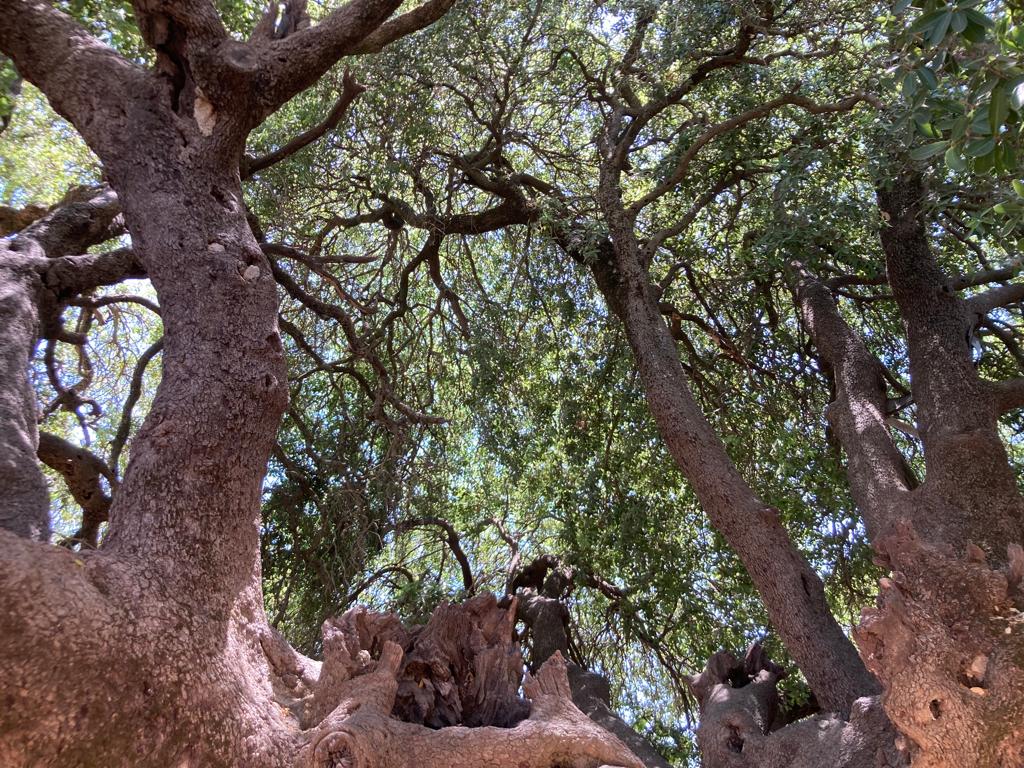
| As mentioned, after the Six Day War, the area was resettled. Today it has close to 20 places including the local council of Efrat and the city of Beitar Illit. Nearly 30,000 Israeli citizens live in the region, and it attracts many visitors for various reasons (tourism, studies, geo-politics and more). The symbol of Gush Etzion is the lone oak, a kind of “teary oak” (although almost certainly not the same oak from Genesis that is identified elsewhere) that stands to this day in the center of the Gush, and could be viewed from Israel before 1967 to mark the location of the abandoned settlements (Alon Shvut, “the oak of return”, one of the area’s villages is named after it). Despite what is heard in the news from time to time, it is possible and worthwhile to visit the area (all at traveler’s responsibility 😊). Next to that oak, there is a rest area with coffee, clean bathrooms, a promenade and further opportunities to learn more about the place and its people. | כאמור, אחרי מלחמת ששת הימים, יושב האיזור מחדש. כיום יש בו קרוב ל-20 ישובים כולל המועצה המקומית אפרת והעיר ביתר עילית. חיים בו קרוב ל-30 אלף אזרחים ישראלים, והוא מושך מבקרים רבים מסיבות שונות (תיירות, לימודים, גאו-פוליטיקה ועוד). סמל גוש עציון הוא האלון הבודד, מעין “אלון בכות” (אם כי קרוב לודאי לא אותו אלון מספר בראשית המזוהה במקומות אחרים) שעומד עד היום במרכז הגוש, ואליו היו משקיפים מתחום ישראל לפני 1967 כדי לציין את מקומם של היישובים הנטושים (על שמו של האלון נקרא היישוב אלון שבות). למרות הנשמע בחדשות מידי פעם, אפשר וכדאי לבקר באיזור (באחריות המטייל 😊). ליד אותו אלון, יש פינת ישיבה עם קפה, שירותים נקיים, טילת והזדמנויות ללמוד עוד על המקום ואנשיו. |
ובנתיים, שבת שלום – and meanwhile, Shabbat Shalom
Herodion, Vine terraces of the renewing Gush Etzion, and The Oak at the heart of the region
הרודיון, טרסות הגפנים ועצי פרי של גוש עציון המתחדש, האלון של הגוש


 Torah & more... תורה ועוד