תורה וטיולים עם פרשת פנחס וחמש אחיות…
| Five sisters, the “daughters of Zlofchad”, appear in our weekly Torah portion, Pinchas, and plead before Moses their claim to receive an estate in the Land of Israel. Who’s their father, who earned such a unique name, ” Z’lof-chad”? We know this precisely because the Torah tells us his full lineage: “And so approached the daughters of Zlofchad, son of Hepher son of Gilead son of Machir son of Manasseh son of Joseph”… (Numbers 27:1), that is, Zelophad is fifth generation to Joseph, son of Jacob. | חמש אחיות, “בנות צלופחד”, מופיעות בפרשת השבוע שלנו, פרשת פנחס, ושוטחות לפני משה רבנו את טענתן לקבל נחלה בארץ ישראל. מי הוא האבא שלהן, שזכה בשם יחודי שכזה, “צלופחד”? את זה אנחנו דוקא יודעים כי התורה מספרת לנו את יחוסו המלא: “וַתִּקְרַ֜בְנָה בְּנ֣וֹת צְלׇפְחָ֗ד בֶּן־חֵ֤פֶר בֶּן־גִּלְעָד֙ בֶּן־מָכִ֣יר בֶּן־מְנַשֶּׁ֔ה לְמִשְׁפְּחֹ֖ת מְנַשֶּׁ֣ה בֶן־יוֹסֵ֑ף”...(במדבר כז:א). כלומר צלופחד הוא דור חמישי ליוסף, בנו של יעקב. |
| Why does the Torah tell us Zlofchad’s five previous generations? Some say that the names of this dynasty describe to us the process of going into exile from Manasseh, whose name is related to forgetfulness, when Joseph had to move away from his father’s house. Then “Gil’ad” – when a thought arises that the exile may be eternal (ad=forever). “Hefer” – a kind of shame and the hiding of the outward Jewish identity, which brings about life in the shadow of fear, hence “Zlofchad” (literally, tzel = shadow; pachad = fear), and some say about him that he was the one who gathering wood on Shabbat (Numbers 15) and died there, in the site of exile. | למה מספרת לנו התורה על צלופחד חמישה דורות אחורנית? יש אומרים ששמות השושלת הזו מתארים לנו את תהליך הכניסה לגלות ממנשה, ששמו קשור לנשיה, שכחה, כשיוסף נאלץ להתרחק מבית אביו. לאחר מכן, “גלעד” – כשעולה מחשבה שהגלות עלולה להיות נצחית (גל-עד). “חפר” – מעין בושה והחבאה של הזהות היהודית המוחצנת, מה שמביא לחיים בצל-הפחד, ומכאן “צלפחד”, שיש אומרים היה המקושש (במדבר טו) ומת שם, במקום הגלות. |
| Is it coincidentally that we have here five generations and five sisters here? Maybe. But according to the Maharal from Prague, the letter Heh ה –- the 5th in the Hebrew alphabet, symbolizes dispersion to the four corners of the universe (like the letter dalet – ד), and distance from the “leg” in the middle, the Land of Israel, which symbolizes inner unity and can be what brings the people together. That is – exile at its best, and a hint at the – potential – place of the Land in such a situation. | האם במקרה יש לנו כאן חמישה דורות וחמש אחיות? אולי. אך לפי המהר”ל מפראג, האות הא, החמישית בא-ב העברי, מסמלת פיזור לארבע רוחות השמים (כמו האות ד’), וריחוק מהנקודה שבאמצע, ארץ ישראל, שמסמלת אחדות פנימית ויכולה להיות הדבר שמביא את העם ביחד, כלומר – גלות במיטבה, ורמז למקומה – הפוטנציאלי – של הארץ במצב שכזה. |
| This is also the case in the story before us, precisely the daughters of the one who represents the complete exile and destruction, are the ones who wake up to create change. I remember someone in the US telling me, “they always tell you that if you aren’t observant, your children may intermarry, but they don’t tell you that your granddaughter might become orthodox”… In our own distant family, there is one branch where 4 generations of women married non-Jewish men. And then, the granddaughter in the 5th generation rose and approached her parents demanding to celebrate Bat Mitzvah, go to shul, keep Shabbat, etc. Of course, this is not an overall occurrence, but the phenomenon does exist, as in our portion. | כך גם בסיפור שלפנינו, דוקא הבנות של מי שמייצג את הגלות השלמה והאבדון, הם אלו שמתעוררות ליצור שינוי. אני זוכרת שמישהו אמר לי בארה”ב: “תמיד אומרים לך, שאם לא תשמור מספיק על הדרך היהודית, הילדים שלך יתחתנו עם לא-יהודים, אבל לא אומרים לך שהנכדה שלך תחזור בתשובה”… ועוד: במשפחתנו הרחוקה, יש ענף אחד ובו 4 דורות של נשים שהתחתנו עם גברים לא יהודיים. והנה, קמה הנכדה בדור החמישי ובאה אל ההורים שלה בדרישה לחגוג בת מצוה, ללכת לבית-כנסת, לשמור שבת ועוד. כמובן שזהו לא כלל סוחף, אבל התופעה קימת, כמו בפרשה שלנו. |
| The Torah verse continues: The names of the daughters were Machlah, No’a, Choglah, Milcah, and Tirzah (27,1). The Gemara describes them as “wise, knowledgeable, righteous” (Baba Batra 119:b). Not many women are described in the Torah and not all of them have a name (Noah’s wife, for example, who helped him take care of an ark full of animals, and in contrast, Lot’s wife or Korah’s wife), and here are five sisters whose names are known, and each of their names (and each time they are mentioned in a different order to show that there is no “big” and “small” between them) expresses movement and awakening towards entering the land: מחְל֣ה – from the word “vayachel Moshe”, an expression of a strong will, what is needed for the beginning; נע֔ה – from the root for movement; . חׇגל֥ה -from the root for motion in circle; – מִלְכָּ֖ה as in asking for advice, and ותרצָֽה – from the root for want, desire, to remind us that when it comes to love for the Land of Israel and inhabiting it, “there is nothing that can block one’s will”, a sentence that is a sort of acronym for the Hebrew word – love. | מספרת לנו התורה בהמשך הפסוק: וְאֵ֙לֶּה֙ שְׁמ֣וֹת בְּנֹתָ֔יו מַחְלָ֣ה נֹעָ֔ה וְחׇגְלָ֥ה וּמִלְכָּ֖ה וְתִרְצָֽה (שם, שם). הגמרא מתארת את הבנות כ”חכמניות, דרשניות, צדקניות” (בבא בתרא קיט:ב). לא הרבה נשים מתוארות בתורה ולא לכולן יש שם (“אשת” נח, למשל, שעזרה לו לטפל בתיבה מלאה בבעלי חיים, ולהבדיל, “אשת” לוט או “אשת” קורח), והנה כאן, חמש אחיות ששמותיהן ידועים, וכל אחת מהן (והן כל פעם מוזכרות בסדר שונה, להראות שאין ביניהן “גדולה” ו”קטנה”) מבטאת תנועה והתעוררות לקראת הכניסה לארץ: מַחְלָ֣ה – מלשון “ויחל משה”, ביטוי של רצון חזק, מה שצריך להתחלה. נֹעָ֔ה – מלשון תנועה. חׇגְלָ֥ה – מלשון לחוג, לנוע בסיבוב. מִלְכָּ֖ה – כמו להימלך, לבקש עצה, ותִרְצָֽה – מלשון רצון, כדי להזכיר לנו שכשמדובר באהבת ארץ ישראל ויישובה, “אין דבר העומד בפני הרצון”, משפט שהוא מעין ראשי תיבות של המילה – אהבה (אין דבר – העומד – בפני – הרצון). |
| The story of the Zlofchad’s daughter often provokes discussions about the “feminism” of the Torah. From the very beginning of the Book of Genesis, the Torah describes a society where there’s a difference between men and women: the male was created from earth, the woman – from the rib. The sages said about women, that “their mind is light” and we were alarmed, even though it’s not clear we understood correctly what “da’at” (mind, knowledge) and what “light” mean (I, for example, think that I prefer a “light mind” to a heavy one… 😊). On the other side, the sages said that, “Gd has given a woman greater comprehension than to man” (Tractate Nidda 45) If so, it is possible that men have an advantage in the field of “mind” (permanent and utter knowledge) and women – in the field of understanding (intuition). In the Sayings of the Fathers it’s said, “If there is no understanding, there is no knowledge, if there is no knowledge, there is no understanding” (Avot 3:17). That is, we need both, and each needs their own-self and the other to complete what is missing in him/her. Another component, wisdom, is found in relatively equal measure between men and women (and this is how we get – wisdom, understanding, knowledge – chochman, bina, da’at). | לעיתים קרובות סיפור בנות צלופחד מעורר שיח על ה”פמיניסטיות” של התורה. מתחילת ספר בראשית, התורה מתארת חברה בה יש שונות בין גברים ונשים: הגבר נוצר מן האדמה, האשה – מהצלע. על נשים אמרו חז”ל, ש”דעתן קלה” ואנחנו נזדעקנו, למרות שלא ברור שהבנו נכון מה פירוש “דעת” ומה פירוש “קלה” (אני למשל, חושבת שאני מעדיפה דעת קלה על דעת כבדה… 😊). לעומת זאת, אמרו חז”ל, “נתן הקב”ה בינה יתירה באישה יותר מבאיש” (נידה מ”ה). אם כך, יתכן שיש לגברים יתרון בתחום הדעת (ידע קבוע ומוחלט) ולנשים – בתחום הבינה (אינטואיציה). במסכת אבות נאמר, “אם אין בינה אין דעת, אם אין דעת אין בינה” (אבות ג’, י”ז). כלומר, אנחנו צריכים את שניהם, וגם הם עצמם, צריכים כל אחד את עצמו ואת השני כדי להשלים מה שחסר בו. מרכיב נוסף, החוכמה, נמצאת במפוזר במידה שווה יחסית בין גברים לנשים (וכך מתקבל – חוכמה, בינה, דעת). |
| From this it seems that the question of “equality” as it arises nowadays, was not an issue then because the question at the basis of action was not who I am in relation to another, but – what am I required to do. This is also Zlofchad’s daughter’s question. They do not wave the flag of equality as we treat it – and them – today. They ask: “why would our father’s name be lost from his clan just because he had no son?! Give us land-inheritance among our father’s kinsmen!” (27:4). According to the Gemara, their claim is that if they are considered as sons, they should receive an inheritance as sons, and if not, then their mother should remarry through a levirate marriage, and have a son who will inherit their father. Further: the estate is not just a gift of financial benefit. Their concern is not for their private wealth, but in prep for entering the Land, the connection to the Land, something the daughters of the tribe of Menashe, the one who will sit in the heart of the Land, emotionally and physically – are not willing to give up. | מכאן נראה ששאלת ה”שויון” כפי שהיא עולה בימינו, לא היתה “אישו” אז כי השאלה בבסיס העשיה לא היתה מי אני ביחס לאחר, אלא – מה מוטל עלי לעשות. זו גם שאלת בנות צלופחד. אין הן נושאות את דגל השויון כפי שאנחנו מתיחסים אליו – ואליהן – כיום. הן שואלות: לָ֣מָּה יִגָּרַ֤ע שֵׁם־אָבִ֙ינוּ֙ מִתּ֣וֹךְ מִשְׁפַּחְתּ֔וֹ כִּ֛י אֵ֥ין ל֖וֹ בֵּ֑ן? תְּנָה־לָּ֣נוּ אֲחֻזָּ֔ה בְּת֖וֹךְ אֲחֵ֥י אָבִֽינוּ (כז:ד). לפי הגמרא, טענתן היא, שאם הן נחשבות כבנים, הן צריכות לקבל נחלה כבנים, ואם לא, הרי שאמא שלהם צריכה להתייבם או לקבל חליצה כדי שתוכל להנשא שוב, ולהביא בן שירש את אביהן. זאת ועוד: הנחלה אינה רק מתנת ירושה כלכלית. דאגתן היא לא על עושרן הפרטי, אלא לקראת הכניסה לארץ, על החיבור לארץ, דבר עליו – בנות שבט מנשה, מי שיישב בלב הארץ, רגשית ופיזית – לא מסכימות לוותר. |
| The tribe of Manasseh indeed received one of the largest areas, if not the largest estate in the Land. Its territory extends from the sea to the eastern Jordan. One half of the tribe of Manasseh dwelt from Mount Carmel, through the southern Jezre’el Valley, northern Samaria, the Gilboa, the valley of the springs (Sach’ne, etc.) to the Jordan River, while the other half of the tribe – remained at the command of Moses, to help unite the tribes of Gad and Reuben, who wanted to remain in the eastern side of the Jordan to the land and the children of Israel. It’s not for nothing that Moshe chooses this tribe, but rather, as we mentioned, because it’s known for its deep connection to the Land, since the days of its founder, Joseph, who made his offspring, Ephraim and Manasseh, to bring his bones for burial in the Land, when to this day we know Joseph’s tomb in the area of Shechem / Nablus, the region of the tribes of Manasseh and Ephraim, his children. | שבט מנשה קבל את אחת הנחלות הגדולות, אם לא הנחלה הגדולה ביותר בארץ. שטחו משתרע מהים עד לעבר הירדן המזרחי. חציו האחד של שבט המנשה היה מהר הכרמל, דרום עמק יזרעאל, צפון השומרון, הגלבוע, עמק המעיינות (סחנה וכו) ועד נהר הירדן, ואילו חציו השני של השבט – נשאר בפקודת משה, כדי לעזור לחבר את השבטים גד וראובן שבקשו להשאר בעבר הירדן המזרחי לארץ ולבני ישראל. לא סתם בוחר משה דוקא בשבט הזה, אלא, כפי שהזכרנו, משום שהוא ידוע בקשר העמוק שלו לארץ, עוד מימי אבי מייסד השבט, יוסף, מי שהשביע את צאצאיו, אפרים ומנשה, להביא את עצמותיו לקבורה בארץ, כשעד היום אנחנו מכירים את קבר יוסף באיזור שכם, איזור שבטי מנשה ואפרים, ילדיו. |
| In the heart of Menashe’s area, we find Ramot (heights of) Menashe, named after that same Menashe. Ramot Menashe is a mountainous region, with an average height of about 250m above sea level, and peaks – at about 400m. It’s one of the most beautiful areas in the country, so in 2006 the regional council started official procedures with UNESCO to recognize the proposed park in the area as a biosphere reserve, a step that was completed in 2011. A biosphere reserve is an area where people live as an integral part of the ecosystem – and nature scenery around them. | בלב איזור שבט מנשה, נמצאות גם רמות מנשה, הקרויות על שמו של אותו מנשה. רמות מנשה הן חבל ארץ הררי, שגובהו הממוצע 250מ’ מעל פני הים, ופסגותיו מתנשאות לגובה של כ-400מ’. זהו אחד האיזורים היפים בארץ, ולכן בשנת 2006 פתחה המועצה האזורית בהליכים רשמיים מול אונסק”ו להכרה בפארק המוצע באיזור כשמורה ביוספרית, צעד שהושלם ב-2011. מרחב ביוספרי הוא אזור שבו חיים אנשים כחלק בלתי נפרד מהמערכת האקולוגית – נופית סביבם. |
| The Ramot Menashe reserve covers 84,000 dunams (about 22,000 acres) and includes forests, nature reserves, agricultural areas, pastures, volcanic hills, archaeological sites, streams and springs, monuments and heritage sites of the early pioneers’ settlement, as well as six rural villages. In the area there are many trails forhikers and bicyclists, with regulated places for day and night camping. | השמורה ברמות מנשה משתרעת על פני 84.000 דונם וכוללת יערות, שמורות טבע, שטחי חקלאות, שדות מרעה, גבעות געשיות, אתרים ארכאולוגיים, נחלים ומעיינות, אנדרטאות ואתרי מורשת וראשית ההתישבות החלוצית, וכן ששה ישובים כפריים. באיזור שבילים רבים להולכי רגל וגם לאופניים, עם מקומות מוסדרים לחניית יום ולילה. |
| On the eastern side of the tribe of Menashe’s region, there’s another place related to Zlofchad’s daughters, and this is the Tirtzah stream, which flows east of Shechem / Nablus, which we mentioned regarding Joseph. The stream has water year-round, the largest of the streams that drain eastern Samaria into the Jordan Valley and the Jordan River and from there, to the Dead Sea. Along its length – it winds about 40 kilometers long and the area of its drainage basin is 300 square kilometers – with springs and cultivated areas. The ancient route of “Mevo Hashemesh”, the Coming of the Sun – the way from east to west – passed along the northern side of the stream. Some say that it was right here, where the wadi opens wide, that the Israelites entered the Land when they returned from the desert. Ancient sites have been preserved along the stream, some from the days of the Judges, and some from the 2nd Temple era. Unfortunately, except for observations from Mount Kabir, today most of the Tirzah stream itself is inaccessible and/or considered unsafe for independent trips. However, Ramot Menashe, on the other hand, is a popular, beautiful and highly recommended area. Enjoy! | בצדו המזרחי של איזור שבט מנשה נמצא עוד מקום שקשור לבנות צלופחד, וזהו נחל תִרְצָֽה, שנובע מזרחית לשכם, אותה הזכרנו בענין יוסף. הנחל הוא נחל איתן, הגדול בנחלים המנקזים את מזרח השומרון לבקעת הירדן ולנהר הירדן ומשם לים המלח. לאורכו – הוא מתפתל אורך כ-40 קילומטרים ושטח אגן הניקוז שלו 300 קמ”ר – מעיינות ושטחי עיבוד. המסלול הקדום של דרך מבוא השמש – הדרך החוצה ממזרח למערב – עבר בצידו הצפוני של הנחל. יש אומרים שדוקא כאן, במקום בו פתח הואדי רחב דיו, נכנסו בני ישראל כשחזרו לארץ מהמסע במדבר. לאורך הנחל השתמרו אתרים קדומים, חלקם מתקופת ההתנחלות בימי השופטים, וחלקם מימי בית שני. לצערנו הרב, מלבד תצפיות מאיזור הר כביר, כיום רובו של נחל תרצה עצמו אינו נגיש ו/או נחשב בטוח לטיולים עצמאיים. אולם רמות מנשה לעומת זאת, הן מקום פופולארי, יפיפה ומומלץ ביותר. |
שבת שלום – SHABBAT SHALOM
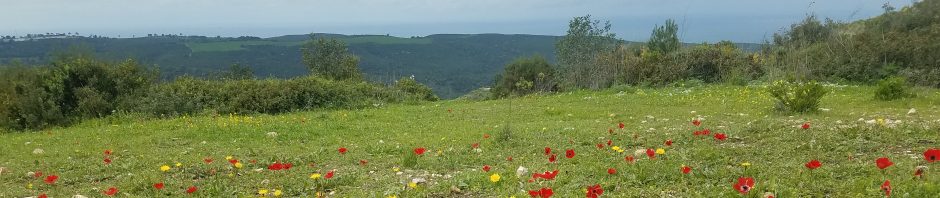
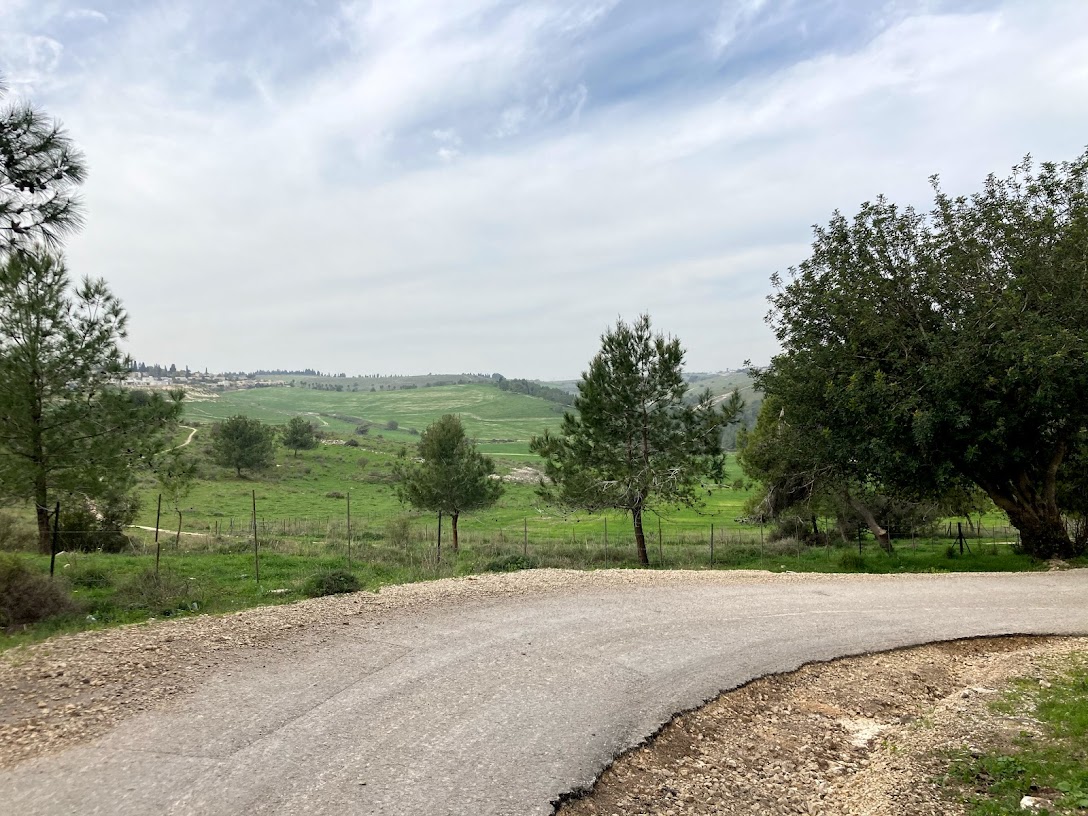
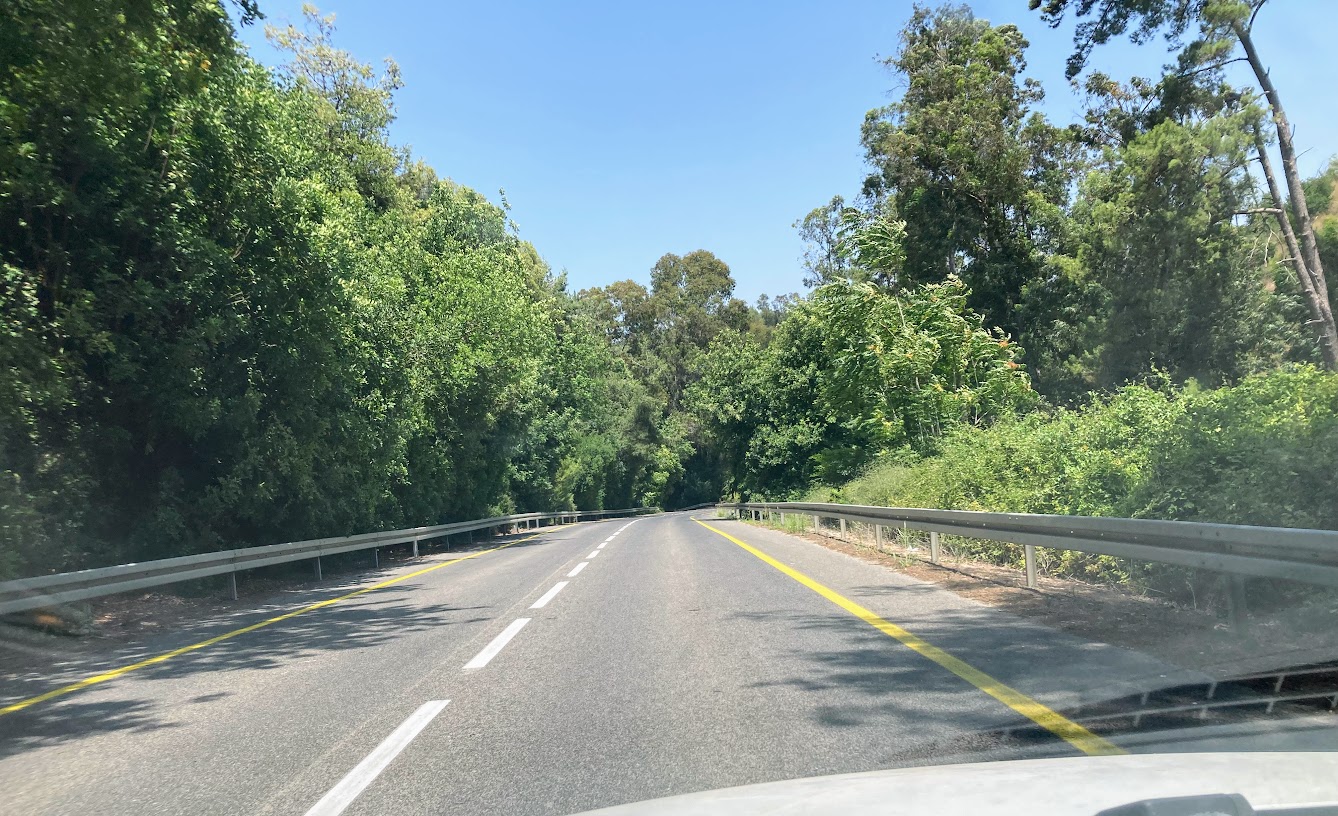
The “green” pics below are from Ramot Menashe (this week and earlier in the spring); the yellow from the view over the creek of Tirtza (early summer)




 Torah & more... תורה ועוד