תורה וטיולים עם פרשת “ואתחנן” – שבת נחמו – אֶת־הַשֶּׁ֨מֶשׁ וְאֶת־הַיָּרֵ֜חַ
| The Torah portion of “Va’etchanan” (and I pleaded…) is always read on the Sabbath after Tisha B’Av, a Sabbath that has been named “Shabbat Nachamu”, the Shabbat of comfort after the Haftara (Isaiah 40:1) which begins with “comfort, comfort my people”… and indeed, we do need comfort… It’s a busy portion, when we hear, among other things, the Ten Commandments again – with minor changes; the Sh’ma, “Hear, oh Israel“, and immediately after it, “And you shall love H’, your Gd with all your heart(s), with all your soul, with all your might”… (Deuteronomy 6:5). The midrash asks, why does Scripture use this word, levavcha – heart(s)? Why not the usual word, lib’cha, with just one letter b’? And answers: “With all your heart(s): with your good and bad inclinations” (Midrash Agada, Deuteronomy 6:5:2), that is, with all the forces within you, both the positive and the negative. | פרשת “ואתחנן” תמיד נקראת בשבת שאחרי תשעה באב, שבת שזכתה לשם “שבת נחמו” על שם ההפטרה (מספר ישעיהו מ:א) שמתחילה ב”נחמו, נחמו עמי”… ואכן, כמה אנחנו זקוקים לנחמה… זו פרשה עמוסה בה אנחנו שומעים בין השאר שוב – ובשינויים קלים – את עשרת הדברות, לראשונה, את פרשת “שמע ישראל”, ומיד לאחריה, “וְאָ֣הַבְתָּ֔ אֵ֖ת ה’ אֱלֹהֶ֑יךָ בְּכׇל־לְבָבְךָ֥ וּבְכׇל־נַפְשְׁךָ֖ וּבְכׇל־מְאֹדֶֽךָ”... (דברים ו,ה). שואל המדרש, למה משתמש הכתוב במילה “לבבך”? למה לא ליבך, עם ב’ אחת? ועונה: “בכל לבבך: בשני יצריך ביצר טוב וביצר רע” (מדרש אגדה, דברים ו׳:ה׳:ב׳), כלומר, בכל הכוחות שיש בך, גם החיובי וגם השלילי. |
| The Sifri (Deuteronomy 32:a) suggests that if Scripture emphasizes that one should act out of love, it means that more often than not, relationship can be based on fear, discomfort, should’s, whereas the Torah commands, requests, suggests that we do out of love, and further, our interpretation adds that it’s impossible to have love along with fear / awe / should in the same place, but rather, that this is something only the Holy One is capable of. | הספרי (דברים לב,א) מציע שאם מדגיש הכתוב שצריך לעשות מאהבה, זה אומר שבד”כ, “יש לך אדם, כשהוא מתיירא מחברו – כשהוא מטריחו, מניחו והולך לו”, כלומר, אדם יותר עושה כי “לא נעים לו”, כי הוא “מתירא” ואילו התורה צוותה, בקשה, הציעה שנעשה מאהבה, ועוד מוסיף הפירוש, שלנו אי אפשר שתהיה אהבה ויראה במקום אחד, “שאין לך אהבה במקום יראה ויראה במקום אהבה”, אלא לכך יכול רק הקב”ה. |
| Coincidentally – or not, This Torah portion of Va’etchanan and Shabbat Nachamu always also apply before Tu Be’Av, the 15th of the month of Av, our kind of “Love Holiday”. Tu Be’Av is considered a good day for Israel, and we should wonder regarding the close proximity of these two dates – the 9th of the Av, with its grave, heavy sadness, and the 15th. With its joy, dancing (and forgiveness?), Coincidence or…?? | במקרה – או שלא, פרשת ואתחנן ושבת נחמו תמיד חלות גם לקראת ט”ו באב, מעין “חג האהבה” שלנו. ט”ו באב נחשב יום טוב לישראל, ונכון לנו לתהות לגבי קרבת – אפילו צמידות – שני הימים האלה – ט’ באב על אבלו הכבד והנורא, וט”ו באב על שמחתו, ריקודיו ומחולו (ומחילתו?). מקריות או שמא…?? |
| And in general, what is so special about Tu Be’Av? The sages offered several answers. Rabbi Eliezer the Great said: “From the 15th of Av, the sun’s strength begins to fade”… In other words, it’s true that there will still be hot days, even very hot, but overall the days are starting to slowly get shorter, and we are turning towards the approaching fall. | ובכלל, מה כל כך מיוחד בט”ו באב? חז”ל הציעו מספר תשובות. רבי אליעזר הגדול אמר: “מֵחֲמִשָּׁה עָשָׂר בְּאָב וְאֵילָךְ תָּשַׁשׁ כּוֹחָהּ שֶׁל חַמָּה”… כלומר, נכון שעוד יהיו ימים חמים, ואפילו חמים מאד, אבל בסה”כ מורגש שהימים בכל זאת מתחילים להתקצר, ופנינו כבר אל הסתו המתקרב. |
| It’s interesting to read “the sun’s strength begins to fade” in the context of our Torah portion, in which Moses accepts, despite the great pain, the need to give up his place for Joshua: “for he shall go across at the head of this people, and he shall allot to them the land that you may only see.” (Deut. 3:28). According to what is said in the Talmud: “…Moses’ face was like the sun, Joshua’s face was like moon”, and here, right at this time of the year when “sun’s strength begins to fade”, Moses’ leadership also reaches the beginning of its end. | מעניין לקרוא את “תשש כוחה של חמה” בהקשר לפרשה שלנו, בה משה מקבל על עצמו, למרות הכאב הרב, את הצורך לפנות את המקום ליהושע “כִּי־ה֣וּא יַעֲבֹ֗ר לִפְנֵי֙ הָעָ֣ם הַזֶּ֔ה וְהוּא֙ יַנְחִ֣יל אוֹתָ֔ם אֶת־הָאָ֖רֶץ אֲשֶׁ֥ר תִּרְאֶֽה” (דברים ג,כח). ע”פ המסופר בתלמוד: “…פְּנֵי מֹשֶׁה כִּפְנֵי חַמָּה, פְּנֵי יְהוֹשֻׁעַ כִּפְנֵי לְבָנָה”, והנה, ממש בתקופה זו בשנה בה “תשש כוחה של חמה”, גם מנהיגותו של משה מגיעה לתחילת סוף דרכה. |
| This statement – “…Moses’ face was like the sun, Joshua’s face was like the moon”, there are quite a few interpretations: some say that it means that Moses is like the sun in the story of Creation, as he saw no problem in having two leaders at the same time, which may explain the harmony in his relationship with Aaron. Another explanation is that near Moses, “the sun”, it was impossible to see not a single other star, and the moon barely had a place, while the leadership that the people needed when entering the Land was one that allows room for more people. Another interpretation of the Kedushat Levi, sees the sun and the moon in an even more symbolic way and compares them to the Written Torah (sun) and the Oral Torah (moon). In his opinion, just as Joshua receives from Moses, so also the “Oral Torah receives from the written Torah, as the moon receives from the sun”. | לאמירה זו – “…פְּנֵי מֹשֶׁה כִּפְנֵי חַמָּה, פְּנֵי יְהוֹשֻׁעַ כִּפְנֵי לְבָנָה”, פירושים לא מעטים: יש שאומרים שמשמעות הדבר שמשה הוא כמו החמה בספור מעשה הבריאה, והוא לא ראה שום בעיה שיהיו שני מנהיגים בו זמנית, דבר שאולי מסביר את ההרמוניה שהוא ואהרון נעו בה. הסבר אחר הוא שליד משה, “החמה”, אי אפשר היה לראות אף לא כוכב אחר, ובקושי לירח היה מקום, ואילו המנהיגות לה נזקק העם בכניסה לארץ, היתה מנהיגות שמאפשרת מקום לאנשים נוספים. פירוש נוסף של הקדושת לוי, רואה את השמש והירח באופן עוד יותר סמלי ומשווה אותם לתורה שבכתב (שמש) והתורה שבע”פ (ירח). לדעתו, כמו שיהושע מקבל ממשה כך גם “תורה שבעל פה מקבלת מהתורה שבכתב, כמו שהלבנה מקבלת מהחמה”. |
| Joshua has a different leadership style. He does not stand out. He executes. He is a “Talmid Chacham”, w wise scholar in the sense of being a scholar of a scholar, and so the tradition remains. It’s true that it’s impressive when a person has thousands of followers, but the Jewish tradition will ask at the same time, who did s/he learn from?… Joshua’s role, as a “moon”, on the one hand, is to receive Moses’ light and continue shining it on the people; and on the other hand, as we know from nights with a full moon, also to give light according to his own ability: to be less of a religious-spiritual leader, and at this critical time, to be more of a military-political leader. | ליהושע סגנון מנהיגות שונה. הוא אינו מבליט את עצמו. הוא מוציא לפועל. הוא “תלמיד חכם” במובן היותו – תלמיד של חכם, וכך נשארה המסורת. נכון שזה מרשים כשיש לאדם אלפי עוקבים, אבל המסורת היהודית תשאל במקביל, אצל מי הוא למד?… תפקידו של יהושע, כ”ירח”, מצד אחד, לקבל את האור של משה ולהמשיך להקרין אותו על העם, ומצד שני, כמו שאנחנו יודעים מלילות עם ירח מלא, גם לתת אור לפי דרכו: להיות פחות מנהיג דתי-רוחני, ובשעה זו, להיות יותר מנהיג צבאי – פוליטי. |
| Moreover: Moshe and Aaron – are from the tribe of Levi. Joshua – from the tribe of Ephraim, son of Joseph. Caleb, who was Joshua’s partner when facing the spies and his right hand at the entry into the Land – from the tribe of Judah, as well as the judges yet to come, who will be from different tribes, each in his time. Why don’t we have one tribe, strong and heroic, in whose hands all leadership is entrusted? Perhaps because at different times, different leadership is needed, and this complexity in our identity brings us both complicated challenges and – diverse abilities and a great blessing. | זאת ועוד: משה ואהרון– משבט לוי. יהושע – משבט אפריים, בנו של יוסף. כלב, שהיה יחד עם יהושע בסיפור המרגלים ויד ימינו בכניסה לארץ – משבט יהודה, וגם השופטים העתידים לבוא, יגיעו משבטים שונים, כל אחד בתקופתו. למה אין לנו שבט אחד, חזק וגיבור, שבידו מסורה כלל המנהיגות? אולי מפני שבזמנים שונים, דרושה מנהיגות שונה, והמורכבות הזו בזהות שלנו מביאה לנו גם אתגרים לא פשוטים וגם – יכולות מגוונות וברכה רבה. |
| We hear about the sun and the moon in this portion in another context, when Moses warns the people (chapter 4): “And now, O Israel, give heed to the laws and rules that I am instructing you to observe, so that you may live to enter and occupy the Land… What must we do to keep Gd’s commandments? To not add or subtract. to keep and do “for that will be proof of your wisdom and discernment to other peoples…. But take utmost care and watch yourselves scrupulously, so that you do not forget the things that you saw with your own eyes and so that they do not fade from your mind (heart)…. Moses continues and warns us to remember that we did not see any statue or image that day in Sinai and that we were very careful… “lest you look up to the sky and behold the sun and the moon and the stars, the whole heavenly host, you must not be lured into bowing down to them or serving them. These your Gd H’ allotted to other peoples everywhere under heaven”…. | על השמש והירח אנחנו שומעים בפרשה זו גם בעוד הקשר, כשמשה מזהיר את העם (פרק ד): “וְעַתָּ֣ה יִשְׂרָאֵ֗ל שְׁמַ֤ע אֶל־הַֽחֻקִּים֙ וְאֶל־הַמִּשְׁפָּטִ֔ים אֲשֶׁ֧ר אָֽנֹכִ֛י מְלַמֵּ֥ד אֶתְכֶ֖ם לַעֲשׂ֑וֹת לְמַ֣עַן תִּֽחְי֗וּ וּבָאתֶם֙ וִֽירִשְׁתֶּ֣ם אֶת־הָאָ֔רֶץ”…. מה עלינו לעשות כדי לשמור את מצוות ה’? לא להוסיף ולא לגרוע. לשמור ולעשות “כִּ֣י הִ֤וא חׇכְמַתְכֶם֙ וּבִ֣ינַתְכֶ֔ם לְעֵינֵ֖י הָעַמִּ֑ים… רַ֡ק הִשָּׁ֣מֶר לְךָ֩ וּשְׁמֹ֨ר נַפְשְׁךָ֜ מְאֹ֗ד פֶּן־תִּשְׁכַּ֨ח אֶת־הַדְּבָרִ֜ים אֲשֶׁר־רָא֣וּ עֵינֶ֗יךָ וּפֶן־יָס֙וּרוּ֙ מִלְּבָ֣בְךָ֔”…. משה ממשיך ומזהיר שנזכור שלא ראינו שום פסל ושום תמונה באותו יום בסיני ושנשמר מאד “… פֶן־תִּשָּׂ֨א עֵינֶ֜יךָ הַשָּׁמַ֗יְמָה וְֽ֠רָאִ֠יתָ אֶת־הַשֶּׁ֨מֶשׁ וְאֶת־הַיָּרֵ֜חַ וְאֶת־הַכּֽוֹכָבִ֗ים כֹּ֚ל צְבָ֣א הַשָּׁמַ֔יִם וְנִדַּחְתָּ֛ וְהִשְׁתַּחֲוִ֥יתָ לָהֶ֖ם וַעֲבַדְתָּ֑ם אֲשֶׁ֨ר חָלַ֜ק ה’ אֱלֹהֶ֙יךָ֙ אֹתָ֔ם לְכֹל֙ הָֽעַמִּ֔ים תַּ֖חַת כׇּל־הַשָּׁמָֽיִם”… |
| Just a moment! This means that the sun, the moon and all the other stars were given to all the other nations, that is, it’s not that there is no truth in them! They are just not intended for the People of Israel for their spiritual work. “but you, H’ took and brought out of Egypt, that iron blast furnace, to be Gd’s very own people, as is now the case”… (Deuteronomy 4:1-24). The worship of the sun and the moon that Moshe warns about was indeed common in our region, and we will go out today to see it in several places in the country. | רגע! זאת אומרת שהשמש, הירח וכל שאר הכוכבים ניתנו לכל שאר העמים, כלומר, זה לא שאין בהם אמת! הם רק לא מיועדים לעם ישראל לעבודתו הרוחנית. “וְאֶתְכֶם֙ לָקַ֣ח ה’ וַיּוֹצִ֥א אֶתְכֶ֛ם מִכּ֥וּר הַבַּרְזֶ֖ל מִמִּצְרָ֑יִם לִהְי֥וֹת ל֛וֹ לְעַ֥ם נַחֲלָ֖ה כַּיּ֥וֹם הַזֶּֽה”… (דברים ד, א-כד). פולחן השמש והירח ממנו מזהיר משה, אכן היה נפוץ באזורנו, ונצא היום לראות אותו בכמה מקומות בארץ. |
| We have already mentioned Jericho, whose name, according to one opinion, comes from the word yare’ach, moon” in connection with another portion. The other end of the Jordan River, which flows into the Dead Sea not far from Jericho, exits the Sea of Galilee near a place called Beit Yerach (near today’s Ohalo Seminary). In the excavations at the site many findings were found in 16 different layers! The place is also mentioned in the writings of Yosef ben Matityahu (Josephus Flavius) and in the writings of Sages: “Which is the Jordan? from the Beit Yerach and downwards” (i.e. to the south, in Tosefta Bechorot 87). | את יריחו ששמה, לפי אחת הדעות, מגיע מהמלה “ירח” כבר הזכרנו כאן בהקשר לפרשה אחרת. קצהו השני של נהר הירדן שנשפך לים המלח לא רחוק מיריחו, יוצא מהכנרת ליד מקום בשם – בית ירח (ליד סמינר אוהלו של ימינו). בחפירות במקום נמצאו ממצאים רבים ב-16 שכבות שונות! המקום גם נזכר בכתבי יוסף בן מתיתיהו (יוסיפוס פלביוס) וגם בכתבי חז”ל: “איזהו ירדן? מבית ירח ולמטה” (כלומר, דרומה, בתוספתא בכורות פ”ז, ה”ד). |
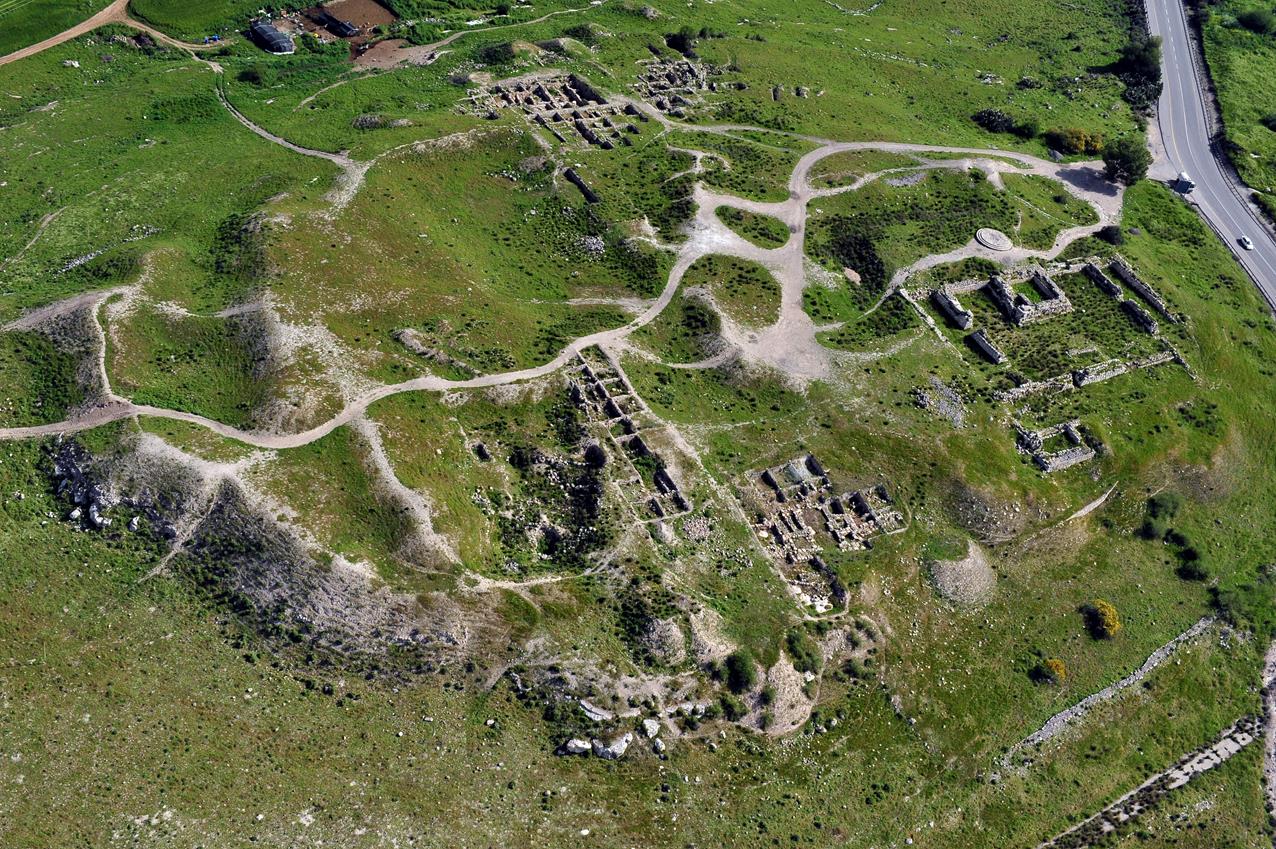
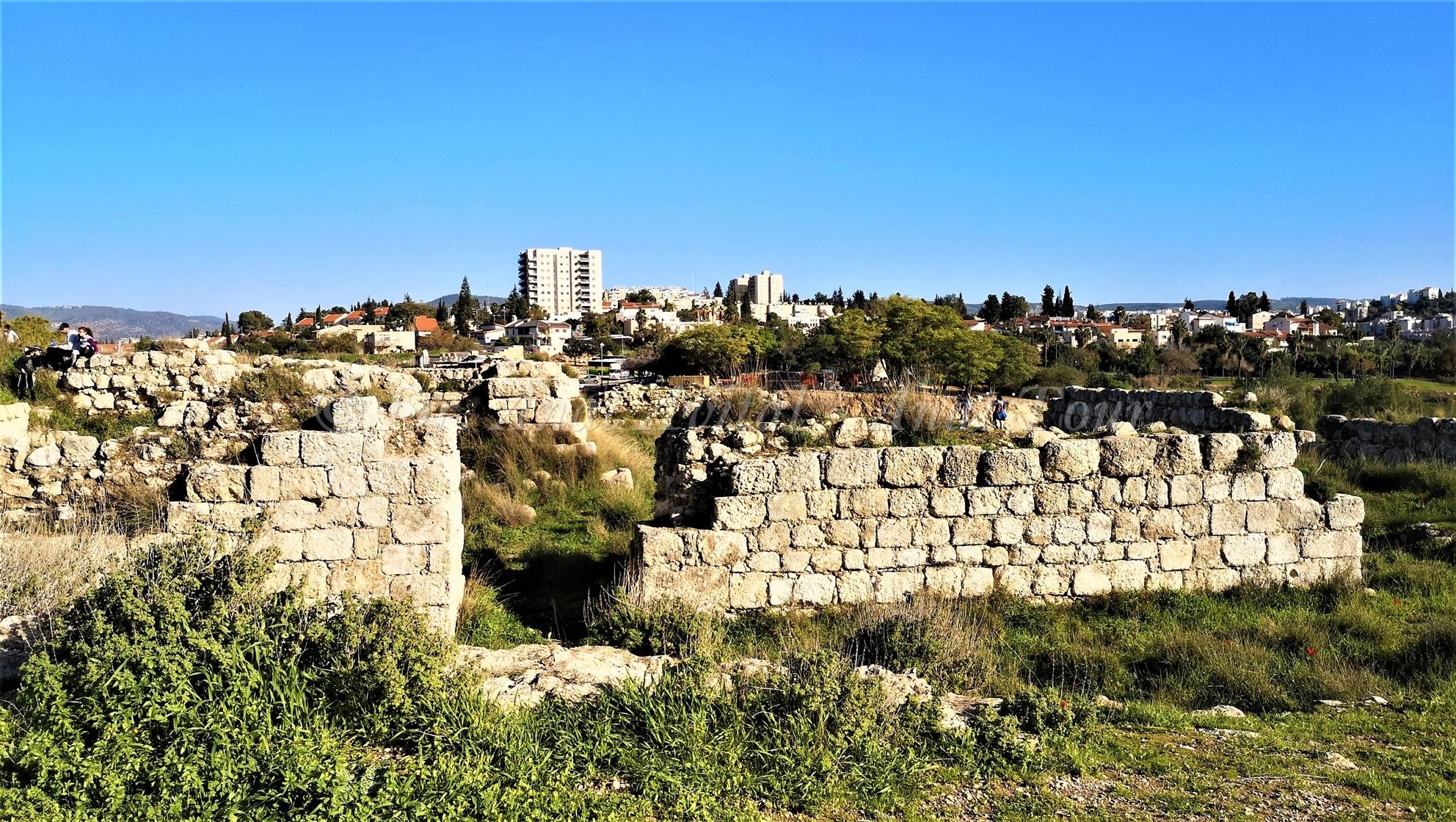
| If we have a moon, we should also have a sun… Indeed, a little south from about 2/3 of the way between Tel Aviv and Jerusalem, adjacent to the beautiful highway 38, we will find Tel Beit Shemesh, identified with the biblical settlement of Beit Shemesh. Befitting a place between Tel Aviv and Jerusalem, Ir Shemesh is mentioned in the book of Joshua in the estate of the Bnei Dan, and Beit Shemesh – in the estate of the tribe of Yehuda, while some believe that this is the same place, and the reason for the change is changes in the borderline between the two tribes. Tel Beit Shemesh is mentioned as a central city in one of King Solomon’s provinces as well as during the Kingdom of Judah, and as a city where the Tablets of the Covenant passed through. Beit Shemesh reached its height of importance during the 1st Temple Era but later settlements were on site as well. | אם יש לנו ירח, צריכה להיות לנו גם שמש… ואכן, קצת דרומה מבערך 2/3 הדרך בין תל אביב לירושלים, צמוד לכביש 38 היפיפה, נמצא את תל בית שמש המזוהה עם הישוב המקראי בית שמש. כיאה למקום בין תל אביב וירושלים, מוזכרת עיר שמש בספר יהושע בנחלת בני דן, ובית שמש בנחלת שבט יהודה, כאשר יש הסוברים שזהו אותו מקום, והסיבה לשינוי, היא שינויים בקו הגבול בין שני השבטים. תל בית שמש מוזכרת כעיר מרכזית באחת ממחוזותיו של שלמה המלך וכן בתקופת ממלכת יהודה, וכן כעיר שבה עברו לוחות הברית. בית שמש הגיעה לשיא חשיבותה בתקופת בית ראשון אך גם לאחר מכן, היובמקום התישבויות שונות. |
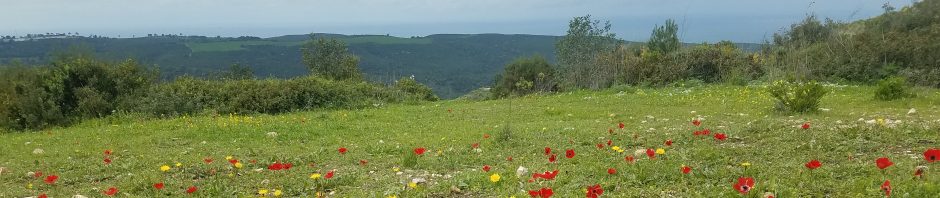
| Over the years, archeological excavations were conducted at the site and a water plant, established in the city, was uncovered. Another important finding is a game board with the name “Hanan” engraved on it that was found during the excavations. There you can see the remains of ancient buildings and caves, rock-cut burial caves and remains of small quarries. In Tel Beit Shemesh, the earliest ironsmith factory in the eastern basin of the Mediterranean Sea was discovered. Here, furnaces and tools designed for the extraction of the metal were found. Objects produced in the local iron factory were also discovered at the site, for example, arrowheads. At the foot of the mound runs Nachal Sorek, a lovely stream that forms a natural border between the estates of the tribes that lived around the mound: Yehuda (Judah), Benjamin and Dan. The place is beautiful all year round, but is highly recommended during the blooming season in spring. Not far from there, is the city of Beit Shemesh, founded in the 1950s, which over the years has become a developing and diverse city with residents from all over the world, restaurants, shopping areas, etc. for travelers in and through it. Other attractions recommended for a day trip in the area are the beautiful stalactite caves in the area. | לאורך השנים במקום נערכו חפירות ארכיאולוגיות ונחשף מפעל מים שהוקם בעיר. ממצא חשוב נוסף הוא לוח משחק ועליו חרוט השם “חנן” שנמצא בעת החפירות. במקום ניתן לראות שאריות מבנים עתיקים ומערות, מערות קבורה חצובות בסלע ושרידי מחצבות קטנות. בתל בית שמש התגלה מפעל נפחות ברזל הקדום ביותר באגן המזרחי של הים התיכון. נמצאו כאן כבשנים וכלי עבודה שנועדו להפקת המתכת. באתר נתגלו גם חפצים שיוצרו במפעל הברזל המקומי, למשל, ראשי חיצים. למרגלות התל עובר נחל שורק שמהווה גבול טבעי בין נחלות השבטים שישבו סביב התל: יהודה, בנימין ודן. המקום יפה כל השנה, אבל מומלץ ביותר בעונת הפריחה באביב. לא רחוק משם נוסדה בשנות ה-50 העיר בית שמש שהפכה עם השנים לעיר מתפתחת ומגוונת ובה תושבים מכל העולם, מסעדות, קניות וכו למטייל בה ודרכה. אטרקציות נוספות מומלצות ליום טיול בסביבה הן מערות הנטיפים היפיפיות באיזור. |
| But this Beit Shemesh is not the only one. The tribe of Naphtali in the far north also had a Beit Shemesh (Joshua 19,38-39) and also in the estate of the tribe of Issachar there is a Beit Shemesh that is identified near present-day Yavne’al with a place called Khirbat Shamsin, and perhaps it was near the crossings of the Jordan. Here too, some believe that this is the same city, on the border between the two tribes, and some say that these are different cities that reflect the presence of sun worship in the area. We’ll mention that Jeremiah also had his own Beit Shemesh, but it was in Egypt (Jeremiah 43:13), probably in the place that is now east of Cairo, which the Greeks called Heliopolis, the city of the sun. | אך בית שמש זו אינה היחידה. גם לשבט נפתלי בצפון הרחוק היתה בית שמש (יהושע יט, לח-לט) וגם בנחלת שבט יששכר יש בית שמש שיש המזהים אותה ליד יבנאל של ימינו עם מקום שנקרא חרבת שמסין, ואולי היתה ליד מעברות הירדן. גם כאן, יש הסוברים שזו אותה עיר, בגבול ביניהם, ויש – שאלו ערים שונות המשקפות את נוכחות פולחן השמש באיזור. נזכיר עוד שגם לירמיהו היתה בית שמש משלו, אך זו היתה במצרים (ירמיהו מג,יג), כנראה במקום הנמצא כיום במזרח קהיר שהיוונים כינו הליופוליס, עיר השמש. |
| And for us what’s left is to enjoy this beautiful Land, to which Moses our Teacher, to his great sorrow, did not get to enter, to hear his words, to guard our souls, and to continue to work, to hope, to seek – and find – comfort, and to dream of the day when we will know the correct and exact balance between love and awe, the sun and the moon and the other various forces within our lives. | ולנו נותר להנות בארץ היפה הזו, שמשה רבנו, לצערו הגדול, לא זכה להכנס אליה, לשמוע את דבריו, להשמר על נפשותינו, ולהמשיך לעבוד, לקוות, לחפש – ולמצוא – נחמה, ולחלום על היום בו נדע את האיזון הנכון והמדויק בין האהבה והיראה, השמש והירח ושאר הכוחות השונים בחיינו. |
לצמים עדיין, צום תשעה באב משמעותי, מועיל ואחרון… ולכולנו, שבת נחמו שלום
To those of us fasting, wishing a meaningful, helpful and last 9th of Av fast… and the all of us, SHABBAT NACHAMU SHALOM

Pictures from Wikipedia and the site of Dr. Anat Avital


 Torah & more... תורה ועוד