תורה וטיולים בפרשת “עקב” – מברכה לברכה
| In the 19th century, with the development of new means of transportation and the complex historical processes in the area, many travelers and visitors came to see the longed-for Holy Land, the Land of milk and honey. How amazed and disappointed they were when they discovered the wonderful biblical land situation. We have quite a number of writings from this period, one of the most famous of which is that of Samuel Langhorne Clemens, better known by his literary nickname, Mark Twain (1835-1910). From his famous journey in 1867, he left us his impressions In the fascinating travel book “The Innocents Abroad or The New Pilgrims’ Progress”, which received both praise and criticism. Here’s but one passage: | במאה ה-19, עם התפתחות אמצעי התחבורה ותהליכים הסטוריים מורכבים באיזור, רבו הטיילים והמבקרים שהגיעו לראות את ארץ הקודש הנכספת, ארץ זבת חלב ודבש. מה רבה תדהמתם ואכזבתם כשגילו את מצב הארץ התנ”כית המופלאה. כתבים רבים נותרו לנו מתקופה זו, אחד המפורסמים בהם זה של סמואל לנגהורן קלמנס הידוע יותר בכינויו הסיפרותי, מארק טוויין (1835-1910). ממסעו המפורסם ב-1867 השאיר לנו את רשמיו בספר המרתק “מסע התענוגות בארץ הקודש”, שזכה לשבחים וביקורות כאחד. נזכיר רק קטע אחד: |
| “We traversed some miles of desolate country whose soil is rich enough but is given wholly to weeds – a silent mournful expanse… even the olive tree and the cactus, those fast friends of a worthless soil, had almost deserted the country… Jerusalem is mournful, dreary and lifeless… (it) is hopeless, heartbroken… desolate and unlovely. And why should it be otherwise?…” | נסענו למשך כמה מיילים בארץ שממון, שאדמתה עשירה דיה אך גדלים בה רק עשבים – שממה רחבה ודוממת… אפילו עצי הזית והקקטוסים, חבריה המהירים של האדמה חסרת הערך הזו, כמעט עזבו את הארץ הזו… ירושלים אבלה, משעממת וחסרת חיים… חסרת תקוה, שבורת לב, עזובה ובלתי אהובה. ולמה שיהיו הדברים אחרת? |
| Yoel Moshe Salomon, known best from Aric Einstein’s song, who was a ShDaR (“Shali’ach D’rabanan, an emissary sent from to the diaspora to collect funds and support the Yishuv, the Jews in the Land), a journalist, editor and writer, one of the first to leave the Old City of Jerusalem to live in its new neighborhoods outside, and one of the founders of Petah Tikva, he also left us his impressions . In 1878 he wrote: | יואל משה סלומון, הידוע משירו של אריק איינשטיין, שהיה שד”ר (“שליח דרבנן, אנשים שנשלחו מהארץ לגולה לאיסוף כספים ותמיכה בישוב), עיתונאי, עורך וכותב, מהראשונים לצאת את חומות ירושלים וממייסדי פתח תקוה, גם הוא, השאיר לנו את רשמיו. ב-1878 כתב: |
| “… In all the days passed, from the time her sons left her, she had covered herself with sack cloth, shed tears and withdrew her light and hid in haze… she did not give her strength to strangers not her produce to aliens. Like her son’s destiny, who cannot find rest among the nations, so is hers…” | בכל הימים שעברו, מהזמן שבניה עזבו אותה, כסתה עצמה בבגדי אבלות, דמעה דמעתה, הסירה את אורה ונחבאה בדמדומים…. לא נתנה את כוחה לזרים, לא את תנובתה לאחרים. כמו גורל ילדיה, שלא מוצאים מנוחה בין העמים, כך גם היא…. |
| The unusual connection between the People of Israel and the Land of Israel appears in all its glory in this week’s Torah portion, Ekev: “And if you do obey these rules and observe them carefully, your Gd H’ will maintain faithfully for you the covenant made on oath with your fathers: and He will love and bless you…. in the land sworn to your fathers to be assigned to you”… | הקשר המוזר בין עם ישראל וארץ ישראל מופיע בכל הדרו בפרשת השבוע שלנו, פרשת עקב: “וְהָיָ֣ה עֵ֣קֶב תִּשְׁמְע֗וּן אֵ֤ת הַמִּשְׁפָּטִים֙ הָאֵ֔לֶּה וּשְׁמַרְתֶּ֥ם וַעֲשִׂיתֶ֖ם אֹתָ֑ם וְשָׁמַר֩ ה’ אֱלֹהֶ֜יךָ לְךָ֗ אֶֽת־הַבְּרִית֙ וְאֶת־הַחֶ֔סֶד אֲשֶׁ֥ר נִשְׁבַּ֖ע לַאֲבֹתֶֽיךָ׃ וַאֲהֵ֣בְךָ֔ וּבֵרַכְךָ֖…. עַ֚ל הָֽאֲדָמָ֔ה אֲשֶׁר־נִשְׁבַּ֥ע לַאֲבֹתֶ֖יךָ לָ֥תֶת לָֽךְ”… |
| Description of the blessing – physical. We are not guaranteed divine revelation, angels and lights. On the contrary: the physical blessing is a sign of the inspiration of the Shekinah: For your Gd H’ is bringing you into a good land, a land with streams and springs and fountains issuing from plain and hill; a land of wheat and barley, of vines, figs, and pomegranates, a land of olive trees and honey; a land where you may eat food without stint, where you will lack nothing; a land whose rocks are iron and from whose hills you can mine copper. When you have eaten your fill, and bless your Gd H’ for the good land given to you. | תיאור הברכה – גשמי. לא מובטחת לנו התגלות אלוהית, מלאכים ואורות. להיפך: הברכה הגשמית היא סימן להשראת השכינה: כִּ֚י ה’ אֱלֹהֶ֔יךָ מְבִֽיאֲךָ֖ אֶל־אֶ֣רֶץ טוֹבָ֑ה אֶ֚רֶץ נַ֣חֲלֵי מָ֔יִם עֲיָנֹת֙ וּתְהֹמֹ֔ת יֹצְאִ֥ים בַּבִּקְעָ֖ה וּבָהָֽר׃ אֶ֤רֶץ חִטָּה֙ וּשְׂעֹרָ֔ה וְגֶ֥פֶן וּתְאֵנָ֖ה וְרִמּ֑וֹן אֶֽרֶץ־זֵ֥ית שֶׁ֖מֶן וּדְבָֽשׁ׃ אֶ֗רֶץ אֲשֶׁ֨ר לֹ֤א בְמִסְכֵּנֻת֙ תֹּֽאכַל־בָּ֣הּ לֶ֔חֶם לֹֽא־תֶחְסַ֥ר כֹּ֖ל בָּ֑הּ אֶ֚רֶץ אֲשֶׁ֣ר אֲבָנֶ֣יהָ בַרְזֶ֔ל וּמֵהֲרָרֶ֖יהָ תַּחְצֹ֥ב נְחֹֽשֶׁת׃ וְאָכַלְתָּ֖ וְשָׂבָ֑עְתָּ וּבֵֽרַכְתָּ֙ אֶת־ה’ אֱלֹהֶ֔יךָ עַל־הָאָ֥רֶץ הַטֹּבָ֖ה אֲשֶׁ֥ר נָֽתַן־לָֽךְ (דברים ח,7-10). |
| Moreover: it turns out that abundance and satiety are not a bad thing! The Torah did not command asceticism, but it may command something even more difficult: to enjoy the good and accompany it with blessing and thanksgiving to G-d. Again, not as a condition before eating, but as a conscious and joyful recognition not only of the gifts we have received but of their Source. Scripture continues: | זאת ועוד: מסתבר שהשפע והשובע אינם דבר רע! לא צוותה התורה סגפנות, אלא יתכן שצוותה דבר אפילו קשה יותר: להנות מהטוב וללוות אותו בברכה ובתודה לקב”ה. ושוב, לא כתנאי לפני האכילה, אלא כהכרה מודעת ושמחה לא רק במתנות שקבלנו אלא במקורן. ממשיך הכתוב: |
| “Take care lest you forget your Gd H’ and fail to keep the divine commandments, rules, and laws which I enjoin upon you today…. and you say to yourselves in your hearts, “My own power and the might of my own hand have won this wealth for me. Remember that it is your Gd H’ who gives you the power to do well, in order to fulfill the covenant made on oath with your fathers, as is still the case” (ibid, ibid, 11-17). | “הִשָּׁ֣מֶר לְךָ֔ פֶּן־תִּשְׁכַּ֖ח אֶת־יְהֹוָ֣ה אֱלֹהֶ֑יךָ לְבִלְתִּ֨י שְׁמֹ֤ר מִצְוֺתָיו֙ וּמִשְׁפָּטָ֣יו וְחֻקֹּתָ֔יו אֲשֶׁ֛ר אָנֹכִ֥י מְצַוְּךָ֖ הַיּֽוֹם…. וְאָמַרְתָּ֖ בִּלְבָבֶ֑ךָ כֹּחִי֙ וְעֹ֣צֶם יָדִ֔י עָ֥שָׂה לִ֖י אֶת־הַחַ֥יִל הַזֶּֽה׃ וְזָֽכַרְתָּ֙ אֶת־ה’ אֱלֹהֶ֔יךָ כִּ֣י ה֗וּא הַנֹּתֵ֥ן לְךָ֛ כֹּ֖חַ לַעֲשׂ֣וֹת חָ֑יִל לְמַ֨עַן הָקִ֧ים אֶת־בְּרִית֛וֹ אֲשֶׁר־נִשְׁבַּ֥ע לַאֲבֹתֶ֖יךָ כַּיּ֥וֹם הַזֶּֽה”… (שם, שם, יא-יח). |
| Usually, this phrase “My own power and the might of my own hand have won this wealth for me” is considered an ugly and unnecessary arrogance, but some interpreters saw it as a positive commandment! Here the Torah commands us to say that our strength and might have done us all this good, but this is precisely the challenge. The mitzvah does not end with the proud statement, but with what precedes it and follows, that we guard ourselves lest we forget, and if that is not enough, that we also remember. We did not achieve all the blessing on our own, but we received it, and for a purpose: “in order to fulfill the covenant made on oath with your fathers, as is still the case”… | בדרך כלל האמירה הזו “כֹּחִי֙ וְעֹ֣צֶם יָדִ֔י עָ֥שָׂה לִ֖י אֶת־הַחַ֥יִל הַזֶּֽה׃ “, נחשבת לשחצנות מכוערת ומיותרת, אך יש מפרשים שראו בכך מצוות עשה! הנה צוותה התורה שנגיד, שכוחנו ועוצם ידנו עשו לנו את כל הטוב הזה, אך זה בדיוק האתגר. המצווה לא מסתיימת באמירה הגאה, אלא במה שלפניה ובהמשכה, שנשמר פן נשכח, ואם זה לא מספיק, שגם נזכור. לא לבד עשינו את כל הברכה, אלא קבלנו, ולשם מטרה: “לְמַ֨עַן הָקִ֧ים אֶת־בְּרִית֛וֹ”… |
| In order to help us not to forget and encourage us to also remember (it’s interesting to think about the difference between not forgetting and remembering?), Judaism created a system of blessings, a whole system that encourages us to pause several times during the day and say, voila, thank you. Thanks for the apple. And thanks for the fact that the apple is different from the spaghetti. And thank you for the fresh bread and everyone who worked hard to bring it to my table. And thank you for the tomato, cheese, wine, honey and olive oil. Thank you for this wonderful beauty in nature, for the great sea and the rainbow. Thank you for someone wise who chanced into my life, whether Jewish or not, and thank you for allowing me to see my best friend after a long while I didn’t. There is a great miracle here, every day, hour by hour. Thank you also for inviting us to participate in Your act of creation, through the system of the mitzvot, and thank you for the double reminder: of our own strength, and of Your presence in our lives. | כדי לעזור לנו ב”פן נשכח” ולעודד אותנו שגם נזכור (מעניין לחשוב מה ההבדל בין לא לשכוח ובין לזכור?), יצרה היהדות מערכת של ברכות, מערכת שלמה שמעודדת אותנו לעצור כמה וכמה פעמים ביום ולהגיד, וואלה, תודה. תודה על התפוח. ותודה על זה שהתפוח שונה מהספגטי. ותודה על הלחם הטרי ועל כל מי שעסק במלאכה כדי להביא אותו לשולחן שלי. ותודה על עגבניה, הגבינה, היין, הדבש ושמן הזית. תודה על היופי הנאדר הזה שיש בטבע, על הים הגדול ועל הקשת בענן. תודה על מישהו חכם שנקרה בחיי, יהודי או לא יהודי, ותודה על שזכיתי לראות את ידידי הטוב אחרי תקופה שלא. נס גדול יש פה, כל יום שעה, שעה. תודה גם שהזמנת אותנו להשתתף במעשה הבריאה שלך, דרך מערכת המצוות, ותודה על התזכורת הכפולה: על כוחנו שלנו, ועל הנוכחות שלך בחיינו. |
| As the verse we started with describes, one of the wonderful blessings in Israel, especially in the summer, are the “streams and springs and fountains issuing from plain and hill”. Indeed, it’s certainly possible to connect the word bracha – meaning “blessing” with the word brecha, meaning pool, as both allow for “refreshment” from the heat of the day. In Israel, we are blessed with many bathing and wading sites where you can refresh yourself on hot days. | כפי שמתאר הפסוק שהתחלנו בו, אחת הברכות הנפלאות בארץ ובמיוחד בקיץ, אלו הם “נַ֣חֲלֵי מָ֔יִם עֲיָנֹת֙ וּתְהֹמֹ֔ת יֹצְאִ֥ים בַּבִּקְעָ֖ה וּבָהָֽר”. אכן, בהחלט אפשר לקשור את המילה ברכה במובן blessing עם המילה ברכה במובן pool, כששניהם מאפשרים “התרעננות” מחום היום. בארץ, התברכנו במקומות טבילה ושכשוך רבים בהם ניתן להתרענן בימי החום. |
| For Passover 2023, “Eretz Ha’ma’ayanot”, literally ‘the Land of the Springs’, a new park of springs in the northern Jordan Valley region, near the settlement of Shadmot Mahola, about 15 min drive (south) from Beit She’an has been opened. The park which is a natural park, stretches for 10 kilometers and has about 30 springs. Through the volunteer work of youths and the organization “Artzenu”, much has been done, including cleaning and pruning work was carried out in the park, fixing up the springs so they’d be suitable for use including wading pools, installation of shading devices, and the placement of picnic tables and wooden swings. In the park, hiking trails and a bike trail (in addition to a parking area) and 5 new springs have been prepared. As in the neighboring Gan Hashlosha, here too, the water is pleasant and lukewarm’ish for bathing. Entrance is free of charge, or you can order a tour for a nominal fee by calling 0546491262 at the Jordan Valley Tour and Learning Center. If you make it there, please post a picture and / or story here. | בפסח 2023 נפתח “ארץ המעיינות”, פארק מעיינות חדש בצפון בקעת הירדן סמוך ליישוב שדמות מחולה, וכרבע שעה נסיעה (דרומה) מבית שאן. הפארק הוא פארק טבעי המשתרע על 10 קילומטרים ונובעים בו כ- 30 מעיינות. בעבודת התנדבות של בני נוער וארגון “ארצנו”, בוצעו בפארק עבודות ניקיון וגיזום, הסדרת המעיינות שיהיו ראויים לשימוש כלל ברכות שכשוך, התקנת אמצעי הצללה, והצבת שולחנות פיקניק ונדנדות עץ. בפארק הוכשרו מסלולי הליכה רגליים ומסלול אופניים (בנוסף לאיזור חניה) ו-5 מעיינות חדשים. כמו בגן השלושה (סח’נה) השכן, גם כאן, המים נעימים וחמימים לרחצה. הכניסה ללא תשלום. אפשר גם להזמין סיור בעלות סמלית טלפון 0546491262 במרכז סיור ולימוד בקעת הירדן. אם תגיעו לשם, אשמח לתמונה ו/או סיפור כאן. |
בברכת קיץ נעים ושבת שלום – wishing you a pleasant summer & SHABBAT SHALOM
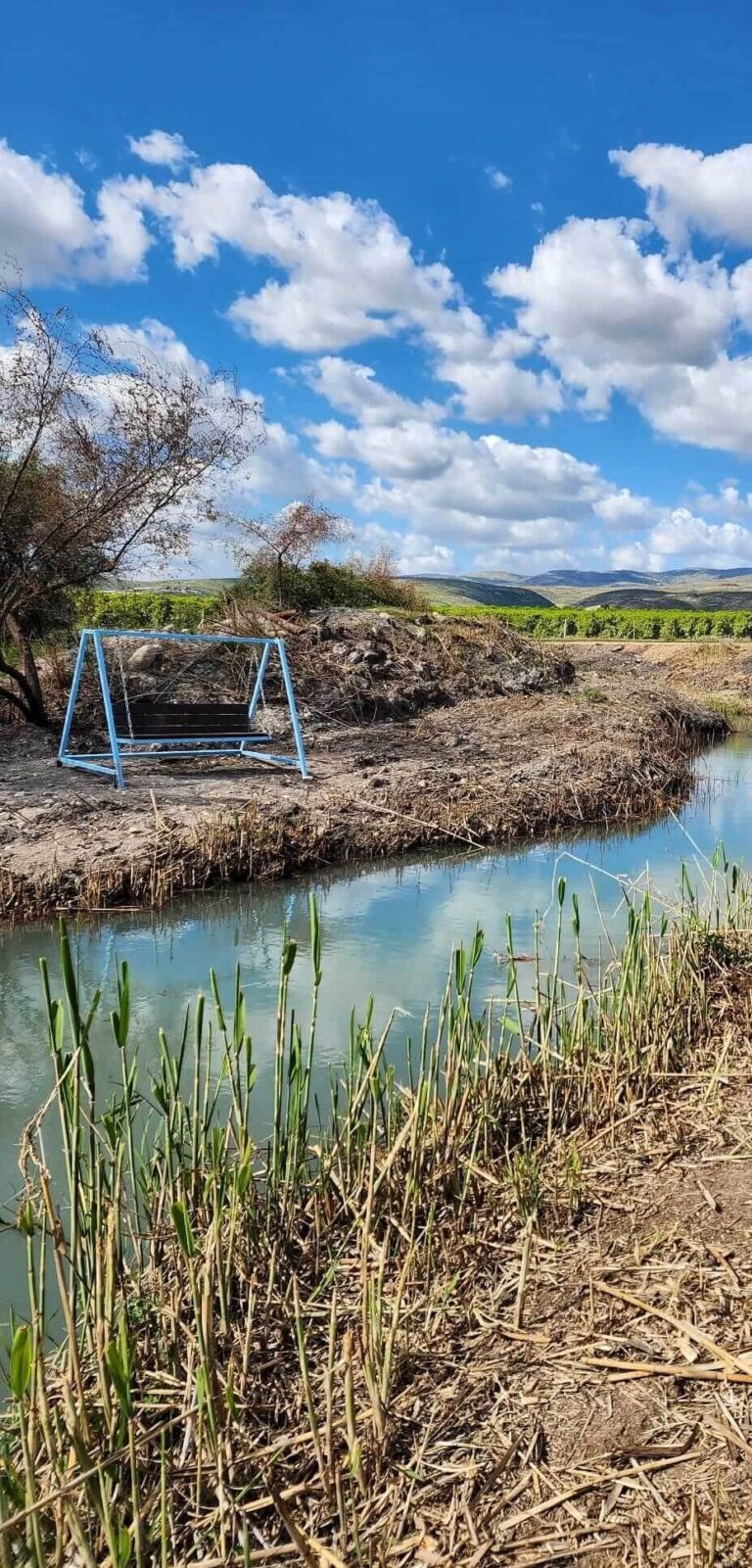

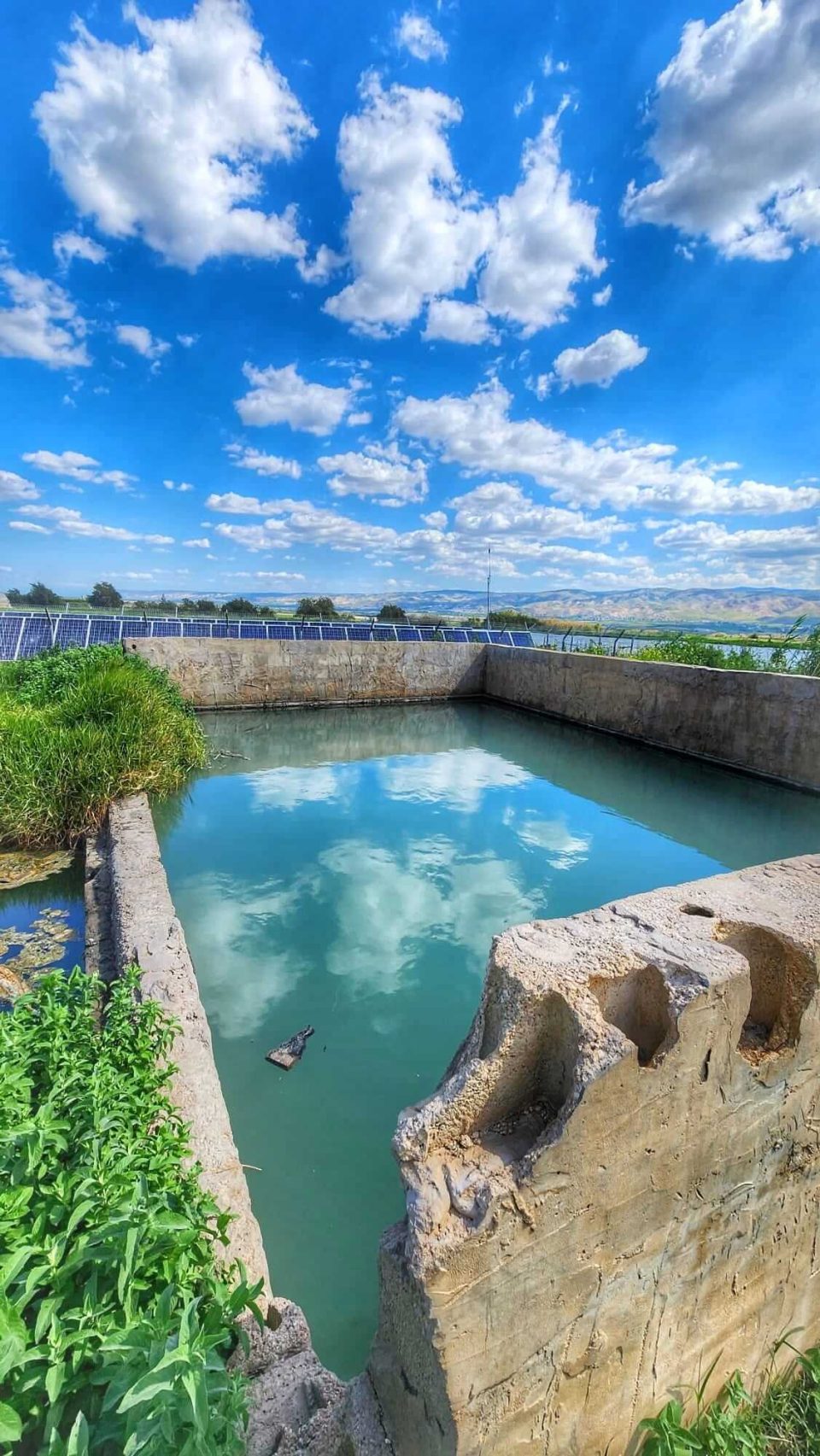
pictures from ארץ המעיינות – פארק המעיינות של בקעת הירדן | בא לי לטייל (baliletayel.co.il)


 Torah & more... תורה ועוד