תורה וטיולים עם פרשת “ראה”: עַשֵּׂ֣ר תְּעַשֵּׂ֔ר…
| In Gay Hendricks’ eye and heart opening book, “The Big Leap” (recommended), he poses a major question we all are likely to face as we meet life’s (what he calls) “barriers”: am I feeling (or operating from) a feeling of “burden” on those around me, or a source of celebration and joy? The first approach will be expressed in times when, of course usually subconsciously, one aims to reduce him/herself, make limiting and minimizing decisions and “help” the environment by stopping him/herself from being “too much”. The second approach, in contrast, is expressed in the person’s ability to celebrate who that s/he is, to grow, blossom and strengthen the light that one brings to the world. | בספרו המאיר עיניים ולב של גיי הנדריקס, “הדילוג הגדול” (במקור – The Big Leap – מישהו מכיר בעברית? מומלץ כך או כך), הוא מציג שאלה בסיסית שכולנו כנראה נתמודד איתה כשאנחנו נפגשים באתגרי – או “מחסומי”, כפי שהוא קורא להם – החיים הגדולים: האם אני מרגיש – או מתנהל מתוך תחושה של – “נטל” על אלו שסביבי, או כמקור לחגיגה ושמחה? הגישה הראשונה תתבטא בכך שהאדם, כמובן בד”כ באופן תת-מודע, מכוון להקטין את עצמו, לקבל החלטות מגבילות וממזערות ו”לעזור” לסביבה בכך שהוא עוצר את עצמו מלהיות “יותר מידי”. הגישה השניה לעומתה, מתבטאת ביכולתו של האדם לחגוג את מי שהוא, לגדול, לפרוח ולחזק את האור שהוא מביא לעולם. |
| When I heard him, I couldn’t help thinking about the creation of the human in Genesis: were we created in the image of Gd or from dust? Similarly, also in our Torah portion “Re’e”: “See, I set before you today blessing and curse” 9Deut. 11, 26) this is how the first verse opens, presenting us with two clear and unequivocal choices about which the Sforno (Italy, 1470-1550) tells us: “The blessing and the curse are two extremes, see that the “stuff” you deal with, is not between the two, that you do not act in a way of compromise, because there is only a blessing and a curse, and a middle way – there isn’t.” I imagine that most of us cringe at seeing things in such a “black and white” terms, but for Sforno, any choice that is not for the sake of blessing in our lives, is necessarily, a choice for – curse, negativity, taking things in a light and meaningless way. | כששמעתי אותו, לא יכולתי שלא לחשוב על בריאת האדם בספר בראשית: האם נוצרנו בצלם אלוהים או מעפר? ובמקביל, גם על פרשת השבוע שלנו, פרשת “ראה”: רְאֵ֗ה אָנֹכִ֛י נֹתֵ֥ן לִפְנֵיכֶ֖ם הַיּ֑וֹם בְּרָכָ֖ה וּקְלָלָֽה (דברים יא, כו), כך פותח הפסוק הראשון המציב לנו שתי בחירות ברורת וחד-משמעיות עליהן אומר לנו הספורנו (איטליה, 1470-1550): “הברכה והקללה הן שני קצוות, ראה שלא יהיה עניינך בין שתיהן, שלא תנהג בדרך של פשרה, כי יש רק ברכה וקללה, ודרך אמצעי – אין”. אני מתארת לעצמי שרובנו סולדים מלראות את הדברים באופן כל כך “שחור-לבן”, אבל עבורו, כל בחירה שאינה למען הברכה בחיינו, היא בהכרח, בחירה למען הקללה, השלילה, לקיחת דברים בצורה “קלה”, וחסרת משמעות. |
| Vayedaber Moshe (Moshe HaLevi Fallak, New York, 20th century) warns lest we mistakenly equate good and abundance with – blessing, because there is wealth that can back-fire for one’s detriment. That is why the scripture continues, “the blessing, when you listen to the H’ your Gd’s commandments with which I enjoin upon you this day”, that is, if you do good deeds, there will be a blessing in your wealth. But if the wealth brings about greed, envy and competition, hurrying to collect more wealth, then the blessing itself will be counted as a curse. Sadly, this may also be the case with regard to the Land of Israel, which, as we have seen in our history, can be a blessing, but can also become a danger, depending on our attitude towards it. | “וידבר משה” (משה הלוי פאללאק, ניו-יורק, המאה ה-20) מזהיר לבל נטעה, כי לא תמיד הטובה והשפע הם הברכה, כי יש עושר שמור לבעליו לרעתו. לכן ממשיך הכתוב, אֶֽת־הַבְּרָכָ֑ה אֲשֶׁ֣ר תִּשְׁמְע֗וּ אֶל־מִצְוֺת֙ ה’ אֱלֹֽהֵיכֶ֔ם אֲשֶׁ֧ר אָנֹכִ֛י מְצַוֶּ֥ה אֶתְכֶ֖ם הַיּֽוֹם, כלומר, אם תעשו מעשים טובים, תהיה בממונכם ברכה. אבל אם העושר יביא לידי גיאות, קנאה ותחרות ותהיו בהולים לכנס לכם עוד ממון, אז הברכה גופא לקללה תחשב. לצערנו, כך עלולים להיות הדברים גם ביחס לארץ ישראל, שכפי שראינו בהסטוריה שלנו, יכולה להיות לברכה, אך עלולה להפוך גם לסכנה, תלוי בגישה שלנו כלפיה. |
| The Torah portion of Re’e is loaded, inviting us to delve deeper into various topics. Many mitzvot are detailed in it that will bind the People of Israel after entering the Land, such as the commandment to establish a covenant on Mount Gerizim and Mount Eival, agreeing to fulfill the mitzvot mentioned there as a condition for our remaining in the Land; the destruction of foreign idolatry from the Land of Israel; the concentration of Gd’s worship in one place to be chosen (many commentators have discussed why Jerusalem is not mentioned here by name!?); there are mentions regarding limitations in eating, including the list of permitted and prohibited animals and their markings; warnings against a false prophet, inciter and detractor; the mitzvah of letting go of debts during shmita year, Hebrew slave laws; the three pilgrimage festival, and among all these, also the laws of tithes that are mentioned in this portion more than once | פרשת ראה עמוסה ומזמינה להעמיק בנושאים שונים. מפורטות בה מצוות רבות שיחייבו את עם ישראל אחרי הכניסה לארץ, כמו הציווי לערוך את מעמד הר גריזים והר עיבל, בו יכרתו עם ישראל ברית עם ה’ על קיום המצוות המוזכרות שם כתנאי להשארותנו בארץ; השמדת העבודה הזרה מארץ ישראל; ריכוז עבודת ה’ במקום אחד שייבחר (רבו כאן המפרשים שדנו למה לא מוזכרת כאן ירושלים בשמה!?); איזכורים לגבי מגבלות באכילה, כולל פירוט החיות המותרות והאסורות וסימניהן; אזהרות מפני נביא שקר, מסית ומדיח; מצוות שמיטת כספים; דיני עבד עברי; שלוש רגלים ודיני עליה לרגל, ובין כל אלה, גם דיני מעשרות המוזכרים בפרשה זו יותר מפעם אחת. |
| The subject of the various tithes is a complex one on which several tractates and essays have been written. The main thing is that this is a group of mitzvot from the Torah that require setting aside parts of the harvest in the Land of Israel for the benefit of the Priests, Levites, poor and even for the purpose of eating oneself in holiness in Jerusalem. Already in the book of Genesis it is mentioned that Abraham gave a tenth of the spoils that fell into his hands in the war of the kings (Genesis 18:18) and Jacob vowed “and all that you give me, I will tithe back to you” (ibid., 28:22). | נושא התרומות ומעשרות הוא נושא מורכב עליו נכתבו מספר מסכתות וסוגיות. העיקר הוא שמדובר בקבוצת מצוות מהתורה המחייבות הפרשת חלקים מהיבול בארץ ישראל לטובת הכוהנים, לויים, עניים ואפילו לצורך אכילה עצמית בטהרה בירושלים. כבר בספר בראשית מוזכר שאברהם נתן מעשר מהשלל שנפל לידיו במלחמת המלכים (בראשית יד, יח) ויעקב נדר “וְכֹל אֲשֶׁר תִּתֶּן לִי עַשֵּׂר אֲעַשְּׂרֶנּוּ לָךְ” (שם, כח, כב). |
| In our portion, the topic is mentioned at least twice: You may not partake in your sites of the tithes of your new grain or wine or oil, or of the firstlings of your herds and flocks, or of any of the votive offerings that you vow, or of your freewill offerings, or of your contributions. These you must consume before H’ your Gd in the place that H’ your Gd will choose—you and your sons and your daughters, your male and female slaves, and the [family of the] Levite in your places—and you will be happy before H’ your Gd in all your undertakings. Be sure not to neglect the [family of the] Levite as long as you live in your land… (ibid, 12, 17-21) | בפרשה שלנו הנושא מוזכר לפחות פעמיים: לֹא-תוּכַל לֶאֱכֹל בִּשְׁעָרֶיךָ מַעְשַׂר דְּגָנְךָ וְתִירֹשְׁךָ וְיִצְהָרֶךָ וּבְכֹרֹת בְּקָרְךָ וְצֹאנֶךָ וְכָל-נְדָרֶיךָ אֲשֶׁר תִּדֹּר וְנִדְבֹתֶיךָ וּתְרוּמַת יָדֶךָ. כִּי אִם-לִפְנֵי ה’ אֱלֹהֶיךָ תֹּאכְלֶנּוּ בַּמָּקוֹם אֲשֶׁר יִבְחַר ה’ אֱלֹהֶיךָ בּוֹ, אַתָּה וּבִנְךָ וּבִתֶּךָ וְעַבְדְּךָ וַאֲמָתֶךָ וְהַלֵּוִי אֲשֶׁר בִּשְׁעָרֶיךָ, וְשָׂמַחְתָּ לִפְנֵי ה’ אֱלֹהֶיךָ בְּכֹל מִשְׁלַח יָדֶךָ. הִשָּׁמֶר לְךָ פֶּן-תַּעֲזֹב אֶת-הַלֵּוִי כָּל-יָמֶיךָ עַל-אַדְמָתֶךָ… (דברים יב, יז-כא)…. |
| The tithe in question here is a “second tithe” (ma’aser sheni): apart from the first tithe given to Levi, there is another tithe, and it is a second tithe, which is treated differently in a cycle of three years in the shemita cycle. In the first two years of each round (first, second, fourth and fifth year), the tithe is “second tithe”, which must be set aside, and eaten in purification in Jerusalem. If it is not possible to bring up the tithes to Jerusalem, it is also possible to exchange the fruits for money, take the money to Jerusalem, and there buy other fruits with it. | המעשר המדובר כאן הוא “מעשר שני”: מלבד המעשר הראשון הניתן ללוי, קיים מעשר נוסף, והוא עשירית שנייה, המטופלת באופן שונה בסבב של שלוש שנים במחזור השמיטה. בשתי השנים הראשונות בכל סבב (שנה ראשונה, שנייה, רביעית וחמישית), המעשר הוא “מעשר שני”, אותו יש להפריש, ולאכלו בטהרה בירושלים. אם לא ניתן להעלות את המעשרות לירושלים, ניתן גם להחליף את הפירות תמורת כסף, להעלות את הכסף לירושלים, ושם לקנות פירות אחרים תמורתם. |
| A few verses later, the text scripture states again: aser te’aser — You shall set aside every year a tenth part of all the yield of your sowing that is brought from the field (ibid, 14, 22). Here we are talking about a “poor tithe” (ma’aser ani) given every third and sixth year, according to its name, to the poor. There is no doubt that this commandment was not always accepted without opposition: what a strange thing it is, to oblige people to give a certain amount of their grain, their fruit, their money – things for which they worked hard, to a stranger, not a family member, just a person from the People? Rabbi Akiva added (Pirkei Avot 3:13) that “tithes, are a boundary to wealth“, that thanks to the giving of the tithe we will not live in unlimited wealth, but we will always remember the other. The Gemara, on the other hand, in tractate Shabbat (119) proposed the opposite: giving a tithe helps a person to become rich, since, as we saw at the beginning, wealth too, can be either a blessing or a curse. Giving tithes “confirms” that the person giving remembers where he got all his gifts from, and thus wealth – enriches and – in a play on the Hebrew spelling (with an alef or an ayin) – makes one happy (enriches spiritually and emotionally). | כמה פסוקים לאחר מכן, הכתוב מציין שוב: עַשֵּׂ֣ר תְּעַשֵּׂ֔ר אֵ֖ת כׇּל־תְּבוּאַ֣ת זַרְעֶ֑ךָ הַיֹּצֵ֥א הַשָּׂדֶ֖ה שָׁנָ֥ה שָׁנָֽה (דברים יד,כב). כאן מדובר על “מעשר עני” שניתן בכל שנה שלישית ושישית וניתן, ע”פ שמו, לעני. אין ספק שהמצוה הזו לא תמיד התקבלה בלי התנגדות: איזה דבר מוזר זה, לחייב אנשים לתת סכום מסוים מתבואתם, פרותיהם, כספם – דברים עבורם עבדו קשה, למישהו זר, לא בן משפחה, סתם, אדם מהעם דוקא? רבי עקיבא הוסיף בפרקי אבות את הרעיון ש”מַעַשְׂרוֹת, סְיָג לָעֹשֶׁר” (ג, יג), שבזכות נתינת המעשר לא נחיה בעושר בלתי מוגבל, אלא תמיד נזכור את האחר. הגמרא לעומת זאת, במסכת שבת (קיט) הציעה את ההיפך: נתינת מעשר עוזרת לאדם להתעשר, מכיון שכמו שראינו בהתחלה, גם עושר יכול להיות ברכה או קללה. נתינת מעשרות “מוודאת” שהאדם הנותן זוכר מאיפה הוא קבל את כל מתנותיו, וכך העושר – מעשיר ומאשיר. |
| One of the commentators explains: “aser tit’asher”, tithe so you get rich… The difference between eser, which means tenth, tithe, and between osher, which means wealth, is only in the upper point of the letter Shin, one over the right side and one over the left. Some said: Avraham said to Lot: If you go left, I will go to the right (Genesis 13), that is – If you set the dot over that Shin on the left side, namely, you will give tithes, then I will put the dot over the right side – I will shower you with wealth and well-being. You will be the master and I, as it were, the priest. But, if you got for the right – so you will only care about wealth, then I will go left, I will burden you with more and more taxes. And this is also the intention – the one who wants to get rich – will “go north”, that is, put the dot over the left side, give tithe and charity, because north is on the left side. How is it possible that the north is on the “left” side? For this we must imagine ourselves standing facing the east. Indeed, the ancient maps were not “encoded” to the north, but oriented to the east (hence the phrase – “orientation”, to the orient). Moreover: in Arabic, north is shamal, like the Hebrew, smol... | אחד המפרשים מסביר: עשר תתעשר… עשר בשביל שתתעשר. הבדל בין עשר, שפירושו מעשר, ובין עשר שפירושו עשירות, הוא רק בנקודה העליונה של השין, זה בשין ימנית וזה בשין שמאלית. דורשי רשימות (יש שמביא זה בשם מדרש פליאה) נתנו בזה סימן: אמר אברהם ללוט: אם השמאל, ואימינה (בראשית יג): אם אתה תקבע את הנקודה על עשר בצד שמאל, היינו שתתן מעשרות, אז אני אשים את הנקודה בצד ימין – אשפיע עליך עושר ורווחה. אתה תהיה בעל הבית ואני כביכול הכהן, ואם הימין – שתדאג רק לעושר , ואשמאילה – אעמיס עליך עולד של מיסים וארנונות. וזו גם הכוונה – הרוצה להעשיר – יצפין, ישם את הנקודה בצד שמאל, יתן מעשר וצדקה, כי צפון הוא בצד שמאל. איך יתכן שהצפון הוא בצד “שמאל”? לשם כך עלינו לדמיין את עצמנו עומדים כשפנינו למזרח. ואכן, המפות הקדומות לא היו “מוצפנות” לצפון, אלא מכוונות למזרח (מכאן הביטוי – “אוריינטציה”, לאוריינט). זאת ועוד: בערבית, צפון הוא שאמאל… |
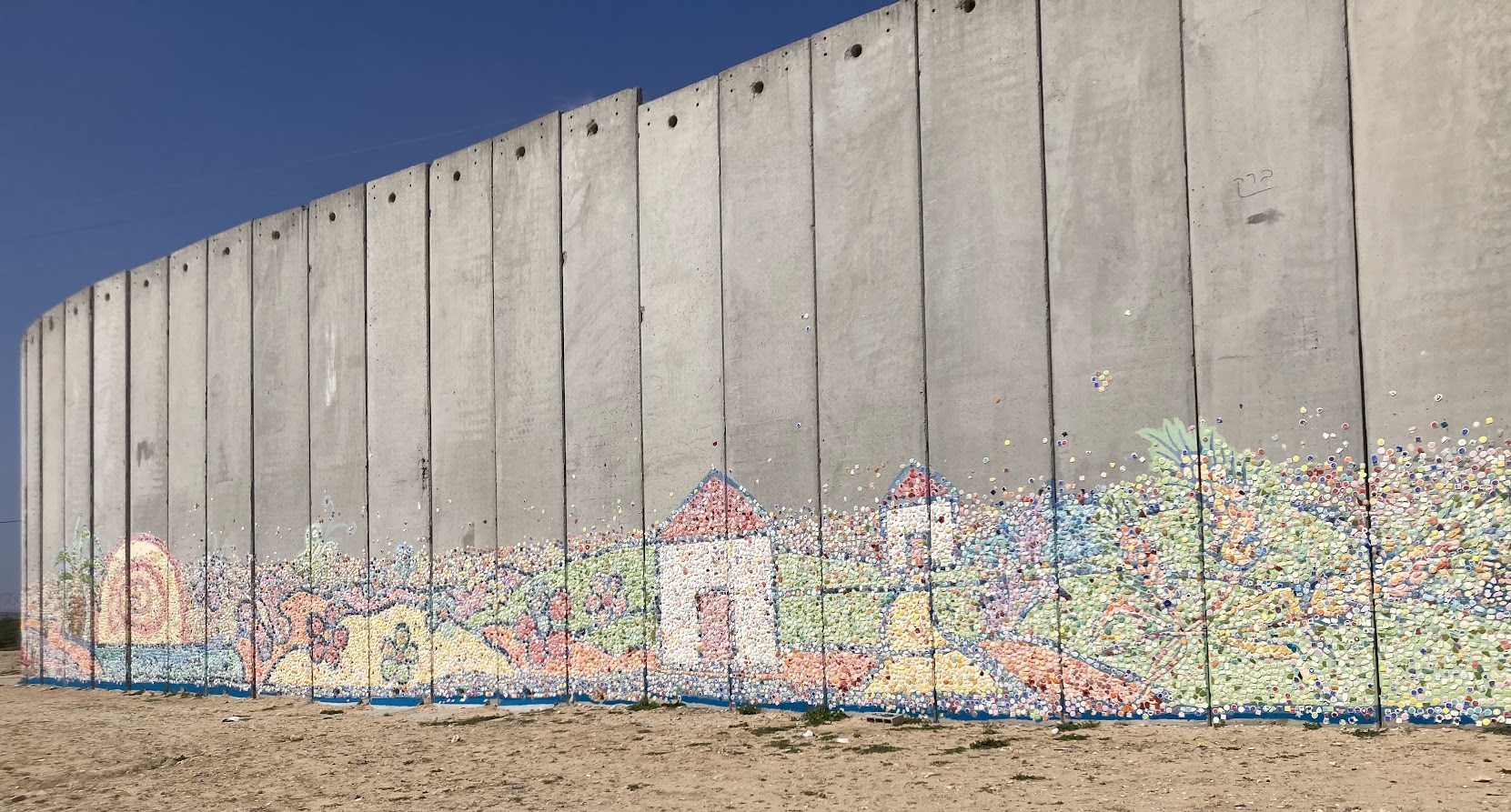
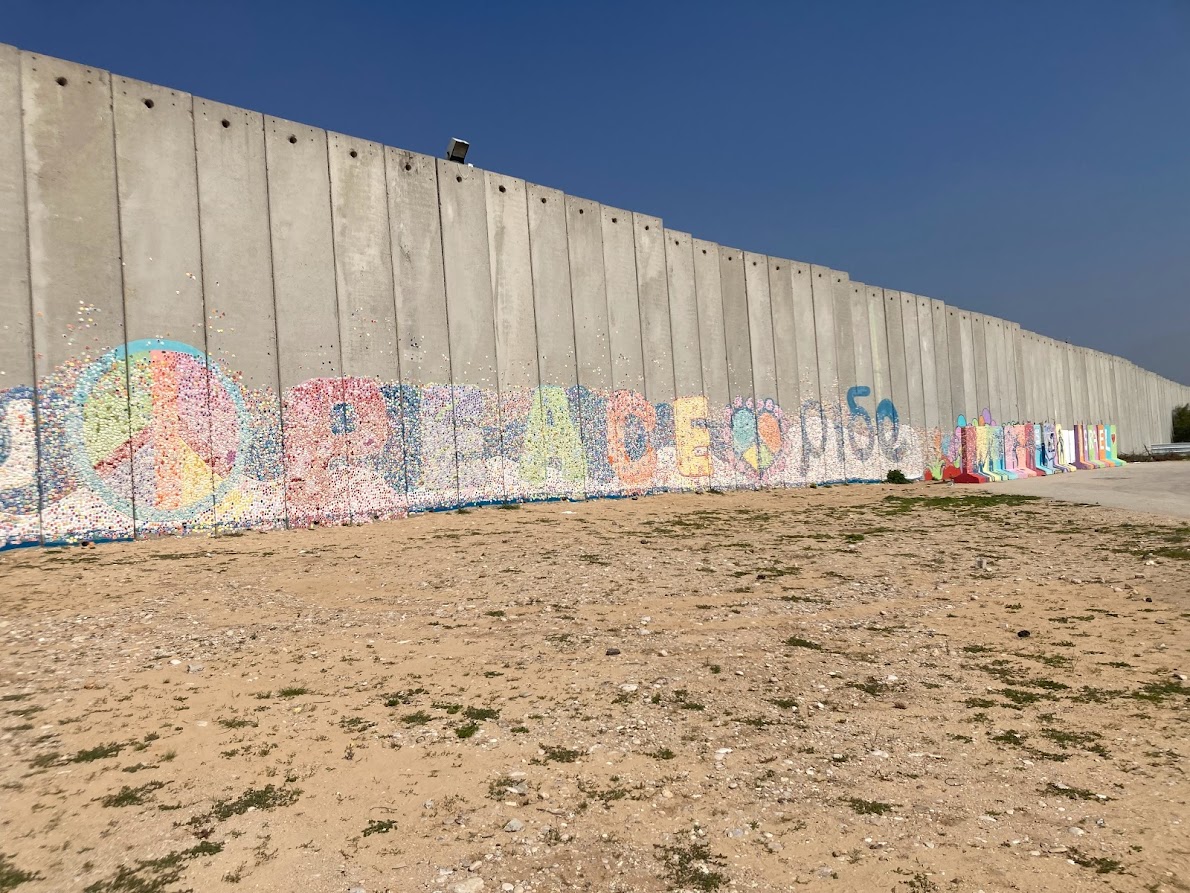
| So where will we go this week? We have already mentioned here that in Israel there are several places whose name has a number: Gan HaShlosha (3), Kiryat Shmona (8) and more. One of them is Netiv Ha’asara, a moshav in the northwest Negev, the southernmost of the settlements of the Hoof Ashkelon Regional Council. This place, established in 1982, was named after Netiv Ha’asara that was evacuated from the Yamit region earlier that spring, and that was named after ten soldiers who were killed in a helicopter accident south of Rafah in 1971. The residents of the place (about 1000 in number) are engaged in agriculture (growing flowers, vegetables and spices), tourism (B&Bs, hospitality), independent professions, etc. Since the withdrawal of the IDF from the Gaza Strip in the summer/fall of 2005, Netiv Ha’asara has become the closest settlement to the new border, which is quite a challenge, especially when, at a distance of less than 100 meters, rises The concrete wall (and after it, the Hamas guard posts). | אז לאן ניסע השבוע? כבר הזכרנו כאן שבארץ יש כמה ישובים שבשמם מספר: גן השלושה, קרית שמונה ועוד. אחד מהם הוא נתיב העשרה, מושב בצפון-מערב הנגב, הדרומי מבין ישובי המועצה האזורית חוף אשקלון. המושב שהוקם ב-1982 נקרא כך ע”ש נתיב העשרה שפונה מחבל ימית באותו אביב, וזה נקרא על שם עשרה חיילים שנהרגו בתאונת מסוק מדרום לרפיח ב-1971. תושבי המקום (כ-1000 במספר), עוסקים בחקלאות (גידול פרחים, ירקות ותבלינים), תיירות (צימרים, אירוח), מקצועות עצמאיים ועוד. מאז נסיגת צה”ל מרצועת עזה בקיץ / סתו 2005, הפך נתיב העשרה לישוב הקרוב ביותר לגבול החדש, דבר שמהווה אתגר לא קטן, במיוחד כשבמרחק של פחות מ-100מ’, מתנשאת חומת הבטון (ולאחריה, עמדות השמירה של החמאס). |
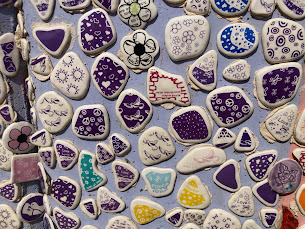
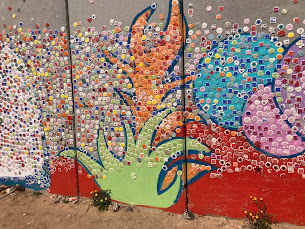
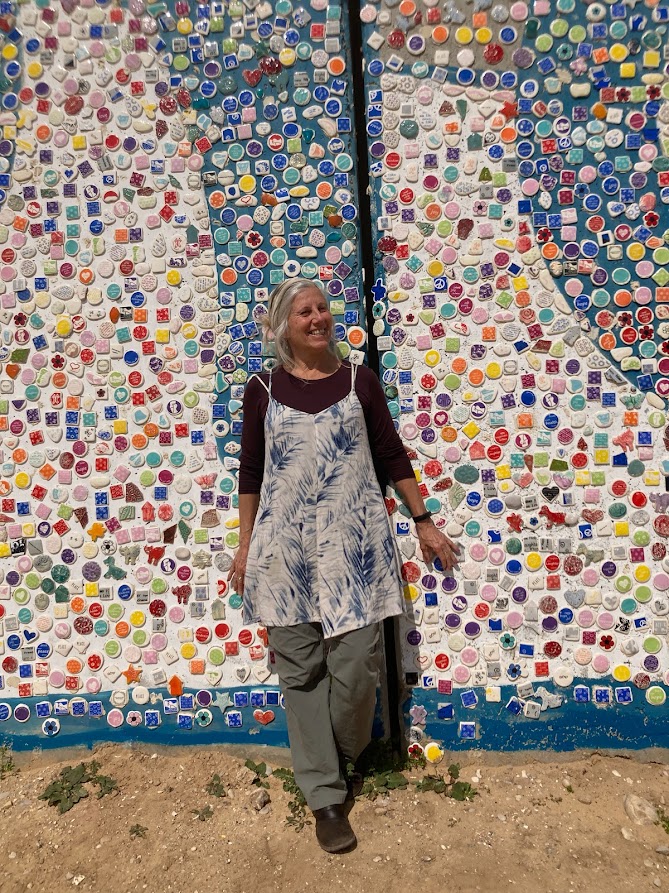
| One of the local residents decided to turn the gray and menacing wall into an art project called – Netiv LeShalom, Path to Peace, a mosaic project by thousands of people, created “for the sake of hope, love and joy between human-beings”… The work can be seen on both sides of the wall. Visitors to the place are offered a short movie about life in the Gaza Strip that allows them a glimpse into life near the wall, the historical events here as well as the beautiful life in the moshav with optimism, tolerance and the creation of hope. The project invites “visitors to take an active part in creating a wall for peace. Each guest writes a personal wish on a colorful mosaic tile and sticks it on the security wall. The mosaic pieces are handmade in the Netiv LaShalom workshop. Among the colorful and optimistic pieces, we can find different designs such as flowers and butterflies, mosaic pieces with the word peace in different languages and more.” | אחת מתושבות המקום החליטה להפוך את החומה האפורה והמאיימת לפרויקט אומנות שנקרא – נתיב לשלום, יצירת פסיפס של אלפי אנשים, שנוצרה “למען התקווה, האהבה והשמחה בין בני האדם”… את היצירה אפשר לראות משני צידי החומה. למבקרים במקום מוצע סרט על החיים בעוטף עזה שמאפשר להכיר את החיים בצל החומה, האירועים ההסטוריים וגם החיים היפים במושב באופטימיות, סובלנות ויצירת תקווה. הפרויקט מזמין את “המבקרים לקחת חלק פעיל ביצירת קיר לשלום. כל אורח כותב משאלה אישית על גבי אריח פסיפס צבעוני ומדביקו על גבי חומת הבטחון. חלקי הפסיפס מיוצרים בעבודת יד בסדנת נתיב לשלום. בין החלקים הצבעוניים והאופטימים, נוכל למצוא עיצובים שונים כגון פרחים ופרפרים, חלקי פסיפס עם המילה שלום בשפות שונות ועוד”. |
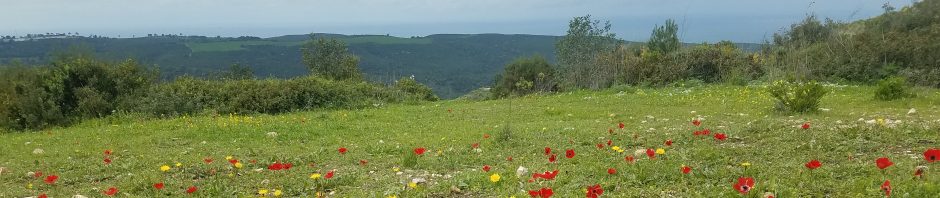
| For many of us, “the southernmost settlement in the Hof Ashkelon Regional Council” sounds like past the end of the world, but our country is not that big and you can combine a trip to the area with other attractions such as a visit to Ashkelon (the city, the antiquities, the beach), Yad Mordechai, S’derot, forest Be’eri, the ancient synagogue in Ma’on, and more… and as mentioned the settlement itself (as well as other places in the area) offers B&Bs and hospitality for visitors. The recommended season to travel south is usually during the blooming of the famous anemones of “Dasrom-Adom” (around February), but in the summer too, for example, planning around the sun and heat, in combination with the beautiful beach of Ashkelon, for example, or Zikim) one can definitely enjoy in the area, and be exposed to a completely different chapter in the stories of the Land | עבור רובנו “הישוב הדרומי ביותר במועצה האזורית חוף אשקלון”, נשמע בסוף העולם שמאלה והלאה, אך הארץ שלנו לא כל כך גדולה ואפשר לשלב נסיעה לאיזור עם אטרקציות נוספות כמו ביקור באשקלון (העיר, העתיקות, חוף הים), יד מרדכי, שדרות, יער בארי, בית הכנסת העתיק במעון, ועוד… וכאמור הישוב עצמו (כמו גם מקומות אחרים באיזור) מציע צימרים ואירוח למבקרים. העונה המומלצת לנסוע דרומה היא בד”כ בזמן פריחת הכלניות המפורסמת של “דרום-אדום” (פברואר +-), אך גם בקיץ, למשל, בתכנון סביב שעות החום ובשילוב עם חוף הים היפיפה של אשקלון, למשל, או זיקים) אפשר בהחלט להנות באיזור, ולהחשף לפרק שונה לגמרי בסיפור הארץ. |
ובנתיים, שתהיה שבת שלום AND MEANWHILE, SHABBAT SHALOM


 Torah & more... תורה ועוד