תורה וטיולים עם פרשת שופטים: “שֹׁפְטִ֣ים וְשֹֽׁטְרִ֗ים תִּֽתֶּן־לְךָ֙ בְּכׇל־שְׁעָרֶ֔יךָ”…
| The Torah portion “Shoftim”, the 5th one in the Book of Deuteronomy in which Moses continues his speech before his death, presents us with countless topics, each pulling us to go deeper and deeper. First, we find here the commandment to appoint judges and officers in every city, the obligation to judge justly (including the call “justice, justice you shall pursue”, as definitely understood the great challenge in this -), and the prohibition of taking bribes. Further in this parsha – the prohibition against idolatry; the commandment to listen to the sages of every generation; the appointment of a king and the details of his duties, the gifts and rights of the priests and levites; the prohibition against various kinds of sorcery and false prophets; the laws of an accidental murderer and cities of refuge; the laws of false witness and scheming witnesses, the laws of war, siege and taking booty (including the famous verse, “for the [hu]man is like a tree in the field”) and the case of egla arufa (“broken-neck-heifer”, a ritual performed when a dead person is found outside the city, and it’s unknown who killed him). | גם פרשת שופטים, החמישית בספר דברים בה משה ממשיך בנאום לפני מותו, מציבה בפנינו אינספורי נושאים, שכל אחד מהם מפתה אותנו להכנס לעומק רב. נמצא כאן קודם כל, את הציווי למנות שופטים ושוטרים בכל עיר ועיר, את החיוב לשפוט משפט צדק (כולל הקריאה ל“צֶ֥דֶק צֶ֖דֶק תִּרְדֹּ֑ף”, כשמשה בהחלט הבין את האתגר הגדול שבכך-) והאיסור על לקיחת שוחד. עוד בפרשה – איסור עבודה זרה, המצווה לשמוע לדברי החכמים שבכל דור ודור, מינוי מלך ופירוט חובותיו, המתנות והזכויות של הכוהנים והלוויים, איסור על קיום מכשפים מסוגים שונים ואיסור על נביאי שקר, דיני רוצח בשגגה וערי מקלט, דיני עד שקר ועדים זוממים, דיני מלחמה, מצור ולקיחת שלל (כולל הפסוק המפורסם, “כי האדם עץ השדה”) ופרשת עגלה ערופה (טקס שנעשה כשנמצא הרוג מחוץ לעיר ולא נודע מי הרג אותו). |
| And if that’s not enough, let’s also mention the haftarah, which originally (and still is the case among Italian communities), is the reading from the book of Samuel 1 (8:1-22) which tells about Israelites’ request from Samuel the prophet to appoint them a king, as is written in our Torah portion. But about a thousand years ago, a custom was established to read on the Shabbatot after Tish’a Be’av from the comforting prophecies, and therefore the moving words are read from the book of Isaiah, chapters 51-52 “I, I am the One who comforts you!…. Awake, awake, O Zion! Clothe yourself in splendor; Put on your robes of majesty, Jerusalem, holy city!… How welcome on the mountain Are the footsteps of the herald, Announcing happiness, Heralding good fortune, Announcing victory, Telling Zion, “Your Gd reigns! Hark! Your lookouts raise their voices, As one they shout for joy; For every eye shall behold GD’s return to Zion…” | ואם זה לא מספיק, נזכיר גם את ההפטרה, שבמקור (ועדיין כך אצל יוצאי איטליה), היא הקריאה מספר שמואל א (ח,א-כב) המספרת על בקשת בני ישראל משמואל הנביא למנות להם מלך, במקביל לכתוב בפרשה שלנו. אך לפני כאלף שנה, התקבע מנהג לקרוא בשבתות אחרי תשעה באב מנבואות הנחמה, ולכן קוראים מספר ישעיהו, פרק נ”א-נ”ב את המילים המרגשות: “אָנֹכִ֧י אָנֹכִ֛י ה֖וּא מְנַחֶמְכֶ֑ם…. עוּרִ֥י עוּרִ֛י לִבְשִׁ֥י עֻזֵּ֖ךְ צִיּ֑וֹן לִבְשִׁ֣י בִּגְדֵ֣י תִפְאַרְתֵּ֗ךְ יְרֽוּשָׁלַ֙͏ִם֙ עִ֣יר הַקֹּ֔דֶשׁ… מַה־נָּאו֨וּ עַל־הֶהָרִ֜ים רַגְלֵ֣י מְבַשֵּׂ֗ר מַשְׁמִ֧יעַ שָׁל֛וֹם מְבַשֵּׂ֥ר ט֖וֹב מַשְׁמִ֣יעַ יְשׁוּעָ֑ה אֹמֵ֥ר לְצִיּ֖וֹן מָלַ֥ךְ אֱלֹהָֽיִךְ׃ ק֥וֹל צֹפַ֛יִךְ נָ֥שְׂאוּ ק֖וֹל יַחְדָּ֣ו יְרַנֵּ֑נוּ כִּ֣י עַ֤יִן בְּעַ֙יִן֙ יִרְא֔וּ בְּשׁ֥וּב ה’ צִיּֽוֹן….” |
| One of the fascinating ideas that emerges from “Shoftim”, Judges, is a very modern idea that we encounter every day, especially at this time, and that’s is the topic of “separation of powers” or – “checks and balances”. Already in the Torah we are told that there are four institutions in society: the king, the judge, the priest and the prophet: The king or in our current sense, the kingdom or the form of government, deals with the affairs at hand. At the time, the king was chosen by the prophet, by war or inheritance, and it’s also possible that s/he is chosen, as nowadays, in elections. The judge is not entrusted with the affairs of the state but with the ruling of Halacha and Torah law. At the time, the Sanhedrin sat in this position, not elected but appointed by itself. When one of its members was absent, the Sanhedrin chose someone new and added him to its ranks. The priest – the priests as a rule headed by the high priest, dealt with the Temple rituals and worship. Whereas the prophet came to complete what cannot always be included in any legislation, when his authority is to offer a voice that undermines the absoluteness of the other institutions. | אחד הרעיונות המרתקים שעולים מפרשת “שופטים”, הוא רעיון מאד מודרני שאנחנו פוגשים יום-יום, במיוחד בתקופה זו, וזהו ענין – הפרדת הרשויות. כבר בתורה נאמר לנו שישנם ארבעה מוסדות בחברה: המלך, השופט, הכהן והנביא: המלך או במובנו העכשוי, המלכות או צורת השלטון, עוסק בעניני החול. בזמנו, המלך נבחר ע”י הנביא, או ע”י מלחמה וירושה, ואפשר גם שיבחר, כמו בימינו, בבחירות. השופט איננו מופקד על ענייני המדינה אלא על פסיקת ההלכה וחוק התורה. בזמנו ישבה בתפקיד זה הסנהדרין, שלא נבחרה אלא מונתה ע”י עצמה. כאשר נחסר מישהו מחבריה, בחרה הסנהדרין מישהו חדש וצרפה אותו לשורותיה. הכהן – הכוהנים ככלל בראשם הכהן הגדול, עסקו במקדש ובפולחן. ואילו הנביא, בא להשלים את מה שאי אפשר תמיד לכלול בכל חקיקה, כשסמכותו היא להציע קול שמערער את המוחלטות של המוסדות האחרים. |
| Coincidentally (or not), the initials of these four institutions – king – melech, judge – shofet, priest – kohen, prophet – navi — create the word – mishkan, tabernacle. A sort of reminder that the only Source of our government is the Sovereign of the world, and it’s impossible for any institution of human society to concentrate all the powers in its hands, but that each of those mentioned here contributes to a part of the organization, and at the same time also needs and is obligated to the others. | במקרה (או שלא), ראשי התיבות של ארבעת המוסדות האלה – מלך, שופט, כהן, נביא – יוצר את המילה – משכן. מעין תזכורת, שהמקור היחיד לשלטון שלנו הוא ריבונו של עולם, ואי אפשר שמוסד כלשהו של החברה האנושית ירכז בידיו את כל הסמכויות, אלא שכל אחד מהמוזכרים כאן, תורם חלק מהארגון, ובו זמנית גם נזקק ומחויב לשאר. |
| In honor of the torah portion of Shoftim, we will look for a suitable place for a trip. We could of course meet in front of the courthouse, but, unfortunately, at this time this matter is causing controversy, so we will turn to other sites. In the book “Judges” a number of judges are mentioned and for each, there’s a special place we can visit. For example, Samson, who is said to have grown up “between Zor’ah and Eshta’ol” (Judges 13:24-25), in the lowlands of Judea, in the area of Beit Shemesh. Gideon, who took his men to Ma’ayan Harod, the only fresh water spring at the foot of Mt. Gilboa, where he tested and selected his 300 warriors. And it’s also possible that we can go to Mount Tavor, try to recreate the battle of Barak ben Avino’am who was sent by Deborah the prophetess to draw Sisera, Yavin’s army minister to the Kishon River, which can be seen from various places in the area, winding its way to the Haifa Bay. | לכבוד פרשת שופטים נצא לחפש מקום מתאים לטיול. יכולנו כמובן להפגש מול בית המשפט, אך, לצערנו, בתקופה זו ענין זה מעורר מחלוקת, אז נפנה למקומות אחרים. בספר “שופטים” מוזכרים מספר רב של שופטים ולכל אחד מקום מיוחד בו ניתן לבקר. למשל, שמשון שמסופר עליו שגדל “בין צרעה ובין אשתאול” (שופטים יג, כד-כה), בשפלת יהודה, באיזור בית שמש. גדעון, שלקח את אנשיו למעין חרוד, מעיין המים המתוקים היחיד למרגלות הגלבוע, שם בחן ובחר את 300 לוחמיו. ואפשר גם שנוכל לצאת להר תבור, לנסות לשחזר את הקרב של ברק בן אבינועם שנשלח ע”י דבורה הנביאה למשוך את סיסרא, שר צבא יבין אל נחל קישון, אותו נוכל לראות ממקומות שונים באיזור, מתפתל אל מפרץ חיפה. |
| We can also encounter the kibbutzim Ramat Hashofet and Ein Hashofet in Ramot (the hills of) Menashe, named after Jewish-American judges, Julian Mack who served as president of the Zionists of America (ZOA) after World War I, and Louis Brandeis who was the first Jew to serve as a justice on the US Supreme Court, an ardent Zionist and one of the leaders of the Zionist Organization of America (ZOA), the first of the organizations of the Zionist movement in the USA. | נוכל גם להכיר את הקיבוצים רמת השופט ועין השופט ברמות מנשה שנקראו על שם שופטים יהודים-אמריקאים, יוליאן מק שכיהן כנשיא ציוני אמריקה לאחר מלחמת העולם הראשונה, ולואיס ברנדייס שהיה היהודי הראשון שכיהן כשופט בבית המשפט העליון של ארה”ב, ציוני נלהב וגם הוא, ממנהיגי ארגון ציוני אמריקה, ראשון ארגוני התנועה הציונית בארה”ב (ZOA). |
| There’s no doubt that the subject of Law is close to our hearts and the large number of Jewish lawyers, advocates, judges and those involved in the subject, as well as the many TV series in the field, to attest to this. But this week I chose to go to the one place in Israel that has actually been called “Judgement” or “Judge” since ancient times, and this is (any guesses?) the Tel Dan Reserve, and in Arabic Tel al-Qadi (which means – The Judge’s Hill). | אין ספק שנושא המשפט קרוב לליבנו ויעידו על כך המספר הרב של יהודים עורכי-דין, פרקליטים, שופטים ועוסקים בנושא, כמו גם סדרות הטלויזיה בתחום. אך בחרתי לצאת השבוע למקום אחד בארץ שנקרא בשם “משפט” או “שופט” מימים ימימה, וזוהי (מנחשים?) שמורת תל דן, ובערבית תל אל-קאדי (שפירושו – תל השופט). |
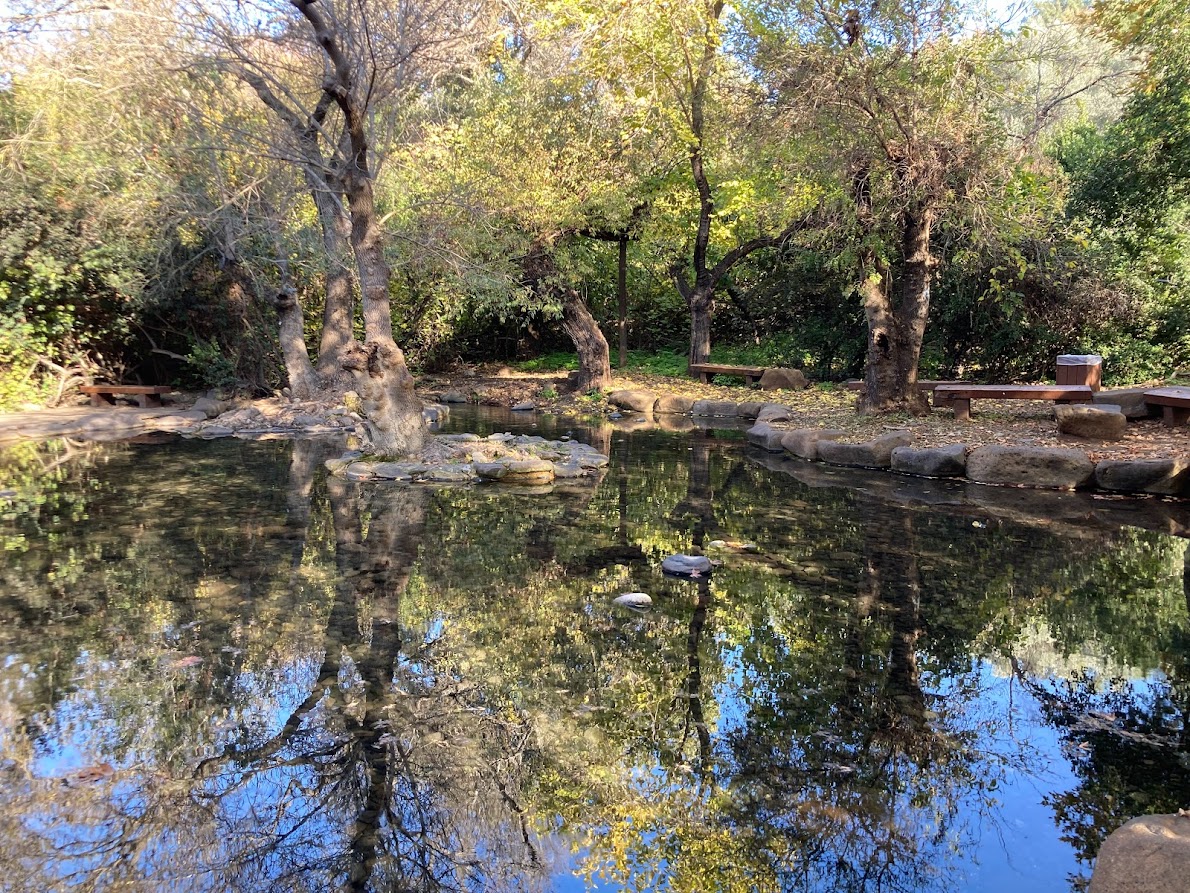
| The name ‘Dan’ is mentioned for the first time in the Book of Genesis after Abraham parted ways with Lot, his nephew, who was captured by the four kings and Abraham sets out to bring him back: “And Abram heard that his brother had been taken captive; and he released his apprentices, the natives of his house, eighteen and three hundred, and he pursued, until Dan.” (14:14). After that we hear about Dan, Leshem and Leish which are identified as the same site in other books of the Bible. The Tel Dan Reserve is a nature reserve in the north of the Hula Valley, and contains the sources of the Dan River (one of the main sources of the Jordan, which supplies about half of the Jordan River’s water) and Tel Dan. This is one of the most wonderful places to visit, especially in the hot summer days. The source of all water in the reserve is only from springs that arise at a constant temperature of 14.5C (58F) and have a low amount of chlorine per liter. | השם ‘דן’ נזכר לראשונה בספר בראשית לאחר שאברהם נפרד מלוט, אחיינו שנפל בשבי ארבעת המלכים ואברהם יוצא להחזיר אותו: “וַיִּשְׁמַע אַבְרָם, כִּי נִשְׁבָּה אָחִיו; וַיָּרֶק אֶת-חֲנִיכָיו יְלִידֵי בֵיתוֹ, שְׁמֹנָה עָשָׂר וּשְׁלֹשׁ מֵאוֹת, וַיִּרְדֹּף, עַד-דָּן.” (יד, יד). לאחר מכן אנחנו שומעים על דן, לשם וליש המזוהים כאותו אתר בספרים נוספים במקרא. שמורת תל דן היא שמורת טבע בצפון עמק החולה, ובה מקורות נחל הדן (אחד מהמקורות העיקריים של הירדן, המספק כמחצית מי נהר הירדן) ותל דן. זהו אחד המקומות הנפלאים לביקור, במיוחד בימי הקיץ החמים. מקור כל המים בשמורה הוא ממעיינות בלבד הנובעים בטמפרטורה קבועה של 14.5 מעלות צלזיוס ובם כמות כלור נמוכה לליטר. |
| In the early years of the State of Israel, the place was closed for security reasons due to its proximity to the border crossing with Syria and Lebanon, but after the Six Day War, a new road was paved and the public was encouraged to come visit. In addition, after a battle against a plan to divert the Dan’s water for agricultural needs, it was agreed that the water would be used for agriculture only after leaving the reserve. In the reserve there are many plants, birds and animals, which you can enjoy on the short walking routes, although entering the water is prohibited in the entire area of the reserve except for a wading pool. Part of the route is handicap accessible, and the longer route combines a visit to the reserve with a visit to the archaeological site. | בשנותיה הראשונות של המדינה היה המקום סגור מסיבות בטחוניות בגלל קרבתה למפגש הגבולות עם סוריה ולבנון, אך לאחר מלחמת ששת הימים, נסלל כביש חדש והקהל עודד להגיע למקום. בנוסף, אחרי מאבק נגד תוכנית להטיית מי הדן לצרכים חקלאיים, הוסכם שהמים יתפסו לחקלאות רק לאחר צאתם מהשמורה. בשמורה צמחים, עופות ובעלי חיים רבים, מהם אפשר להנות במסלולי ההליכה הקצרים, למרות שהכניסה למים אסורה בכל שטח השמורה למעט ברכת שכשוך. חלק מהמסלול מונגש לנכים, כשהמסלול הארוך יותר משלב בין הביקור בשמורה לביקור באתר הארכאולוגי. |
| In the archaeological site ancient finds were found from the middle of the 5th millennium BCE (!!), that is, from the New Stone Age, when there was a settlement here for several hundred years. In the middle of the 3rd millennium BCE (Bronze Age), a Canaanite city was built on the mound called Leish, which is also mentioned in the Book of Judges. It seems that the city enjoyed a fruitful trade with the surrounding area, including the area of Mesopotamia and Sidon. At the same time, it is also mentioned in the Execration texts (texts from ancient Egypt, around 1750-2000 BC), and in documents from the city of Mari (an ancient city-state in Syria). | באתר הארכאולוגי נמצאו ממצאים קדומים מאמצע האלף ה-5 לפנה”ס (!!), כלומר, מתקופת האבן החדשה, כשהיה כאן ישוב למשך כמה מאות שנים. באמצע האלף ה-3 לפנה”ס (תקופת הברונזה), קמה על התל עיר כנענעית בשם ליש שנזכרת בשם זה גם בספר שופטים. נראה שהעיר נהנתה מסחר פורה עם הסביבה, כולל איזור מסופוומיה וצידון. במקביל, היא נזכרת גם בכתבי המארות (טקסטים מגיים ממצרים העתיקה, סביבות 1750-2000 לפנה”ס), ובתעודות מהעיר מארי (עיר-מדינה עתיקה בסוריה). |
| Items of the Mycenaean culture that originated in Greece were also found on the mound, and in the middle of the 15th century BCE, the city was conquered by Thutmose III (1425-1490 BC), one of Egypt’s prominent ancient kings. The mound was excavated and revealed 16 layers from the Iron Age and earlier, a layer from the Persian-Hellenistic period, a Roman layer and a late Muslim layer. Some of the most important findings here include – | עוד נמצאו על התל פריטים של התרבות המיקנית שמוצאה ביוון, ובאמצע המאה ה-15 לפנה”ס, נכבשה העיר בידי תחותמס השלישי (1425-1490 לפנה”ס) אחד ממלכיה הבולטים של מצרים העתיקה. התל נחפר והוגדו בו 16 שכבות מתקופת הברזל וקודם לה, שכבה מהתקופה הפרסית-הלניסטית, שכבה רומית ושכבה מוסלמית מאוחרת. כמה הממצאים החשובים ביותר כאן כוללים את – |
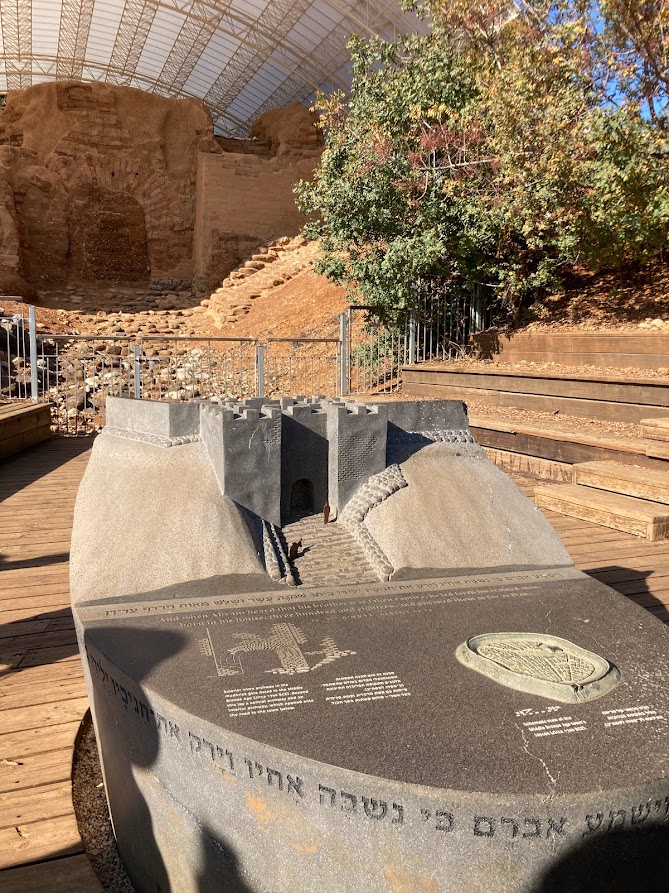
| The Canaanite city gate and the rampart around the mound (1550-1750 BCE). The gate includes an opening in the shape of a brick arch that has been preserved in its entirety, two towers on both sides – one facing the city and the other facing the outer side – and two cells on each of its two sides (gate 4 spaces ). The passage through the gate is 10 meters long and consists of stairs that go up to it on both sides and on the inside, it connects to a street from that era. The Dan city gate (known as the “Three Arches Gate”) is the oldest complete city gate discovered in the world, and it seems to have survived because for an unknown reason, it got covered with dirt and actually served as a base for the battery that was built on it. This discovery is of enormous importance, because until the discovery of the gate in 1979, researchers believed that there were still no arches in the Canaanite period. | שער העיר הכנעני ואת הסוללה סביב התל (1550-1750 לפנה”ס). השער כולל פתח בצורת קשת לבנים שהשתמרה בשלמותה, שני מגדלים משני צדדיו – האחד פונה אל העיר והאחר פונה אל צידה החיצוני – ושני תאים בכל אחד משני צדדיו (שער 4 מרחבים). המעבר דרך השער הוא באורך של 10 מטרים והוא מורכב ממדרגות העולות אליו משני הצדדים ובצד הפנימי חובר אל רחוב מהתקופה. שער העיר דן (המכונה ” שער שלוש הקשתות”) הוא שער העיר השלם הקדום ביותר שהתגלה בעולם, ונראה ששרד מכיון שמסיבה בלתי ידועה, כוסה בעפר ושימש למעשה גרעין לסוללה שנבנתה עליו. לגילוי זה חשיבות עצומה, עד גילויו של השער בשנת 1979 סברו החוקרים שבתקופה הכנענית עדיין לא היו קשתות. |
| On the northern side of the mound, is the sacred complex from the Iron Age, which is the largest ritual center from this period excavated in the Land of Israel. Industries related to worship were discovered here, such as a ”beit-bad” (manufacturing oil for anointment, lighting candles, etc.), and also, a complex of metal recycling facilities with a size of close to a dunam, the largest of its kind in all of Israel. The temple is identified with the temple described in the Bible built by Jeroboam ben Nebat in the 10th century BCE. Its plan is similar to the Temple in Jerusalem and kosher animal bones were found there. The city was used by the Assyrians who exiled the Israelites and rebuilt it “bigger and better”, and the site was a central place of worship throughout the Hellenistic and Roman periods in Israel. | בצד הצפוני של התל, נמצא המתחם המקודש מתקופת הברזל, שהוא המרכז הפולחני הגדול ביותר מתקופה זו שנחפר בארץ ישראל. נתגלו כאן תעשיות הקשורות לפולחן כמו בית בד (לצורך משיחת שמן, הדלקת נרות וכו), וכמו כן,מכלול מתקנים למיחזור מתכת בגודל של קרוב לדונם, הגדול מסוגו בכל ארץ ישראל. המקדש מזוהה עם המקדש המתואר במקרא שנבנה על ידי ירבעם בן נבט במאה ה-10 לפנה”ס. תוכניתו דומה למקדש בירושלים ונמצאו במקום עצמות חיות כשרות. העיר שימשה את האשורים שהגלו את בני ישראל ושקמו את העיר, והאתר הווה אתר פולחן מרכזי גם לאורך התקופה ההלניסטית והרומית בארץ. |
| One of the most impressive finds found here is the Tel Dan Inscription, which says, among other things (reconstructed according to the excavators’ suggestion): “I killed Ahaziah son of Jehoram, king of the House of David and I killed Jehoram, king of Israel.” The inscription is of great importance because it’s the earliest mention of the House of David in its name. The inscription, found in 1993, is displayed in the Israel Museum (in Jerusalem). It’s exciting and refreshing in all aspects to stand in such a place, enjoy nature, landscape, water, and think about all the history (this and more) experienced in one place! | אחד הממצאים המרשימים ביותר שנמצאו כאן היא כתובת תל דן, בה נאמר בין היתר (שחזור ע”פ הצעת החופרים): “אני הרגתי את אחזיהו בן יהורם מלך בית דוד והרגתי את יהורם מלך ישראל”. לכתובת נודעה חשיבות רבה במחקר, מאחר שהיא הממצא הקדום ביותר שמזכיר בשמו את בית דוד. הכתובת, שנמצאה ב-1993, מוצגת במוזיאון ישראל. מרגש ומרענן מכל הבחינות לעמוד במקום כזה, להנות מהטבע, הנוף, המים, ולחשוב על כל ההסטוריה (זאת ועוד) שנחוותה במקום אחד! |
ראש חודש א-ל-ו-ל- טוב ושבת שלום! A GOOD OSH HODESH ELUL & SHABBAT SHALOM!





ואם כבר מדברים על “צדק” קשה שלא להזכיר כאן גם את שירו של יהודה עמיחי
And if we’re already talking about “justice” and being “right” (tzedek), here’s Yehuda Amichai’s poem:
| מן הַמָּקוֹם שֶׁבּוֹ אָנוּ צוֹדְקִים – יהודה עמיחי מִן הַמָּקוֹם שֶׁבּוֹ אָנוּ צוֹדְקִים לֹא יִצְמְחוּ לְעוֹלָם פְּרָחִים בָּאָבִיב הַמָּקוֹם שֶׁבּוֹ אָנוּ צוֹדְקִים הוּא רָמוּס וְקָשֶׁה כְּמוֹ חָצֵר אֲבָל סְפֵקוֹת וְאַהֲבוֹת עוֹשִׂים אֶת הָעוֹלָם לְתָחוּחַ כְּמוֹ חֲפַרְפֶּרֶת, כְּמוֹ חָרִישׁ וּלְחִישָׁה תִּשָּׁמַע בַּמָּקוֹם שֶׁבּוֹ הָיָה הַבַּיִת אֲשֶׁר נֶחְרַב | The Place Where We Are Right by Yehuda Amichai From the place where we are right Flowers will never grow In the spring. The place where we are right Is hard and trampled Like a yard. But doubts and loves Dig up the world Like a mole, a plow. And a whisper will be heard in the place Where the ruined House once stood. |


 Torah & more... תורה ועוד