תורה וטיולים עם פרשת כי תצא – חגיגה “על הגג” לכבוד שנת ה-100 ליסוד מפעל הדף היומי
| This coming Shabbat, Parshat “Ki-Tatsa” (9th of Elul, 2017) marks the 100th anniversary of the historic announcement by Rabbi Meir Shapira of Lublin, at the central rabbinic conference of the Agudath Israel movement, establishing the study of Daf Yomi, a daily page of Talmud. The initiative’s idea is based on the number of pages in all tractates of the Babylonian Talmud – 2711, when one page is studied per day in cycles of about 7 and a half years. The “siyum” or finale is usually a very festive event: the end of the 13th cycle was on the 7th of Tevet, 5780 (January 4, 2020) and was celebrated throughout The world. The largest event was held at the “MetLife Stadium” in New Jersey with approximately 88,000 participants. In Binyaney Ha’uma in Jerusalem, there was a siyum for women (the first of its kind) with the participation of approximately 3,000 ladies (and some brave men as well!) Over the years, the initiative became widespread among tens of thousands (perhaps more) who are studying daily, while at the same time websites and classes have been established, aimed at making the study of Gemara accessible to the public. In 5 cities in Israel there is even a street named Daf Yomi street or stairs: Jerusalem, Tel-Aviv-Jaffa, Beitar Illit, Bnei Barak and Haifa (I found the street between Kiryat Haim and Bialik. If you find another one in the city itself, please let me know). | בשבת הקרובה, פרשת “כי-תצא” (ט’ באלול תשפ”ג) ימלאו 100 שנה להכרזתו ההיסטורית של הרב מאיר שפירא מלובלין, בכנס הרבנים המרכזי של תנועת אגודת ישראל, לייסוד לימוד הדף היומי. רעיון היוזמה מבוסס על מספר הדפים שבכל מסכתות התלמוד הבבלי – 2711, כשנלמד דף אחד ביום במחזוריות של כ-7 וחצי שנים. ה”סיום” הוא בד”כ אירוע חגיגי ביותר: סיום המחזור ה-13 היה ביום ז’ בטבת, תש”פ (4 בינואר, 2020) ונחגג ברחבי העולם. האירוע הגדול ביותר נערך באיצטדיון “מטלייף סטאדיום” בניו ג’רזי עם כ-88 אלף משתתפים. בבניני האומה בירושלים נערך – לראשונה – סיום הדף היומי לנשים בהשתתפות כ-3000 משתתפות (וגם כמה משתתפים אמיצים!). עם השנים, היוזמה הפכה נפוצה בקרב עשרות אלפי (אולי כבר יותר) לומדים, כשבמקביל הוקמו אתרים ושיעורים במטרה להנגיש את לימוד הגמרא לקהל הרחב. ב-5 ערים בארץ אפילו קיים רחוב בשם רחוב (או- מעלות) הדף היומי: ירושלים, תל-אביב-יפו, ביתר עילית, בני ברק וחיפה (מצאתי את הרחוב בין קרית חיים וקרית ביאליק. אם אתם מוצאים רחוב נוסף בעיר עצמה, תנו סימן). |
| Coincidentally (or not -), the Torah portion of Ki Tetze, is the one containing the most commandments of any Torah portion: 74 in total! It has 27 “positive” (do’s) and 47 “negative” (don’ts). The midrash (Devarim Rabba 6:5) describes how each mitzvah is related to another and how they are all surrounding us all the time: This is what the text said (Proverbs 1:9): “for they are a gracious accompaniment to your head”… and what is “a gracious accompaniment”? said Rabbi Pinchas bar Chama: everywhere you go, the mitzvot go with you. For if you build a new house, “build a railing to your roof” (Deut 22:8); if you make a door… “write them on the doorposts of your house” (Deut 6:9). If you wear new garments… “do not wear sha’atnez” (a mixture of wool and linen – Deut. 22:11). If you shave, “do not round the corners of your head” (Lev. 19:27). If you have a field to plow… “do not plow jointly with an ox and a donkey” (Deut. 22:10). If you sow, “do not sow a forbidden mixture” (Deut. 22:9) and if you reap, “… leave some sheaves in the field” (Deut. 24:19). Said the Holy One, “ven if you didn’t do anything, and were just walking along the path, the mitzvot walk with you, as it is said, ‘for if you chance on a bird’s nest along the way’ (Deut. 22:6).” | במקרה (או שלא -) פרשת “כי תצא” היא זו שבה יש הכי הרבה מצוות מכל פרשות התורה: 74 בסך הכל! 27 מצוות עשה ו-47 מצוות לא תעשה. המדרש (דברים רבה ו, ה) מתאר כיצד כל מצווה קשורה לאחרת וכיצד כולן מקיפות אותנו כל הזמן: זֶה שֶׁאָמַר הַכָּתוּב (משלי א,ט):” כִּי לִוְיַת חֵן הֵם לְרֹאשֶׁךָ”… מַהוּ כִּי לִוְיַת חֵן? אָמַר רַבִּי פִּינְחָס בַּר חָמָא לְכָל מָקוֹם שֶׁתֵּלֵךְ הַמִּצְווֹת מְלַוּוֹת אוֹתְךָ (דברים כב,ח): כִּי תִבְנֶה בַּיִת חָדָשׁ וְעָשִׂיתָ מַעֲקֶה לְגַגֶּךָ. אִם עָשִׂיתָ לְךָ דֶּלֶת הַמִּצְווֹת מְלַוּוֹת אוֹתְךָ, שֶׁנֶּאֱמַר (דברים ו, ט): וּכְתַבְתָּם עַל מְזֻזוֹת בֵּיתֶךָ. אִם לָבַשְׁתָּ כֵּלִים חֲדָשִׁים, הַמִּצְווֹת מְלַוּוֹת אוֹתְךָ, שֶׁנֶּאֱמַר (דברים כב, יא): לֹא תִלְבַּשׁ שַׁעַטְנֵז. אִם הָלַכְתָּ לְגַלֵּחַ, הַמִּצְווֹת מְלַוּוֹת אוֹתְךָ, שֶׁנֶּאֱמַר (ויקרא יט, כז): לֹא תַקִּפוּ פְּאַת רֹאשְׁכֶם, וְאִם הָיָה לְךָ שָׂדֶה וְהָלַכְתָּ לַחֲרשׁ בְּתוֹכָהּ, הַמִּצְווֹת מְלַוּוֹת אוֹתְךָ, שֶׁנֶּאֱמַר (דברים כב, י): לֹא תַחֲרשׁ בְּשׁוֹר וּבַחֲמֹר יַחְדָּו. וְאִם זָרַעְתָּ אוֹתָהּ, הַמִּצְווֹת מְלַוּוֹת אוֹתְךָ, שֶׁנֶּאֱמַר (דברים כב, ט): לֹא תִזְרַע כַּרְמְךָ כִּלְאָיִם. וְאִם קָצַרְתָּ אוֹתָהּ, הַמִּצְווֹת מְלַוּוֹת אוֹתְךָ, שֶׁנֶּאֱמַר (דברים כד, יט): כִּי תִקְצֹר קְצִירְךָ בְשָׂדֶךָ וְשָׁכַחְתָּ עֹמֶר בַּשָֹּׂדֶה, אָמַר הַקָּדוֹשׁ בָּרוּךְ הוּא אֲפִלּוּ לֹא הָיִיתָ עוֹסֵק בְּדָבָר אֶלָּא מְהַלֵּךְ בַּדֶּרֶךְ, הַמִּצְווֹת מְלַוּוֹת אוֹתְךָ, מִנַּיִן, שֶׁנֶּאֱמַר: כִּי יִקָּרֵא קַן צִפּוֹר לְפָנֶיךָ… (דברים כב, ו). |
| On the surface, all of these commandments are dealing with our immediate physical environment and existence, starting with, “if you go out to war” and onward. But already Rashi comments on that opening verse (Deuteronomy 21:10) that the real war, the toughest war of all that this section is talking about, is the internal war one wages against one’s own self and one’s own evil inclination. This continues throughout the rest of the reading. The commandments can be understood on a pshat, simple level, as directives for a safer, more wholesome living, and at the same time, each offers a deeper spiritual message. Here’s but one example. | על פני השטח, כל המצוות האלו עוסקות בסביבה הפיזית הקרובה ובקיומנו החומרי, החל ב”כי תצא למלחמה” ואילך. אבל כבר רש”י (1040-1105) מסביר לנו על אותו פסוק פותח (דברים כ”א, י) שהמלחמה האמיתית, המלחמה הקשה מכל שהיא זו שהפרשה שלנו עוסקת בה, היא המלחמה הפנימית שכל אחד מאיתנו מנהל נגד עצמו ונגד יצר הרע שלו. וכך זה ממשיך לאורך הפרשה. ניתן להבין את המצוות ברמה “פשטית”, כסדרת הנחיות לחיים בטוחים ובריאים יותר, ויחד עם זאת, כל אחת מהן מציעה מסר רוחני עמוק יותר. נביא רק דוגמה אחת. |
| When you build a new house, you shall make a railing for your roof, so that you do not bring bloodguilt on your house if anyone should fall from it. (Deuteronomy 22:8). The roof of the ancient world, and still today for some, was a usable, happening place, where one could dry fruits and seeds, hang laundry, sleep in the summer, or sunbathe in winter, play, sit, bathe, sing, chat with friends and more. The roof can tell us much about those who live beneath it—the people, their environment, their familiar-tribal-social and even economic well being. The Torah looks at roofs too, and the mitzvah here to build a railing makes sense. The roof that is described here is part of everyday, active, viable living space, and therefore, like any other room in the house, should have safety measures so no one is harmed. | כִּ֤י תִבְנֶה֙ בַּ֣יִת חָדָ֔שׁ וְעָשִׂ֥יתָ מַעֲקֶ֖ה לְגַגֶּ֑ךָ וְלֹֽא־תָשִׂ֤ים דָּמִים֙ בְּבֵיתֶ֔ךָ כִּֽי־יִפֹּ֥ל הַנֹּפֵ֖ל מִמֶּֽנּוּ (דברים כב, ח). הגג של העולם העתיק, ועדיין בחלקים מסוימים בעולם כיום, היה מקום שימושי ומלא חיים, שבו אפשר לייבש פירות וזרעים, לתלות כביסה, לישון בקיץ, להתחמם בחורף, לשחק, לשבת, להתרחץ, לשיר, לשוחח עם חברים ועוד. הגג יכול לספר לנו הרבה על האנשים, סביבתם, רווחתם המשפחתית-שבטית-חברתית ואפילו כלכלית. התורה מסתכלת גם על גגות, והמצווה כאן לבנות מעקה הגיונית לגמרי. גג כזה, כפי שתואר לעיל, שהוא מרחב מחיה בר-קיימא, צריך להיות בטיחותי כדי שאף אחד לא יפגע. |
| The Sifrei Devarim (229) points out that there is a double mitzvah here: “And you shall make a railing for your roof” – a positive commandment. “And do not bring bloodguilt on your house” – a negative commandment. “And you shall make a railing for your roof,” the Torah only mentions a roof, how do I know I should fence pits, bushes, caves etc? Therefore the text says, “do not bring bloodguilt on your house.” Thus, the commandment to place a railing around the roof is extended beyond the roof itself, to guarding against any obstacle that can cause any damage to another, once it is within one’s domain of responsibility. In this vein, the Talmud (Ketubot 41:b) instructs us not to raise a bad dog in one’s house, or place a rickety ladder nearby, all because of the negative commandment—“do not bring bloodguilt on your house.” | הספרי דברים (229) מצביע על כך שבעצם יש כאן מצווה כפולה: “ועשית מעקה לגגך” – מצוות עשה. “ולא תשים דמים בביתך” – מצוות לא תעשה. “ועשית מעקה לגגך”, אין לי אלא גג, מנין (שצריך לגדר גם) לרבות בורות שיחים ומערות חריצים ונעיצים? תלמוד לומר “ולא תשים דמים בביתך”. כלומר, האיסור מורחב לכל מכשול שיכול לגרום נזק כלשהו לאחר, ברגע שאותו מכשול הוא באחריותו של מישהו מסוים. למשל, התלמוד מורה (כתובות ל”א:ב) שלא לגדל כלב רע בביתו, או להניח סולם רעוע, הכל בגלל הציווי השלילי – “לא תשים דמים בביתך“. |
| Interestingly, although most halakhic poskim disagree with him on this, for Rambam, placing a railing was such an important mitzvah that one should say a blessing over it: Blessed are You, Hashem…. Who sanctified us in His commandments and commanded us to make a railing. And yet, we may wonder: the idea of putting a railing and not place dangerous obstacles before people, is so obvious! Does the Torah really need to spell this out for us? | מעניין שאף על פי שרוב הפוסקים חולקים עליו על כך, אצל הרמב”ם הצבת מעקה הייתה מצווה כל כך חשובה שיש לברך עליה ולומר: “ברוך אתה ה’… אשר קידשנו במצוותיו וצווה עלינו לעשות מעקה” אבל, שוב, אנחנו עשויים לתהות: זה שצריך לשים מעקה ולא לשים מכשולים מסוכנים לפני אנשים, זה דבר כל כך ברור! האם התורה באמת צריכה לומר לנו את זה? |
| The exceptionally prolific CHIDA (Rav CHaim Yosef David Azulai, 1724-1806) adds a less obvious layer, which appears in his commentaries Chomat Ana”ch and Nachal Kedumim. He points to the fact that, in gematria (the substitution of numbers for letters of the Hebrew alphabet, a method of exegesis to gain insights of the text), the word used here, “gag-cha” – meaning, your roof– is numerically equal to God’s four-letter name (26). Accordingly, what is meant here, beyond our stone and mortar homes, is that we have “soul-homes,” or homes for our soul; and in those, we should have a “railing”–what today we might call “boundaries”–around our spiritual selves as well, to encourage us in our process in the teshuva, and keep up protected from potential pitfalls. Our emotional/ spiritual “gag” (roof) is the highest point in our being, our mind, our thoughts, and much of our connection with the Divine. Getting emotionally involved, being spirituality engaged, are wonderful gifts and yet, at the same time, they can also be challenging and at times, even dangerous. Thus, that “home” within us, also needs to be safely guarded and protected. | החיד”א (הרב חיים יוסף דוד אזולאי 1724-1806), המיוחד בכתיבתו העשירה, מוסיף רובד פחות ברור (מופיע בספריו “חוכמת אנ”ך ונחל קדומים). הוא מצביע על העובדה שבגימטריה, המילה “גגך” שווה לשם ה’ בעל ארבע האותיות (26). הוא אומר לנו שהכוונה כאן, מעבר לבתי האבן והבטון שלנו, היא שצריך שיהיה לנו “מעקה” – מה שהיום אולי היינו מכנים “גבולות” – גם סביב האני הרוחני שלנו, כדי להגן מפני “נפילה פוטנציאלית”. הגג הרגשי – הרוחני – הוא הנקודה הגבוהה ביותר בהוויה שלנו, בראש שלנו, במחשבות שלנו ובחלק גדול מהקשר שלנו עם האלוהי. להיות מעורב רגשית “עד מעל לראש” ולהיות עסוק ברוחניות כל הזמן – אלה יכולות להיות מתנות נפלאות, ויחד עם זאת, גם מאתגרות ואפילו מסוכנות. לפיכך, גם אותו “בית” בתוכנו, צריך להיות שמור ומוגן בבטחה! |
| Ki Tetze is usually read during the beginning of the month of Elul, the month of Selichot, when we turn our focus to much spiritual work. We tend to think of all other people we have harmed and how to make things better with them. But maybe, this parsha is also an invitation to take a moment with ourselves and our own private “roof” and “railing,” to tend to our own boundaries and fences, to realize that taking time for our wellbeing is not “being spoiled” and excessively luxurious, but a fulfillment of a life-saving mitzvah. | פרשת “כי תצא” נקראת בדרך כלל בתחילת חודש אלול, חודש הסליחות והמחילה, כאשר אנו מפנים את מבטנו לעבודה הרוחנית הרבה שלפנינו. אנו נוטים לחשוב על כל שאר האנשים שפגענו בהם, מה ואיך לעשות אחרת כדי לשפר את מערכות היחסים שלנו איתם. אבל אולי, זה גם רמז לקחת רגע עם עצמנו ועם ה”גג” וה”מעקה” הפרטי שלנו, להבין שלקיחת זמן כזה איננה “פינוק מיותר”, אלא קיום מצווה מצילת חיים. |
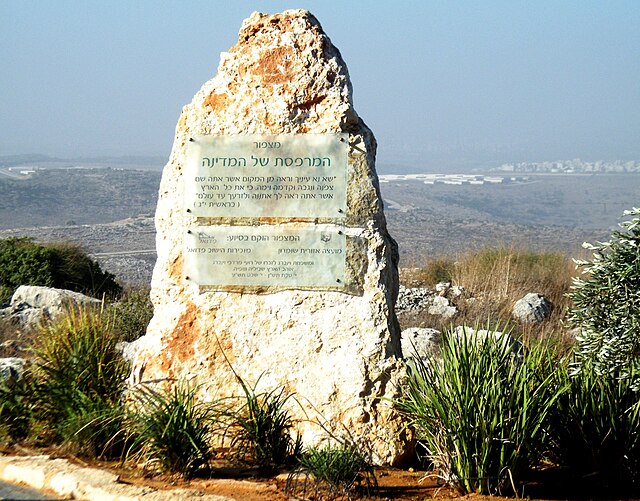
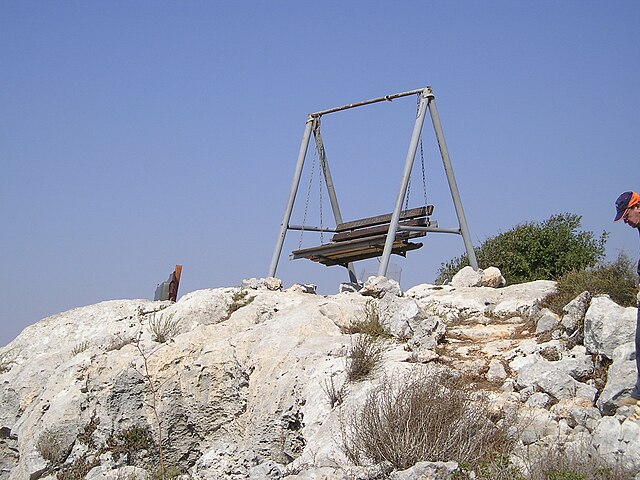
| And if we’re in the business of roofs, where shall we go this week? We can go, for example, on a rooftop tour in the Old City of Jerusalem, which allows a unique overview of the city, its districts, famous places from a different angles and the surrounding landscapes. Or, we can visit the many outlooks scattered throughout the country, starting from Mt. Hermon, which because of its strategic location was nicknamed “the eyes of the country”, to the south of the Negev, near Eilat. We’ll mention one place in particular, that can be reached by heading east on road # 5, when 10 km before Ariel, we’ll take road 446 south towards Pedu’el in Samaria. Here is a place that earned the title “The Balcony of the State“, an outlook that overlooks Gush Dan (TLV area), the Sharon, Ben-Gurion Airport, the coastal plain and the lowlands. On a “good” day you can even see from here the power plants of Ashkelon and Ashdod in the south as far as… the Haifa University on Mount Carmel! The distance between the “balcony” at 350 m above sea level, and the Mediterranean Sea is only about 25 km, making it easy to understand the geographical and topographical complexity (and vulnerability) of the State of Israel. In the outlook, which was inaugurated in 2014, there are long-term binoculars, and since 2015, the festival of “The Country’s Balcony” has been held there twice a year, on the intermediary days of Sukkot and Pesach, with thousands of participants and visitors. | ואם בענין גגות, לאן “נצא” השבוע? נוכל לצאת למשל, לסיור גגות בעיר העתיקה בירושלים, דבר המאפשר תצפית יחודית על העיר, על רובעיה, מקומות מפורסמים בזוית אחרת והנופים סביב. ונוכל לבקר במצפורים הרבים הפזורים לאורך כל הארץ, החל מהחרמון שזכה בגלל מיקומו האסטרטגי לכינוי “העיניים של המדינה”, ועד דרום הנגב, בואך אילת. נזכיר מקום אחד במיוחד, שכדי להגיע אליו הננה מזרחה על כביש 5, וכ-10קמ לפני אריאל, ניקח את כביש 446 דרומה לכוון הישוב פדואל שבשומרון. כאן נמצא מקום שזכה לכינוי “המרפסת של המדינה”, מצפור ממנו ניתן להשקיף על גוש דן, השרון, נמל התעופה בן-גוריון, מישור החוף והשפלה. ביום “טוב” אפשר לראות מכאן אפילו את תחנות הכוח של אשקלון ואשדוד בדרום ועד… לאוניברסיטת חיפה שעל הר הכרמל! המרחק בין המרפסת בגובה של כ-350מ’ מעל פני הים, לים התיכון הוא כ-25קמ בלבד, וקל להבין ממנו את מורכבותה הגאוגרפית והטופוגרפית של מדינת ישראל. במצפור שנחנך ב-2014 משקפות נוף ארוכות טווח, ומ-2015 מתקיים במקום פסטיבל “המרפסת של המדינה” פעמיים בשנה, בחול המועד סוכות ובחול המועד פסח בהשתתפות אלפי מבקרים. |
אז העיקר שיהיה בזהירות, המשך חודש אלול טוב ושבת שלום!
So let’s proceed with care, have a continuous good month of Elul & SHABBAT SHALOM!




 Torah & more... תורה ועוד