תורה וטיולים עם פרשת “והיה כי תבוא אל הארץ”….
| I’m celebrating these days 4 years since my return to Israel. I’ve debated between “marking” or maybe “counting” but decided on “celebrating”. Hardly a week goes by that someone doesn’t ask me or downright tell me, and often with an added look of “understanding” and mercy, ‘oy, you found some time for this return… you must be regretting it’… so thank you, but there’s no need. Despite the (great!) complexity of returning to Israel after many (many!) years abroad, accompanied by (quite a few!) “challenges”, I am not. The idea somehow assumes that there used to be a “better time”, that there is even a “better time”… that “they say it was fun here before I was born”, as an Israeli song says. But… really? When you go into the details of history, it seems that there was no time when it was “simple” and “easy” and “just fun” here (or anywhere). There have always been challenges here, so the question is not how to escape challenging but… everything else: who we are, and why, what is the meaning behind it all, what is the vision… | בימים אלו אני חוגגת 4 שנים לחזרה שלי לארץ. ההתלבטתי בין “מציינת” או אולי “מונה” אבל החלטתי על “חוגגת”. אין כמעט שבוע שמישהו לא שואל אותי או אומר לי ולא פעם גם בתוספת מבט מבין ומשתתף ומלא רחמים, אוי, מצאת לך זמן לחזור… את בטח מתחרטת… אז תודה אבל אין צורך. למרות המורכבות (הגדולה!) של החזרה לארץ אחרי שנים רבות (מאד!) בחו”ל, המלווה ב”אתגרים” (לא מעטים!), אני לא. האמירה הזו איכשהו מניחה שפעם היה “זמן יותר טוב”, שיש בכלל “זמן יותר טוב”… ש”אומרים שהיה פה שמח לפני שנולדתי”, כמאמר השיר. אך האומנם? כשנכנסים לפרטי ההסטוריה, נראה שאין זמן שהיה כאן “פשוט” ו”קל” ו”תמיד כף” כאן (אן בכל מקום). תמיד היו כאן אתגרים, ולכן השאלה היא לא איך לחמוק מאתגרים אלא… כל השאר: מי אנחנו ולמה, מה המשמעות, מה החזון… |
| This week’s Torah portion, Ki Tavo (when you come…), is always read two Shabbats before Rosh Hashanah, since it contains the ction of “the blessings and the curses” and we don’t want to end the year on a bad note. The portion is also known as the “great rebuke” because of that long and difficult list of “curses” that appear in Deuteronomy (as opposed to the “small rebuke” episode in the Torah portion of Chukat. | פרשת השבוע, פרשת כי תבוא, נקראת תמיד שתי שבתות לפני ראש השנה, כיון שמופיעה בה פרשת הברכות והקללות ואנחנו לא רוצים לסיים את השנה בדבר רע. הפרשה נקראת גם “פרשת התוכחה הגדולה” על שם ה”קללות” הארוכות והקשות המופיעות בדברים פרק כ”ח (בניגוד לפרשת בחוקותי עם “התוכחה הקטנה”). |
| The reading opens with the words “and when [or perhaps, because] you will come to the Land”… (Deuteronomy 26:1), that is, when you will come, in the future… but it says haya, which is the word for “was”? In Biblical Hebrew we have a trick: the letter vav is not always, as we think of it in modern Hebrew, a connector, but sometimes it is an “invertor” vav, i.e. it takes the verb that follows, and moves from the past tense to the future or from the future to the past. | הפרשה נפתחת במילים “והיה כי תבוא אל הארץ”… (דברים כ”ו, א), כלומר, כשתבוא בעתיד… אבל כתוב “היה”? בעברית התנ”כית יש לנו טריק: האות וו איננה תמיד כפי שאנחנו רגילים בעברית המודרנית, וו החיבור, המחברת, אלא לפעמים היא “וו ההיפוך”, ה”הופכת”, כלומר – הפועל שבא לאחריה עובר מזמן עבר לעתיד או מעתיד לעבר. |
| When the verb is yehi, “will be” in the future, together with the invertor vav, it turns into a verb in the past tense and is considered a hint for trouble (vayehi = “and it happened in the days of Ahasuerus”…). On the other hand, haya = “was” by itself is a past verb which, with the invertor vav, becomes in the future. Aside from the technical -grammatical matter, there is also a symbolic meaning here: is it possible to turn the past into the future and the future into the past? What does it mean? When a person is able to turn the past into the future, that is, to take history, whether personal or national, and leverage a vision from it, it’s a joy. This means that the past is roots and a foundation, instead of a weight that drags one down, and from there – one grows. And, of course, possibly the opposite. | כשהפועל הוא “יהי” בעתיד, יחד עם וו ההיפוך, ויהי, הוא הופך לפועל בזמן עבר ונחשב רמז לצרות (“ויהי בימי אחשוורוש”…). לעומת זאת, “היה” לכשעצמו הוא פועל בעבר אשר עם וו ההיפוך, הופך לעתיד. מלבד הענין הטכני – דקדוקי, יש כאן גם ענין סמלי, משמעותי: האם אפשר להפוך עבר לעתיד ועתיד לעבר? מה פירוש? כשאדם מסוגל להפוך את העבר לעתיד, כלומר, לקחת את ההסטוריה, האישית או הלאומית, ולמנף ממנה חזון, זו שמחה. זה אומר, שהעבר הוא שורשים ובסיס, במקום משקולת הגוררת אותו מטה, ומשם הוא הולך וצומח. לעומת, כמובן, ההיפך. |
| This grammatical matter appears in many places (ve-ahavta = you shall love, in the future, though “ahavta” in the past; ve-shamru = “and the Israelites will keep Shabbat, though “shamru” is in the past and more). But here, it’s especially important, upon entering the land, “and it was” becomes “it will be”, because this is “The” question: In the future, when we come to the Land, will we be able to turn the past into the future? Will it be possible for us not to get sucked into the past, to dream only of what used to be, but to learn who we are, and build a future connected to that which sees ahead? | הענין הדקדוקי הזה מופיע במקומות רבים (ו-אהבת את ה’ אלוהיך = תאהב בעתיד. ו-שמרו בני ישראל את השבת = ישמרו בעתיד, ועוד), אך כאן הוא חשוב במיוחד, עם הכניסה לארץ, “והיה”, זו “ה”שאלה: האם בעתיד, כשנבוא אל הארץ, האם נצליח להפוך את העבר לעתיד? האם יעלה בידינו, לא להשאב אל העבר, לחלום רק על מה שהיה פעם, אלא ללמוד את מי שאנחנו ולבנות עתיד מחובר לכך שרואה קדימה? |
| There are also dangers in entering the Land, and surprisingly, these are not necessarily the enemies outside, but our attitude towards each other and the place itself. There is a danger that we will take the Land for granted, we will settle down and “drawn down”. To this end, the Torah gave us, for example, the sh’mitah, the “sabbatical year”: a year in which we cannot work the Land and must be at some distance from it, a reminder that the Land belongs to G-d. Therefore, it’s obvious we’ll bring Him our bikurim, the first grain and fruits. | ויש גם סכנות בכניסה לארץ, ובאופן מפתיע, אלו לא בהכרח האויבים מחוץ, אלא היחס שלנו אחד לשני ולמקום עצמו. יש סכנה שניקח את הארץ כמובן מאליו, נשתקע ו”נשקע”. לשם כך נתנה לנו התורה, למשל, את שנת השמיטה: שנה שבה אנחנו לא יכולים לעבוד את האדמה וחייבים להיות בריחוק כלשהו ממנה, תזכורת שהארץ שייכת לקב”ה. גם מצוות הביכורים בתחילת הפרשה שלנו, נועדה לכך שנכיר שהאדמה שייכת לבורא ולכן, ברור שניתן לו את ראשית התבואה והביכורים. |
| This is not a simple matter: to wait 3-4-5 years, to see the first fig, finally!! growing on the tree we planted. We want to give the juicy and delicious fruit a big bite! And why not? After all, it’s ours, ours!! Then comes the Torah comes and says, ‘yes, it is also “ours” but not only. We have a Partner’. Then, we take the fig to the Temple, and give it to another. How is that possible? The Torah tells us, yes, it is not easy, but it’s the requirement of life in this country. It was already said in the prophets, if we came here to live “like everyone else”, it will not work out. We should have some kind of idealistic gene. One must be able to see beyond oneself – the other: first of all, the other in the sense of Gd, and at the same time, the other in the sense of the person next to me. What does s/he need? Who am I and what can I give? And it’s true, this is being challenged all the time. But… after all, if it wasn’t challenging, it wouldn’t be in the Torah…! | זה לא דבר פשוט: לחכות 3-4-5 שנים, לראות את התאנה הראשונה, סופסוף!! גדלה על העץ ששתלנו. אנחנו רוצים לתת בפרי העסיסי והטעים ביס גדול! ולמה לא? הרי זה שלנו, שלנו!! ואז באה התורה ואומרת, נכון, זה גם “שלנו” אבל לא רק. יש לנו שותף. ואז, אנחנו לוקחים את התאנה לבית המקדש, ונותנים אותה לאחר. איך אפשר? אומרת לנו התורה, נכון, זה לא קל, אבל זו הדרישה של החיים בארץ הזו. כבר נאמר בנביאים, אם באנו לכאן כדי לחיות “כמו כולם”, זה לא ילך. צריך שיהיה לנו איזה גן אידיאליסטי. צריך להיות מסוגל לראות מעבר לעצמי – את האחר: קודם כל, האחר במובן של הקב”ה, ובמקביל, האחד במובן האדם לידי. מה הוא צריך? מי אני ומה אני יכול לתת? ונכון, הצורך הזה מאותגר כל הזמן. אבל… הרי אילו זה לא היה מאתגר, זה לא היה בתורה…! |
| And so it says in this reading, in a section that might be mostly familiar from the Pesach Haggadah: When you enter the Land that your Gd H’ is giving you as a heritage, and you possess it and settle in it, you shall take some of every first fruit of the soil, which you harvest from the land that your Gd H’ is giving you, put it in a basket and go to the place where your Gd H’ will choose to establish the divine name. You shall go to the priest in charge at that time and say to him, “I acknowledge this day before your Gd H’ that I have entered the Land that H’ swore to our fathers to assign us.” The priest shall take the basket from your hand and set it down in front of the altar of your Gd H’. You shall then recite as follows before your Gd H’: “My father was a fugitive Aramean. He went down to Egypt with meager numbers and sojourned there; but there he became a great and very populous nation. The Egyptians dealt harshly with us and oppressed us; they imposed heavy labor upon us. We cried to H’, the Gd of our ancestors, and H’ heard our plea and saw our plight, our misery, and our oppression. H’ freed us from Egypt by a mighty hand, by an outstretched arm and awesome power, and by signs and portents, bringing us to this place and giving us this land, a land flowing with milk and honey. Wherefore I now bring the first fruits of the soil which You, H’, have given me.” You shall leave it before your Gd H’ and bow low before your God H’. And you shall enjoy, together with the [family of the] Levite and the stranger in your midst, all the bounty that your Gd H’ has bestowed upon you and your household (Deut. 26:1-11) | וכך נאמר בפרשה בקטע שלפחות חלקו גם מוכר לנו כשהושאל לתוך ההגדה של פסח: וְהָיָה֙ כִּֽי־תָב֣וֹא אֶל־הָאָ֔רֶץ אֲשֶׁר֙ ה’ אֱלֹהֶ֔יךָ נֹתֵ֥ן לְךָ֖ נַחֲלָ֑ה וִֽירִשְׁתָּ֖הּ וְיָשַׁ֥בְתָּ בָּֽהּ׃ וְלָקַחְתָּ֞ מֵרֵאשִׁ֣ית כׇּל־פְּרִ֣י הָאֲדָמָ֗ה אֲשֶׁ֨ר תָּבִ֧יא מֵֽאַרְצְךָ֛ אֲשֶׁ֨ר ה’ אֱלֹהֶ֛יךָ נֹתֵ֥ן לָ֖ךְ וְשַׂמְתָּ֣ בַטֶּ֑נֶא וְהָֽלַכְתָּ֙ אֶל־הַמָּק֔וֹם אֲשֶׁ֤ר יִבְחַר֙ ה’ אֱלֹהֶ֔יךָ לְשַׁכֵּ֥ן שְׁמ֖וֹ שָֽׁם׃ וּבָאתָ֙ אֶל־הַכֹּהֵ֔ן אֲשֶׁ֥ר יִהְיֶ֖ה בַּיָּמִ֣ים הָהֵ֑ם וְאָמַרְתָּ֣ אֵלָ֗יו: הִגַּ֤דְתִּי הַיּוֹם֙ לַה’ אֱלֹהֶ֔יךָ כִּי־בָ֙אתִי֙ אֶל־הָאָ֔רֶץ אֲשֶׁ֨ר נִשְׁבַּ֧ע ה’ לַאֲבֹתֵ֖ינוּ לָ֥תֶת לָֽנוּ׃ וְלָקַ֧ח הַכֹּהֵ֛ן הַטֶּ֖נֶא מִיָּדֶ֑ךָ וְהִ֨נִּיח֔וֹ לִפְנֵ֕י מִזְבַּ֖ח ה’ אֱלֹהֶֽיךָ׃ וְעָנִ֨יתָ וְאָמַרְתָּ֜ לִפְנֵ֣י ה’ אֱלֹהֶ֗יךָ אֲרַמִּי֙ אֹבֵ֣ד אָבִ֔י וַיֵּ֣רֶד מִצְרַ֔יְמָה וַיָּ֥גׇר שָׁ֖ם בִּמְתֵ֣י מְעָ֑ט וַֽיְהִי־שָׁ֕ם לְג֥וֹי גָּד֖וֹל עָצ֥וּם וָרָֽב׃ וַיָּרֵ֧עוּ אֹתָ֛נוּ הַמִּצְרִ֖ים וַיְעַנּ֑וּנוּ וַיִּתְּנ֥וּ עָלֵ֖ינוּ עֲבֹדָ֥ה קָשָֽׁה׃ וַנִּצְעַ֕ק אֶל־יְהֹוָ֖ה אֱלֹהֵ֣י אֲבֹתֵ֑ינוּ וַיִּשְׁמַ֤ע ה’ אֶת־קֹלֵ֔נוּ וַיַּ֧רְא אֶת־עׇנְיֵ֛נוּ וְאֶת־עֲמָלֵ֖נוּ וְאֶֽת־לַחֲצֵֽנוּ׃ וַיּוֹצִאֵ֤נוּ ה’ מִמִּצְרַ֔יִם בְּיָ֤ד חֲזָקָה֙ וּבִזְרֹ֣עַ נְטוּיָ֔ה וּבְמֹרָ֖א גָּדֹ֑ל וּבְאֹת֖וֹת וּבְמֹפְתִֽים׃ וַיְבִאֵ֖נוּ אֶל־הַמָּק֣וֹם הַזֶּ֑ה וַיִּתֶּן־לָ֙נוּ֙ אֶת־הָאָ֣רֶץ הַזֹּ֔את אֶ֛רֶץ זָבַ֥ת חָלָ֖ב וּדְבָֽשׁ׃ וְעַתָּ֗ה הִנֵּ֤ה הֵבֵ֙אתִי֙ אֶת־רֵאשִׁית֙ פְּרִ֣י הָאֲדָמָ֔ה אֲשֶׁר־נָתַ֥תָּה לִּ֖י ה’ וְהִנַּחְתּ֗וֹ לִפְנֵי֙ ה’ אֱלֹהֶ֔יךָ וְהִֽשְׁתַּחֲוִ֔יתָ לִפְנֵ֖י ה’ אֱלֹהֶֽיךָ׃ וְשָׂמַחְתָּ֣ בְכׇל־הַטּ֗וֹב אֲשֶׁ֧ר נָֽתַן־לְךָ֛ ה’ אֱלֹהֶ֖יךָ וּלְבֵיתֶ֑ךָ אַתָּה֙ וְהַלֵּוִ֔י וְהַגֵּ֖ר אֲשֶׁ֥ר בְּקִרְבֶּֽךָ (דברים כו, א-יא) |
| There is much to be said about this beautiful passage, but today, we will ask only one question: What is “I acknowledge this day before your Gd H’ that I have entered the Land”… What if it’s not me who came, but my grandparents and/or even earlier generations? And I was “just” born here, “accidentally”? Still, the Torah tells us, everyone should feel towards the Land as if we’ve just arrived today, look at it and be moved, open a window and say – wow, what an amazing place!! What wonderful people!! Instead of getting up in the morning with a long list of ‘what’s missing’ and what’s ‘not good’ and what ‘I need’, ask, what do they need? And instead of deciding for them, how should they be in order for me to be comfortable, and what should they give me, ask, what can I give them? Maybe if we practice this sentence and a half that takes a minute and a half, three times a day, the whole “situation” will look different… | יש הרבה מה לומר על הקטע היפיפה הזה, אבל היום, נשאל רק שאלה אחת: מה זה “הגדתי היום לה’ א-לוהיך כי באתי אל הארץ”?? מה אם לא אני זה שבאתי, אלא סבא וסבתא שלי ו/או דורות קודמים עוד יותר? ואני “סתם”, נולדתי כאן, “בטעות”? עדיין, אומרת לנו התורה, כל אחד צריך להרגיש כלפי הארץ כאילו רק היום בא, להסתכל עליה ולהתרגש, לפתוח חלון ולהגיד – וואו, איזה מקום מדהים!! איזה אנשים נפלאים!! במקום לקום בבקר עם רשימה ארוכה של ‘מה חסר’ ומה ‘לא טוב’ ומה ‘אני צריך’, לשאול, מה הם צריכים? ובמקום להחליט בשבילם, איך הם צריכים להיות כדי שלי יהיה נוח, ומה הם צריכים לתת לי, לשאול, מה אני יכולה לתת להם? אולי אם נתרגל את המשפט וחצי הזה שלוקח דקה וחצי, שלוש פעמים ביום, כל ה”מצב” יראה אחרת… |
| And from the first fruits of back then, to modern celebrations of bikurim (first fruits) created in the kibbutzim. The renewal of life in Israel in the last 150 years allowed for renewal in other areas, and the holidays, which could not be celebrated in full when we were in exile, took on a new tone of their own. For example, Purim in exile included the reading of the Megilla, costumes, delivery of mishlo’ach manot and a Purim meal (which some call the Mordechai meal), in Israel it was recognized as an Ad-Lo-Yada (Purim parade). In Tel Aviv already in the 20s of the last century, the event attracted a crowd of tens of thousands, as a kind of demonstration of the freedom to celebrate Jewish holidays in the Land. | ומהביכורים של אז, לחגיגות הביכורים המודרניות שנוצרו בקיבוצים. התחדשות הישוב בארץ ב-150 השנה האחרונות איפשרה התחדשות בתחום אחרים, והחגים, שאי אפשר היה לחגוג במלואם כשהיינו בגלות, קבלו גוון חדש משלהם. למשל, פורים שבגולה כלל קריאת מגילה, תחפושות, משלוח מנות וסעודת פורים (שיש הקוראים סעודת מרדכי), בארץ זכה לעד-לא-ידע. בתל-אביב כבר בשנות ה-20 של המאה הקודמת, האירוע משך קהל של עשרות אלפים, כמעין הפגנה של החופש לחגוג חגים יהודיים בארץ. |
| Shavuot in the kibbutz’s, especially early on, also became one of the main holidays in the kibbutz, and was celebrated with a magnificent ceremony, including parades of the branches of the economy and the display of the agricultural power of each branch, which prepared a trailer (“platform”) on which the relevant fruit of labor was displayed – citruses, eggs, livestock from chickens to calves, wheat and barley, the produce of the local factory and more. Usually the young children, the “first-borns” were also introduced. After the procession there was a program of dance, song and more, not without a reminder of the celebrations in the Temple. | חג שבועות בקיבוצים, במיוחד בתחילת דרכם, נהיה גם הוא לאחד החגים המרכזיים בקיבוץ, ונחגג בטקס מפואר, כולל תהלוכות של ענפי המשק ותצוגת העוצמה החקלאית של כל ענף, שהכין עגלה נגררת (“פלטפורמה”) ועליה תצוגת פרי העמל הרלוונטי – הדרים, ביצים, בעלי-חיים מתרנגולות ועד עגלים, חיטה ושעורה, תוצרת המפעל המקומי ועוד. בד”כ הוצגו גם הילדים הצעירים, ה”ביכורים”. לאחר התהלוכה היתה תכנית של ריקודים, שירה ועוד, לא בלי זכר לחגיגות במקדש. |
| For a trip around this topic, this time we will go to the place of the first Kevutza (“group”, prior to the Kibbutz), Degania (later Degania Alef), about 10 km south of Tiberias, and the first kibbutz, Ein Harod in the eastern side of the Jezreel Valley. Degania, which is flourishing today, was founded in 1910 on a part of an area of about 3000 dunams from the lands of the village of Umm Juni that were purchased by the Jewish National Fund east of the Jordan River in 1904, when in 1912 they moved from there to the permanent point near the source of the Jordan from the Kinneret. The story of settling in this area, in the harsh heat and in the conditions they lived in, is definitely heroic. It’s also known how – even if there are different versions of the story – they managed to stop the Syrian army especially in 1948 (and also in 1967 and 1973). In 1981, Degania Alef won the Israel Prize for its special contribution to society and the country by being “a model for social-human pioneering”. | לטיול בהקשר זה נפנה הפעם למקומם של הקבוצה הראשונה, דגניה (לימים דגניה א’), כ-10 ק”מ דרומית לטבריה, והקיבוץ הראשון, עין חרוד במזרח עמק יזרעאל. דגניה הפורחת כיום, נוסדה ב-1910 על חלק משטח של כ-3000 דונם מאדמות הכפר אום ג’וני שנרכשו ע”י הקרן הקימת לישראל ממזרח לנהר הירדן ב-1904, כשב-1912 עברו משם לנקודת הקבע ליד מוצא הירדן מהכנרת. סיפור ההתישבות באיזור הזה, בחום הקשה ובתנאים בהם חיו, בהחלט הירואי. עוד ידוע איך – גם אם יש לסיפור גרסאות שונות – הצליחו לבלום את הצבא הסורי במיוחד ב-1948 (וגם ב-1967 וב- 1973). ב-1981, זכתה קבוצת דגניה א’ בפרס ישראל על תרומתה המיוחדת לחברה ולמדינה בהיותה “מופת לחלוציות חברתית-אנושית”. |
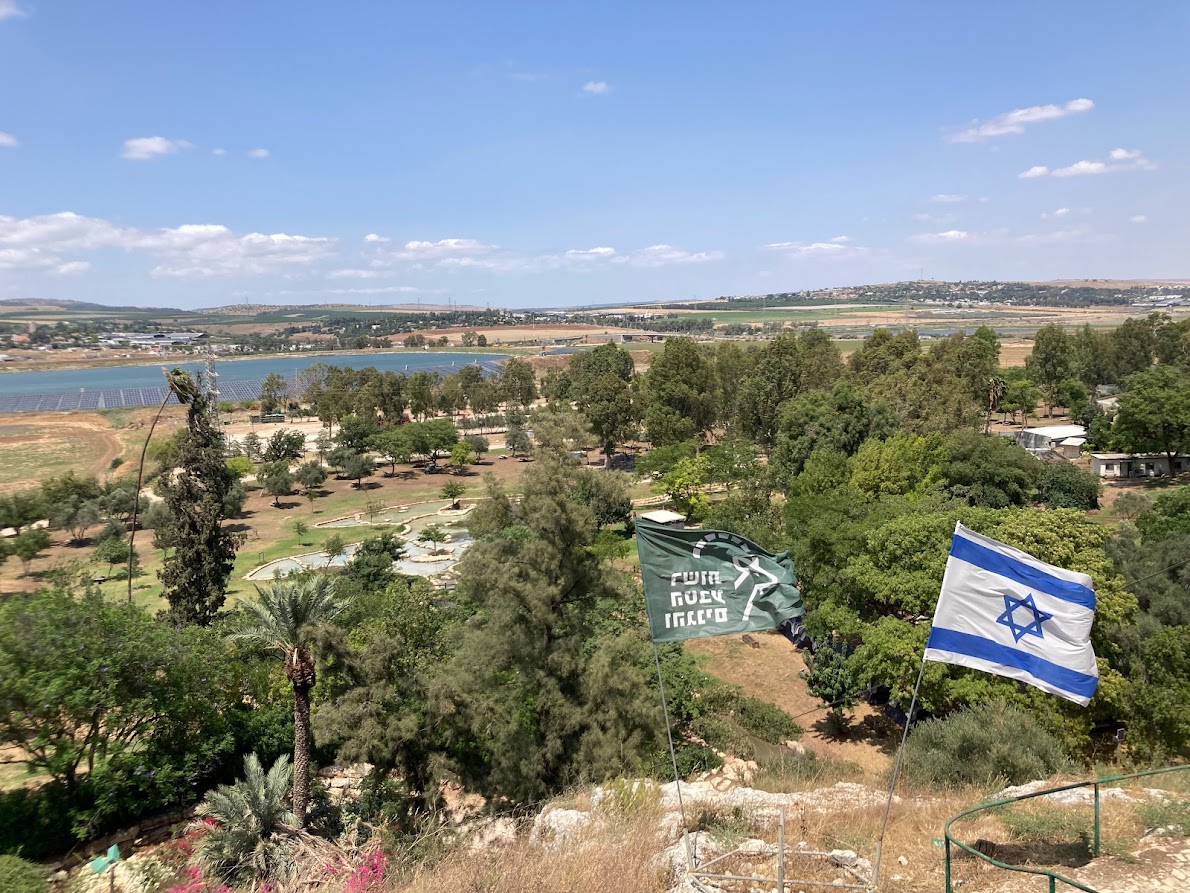
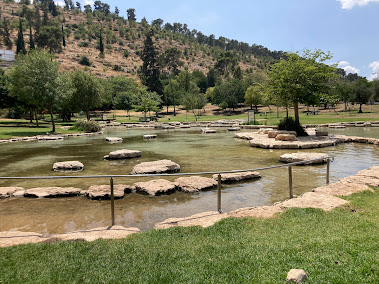
| Southwest of there, in the eastern side of the Jezreel Valley near the spring of Ein Harod, Ein Harod, which is considered the first kibbutz, was established on a swamp that was dried up, in 1921. The only source of fresh water in the area, the spring was already famous in the Bible when Gideon the Judge used it to select his soldiers: So he took the troops down to the water. Then GOD said to Gideon, “Set apart all those who lap up the water with their tongues like dogs from all those who get down on their knees to drink.” Now those who “lapped” the water into their mouths by hand numbered three hundred; all the rest of the troops got down on their knees to drink. Then GOD said to Gideon, “I will deliver you and I will put Midian into your hands through the three hundred ‘lappers’; let the rest of the troops go home.” And so, the 300 warriors who won the battle against the Midyanites under Gideon, were chosen. | דרומית מערבית משם, במזרח עמק יזרעאל ליד מעין חרוד, הוקם, על ביצה שיובשה, ב-1921 עין חרוד, שנחשב לקיבוץ הראשון. מעין המים המתוקים היחיד באיזור, מעין חרוד התפרסם כבר בתנ”כ כשבעזרתו בחר גדעון השופט את חייליו: “וַיּוֹרֶד אֶת-הָעָם אֶל-הַמָּיִם וַיֹּאמֶר ה’ אֶל-גִּדְעוֹן כֹּל אֲשֶׁר-יָלֹק בִּלְשׁוֹנוֹ מִן-הַמַּיִם כַּאֲשֶׁר יָלֹק הַכֶּלֶב תַּצִּיג אוֹתוֹ לְבָד וְכֹל אֲשֶׁר-יִכְרַע עַל-בִּרְכָּיו לִשְׁתּוֹת: וַיְהִי מִסְפַּר הַמְלַקְקִים בְּיָדָם אֶל-פִּיהֶם שְׁלֹשׁ מֵאוֹת אִישׁ וְכֹל יֶתֶר הָעָם כָּרְעוּ עַל-בִּרְכֵיהֶם לִשְׁתּוֹת מָיִם: וַיֹּאמֶר ה’ אֶל-גִּדְעוֹן בִּשְׁלֹשׁ מֵאוֹת הָאִישׁ הַמְלַקְקִים אוֹשִׁיעַ אֶתְכֶם וְנָתַתִּי אֶת-מִדְיָן בְּיָדֶךָ וְכָל-הָעָם יֵלְכוּ אִישׁ לִמְקֹמוֹ” (שופטים ז’, ה’-ז’). וכך נבחרו 300 הלוחמים אשר ניצחו את המדיינים תחת פיקודו של גדעון. |
| Above the spring with its lawns and the pleasant pool in it, is the home of Yehoshua and Olga Hankin: he is the well-known Land redeemer, and she is a midwife who, despite being barren herself, helped the women of the area, Jewish and Arab, give birth to their children, when often it was her business that helped his business… The house above the spring, which they did not get a chance to inhabit, is now a small museum of the history of the settlement in the valley, next to which is also a monument to the area’s sons and daughters who fell combat. The place can be reached by a trail that winds up from the spring to the slopes of the Gilboa. | מעל למעין על המדשאות והברכה הנעימה שבו, נמצא ביתם של יהושע ואולגה חנקין: הוא גואל הקרקעות הידוע, והיא – מיילדת שלמרות היותה עקרה בעצמה, עזרה לנשות האיזור, יהודיות וערביות, ללדת את ילדיהן, כשלא פעם דוקא עסקיה הם אלו שעזרו לעסקיו… הבית מעל למעין, שלא הספיקו לגור בו, כיום הוא מוזיאון קטן לתולדות ההתיישבות בעמק, שלידו גם אנדרטה לבני העמק שנפלו במערכות ישראל. אפשר להגיע אליו בשביל העולה מן המעיין אל מדרונות הגלבוע. |
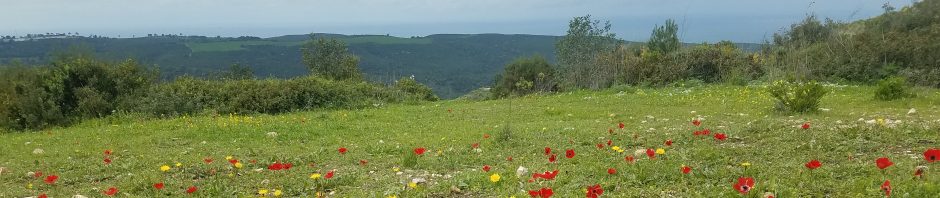
| And if we’re discussing kibbutzim and renewal, we’ll also mention here Ma’ale Gilboa, which is not “veteran” (established 1962), nor is it “secular” (part of the religious kibbutzim), and just this week it made headlines regarding renewal, this time of green electrical energy. If and when we get here (recommended in the spring during the flowering period of the area’s special Iris!), we can enjoy the place and the amazing view around, a reminder of all the beauty that can be celebrated in the Land. | ואם בקיבוצים והתחדשות עסקינן, נזכיר כאן גם את מעלה גלבוע, שאינו “ותיק” (נוסד 1962), וגם אינו “חילוני” (אלא חלק מהקיבוץ הדתי), ורק השבוע עלה לכותרות בענין התחדשות, הפעם של אנרגית חשמל ירוקה. אם וכאשר נגיע לכאן (מומלץ באביב בתקופת פריחת אירוס הגלבעו!), נוכל להנות מהמקום והנוף המדהים סביב, תזכורת לכל היופי שאפשר לחגוג גם בארץ. |
שבת שלום – SHABBAT SHALOM
מעין חרוד – Harod Spring:


 Torah & more... תורה ועוד