תורה וטיולים: משה וברבי, בחירות והליכות… פרשות ניצבים-וילך –
| Thanks to a wonderful guest who came for a short visit (always too short…), I was invited to see the movie “Barbie”. The film, much more sophisticated than its name suggests, is based on the character of Barbie, who is forced to leave her perfect home in the utopian (and terribly pink) “Barbie-Land” for a journey of self-discovery in the “real” world, i.e. “ours” (meaning Venice Beach in Los Angeles…). | בזכות אורחת נפלאה שהגיעה לביקור קצר (תמיד קצר מידי…), הוזמנתי לראות את הסרט “ברבי”. הסרט, המתוחכם הרבה יותר ממה ששמו מציע, מבוסס על דמותה של ברבי שנאלצת לצאת מביתה המושלם ב”ברבי-לנד” האוטופית (והורודה להחריד) למסע גילוי עצמי בעולם “האמיתי”, כלומר “שלנו” (ובכך אנחנו מתכוונים לחוף וניס בלוס אנג’לס…). |
| This may come as a surprise (to those who know me, actually maybe not…) but one section in particular connected me to this week’s Torah double Torah portion, “Nitzavim-Veyelech”. Without spoilers for those who intend to go watch it, I’ll only say very briefly that before Barbie sets out, she is going to ask the advice from Weird Barbie. The latter puts the choice before her, symbolized by two shoes: Barbie, says Weird Barbie to Stereotypical Barbie, what will you choose? A high heel shoe or Birkenstock sandal?? Barbie does not hesitate and says (guess?), a high heel shoe! Weird Barbie says to her, “No, no, no, that’s not what you want! Think again.” Barbie doesn’t understand; of course she wants the high heel shoe and everything related to it! That’s the life she knows thus far! Weird Barbie gives up the shoe parable, and tells her that she really has no choice, and she must go on her own journey. | זו אולי תהיה הפתעה (למי שמכיר אותי, בעצם אולי לא…) אבל קטע אחד במיוחד חיבר אותי לפרשת השבוע שלנו, הפרשה הכפולה, “ניצבים-וילך”. בלי “ספוילרים” למי שמתכוון ללכת לצפות בסרט, אספר רק בקיצור רב שלפני שברבי יוצאת לדרך, היא הולכת לשאול בעצתה של “ברבי המוזרה”. זו מעמידה את הבחירה שעומדת בפניה מסומלת בשתי נעליים: ברבי, היא אומרת לה, מה תבחרי? נעל עקב או סנדל בירקנשטוק?? ברבי לא מהססת ואומרת (מנחשים?), נעל עקב! “ברבי המוזרה” אומרת לה, “לא, לא, לא, זה לא מה שאת רוצה! תחשבי שוב”. ברבי לא מבינה, הרי כמובן שהיא רוצה את נעל העקב וכל מה שקשור אליה! אלה הם חייה עד כה! “ברבי המוזרה” מוותרת על משל הנעליים, ואומרת לה שאין לה באמת בחירה, אלא היא חייבת לצאת למסע שלה. |
| And this is how the (fantastic) Torah portion of Nitzavim ends: I call heaven and earth to witness against you this day: I have put before you life and death, blessing and curse. Choose life—if you and your offspring would live— by loving your God H’, heeding Gd’s commands, and holding fast to [Gd]. For thereby you shall have life and shall long endure upon the soil that H’ swore to your fathers Abraham, Isaac, and Jacob, to give to them (Deuteronomy 30:19-20) | וכך מסתיימת פרשת “ניצבים” (הנפלאה): הַעִדֹ֨תִי בָכֶ֣ם הַיּוֹם֮ אֶת־הַשָּׁמַ֣יִם וְאֶת־הָאָ֒רֶץ֒ הַחַיִּ֤ים וְהַמָּ֙וֶת֙ נָתַ֣תִּי לְפָנֶ֔יךָ הַבְּרָכָ֖ה וְהַקְּלָלָ֑ה וּבָֽחַרְתָּ֙ בַּחַיִּ֔ים לְמַ֥עַן תִּֽחְיֶ֖ה אַתָּ֥ה וְזַרְעֶֽךָ׃ לְאַֽהֲבָה֙ אֶת־ה’ אֱלֹהֶ֔יךָ לִשְׁמֹ֥עַ בְּקֹל֖וֹ וּלְדׇבְקָה־ב֑וֹ כִּ֣י ה֤וּא חַיֶּ֙יךָ֙ וְאֹ֣רֶךְ יָמֶ֔יךָ לָשֶׁ֣בֶת עַל־הָאֲדָמָ֗ה אֲשֶׁר֩ נִשְׁבַּ֨ע ה’ לַאֲבֹתֶ֛יךָ לְאַבְרָהָ֛ם לְיִצְחָ֥ק וּֽלְיַעֲקֹ֖ב לָתֵ֥ת לָהֶֽם (דברים ל:יט-כ). |
| That is, choices have been placed in front of us too – life and death, blessing and cursing, the high-heel shoe and the Birkenstock sandal, but is this really a “choice”? “Choose life”!! The Torah says who in affect has already decided for us, because on the other side, there is really no choice. It is as if we were told that dying is always possible. But the decision to live, to live a blessed and good life, which in the end will also help us to dwell safely on this earth, that is a whole different question… | כלומר, גם בפנינו הושמו בחירות – החיים והמוות, הברכה והקללה, נעל העקב וסנדל הבירקנשטוק, אבל האם זו באמת “בחירה”? “ובחרת בחיים”!! אמרה התורה שכבר בעצם החליטה בשבילנו, כי הרי בצד השני, אין באמת בחירה. כאילו נאמר לנו שלמות, אפשר תמיד. אבל להחליט לחיות, חיים מבורכים וטובים, שבסופו של דבר גם יעזרו לנו לשבת על האדמה הזו, זו כבר שאלה אחרת… |
| The Torah portion of Nitzavim, whose name means – to stand upright, out of intentionality and preparation for a Call or appointment and fulfillment of our mission in the world (this is according to “Or Hayim”, born in Morocco and died in Jerusalem, 1695-1743), is usually read together with the Torah portion of Vayelech, which indicates – motion and movement. | פרשת ניצבים שפירוש שמה – לעמוד זקוף, מתוך כוונה והכנה לקריאה או למינוי ומילוי המשימה שלנו בעולם (כך לפי “אור החיים” שנולד במרוקו ונפטר בירושלים, 1695-1743), בד”כ נקראת יחד עם פרשת “וילך”, שמשמעה – תנועה. |
| How to balance the need to stand and listen to our call, along with the need to move forward? Yes. And what’s more: while Nitzavim” deals with our national teshuvah process, “Vayelech” begins with Moshe, in the singular, and here too, it is necessary to balance who we are as individuals, what we, each and every one of us, wants and needs and is capable of doing, along with who and what that we and we must do as a society and as a nation. | איך לאזן את הצורך לעמוד ולהקשיב לקריאה שלנו, יחד עם הצורך להתקדם הלאה? כן. זאת ועוד: בשעה שפרשת “ניצבים” עוסקת במהלכי התשובה הלאומיים שלנו, הרי פרשת “וילך” מתחילה במשה, ביחיד, וגם כאן יש צורך לאזן את מי שאנחנו כיחידים, את מה שאנחנו, כל אחד ואחת, רוצה וצריך ויכול, יחד עם מי ומה שאנחנו ועלינו לעשות כחברה וכעם. |
| I like the walking Moshe at the beginning of Vayelech: Moshe here is 120 years old! Where does he go to? Why doesn’t everyone come to him, to catch another moment of learning from him yet another saying, another halacha, one more letter, to hear again, what it was like on Mount Sinai… But Moshe does not wait. He gets up and goes “to speak all these things to all of Israel” (Deuteronomy 31:1) – “all” these things, to “all” of Israel, even to those who didn’t listen that much, even to those who were just busy with something else , even to those who may not have voted for him, Moshe does not give up until the last moment, on a single word and on a single person from “all of Israel”. | אני אוהבת את משה ההולך בתחילת פרשת “וילך”: משה כאן בן 120 שנה! לאן הוא הולך? למה לא כולם באים אליו, להספיק ללמוד ממנו עוד אימרה, עוד הלכה, עוד אות אחת, לשמוע שוב, איך היה בהר סיני… אבל משה לא מחכה. הוא קם והולך “וַיְדַבֵּ֛ר אֶת־הַדְּבָרִ֥ים הָאֵ֖לֶּה אֶל־כׇּל־יִשְׂרָאֵֽל” (דברים לא,א) – את “כל” הדברים, אל “כל” ישראל, גם אל אלה שלא כל כך הקשיבו, גם אל אלה שבדיוק היו עסוקים במשהו אחר, גם אל אלה שאולי לא הצביעו בשבילו, משה לא מוותר עד הרגע האחרון, על אף מילה ועל אף אדם מ”כל ישראל”. |
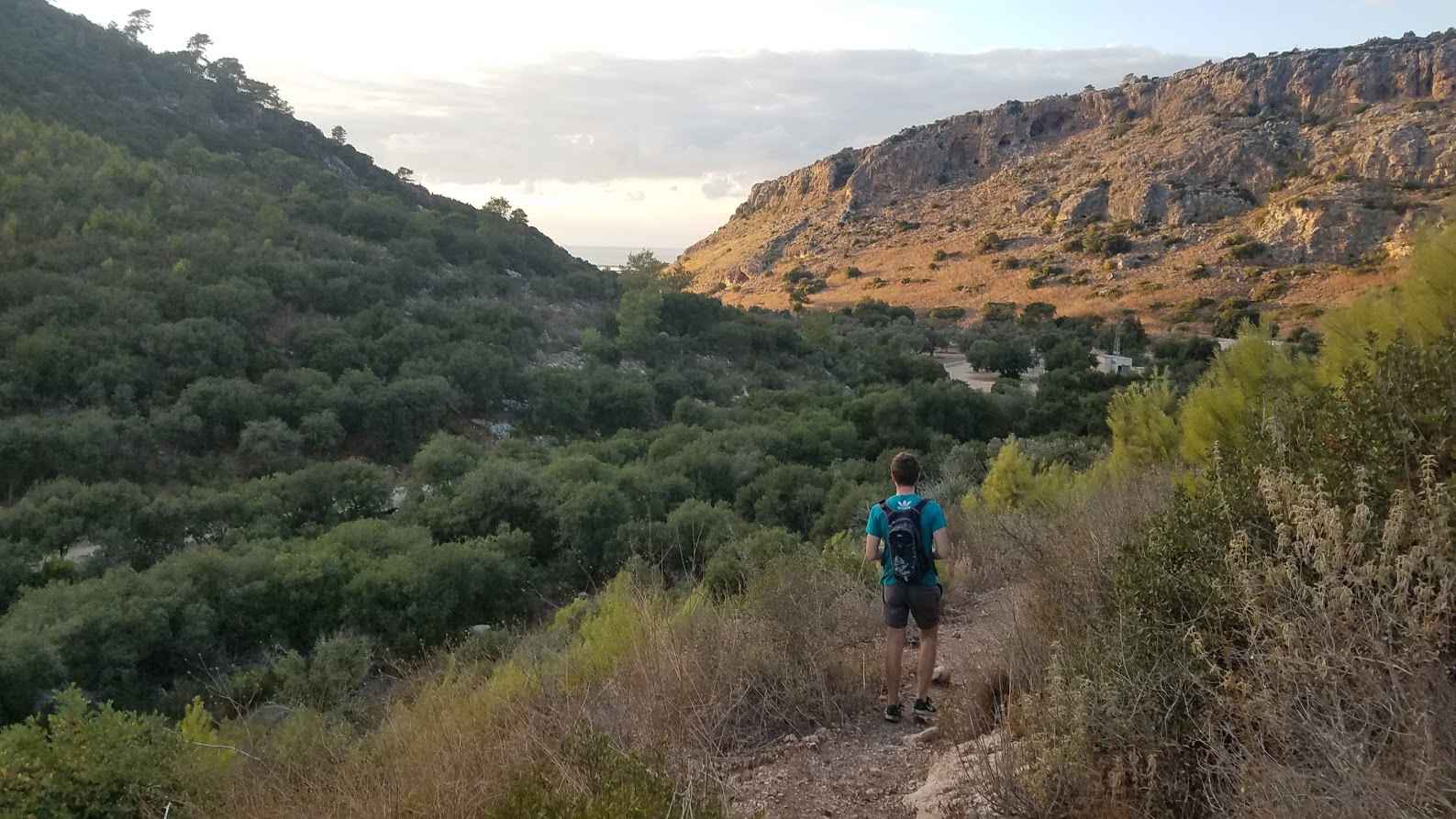
| In honor of Moses’ walking (and in contrast, Barbie’s journey), this week we will look at “Shvil Israel – “The Israel National Trail“, a trek that stretches along the entire State of Israel, from Mt. Hermon in the north to the Gulf of Eilat in the south. The trail, which was inspired by the Appalachian Trail in the USA, was inaugurated in 1995 after 16 years of preparatory work (!). Its planners sought to ensure the representation of all the landscapes and regions of the country, as well as a glimpse of the important sites for all religions. Its current length is about 1080 km, and it’s marked with three parallel and slightly diagonal stripes: white, blue and orange. With time, it was accepted that the colors symbolize Hermon / North (white), the sea (blue) and the desert (orange). It’s important for hikers to know that when the white stripe is higher, it means that the walking direction is north, while when the orange stripe is higher, the hiker is facing south. One can do the trail as one long trek or in short segments suitable for a day trip. | לכבוד ההליכה של משה (ולהבדיל אלף אלפי ההבדלות, המסע של ברבי), נזכיר בשבוע זה את “שביל ישראל”, טרק שנמשך לאורך כל מדינת ישראל, מהחרמון בצפון ועד מפרץ אילת בדרום. השביל, שנהגה בהשראת שביל האפלצ’ים בארה”ב, נחנך ב-1995 אחרי 16 שנות עבודת הכנה (!). מתכנניו שאפו לדאוג לייצוג כל נופי ואזורי הארץ, וכן הצצה לאתרים החשובים לכל הדתות. אורכו כיום כ-1080קמ, והוא מסומן בשלושה פסים מקבילים במדורג: לבן, כחול וכתום. עם הזמן, התקבל שהצבעים מסמלים את החרמון / צפון (לבן), הים (כחול) והמדבר (כתום). חשוב להולכים לדעת שכשהפס הלבן גבוה יותר, פירוש הדבר שכיוון ההליכה הוא צפונה ואילו כשהפס הכתום גבוה יותר – המטייל פונה דרומה. אפשר לעשות את השביל כטרק אחד ארוך או במקטעים קצרים המתאימים לטיול יום. |
| Two unique phenomena along the path are the “Trail Angels”, a nickname for people who usually live not far from the trail, and offer help to hikers (for free or a nominal fee) such as burying water in the desert, hospitality for coffee, permission to use a yard for a tent, provision of accommodation with beds and a shower and the like; and the trail’s library, a project of book boxes stored in boxes painted in the trail’s colors and scattered at 16 points along it’s the way where travelers can borrow and return books. Thus “the People of the Book” can also be “the People of the Walk”, continuing in Moses’ path. | שתי תופעות יחודיות לאורך השביל הן “מלאכי השביל”, כינוי לאנשים שבד”כ חיים לא רחוק מהשביל, ומציעים להולכים עזרה (בחינם או תשלום סמלי) כמו הטמנות מים במדבר, אירוח לקפה, רשות להשתמש בחצר להקמת אוהל, אספקת מקום לינה עם מיטות ומקלחת וכדומה, וספריית השביל, מיזם של ארגזי ספרים המאוחסנים בארגזים הצבועים בצבעי סימון השביל ומפוזרים ב-16 נקודות לאורכו כשהמטיילים יכולים להשאיל ולהחזיר ספרים מהארגזים השונים לאורך הדרך. כך “עם הספר” יכול גם להיות עם ההליכה, ולהמשיך בדרכו של משה רבנו. |
| Shvil Israel was chosen as one of the 20 best hiking trails by National Geographic, and was described by the panel of judges as combining nature, history, heritage and culture with “biblical and contemporary landscapes from the daily lives of modern Israelis.” Hiking the entire trail at once can take 1-2 months, depending on the pace, and the hikers usually do it in the months of February, March and April from south to north, and in October, November and December from north to south, but in any season, one can choose a section, and get out to enjoy nature. | שביל ישראל נבחר כאחד מ-20 מסלולי ההליכה הטובים ביותר על ידי נשיונל ג’יאוגרפיק, ותואר על ידי צוות השופטים כמשלב טבע, היסטוריה, מורשת ותרבות עם “נופים תנ”כיים ועכשויים מחיי היום-יום של הישראלים המודרניים”. צעידה לאורך כל השביל ברציפות יכולה לקחת בין חודש לחודשיים, תלוי בקצב, והצועדים עושים זאת בדרך כלל בחודשים פברואר מרץ ואפריל מדרום לצפון, ובאוקטובר נובמבר ודצמבר מצפון לדרום, אבל בכל עונה, אפשר לבחור מקטע וצאת לנוף. |
שבת שלום *** SHABBAT SHALOM







 Torah & more... תורה ועוד