….לך-לך… והיה ברכה
| Avram our father comes from a Zionist family. The journey to the Land of Israel had already begun by his father, Terah, when the situation in Ur of the Chaldeans became unbearable: “… Terah took his son Abram, his grandson Lot the son of Haran, and his daughter-in-law Sarai, the wife of his son Abram, and they set out together from Ur of the Chaldeans (Kasdim) for the land of Canaan”… (Genesis 11, 31). | אברם אבינו בא ממשפחה ציונית. את המסע לארץ ישראל התחיל כבר אביו, תרח, כשהמצב באור כשדים נהיה בלתי נסבל: “וַיִּקַּ֨ח תֶּ֜רַח אֶת־אַבְרָ֣ם בְּנ֗וֹ וְאֶת־ל֤וֹט בֶּן־הָרָן֙ בֶּן־בְּנ֔וֹ וְאֵת֙ שָׂרַ֣י כַּלָּת֔וֹ אֵ֖שֶׁת אַבְרָ֣ם בְּנ֑וֹ וַיֵּצְא֨וּ אִתָּ֜ם מֵא֣וּר כַּשְׂדִּ֗ים לָלֶ֙כֶת֙ אַ֣רְצָה כְּנַ֔עַן”… (בראשית יא, לא). |
| Three verses earlier we learned that Terah had three sons: Nahor, Abram and Haran, and Haran himself had three children: Lot, Milka and Sarai. Why does Terah only go with Abram, Lot and Sarai? According to the Midrash, Haran perished in the furnaces of fire, when he refused to accept the orders of the tyrant ruler. In other words, a third of the Jewish people at that time perished in a terrible holocaust that happened in Ur Kasdim (hence “Ur” meaning fire, like, in contrast, the Holiday of Urim, literally, flames”). | שלושה פסוקים קודם לכן למדנו שלתרח היו שלושה בנים: נחור, אברם והרן, ולהרן עצמו, היו שלושה ילדים: לוט, מילכה ושרי. למה הולך תרח רק עם אברם, לוט ושרי? על פי המדרש, הרן נספה בתנורי האש, כשהתנגד לקבל את מרות השליט האימתי. כלומר, שליש מהעם היהודי דאז, אבד בשואה איומה שקרתה באור כשדים (לכן “א֣וּר” מלשון אש, כמו, להבדיל, “חג האורים”). |
| The family, so it is seems, organized to take care of the survivors: Nahor, the other son managed to escape earlier, and had already traveled, with Milka, his wife and his brother’s daughter who perished, from Ur Kasdim to the “West”. That’s why the verse continues: “And (also – “but”) they came to Haran, and settled there”. The survivors, Terah, Avram, Sarai and Lot, have arrived, and are staying with family members on the way. | המשפחה, כך נשמע, התארגנה לטפל בניצולים: נחור, הבן הנוסף הצליח להמלט עוד קודם, וכבר נסע, עם מילכה, אשתו ובת אחיו שנספה, מאור כשדים ל”מערב”. לכן ממשיך הפסוק: “וַיָּבֹ֥אוּ עַד־חָרָ֖ן וַיֵּ֥שְׁבוּ שָֽׁם”. הניצולים, תרח, אברם, שרי ולוט הגיעו, והם מתארחים בדרך אצל בני המשפחה. |
| Terah, once he reached the safe shore, gave up on continuing the journey. After all, it’s pretty good to be here, in the civilized and progressive world, to stay with the son, daughter-in-law, grandchildren and great-grandchildren; hard to blame him. The Torah summarizes his life and last week’s Torah portion of Noah with the words: “The days of Terah came to 205 years; and Terah died in Haran”. | תרח, משהגיע לחוף מבטחים, מוותר על המשך המסע. אחרי הכל, די טוב להיות כאן, בעולם התרבותי והמתקדם, להשאר עם הבן, הכלה, הנכדים והנינים. קשה להאשים אותו. התורה מסכמת את חייו ואת פרשת נח של שבוע שעבר, במילים: וַיִּהְי֣וּ יְמֵי־תֶ֔רַח חָמֵ֥שׁ שָׁנִ֖ים וּמָאתַ֣יִם (205) שָׁנָ֑ה וַיָּ֥מׇת תֶּ֖רַח בְּחָרָֽן׃ |
| Rashi expands on what happened beyond the words “and Terah died in Haran”: (Terah died) after Abram left Haran and came to the land of Canaan, and was there more than sixty years; For it is written that Abram was 75 years old when he left Haran, and Terah was 70 years old when Abram was born, which means Terah was 145 years old; So when Abram left Haran, Terah was still young! Why did scripture precede the death of Terah to the departure of Abram? Lest the matter be made known to all, and they say, Abram did not honor his father, leaving an old man and going, therefore they called him “dead”… | רש”י מרחיב על מה שקרה מעבר למילים “וימת תרח בחרן”: (תרח מת) לְאַחַר שֶׁיָּצָא אַבְרָם מֵחָרָן וּבָא לְאֶרֶץ כְּנַעַן, וְהָיָה שָׁם יוֹתֵר מִשִּׁשִּׁים שָׁנָה; שֶׁהֲרֵי כָתוּב וְאַבְרָם בֶּן חָמֵשׁ שָׁנִים וְשִׁבְעִים (75) שָׁנָה בְּצֵאתוֹ מֵחָרָן, וְתֶרַח בֶּן שִׁבְעִים שָׁנָה כְּשֶׁנּוֹלַד אַבְרָם, הֲרֵי קמ”ה (145) לְתֶרַח; כְּשֶׁיָּצָא אַבְרָם מֵחָרָן עֲדַיִן נִשְׁאֲרוּ מִשְּׁנוֹתָיו (של תרח) הַרְבֵּה! וְלָמָּה הִקְדִּים הַכָּתוּב מִיתָתוֹ שֶׁל תֶּרַח לִיצִיאָתוֹ שֶׁל אַבְרָם? שֶׁלֹּא יְהֵא הַדָּבָר מְפֻרְסָם לַכֹּל, וְיֹאמְרוּ, לֹא קִיֵּם אַבְרָם אֶת כְּבוֹד אָבִיו, שֶׁהִנִּיחוֹ זָקֵן וְהָלַךְ לוֹ, לְפִיכָךְ קְרָאוֹ הַכָּתוּב מֵת… |
| Terah settles with the family in Haran, but Abram hears another voice. The voice of Someone who, until now, was not present in the story of the family’s migration: the voice of Gd. “Lech-Lecha”, Go forth, go “to yourself”, says this Voice. Once. Twice. Three times. Maybe a thousand. At first Abram thinks that he is just imagining. Possibly, troubles have taken the best of his mind. The terrible longing for his dead brother. The cries and screams of those he could not save. The wandering, helplessly finding their way in the great expanse that threatens their lives. There is no doubt that he is just hallucinating, and it’s better to stay in safe Haran. | תרח משתקע עם המשפחה בחרן, אבל אברם שומע קול אחר. קול של מישהו שעד עכשיו, לא היה נוכח בסיפור ההגירה של המשפחה: קולו של הקב”ה. “לך לך”, אומר הקול הזה. פעם. פעמיים. שלוש. אולי אלף. בהתחלה חושב אברם, שהוא סתם מדמיין. כנראה הצרות העבירו אותו על דעתו. הגעגוע הנורא לאחיו המת. קולות הצעקות של אלה שלא הצליח להציל. הנדודים, חסרי כל במרחב המאיים על חייהם. אין ספק שהוא סתם הוזה, וכדאי להשאר בחרן הבטוחה. |
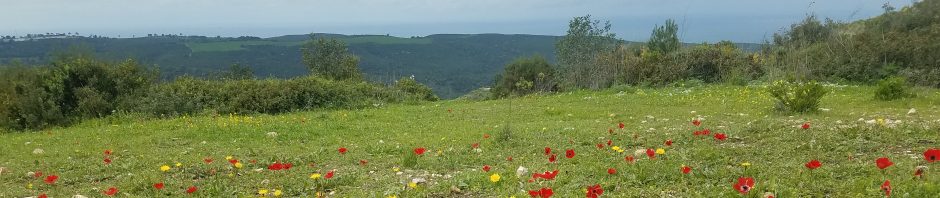
| The land of his ancestors, known to him as “the Land of the Hebrews”, he’s never seen for himself. He heard things from his parents. With sand, mud, straw and stones, they drew images for him in the dirt, from what they had heard from their own parents, about their home in the beautiful hills, crowned with olive trees and vines, about her beauty and splendor, her being “flowing with milk and honey.” They also told him they had to leave. And other peoples invaded and settled in it – Greeks, Romans, Byzantines, Muslims, Crusaders, Mamluks, Ottomans, Egyptians, Europeans, and that today few people know it as the “Land of the Hebrews” and it’s called the Land of Canaan. | את ארץ אבותיו, הידועה לו בשם “ארץ העברים”, מעולם לא ראה בעצמו. הוא שמע דברים מהוריו. בחול, בוץ, קש ואבנים הם ציירו לו את מראיה באדמה, ממה ששמעו מהוריהם שלהם, על ביתם בגבעות היפות, עטורות עצי הזית והגפנים, על יופיה והדרה, על היותה “זבת חלב ודבש”. הם גם ספרו לו שנאלצו לעזוב. ושעמים אחרים פלשו והתישבו בה – יוונים, רומאים, ביזנטים, מוסלמים, צלבנים, ממלוכים, עות’מאנים, מצרים, אירופאים, ושכיום מעטים מכירים אותה כ”ארץ העברים” ובפי כל, היא נקראת ארץ כנען. |
| Abram hears the faint whisper. And is silent. And the next day, in the field, again. He thinks he heard that Voice. And it disappears. Sometimes he keeps himself busy, helping his brother and father in their business, playing with the children and grandchildren, and the Voice – fades away. But every time he allows himself to stop and take a deep breath, he hears it again, “Lech-Lecha, go forth”... | אברם שומע את הלחישה הקלושה. ושותק. ולמחרת, בשדה, שוב. הוא חושב ששמע את הקול הזה. ונעלם. לפעמים הוא מעסיק את עצמו, עוזר לאחיו ואביו בעסקים, משחק עם הילדים והנכדים, והקול – נמוג. אבל כל פעם שהוא מרשה לעצמו לעצור ולנשום עמוק, שוב הוא שומע את הקול, “לך לך“… |
| At night, when Sarai sees him brooding, he shares with her some of what he is going through. She, his childhood friend, his ally, his life partner, his princess, listens intently. She has not forgotten what happened to her father. And she is not blind to the power of exile. Progress and development around them is tempting. And grandfather is no longer young. And how can she leave her sister, the uncle who is also her brother-in-law, and the whole family… | בלילה, כששרי רואה אותו מהורהר, הוא משתף אותה במה שעובר עליו. היא, חברת ילדותו, בעלת בריתו, זוגתו לחיים, נסיכתו, מקשיבה בענין. היא לא שכחה מה קרה לאבא שלה. והיא לא עוורת לכוחה של הגלות. הקידמה והפיתוח סביב מפתים. וסבא כבר לא צעיר. ואיך תשאיר את אחותה, הדוד שהוא גם גיסה, וכל המשפחה… |
| But she too heard of the Land of the Hebrews. And she too knows that the journey was interrupted. ‘Of course we’ll go together’, she reassures him, ‘and we’ll take whoever wants to come with us, Lot, my brother, and… grandpa?’ She hesitates. ‘Yes, I would very much like to, but I doubt… you know how it is; it’s hard to raise parents’… | אבל גם היא שמעה על ארץ העברים. וגם היא יודעת שהמסע נקטע . ‘ברור שנלך ביחד’, היא מחזקת אותו, ‘וניקח את מי שרוצה לבוא איתנו, לוט אחי, ו… סבא?’ היא מהססת. ‘כן, מאד הייתי רוצה, אבל אני בספק… את יודעת איך זה. קשה לגדל הורים’… |
| He waits a little longer; trying to talk Every meal ends with arguments around the table. ‘There’s no reason to go there,’ they shout at him, ‘What don’t you like here?’ He is torn between the commitments to the current reality around him, and between the dreamy Voice, which directs, insists, repeats over and over again. Until he can’t anymore. The Voice becomes clearer than ever: | הוא מחכה עוד קצת. מנסה לדבר. כל ארוחה מסתימת בויכוחים סביב השלחן. ‘אין מה ללכת לשם’, הם צועקים עליו, ‘מה רע לך כאן?’ הוא נקרע בין המחויבויות למציאות העכשויות סביב, ובין הקול החלומי, המכוון, מתעקש, חוזר ונשנה. עד שהוא לא יכול יותר. הקול נהיה ברור מאי פעם: |
| And Hashem said to Abram, “Go forth from your native land and from your father’s house to the land that I will show you. I will make of you a great nation, And I will bless you; I will make your name great, And you shall be a blessing. I will bless those who bless you And curse the one who curses you; And all the families of the earth Shall bless themselves by you.” (Genesis 12:1-3) | וַיֹּ֤אמֶר ה’ אֶל־אַבְרָ֔ם: לֶךְ־לְךָ֛ מֵאַרְצְךָ֥ וּמִמּֽוֹלַדְתְּךָ֖ וּמִבֵּ֣ית אָבִ֑יךָ אֶל־הָאָ֖רֶץ אֲשֶׁ֥ר אַרְאֶֽךָּ׃ וְאֶֽעֶשְׂךָ֙ לְג֣וֹי גָּד֔וֹל וַאֲבָ֣רֶכְךָ֔ וַאֲגַדְּלָ֖ה שְׁמֶ֑ךָ וֶהְיֵ֖ה בְּרָכָֽה׃ וַאֲבָֽרְכָה֙ מְבָ֣רְכֶ֔יךָ וּמְקַלֶּלְךָ֖ אָאֹ֑ר וְנִבְרְכ֣וּ בְךָ֔ כֹּ֖ל מִשְׁפְּחֹ֥ת הָאֲדָמָֽה (בראשית יב:א-ג) |
| Lech-Lecha, go forth, says Rashi: for your pleasure and your benefit. There I will make you a great nation. Here, you can’t merit to have children, and furthermore, so I can let your true nature be known in the world: that is, Abram, get out of the place where you are stuck. The place that does not allow you to grow and flourish and develop; to be all your potential. It will be good for everyone. And despite all the difficulties, it will also be good for you. And Abram, with Sarai his wife, and Lot, her brother and his brother-in-law, goes. | לך-לך, אומר רש”י: לַהֲנָאָתְךָ וּלְטוֹבָתְךָ. שָׁם אֶעֶשְׂךָ לְגוֹי גָדוֹל. כָּאן אין אַתָּה זוֹכֶה לְבָנִים, וְעוֹד, שֶׁאוֹדִיעַ טִבְעֲךָ בָּעוֹלָם: כלומר, אברם, צא מהמקום בו אתה תקוע. המקום שלא מאפשר לך לגדול ולצמוח ולהתפתח. להיות את כל הפוטנציאל שלך. זה יהיה טוב לכולם. ולמרות כל הקשיים, זה יהיה גם טוב לך. ואברם, עם שרי אשתו, ולוט, אחיה וגיסו, הולך. |
| And he carries with him the memory of his brother who perished in the Holocaust, burned in his soul and his descendants’ souls after him. And he carries with him the love of his family in the diaspora, a family to which he will send his servant to find a wife for his son; to which his grandson will run away and meet his love. All the pieces of this family puzzle are mixed inside him in his journey: the secular Zionists. The international universalists. The religious who listen to Gd’s voice, they are all part of his going, all part of his journey…. | והוא נושא עימו את זכר אחיו שנספה בשואה, צרוב בנפשו ובצאצאיו אחריו. והוא נושא עימו את אהבת משפחתו בגולה, משפחה אליה ישלח את עבדו למצוא אשה לבנו, אליה יברח נכדו ויפגוש את אהבתו. כל חלקי הפאזל המשפחתי הזה נמצאים בתוכו במסעו בעירבוביה: הציונים החילוניים. האוניברסליים הבינלאומיים. הדתיים השומעים לקול ה’, כולם חלק מהלך-לך שלו, כולם חלק ממסעו…. |
| I was recently asked, if I could, “in one sentence”, what’s it like to be in Israel these days. I said (in English), that “it’s very moving”… I intended both meanings: everything is in motion; in this “Lech-Lecha”, with lack of knowledge, lack of certainty, and within that, the actual mibility of tens of thousands of people – evacuated; evacuating, guests, hosts, going, coming… And in the sense of – how touching. Looking at the view. In the store. On the bus. The tears are closer than ever. Joyful for what we have. Incredibly pained over what we lost. | נשאלתי לאחרונה, אם אני יכולה, “במשפט אחד”, להגיד איך זה להיות בארץ בימים אלו. באנגלית אמרתי, שזה מאד MOVING… בכוונה לשני המובנים: הכל מאד נייד, הכל מאד “לך-לך”, יש חוסר הידיעה, חוסר הוודאות ובתוך זה, ניידות עצומה של עשרות אלפי אנשים – מפונים, מתפנים, אורחים, מארחים, נוסעים, באים… וגם במובן של, כמה מרגש. מול הנוף. במכולת באוטובוס. ברחוב. הדמעות קרובות מתמיד. משמחה על מה שיש. מכאב נוראי על מה שאבד. |
| In the hosting initiative where I volunteer, we ask: do you have children? what age? do you have to have a shelter? kosher house? Shabbat? animals? accessibility? But no one asks, wait, are they right-wing? Or left? Life after Shmini Atzeret – Simchat Torah 2023. A New Beginning. We’ve not fully comprehended how much we’ve been called to do so, torn from the past, to a new beginning. Everything turned upside down. | במיזם לאירוח משפחות בו אני מתנדבת אנחנו שואלים – יש ילדים? באיזה גיל? ממ”ד? בית כשר? שבת? בעלי-חיים? נגישות? אבל אף אחד לא שואל, רגע, הם ימניים? שמאליים? החיים אחרי שמיני עצרת – שמחת תורה תשפ”ד. התחלה חדשה. עוד לא הבנו עד כמה נקראנו – נקרענו – להתחלה חדשה. הכל התהפך. |
| The settlers rushed to fight with the kibbutzniks. The kibbutzniks went to help the residents of the “development towns”. Those living near the border went to stay with the home-front. The home-front stands in admiration at the holy rescue (Hatzala & Zaka) team, amazed to see the ultra-orthodox asking to enlist, to help in any way. The prime minister who brought us peace with Arab countries that we barely knew existed, and suddenly we were privileged to be respected tourists in their places; the one who wanted to promote the economy of this whole neighborhood together – was struck with the most terrible war imposed on us. The strong right-wing government elected, encountered the most horrific sabotage event we have seen. The demonstrators who shouted, we will not draft – appeared in numbers that we have not seen in decades. And those who were not drafted, fight to volunteer and open home-front posts in the rear. Some go out, and there are many who return. Orthodox people stay with seculars. Liberals open the house to the religious. Everything turned upside down. | המתנחלים מיהרו להלחם עם הקיבוצניקים. הקיבוצניקים הלכו לעזור לתושבי “עיירות הפיתוח”. תושבי הספר הלכו להתארח אצל העורף. תושבי העורף מתבוננים בהערצה בצוות “הצלה” וזק”א הקדושים, נדהמים לראות את החרדים מבקשים להתגייס, לעזור בכל דבר שהוא. ראש הממשלה שהביא לנו שלום עם מדינות ערביות שבקושי ידענו על קיומן ופתאום זכינו להיות תיירים מכובדים במקומותיהם, זה שרצה לקדם את כלכלת כל השכונה הזו ביחד – קבל את המלחמה הכי נוראית שנכפתה עלינו. הממשלה שנבחרה להיות ימין-ימין, נתקלה באירוע החבלני הכי זוועתי שראינו. המפגינים שצעקו, לא נתגייס – הופיעו במספרים שלא ראינו כמותם עשרות שנים. ואלה שלא גוייסו, נלחמים להתנדב ופותחים חמ”לים בעורף. יש שיוצאים, ויש רבים, “חו”לניקים”, שחוזרים. חרדים מתארחים אצל חילונים. ליברלים פותחים את הבית לדתיים. הכל התהפך. |
| And we all need to now have a tiny voice, getting stronger, in our hearts, heads, kischkes, that says, Lech-lecha, lechi-lach, go forth… Go from your solid opinions. Go from the smug place where you sat, even cried, thinking that only you are 1000% right. Go from the bloated, all-knowing, all-understanding position, where you thought that if ‘only so-and-so would not be here’, and ‘only everyone would do exactly everything that only I think, everything would be perfect’. Go from this terrible place where you’re yelling “hang the leaders”. “Deport the leftists”. “Kick out the ultra-Orthodox”. “Get rid of all these XYZ that just do nothing but damage all day”. Go from this dead-end corner where “it’s obviously his fault”, “obviously her fault”, “obviously their fault.” Go forth from the empty statements about how everything happened because the leftists demonstrated; because the government did; because we didn’t pray enough; because the ultra-orthodox did not draft. Lech Lecha. Go forth, because the way we have followed thus far, is not the way. | ולכולנו צריך שיהיה עכשיו קול קטנטן, הולך ומתחזק, בלב, בראש, בבטן שאומר, לך לך. לכי לך. לך לך מהדיעות המוצקות שלך. לך לך מהמקום הזחוח שם ישבת, גם בכית, בחושבך שרק אתה 1000% צודק. לך לך מהמקום הנפוח, המבין כל והיודע, בו חשבת שאם רק אלו ואלו לא יהיו כאן, ורק כולם יעשו בדיוק כל מה שרק אני חושב, הכל יהיה מושלם. לך לך מהמקום הנורא הזה בוא אתה צועק “לתלות את המנהיגים”. “לגרש את השמאלנים”. “להעיף את החרדים”. “להפטר מכל ה— האלה שרק עושים נזק כל היום”. לך לך מהפינה חסרת המוצא הזו בה “ברור שזו אשמתו”. “ברור שזו אשמתה”. “ברור שזו אשמתם”. לך לך מאמירות ריקות על איך הכל קרה כי השמאלנים הפגינו. כי הממשלה. כי לא התפללנו מספיק. כי החרדים לא התגייסו. לך לך, כי הדרך שהלכנו בה עד כה, איננה הדרך. |
| “For there is no righteous person in the land who does good and does not sin” says Ecclesiastes (7:20). There is not one person here who does not have wonderful and good intentions, and yet, there is not one person here who has not made mistakes. | “כִּי אָדָם אֵין צַדִּיק בָּאָרֶץ אֲשֶׁר יַעֲשֶׂה טּוֹב וְלֹא יֶחֱטָא” אמר קהלת (ז,כ). אין אחד כאן שאין לו כוונות נפלאות וטובות, ועדיין, אין אחד כאן שלא שגה. |
| We did not take advantage of our tiny country to go and talk, face to face, in trust and love, with each other, and here we found each other – in our home. The people of Be’eri, Kissufim, and Netiv Ha’asara sit at the “Sea of Salt”. Netivot residents are in Eilat. The people of Ofakim – in Atlit. The people of Ashkelon – in Jerusalem. The people of Kiryat Shmona – in Haifa. The Ashkenazim are going to comfort the Sphardim. The Spharadim are going to visit the Russians. The Russians are going to bring food to the Ethiopians; the seculars worry if the religious soldiers will eat the cakes they made; the religious say it doesn’t matter and they will manage…. The artificial discourse circles collapsed in the face of this embrace, across the lines, in the Land of the Hebrews. | לא ניצלנו את גודל ארצנו הקטנטנה כדי ללכת ולדבר, פנים אל פנים, באמון ואהבה, אחת עם השני, והנה מצאנו אחד את השניה – אצלנו בבית. אנשי בארי, כיסופים ונתיב העשרה יושבים בים המלח. אנשים נתיבות יושבים באילת. אנשי אופקים יושבים בעתלית. אנשי אשקלון יושבים בירושלים. אנשי קרית שמונה יושבים בחיפה. האשכנזים הולכים לנחם את הספרדים. הספרדים הולכים לבקר את הרוסים. הרוסים הולכים להביא אוכל לאתיופים, החילונים דואגים אם החיילים הדתיים יאכלו את העוגות שהכינו, הדתיים אומרים שלא משנה והם יסתדרו…. מעגלי השיח המלאכותיים קרסו מול החיבוק הזה, מעבר לקוים, בארץ העברים. |
| Lech Lecha”, Go forth with Abram. Go to that Voice, that isn’t always strong, and “masculine” and confident like in the movies, and maybe it’s now just whispering, through a pained, hoarse throat, and it’s very difficult for us to hear it with all this noise. “Go forth”. With all the pieces of this crazy and colorful and challenging and amazing puzzle. Lech Lecha. Lechi Lach. Go forth. | “לך לך” עם אברם. לך לך אל הקול הזה, שהוא לא תמיד חזק, ו”גברי” ובטוח כמו בסרטים, ואולי הוא עכשיו רק לוחש, בגרון צרוד וניכר, וקשה לנו מאד לשמוע אותו בתוך כל הרעש הזה. “לך לך”. עם כל החלקי הפאזל המטורף והצבעוני והאתגרי והמדהים הזה. לך לך. לכי לך. |
| There is not and will not be a state here, and there will not be a Jewish people, as long as one piece is missing. We must have erred; we must have missed something. It’s possible that we put the blue of the lake in the sky, and the white of the snow – in the waterfall; we confused the red of the flowers – and put it in the roof, and the green of the trees – in the floating balloons. We haven’t learned each other yet to know who and what should be where, but all those pieces were in the box from the beginning, and they’re still here. There is not one unnecessary part. There is not and will not be a Jewish people, and this people does not and will not have a state – without all of us. | אין ולא תהיה כאן מדינה, ולא יהיה עם יהודי כל עוד חלק אחד חסר. כנראה שגי-נו. כנראה טעי-נו. יתכן שאת הכחול של האגם שמנו בשמיים, ואת הלבן של השלג – במפל המים, בלבלנו את האדום של הפרחים – ושמנו אותו בגג, ואת הירוק של העצים – בבלונים הפורחים. עוד לא למדנו אחד את השני לדעת מי ומה צריך להיות איפה, אבל כל החלקים האלה היו בקופסא מההתחלה, והם עדיין כאן. אין אף חלק מיותר. אין ולא יהיה עם יהודי, ו-אין ולא תהיה לעם הזה מדינה – בלי כולנו. |
בתקוה שנלך בדרכנו ונמצא ברכה. שבת שלום –
Here’s to walking in path and finding blessing. SHABBAT SHALOM


 Torah & more... תורה ועוד