“ויקברו אותו יצחק וישמעאל”… תורה וטיולים עם פרשת חיי שרה (English below)
שרה ואברהם עושים את מסעם הרוחני ביחד. קריאה זהירה של הטקסט התורני מגלה לנו שהקב”ה אף פעם לא מדבר עם אברהם כששרה איננה חלק מחייו. אם כך לא פלא שלא רק שרה מתה בפרשת השבוע שלנו, “חיי שרה”, אלא גם אברהם, “הנאמנים והנעימים בחייהם, ובמותם לא נפרדו” (שמואל ב, א, כג):
וכך מסופר:
“וַיִּגְוַ֨ע וַיָּ֧מׇת אַבְרָהָ֛ם בְּשֵׂיבָ֥ה טוֹבָ֖ה זָקֵ֣ן וְשָׂבֵ֑עַ וַיֵּאָ֖סֶף אֶל־עַמָּֽיו׃ וַיִּקְבְּר֨וּ אֹת֜וֹ יִצְחָ֤ק וְיִשְׁמָעֵאל֙ בָּנָ֔יו אֶל־מְעָרַ֖ת הַמַּכְפֵּלָ֑ה אֶל־שְׂדֵ֞ה עֶפְרֹ֤ן בֶּן־צֹ֙חַר֙ הַֽחִתִּ֔י אֲשֶׁ֖ר עַל־פְּנֵ֥י מַמְרֵֽא“ (בראשית כה, ח-ט).
לכאורה, פשוט: איש זקן, בן 175, הולך לעולמו ושני בניו באים לקבור אותו במקום אותו קנה כדי להקבר שם לצד אשתו, מה הביג דיל?
נתחיל מזה שעברו 38 שנה מאז ששרה נפטרה, לא זמן מועט. ואברהם בנתיים התחתן שוב עם אשה בשם קטורה, אשר יש אומרים שהיא הגר, ונולדו להם עוד בנים ובנות. אפשר היה שיבקש להקבר לצד אשתו החדשה. אפשר היה שילדיו החדשים יריבו על זכויותיהם. כל זה, לא קרה. ובכל זאת, המפרשים מסיבים את תשומת ליבנו לכך שאברהם נפטר ב”שיבה טובה”. מה גרם לכך?
אומר רש”י בהתיחסות לפסוק הבא: מִכָּאן שֶׁעָשָׂה יִשְׁמָעֵאל תְּשׁוּבָה וְהוֹלִיךְ אֶת יִצְחָק לְפָנָיו, וְהִיא שֵׂיבָה טוֹבָה שֶׁנֶּאֱמַר בְּאַבְרָהָם. והמדרש אומר על הסדר בפסוק שלפנינו, קודם יצחק ואחכ ישמעאל: כָּאן בֶּן הָאָמָה חוֹלֵק כָּבוֹד לְבֶן הַגְּבִירָה.
כדי להבין את גודל הרגע, ואם יורשה, גם את הקשרו לימינו אנו, נחזור אחורה…
“וְשָׂרַי֙ אֵ֣שֶׁת אַבְרָ֔ם לֹ֥א יָלְדָ֖ה ל֑וֹ וְלָ֛הּ שִׁפְחָ֥ה מִצְרִ֖ית וּשְׁמָ֥הּ הָגָֽר” (בראשית טז:א). שוב ושוב חוזר הטקסט ומדגיש: שרי, לימים שרה, היא אשת אבר(ה)ם, ואילו הגר היא השפחה. שלה. והיא מצרית. השפעות סדרות טלויזיה ושימושן העצוב בהפגנות בחודשים האחרונים, עומדים בינינו לבין ההבנה מה היתה השפחה דאז. המדרש מספר לנו שכשאברהם ושרה היו במצרים, פרעה ראה את גדולתם וחשב שהדבר הכי טוב עבורו בתו זה להיות חלק ממשפחתם, על כל המשתמע, עזרה, ילדים. בדומה לשפחות אחרות בתורה, למשל, בלהה וזלפה שהצטרפו למשפחת יעקב, ואין שום ענין בלאום העבר שלהן, כך גם היה אמור להיות הדבר עם הגר. אבל הגר לאורך כל הדרך נקראת – “הגר המצרית”.
הבדלי התרבויות, חלקם בלתי ניתנים לגישור, היו ברורים מאד לשרה, אך לא לאברהם, ובמיוחד לאחר שנולד בנו, ישמעאל. אברהם, “המונותיאיסט הראשון”, רצה לפרסם את האמונה באל אחד. כשאלוהים סופסוף מגלה לו שיהיה לו בן גם עם שרה, אברהם צוחק ואומר – ל֥וּ יִשְׁמָעֵ֖אל יִחְיֶ֥ה לְפָנֶֽיךָ (יז,יח), בלשוננו כאילו אמר, עזוב אותי בחייאת הקב”ה, יש לי כבר בן, מה אתה מסבך אותי עכשיו עם עוד ילד עם שרה? כר ויתרנו. הנה, יש את ישמעאל, והוא ילך לפניך כמוני. הוא ילמד את העולם את האמונה באל אחד! לא איללה אילא אללה!
הקב”ה ממש צריך להתעקש – שמעתי אותך אברהם, הוא אומר, כן, אין ספק שלישמעאל יש מקום מכובד ביותר על במת העולם, “אֲבָל֙ שָׂרָ֣ה אִשְׁתְּךָ֗ יֹלֶ֤דֶת לְךָ֙ בֵּ֔ן וְקָרָ֥אתָ אֶת־שְׁמ֖וֹ יִצְחָ֑ק וַהֲקִמֹתִ֨י אֶת־בְּרִיתִ֥י אִתּ֛וֹ לִבְרִ֥ית עוֹלָ֖ם לְזַרְע֥וֹ אַחֲרָֽיו“. איזה ברית מיוחדת שמורה לבנם של אברהם ושרה?
הלוא גם ישמעאל מקבל אינספור מתנות: “וּֽלְיִשְׁמָעֵאל֮ שְׁמַעְתִּ֒יךָ֒ הִנֵּ֣ה בֵּרַ֣כְתִּי אֹת֗וֹ וְהִפְרֵיתִ֥י אֹת֛וֹ וְהִרְבֵּיתִ֥י אֹת֖וֹ בִּמְאֹ֣ד מְאֹ֑ד שְׁנֵים־עָשָׂ֤ר נְשִׂיאִם֙ יוֹלִ֔יד וּנְתַתִּ֖יו לְג֥וֹי גָּדֽוֹל”.
שני הבדלים יש בין ירושת יצחק וישמעאל: עבור ישמעאל, אמו, המצרית, לוקחת אשה – מצרית (כא, כא), מחברת אותו בחזרה למקום וללאום ממנו באה ולא למשפחתו של אברהם, הצדיק, הנדיב, המאמין, שהתייחס אליה כאילו היא אשה בביתו. ואילו עבור יצחק – אברהם דואג להביא את בת אחיינו, רבקה.
והירושה השניה היא – הארץ שהובטחה לו. לכן אומרת שרה: “כִּ֣י לֹ֤א יִירַשׁ֙ בֶּן־הָאָמָ֣ה הַזֹּ֔את עִם־בְּנִ֖י עִם־יִצְחָֽק“. כשראתה את הבנים משחקים, ראתה שישמעאל מקניט, “יורה חיצים”, מנסה לקחת גם את חלקו את יצחק, ועל כך מחתה. לא לשם כך, היא אומרת לאברהם, ברחנו מהשואה באור כשדים, עזבנו את משפחתנו בחרן הטובה והמודרנית, ונדדו בחזרה לארץ אבותינו, ארץ העברים, שכנענים בנתיים השתלטו על חלקים בה. לישמעאל ניתנה ירושה אחרת, ירושה גדולה, מתנות רבות וכל העולם כולו, “חצי בחצי”. חלק ארץ זה, יהיו גבולותיו המדויקים אשר יהיו, ניתן ליצחק, וממנו ליעקב ובניו, בני ישראל.
לכן הרגע הזה, כשבאים יצחק וישמעאל לקבור את אברהם אבינו בארץ ישראל, כל כך קריטי. “יצחק וישמעאל”, בסדר זה, למרות שישמעאל הוא הבכור לאברהם. מפני בענייני שאר העולם, ישמעאל – בדרכי שלום – יכול ואפילו צריך להפיץ את האמונה באל אחד שלמד מאביו. אבל בענייני ארץ ישראל, יצחק תופס קדימות. זו התשובה שעשה ישמעאל. כשהוא מקבל זאת ושם את יצחק לפניו במסעם למערת המכפלה, הם יכולים לבוא ביחד, בלי חשש, לחלוק כבוד אחרון לאביהם המשותף.
ואיך כל זה מתכתב עם ימינו?
לפי הרב שרקי, באיסלאם היחס ליהודים / בני ישראל הוא אמביוולנטי: יש יחס של הערצה ויחס של בוז. הבוז מופנה כלפי מה שהם קוראים “אל-יאהוד”, יהודי הגלות, הנדכאים והרדופים, כפי שהכירו אותם בימי מוחמד. וההערצה כלפי זהות אחרת – מה שהם קוראים “בנו-איסראאיל”, בני ישראל התנכיים, שמגיעים לארץ, כובשים אותה וחיים בה חיים פעילים ותורמים לה ולעולם, בלי בושה, תוך כדי תמיכה מבני משפחתם המוסלמים.
כשמציבים דילמה זו בפני מוסלמים, כך הרב שרקי, הם אומרים שאנחנו – עדיין -“אל-יאהוד” הגלותיים, ולא “בנו-איסראאיל”, בני ישראל, אנשי הארץ הגאים, שורשיים, חזקים במולדתם. אנחנו שומעים אותם קוראים “איטבח אל-יאהוד” ומזדעזעים עד עמקי נשמתנו, ובצדק, במיוחד כשהקריאה מלווה בסכין ו/או תחמושת חמה. האם יתכן שחלק ממטרת המלחמה שנכפתה עלינו היא להבהיר – להם ולעצמנו – שאנחנו בני ישראל, ולא מי שהם קראו לו “אל-יאהוד”? אולי – כשכל אחד מאיתנו יבין ויקבל את מקומו ומעמדו בעולם, אולי, מתוך כך, נוכל להגיע לפיוס בין העמים.
היה סביר לנסוע היום למערת המכפלה, אבל במקום ולמרות התמונות המצורפות, אספר הפעם על שני מקומות, אולי קצת פחות מוכרים:
האחד, בשמו העברי – מעברות הירדן = קאסר אל-יאהוד = “ארמון היהודים”, כ-10ק”מ מזרחית ליריחו, מצפון לים המלח. זהו המקום בו על פי המסורת היהודית, חצו בני ישראל את נהר הירדן בכניסתם לארץ, דבר שנשמר גם בדורות הבאים (במסכת כתובות שבתלמוד הבבלי, מסופר על רבי זירא שהגיע לכאן, לפחות אלף שנים מאוחר יותר, כשהוא ממהר לאחוז בחבל במקום לחכות לסירה, כדי לא לפספס את ההזדמנות להכנס לארץ. החבל, כמובן, עוד נמצא שם…). עוד מקובל לזהות את האתר כמקום בו נפרד אליהו מאלישע ועלה במרכבות האש לשמיים. לפי המסורת הנוצרית, יוחנן המטביל הטביל במקום את ישו את מאמיניו, ואתר הטבילה נחשב לשלישי בקדושתו בעולם הנוצרי. חשוב להזכיר שהמקום היה בלתי נגיש בשנים 1948-1967, אך מאז, למרות שהוא שוכן ממש על הגבול, נפתח למבקרים ותיירים.
השני נקרא קוּבּ֫וּר בַּ֫נִי אִסְרַאאִ֫יל = קברי בני ישראל הוא אתר ארכאולוגי בראש נחל פרת, בחבל בנימין, כיום לצד כביש 437 בין ירושלים ואיזור רמאללה. במקור שכנו באתר 5 אבנים עתיקות. בין האבנים נמצא חדר קבורה שאותו תיארך הארכאולוגי הצרפתי שחקר את המקום, לואי-איג ונסאן כבר לפני כמאה שנה (!) לתקופת הברונזה התיכונה, הידועה גם בשם תקופת האבות. חפירות מ-1997 (ע”י צור אביליס) איששו שהמבנה אכן היה בשימוש באותה תקופה.
יש המזהים את המקום עם מקום קבורתה של רחל אמנו, וזאת בגלל התיאורים הסותרים בתנ”כ (בין בראשית ל”ה ושמואל א, פרק י) ובמדרשים שחלקם מתארים את בני ישראל, מוגלים בצער רב, ויוצאים מירושלים צפונה לכוון בבל.
לא בלתי סביר שבדרכם העצובה עברו ליד קברה של רחל ושמעו אותה מקוננת ומתפללת:
כֹּה אָמַר ה’, קוֹל ברמה נִשְׁמָע נְהִי בְּכִי תַמְרוּרִים–רָחֵל, מְבַכָּה עַל-בָּנֶיהָ; מֵאֲנָה לְהִנָּחֵם עַל-בָּנֶיהָ, כִּי אֵינֶנּוּ: כֹּה אָמַר ה’, מִנְעִי קוֹלֵךְ מִבֶּכִי, וְעֵינַיִךְ, מִדִּמְעָה… וְשָׁבוּ בָנִים, לִגְבוּלָם (ירמיהו לא:יד).
תפילתה ותפילתנו נשמעות גם היום בבכי ודמעה, מאנים להנחם. מי יתן וישובו בנים לגבולם. מי יתן ובני יצחק וישמעאל יחיו בארץ אביהם בשלום.
שבת שלום
The Torah portion of Chayey Sarah – 5784 – 2023 – “And Yitzchak and Ishmael buried him”…
Sarah and Abraham make their spiritual journey together. A careful reading of the Torah text reveals to us that G-d never speaks to Abraham when Sarah is not part of his life. So it’s no wonder that not only Sarah dies in our weekly Torah portion, called, ironically, “Sarah’s Life”, but Abraham as well, as is said elsewhere – “the faithful and pleasant in their lives, and in their death they did not part ” (2 Samuel 1:23):
And so it is said:
And Abraham breathed his last, dying at a good ripe age, old and contented; and he was gathered to his kin. His sons Isaac and Ishmael buried him in the cave of Machpelah, in the field of Ephron son of Zohar the Hittite, facing Mamre… (Genesis 25:8-9)
It’s seemingly, simple: an old man, 175 years old, passes away, and his two sons come to bury him in the place he bought to be buried, next to his wife. What’s the big deal?
We might want to start with the fact that 38 years have gone by since Sarah died, not a short time. And Abraham meanwhile married again a woman named Ketura, who some say is Hagar, and they had more sons and daughters. It was totally plausible that he would ask to be buried next to his new wife. It was possible that his new children would fight for some rights. None of that takes place. Still, the commentators draw our attention to the fact that Abraham died at a “good ripe age”. What caused this?
Rashi says with reference to the next verse: “From here we learn that Yishmael repented, letting Yitzchak(’s name) come before him, and this is the good old age told about Abraham. And the midrash says about the order of this verse, first Yitzchak, then Ishmael: here the son of the maidservant gives honor to the son of the “1st lady”.
To understand the magnitude of the moment, and if you allow me, also to offer a connection to our present day, let’s go back…
“And Sarai, Abram’s wife, had borne him no children. She had an Egyptian maidservant whose name was Hagar” (Genesis 16:1).
Again and again the text repeats and emphasizes: Sarai, later Sarah, is Abraham’s wife, while Hagar is a maidservant. An Egyptian. The effects of the television series and images sad use in recent demonstrations in Israel, stand between us and understanding what a “maidservant” was back then. The midrash tells us that when Abraham and Sarah were in Egypt, Pharaoh saw their greatness and thought that the best thing he can do for his daughter, was to send her to join their family, with all that implies, household help, bearing children and learning their wisdom, lifestyle and values. Like other maidservants in the Torah, for example, Bilha (Rachel’s maidservant) and Zilpa (Leah’s maidservant) who joined Jacob’s family, with no mention of their past nationality, this too could have been the case with Hagar. But then, Hagar, throughout the text, for all the years in Abraham and Sarah’s home, is known as “Hagar, the Egyptian”.
The cultural differences, some of them irreconcilable, were very clear to Sarah, but not so to Abraham, especially after his son, Ishmael, was born. Abraham, “the first monotheist”, wanted to publicize the belief in the One Gd. When the Almighty finally reveals to him that he will have a son with Sarah as well, Abraham laughs and says, ““Oh, if only Ishmael might live before You!” (17:18). In modern language, it’s as if he said, ‘I already have a son! I’d really hate complicating things now with me having another child, and with Sarah? We gave up already! And look, there’s Ishmael, who will live – and walk – before you like me. He will teach the world the belief in one God! La Illa I’la Allah!
God really has to insist – ‘I heard you Abraham, He says, yes, there is no doubt that Ishmael has a very honorable place on the world stage, “But Sara your wife shall bear you a son indeed; and you will call his name Yitzchak: and I will establish My covenant with him for an everlasting covenant, and with his seed after him” (17:19).
Ishmael also receives countless gifts: “And as for Ishmael I have heard thee: Behold, I have blessed him, and will make him fruitful, and will multiply him exceedingly; twelve princes shall he beget, and I will make him a great nation” (17:20).
But, what special covenant is reserved for the son of Abraham and Sarah? There are two differences between the inheritance of Yitzchak and Ishmael: for Ishmael, his mother, the Egyptian, takes for him an Egyptian wife (21:21), connecting him back to the place and nation from which she came, and not to the family of Abraham, the righteous, the benevolent, the believer, who treated her as if she’s a wife to him. While for Yitzchak – Abraham makes sure to bring his nephew’s daughter, Rebecca.
The second inheritance is – the Land that was promised to Abraham. That’s why Sarah says: “for the son of this maidservant shall not inherent with my son, with Yitzchak” (21:10). When she saw the boys playing, she saw that Ishmael was teasing, “shooting arrows”, trying to take Yitzchak’s share as well, which she protests. Not for that, she tells Avraham, we fled the holocaust in Ur Kasdim, left our family in the good and modern Charan, and wandered back to the Land of our ancestors, the Land of the Hebrews, parts of it taken over by the Canaanites who settled in it while we were away. Ishmael was given another inheritance, a large inheritance, many gifts and the whole world, “fairly divided”. But, this portion of this Land, whatever its exact borders may be, was given to Yitzchak, and from him to Jacob and his sons, the Children of Israel.
That is why this moment, when Yitzchak and Ishmael come to bury our forefather Abraham in the Land of Israel, is so critical. “Yitzhak and Ishmael”, in that order, although Ishmael is Abraham’s firstborn. Because in matters of the rest of the world, Ishmael – in peaceful ways – can and even should spread the belief in the one God that he learned from his father. But in matters of the Land of Israel, Yitzchak takes precedence. This is the teshuva – repentance – that Ishmael does. When he accepts this arrangement, putting Yitzchak before him on their journey to the Cave of the Patriarchs, they can come together, without concerns, to pay their last respects to their common father.
And how does all this correspond with our current situation?
According to Rav Sherki, the attitude towards Jews / Israelites in Islam is ambivalent: there is admiration along with contempt. The contempt is directed towards what they call “al-Yahud”, the exiled, oppressed and persecuted Jews, as they were known in the days of Muhammad. And the admiration is directed towards another part of our identity – what they call Banu Isra’il, “the Children of Israel”, the Biblical Israelites who come to the Land, conquer it and live an active, unabashed, productive life, contributing to it and the world, while being supported by their Muslim family members.
When this dilemma is presented to Muslims, according to Rabbi Sherki, they say that we are – still – the diasporic “Al-Yahud”, and not “Banu Isra’il”, the proud, rooted, strong Israelite people of the Land. We hear them call “Itbah al-Yahud” and are shocked to the depths of our souls, and rightfully so, especially when the call is accompanied by a knife and/or hot ammunition. Is it possible that part of the purpose of the war that was imposed on us is to make it clear – to them and to ourselves – that we are Israelites, not the Yahud of old? Maybe – when each of us understands and accepts their place and position in the world, perhaps, from this, we can achieve reconciliation between the nations.
It would make sense to go to the Cave of Machpela in Hebron, but in spite of the pictures, we’ll turn to two places, perhaps a little less familiar:
The first, with its Hebrew name – Ma’abatot Hayarden, the Crossings of the Jordan, known in Arabic as Kasr al-Yahud = Palace of the Jews, about 10 km east of Jericho, north of the Dead Sea. This is the place where, according to Jewish tradition, the Israelites crossed the Jordan River upon entering the land, which was preserved In future generations (in tractate Ktubot in the Babylonian Talmud, it is told about Rabbi Zeira who arrived here, at least a thousand years later, that he hurried to grab the rope instead of waiting for a boat, so as not to miss the opportunity to enter the Land. The rope, of course, is still there…). It is common to identify the site as the place where Elijah parted from Elisha and ascended in the chariots of fire to heaven. According to Christian tradition, John the Baptist baptized Jesus and his believers, making this baptism site the third holiest in the Christian world. It’s important to note that this site was totally inaccessible in the 1948-1967, but since, even though it is right on the border, has been open to visitors and tourists.
The second place is Kubur Bani Yisra’il = Tombs of the Children of Israel – an archaeological site at the head of Wadi P’rat, in the Binyamin region, today next to road 437 between Jerusalem and Ramallah area. Originally there were 5 ancient stones on the site. Among the stones – a burial chamber which was dated by the French archaeologist who studied the place, Louis-Igs Vansan already about a century ago (!) to the Middle Bronze Age, also known as the “Era of our Forefathers”. Excavations from 1997 (by Tzur Avilis) confirmed that the building was indeed in use at that time.
There are those who identify the site with the burial place of Rachel our foremother, because of contradictory descriptions in the Bible (between Genesis 35 and 1 Samuel, chapter 10) and in midrashim, some of which describe the Israelites, exiled with great sorrow, heading north from Jerusalem towards Babylon.
It is not improbable that on their sad way, they passed by Rachel’s grave and heard her lamenting and praying:
Thus said the Lord, A voice was heard in Rama, lamentation, and bitter weeping; Rachel weeping for her children; she refused to be comforted for her children, because they are not.
Thus says the Lord; Keep your voice from weeping, and your eyes from tears: for your work shall be rewarded, says the Lord; and they shall return again from the land of the enemy… they will return again, the children, to dwell within their own border (Jeremiah 31:15-17).
Her prayer and our prayer are heard even today with tears and weeping, refusing to be comforted.
May the children return to their borders. May the sons of Yitzchak and Ishmael live in their father’s land in peace.
Shabbat Shalom
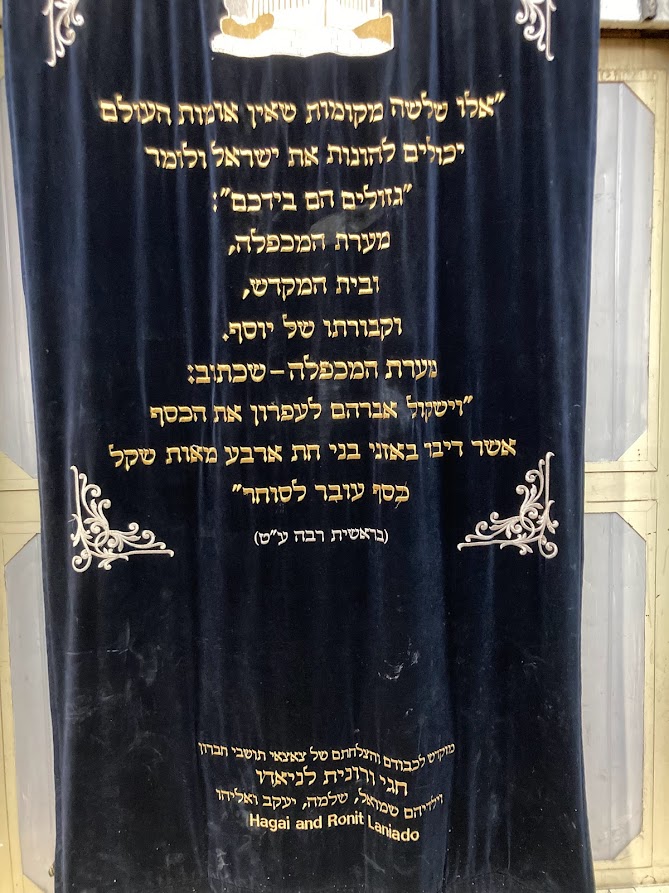
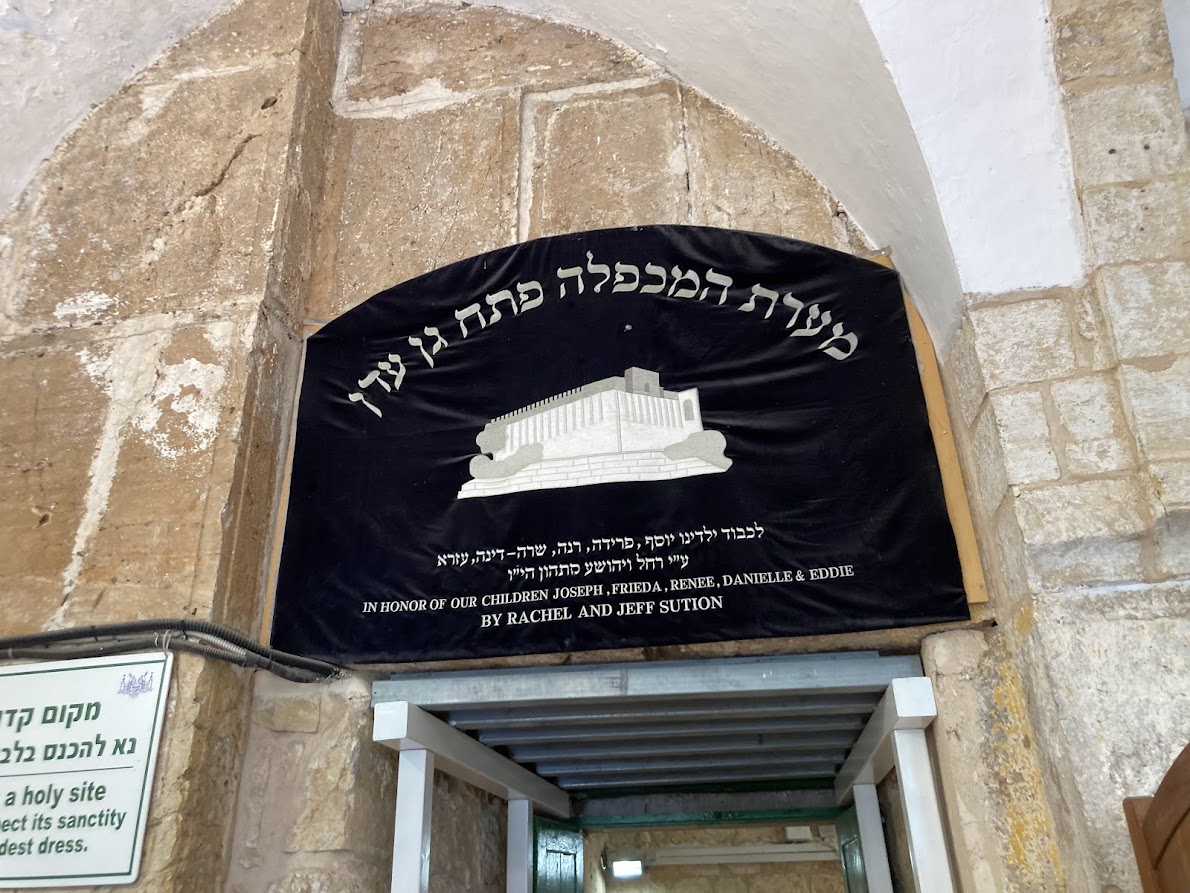
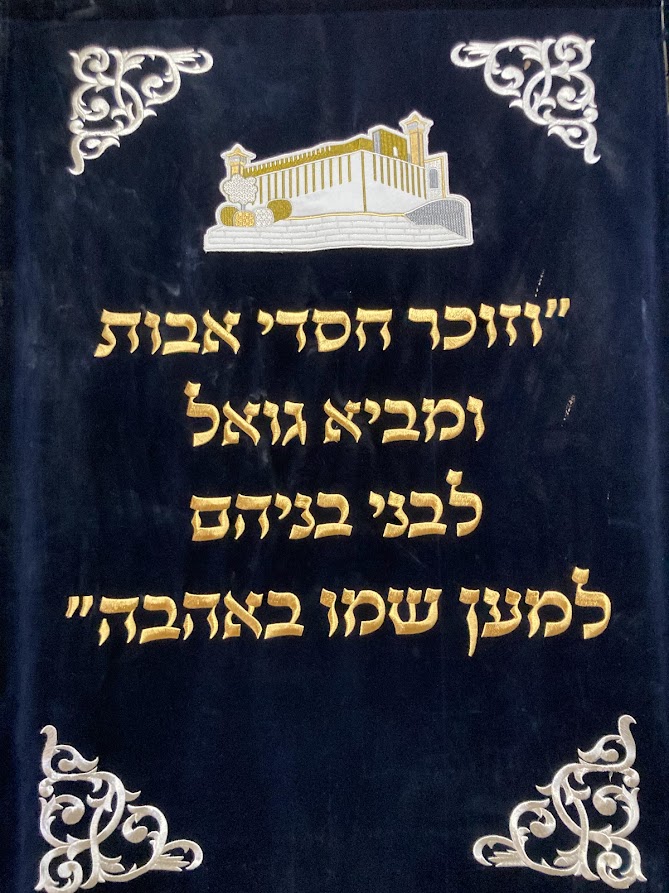
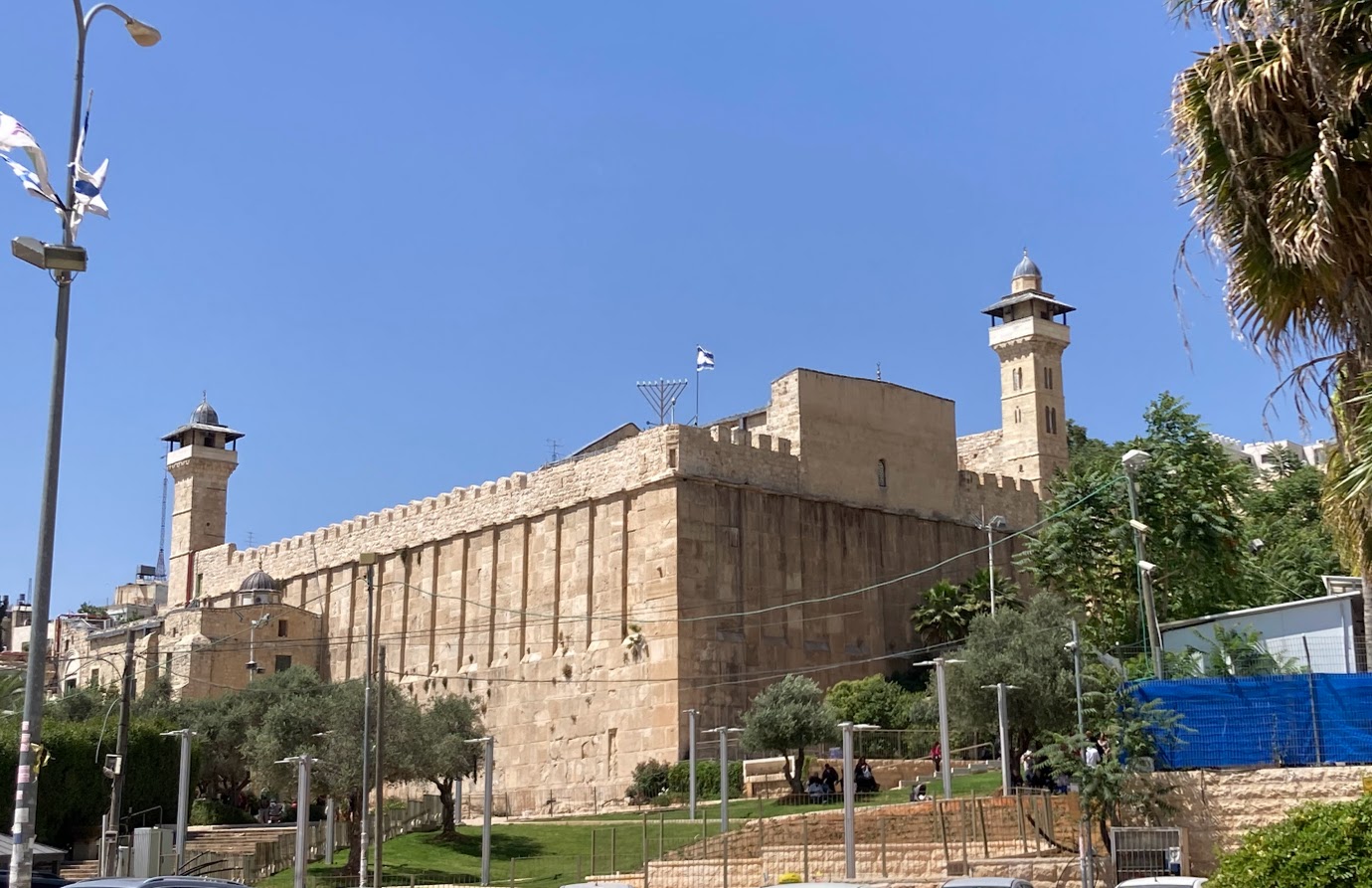
From the Cave of Machpela / Patriarchs & Matriarchs — מערת המכפלה


 Torah & more... תורה ועוד