היה היה סולם…. תורה וטיולים עם פרשת ויצא…
| The Hebrew word for “ladder”, sulam, appears only once in the entire Bible: “And he dreamed, and behold, a ladder was placed towards the ground, and its top reached towards heaven, and behold, the angels of Gd ascending and descending on it” (Genesis 28:12). If we got our impression as to how this ladder look from “Bible stories” picture books, we’ve missed something. The Talmud (Chulin 91:b) tells us that the width of the ladder was 8000 parsot! One parsa = about 4 km, that is, the whole ladder is 32 km wide! How did the Talmud arrive at such numbers? Because it is written that angels ascend and descend, that is, from the fact that the word “angels” is in the plural, we understand that here there are at least two together next to each other: one couple ascending, and one – descending. And in the book of Daniel (10:16) an angel is mentioned who was 2000 parsa and if there are four (two ascending and two descending), then the width of the ladder is 8000 parsa. I believe the Talmud does not encourage us to try and build this ladder, but perhaps wants to tell us that there is something very special here. Indeed, this is definitely no ordinary ladder. It is a symbol of the connection between heaven and earth. | המלה “סלם” מופיעה רק פעם אחת בתנ”כ כולו: “ וַיַּחֲלֹם וְהִנֵּה סֻלָּם מֻצָּב אַרְצָה וְרֹאשׁוֹ מַגִּיעַ הַשָּׁמָיְמָה וְהִנֵּה מַלְאֲכֵי אֱלֹהִים עֹלִים וְיֹרְדִים בּוֹ” (בראשית כח:יב). אם קבלנו את הרושם איך נראה הסולם הזה מסיפורי תנ”כ מצויירים, פספסנו. התלמוד (חולין צא:ב) מספר לנו שרוחב הסולם היה 8000 פרסות!! פרסה אחת = כ-4 קמ, כלומר כל הסולם 32 קמ רוחב. איך הגיע התלמוד למספרים שכאלה? כי כתוב, שמלאכים עולים ויורדים, כלומר, מתוך זה שהמילים הן בריבוי, אנחנו מבינים שיש כאן לפחות שניים ביחד זה לצידו של זה שעולים, ואותו הדבר – שיורדים. ובספר דניאל (י,ו) מוזכר מלאך שהיה 2000 פרסה ואם יש ארבעה (שניים עולים ושניים יורדים), הרי רוחב הסולם הוא 8000 פרסה. נראה שהתלמוד לא מציע לנו לנסות לבנות את הסולם הזה, אבל אולי רוצה להגיד לנו שיש כאן משהו מיוחד ביותר. בשום אופן, זה אינו סולם רגיל. זהו סמל לחיבור בין שמים וארץ. |
| Further more: It is written that the ladder is placed “towards the earth”, so not on the earth itself. And – “towards heaven”, so directed to and not quite touching… Rav Sherki quotes Professor Naher who said that actually “two ladders are described here – one in heaven and the other in the earth, and the two do not touch each other. In order to move from ladder to ladder – from the immanent to the transcendent, a person must go through a kind of leap or jump, a kind of internal rupture that must be overcome”. This is Jacob. Jacob in the next Torah portion will become “Israel”, and unlike his forefather, all his sons will be for the “Children of Israel”, that is, us. Jacob is the one who will say, “Now I’ve become two camps” (32:11). No longer only one quality, just kindness or only justice and strength, as were Abraham and Isaac, but a combination of both; a combination that is more than both. Tif’eret. Glory. | עוד: כתוב שהסולם מוצב “ארצה”, כלומר, בכוון הארץ ולא על הארץ עצמה. גם “השמימה”, כלומר הסולם מכוון כלפי שמים. רב שרקי מצטט את פרופסור נהֵר שאמר ש”מתוארים כאן שני סולמות – האחד בשמים והאחר בארץ, ושניהם אינם נוגעים זה בזה. כדי לעבור מסולם לסולם – מן האימננטי לטרנסצנדנטי, על האדם לעבור מין דילוג, מין קפיצה, מין קרע פנימי שיש לעבור”. זהו יעקב. יעקב שבפרשה הבאה יהיה ל”ישראל”, ושלא כמו אבותיו, כל בניו יהיו ל”בני ישראל”, למי שאנחנו. יעקב הוא זה שיגיד (בשבוע הבא), “עתה הייתי לשני מחנות” (לב:יא). לא עוד רק איכות אחת, חסד בלבד או רק דין וגבורה, אלא שילוב של שניהם, שילוב של שניהם שהוא יותר משניהם. תפארת. |
| Jacob is a man of connections between opposites. He was born in Israel, and went abroad, staying there for 20 years! Abraham was born there and left with the call to lech-lecha, go unto yourself; he “went down” to Egypt because of the drought in Land, and returned as soon as it was possible. Yitzchak, Jacob’s own father, never left the Land. About him it is said, “dwell in this Land”… If Jacob’s only desire is to escape Esau, this Torah portion could have been called “Vayivrach”, “and he escaped”, and he could have gone to many places. The Sages even tell us that on the way to Haran, he stopped at the yeshiva of Shem and Ever for 14 years. So why didn’t he just finish his studies and return home? Esau probably calmed down by now, and mom and dad miss him very much… Why did he continue away from home, to “get stuck” in the Diapora? Maybe to find a wife? But after all, he could do as his father did, send a messenger to bring him his beloved. We are also told by our Sages, that it was well-known in their family, that since Rebekah had two sons, and Lavan – two daughters, let them marry the older son with the older girl, and the younger son with the younger daughter (and Lavan does refer to this by saying, “this would not be done in our place, to let the younger one marry before the older (Genesis 29:26). So what’s going on here? | יעקב הוא איש של חיבורים בין ניגודים. הוא נולד בארץ, יוצא לגולה, ונשאר שם 20 שנה! אברהם, נולד שם ועזב עם קריאת “לך-לך”, “ירד” למצרים בגלל בצורת, וחזר כשהדבר התאפשר. יצחק, אביו, לא יצא מהארץ מעולם. עליו נאמר “גור בארץ”… אם כל רצונו של יעקב הוא לברוח מעשו, לפרשה אפשר היה לקרוא “ויברח”, והוא יכל ללכת להרבה מקומות. חז”ל אפילו מספרים לנו שבדרך לחרן, עצר בישיבה של שם ועבר ל-14 שנה נוספות. אז למה לא סיים ללמוד וחזר הביתה? בטח עשו כבר נרגע, ואמא ואבא מאד מתגעגעים… למה המשיך להתרחק מהבית, כך שהוא “נתקע” בחוצלארץ? אולי בשביל למצוא אשה? אבל הרי, הוא יכל לעשות כמעשה אביו, לשלוח שליח שיביא לו את אהובתו. גם על כך מספרים לנו חז”ל, שהיה ידוע במשפחתם, שמכיון שלרבקה – שני בנים, וללבן – שתי בנות, ישיאו את הגדולה -לגדול, ואת הקטנה – לקטן (לבן אכן מתייחס לכך באומרו, “כי לא כן יעשה במקומנו, לתת הצעירה לפני הבכירה” – בראשית כט:כו). אז מה קורה כאן? |
| Last week we met Jacob and he was introduced to us as a “wholehearted man“, ish tam (2:27). Different translations explain the term saying he was quiet, perfect, “going with the flow”. About him the text will say that “he dwelled” as in “settled”. He does not hurry, nor run in the fields in search of prey. At a young age, he’s already like a noble “yogi”, very “present”, living in peace and tranquility. | בשבוע שעבר פגשנו את יעקב והוא הוצג לנו כ”איש תם” (כה:כז). תרגומים שונים מסבירים שהוא שקט, מושלם, “זורם”. עליו יאמר, “וישב”. הוא לא רץ בשדות בחיפוש אחר טרף. בגיל צעיר, כמו כבר כמו “יוגי” אציל, הוא “הווה”, חי בשלום ושלווה. |
| It is just then that he has to leave home, his comfy cocoon, and get out. He goes to live with his deceitful, manipulative, greedy and evil uncle, who is all this, and still, not some distant enemy to be fought and destroyed, but his own kin – his mother’s brother and father-in-law, as if to tell us, that all these qualities are not somewhere else with someone else, but here at home, within us. And Jacob has to face this world, alone. To learn to be in it, to know how to conduct oneself according to its rules, but not to be influenced by it. He should be a businessman. Son of a farmer and a shepherd. He should know several languages. He has to live with four women who each bring something different to his home, and from all of this – create one family. And in all of these, he must learn to find God everywhere, in everything. Only then can we say that he will receive his additional name, Yisrael, “for you have struggled (sarita) with G-d and humans. And prevailed” (32:39). | בדיוק אז הוא נאלץ לעזוב את הבית, ולצאת. הוא הולך לגור עם דודו הרמאי, המניפולטיבי, תאב-הבצע והרשע, ועדיין, לא איזה אויב רחוק שאפשר להלחם בו, אלא קרוב משפחה, כאילו לומר לנו, כל התכונות האלה הן לא במקום אחר, אצל מישהו אחר, אלא כאן בבית, בתוכנו. ויעקב צריך לפגוש את העולם הזה, לבדו. ללמוד להיות בתוכו, לדעת להתנהל על פי כלליו, אבל לא להיות מושפע ממנו. הוא צריך להיות איש עסקים. בן של חקאלי ורועה צאן. הוא צריך לדעת כמה שפות. הוא צריך לחיות עם ארבע נשים שכל אחת מביאה לביתו משהו אחר, ומהן ליצור משפחה אחת. ובכל אלה, הוא צריך ללמוד למצוא את הקב”ה בכל מקום, בכל דבר. רק אז נוכל להגיד עליו שהוא יקבל את שמו הנוסף, ישראל, “ כִּי שָׂרִיתָ עִם אֱלֹהִים וְעִם אֲנָשִׁים וַתּוּכָל” (לב:כט). |
| Maybe that’s why his journey begins with a dream of a ladder, something that will allow him a way to connect heaven and earth. Some say that it was precisely in the diaspora that he needed a ladder, because there, the heavens and the earth are separated and farther away from each other, unlike the situation in the Land of Israel, where here, and sometimes you can really feel it, the heavens sit on the earth… And the angels who “ascend and descend” tell us that in the land they are with him – and with us – on the ground, here, around us… And remember the idea of the two ladders, and the jump between them? If to say that there are moments in life when you have nowhere to put your foot, and you have to trust that nevertheless and despite everything, it will work out.. | אולי לכן מתחיל מסעו בחלום על סולם, משהו שיאפשר לו דרך לחבר בין שמים וארץ. יש אומרים שדוקא בחוצלארץ, היה לו צורך בסולם מפני ששם השמים והארץ מופרדים, בניגוד למצב בארץ ישראל, שכאן, ולפעמים אפשר ממש להרגיש את זה, שהשמים יושבים על הארץ… והמלאכים ש”עולים ויורדים” אומרים לנו שבארץ הם נמצאים איתו – ואיתנו – על הקרקע, כאן, מסביב… וזוכרים את שני הסולמות, והדילוג ביניהם? כאילו לומר שיש את הרגעים האלה בחיים בהם כשאין איפה לשים את הרגל, וצריך לבטוח שאף על פי כן ולמרות הכל, יהיה בסדר…. |
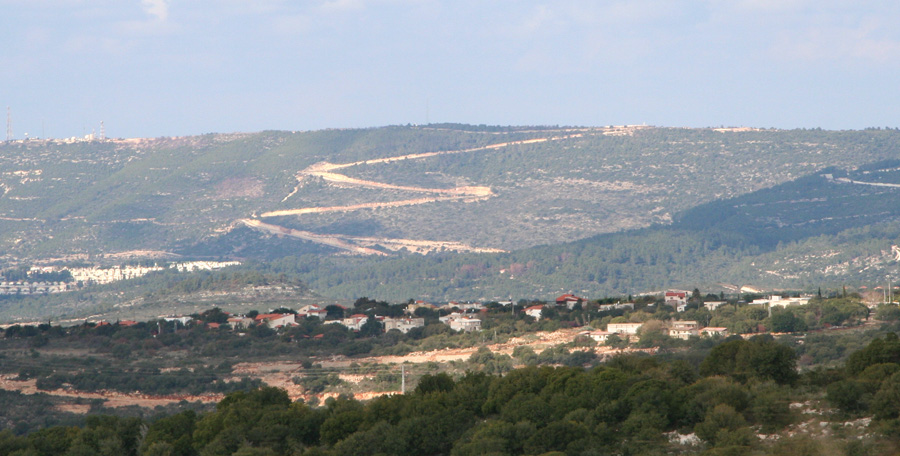
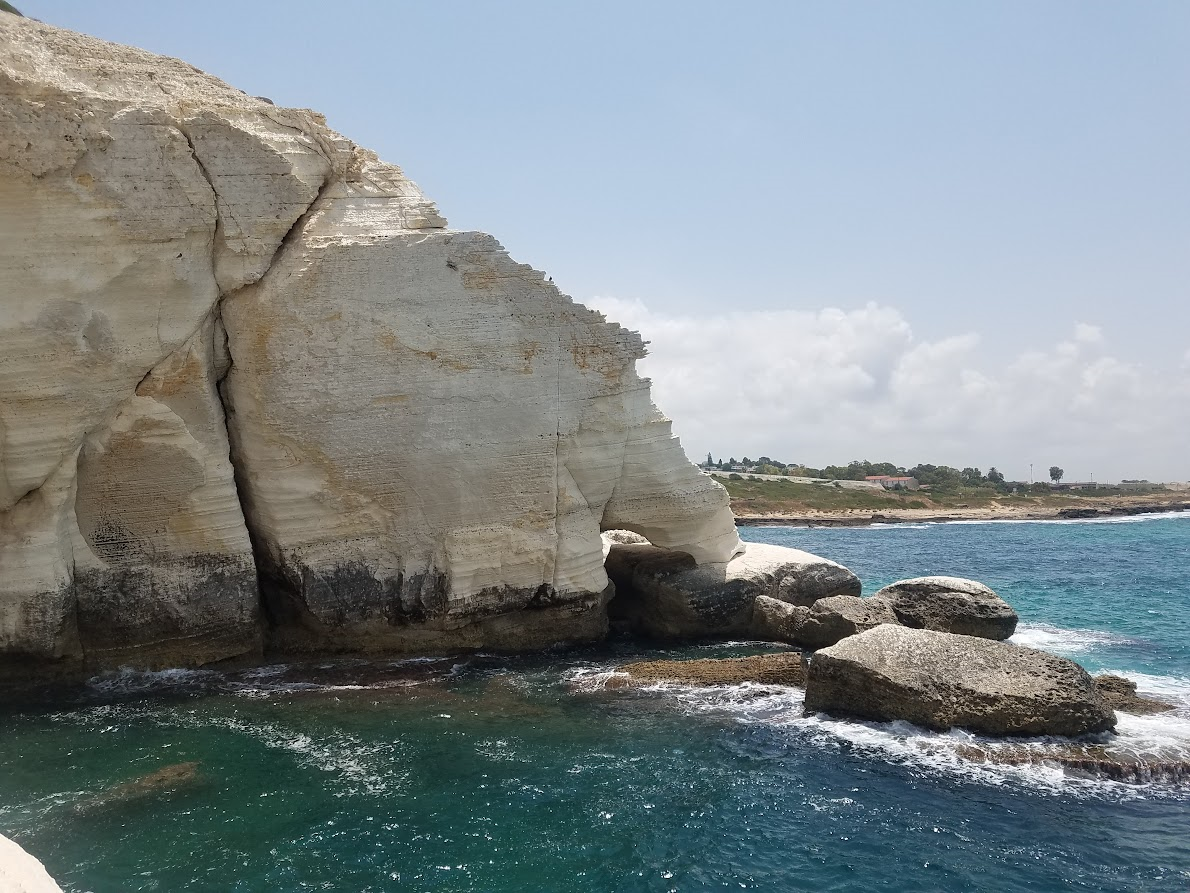
| In Israel, we have (at least) one area, which is named (like its regional council) after a ladder, and this is the Ladder of Tyre, Sulam Tzor, an elongated, steep, sloping mountain range from the Upper Galilee to the Mediterranean Sea; in the southwestern corner it touches Rosh Hankara (and at the northern end of the cliff within Lebanon, is “A-Ras al-Abyad” – “The White Head”). Along the top of the ridge runs the border between Israel and Lebanon a border that recently, sadly, appears too much in the news for the wrong reasons; a border established initially after World War I, as part of the division of the Middle East between the British and French Mandate territories. | בארץ, יש לנו לפחות איזור אחד שנקרא (וכיום גם המועצה האיזורית שבו) על שם סולם, וזהו סולם צור, רכס הרים מוארך, תלול ומשתפל מהגליל העליון לים התיכון, שבדרום-מערבו – ראש הנקרה (ובקצהו הצפוני של המצוק, שבתחום לבנון, נמצא “א-ראס אל-אביד” – “הראש הלבן”). לאורך פסגת הרכס עובר הגבול שלאחרונה לצערנו הרב, מופיע בחדשות, בין ישראל ולבנון, גבול שנקבע לראשונה לאחר מלחמת העולם הראשונה במסגרת חלוקת המזרח התיכון בין שטחי המנדט הבריטי והצרפתי. |
| The name “Ladder of Tyre” is mentioned a lot in the literature of the Sages, and perhaps it was due to the fact that in this section of the sea route between the Land of Israel and the Phoenician coastal cities – Tyre, Sidon and Beirut – the passers-by had to go up and down steeply on top of the ridge. The Ladder of Tyre ridge is mentioned as a well-known landmark on the northwestern border of Israel, and at its foot there were large Jewish towns during the Talmud period, such as Hanita, Matzuva and Betzet. | השם “סולמה של צור” נזכר רבות בספרות חז”ל, ואולי נבע מכך שבמקטע זה של דרך הים בין ארץ ישראל וערי החוף הפניקיות – צור, צידון ובירות – נאלצו העוברים לעלות ולרדת בתלילות על גבי הרכס. רכס סולם צור נזכר כנקודת ציון ידועה בגבול הצפון-מערבי של בארץ, ולמרגלותיו התקיימו עיירות יהודיות גדולות בתקופת התלמוד, כמו חניתה, מצובה ובצת. |
| The ridge was initially mentioned in the book of the Hasmoneans as a sign of the northwestern border of the Land. After that, it was mentioned by Josephus in his descriptions during the Great Rebellion. In the Midrash, the Ladder of Tire is mentioned as the northern entrance gate of the Land of Israel during Abraham’s journey to the Land: “And since he (Abraham) came to the Tyre’s Ladder, he saw them (the people of the Land) busy weeding during the weeding season, hoeing during the hoeing season, he said, ‘may I have a share in this Land’. So Gd said to him, “I will give this Land to your offspring” (Beresheet Rabbah 39,8). | הרכס נזכר בתחילה בספר החשמונאים כסימן לגבולה הצפון-מערבי של הארץ. לאחר מכן, הוא נזכר אצל יוסף בן מתיתיהו בתאוריו בתקופת המרד הגדול. במדרשי חז”ל מוזכר סולם צור כשער הכניסה הצפוני של ארץ ישראל במסעו של אברהם לארץ: “וכיוון שהגיע(אברהם) לסולמה של צור ראה אותם (את בני הארץ) עסוקים בניכוש בשעת הניכוש, בעידור בשעת העידור, אמר הלוואי יהא חלקי בארץ הזאת. אמר לו הקב”ה “לזרעך אתן את הארץ הזאת” (בראשית רבה לט,ח). |
| In the Talmud, there is a story about Rabbi Gamliel of Yavne who walked the road between K’ziv and the Ladder of Tyre (Eruvin 64:b and more). Elsewhere, the ridge is mentioned as the site reached by the Babylonians olim (newcomers) when they entered the Land, and the ridge is also mentioned as the northwestern halachic border of the land (Beitza 2:2) Another interesting source is the description of the Land’s resources. In the book of Jeremiah, it is written that “some of the poorest in the Land—were left by Nebuzaradan, the chief of the guards, to be vine-dressers and field hands” (Jeremiah 52). Nebuzaradan was a senior military man who participated in the conquest of the Kingdom of Judea and the destruction of the First Temple and Jerusalem. The Gemara explains: “Vine-dressers – per Rav Yosef, these are persimmon pickers from Ein Gedi to Ramata; field hands – these are snail hunters from the Ladder of Tyre to Haifa” (Shabbat 26:1). The snail was extremely valuable because it produced the light blue color that was also determined for the wick of the tassel – the tzitzit, which was done in this area, the territory of the tribe of Zebulun on which it was said, “He will dwell on the shore of the sea” (Genesis 49:13). | בתלמוד מובא מעשה על רבן גמליאל דיבנה שהלך בדרך שבין כזיב וסולם צור (עירובין סד:ב ועוד). במקום אחר, מוזכר הרכס כאתר אליו הגיעו בני בבל כשעלו לארץ, וכן נזכר הרכס כגבולה ההלכתי הצפון-מערבי של הארץ (ביצה כה:ב) מקום מעניין נוסף הוא התיאור של משאבי הארץ. בספר ירמיהו כתוב ש”מדלת הארץ השאיר נבוזראדן רב טבחים לכרמים וליוגבים” (ירמיהו נב). נבוזראדן היה איש צבא בכיר שהשתתף בכיבוש ממלכת יהודה והחרבת בית המקדש הראשון וירושלים. הגמרא מבארת: “כורמים – תני רב יוסף, אלו מלקטי אפרסמון מעין גדי ועד רמתא, יוגבים – אלו ציידי חלזון מסולמות של צור ועד חיפה” (שבת כו:א). החלזון היה יקר ערך כי ממנו הופק צבע התכלת אשר גם נקבע לפתיל הציצית, דבר שנעשה באיזור זה, תחום שטח שבט זבולון עליו נאמר, “לחוף ימים ישכון” (בראשית מט:יג). |
| We should also mention that until relatively recently, a railway connecting Haifa with Beirut and the onward north, passed through the area, and its route – was along the Mediterranean Sea. The railway was established by the British in 1942 and was in operation until 1946. Its remains can be seen when visiting Rosh Hanikra. These days, especially when the area is often in the news’ headlines and not for the best reasons; not for its beauty, hiking trails, advanced agriculture etc, but because of the attacks from Lebanon, and the fact that many of its residents have been evacuated to more central areas in Israel. We’re waiting for the day that the Ladder of Tyre will once again be like Jacob’s ladder, inspiring and connecting. | נזכיר עוד שעד, יחסית, לא מזמן, עברה במקום מסילת רכבת שחברה בין חיפה לביירות וצפונה, ומסלולה – לאורך הים התיכון. המסילה הוקמה ע”י הבריטים ב-1942 ופעלה עד 1946. את שרידיה אפשר לראות כשמבקרים בראש הנקרה. בימים אלו, לצערנו, האיזור מככב בחדשות, ולא מהסיבות הנכונות. לא בגלל יופיו הטבעי, שבילי הטיולים, החקלאות המתקדמת וכו, אלא מפני שהוא סופג התקפות מלבנון, ורבים מתושביו מפונים למרכז הארץ. אנחנו מחכים ליום שסולמה של צור יחזור להיות סולם כמו זה של יעקב, מעורר השראה ומחבר. |


 Torah & more... תורה ועוד