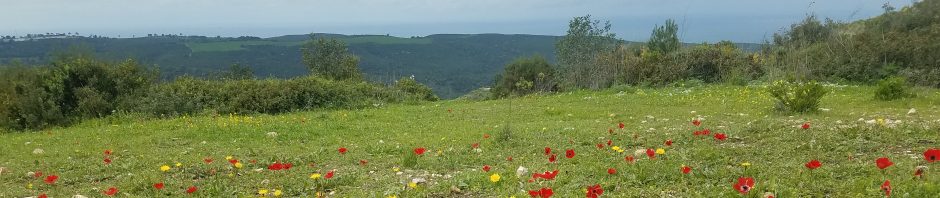
“ותצא דינה” לחיות בשלום ושלווה בעוטף עזה….
ב-1974 יצא לאור הסרט “המכה ה-81” העוסק באירועי השואה מעליית הנאצים לשלטון ועד להשמדת היהודים, אשר שמו נלקח מעדותו של מיכאל גולדמן-גלעד, ניצול השואה, שהולקה ע”י הנאצים שמונים מכות שוט נוראיות, אך המכה ה-81, הקשה ביותר שספג, היתה האדישות שבה התקבלו בישראל סיפורי הניצולים. האם כך תזכר הטראומה הלאומית הנוראה שאנחנו חיים בתוכה? תגובת העולם, או יותר נכון – חוסר התגובה הכולל במיוחד ארגוני נשים שונים שהיו צריכים להיות בין הראשונים לצעוק ולצרוח נגד, אל מול האונס ההמוני והרצח הנורא של נשים ישראליות-יהודיות ב-7 באוקטובר?
בשבוע ה-8 למלחמה, אנחנו מגיעים לפרשת “וישלח” עם סיפורה של דינה, והאמת היא, שניתן היה בקלות להוציא מהתנ”כ את פרק 34 בספר בראשית המספר את סיפורה, ושום דבר לא היה חסר מרצף הסיפור המרכזי של ספר בראשית. ובכל זאת, התורה בחרה לא לוותר עליו, ואולי בכך הדגישה ואמרה לנו קודם כל שלמרות הכל, אנחנו מפנים מקום גם לדברים הקשים והכואבים ביותר, ונעסוק בהם בכנות ככל שנוכל, על אף – ואולי דוקא בגלל – מורכבותם.
“וַתֵּצֵ֤א דִינָה֙ בַּת־לֵאָ֔ה אֲשֶׁ֥ר יָלְדָ֖ה לְיַעֲקֹ֑ב לִרְא֖וֹת בִּבְנ֥וֹת הָאָֽרֶץ” (לד:א). רשי בשם המדרש תוהה מדוע מתוארת דינה גם כבת לאה שילדה ליעקב, ומסביר “אֶלָּא עַל שֵׁם יְצִיאָתָהּ נִקְרֵאת בַּת לֵאָה, שֶׁאַף הִיא יַצְאָנִית הָיְתָה (בראשית רבה), שֶׁנֶּאֱמַר וַתֵּצֶא לֵאָה לִקְרָאתוֹ (וְעָלֶיהָ מָשְׁלוּ הַמָּשָׁל כְּאִמָּהּ כְּבִתָּהּ)”.
אבל המלבי”ם (רבי מאיר ליבוש בן יחיאל מכיל וייזר 1809-1879 פרשן המקרא שחי באימפריה הרוסית, פרוסיה ורומניה) דורש אחרת, והפירוש שלו עוזר לי קצת בסיפור הנורא הזה.
כך הוא אומר: ותצא דינה. מודיע כי דינה לא אשמה בזה, שלא תאמר שפרצה גדר הצניעות, כי (הרי) היתה בת לאה, שהיתה צנועה באהלה, ואשר ילדה ליעקב, שלידתה מתיחסת אל יעקב, שהיתה צנועה וכשרה, כי לא היתה היציאה ללכת אחרי הבחורים רק לראות בבנות הארץ ובתהלוכותיהן:
ועוד הוא ממשיך גם על הפסוק השני – “וַיַּ֨רְא אֹתָ֜הּ שְׁכֶ֧ם בֶּן־חֲמ֛וֹר הַֽחִוִּ֖י נְשִׂ֣יא הָאָ֑רֶץ וַיִּקַּ֥ח אֹתָ֛הּ וַיִּשְׁכַּ֥ב אֹתָ֖הּ וַיְעַנֶּֽהָ”, ומפרש לנו שלא נאמר “שנכנסה עמו (עם שכם בן חמור החיוי, נשאי הארץ) בדברי עגבים, כי ראה אותה (הוא) בפעם הראשון, ויקח אתה, ביד חזקה ואין מציל מידו, כי היה נשיא הארץ, והיה חטאו משולש. א. ויקח אתה ביד חזקה וזה גזל גמור. ב. וישכב אתה, ובזה טמא אותה, אחר שהוא ערל, ו- ג. ויענה, כי לא נתרצית והיה אונס אצלה ונחשב לה לעינוי, ובזה היה גזל גם נגדה.
הכוחנות של שכם ממשיכה גם בתביעה: “קַֽח־לִ֛י אֶת־הַיַּלְדָּ֥ה הַזֹּ֖את לְאִשָּֽׁה“. מה אתה עושה? היא רק ילדה! מזדעק הכתוב. אבל אביו של שכם, חמור, “מגסביר” את בנו:
“חָֽשְׁקָ֤ה נַפְשׁוֹ֙ בְּבִתְּכֶ֔ם, תְּנ֨וּ נָ֥א אֹתָ֛הּ ל֖וֹ לְאִשָּֽׁה” (פסוק ח’). במילים של ימינו נגיד ש – מה אתם רוצים? “בא לו עליה”, מתחשק לו, וחשק הוא דבר שלרגע קיים ולרגע איננו. במילותיו של המלבי”ם, “שהחשק הוא מובדל מן האהבה והחפץ, שהחשק אין לו עינים ואין לו טעם, שלפעמים יחשוק אדם גדול בבת פחותים ובכעורה ובבעלת מום, כאומר שהוא חשק בלי טעם, כי ימצא יפות וטובות יותר ממנה בבני עמו, תנו נא אתה לו לאשה, ובזה תרויחו אתם”… בואו, אני עושה לכם טובה, אומר ה-חמור. כדאי לכם! איזה דיל!!
ברגע שהבמה מסודרת כך, מתבהרת גם תגובתו העצובה והעצורה של יעקב. למה “החריש” ולא צעק ובכה ולא עשה משהו?
לפי הפסיכולוגיה המודרנית, בזמן סכנה מיידית ואמיתית, יש לכל בעלי החיים אפשרות ל – 4F וקיימת בחירה אינסטנקטיבית ביניהם בהתאם לסיטואציה:
FIGHT – היא התגובה האסרטיבית, ולפעמים אגרסיבית במתוך רצון להגן, להדוף וליצור גבולות ברורים למותקף.
FLIGHT – היא התגובה של הבריחה, ניתוק ומנע. זו יכולה להיות בחירה, לא בהכרח מפחד פניקה, אלא כשאנחנו מזהים שאין לנו יכולת להלחם במצב בו אנו נמצאים.
FREEZE – קפאון. זהו סוג של התנתקות עם המנעות יתר. בזמן הקפאון אפשר לאגור כוחות להמשך ההשרדות.
FAINT – מצב של “שאט-דאון”, המערכת חוסכת באנרגיה ומכבה את עצמה, למשל, כשאדם מאבד את ההכרה וגם כשהאירוע מסתיים וההכרה חוזרת, הוא זוכר רק חלקים מהאירוע וחלקים אחרים נשארים מודחקים.
מעבר ל -4F, נוספו לאחרונה גם FRATERNIZE – תופעות העדר, רצון להתאחד עם אחרים כדי להגביר את יכולת הלחימה וההגנה שלנו, ו – FAWN – התרפסות / התנחמדות / חנפנות, ברצון ליצור מרחב משחק גדול יותר עם אפשרויות רחבות יותר לפשרה.
וכך מסביר המלבי”ם את תגובתו של יעקב: “שאם היה יעקב יודע שעדיין לא נטמאה, היה מוסר נפשו להצילה בל תטמא, אבל יען ששמע שכבר טמא אותה ובניו היו בשדה ולא ירויח בהמהירות, לכן החריש עד בואם”… חוסר האונים מכה בו ובנו. אחרי דורות בגלות, שבה משפחת העברים אל ארצה ומולדתה המובטחת, והרי הם מיעוט בביתם שלהם, מוקפים שכנים שיכולים להיות עוינים ומסוכנים. מה עושים במצב כזה? מה היא התגובה ה”מידתית”, הנכונה, המאוזנת, השקולה, המכילה, המביעה את ערכי המשפחה המוסריים יחד עם חוסנה וחוזקה?
יעקב מחריש, אבל האחים, נציגי הדור “הבא”, הפחות גלותי, מבינים אחרת את גודל האסון הכפול ומחשבים את תגובתם: “וַיִּֽתְעַצְּבוּ֙ הָֽאֲנָשִׁ֔ים וַיִּ֥חַר לָהֶ֖ם מְאֹ֑ד” (פסוק ז), והמלבי”ם מסביר את כפל הפעלים: “העצב הוא על דבר רע שקרה לו בבחינת עצמו… שאף אם היה שוכב עמה ברצונה… היא נבלה אצל בני ישראל… (אבל) לא היה מצד זה חרון אף על שכם שהוא אינו יודע נמוסי בני ישראל שהערלה חרפה היא להם, וזה שנאמר ‘ויתעצבו’… (אך בענין) גוף המעשה, (כלומר זה) ש(שכם בן חמור) לקח אותה, בחזקה, בגזל ובאונס… על זה חרה להם מאד ורצו להנקם בשכם, כי כן לא יעשה, אף בדין בני נח”.
יש המסבירים את האחים כ”חמומים”, אך יתכן גם שהם מכירים במעמדם המורכב, במיוחד כשדינה עצמה עדיין חטופה ושבויה בידי שכם, והם רוצים לפעול “במרמה ובחוכמה רבה” כנגד החפצת אחותם (“כִּ֥י חָפֵ֖ץ בְּבַֽת־יַעֲקֹ֑ב” – פסוק יט), שחרורה ללא פגע, והשבתה, יחד עם השבת כבודה וחוסנה. יתכן שעד ה-7 באוקטובר, תגובתם העבירה בנו צמרמורת: “לרמות” אנשים ולגרום להם למול את עצמם כדי להרוג אותם בעוד כואבים? זה לא “בסדר”! לצערנו הרב כל כך, תגובתם הקיצונית גם משדרת משהו שיתכן ואנחנו מבינים אחרת השנה.
לא פעם נשאלת השאלה, למה הם הרגו את כולם? אם שכם ומשפחתו אשמים, אז, בסדר, מובן שהם צריכים להענש, אבל למה כל העיר? תשובה אפשרית היא שזה לא היה עוזר להפטר רק מ”נשיא הארץ” וקרוביו, כי הם נבחרי ואהובי העיר המתנהגים בצורה שמשקפת את ערכי העיר, וזה אומר, שכשיהיה נשיא חדש, קרוב לודאי שגם הוא יתנהג באותה צורה. האחים, אם כך, רוצים להשיג שני דברים: לפתור את המצב המיידי, ולשלוח מסר חזק של ‘אל תתעסקו איתנו’ לכל מי שאפילו משחק ברעיון דומה אי פעם שוב.
אני רוצה להיות ברורה: אני לא מציעה את אותו הפתרון כיום. ויעקב בעצמו כועס על שמעון ולוי, האחים שהנהיגו והוציאו לפועל את המבצע הזה, שהרסו את “סיכויי הדיפלומטיה” שלו עם שכניו. מאוחר יותר, הם לא יקבלו את הברכה הכי טובה, מה שיסבך את חייהם מכאן והלאה. ועדיין. בו זמנית. האם לא היינו רוצים שהמסר של ‘אל תתעסקו איתנו, היה ברור, ושהרעיון של לאנוס אף אחת מאיתנו, לא היה עובר במחשבתו של אף אחד, גם ב-6 באוקטובר, שלא לדבר על לאחר מכן?? וזו אולי אחת השאלות הגדולות ביותר שהסיפור משאיר לנו: איך אנחנו מתנהלים בצורה ששולחת את המסר הזה, בשעה שאנחנו ממשיכים לשמור על ערכי המוסר והאתיקה שלנו?
ומתוך כל זה, חסרים לי כאן כמה קולות. קודם כל, קולה של דינה: מה עבר עליה? מה חשבה? עם מי דברה? מה סיפרה אח”כ, לפי המדרש, לבתה? ומה עם שכם עצמו, נחקר במרתפי השב”כ? מה אמר? האם זה משנה שהוא לפחות לא נשלח ע”י ארגון טרור? האם אפילו הוא עוד מעצים את הטרגדיה בתוכה אנחנו חיים?
ומה עם קולו של אלוהים? למה אלוהים לא אומר בפרק הזה שום דבר? לא אכפת לו? הוא מסכים? מתנגד? שותק באדישות כמו העולם סביבנו או שאולי, מבהיר לנו שהוא לא בא לנקות ולסדר אחרינו את הבלגן, ושזו חובתנו אנו לעשות כל שאפשר כדי שדברים כאלה לא יקרו?
בתקוה ותפילה לשלום, החלמת וחזרת כל החטופים והשבויים, וכן, הנשים והגברים הסובלים מאלימות מינית, בזמן מלחמה לאומית או אישית.
AND DINA WENT OUT and lived peacefully in Otef Aza….
In 1974, the film “The 81st Blow” was released, dealing with the events of the Holocaust from the rise of the Nazis to power til the extermination of the Jews. The name of the film was taken from the testimony of Michael Goldman-Gilad, a Holocaust survivor, who was handed eighty terrible lashes by the Nazis, but the 81st blow , the hardest he suffered, was the indifference with which the survivors’ stories were received in Israel.
Is this how this awful national trauma we live in, will be remembered? The world’s reaction, or rather – inaction, which includes especially various women’s organizations that should have been among the first to shout and scream against, in the face of the mass rape and horrific murder of Israeli-Jewish women on October 7?
In the 8th week of the war, we come to the Torah portion of “Vayishlach” with Dinah’s story, and honestly, chapter 34 of the Book of Genesis, which tells her story, could have easily been removed from the Bible altogether, and nothing would have been missing from the main story’s flow. And yet , the Torah chooses not to give up on it, perhaps telling us, first and foremost, that we make room for the most difficult and painful things, and we will deal with them as honestly as we can, in spite – and perhaps precisely because of – their complexity.
“Now Dinah, Leah’s daughter whom she had borne to Jacob, went out to visit the daughters of the land” (34:1).
Rashi in the name of the midrash wonders why Dina is described as “Leah’s daughter who she had borne to Jacob” and explains that “like mother so is her daughter: Leah ‘went out’ towards Jacob and Dina likewise was also a ‘goer-outer’” (which in Modern Hebrew can be a synonym to a prostitute, or – promiscuous woman).
But the Malbim (Rabbi Meir Leybush, 1809-1879, commentator who lived in the Russian Empire, Prussia and Romania) thinks differently, and his commentary helps me navigate this awful story.
And so he says:
“And Dina went out”: to let us know that Dina is not at fault, lest you say, that it’s her who broke the boundaries of modesty, but she was Leah’s daughter, who herself was modest in her tent; “whom she had borne to Jacob” – whose birth is from Jacob, and she was modest and appropriate, for she did not go out to wander after the guys, but rather, just went “to visit the daughters of the land” and their festivities.
He continues to the second verse: “Shechem son of Hamor the Hivite, chief of the country, saw her, and took her and lay with her and tortured her”, and comments that the text does not say that she entered into improper (sexual) talk, but that he’s the one who saw her first, and he took her, by force, and no one can be saved from him for he was the leader of the land;
Therefore, Shechem’s sin was of three fold: 1. He took her by force and that is total robbery; 2. He slept with her, and by doing so, he defiled her for he was uncircumcised; and 3. And he tortured her, for she did not want this, and it was rape, done forcefully, and it was torture for her which was a double robbery.
Shechem’s abuse continues in the demand: “take to me this girl for a wife”. She’s just a child, cries out the text alarmed! And later, when Shechem’s father explains: “My son Shechem has a desire for your daughter. Please give her to him in marriage” (verse 8). In our words we’d say that he “feels like” he wants her, as if this is some capricious way, something that is here for a moment, then gone, and in Malbim’s words: “that desire is different from love and want, for this kind of desire has no eyes and no taste, and because it has no rhyme or reason, he can find better, prettier girls among his own people he’d feel like as well; And when he says, give her to him to be his wife, he means, in doing so, you will benefit yourselves”… so mansplains Chamor, son of Shechem, common, I’m doing you a favor! This is so good for you! Such a deal!!
Once the stage is set this way, Jacob’s stoic and sad reaction is clearer. Why was he “silent” and did not yell and cry and do something?
According to modern psychology, during time of real and immediate danger, each living creature has access to “4F’s”, with an instinctive choice in line with the situation:
Fight – the assertive response, and at times even aggressive, expressing a desire to defend, fend and create clear boundaries for the attacked.
Flight – the reaction of escape, disconnect and avoidance. This can be a reaction, stemming not necessarily from fear and panic, but rather, when we identify a situation in which we can’t fight.
Freeze – a kind of disconnect with extra avoidance. During the state of freeze one can accumulate energy to continue survival efforts.
Faint – state of “shut-down”; the system saves energy and turns itself off, for example, when a person loses consciousness, and even when the event is over, s/he remembers only certain parts of the event while others are pushed to the subconscious.
Beyond the 4F’s, recently Fraternize – the desire to join with others in order to increase fighting responses and Fawn – subservience / niceness / flattery to create greater options for compromise and ultimately, survival.
Malbim explains Jacob’s reaction as follows: “for if Jacob knew that she hasn’t been defiled, he would have sacrificed his life to save her, but since he heard it was too late, and his sons were in the field and he wouldn’t gain anything with speed, he kept silent till they came”… his helplessness hits him and us. After generations in exile, the family of the Hebrews returns to its promised country and homeland, and they are a minority in their own home, surrounded by neighbors who can be hostile and dangerous. What can be done in such a situation? What is the “proportional response”, the right, balanced, considerate, holding, expressing the family’s moral values along with its strength and gravity?
Jacob is silent, but the brothers, as representatives of the next generation, the less rooted in exile, understand the double disaster differently, calculating their response: “the men were saddened and very angry” (verse 7). The Malbim explains the dual verbs here: “sadness is over something bad that happened because of the event itself, for even if he slept with her at her will, it would have been an abomination among the Children of Israel… and they were not angry over Shechem not knowing the customs of Israel, and over that it was said, ‘they were saddened’ (but), the forceful rape itself… for that they wanted revenge, for even the Noahides are not to behave this way”.
More often than not, the brothers are described as “hotblooded”, but it’s also possible that they recognize their complex status, especially as Dina herself is still held at Shechem’s as a hostage and captive, so they want to act with “cunningness and wisdom” against their sister’s objectification (“for he objectifies the daughter of Jacob” verse 19), her immediate release with no harm, and her safe physical as well as her honorable return. It’s possible that until October 7, their reaction made us shiver: cheat people into circumcising themselves in order to kill them while they are in pain? That’s not ok!
But their extreme reaction also communicates something that we might understand differently when read this year.
The question asked often is, why did they kill everyone? If Shechem and his family are at fault, well, ok, I get they need to be punished, but why the whole city? One answer might be that getting rid of just the “prince of the land” and his family, would not have been enough, because they were the city’s chosen and beloved leaders, behaving in a manner that reflected the city’s values, which means that when there’s a new king, the same thing can and will happen again. The brothers therefore wanted to do two things: solve the immediate situation, while sending a strong don’t-mess-with-us message to anyone out there who might even just toy with a similar idea ever again.
To be very clear: I am not advocating for the same punishment today. Jacob himself is upset with Shimon and Levy, the brothers who led and executed this operation, for ruining his “chances for diplomacy” with his neighbors. Later, he will not offer them favorable blessings, which will complicate their life from here on. And yet, at the same time, wouldn’t we too wish that this don’t-mess-with-us message was clear to all, and the idea of raping any of us, would not have even crossed anybody’s mind, already on October 6, not to mention after….? Which is maybe the biggest question we’re left with at the end of this story: how do we conduct ourselves in a manner that sends this message, while maintaining our moral and ethical values?
And within all this, there are a few voices missing. First, of course, is Dina’s voice: what happened to her? what did she think? who was she talking to? what did she tell her daughter, according to the midrash, who was born later? And there, there’s Shechem, investigated in the ShaBaK’s cellars…what did he say? does it matter that he at least was not purposefully sent by a terror organization? as it turns out, does he too even enlarge the national tragedy we’re living in?
And what about Gd’s voice? Why does Gd not say anything in this chapter? Does He not care? Agrees? Opposes? Is He indifferently silent like the world around us, or maybe, makes it clear to us that He is not going to show up to clean up our messes, but rather, that it is on all of us to make sure things like this don’t happen?
I hope and pray for the peace, healing, and safe return of all hostages and captives as well as the women and men suffering from sexual abuse, whether during time of national or personal war.



 Torah & more... תורה ועוד
Thank you, Michal
Sent from my iPhone
<
div dir=”ltr”>
<
blockquote type=”cite”>