יוסף, אורח לחג האור
פרשת וַיֵּשֶׁב נפתחת בפסוק די מוזר: אֵ֣לֶּה תֹּלְד֣וֹת יַעֲקֹ֗ב יוֹסֵ֞ף בֶּן־שְׁבַֽע־עֶשְׂרֵ֤ה שָׁנָה֙ הָיָ֨ה רֹעֶ֤ה אֶת־אֶחָיו֙ בַּצֹּ֔אן וְה֣וּא נַ֗עַר אֶת־בְּנֵ֥י בִלְהָ֛ה וְאֶת־בְּנֵ֥י זִלְפָּ֖ה נְשֵׁ֣י אָבִ֑יו…. (בראשית לז:ב)
תולדות יעקב הם – יוסף. וכמו אביו ואמו, גם הוא רועה ועוסק בצאן, אך הפסוק מדייק ואומר שיוסף “רועה את אחיו – בצאן”, ומתאר את הקשר המיוחד שלו עם “בני בלהה ובני זלפה”.
ה”כלי יקר” (רבי שלמה אפרים מלונטשיץ, 1550-1619) ואחרים אומרים שהאחים בני לאה, היו “מזלזלים בבני השפחות”, ולא רק שקראו לבלהה וזלפה פילגשים ושפחות (הנשים ש(הן)-“פחות”), אלא שגם קראו לבניהם עבדים, “ויוסף לבד היה מתחבר אל בני בלהה וזלפה כי אמר שהם נשי אביו ממש”. יוסף מבין שעד כה היה לכל אב רק בן ממשיך אחד, אך מכאן והלאה על כולם להמשיך ביחד, גם אם זה יקח מאמץ גדול, כדי להיות ל”בני ישראל”. גם חלומותיו על היום בו כולם ישתחוו לו, לא מונעים ממנו לראות את ערכם וחשיבותם של כל אחד מאחיו, בניו של יעקב.
חז”ל הסבירו את אישיותו של יוסף ככזו שכיוונה הוא “מלמטה למעלה”, מהגשמי לרוחני, מה שמתבטא בסיפורו בכך שצריך ל”העלות” אותו מן הבור, אפילו פעמיים (לז:כח, מא:יד). וכך בסוף פרשת “וישב” מוצא יוסף את עצמו בבית האסורים, שם הוא פוגש שני שרים שהודחו על ידי פרעה, המספרים לו את חלומותיהם. יוסף מציע פתרון לחלום שאכן קורה: שר האופים נתלה ושר המשקים יוצא מהכלא. יוסף מבקש משר המשקים שיזכיר את עניינו לפני פרעה כשייצא מהכלא, אולם “לֹֽא־זָכַ֧ר שַֽׂר־הַמַּשְׁקִ֛ים אֶת־יוֹסֵ֖ף וַיִּשְׁכָּחֵֽהוּ” (מ:כג).
נראה שהמלה “וישכחהו” מיותרת, כי כבר נאמר שהוא לא זכר אותו, ומה המשמעות של לא לזכור מישהו וגם לשכוח אותו?
השפת אמת (קובץ דרשות חסידיות על התורה שחיבר רבי יהודה אריה לייב אלתר, האדמו”ר מגור 1847-1905) מחבר לנו בין שתי שיכחות: יוסף שנשכח כאן, ואויבינו בחנוכה שרצו “להשכיחם תורתך” – להשכיחנו מדרכנו. מה אפשר לעשות נגד שכחה? התורה אומרת לנו (על מצוות שונות) “וראיתם… וזכרתם”… מכאן שבשביל זכרון צריך ראיה, ושבחושך קשה לראות ולכן קשה לזכור. הוא מפנה את תשומת לבנו שחשכה ושכחה הן אותן אותיות. כלומר, ימי חנוכה, הנרות והאור, דוקא בתקופה הכי חשוכה בשנה, נותנים לנו אפשרות לזכרון. הזכרון מאפשר הבנה של העבר, ויחד עם זאת, גם תקווה לעתיד.
הסיפור של יוסף בפרשות השבוע תמיד מופיע בלב החורף, סמוך ובתוך חג החנוכה. גם כשחשוך, ואולי דוקא כשחשוך, יוסף הוא זה שמעיז וחולם, ומתוך כל, מלמד אותנו, לא לוותר על החלום, על האפשרות, על העתיד. אפילו כשאנחנו עדיין משפחה קטנה והמצב סביבנו לא פשוט, הוא חולם שנוכל לזון את העולם (כמו שנראה בחלום האלומות), ושנהיה כמו כוכבים המאירים את חשכת הלילה בעולם. זהו יוסף, שחז”ל מצביעים על שמו כשווה בגימטריה למילה “ציון”, העברי, שגונב מ”ארץ העברים”, זה –שבזכותו סופסוף עוזב יעקב את הגלות וחוזר לארץ, זה שרוצה להפוך אותנו ל”אור לגויים” כאומה משמעותית בעולם, וזה שמתעקש להקבר בארץ, ובמקביל לגדולה בעולם, לא לשכוח מאין באנו ולאן אנחנו הולכים.
נקוה שיוסף יגיע גם אלינו ודוקא בחנוכה הזה, ושיביא איתו חלום על אור ותקוה בתוך החושך סביב.
Yosef, a guest for the Festival of Lights
The Torah portion of Veyeshev opens with a rather strange verse: “This, then, is the line of Jacob: Yoseph, at seventeen years of age, tended the flocks with his brothers (literally – “shepherd his brothers with the flock”), as a helper to the sons of his father’s wives Bilhah and Zilpah….” (Genesis 37:2)
The “Kli Yakar” (Rabbi Shlomo Ephraim of Luntschitz, 1550-1619) and others, say that the brothers, Leah’s sons, were “disdainful of the sons of the handmaids”, and not only did they call Bilha and Zilpa concubines and handmaids (in Hebrew, the word “sh’fachot”, handmaids, can be broken into she-pachot, the ones who are less), but they also called their sons slaves, “and Yosef alone would connect with the sons of Bilha and Zilpa because he said they too were his father’s real wives.”
Yosef understands that up until now each of the forefathers had only one successor, but from now on, everyone must continue together, even if it takes a great effort, to join and be “The Children of Israel”. Even his dreams of the day when everyone bows to him, do not prevent him from seeing the value and importance of each of his brothers, the sons of Jacob.
The Sages explained Joseph’s personality as one whose direction is “from the bottom up”, from the physical to the spiritual, which is expressed in his story by the fact that he had to be “raised” from the pit, even twice (Genesis 37:28’ 41:14).
And so, at the end of this Torah portion, Yosef finds himself in jail, where he meets two ministers dismissed by Pharaoh, who tell him their dreams. Yosef offers his interpretations to the dreams which come true: the Baker is hanged and the Butler is released from prison. Yosef asks the latter to mention his case before Pharaoh when he is free, but “the Butler did not remember Yoseph and forgot him” (40:23).
It seems that the word “and forgot him” is unnecessary, because it has already been said that he did not remember him, and what is the meaning of not remembering someone and also forgetting him?
The Sfat Emet (a collection of Hasidic sermons on the Torah compiled by Rabbi Yehuda Aryeh Leib Alter, the Rebbe of Gur 1847-1905) connects us between two forgetfulness: Yoseph who was forgotten here, and our enemies at Hanukkah who wanted to have us “forget Your Torah” – to “forget us” from our way. What can be done against forgetfulness? The Torah tells us (about various mitzvahs) “And you saw… and you remembered”… Hence, remembrance is aided by sight; in the dark it is difficult to see and therefore, difficult to remember. He draws our attention to the fact that darkness and forgetfulness in Hebrew are the same letters (chashecha & shichecha). That is, the days of Hanukkah, the candles and the light, precisely in the darkest time of the year, give us the opportunity to remember. Remembrance enables an understanding of the past, and at the same time, also hope for the future.
The story of Yosef in these Torah portions always appears in the heart of winter, near and within Hanukkah. Even when it’s dark, and maybe precisely davka when it’s dark, Yosef is the one who dares and dreams, and through that, teaches us not to give up on the dream, the possibility, the future.
Even when we are but a small family and the situation around us is not easy at best, he dreams that we will be able to feed the whole world (as seen in the dream of the sheafs), and that we will be like stars that illuminate the darkness of the night in the world.
This is Yosef, whose name the sages point to as equal in gematria to the word “Zion”; the Hebrew lad, who is stolen from the “Land of the Hebrews”; the one in whose merit Jacob finally leaves exile, returning to the Land; the one who wants us to be a “light to the nations” and serve as a significant People in the world, and also the one who insists on being buried in the Land of Israel, and while thinking of greatness in the world, not forgetting where we came from and where we are going to.
I’m hoping that Yosef comes to us again, and davka on this Hanukkah, and that he will bring with him a dream about light and hope in the surrounding darkness.
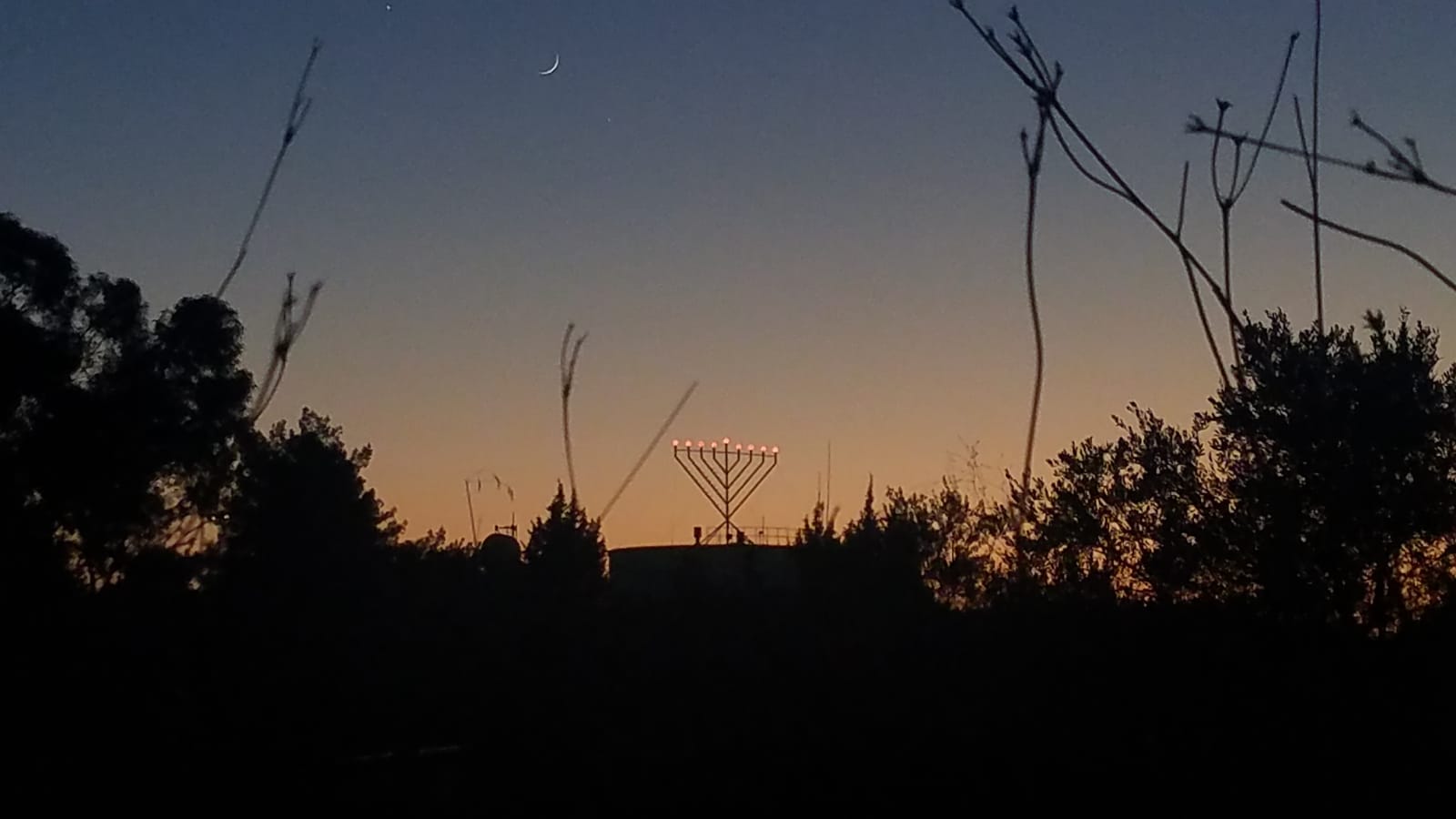


pictures in Israel, Germany (1933), San Diego and Haifa


 Torah & more... תורה ועוד
תודה רבה מיכל
מה שלומך?
חג שמח
רחלי
Sent from my iPhone