על חיים, ברכות והמשכיות – סוגרים את ספר בראשית עם פרשת ויחי
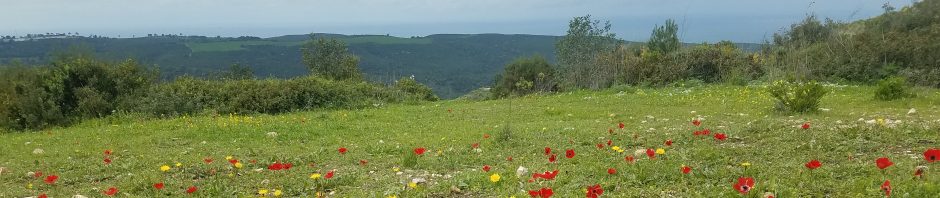
כמעט כל בקר אני רואה אותה שם, במכנסי גי’נס, ידיים משולבות, ראשה במטפחת כהה מהודקת לראשה. יושבת על הספסל בסבלנות ומחכה. על מה היא חושבת? עוד מעט הוא יצא, בחולצה לבנה, חליפה כהה וכיפה שחורה. בידו יחזיק את הסל-קט וימסור לה אותו לשמור עליו למשך היום. מסביב – מלחמה. חדשות. חטופים. כותרות. קשה לנשום והלב דופק. ובאמצע, התמונה הזו: אשה ערביה. מוסלמית. אבא חרדי. עם תינוק שמנמן וחמוד. שכונה חיפאית שקטה עם נוף לחצי ארץ ישראל. אף על פי כן ולמרות הכל – חיים.
פרשת השבוע נקראת “ויחי” ובאופן אירוני, לפחות שני אנשים חשובים מתים בה: יעקב ויוסף. ואף על פי כן, לא מוות עניינה אלא חיים והמשכיות וברכות, כשיעקב לפני מותו מברך כל אחד מבניו, ולפחות שניים מנכדיו, בברכה מיוחדת.
מה זו ברכה?
בעברית המילה קשורה לשתי מילים לכאורה לא שייכות: אחת – ברך (ברגל) והשניה – ברכה (ברכת מים). אולי בחיבור של ענווה, הרכנת ראש כשעומדים לפני מישהו שמברך, ואולי כי רגע הברכה הוא מעין צלילה למים צלולים ומרעננים ותזכורת למשהו חשוב ונותן חיים.
עוד בענין המילה ברכה – יש אומרים שמילת הקסם אַבְּרָקָדַבְּרָה או אברא כדברא מקורה בארמית – “אברא כדברא” – שיברא כדבריי – כלומר ציווי להפוך מילים למציאות, מה שמזכיר את בריאת העולם שגם נעשה באמצעות עשר אמירות. או אולי מלשון “הברכה דברה”, ביחוס כוח לברכות (ויש דיעות נוספות).
אבל האמת שאנחנו לא רואים ברכות, ובמיוחד ברכות בין הורים וילדים, כקסמים, אלא כהבעת תקווה שהאדם המבורך יהיה הטוב ביותר שהוא יכול לפי מי שהוא. גם יעקב, בעזרת המילים והברכות שלו, לא עשה את הבן המסוים למי שהוא, אלא ראה אותו כפי שהוא וחיזק בו את יסודותיו, כך שתפקידו בעתיד ההסטוריה הישראלית הובהר ונקבע.
חז”ל אומרים שכשיעקב בקש להגיד לבניו “אֵת אֲשֶׁר יִקְרָא אֶתְכֶם בְּאַחֲרִית הַיָּמִים” (בראשית מט, א), פתאום “נסתלקה ממנו שכינה והתחיל אומר דברים אחרים” (רש”י). כלומר, יעקב חשש שאולי בעצם, לא כולם יהיו ממשיכי דרכו ודרכם של אברהם סבו ויצחק אביו?
מספר המדרש, שהבנים אמרו – “שְׁמַע יִשְׂרָאֵל” (כלומר יעקב ששמו גם ישראל) – ה’ אֱ-לֹהֵינוּ ה’ אֶחָד” – כלומר, אנחנו מאמינים כמוך באל האחד, ונמשיך את דרך החיים הזו. (פסחים נו, א). על כך שמח יעקב וענה: “ברוך שם כבוד מלכותו לעולם ועד”, מה הוסף לתפילה מיד לאחר “שמע ישראל”, כאילו הבין שלמרות החשש שלו מדרכיהם השונות בעתיד, הוא רואה שכולם ישארו חלק מבני ישראל. את החשש ואת קיום הנבואה שלו, אנחנו רואים עד ימינו. כמה שונים הם הבנים של יעקב! אלה חרדים ואלה קיבוצניקים. אלה חיים בארץ ואלה חיים בחו”ל. אלה מפגינים נגד ואלה – בעד. ועדיין, כולם בני ישראל….
ויחד עם זאת, לכל אחד יש תפקיד שונה בתוך העם, ובפרשת “ויחי” מתברר שלנו מהם התפקידים השונים, ומי בכל זאת, יהיה המנהיג:
ראובן, למרות שהוא הבכור, לא יכול להיות המלך כי הוא “פַּ֤חַז כַּמַּ֙יִם֙” (בראשית מט,ד), מנהל מדיניות של פזיזות. שמעון ולוי מתנהלים בדרך קנאית שיש בה תועלת לזמנים מיוחדים, אבל לא יכולה להיות הקו המנחה את התנהלות העם. זבולון ” לְח֥וֹף יַמִּ֖ים יִשְׁכֹּ֑ן” (שם, שם, יג), עוסק במסחר בינלאומי ויכול להיות נתון לקונפליקטים בין טובת הכלכלה המקומית, לטובת אומתו. יששכר הוא לומד התורה שיכול להעדיף את הלימוד על הכל, גולל העצמאות המדינית של העם.
דן “נָחָ֣שׁ עֲלֵי־דֶ֔רֶךְ שְׁפִיפֹ֖ן עֲלֵי־אֹ֑רַח הַנֹּשֵׁךְ֙ עִקְּבֵי־ס֔וּס וַיִּפֹּ֥ל רֹכְב֖וֹ אָחֽוֹר” (שם, שם, יז), מתאים למלחמות גרילה, כמו למשל, שמשון הגיבור שבא משבט זה, אך לא למלחמה של מדינה מאורגנת. גד, “גְּד֣וּד יְגוּדֶ֑נּוּ וְה֖וּא יָגֻ֥ד עָקֵֽב” (שם, שם יט), ראה דברים בהיבט צבאי ומתאים יותר כשר בטחון מאשר מנהיג העם.
נפתלי “אַיָּלָ֣ה שְׁלֻחָ֑ה הַנֹּתֵ֖ן אִמְרֵי־שָֽׁפֶר” (שם, שם, כא), מתאים להיות דובר, ואשר – “שְׁמֵנָ֣ה לַחְמ֑וֹ וְה֥וּא יִתֵּ֖ן מַֽעֲדַנֵּי־מֶֽלֶךְ” (שם, שם, כ) מתאים לעסוק בענייני חקלאות וכלכלה פנים. יוסף מקבל ברכות ארוכות וטובות “… מֵאֵ֨ל אָבִ֜יךָ וְיַעְזְרֶ֗ךָּ וְאֵ֤ת שַׁדַּי֙ וִיבָ֣רְכֶ֔ךָּ בִּרְכֹ֤ת שָׁמַ֙יִם֙ מֵעָ֔ל בִּרְכֹ֥ת תְּה֖וֹם רֹבֶ֣צֶת תָּ֑חַת בִּרְכֹ֥ת שָׁדַ֖יִם וָרָֽחַם” (שם, שם, כה). בניו יקבלו שטחים גדולים במרכז הארץ, ומקומות רבים, גם בימינו יקראו על שם חלקים מברכתו. האחים אמנם עשו איתו “שולם” ומברכים על הצלתו אותם מרעב, אך עדיין, אהדתם נתונה לו במסורה. בנימין “זְאֵ֣ב יִטְרָ֔ף בַּבֹּ֖קֶר יֹ֣אכַל עַ֑ד וְלָעֶ֖רֶב יְחַלֵּ֥ק שָׁלָֽל” (שם, שם, כז), כלומר, הוא מתאים להנהיג בראשית המלכות ובסופה, למשל, המלך הראשון לישראל בא משבט זה, כמו גם מרדכי ואסתר בתקופת סיום והתחלה.
ולעומתם, יש לנו את יהודה, עליו נאמר – “גּ֤וּר אַרְיֵה֙ יְהוּדָ֔ה, מִטֶּ֖רֶף בְּנִ֣י עָלִ֑יתָ, כָּרַ֨ע רָבַ֧ץ כְּאַרְיֵ֛ה וּכְלָבִ֖יא מִ֥י יְקִימֶֽנּוּ” (שם, שם, ט), כלומר יהודה הוא גם גור, וגם לביא וגם אריה. הוא נמצא שם לאורך כל שלבי ההסטוריה, מכיר במסע הארוך, בחזון ובסבלנות הנדרשים. כמו שראינו במפגש עם יוסף, המנהיגות שלו היא מתוך דאגה לכלל. הוא לא מושלם. הוא עושה טעויות, ומתוך כך, מכיר את דרך התשובה והתיקון. הוא מביא לאחיו את הרעיון של ערבות הדדית ואחריות זה לזה. ובשמו – הוא מביא הודאה, הרעיון איתו אנחנו קמים בבקר, של מודה אני, וממנו ומכל הדברים שהוא מייצג, אנחנו מקבלים את השם בו אנחנו נקראים – היהודים, אלה שחיים בתודעה עמוקה לחיים ולמשמעותם, לא בלי כאב, אלא בהערכה והכרת הטוב.
בשורות טובות ושבת שלום.
Almost every morning I see her there, in jeans, hands folded, her head in a dark kerchief wrapped tightly around her head, patiently, sitting on the bench waiting. What is she thinking about? Soon he’ll come out, in a white shirt, a dark suit and a black hat. He will hold the car-seat, and hand it over to her to watch over him for the day. All around – there’s war. News. Hostages. Headlines. It’s hard to breathe and the heart is pounding. And in the middle, this picture: an Arab Muslim woman. An Ultra-Orthodox father. A chubby, cute baby. A quiet Haifa neighborhood with a view of half of the Land of Israel. In spite of everything — Life.
This week’s Torah portion is called, “VeYechi”, literally – “and he lived”, and ironically, at least two important people die in it: Jacob and Yosef. And yet, not death is its concern, but life and continuity and blessings, as when Yaakov, before his death blesses each of his sons, and at least two of his grandchildren, with a special blessing.
What is a blessing?
In Hebrew the word is related to two apparently unrelated words: one – berech – knee and the other – brecha – pool. Perhaps connected with the bowing motion, bending at the knee, conveying humility, lowering one’s head when standing before someone who blesses us, and perhaps because the moment of blessing is akin to diving into clear and refreshing water and a reminder of something important and life-giving.
Further: some say that the magic word Abracadabra or Abra Kadbra comes from Aramaic – ‘that will be created as I say’ – meaning, there’s a commandment to turn words into reality, which reminds us of the creation of the world which was also done through ten statements. Or perhaps from the expression “hab’racha dibra” – the blessing spoke, attributing power to blessings (and, of course, there are other opinions).
But the truth is that we do not see blessings, and especially blessings between parents and children, as magic, but as an expression of hope that the blessed person will be the best s/he can, according to who s/he is. Jacob also, with his words and blessings, did not turn any particular son into who he was, but saw him as he was, and, with his words, helped strengthen that foundations within him, so that his role in the future of Israeli history was clear and determined.
The sages say that when Jacob wanted to say to his sons, “Come together that I may tell you what is to befall you in days to come” (Genesis 49,1), suddenly, according to Rashi, “the Shechinah (Gd’s presence) departed from him, and he began to say other things”. That is, was Jacob concerned that maybe not all of his sons would be successors in the way of Abraham his grandfather and Isaac his father?
According to the midrash, the boys said – “Shma Yisrael – Hear O Israel” (because Jacob’s name was also Israel) – Hashem our Gd, Hashem is one” – that is, we believe just like you in the One Gd, and we will continue this way of life. (Peschaim 56,a). Jacob rejoiced and answered: “Blessed be the glory of his majesty for ever and ever”, what has been added to the prayer immediately after “Shma Yisrael“, as if he understood that despite his fear of their different ways in the future, he sees that they will all remain part of the Children of Israel. We witness his fear and the fulfillment of his prophecy nowadays. How diverse and different from each other are the sons of Jacob! Some are ultra-Orthodox, and some are Kibbutzniks; some live in the Land of Israel and some live abroad; some are protesting against and some – are in favor. And yet, they are all the Children of Israel…
And at the same time, each one has a different role within the nation, and in the Torah portion of “VaYechi”, it becomes clear to us what the different roles are, and who, after all, will be the leader:
Reuben, even though he is the eldest, cannot be the leader because he is “unstable as water” (Genesis 49, 4), and manages things recklessly.
Shimon and Levi behave in a zealous manner, that can be useful for a certain time, but cannot be the mindset that guides the conduct of the People. Zebulun “shall dwell by the seashore” (ibid., ibid., 13), deals in international trade and can be subject to conflicts of interests between the good of the local economy and the good of his nation. Issachar is a Torah learner who can prefer study above everything, even more than the nation’s political independence.
Dan “shall be a serpent by the road, a viper by the path, that bites the horse’s heels, so that his rider is thrown backward” (ibid., ibid., 17), and is therefore, suitable for guerrilla wars, such as, for example, Samson the brave who came from this tribe, but not for the war of an organized state. Gad “shall be raided by raiders, but he shall raid at their heels” (Ibid., Ibid. 19), saw things in a military perspective, and therefore, is more suitable to be a security or defense minister than a leader of the People.
Naftali “is a hind let loose, which yields lovely fawns” (literally – “improved words” idid., ibid., 21), is suitable to be a speaker, and Asher – “his bread shall be rich, and he shall yield royal dainties” (ibid., ibid., 20) is appropriate to engage in matters of agriculture and domestic economy. Yosef receives long and good blessings “the Gd of your father’s [house], who helps you, and Shaddai who blesses you, with blessings of heaven above, blessings of the deep that couches below, blessings of the breast and womb (ibid., ibid., 25). His sons will receive large areas in the center of the country, and many places, even in our days, will be named after parts of his blessing. The brothers did “make peace” with him and appreciate him for saving them from starvation, but still, their sympathy for them is limited. Benjamin – “is a ravenous wolf;
in the morning he consumes the foe, and in the evening he divides the spoil.” (ibid., ibid., 27), that is, he is suitable to lead at the beginnings of time and at its end. For example, the first king of Israel came from this tribe, as well as Mordecai and Esther at the end and beginning of Diaspora life.
In contrast to them, we have Judah, about whom it is said “Judah is a lion’s cub; on prey, my son, have you grown. He crouches, lies down like a lion-cub, like a full-grown lion—who dare rouse him?” (ibid., ibid., 9), meaning that Judah is both a cub, and a lion, and a mature lion. Symbolically, he can be there throughout all the stages of history, he recognizes the long journey, the vision and the patience required. As we saw in the meeting with Yosef, his leadership is out of concern for the whole. He is not perfect. He makes mistakes, and from that, knows the way to make corrections (tikkun) and do teshuva (repentance). He brings to his brothers the idea of being mutual guarantors, and hold responsibility for each other. And in his name – Yehuda – he holds the word –toda, thankfulness, the idea with which we get up in the morning, saying mo-de ani, I give thanks; and from him and from all the things he represents, we receive the name by which we are called – Yehudim, Jews, those who live with a deep mindfulness of life and its meaning, not without pain, but with appreciation and gratitude.
Here’s praying for good tidings and Shabbat Shalom

https://www.youtube.com/watch?v=wBkFZb48HKY


 Torah & more... תורה ועוד
I never knew that about abracadabra
🙂 There’s a great book called “Word” which describes the Hebrew roots of many English words. Not everybody agrees with it, but it’s definitely fascinating!