ספר ופרשת ואלה שמות…
ספר שמות ואיתו, השהות במצרים: בהתחלה ממש טוב, אחכ – כזה בסדר, אחכ – לא משהו, ואחכ, כאילו פתאום – עבדות ושעבוד… תיאור מדויק של התהליך, איך מישהו – יחיד או קבוצה, אפילו עם – נכנס למצב נוראי ממנו קשה לצאת, ובלתי אפשרי לעשות זאת לבד. האם להתחיל שם? או אולי בנשים הלביאות המדהימות שאנחנו רואים סביב כאן, שפותחות את הספר השני בתורה: מרים, יוכבד, המיילדות, ציפורה, בת פרעה שחז”ל קראו לה בת-יה… כמו הנשים האלה שאנחנו רואים ושומעים בחדשות, מחזיקות, מחזקות, מעוררות השראה… ואולי בהולדת משה, בהתלבטויות שלו כשהוא גדל: מי הם בדיוק האחים שלו? האם הוא מצרי או עברי? מה זה “סנה בוער ואיננו אוכל”, ומה בדיוק קרה לו שם? ולמה בוחר לנו הקב”ה מתוך כל בני ישראל, דוקא מנהיג שהוא “כבד פה וכבד לשון”? לא היה אף אחד עם דיבור רהוט מלכתחילה? או שאפילו כאן יש לימוד מסוים עבורינו?
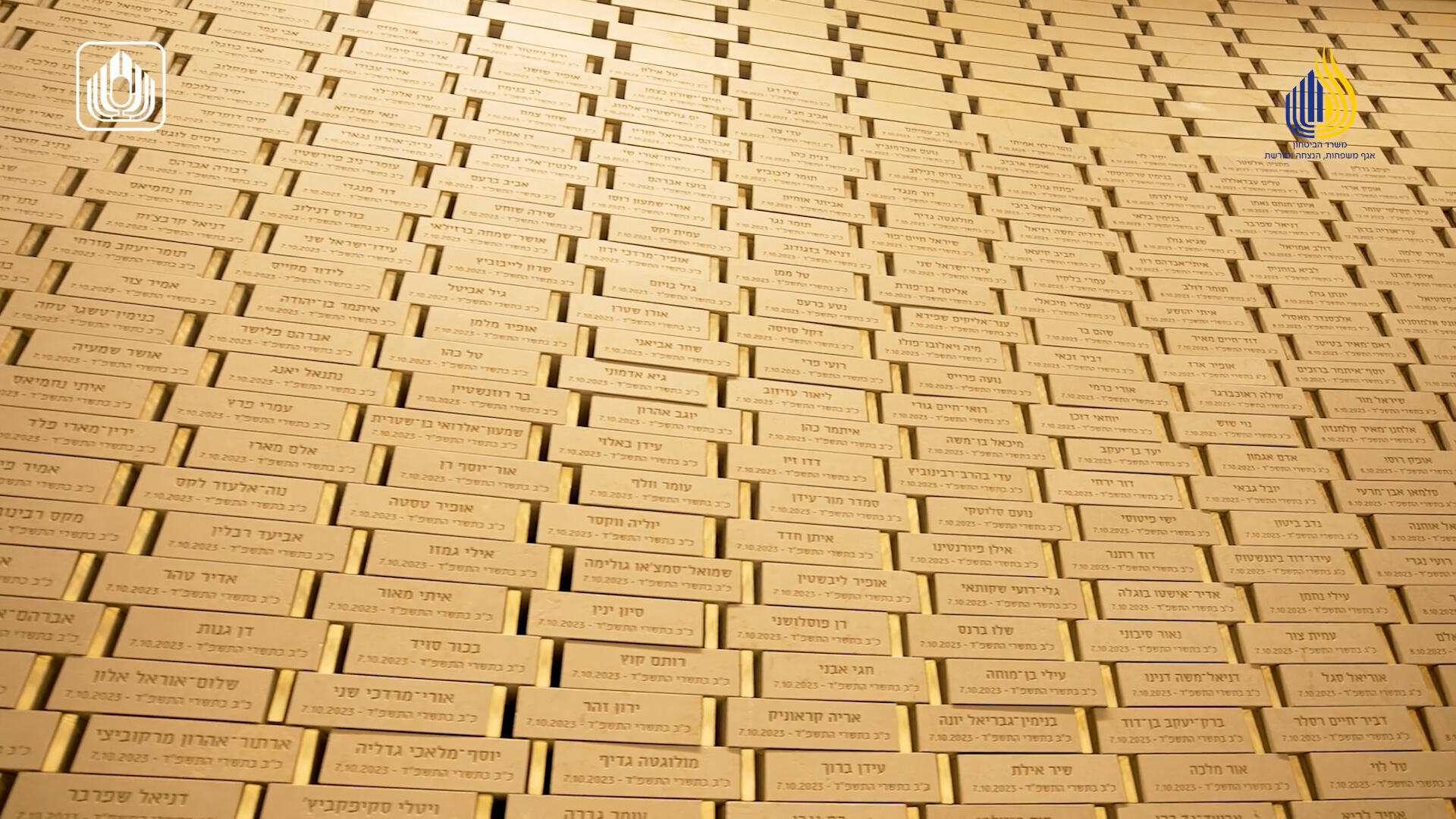
אבל למרות העושר הנפלא בפרשה הזו, אני חוזרת לפסוק הראשון: “וְאֵ֗לֶּה שְׁמוֹת֙ בְּנֵ֣י יִשְׂרָאֵ֔ל הַבָּאִ֖ים מִצְרָ֑יְמָה אֵ֣ת יַעֲקֹ֔ב אִ֥ישׁ וּבֵית֖וֹ בָּֽאוּ” (שמות א,א), פסוק שמהדהד את מהדורות החדשות של השבועות האחרונים, כשהן נפתחות במילים האיומות והמצמררות: דובר צהל מסר לפרסום… ואלה שמות…
מה השם שלך? איך אנשים שונים קוראים לך?
יש עוצמה בשם. שם מציע ומאפשר זהות: ‘קוראים לי … אבל בשם חיבה קוראים לי…. אני נקראתי על שם’…. לא פלא שאחד מהכינויים שלנו לקב”ה זה – ה-שם, ושאחד הדברים שהכי מטרידים את משה במפגש בסנה הבוער, הוא “הִנֵּ֨ה אָנֹכִ֣י בָא֮ אֶל־בְּנֵ֣י- יִשְׂרָאֵל֒ וְאָמַרְתִּ֣י לָהֶ֔ם אֱלֹהֵ֥י אֲבוֹתֵיכֶ֖ם שְׁלָחַ֣נִי אֲלֵיכֶ֑ם וְאָֽמְרוּ־לִ֣י מַה־שְּׁמ֔וֹ מָ֥ה אֹמַ֖ר אֲלֵהֶֽם” (שם, ג, יג). לעומת זאת, בשואה למשל, אחד הצעדים היה לקחת מהיהודים את שמם ולתת להם מספרים. גם כאן, אנחנו רואים שלמרות הפתיח המבטיח של “ואלה שמות”, מהר מאד, אחד מסימני העבדות הראשונים זה, העלמות השמות, ואנשים מקבלים משמעות רק מתפקידם – המלך. המיילדות. האמא של. האחות של. הילד. הנער. רק כשמשה נולד, חוזרים השמות. תחילת הגאולה היא – אפשרות לקרוא למישהו בשמו.
אך מסתבר האמירה הזו כאן של “ואלה שמות”, כבר נאמרה כמעט באותה לשון קודם לכן, כשבני ישראל ירדו למצרים. אם כן, בעצם, למה לחזור שוב? על הפסוק הראשון הזה, הפשוט כביכול, יש אינספור פירושים, ואציע רק כמה מתוכם:
אומר לנו רש”י:
ואלה שמות בני ישראל. אַעַ”פִּ שֶׁמְּנָאָן בְּחַיֵּיהֶם בִּשְׁמוֹתָם (הכוונה שכבר הוזכר פסוק כזה קודם לכן בספר בראשית מו,ח, כשבניו של יעקב ירדו למצרים), חָזַר וּמְנָאָם בְּמִיתָתָם, לְהוֹדִיעַ חִבָּתָם, שֶׁנִּמְשְׁלוּ לְכוֹכָבִים, שֶׁמּוֹצִיאָם וּמַכְנִיסָם בְּמִסְפַּר וּבִשְׁמוֹתָם (שמות רבה), שֶׁנֶּאמר “הַמּוֹצִיא בְמִסְפָּר צְבָאָם לְכֻלָּם בְּשֵׁם יִקְרָא” (ישעיהו מ’).
אכן, כוכבים זוהרים בשמי החושך. בדיוק כפי שאנו רואים במהדורות החדשות. כל אחת מהתמונות. כל אחד מהשמות. כי לקרוא למישהו בשמו, אומר לנו רש”י, זה סימן של חיבה.
הרשב”ם, נכדו של רש”י, שלא פעם מתנגד לדרשות ולפירושים של סבא שלו (טוב לדעת שזה קורה גם במשפחת רש”י…), אומר שכוונת הכתוב כאן היא אחרת לגמרי. עבורו, הרעיון הוא להדגיש שבני ישראל הגיעו למצרים רק ב”שבעים נפש”, ובתוך ששה פסוקים כבר נאמר עליהם ש”בְנֵ֣י יִשְׂרָאֵ֗ל פָּר֧וּ וַֽיִּשְׁרְצ֛וּ וַיִּרְבּ֥וּ וַיַּֽעַצְמ֖וּ בִּמְאֹ֣ד מְאֹ֑ד וַתִּמָּלֵ֥א הָאָ֖רֶץ אֹתָֽם” (שם, שם, ז). זה גם מתחבר לפסוק הבא: וַיָּ֥קׇם מֶֽלֶךְ־חָדָ֖שׁ עַל־מִצְרָ֑יִם אֲשֶׁ֥ר לֹֽא־יָדַ֖ע אֶת־יוֹסֵֽף (שם, שם, ח), פסוק שהטריד מפרשים רבים. איך יתכן שקם מלך שלא מכיר את יוסף? האם אפשר שמישהו לא יודע איך יוסף הציל את מצרים וכל האיזור?
הרש”ר הירש למשל, מסביר ש”קם” פירושו הפיכה אלימה, כמו בפסוק – “ויקום קין על הבל אחיו” (בראשית ד,ח). אם כך, הדגש הוא שהעם ידע את יוסף ובני משפחתו שנשארו לחיות איתם במצרים והכיר לו ולהם תודה, אך זהו שליט חדש. מכאן שהשושלת הישנה הופלה, ומי שעלה לשלטון, חושש מכל מי שעלול לאיים עליו. הסבר אחר (ששמעתי בדרך הביתה ברדיו – איזה כף שיש רדיו שמדבר פרשת שבוע – ולצערי לא שמעתי מי אמר אותו), שהשליט “לא ידע את יוסף” במובן שלא הכיר את דרך החיים של יוסף, שמצליח להפוך כל דבר רע שקורה לו, לכוח ממנף ומחזק. לו היה יודע זאת המלך החדש, לא היה מתעסק עם בני ישראל, כי היה יודע שהתעלמות למשל, מזיקה להם הרבה יותר מאשר הצקה, והיה כבר יודע שכמה שהוא יציק להם יותר, הם רק יתחזקו.
ונחזור לשמות: הכלי יקר (פירוש על התורה מאת רבי שלמה אפרים מלונטשיץ, שחי בפראג במאה ה-17), מרחיב על רש”י והרעיון של בני ישראל ככוכבים ואומר ש”הכוכב אע”פ שאינו נראה ביום, מכל מקום הוא בנמצא גם ביום, כמו הצדיק …. לפי שכל עיקר שם טוב של אדם אינו ניכר כי אם אחר מותו, כי בחייו אין הדבר ידוע… (ו)אין מקום לסיפור שבחו כי מי יודע אם ישאר בצדקתו”… כלומר, כשהוזכרו בני ישראל בספר בראשית, עוד לא ידענו בדיוק מי ומה הם ואיך יסיימו את חייהם, אבל עכשיו, בתחילת ספר שמות, כשכבר הלכו לעולמם, אנחנו רואים שהם אכן, כמו כוכבים, שהם תמיד שם, גם כשקשה לראות אותם, מלווים אותנו, עם “חלום עצוב של יופי וחיוך שלא יחלוף לי לעולם” (מתוך השיר נערי, של נתן יונתן).
המלבי”ם (חי במאה ה-19 באיזור אוקרינה), טוען שהפתיח הזה של “ואלה שמות”… בא להראות איך בני ישראל היו חשובים הן מבחינת עצמם ברמה האישית, והן מבחינת עם ישראל כעם, וגם היו נכבדים בעיני המצרים שבתוכם ישבו “מצד שיוסף היה במצרים, הוא המושל על הארץ, והם אחי המלך ומשפחתו”, וכל זה בכוונה, לעמוד בניגוד משווע לסיפור העבדות והשעבוד שיבוא עליהם ולהראות איך הם ירדו מגדולתם בכל תחום אפשרי.
הרש”ר הירש (חי במאה ה-19 בגרמניה) מתמקד דוקא בהמשך הפסוק, ובכך שבני ישראל היו גם אנשים בוגרים, עצמאיים, וגם בניו של אב אחד, המתואר ב”אֵ֣ת יַעֲקֹ֔ב אִ֥ישׁ וּבֵית֖וֹ בָּֽאוּ”: לא “עם” או כל מילת יחס אחר, כי אם – “את”, להראות את הקרבה הגדולה שיש להם עדיין גם כמשפחה. והעם הזה יחזיק את התכונה הזו, לעודד אינדיבידואליות של כל אחד, ובו זמנית, לא לשכוח את היותנו – עם אחד. עם ישראל חי. מצרים, הוא טוען, יהיה הרחם של בני ישראל מתוכו יוולדו מחדש, כעם. גם החיד”א ( חי במאה ה-18 בין חברון וירושלים) מביא שהמילה “מצרימה” שווה בגימטריה למילה “שכינה”, כדי שנזכור שיש ניצוץ שכינה גם במקום הצר והחשוך ביותר, ושנזכור לראות ולהחזיק בו, כדי לעבור את התקופה הזו שבאה עלינו משום מקום.
וכך מתחילה ההסטוריה של העם היהודי, בספר הזה, וגם היום, כמו אז, ההסטוריה הפרטית והמשפחתית ממשיכה ומתערבבת, יוצרת ומתחברת אל ההסטוריה הלאומית, ב”ה, בתפילה שזה יהיה לטוב ולמוטב.
בשורות טובות ושבת שלום
The Book of Shmot, “names”, and with it, staying in Egypt: at first things are really good, then – it’s sort of fine, then – not great, and then, as if suddenly, slavery and servitude… A precise description of the process that can happen to anyone – an individual or a group, even a People – entering a terrible situation from which it is difficult, even impossible to get out, alone. Should I start here? Or perhaps with the amazing lionesses, the women we see all around us, who open the 2nd Book of the Torah: Miriam, Yocheved, the midwives, Zipporah, Pharaoh’s daughter whom the Sages called Bat-Ya, no longer the daughter of Pharaoh but rather, the daughter of Gd… like the women we see and hear about here and now, holding, strengthening, caring, inspiring… and perhaps the birth of Moses, his deliberations when growing up: who exactly are his brothers? Is he an Egyptian or a Hebrew? What is the “burning bush which is not consumed”, and what exactly happened to him there? And why does Gd choose him out of all the Israelites, a leader who is “heavy of mouth and heavy of tongue”? Was there no one eloquent in his speech to begin with? Or is there, even here, a certain lesson for us?
But despite the wonderful richness of this Torah portion, I return to the first verse: “And these are the names of the Children of Israel arriving in Egypt, Jacob and everyone and their family” (Exodus 1:1), a verse that echoes the news editions of the recent weeks, when they open with the horrible and chilling words: An army spokesman announced… and these are names…
What is your name? What do different people call you?
There is power in a name. A name offers and enables identity: ‘I am called … but my nickname, affectionately is…. I was named after’…. It is no wonder that one of our names for Gd is Hashem, the Name. And no wonder that one of the things that most bother Moses at the Burning Bush is “when I come to the Israelites and say to them, ‘The Gd of your fathers’ [house] has sent me to you,’ and they ask me, ‘What is [Gd’s] name?’ what shall I say to them?'” (ibid, 3:13). On the other hand, in the Holocaust for example, one the steps taken, was to obliterate the Jews’ names and give them numbers. Here too, we see that, despite the promising opening of “and these are names”, very quickly, one of the first signs of slavery is this disappearance of the names, when people gain meaning only from their role – the king. the midwives. the mother of. the sister of. the child. the boy. Only when Moshe is born, names start returning. Indeed, the beginning of redemption is – the possibility of calling someone by his name.
But it turns out that this statement here of “and these are names”, was already said, in almost the same words, earlier, when the Israelites went down to Egypt. If so, in fact, why repeat it? There are countless interpretations of this first verse, which is seemingly simple; I will offer only a few:
Rashi tells us:
And these are the names of the Children of Israel: even though he counted them during their lifetime using their names, (that such a verse was already mentioned earlier in Genesis 46:8 when Jacob’s sons went down to Egypt), he counted them again after their passing, to let everyone know of his love to them, likening them to stars, which he takes out and places precisely by number and name (Shemot Rabbah)….
Indeed, stars who shine in the dark sky. Just as we see in the news releases. Each picture. Each name. Because calling someone by their name, Rashi tells us, is a sign of affection.
The Rashbam, who’s Rashi’s grandson, and who often opposes his grandfather’s sermons and interpretations (it’s good to know that this also happens in Rashi’s family…), says that the intention of scripture here is completely different. For him, the idea is to emphasize that the Israelites arrived in Egypt Only in “seventy souls”, and within six verses it is already said about them that “the Children of Israel were fruitful and multiplied and became strong and filled the land” (ibid, ibid, 7). This also connects to the next verse, “and a Pharaoh rose who knew not Joseph” (ibid, ibid, 8), a verse that troubled many commentators. How is it possible that a king arose who does not know Joseph? Is it possible that someone does not know how Joseph saved Egypt and the whole region?
Rav Hirsch, for example, explains that “arose” here means a violent coup, as in the verse – “and Cain arose against Abel his brother” (Genesis 4:8). Therefore, the emphasis is that the Egyptian people knew Joseph and the members of his family who remained to live with them in Egypt, appreciated him and were thankful to him, but not this is a new ruler. Hence, the old dynasty was overthrown, and whoever came to power fears anyone who might threaten him. Another explanation (which I heard on the way home on the radio – how wonderful there is a radio that speaks about the weekly Torah portion here! – and unfortunately, I didn’t hear who said it), that the ruler who “knew not Joseph” did not know Joseph’s way of life, and did not know how Joseph managed to turn every bad thing that happens to him into a leveraging, strengthening, positive force. If the new king had known this, he would not have messed up with the Israelites, because he would have known that ignoring them, for example, harms them much more than bullying them, and he would have known that the more he’d fight them, the stronger they’d get.
But back to the names: the Kli Yakar (commentary on the Torah by Rabbi Shlomo Ephraim of Luntschitz, lived in Prague in the 17th century), expands on Rashi and the idea of the Israelites as stars, saying that “a star is not visible during the day, though it is also present then, like the tzaddik, righteous person… accordingly, one’s good name is not evident until after his death, because in his lifetime it is not known… (and) there is no place for the story of his praise because who knows if s/he will remain righteous”… That is, when the Children of Israel were mentioned in the book of Genesis, we did not yet know exactly who and what they were and how they would end their lives, but now, at the beginning of the Book of Exodus, when they have already passed away, we see that they were indeed, like stars, who are always there, even when it is difficult to see them, accompanying us, with “a sad dream of beauty and a smile that will never depart from me” (from the song “My boy”, by Natan Yonatan).
The Malbim (18th century, Ukraine), claims that this opening of “and these are names”… came to show how the Israelites were important both in terms of themselves on a personal level, and in terms of the people of Israel as a nation, and were also respected in the eyes of the Egyptians among whom they lived “since Joseph had been in Egypt, the governor of the land, and they are the brothers of the king and his family,” and this was done purposefully, to stand in stark contrast to the story of slavery and servitude that will follow, to show how they have fallen from their greatness in every possible manner.
Rav Hirsch (19th century, Germany) focuses on the rest of the verse; the fact that the Israelites were both mature, independent people, and the sons of one father, described as “Jacob, and everyone and their family”: the preposition used is not “with” but the Hebrew “et”, preceding a direct object and showing greater closeness that they had, still, as a family. And this People will uphold this quality, to encourage each person’s individuality, while simultaneously, not forgetting that we are One People, Am Yisrael Chai. Egypt, he claims, will be the Children of Israel’s womb, from where they are to be reborn, as a Nation. The Chida (18th century between Hebron and Jerusalem) brings that the word “towards Egypt” and “Shechina”, Gd’s divine presence – have an equal value in gymatria, so we remember that a spark of that Divine Presence is there, even in the narrowest and darkest place; that we’ll remember to see it, hold and strengthen it, to go through this era, that fell on us from nowhere.
And so the history of the Jewish people begins, in this book, and even today, as back then, the personal and familial history continues and mixes, creates and connects to the national history, praying for goodness of this journey.
Bsorot Tovot & Shabbat Shalom.


 Torah & more... תורה ועוד