פרשת “בא” – והגדת לבנך….
| The Torah speaks of Four Sons, so does the Passover Haggadah tell us. Three of them appear in this week’s Torah portion, “Bo” (and one, the “wise one”, is in the Book of Deuteronomy). Altogether, four sons, 3 questions, and 6 answers… who asked (and who didn’t) and what answer did they get? Here goes (and the commentary and discussion, afterwards): | על ארבעה בנים דברה תורה, כך ספרה לנו ההגדה לפסח. שלושה מתוכם מופיעים בפרשת השבוע שלנו, פרשת “בא” (ואחד, ה”חכם”, בספר דברים). סה”כ, אכן, ארבעה בנים, ששואלים 3 שאלות ומקבלים 6 תשובות… מי שאל (או לא שאל) מה ואיזה תשובה קבל? הרי הם לפנינו (והפירוש והשיחה על כך, לאחר מכן): |
| הבן – THE CHILD | פסוק ומקור – VERSE & SOURCE | בהגדה – IN THE HAGGADA |
| חכם WISE | כִּֽי־יִשְׁאָלְךָ֥ בִנְךָ֛ מָחָ֖ר לֵאמֹ֑ר מָ֣ה הָעֵדֹ֗ת וְהַֽחֻקִּים֙ וְהַמִּשְׁפָּטִ֔ים אֲשֶׁ֥ר צִוָּ֛ה ה’ אֱלֹהֵ֖ינוּ אֶתְכֶֽם׃ וְאָמַרְתָּ֣ לְבִנְךָ֔ עֲבָדִ֛ים הָיִ֥ינוּ לְפַרְעֹ֖ה בְּמִצְרָ֑יִם וַיֹּצִיאֵ֧נוּ ה’ מִמִּצְרַ֖יִם בְּיָ֥ד חֲזָקָֽה׃ וַיִּתֵּ֣ן ה’ אוֹתֹ֣ת וּ֠מֹפְתִ֠ים גְּדֹלִ֨ים וְרָעִ֧ים בְּמִצְרַ֛יִם בְּפַרְעֹ֥ה וּבְכׇל־בֵּית֖וֹ לְעֵינֵֽינוּ׃ וְאוֹתָ֖נוּ הוֹצִ֣יא מִשָּׁ֑ם לְמַ֙עַן֙ הָבִ֣יא אֹתָ֔נוּ לָ֤תֶת לָ֙נוּ֙ אֶת־הָאָ֔רֶץ אֲשֶׁ֥ר נִשְׁבַּ֖ע לַאֲבֹתֵֽינוּ׃ וַיְצַוֵּ֣נוּ ה’ לַעֲשׂוֹת֙ אֶת־כׇּל־הַחֻקִּ֣ים הָאֵ֔לֶּה לְיִרְאָ֖ה אֶת־ה’ אֱלֹהֵ֑ינוּ לְט֥וֹב לָ֙נוּ֙ כׇּל־הַיָּמִ֔ים לְחַיֹּתֵ֖נוּ כְּהַיּ֥וֹם הַזֶּֽה׃ וּצְדָקָ֖ה תִּֽהְיֶה־לָּ֑נוּ כִּֽי־נִשְׁמֹ֨ר לַעֲשׂ֜וֹת אֶת־כׇּל־הַמִּצְוָ֣ה הַזֹּ֗את לִפְנֵ֛י ה’ אֱלֹהֵ֖ינוּ כַּאֲשֶׁ֥ר צִוָּֽנוּ (דברים ו, כ-כה). When, in time to come, your children ask you, “What mean the decrees, laws, and rules that our Gd H’ has enjoined upon you?” you shall say to your children, “We were slaves to Pharaoh in Egypt and H’ freed us from Egypt with a mighty hand. H’ wrought before our eyes marvelous and destructive signs and portents in Egypt, against Pharaoh and all his household; and us [Gd] freed from there, in order to take us and give us the land promised on oath to our fathers. Then H’ commanded us to observe all these laws, to revere our Gd H’, for our lasting good and for our survival, as is now the case. It will be therefore to our merit before our Gd H’ to observe faithfully this whole Instruction, as [Gd] has commanded us.” | חָכָם מָה הוּא אוֹמֵר? מָה הָעֵדוֹת וְהַחֻקִּים וְהַמִּשְׁפָּטִים אֲשֶׁר צִוָּה ה’ אֱלֹהֵינוּ אֶתְכֶם. וְאַף אַתָּה אֱמוֹר לוֹ כְּהִלְכוֹת הַפֶּסַח: אֵין מַפְטִירִין אַחַר הַפֶּסַח אֲפִיקוֹמָן: What does the wise [son] say? “‘What are these testimonies, statutes and judgments that the Lord our Gd commanded you?’ (Deuteronomy 6:20)” And accordingly you will say to him, as per the laws of the Pesach sacrifice, “We may not eat an afikoman [a dessert or other foods eaten after the meal] after [we are finished eating] the Pesach sacrifice (Mishnah Pesachim 10:8).” |
| רשע CONTRARY | וְהָיָ֕ה כִּֽי־יֹאמְר֥וּ אֲלֵיכֶ֖ם בְּנֵיכֶ֑ם מָ֛ה הָעֲבֹדָ֥ה הַזֹּ֖את לָכֶֽם׃ וַאֲמַרְתֶּ֡ם זֶֽבַח־פֶּ֨סַח ה֜וּא לַֽה’ אֲשֶׁ֣ר פָּ֠סַ֠ח עַל־בָּתֵּ֤י בְנֵֽי־יִשְׂרָאֵל֙ בְּמִצְרַ֔יִם בְּנׇגְפּ֥וֹ אֶת־מִצְרַ֖יִם וְאֶת־בָּתֵּ֣ינוּ הִצִּ֑יל וַיִּקֹּ֥ד הָעָ֖ם וַיִּֽשְׁתַּחֲוֽוּ׃ וַיֵּלְכ֥וּ וַֽיַּעֲשׂ֖וּ בְּנֵ֣י יִשְׂרָאֵ֑ל כַּאֲשֶׁ֨ר צִוָּ֧ה ה’ אֶת־מֹשֶׁ֥ה וְאַהֲרֹ֖ן כֵּ֥ן עָשֽׂוּ׃ (שמות יב:כו-כח) And when your children ask you, ‘What do you mean by this rite?’ you shall say, ‘It is the passover sacrifice to H’, who passed over the houses of the Israelites in Egypt when smiting the Egyptians, but saved our houses.’ Those assembled then bowed low in homage. And the Israelites went and did so; just as H’ had commanded Moses and Aaron, so they did. (Exodus 12:26-28) | רָשָׁע מָה הוּא אוֹמֵר? מָה הָעֲבוֹדָה הַזּאֹת לָכֶם. לָכֶם – וְלֹא לוֹ. וּלְפִי שֶׁהוֹצִיא אֶת עַצְמוֹ מִן הַכְּלָל כָּפַר בְּעִקָּר. וְאַף אַתָּה הַקְהֵה אֶת שִׁנָּיו וֶאֱמוֹר לוֹ: “בַּעֲבוּר זֶה עָשָׂה ה’ לִי בְּצֵאתִי מִמִּצְרָיִם”. לִי וְלֹא־לוֹ. אִלּוּ הָיָה שָׁם, לֹא הָיָה נִגְאָל: What does the evil [son] say? “‘What is this worship to you?’ (Exodus 12:26)” ‘To you’ and not ‘to him.’ And since he excluded himself from the collective, he denied a principle [of the Jewish faith]. And accordingly, you will blunt his teeth and say to him, “‘For the sake of this, did the Lord do [this] for me in my going out of Egypt’ (Exodus 13:8).” ‘For me’ and not ‘for him.’ If he had been there, he would not have been saved. |
| תם SIMPLE | וְהָיָ֞ה כִּֽי־יִשְׁאָלְךָ֥ בִנְךָ֛ מָחָ֖ר לֵאמֹ֣ר מַה־זֹּ֑את וְאָמַרְתָּ֣ אֵלָ֔יו בְּחֹ֣זֶק יָ֗ד הוֹצִיאָ֧נוּ יְהֹוָ֛ה מִמִּצְרַ֖יִם מִבֵּ֥ית עֲבָדִֽים׃ וַיְהִ֗י כִּֽי־הִקְשָׁ֣ה פַרְעֹה֮ לְשַׁלְּחֵ֒נוּ֒ וַיַּהֲרֹ֨ג יְהֹוָ֤ה כׇּל־בְּכוֹר֙ בְּאֶ֣רֶץ מִצְרַ֔יִם מִבְּכֹ֥ר אָדָ֖ם וְעַד־בְּכ֣וֹר בְּהֵמָ֑ה עַל־כֵּן֩ אֲנִ֨י זֹבֵ֜חַ לַֽיהֹוָ֗ה כׇּל־פֶּ֤טֶר רֶ֙חֶם֙ הַזְּכָרִ֔ים וְכׇל־בְּכ֥וֹר בָּנַ֖י אֶפְדֶּֽה׃ וְהָיָ֤ה לְאוֹת֙ עַל־יָ֣דְכָ֔ה וּלְטוֹטָפֹ֖ת בֵּ֣ין עֵינֶ֑יךָ כִּ֚י בְּחֹ֣זֶק יָ֔ד הוֹצִיאָ֥נוּ יְהֹוָ֖ה מִמִּצְרָֽיִם (שמות יג, יד-טז). And when, in time to come, a child of yours asks you, saying, ‘What does this mean?’ you shall reply, ‘It was with a mighty hand that H’ brought us out from Egypt, the house of bondage. When Pharaoh stubbornly refused to let us go, H’ slew every [male] first-born in the land of Egypt, the first-born of both human and beast. Therefore I sacrifice to H’ every first male issue of the womb, but redeem every male first-born among my children.’ “And so it shall be as a sign upon your hand and as a symbol on your forehead that with a mighty hand H’ freed us from Egypt.” (Exodus 13:14-16) | תָּם מָה הוּא אוֹמֵר? מַה זּאֹת? וְאָמַרְתָּ אֵלָיו “בְּחוֹזֶק יָד הוֹצִיאָנוּ ה’ מִמִּצְרַיִם מִבֵּית עֲבָדִים”. What does the innocent [son] say? “‘What is this?’ (Exodus 13:14)” And you will say to him, “‘With the strength of [His] hand did the Lord take us out from Egypt, from the house of slaves’ (Exodus 13:14).'” |
| ושאינו יודע לשאול THE ONE WHO DOESN’T KNOW HOW TO ASK | וְהִגַּדְתָּ֣ לְבִנְךָ֔ בַּיּ֥וֹם הַה֖וּא לֵאמֹ֑ר בַּעֲב֣וּר זֶ֗ה עָשָׂ֤ה יְהֹוָה֙ לִ֔י בְּצֵאתִ֖י מִמִּצְרָֽיִם׃ וְהָיָה֩ לְךָ֨ לְא֜וֹת עַל־יָדְךָ֗ וּלְזִכָּרוֹן֙ בֵּ֣ין עֵינֶ֔יךָ לְמַ֗עַן תִּהְיֶ֛ה תּוֹרַ֥ת ה’ בְּפִ֑יךָ כִּ֚י בְּיָ֣ד חֲזָקָ֔ה הוֹצִֽאֲךָ֥ ה’ מִמִּצְרָֽיִם׃ וְשָׁמַרְתָּ֛ אֶת־הַחֻקָּ֥ה הַזֹּ֖את לְמוֹעֲדָ֑הּ מִיָּמִ֖ים יָמִֽימָה (שמות יג, ח-יא). And you shall explain to your child on that day, ‘It is because of what H’ did for me when I went free from Egypt.’ “And this shall serve you as a sign on your hand and as a reminder on your forehead —in order that the Teaching of H’ may be in your mouth—that with a mighty hand H’ freed you from Egypt. You shall keep this institution at its set time from year to year (Exodus 13:8-11). | וְשֶׁאֵינוֹ יוֹדֵעַ לִשְׁאוֹל – אַתְּ פְּתַח לוֹ, שֶׁנֶּאֱמַר, וְהִגַּדְתָּ לְבִנְךָ בַּיּוֹם הַהוּא לֵאמֹר, בַּעֲבוּר זֶה עָשָׂה ה’ לִי בְּצֵאתִי מִמִּצְרָיִם. And [regarding] the one who doesn’t know to ask, you will open [the conversation] for him. As it is stated (Exodus 13:8), “And you will speak to your son on that day saying, for the sake of this, did the Lord do [this] for me in my going out of Egypt.” |
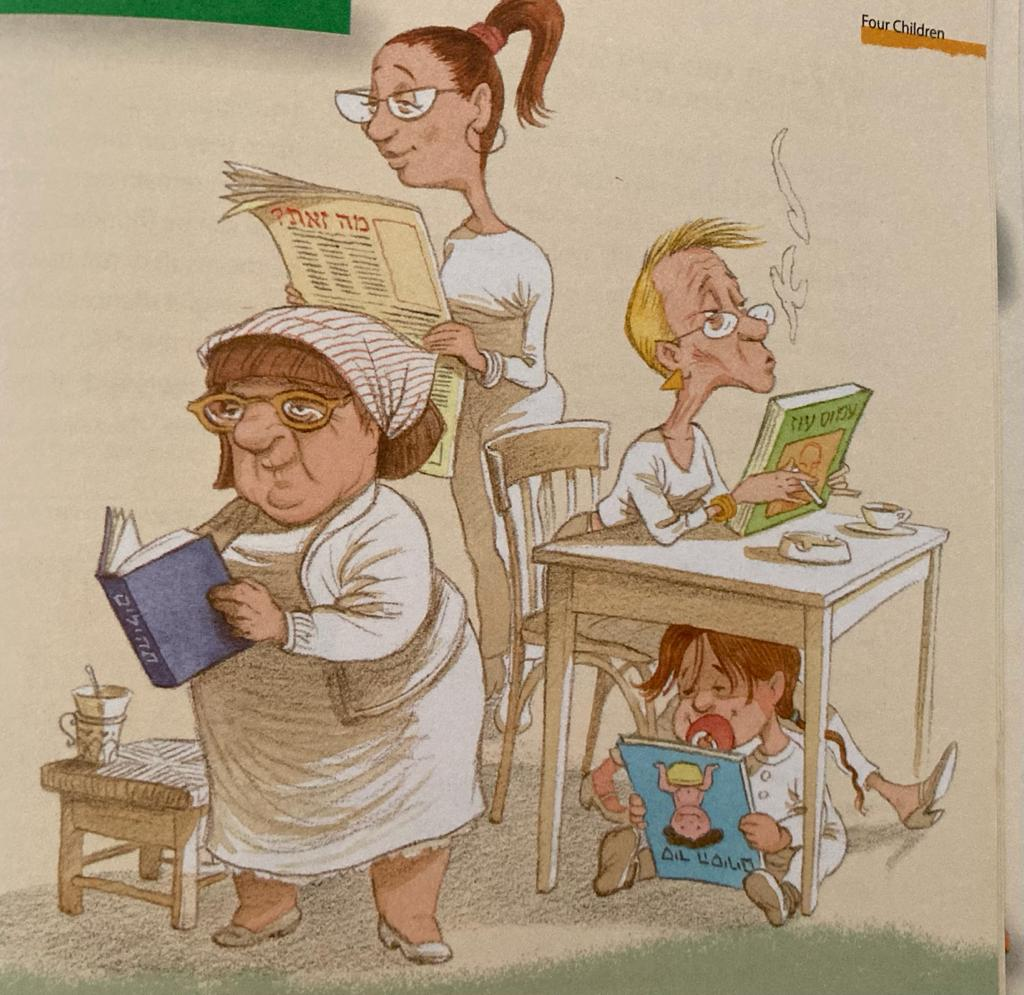
| The Maharal from Prague asks in his Passover Haggadah, why did the Torah specifically refer to these four sons? Are there no other types of sons, such as the smart, the foolish, or the lazy son? Why did the Torah not specifically refer to them? In addition, the question arises, why is the first one the wise, and the second – the wicked? Isn’t the correct order – a righteous son and a wicked son, a wise son and a foolish son. Why are the wise and the wicked written as if against each other? | המהר”ל מפראג שואל בהגדה לפסח שלו, למה התייחסה התורה דוקא לארבעה בנים אלו? וכי אין סוגי בנים נוספים, כמו הבן הפיקח, השוטה, או העצלן? מדוע אליהם לא התייחסה התורה באופן מפורש? בנוסף, נשאלת השאלה, למה הראשון הוא החכם, ואילו השני הוא הרשע? הלא הסדר הנכון הוא – בן צדיק ובן רשע, בן חכם ובן שוטה. למה נכתבים החכם והרשע כביכול אחד נגד השני? |
| It seems (according to the Maharal) that there are certainly other types of sons, but in this mitzvah that deals with the transmission of knowledge, the different types of sons must be referred to in terms of their reception, acceptance, and treatment of the information conveyed to them, and according to these qualities of receiving the information and using it, indeed there are only Four types: The one, has already the knowledge and education he has, uses it as a basis for further development, and tries to add and get wiser from what he already knows. This is the “wise child”, because he is busy all day acquiring wisdom and adding knowledge. The second (the third one here) is not looking for new information. He is comfortable with what he already has, and his lack of knowledge does not bother him, only when he sees something that contradicts his previous data, will he try to find out “what it is”. Such a person is called “Tam”, a simple, wholesome child, because he is happy with what he knows and does not seek to add knowledge. The third (fourth here) not only does not seek knowledge, but also when he comes across strange things that contradict what he knows, he does not try to be interested in them, and he “does not know how to ask”. The fourth type (the second one here) is different. He is not in continuity with the others, but has the same quality as the wise one: he wants to use his knowledge to add wisdom, but his purpose in his wisdom is to harm, to fail others, to prove them wrong, and that their actions are not correct. It’s fascinating to see that a certain person’s trait is not the issue, but how he uses it, and that the exact same trait can be used for both good and bad. | ונראה לומר (כך המהר”ל), שודאי ישנם סוגי בנים נוספים אולם במצווה זו העוסקת בהעברת המסר והידיעה, יש להתייחס דוקא לסוגי הבנים השונים ביחד לצורת קליטתם, קבלתם והתייחסותם לידיעות המועבורת אליהם, וכלפי תכונות אלו של קבלת הידיעות והשימוש בהם, אכן יש רק ארבעה סוגים: האחד, מי שבידיעות וההשכלה שיש לו, משתמש כבסיס להתפתחות נוספת, ומנסה מתוך מה שכבר יודע, להוסיף ולהחכים. זהו ה”חכם”, כי הוא עסוק כל ימיו בקניית חוכמה והוספת דעת. השני (השלישי כאן) לא מחפש ידיעות חדשות. טוב לו ונוח לו במה שכבר בידו, וחסרון ידיעתו לא מפריע לו, רק כשיראה משהו שעומד בסתירה לידיעותיו הקודמות, ינסה לברר “מה זאת”. אדם כזה נקרא “תם”, מלשון שלם, כי טוב לו עם מה שהוא יודע ולא מחפש להוסיף ידע. השלישי (הרביעי כאן) לא רק שלא מחפש ידע, אלא גם כשנתקל בדברים משונים וסותרים את מה שידוע לו, לא מנסה להתעניין בהם, והוא “אינו יודע לשאול”. הסוג הרביעי (השני כאן) שונה. הוא לא נמצא בהמשכיות לאחרים, אלא הוא בעל אותה תכונה כמו החכם: הוא מעוניין להשתמש בידיעות שלו להוסיף חוכמה, אלא שמטרתו בחוכמתו היא להרע, להכשיל אחרים, להוכיח להם שהם טועים, ושמעשיהם לא נכונים. זה מרתק לראות שהתכונה של אדם מסוים אינה הענין, אלא איך הוא משתמש בה, ושאותה תכונה בדיוק יכולה להיות מנוצלת לטוב וגם לרע. |
| This is also a great opportunity to pay attention to the word “rasha”, evil. In Hebrew we speak, for example, of “bad inclination” – yetzer hara, but not of yetzer rasha”, although in English both would be translated with the same word. What is the difference between “bad” – ra and “evil” – rasha? The letter “shin” conveys something that repeats itself – like chewing with the teeth (shinayim). Year / Change (shana). Mishna. “And you shall teach them diligently (veshinantam) it for your sons.” The bad guy makes mistakes, follows his inclination, doesn’t always choose the right side; but the wicked – digs into the wrong side, learns, justifies, and exploits for evil. Here too, the purpose of his question is to mock others. Not only to be a sinner but to pull others after him. We will notice in the Haggadah, the answer to the wicked and the answer to the one who does not know how to ask – is almost the same answer. Perhaps the Haggadah tries to tell us that indifference is a form of wickedness. | זו הזדמנות גם לשים לב למילה “רשע”. בעברית אנחנו מדברים, למשל, על “יצר הרע”, אבל לא “יצר רשע”, למרות שבאנגלית שניהם יתורגמו עם אותה מילה. מה ההבדל בין “רע” ורשע”? האות “שין” משדרת משהו שחוזר על עצמו –כמו לעיסה בשיניים. שנה. משנה. “ושיננתם לבניך”. ה”רע” – עושה טעויות, נסחף אחרי יצרו, לא תמיד בוחר נכון. אבל הרשע – מתחפר בצד הלא נכון, לומד, מצדיק, ומנצל להרע. גם כאן, מטרת שאלתו היא ללעוג לאחרים. לא רק להיות חוטא אלא למשוך אחרים אחריו. נשים לב שבהגדה, התשובה לרשע והתשובה לזה שאינו יודע לשאול – כמעט אותה תשובה. אולי ההגדה מנסה להגיד לנו שאדישות היא סוג של רשעות. |
| The wisdom of the Torah, and the Haggadah after it, is in the progressive idea that we have different children, and each one requires a different way of education. It is interesting to see that precisely in this Torah portion, when we leave slavery for redemption, we receive this educational manifesto: the same explanation will not speak to everyone, but still, this is no reason to give up on the explanation and the transmission of the tradition. | חוכמתה של התורה וההגדה אחריה ברעיון המתקדם שיש לנו ילדים שונים, וכל אחד מצריך דרך חינוך שונה. מעניין לראות שדוקא בפרשה הזו, ביציאה מעבדות לגאולה, אנחנו מקבלים את המניפסט החינוכי הזה: אותו ההסבר לא ידבר לכולם, אך עדיין, אין זו סיבה לוותר על ההסבר ועל העברת המסורת. |
| Further: Rav Adin Steinzaltz suggests that the sons here are not necessarily arranged in horizontal order as if they were all standing in a circle at the same time, but in vertical order, that is – intergenerational. Thus, the first generation was the “wise” (one can think of our grandparents and their connection to the Jewish world). The next generation, the rebels, kicked and asked – “What is this to you? For you and not for him”… The following generation, grew up in the house of the rebellious generation, and saw grandfather doing strange things, like keeping kosher and going to shul… The following generation, grew up in the house of the Tam, se, with his very little knowledge, and with the “rebellious” grandfather. Yes, sometimes he tells how his great-great-grandfather was a rabbi, but he himself hardly knows what to ask… about this generation it’s been said, “And you tell your children”… We must tell and say; teach and not give up. Then, hopefully, we will be able to see this generation awakening, as is happening in a most exciting ways all around us today. | ומעבר לכך: הרב עדין שטיינזלץ מציע שהבנים כאן אינם בהכרח מסודרים בסדר אופקי כאילו כולם עומדים במעגל בו-זמנית, אלא בסדר אנכי, כלומר – בין-דורי. כך, הדור הראשון היה ה”חכם” (אפשר לחשוב על סבי-סבנו והקשר שלהם לעולם היהודי). הדור הבא, התמרד, בעט ושאל – “מה העבודה הזאת לכם? לכם ולא לו”… הדור שלאחר מכן, גדל בבית של הדור המתמרד, וראה את סבא עושה דברים מוזרים, שומר כשרות והולך לבית הכנסת… הדור שלאחר מכן, גדל בבית של התם, עם הידע המועט ביותר שלו, ועם הסבא ה”מתמרד”. כן, לפעמים הוא מספר שסבא-רבא שלו היה רב, אך הוא בעצמו, בקושי יודע מה לשאול… על הדור הזה נאמר, “והגדת לבנך”. עלינו לספר, להגיד. לא לוותר. ללמד. ואז, ב”ה, נוכל לראות את הדור הזה מתעורר, כמו שקורה בצורה מרגשת ביותר היום סביבנו. |
ולכבוד הפרשה – “ביקור” קצר (עם תמונות) במפעל המצות בכפר חב”ד:
And in honor of this Torah portion, a quick visit (wit pictures) to the Kfar Chabad matzah bakery:
https://kfar-chabad.com/info/369
שבת שלום —- SHABBAT SHALOM


 Torah & more... תורה ועוד
מסקרן אותי למה כתבת שבאנגלית רע ורשע יתורגמו עם אותה מילה, אך הגדרת רע – bad – ורשע – evil.