פרשת “בשלח“: “ולא נחם אלוהים דרך ארץ פלישתים“….
| The story of the “Exodus from Egypt”, the wonderful story of a group of slaves who nevertheless and despite everything, came out of bondage to freedom; the story that ignited their imagination and inspired many throughout the generations and throughout the world; that same story is also the story of darkness, of struggle, of depression, of fear, of the background to the picture; of everything that is not told, or told with barely a hint. | סיפור “יציאת מצרים”, הסיפור המופלא של קבוצת עבדים שאף על פי כן ולמרות הכל, יצאו מעבדות לחירות, הסיפור שהצית את דמיונם ונתן השראה לרבים לאורך כל הדורות ובכל העולם, אותו הסיפור הוא גם הסיפור של החושך, של המאבק, של הדכאון, של הפחד, של הרקע לתמונה. של כל מה שלא מסופר, או מסופר בקושי ברמז. |
| “And the Children of Israel went up armed from the Land of Egytpt“, tells us this week’s Torah portion of Be’shalach (starting Exodus 13:18). Armed? How is it possible that a group of slaves, after tens, if not hundreds of years in slavery, left out with war weapons? Do we imagine the Jews of Europe after the Holocaust and the death march, going out like the current fighters of Golani and Givati? Rashi explains that, first of all, we learn from this about the journey ahead. Generally, when a person moves from one place to another on a trip or trek of some kind, he can plan to buy himself most of what he might need at the next place, but the Israelites knew that a. they are going to the desert and not to a inhabited place, and the desert is a place where you cannot buy what you need, and b. that they may encounter enemies and people who are not hospitable to them. Why would they have enemies? Who cares if these slaves finally go home? Indeed, it was already clear to them that they needed to prepare protective measures; that the journey would not be easy. | “וחמושים עלו בני ישראל מארץ מצרים”, אומרת לנו פרשת השבוע, בשלח (המתחילה בשמות יג:יח). חמושים? איך יתכן שחבורת עבדים, אחרי עשרות, אם לא מאות שנים בשעבוד, יצאו בכלי נשק ומלחמה? האם אנחנו מתארים לעצמנו את יהודי אירופה אחרי השואה וצעדת המוות, יוצאים כמו לוחמי גולני וגבעתי? מסביר רש”י, שקודם כל, אנחנו לומדים מכך על המסע לקראתו הם הולכים. בד”כ, כשאדם עובר ממקום למקום, בטיול או טרק כלשהו, הוא יכול לתכנן לקנות לו במקום הבא מה שיצטרך, אך בני ישראל ידעו א. שהם הולכים למדבר ולא למקום ישוב, והמדבר הוא מקום בו אי אפשר לקנות מה שצריך, וב. שהם עלולים להתקל באויבים ואנשים שאינם מסבירי פנים להם. על מה ולמה שיהיו להם אויבים? מה אכפת למישהו שהעבדים האלה סופסוף הולכים הביתה? אכן, היה ברור להם כבר עכישו שצריך להכין אמצעי הגנה, שהמסע לא יהיה פשוט. |
| Rashi brings another interpretation, and this one is the most difficult of all. Because so far, we have dealt with the “p’shat” – the “simple”, straightforward meaning of the word – chamusim means fortified, armed, possessing weapons of war. But the Mechilta (a Midrash on the Book of Exodus from about 2000 years ago which Rashi brings here) says that the word “chamushim” hints at a terrible tragedy: because its shared root with the word chamesh = 5, it means that only “one out of five came out, and four parts died in the three days of darkness”. Yalkut Shimoni adds “And some say, it was one out of fifty. And some say – one of five hundred.” | ורש”י מביא עוד פירוש והוא הקשה מכולם. כי עד כה, עסקנו ב”פשט”: חמושים = חמוש, מזוין, בעל כלי מלחמה. אבל המכילתא (מדרש על ספר שמות מלפני כ-2000 שנה אותו מביא כאן רש”י) אומרת שהמלה “חמושים”, בגלל השורש המשותף לה ולמלה 5, היא רמז לטרגדיה נוראה: שרק “אֶחָד מֵחֲמִשָּׁה יָצְאוּ וְאַרְבָּעָה חֲלָקִים מֵתוּ בִּשְׁלֹשֶׁת יְמֵי אֲפֵלָה”. הילקוט שמעוני מוסיף “ויש אומרים אחד מחמשים. ויש אומרים אחד מחמש מאות”. |
| That is, contrary to what we thought, not all the Israelites left Egypt. There were those who did not believe in the upcoming deliverance and certainly not in its usefulness: ‘What is the point of going to the desert now?’, they said to each other after hearing another announcer explaining the situation to them, ‘Who are we going after? After Pharaoh’s adopted son, this stutterer who barely decided who he is, the one who thinks Gd is speaking to him? Who is he anyway? Does he even have a coalition and support from the people??’… ‘Look, look’, they continued and said, ‘I’ve been here for years, and I’m telling you, we’ve already lost this war. On the first day we already lost. What is there to talk about, they have already won. What about our children that they stole from us? What if we’ll never see them again… it’s better to give up and quickly. And these two old men who always go to Pharaoh? Enough of that. Believe me, it’s just because they like to hang out in the palace… let’s just stay here and make peace with the Egyptians’… | כלומר, בניגוד למה שחשבנו, לא כל בני ישראל יצאו ממצרים. היו כאלה שלא האמינו בגאולה הקרובה ובטח שלא בתועלתה: ‘מה יש לנו ללכת עכשיו למדבר?’, הם אמרו זה לזה אחרי ששמעו עוד קריין מסביר להם את המצב, ‘אחרי מי אנחנו הולכים? אחרי הבן המאומץ של פרעה, המגמגם הזה שבקושי החליט מי הוא, זה שחושב שאלוהים מדבר אליו? מי הוא בכלל? יש לו בכלל קואליציה ותמיכה מהעם??’… ‘תראו, תראו’, הם המשיכו ואמרו, ‘אני כבר פה שנים, ואני אומר לכם, את המלחמה הזו כבר הפסדנו. ביום הראשון כבר הפסדנו! מה יש לדבר, הם כבר נצחו. מה עם הילדים שלנו שהם לקחו? מה אם לא נראה אותם שוב… עדיף לוותר ומהר. ושני הזקנים האלה שכל פעם הולכים לפרעה? די עם זה. תאמינו לי, זה רק בגלל שהם אוהבים להסתובב בארמון… בואו נשאר כאן ונעשה שלום עם המצרים’…. |
| And I think of England in World War II, of the “Blitz”, when from September 1940 to May 1941 Germany bombed London in particular and other British cities mercilessly, day and night. And even afterwards, Britain was subject to the Nazis’ attack until March 1945 – more than 4 and a half years!! The Blitz caused the death of 43,000 civilians (forty-three thousand!! civilians!!), and the destruction of over a million houses (1,000,000!!) , but his strategic goal was not achieved: Britain did not surrender and was not prepared for ground invasion. | ואני חושבת על אנגליה במלחמת העולם השניה, על ה”בליץ” כאשר מספטמבר 1940 ועד מאי 1941 גרמניה הפציצה את לונדון בפרט ושאר ערי בריטניה בלי רחמים, ביום ובלילה. וגם אח”כ, בריטניה היתה נתונה לפגיעתם של הנאצים עד מרץ 1945 – יותר מ-4 וחצי שנים!! הבליץ גרם למותם של 43,000 אזרחים (ארבעים ושלושה אלף!! אזרחים!!), ולחורבנם של למעלה ממיליון בתים (1,000,000!!), אולם מטרתו האסטרטגית לא הושגה: בריטניה לא נכנעה ולא הוכנה הקרקע לפלישה קרקעית. |
| And on the other side of the globe sat, quite quietly, the USA, which one morning in December 1941, its base in Pearl Harbor in Hawaii (Hawaii!) woke up to the strangest and most surprising sound of Imperial Japanese Navy airplanes. The Japanese worked for about two years on this day, in order to surprise the Americans , and indeed, American intelligence did not discover the Japanese plan. Among other things, they had a Japanese spy in Hawaii, and they perfectly disguised their plan by sending ambiguous messages, and holding “peace talks” at the same time between the Japanese ambassador and the American secretary of state. | ובצד השני של הכדור ישבה, די בשקט, ארה”ב, שבבקר אחד בחודש דצמבר 1941, התעורר בסיסה בפרל הארבור שבהוואי (הוואי!) לקולם המוזר והמפתיע ביותר של מטוסי הצי הקיסרי היפני. על היום הזה, עבדו היפנים במשך כשנתיים במטרה להפתיע את האמריקאים, ואכן, המודיעין האמריקאי לא גילה את התוכנית היפנית. בין השאר, היה להם מרגל יפני בהוואי, והם הסוו את תוכניתם בצורה מושלמת באמצעות שליחת מסרים מעורפלים, וקיימו “שיחות שלום” באותו הזמן בין השגריר היפני לשר החוץ האמריקני. |
| In the surprise attack, the United States lost 12 warships, 188 aircraft and 2,459 soldiers and civilians. The next day, then-President Franklin Roosevelt gave his famous speech, and the US rallied and joined the war. Initially, the Imperial Japanese Navy enjoyed an advantage, even a significant one, but no temporary advantage, even if “temporary” meant years, enticed the US leadership to declare that “we have already lost this war”. | בתקיפת הפתע איבדה ארצות הברית 12 ספינות מלחמה, 188 מטוסים ו־2,459 חיילים ואזרחים. למחרת נשא הנשיא דאז, פרנקלין רוזוולט את נאומו המפורסם, וארה”ב התלכדה והצטרפה למלחמה. בתחילה, הצי הקיסרי היפני נהנה מיתרון, אפילו משמעותי, אך שום יתרון זמני, גם אם “זמני” פירושו היה שנים, לא פיתה את מנהיגות ארה”ב להכריז ש”את המלחמה הזו כבר הפסדנו”. |
| The Torah portion of “Be’shelach” opens with the words: “And when Pharaoh sent the people, Gd did not lead them through the land of Philistines for it is near, for Gd said, lest they see war and returned to Egypt…”(13:17) A strange verse. It should have been said something like – ‘And when Gd sent the people, He took them by the shortest route to the Land of Israel, because they had had enough and wanted redemption now and liberation now’… | פרשת “בשלח” פותחת במילים: “וַיְהִ֗י בְּשַׁלַּ֣ח פַּרְעֹה֮ אֶת־הָעָם֒ וְלֹא־נָחָ֣ם אֱלֹהִ֗ים דֶּ֚רֶךְ אֶ֣רֶץ פְּלִשְׁתִּ֔ים כִּ֥י קָר֖וֹב ה֑וּא כִּ֣י אָמַ֣ר אֱלֹהִ֗ים פֶּֽן־יִנָּחֵ֥ם הָעָ֛ם בִּרְאֹתָ֥ם מִלְחָמָ֖ה וְשָׁ֥בוּ מִצְרָֽיְמָה” (יג:יז)… פסוק מוזר. היה צריך להאמר משהו כמו – ‘ויהי בשלח הקב”ה את העם, ויקח אותם בדרך הכי קצרה לארץ ישראל, כי כבר נמאס להם והם רצו גאולה עכשיו ושחרור עכשיו’… |
| But the verse begins by saying that it is Pharaoh who’s the one who sent them. Walking with Gd is wonderful, but in this world, we are not disconnected from other peoples, and – good or bad, we need to work with them and their leaders; and after all the amazing plagues of Gd, it was Pharaoh who sent the people away. And the verse uses the Hebrew word nacham, related to lehanchot, to guide and also from nechama – comfort, because sometimes the longer way is the more correct and more suitable one. And further – Despite the fact that the children of Israel walk with God Almighty, they are scared, and this fear is justified and true and should be recognized because if it is not taken care of, it may have serious consequences, and for that, sometimes one must change the course of action, recalculate and plan differently on the fly, but in no way does it include giving up who we are, nor giving up on the journey. ******* | אבל הפסוק מתחיל בכך שבכלל פרעה הוא זה ששילח אותם. ללכת עם אלוהים זה נפלא, אבל בעולם הזה, אנחנו לא מנותקים מעמים אחרים וצריכים גם לעבוד איתם ועם מנהיגיהם, על הטוב והרע, ואחרי כל המכות המדהימות של הקב”ה, היה זה פרעה ששילח את העם. והפסוק משתמש במילה “נחם” – מלשון הנחיה, וגם, מלשון – נחמה. כי לפעמים הדרך הארוכה, היא דוקא הנכונה והמתאימה יותר. ועוד – למרות זה שבני ישראל הולכים עם אלוהים הכל יכול, יש להם פחד, והפחד הזה, הוא מוצדק ונכון וצריך להכיר בו כי אם לא מטפלים בו, עלולות לו תוצאות קשות, ולשם כך, לפעמים צריך לשנות מסלול, לחשב מחדש ולתכנן אחרת תוך כדי תנועה, אבל בשום אופן, לא לוותר על מי שאנחנו, ולא לוותר על המסע. ******* |
| A friend who recently visited in Israel, said to me, ‘there’s a crazy war in Gaza, and in Tel Aviv, people walk up and down the promenade as if there’s no war at all’! I told her, ‘there’s a war in Gaza. And a war in Tel Aviv, that should not be underestimated. The war in Gaza is everything you see on the news and some. And the war in Tel Aviv is to get up in the morning. To change out of the PJ. To go to work. To but groceries, even more that’s needed. To purchase a new garment because the shopkeeper needs income too. To smile at the students in school. And the teachers. And the cleaning workers, who are not necessarily Jewish. It’s to let someone go ahead in traffic. It’s to go to a movie, meeting, show, even if it’s not clear where the shelter is. It’s all the time to act as if everything is “normal” even though no one has really slept here for more than 110 days… | חברה שבקרה לאחרונה בארץ אמרה לי, ‘בעזה יש מלחמה מטורפת, ובתל-אביב הולכים בטיילת כאילו שאין בכלל מלחמה’! אמרתי לה, יש מלחמה בעזה, ויש מלחמה בתל-אביב שאסור לזלזל בה המלחמה בעזה היא כל מה שרואים בחדשות, ועוד. והמלחמה בתל-אביב היא לקום בבקר. היא לצאת מהפיג’מה. היא ללכת לעבודה. היא לקנות במכולת יותר ממה שצריך. היא לקנות בגד חדש כי המוכרת צריכה הכנסה. היא לחייך לתלמידים בבית הספר. וגם למורים. וגם לאנשי הנקיון, שאינם בהכרח יהודים. היא לתת למישהו להכנס לפני בתנועה. היא ללכת לאירוע – לסרט, הצגה, מפגש, אפילו אם לא ברור איפה המרחב המוגן. היא כל הזמן לעשות כאילו הכל “נורמלי”, למרות שאף אחד לא ממש ישן כאן כבר יותר מ-110 ימים…. |
| ******* This week comes Tu Bashvet – Rosh Hashanah for the trees. The date set by the Sages for counting the fruits of the tree in the Land of Israel according to the mitzvahs that depend on the land that practices the fruits of the tree and require a distinction between the fruits of the new year and the fruits of the year preceding it. It is customary to eat the fruits of the Land of Israel on this day, and there are The editors in it are “Seder 15 Beshevat”. The date symbolizes the connection between the people and the land, and therefore gained many meanings in this context. In recent decades, the practice of planting trees on Tu Shabbat has been renewed, and for some it has become a nature holiday to deal with environmental issues. And all this is wonderful. | ******* השבוע מגיע ט”ו בשבט – ראש השנה לאילנות. תאריך שנקבע ע”י חז”ל למניין פירות האילן בארץ ישראל במצוות התלויות בארץ הנוהגות בפירות האילן ומצריכות הבחנה בין פירות השנה החדשה לפירות השנה שקדמו לה. נהוג לאכול ביום הזה מפירות ארץ ישראל, ויש העורכים בו “סדר ט”ו בשבט”. התאריך מסמל את קשר העם והארץ, ולכן זכה למשמעויות רבות בהקשר זה. בעשורים האחרונים התחדש מנהג נטיעת עצים בט”ו שבבט, ויש שעבורם זה נהיה חג טבע לעיסוק בנושאי איכות הסביבה. וכל זה נפלא. |
| And also, as it is said in the book of Deuteronomy, “For man is the tree of the field” (20:19), which was originally said in a question whose answer is no (and the tree cannot run away from enemies in battle), but was borrowed into a song (by Nathan Zech) and for a parable, that indeed, man He is (like) the tree of the field: like the tree, he may perish. Like the tree, it is consumed by fire. Like the tree, it is thirsty for water. and aims up. | וגם, כמו שנאמר בספר דברים, “כי האדם עץ השדה” (כ, יט), דבר שבמקור נאמר בשאלה שתשובתה היא לא (העץ לא יכול לברוח מפני אויבים בקרב), אך הועבר בהשאלה לשיר (מאת נתן זך) ולמשל, שאכן, האדם הוא (כמו) עץ השדה: כמו העץ, הוא עלול להגדע. כמו העץ, הוא נשרף באש. כמו העץ, הוא צמא למים. ושואף למעלה. |
| Herman Hesse in his charming book “Vagabonds”, wrote a whole treatise on the trees, and at the end: “… He who has learned to listen to the trees, will never again ask to be a tree himself. He will only ask to be himself and nothing else”… perhaps precisely in In this tribe, along with the celebrations of trees and nature and the wonderful beauty of this land, we must also celebrate being who we are, believe in who we are and our journey, for all its complexities, and return to asking – to be us and nothing else. | הרמן הסה בספרו המקסים “נדודים”, כתב מסה שלמה על העצים, ובסופה: “… מי שלמד להקשיב לעצים, שוב לא יבקש להיות עץ בעצמו. הוא לא יבקש אלא להיות הוא ולא דבר אחר“… דוקא בט”ו בשבט הזה, יחד עם חגיגות העצים והטבע והיופי המופלא של הארץ הזו, עלינו גם לחגוג את היותנו מי שאנחנו, להאמין במי שאנחנו ובמסע שלנו, על כל מורכבויותיו, ולחזור לבקש – להיות אנחנו ולא שום דבר אחר. |
שבת שלום SHABBAT SHALOM

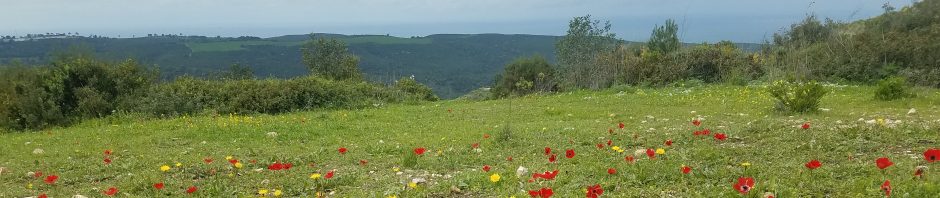
A place to go this week (aside from seeing the country burst in bloom…)
ומקום לבקר השבוע (חוץ מהפריחה הצבעונית היפיפה המתפרצת בארץ)


 Torah & more... תורה ועוד