| A friend of mine recently told me she met a Christian clergy person who told her, ‘I would like to take the place of one of the hostages who are held captive by Hamas.’ What? ‘Yes’, he went on, ‘I want them released and I get Hamas is refusing, so if they want to keep holding on to people, I want to sit in their stead’…. | חברה שלי בארה”ב פגשה לא מזמן איש דת נוצרי שאמר לה, ‘אני מבקש להתחלף עם אחד החטופים שנמצאים בשבי חמאס’. מה? ‘כן,’ המשיך האיש, ‘אני רוצה שישחררו אותם ואני מבין שהחמאס לא מסכים, אז אם הם רוצים להמשיך להחזיק באנשים, אני מוכן לשבת במקומם’… | |
| We would think that most people in the world get up in the morning and give thanks for not sitting in the damp, dark, dangerous tunnels of Hamas, but there are and always have been those who, nevertheless and in spite of everything, choose to tie their fate with our people, for better or for worse, like Jethro, for example, after whom this week’s Torah portion is named. And so does this Torah portion begin: | היינו חושבים שרוב בני האדם בעולם קמים בבקר ומודים על כך שאינם יושבים במנהרות הלחות, חשוכות, מסוכנות של החמאס, אך יש ותמיד היו כאלה שאף על פי כן ולמרות הכל, בוחרים לקשור את גורלם בגורל עמינו, לטוב ולרע, כמו יתרו, למשל, שעל שמו קרויה פרשת השבוע שלנו. וכך נפתחת הפרשה: | |
| “Jethro priest of Midian, Moses’ father-in-law, heard all that Gd had done for Moses and for Israel his people, how Hashem had brought Israel out from Egypt. So Jethro, Moses’ father-in-law, took Zipporah, Moses’ wife… and her two sons… and Jethro, Moses’ father-in-law, came with his (Moses’) sons and wife to Moses to the wilderness, where he was encamped at the mountain of Gd” (Exodus 18:1-5). The commentators debate, what is it exactly that Jethro heard? | “וַיִּשְׁמַ֞ע יִתְר֨וֹ כֹהֵ֤ן מִדְיָן֙ חֹתֵ֣ן מֹשֶׁ֔ה אֵת֩ כׇּל־אֲשֶׁ֨ר עָשָׂ֤ה אֱלֹהִים֙ לְמֹשֶׁ֔ה וּלְיִשְׂרָאֵ֖ל עַמּ֑וֹ כִּֽי־הוֹצִ֧יא ה’ אֶת־יִשְׂרָאֵ֖ל מִמִּצְרָֽיִם. וַיִּקַּ֗ח יִתְרוֹ֙ חֹתֵ֣ן מֹשֶׁ֔ה אֶת־צִפֹּרָ֖ה אֵ֣שֶׁת מֹשֶׁ֑ה… וְאֵ֖ת שְׁנֵ֣י בָנֶ֑יהָ…. וַיָּבֹ֞א יִתְר֨וֹ חֹתֵ֥ן מֹשֶׁ֛ה וּבָנָ֥יו וְאִשְׁתּ֖וֹ אֶל־מֹשֶׁ֑ה אֶל־הַמִּדְבָּ֗ר אֲשֶׁר־ה֛וּא חֹנֶ֥ה שָׁ֖ם הַ֥ר הָאֱלֹהִֽים” (שמות יח, א-ה). נחלקו המפרשים, מה בדיוק שמע יתרו? | |
| Maybe he heard about the Splitting of the Sea? Or the war with Amalek? Perhaps the Torah told of Jethro before the revelation at Mt. Sinai and Jethro heard about that? And anyway, what does it matter what he heard? Shouldn’t Jethro have waited for an invitation from his young son-in-law? And why didn’t Moses send that invitation? The ShaLaH – Rabbi Isaiah Halevi Horowitz, one of the greatest Ashkenazi rabbis in the 17th century, whose named after his compilation, the Two Tablets of the Covenant (Shnai Luchot Habrit)- points that in a careful reading of the verse “And Jethro heard… all that Gd did to Moses and his people of Israel”, we can see that Moshe is mentioned first. What exactly did Gd do to Moses? | אולי שמע על קריעת ים סוף? או מלחמת עמלק? אולי הקדימה התורה את סיפור יתרו למעמד הר סיני, ויתרו שמע על כך? ובכלל, מה זה משנה מה שמע? האם לא היה על יתרו לחכות להזמנה מחתנו הצעיר? ולמה לא שלח משה את אותה ההזמנה? השל”ה – רבי ישעיה הלוי הורוביץ, מגדולי רבני אשכנז במאה ה-17, שנקרא השל”ה ע”ש חיבור שלו, שני לוחות הברית – טוען שבקריאה זהירה של פסוק “וישמע יתרו… את כל אשר עשה אלוהים למשה ולישראל עמו”, נראה שקודם כל, מוזכר משה. מה בדיוק עשה אלוהים למשה? | |
| Earlier we heard that G-d said to Moses: behold, I have made you an Elohim before Pharaoh and Aaron your brother will be your prophet” (7:1). Elohim is usually translated as Gd, but, Moses Gd? The same word can also be used in the sense of a judge, a strong leader. And Israel, the verse continues, “his people”, whose? Seemingly Gd’s, but also… Moses’! | מוקדם יותר שמענו שהקב”ה אומר למשה: “רְאֵ֛ה נְתַתִּ֥יךָ אֱלֹהִ֖ים לְפַרְעֹ֑ה וְאַהֲרֹ֥ן אָחִ֖יךָ יִהְיֶ֥ה נְבִיאֶֽךָ” (שמות ז:א). משה אלוהים? לא במובן של הקב”ה, אלא במובן של שופט, מנהיג חזק. וישראל, ממשיך הפסוק, “עמו”, של מי? לכאורה, של הקב”ה, אך גם… של משה! | |
| Jethro is considered the ultimate spiritual seeker, and here, finally, he discovers “the” thing, the idea he wants to follow. The leadership of the Gd of Israel is different from anything he has seen and known so far. He finds here a way that combines justice and truth with kindness and mercy. Love together with awe. A place with a rich past that gives roots and a foundation but does not shackled one to it, and at the same time offers a future, a belief in a better tomorrow; a vision to look forward to; a purpose and meaning. What attracts Jethro is the way in which one can constantly grow, ascend and draw closer to Gd, a way that is a continuous journey of spirituality and action, as is exemplified by Moses and “his people”. No wonder, then, that Jethro, who wants to participate in this way, comes on his own initiative, and immediately offers his help: “…Why do you sit alone, while all the people stand about you from morning until evening?” he asks Moses (18:14). | יתרו נחשב המחפש הרוחני האולטימטיבי, וכאן, סופסוף, הוא מגלה את “ה”דבר, הרעיון אחריו הוא רוצה ללכת. ההנהגה של אלוהי ישראל שונה מכל מה שהוא ראה והכיר עד כה. הוא מוצא כאן דרך שמשלבת צדק ואמת עם חסד ורחמים. אהבה יחד עם יראה. מקום לעבר עשיר שנותן שורשים ובסיס אך אינו כובל אליו, ומציע יחד עם זאת גם עתיד, אמונה במחר טוב יותר, מבט קדימה לחזון, מטרה ומשמעות. מה שמושך את יתרו היא הדרך בה אפשר כל הזמן לגדול, לעלות ולהתקרב לקב”ה, דרך שהיא מסע מתמשך של רוחניות ועשיה, כדוגמתו של משה ו”עמו”. לא פלא אם כך, שיתרו, הרוצה להשתתף בדרך זו, מגיע ביוזמתו, ומיד מציע את עזרתו: “מַדּ֗וּעַ אַתָּ֤ה יוֹשֵׁב֙ לְבַדֶּ֔ךָ וְכׇל־הָעָ֛ם נִצָּ֥ב עָלֶ֖יךָ מִן־בֹּ֥קֶר עַד־עָֽרֶב”, הוא שואל את משה (יח,יד). | |
| Rav Sherki takes us here to a lesson in geometry: Moshe “sits” on the ground while the people “stand” about him. Here is a picture of half, rickety, right-angle triangle. Jethro’s advice is to add a “yeter” – which is what the long side that connects the two sides of a right triangle is called, so that the base and the perpendicular lines can stand together, a yeter, like Yitro = Jethro. This is a parable to say that in order for the Torah to appear in the world, the people of Israel are needed; and Moses, the leader, the man of Gd, is needed; and the relationship with the nations of the world is also needed. And those who love gematria will say that this is why there are 620 letters in the Ten Commandments, which are 613 commandments of Israel and another seven (7) Noahide Laws. Indeed, our journey is not separate from the rest of the world, and the headlines of the world’s newspapers interested in our situation here will attest to that, without any proportion to our relative number in the world’s population or to our geographical size. | הרב שרקי לוקח אותנו כאן לשיעור בגאומטריה: משה “יושב” על הארץ בשעה שהעם “ניצב” עליו. יש כאן תמונה של חצי משולש ישר זוית רעוע. עצתו של יתרו היא להוסיף “יתר” – הצלע הארוכה המחברת בין שתי הצלעות במשולש ישר זוית, כדי שהבסיס והניצב יוכלו לעמוד ביחד, יתר שהוא – יתרו. זהו משל לכך, שכדי שהתורה תופיע בעולם, צריך את העם, וצריך את משה, המנהיג, איש האלוהים, וצריך גם את הקשר עם אומות העולם. ועוד יגידו אוהבי הגימטריה, שמשום כך יש בעשרת הדברות 620 אותיות, שהם תרי”ג (613) מצוות של ישראל ועוד שבע (7) מצוות בני נח. אכן, המסע שלנו אינו תלוש משאר העולם, ויעידו על כך כותרות עיתוני העולם המתעניינים במצבנו כאן בלי שום פרופורציה למספרנו היחסי באוכלוסיית העולם או לגודלנו הגאוגרפי. | |
| Moses, in this Torah portion introduces us to another issue: so far, all he has said to the Israelites is that he will bring them back to the land of their ancestors, a land flowing with milk and honey. And suddenly, a stop in Sinai. Accept the Torah?? No one talked to us about Torah! We thought we were just stopping to rest a little! What is Torah anyway? Commandments? So many?? We were not told! But Moshe adds: “And you shall be unto Me a nation of priests and a holy people” (19:6), that is, along with the national goal, to get back home to the Land of our Forefathers, we also have a religious-universal role, a role that was not totally clear to them in the initial plan! | משה בפרשה הזו מציג לנו ענין נוסף: עד כה, כל מה שהוא אמר לבני ישראל זה שהוא יביא אותם בחזרה לארץ אבותיהם, ארץ זבת חלב ודבש. ופתאום, עצירה בסיני. לקבל את התורה?? אף אחד לא דבר איתנו על תורה! חשבנו סתם עוצרים לנוח קצת! מה זה בכלל תורה? מצוות? הרבה?? לא אמרו לנו! אבל משה מוסיף: “וְאַתֶּ֧ם תִּהְיוּ־לִ֛י מַמְלֶ֥כֶת כֹּהֲנִ֖ים וְג֣וֹי קָד֑וֹשׁ” (יט,ו), כלומר, יחד עם המטרת הלאומית, לחזור הביתה לארץ האבות, יש לנו גם תפקיד דתי-אוניברסלי, תפקיד שלא היה לגמרי ברור להם בתוכנית המקורית! | |
| “”And all the people answered together and said: everything Hashem said, we will do” (19:8). This can be seen as absolute trust, but… it can also be seen as a complete lack of trust! As if the children of Israel said, ‘everything that Gd says – that we will do it, but what you, Moses, invent for us here and now – that we will not’!! | “וַיַּעֲנ֨וּ כׇל־הָעָ֤ם יַחְדָּו֙ וַיֹּ֣אמְר֔וּ: כֹּ֛ל אֲשֶׁר־דִּבֶּ֥ר ה’ – נַעֲשֶׂ֑ה” (יט,ח). אפשר לראות בכך אמון מוחלט, אך… אפשר לראות בכך גם חוסר אמון! כאילו אמרו בני ישראל, אנחנו, את כל מה שדבר ה’ – את זה נעשה, אבל מה שאתה, משה, ממציא לנו כאן ועכשיו — את זה לא!! | |
| If so, it is possible to better understand the opening of the Ten Commandments immediately following: “I am Hashem your Gd who took you out of Egypt from the house of slavery” (20:2). Rashi tells us: “For appeared on the sea as a war hero” – that is, as a Gd of national aspirations, “And here as an old man full of mercy” – that is, as a religious man who teaches Torah, “do not say there are many Gds” – because the national purpose is not different from the Torah purpose, “rather, I am the one who appeared in Egypt and on the sea.” I (says the Almighty) am the same One, and you too, within yourselves, will build and hold these two principles: to have a unique ethical-religious-spiritual way of life, and at the same time, to be a people like all nations with a land of your own. From time immemorial, different groups pull here and there, here and there, but in the end, our path continues by interweaving both together. | אם כך, אפשר להבין יותר טוב את הפתיח של עשרת הדברות מיד לאחר מכן: “אָֽנֹכִ֖י֙ ה’ אֱלֹהֶ֑֔יךָ אֲשֶׁ֧ר הוֹצֵאתִ֛יךָ מֵאֶ֥רֶץ מִצְרַ֖יִם מִבֵּ֣ית עֲבָדִ֑͏ים” (כ:ב): אומר לנו רש”י: “לפי שנגלה על הים כגיבור מלחמה” – כלומר כאל בעל מטרות לאומיות, “וכאן כזקן מלא רחמים” – כלומר כאיש דת המלמד תורה, “אל תאמרו אלוהות הרבה יש” – שהתכלית הלאומית איננה שונה מהתכלית התורנית, “אלא אנכי הוא שנגליתי במצרים ועל הים”. אני (אומר הקב”ה) הוא אותו האחד, וגם אתם, בתוככם, תבנו ותכילו את שני העקרונות האלה: להיות בעלי דרך חיים ערכית-דתית-רוחנית יחודית, ויחד עם זאת, להיות עם ככל העמים עם ארץ משלכם. מאז ומתמיד, קבוצות שונות מושכות לכאן ולכאן, לכאן ולכאן, אבל בסופו של דבר, הדרך ממשיכה בשזירת שניהם גם יחד. | |
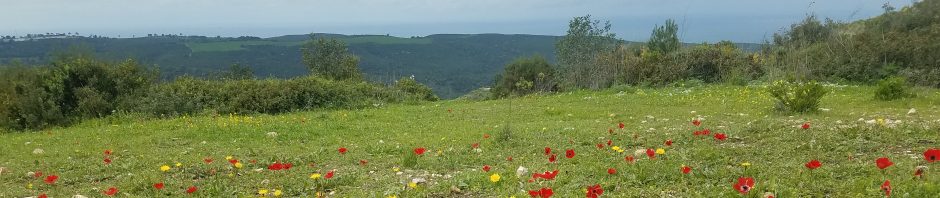
| And if we manage to get out between the rains and the situation and once again, take a little trip with the beautiful blossoms outside, then this week is most appropriate to mention Jethro’s tomb near the village of Kfar Hitim in the eastern lower Galilee (near Karnei Hitin). According to the Druze, who were given management of the place, it’s called the Tomb of A-Nabi Shuaib, after Nabi Shuaib, who is mentioned several times in the Koran as a figure whose job it is to convince the people of Midian to repent. This tombstone is the most sacred to the Druze, and they gather in the spring (April 25) to celebrate its festival. | ואם נצליח לצאת בין הגשמים ובין המצב ולחזור לטייל קצת עם הפריחה היפיפיה בחוץ, הרי שהשבוע מתאים ביותר להזכיר את קבר יתרו בקרבת כפר חיטים שבגליל התחתון המזרחי (ליד קרני חיטין). בפי הדרוזים, להם ניתנה חזקה על המקום, נקרא המקום קבר א-נבי שועייב, על שם נבי שועייב המוזכר בקוראן מספר פעמים כדמות אשר תפקידה לשכנע את אנשי מדין לשוב בתשובה. ציון קבר זה הוא הקדוש ביותר לדרוזים, ומתכנסים באביב (25 באפריל) לחגוג את חגו. | |
| How does Jethro make it from the desert in the south to be buried in the Galilee? It is told about the Kenites tribe who ascended and entered the Land (Judges 4:11) and the descendants of Jethro who were members of the Sanhedrin and “sat in the Gazit chamber” (Sota 11:a, Sanhedrin 106:a). We have testimonies from Jewish pilgrims from the Middle Ages who used to visit Jethro’s tomb in the Kfar Hitim area, and said that not only Jethro is buried there, but also Zipporah, Moshe’s wife, and Yocheved, his mother, and perhaps Miriam his sister, and Elisheva daughter of Aminadav, his sister-in-law. In addition, there is a tradition about a stone on site with Moses’ footprint that Zipporah brought along when they entered the Land with the Israelites, and perhaps it is Jethro’s?… There are additional stories from travelers in past centuries and more. The place is beautifully renovated and open to the public. | איך מגיע יתרו מהמדבר בדרום להקבר בגליל? מסופר על בני שבט הקיני שעלו ונכנסו לארץ (שופטים ד, יא) ועל צאצאי יתרו שהיו חברי הסנהדרין ו”ישבו בלשכת הגזית” (תלמוד בבלי, סוטה יא:א, סנהדרין קו:א). יש לנו עדויות מעולי רגל יהודיים מימי הביניים שנהגו לפקוד את קבר יתרו באיזור כפר חיטים, וספרו שלא רק יתרו קבור שם, אלא גם ציפורה, אשתו של משה, ויוכבד, אמו ואולי גם מרים אחותו, ואלישבע בת עמינדב, גיסתו. בנוסף יש מסורת לגבי אבן במקום ובה טביעת רגלו של משה שציפורה הביאה כשנכנסה לארץ עם בני ישראל, ואולי של יתרו?… סיפורים נוספים ממטיילים במאות שעברו ועוד, אפשר לקרוא כאן. המקום משופץ ומושקע ופתוח למטיילים. |
שבת שלום SHABBAT SHALOM


 Torah & more... תורה ועוד