
פרשת “משפטים” – יד לאשה הלוחמת
| There is one tiny passage in the Torah discussing a man’s obligations towards his wife, and it can be found in this week’s parasha, Parashat Mishpatim: If he takes unto himself another (wife), her food (she’era), her clothing (k’suta), and her conjugal rights (onata), shall he not diminish (Exodus 21:10)… | יש קטע אחד קטן בתורה הדן בחובותיו של אדם כלפי אשתו, וניתן למצוא אותו בפרשת השבוע, פרשת משפטים: אִם־אַחֶ֖רֶת יִֽקַּֽח־ל֑וֹ שְׁאֵרָ֛הּ כְּסוּתָ֥הּ וְעֹנָתָ֖הּ לֹ֥א יִגְרָֽע׃ (שמות כא:10)… | |
| Just last week, we were at Sinai; the mountain was smoking; the shofar sounded, and we could actually see the sounds! Moses brought down the Ten Commandments and we all answered in unison, “na’ase venishma” – ‘we will do and we will listen’. Wow, it was such an amazing experience! To what new heights will the Torah take us this week? | רק בשבוע שעבר היינו בסיני; ההר עשן; השופר נשמע, וממש יכולנו לראות את הקולות! משה הביא את עשרת הדיברות וכולנו ענינו פה אחד, “נעשה ונשמע”. וואו, זו הייתה חוויה כל כך מדהימה! לאילו פסגות חדשות תביא אותנו התורה השבוע? | |
| This week begins as if it’s a seemingly natural continuation – symbolized by the connecting letter “vav” (meaning “and”) in its opening verse, but then, it seems like a downer. This week’s Torah portion includes many detailed mitzvot, most dealing with utter minutia. Almost 10% of the 613 commandments are in this week’s Torah portion! It’s as if the Torah wants us to realize that we’re not only about dramatic experiences, thunder and lightening, shofars and voices, but rather, about bringing Gd’s presence into the tinies things in our daily life. | פרשת השבוע הזה מתחילה כאילו בהמשך טבעי לכאורה, המסומל באות המקשרת “וו” בפסוק הפותח, אבל אז, זה נראה כמו נפילה. פרשת השבוע כוללת מצוות רבות ומפורטות, רובן עוסקות בפרטי פרטים. כמעט 10% מתרי”ג מצוות מובאות בפרשת השבוע הזו! זה כאילו התורה רוצה שנבין שאנחנו לא רק בענין חוויות דרמטיות, רעמים וברקים, שופרות וקולות, אלא בלהביא את נוכחות האלוהים אל הדברים הקטנים בחיי היום-יום שלנו. | |
| Mishpatim begins with the laws of eved ivri – a Hebrew servant or slave and, interestingly, not the slave’s but the owner’s (!) obligations towards him. From there, the passage goes on to describe the master’s obligations towards a female maidservant (again, his obligations, not hers!). It follows that if it’s the maidservant’ right to receive all these from her master, then all the more so, these would be things that a man is obligated towards his wife. | פרשת משפטים מתחילה בהלכות עבד עברי, ומעניין, לא עוסקת בחובותיו של העבד אלא אלו של הבעלים(!) כלפיו. משם, הטקסט ממשיך לתיאור חובותיו של האדון כלפי שפחה (שוב, חובותיו שלו, לא אלה שלה!). מכאן מובן שאם אלו הן זכויותיה של השפחה לקבל את כל אלה מאדוניה, על אחת כמה וכמה, אלו יהיו דברים שגבר חייב כלפי אשתו. | |
| The Talmud and later commentators differ in their translations and insights about the meaning of these three requirements mentioned in the verse above, she’era, k’suta & onata. The section (from Tractate Ktubot 47:b-48:b) is a little long but well worth it: | התלמוד והמפרשים המאוחרים יותר חלוקים בתרגומם ובתובנותיהם לגבי משמעותן של שלוש הדרישות הללו המוזכרות בפסוק הזה – “שארה, כסותה, עונתה”. הקטע שמסביר אותן ממסכת כתובות (מז:ב-מח:ב) קצת ארוך אבל שווה את זה: | |
| Rava said: This tanna, in the baraita cited below, maintains that the obligation of a husband to provide his wife’s sustenance applies by Torah law, as it is taught with regard to the verse pertaining to a husband’s obligations toward his wife: “If he takes another wife for himself, her food [she’era], her clothing [kesuta], and her conjugal rights [onata], he shall not diminish” (Exodus 21:10). “She’era”; this is sustenance, and it likewise states: “Who also eat the flesh [she’er] of my people” (Micah 3:3). “Kesuta” is understood in its literal sense as referring to clothing. “Onata”; this is her conjugal rights, which is stated in the Torah, and so it says: “If you shall afflict [te’aneh] my daughters” (Genesis 31:50), which indicates that a husband may not deprive his wife of her conjugal rights. | אמר רבא: האי תנא סבר [תנא זה שלהלן סבור] שחובת הבעל במזונות האשה היא מדאורייתא [מן התורה], דתניא [שכן שנינו בברייתא] על הכתוב באמה עבריה “כמשפט הבנות יעשה לה… שארה כסותה ועונתה לא יגרע” (שמות כא, ט-י): “שארה” — אלו מזונות. וראיה לדבר שהן מזונות — וכן הוא אומר: “ואשר אכלו שאר עמי” (מיכה ג, ג), שמשמעו — בשר עמי. “כסותה” — כמשמעו, כלומר, חובתו להלביש אותה בבגדים. “ענתה” — זו עונה של תשמיש (יחסי אישות) האמורה בתורה לכל אדם לפי הפנאי שלו, וכן הוא אומר “אם תענה את בנותי” (בראשית לא, נ), שפירושו: שלא ימנע מהן עונתן. | |
| The araita continues: Rabbi Elazar says: “She’era”; this is her conjugal rights, and so it says: “None of you shall approach to any who is near [she’er] of kin to him, to uncover their nakedness” (Leviticus 18:6), which demonstrates that the word she’er is used in the context of sexual relations. “Kesuta” is understood in its literal sense as referring to clothing. “Onata”; this is sustenance, and so it says: “And He afflicted you [vayanekha], and made you suffer hunger, and fed you with manna” (Deuteronomy 8:3). | ר’ אלעזר אומר: “שארה” — זו עונה. וראיה לדבר ש”שאר” פירושו ענין של תשמיש — וכן הוא אומר: “איש איש אל כל שאר בשרו לא תקרבו לגלות ערוה” (ויקרא יח, ו). “כסותה” — כמשמעו, בגדים. “עונתה” — אלו מזונות, וכן הוא אומר: “ויענך וירעבך ויאכילך את המן“ (דברים ח, ג). | |
| And how about this next paragraph? Don’t just give some shmate (a rag) to “put something on”, but a fitting, comfortable, useful, appropriate piece of clothing: Rabbi Eliezer ben Ya’akov says that she’era and kesuta should be interpreted as follows: In accordance with her flesh [she’era], i.e., her age, give her clothing [kesuta]. This means that he should not give the garments of a young girl to an elderly woman, nor those of an elderly woman to a young girl. Similarly, kesuta and onata are linked: In accordance with the time of year [onata], give her clothing [kesuta], meaning that he should not give new, heavy clothes in the summer, nor worn-out garments in the rainy season, i.e., the winter, when she requires heavier, warmer clothes. | ומה על פסקת ההמשך? שלא סתם יתן לה איזה שמאטע (סמרטוט) ש”תשים משהו על עצמה”, אלא שהיו אלה בגדים מתאימים, נוחים, שימושיים: ר’ אליעזר בן יעקב אומר: “שארה” ו“כסותה” הם ענין אחד, והכוונה: לפום [לפי] שארה, לפי בשרה ולפי גילה — תן כסותה, שלא יתן לה לא בגדים של ילדה (צעירה) לזקינה, ולא של זקינה לילדה. וכן “כסותה” ו”ענתה” הם ענין אחד: לפום [לפי] עונתה וזמנה תן כסותה, שלא יתן בגדים חדשים ועבים בימות החמה, ולא שחקים (בגדים שנשחקו) בימות הגשמים, שבימים אלה היא זקוקה לבגדים עבים ומחממים. | |
| ‘Ok, ok, fine’ says the husband, ‘here, get yourself some dress; fine, get yourself a “nice” dress, but… I still don’t want to be too close to you’. To that the Talmud says: Rav Yosef taught the following araita: “She’era,” this is referring to closeness of flesh during intercourse, which teaches that he should not treat her in the manner of Persians, who have conjugal relations in their clothes. The Gemara comments: This araita supports the opinion of Rav Huna, as Rav Huna said: With regard to one who says: I do not want to have intercourse with my wife unless I am in my clothes and she is in her clothes, he must divorce his wife and give her the payment for her marriage contract…. (that is, staying away from her physically is considered unacceptable and torturous for her and he’s not allowed to do that). | ‘אוקי, אוקי, בסדר’, אומר הבעל, ‘הנה, תקני לך איזה בגד, טוב, תקני לך משהו “יפה”, אבל… אני לא רוצה להיות קרוב מידי אליך’. לכך עונה התלמוד: תני [שנה] רב יוסף ברייתא זו: “שארה” — זו קרוב בשר בזמן תשמיש, שלא ינהג בה מנהג פרסיים שמשמשין מטותיהן בלבושיהן. ומעירים: האמור בברייתא זו מסייע ליה [לו] לרב הונא, שאמר רב הונא: האומר “אי אפשי (אין אני רוצה) לשמש את המטה אלא כשאהיה אני בבגדי והיא בבגדה” — במקרה כזה יוציא (יגרש את אשתו) ונותן כתובה, וכדברי התנא בברייתא שחובה מן התורה היא להיות בשעת תשמיש בקירוב בשר. | |
| Later commentators continue the debate: Onkelos, Rashi and the Rambam understand she’era to be her food and sustenance; k’suta – her clothing, and onata – sexual relations. Ibn Ezra, however, explains that while onata might come from ona – sexual “time”, it can also be derived from ma’on – a dwelling place, thus implying housing, shelter. The Rashbam, Rashi’s grandson, agrees with Ibn Ezra’s reading of “housing” and thinks that the Torah would not have to mention sexual relations because that is “obvious”. Ramban is the most surprising since he thinks that all three have to do with the connectedness between husband and wife: she’era – from she’er basar, close relative; k’suta – hinting at the bedspread, and onata – their relations. Accordingly, there is no need to mention food and clothing as those go without saying. | פרשנים מאוחרים יותר ממשיכים את המחלוקת: אונקלוס, רש”י ורמב”ם מבינים “שארה” – המזון והמחיה, “כסותה” – הבגדים שלה, “עונתה” – יחסי אישות. אבן עזרא לעומתם מסביר שיתכן ש”עונתה” מגיע הקשור לעונה ויחסי אישות, אולי שייך גם למילה “מעון”, כלומר בית, מגורים, מחסה. הרשב”ם, נכדו של רש”י, מסכים עם אבן עזרא בענין ה”מעון” וחושב שהתורה לא היתה מזכירה יחסי אישות כי זה “מובן מאליו”. רמב”ן הכי מפתיע כי הוא חושב שכל שלושת המונחים עוסקים בקשר שבין איש לאשתו: “שארה”, מהמונח “שאר בשר”, כלומר, קרבה. “כסותה”, שזהו רמז לכיסוי המיטה. “עונתה” – היחסים הקבועים ביניהם. לפיו, לא צריך להזכיר מזון ובגדים כי זה ברור. | |
| It’s always amazing to note the sages’ lack of shyness as they share different personal stories about intimacy. Well known is the following (Tractate Brachot 62:a): | תמיד מעניין לראות את חוסר הבושה אצל חז”ל כשהם משתפים סיפורים אישיים שונים בענייני אינטימיות. אולי המפורסם הוא הסיפור הבא (מסכת ברכות סב:א): | |
| Rav Kahana entered and lay beneath Rav’s bed. He heard Rav chatting and laughing with his wife, and seeing to his needs, i.e., having relations with her. Rav Kahana said to Rav: The mouth of Abba, Rav, is like one whom has never eaten a cooked dish, i.e., his behavior was lustful. Rav said to him: Kahana, you are here? Leave, as this is an undesirable mode of behavior. Rav Kahana said to him: It is Torah, and I must learn. | מסופר שרב כהנא על, גנא תותיה פורייה [נכנס, ושכב תחת מיטתו] של רב. שמעיה [שמע אותו] את רב שהוא שח עם אשתו, ושחק עמה, ועשה צרכיו (שימש מטתו). אמר ליה [לו] רב כהנא לרב: דמי פומיה [דומה פיו] של אבא, רב, כמי שלא שריף תבשילא [אכל תבשיל], שנראה שהוא מתנהג בחמדנות. אמר ליה [לו]: כהנא, הכא את [כאן אתה]? פוק, דלאו ארח ארעא [צא, שאין זה דרך ארץ]. אמר לו רב כהנא: תורה היא, וללמוד אני צריך. | |
| But let us not mistake being open and even playful for being lightheaded, careless or disrespectful. Of course, anything related to “women’s treatment”, is an issue that raises numerous questions, debates and discussions. Nevertheless, the seriousness and respect with which the sages regarded and treated women in general and their marital relations in particular, should not be overlooked, definitely not when set on the backdrop of the ancient world and the time it was written, and you know what, maybe even more so, considering what we’ve seen recently, in the “modern” world as well, when it comes to global “women’s organizations” and their response (or lack thereof) to the Oct 7 atrocities. | אבל אל לנו לבלבל פתיחות ואפילו סוג של שובבות עם קלות ראש, רשלנות או חוסר כבוד. כמובן שכל מה שקשור ל”ענייני בנשים” הוא נושא שמעלה שאלות, ויכוחים ודיונים רבים. ולמרות זאת, אין להתעלם מהרצינות והכבוד שבה ראו והתייחסו חז”ל לנשים בכלל וליחסי הנישואין שלהם בפרט, בוודאי לא כשהם עומדים על רקע העולם העתיק והתקופה שבה נכתב הטקסט, ואתם יודעים מה, אולי אפילו יותר, בהתחשב במה שראינו לאחרונה, גם בעולם ה”מודרני”, בכל הנוגע ל”ארגוני נשים” גלובליים ולתגובתם (או היעדר התגובה) לזוועות ה-7 באוקטובר. | |
| The question before us therefore, is not about the Torah’s ideal, but about its application in the present and future. How do we continue the journey we began at Sinai, carrying the values we received then and there into our current life? How do we answer new questions relying, using and respecting the precise letter of the law, and holding on to its spirit as well? That is the task at hand. | השאלה העומדת בפנינו אם כן, איננה לגבי האידיאל של התורה, אלא על יישומו בהווה ובעתיד. איך ממשיכים את המסע שהתחלנו בסיני, איך נושאים את הערכים שקיבלנו אז ושם לחיינו הנוכחיים? כיצד אנו עונים על שאלות חדשות תוך הסתמכות, שימוש וכבוד לדיוק בחוק ובמצוות, ויחד עם זאת, לא מאבדים גם את רוח הדבר? זו המשימה שעל הפרק. | |
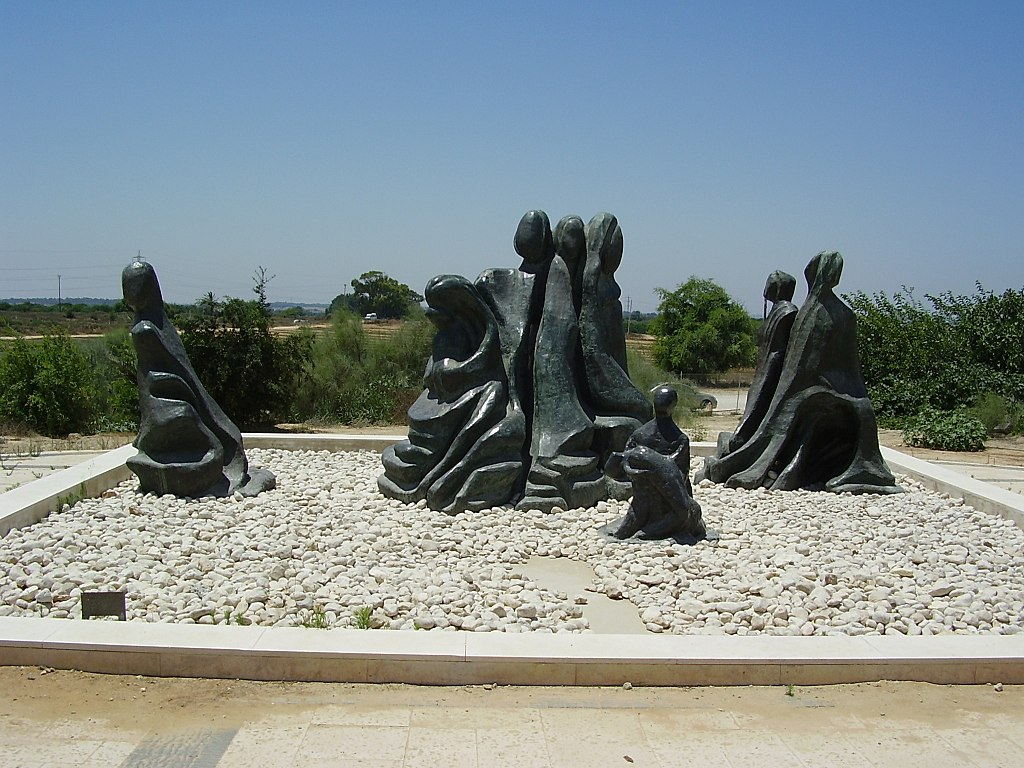
| For this week then, let’s head south and just before Ashkelon, turn west towards Nitzan, a community that sits on the location of the old Kibbutz Nitzanim which was conquered in 1948 y the Egyptians and destroyed. The kibbutz was rebuilt a few km south and the old location went through its transformations. In 2005 it became a “temporary” home for people who were evacuated from Gush Katif / Gaza strip, where most live to this day. The 1948 battle site has been turned into a memorial, documenting and modeling what happened there. Along with that, a Monument for Fighting Women, Yad La’isha Halochemet, built marking 50 years to the battle, with a number of bronze sculptures for women fighters in that specific battle and women’s contribution to the armed forces in Israel in general, including Sarah Aronson, Hannah Senesh and more. As has been said, ‘we’ve only just begun’. | השבוע נצא דרומה וקצת לפני אשקלון, נפנה מערבה לכיוון ניצן, יישוב קהילתי שיושב על מקומו של קיבוץ ניצנים הישן שנכבש בשנת 1948 על ידי המצרים ונחרב. הקיבוץ נבנה מחדש כמה ק”מ דרומה והמיקום הישן עבר תמורות, כולל היותו כפר נוער. בשנת 2005 הוא הפך לביתם ה”זמני” של מפונים מגוש קטיף/רצועת עזה, שם מתגוררים רובם עד היום. אתר הקרב של 1948 הפך מקום הקרב לאנדרטה המתעדת ומשתפת במה שקרה שם. אחד הדברים המיוחדים זו האנדרטה “יד לאשה הלוחמת”. במקום, שנבנה במלאת 50 שנה לקרב של 1948, מספר פסלי ברונזה וציטוטים של נשים שלחמו בקרב “ניצנים הישנה” החוגגים את תרומתן של הנשים למערכת כוחות הבטחון בישראל, וביניהן גם שרה ארונסון, חנה סנש ועוד. כמו שנאמר, וזוהי רק התתחלה. |


 Torah & more... תורה ועוד