פרשת תצווה: עם משה ואהרון מול המקדש בהר הזיתים…
| This week’s Torah portion, Tetzave, starts with an unusual opening: “And you shall command the Children of Israel”… (Exodus 27:20). This is the only portion since Moses’ birth until his death, where Moshe’s name is not mentioned. The commentators link the absence of his name to the condition that he set before Gd in the next Torah portion, Ki Tisa: “Now, if You forgive their sin [well and good]; but if not, please erase me from Your book which You have written!” (Exodus 32:32), that is, if you forgive them, all is well, and if not, erase my name from Your book. Gd claims again that He erases only the names of those who sin against Him, which is not Moshe’s name. And yet, this is the explanation why in our Torah portion this week, Moshe’s name does not appear, not even once. | פרשת השבוע, פרשת תצווה, פותחת בפתיח לא שגרתי: וְאַתָּ֞ה תְּצַוֶּ֣ה אֶת־בְּנֵ֣י יִשְׂרָאֵ֗ל”… (שמות כז:כ). זו הפרשה היחידה מאז הולדת משה ועד מותו, בה שמו של משה אינו מוזכר. המפרשים מקשרים את העדר שמו לתנאי שהציב לקב”ה בפרשה הבאה, פרשת כי תישא: “וְעַתָּה אִם תִּשָּׂא חַטָּאתָם, וְאִם אַיִן – מְחֵנִי נָא מִסִּפְרְךָ אֲשֶׁר כָּתָבְתָּ” (שמות לב:לב), כלומר, אם תסלח להם, הכל טוב, ואם לא, תמחוק את השם שלי מהספר שלך. הקב”ה טוען בחזרה שהוא מוחק רק שמות אלה החוטאים נגדו, כלומר, לא את שמו של משה. ובכל זאת, זהו ההסבר לכך שבפרשה השבוע שלנו, שמו של משה לא מופיע, אפילו פעם אחת. |
| If Moshe does not appear here, who does? The first part of the portion deals with the commandment to prepare the priestly garments of Aaron and his sons. The “regular” priests (also called hedyotot laymen in Hebrew) had four garments: a migba’at (hat/head covering), a tunic, a sash (belt), and pants. The high priest, on the other hand, had a set of eight unique clothes: besides the tunic, sash and pants like the regular priests, he had a turban for his head, a special “crown” around the turban, a breastplate, a vest and a coat. Just like we saw with the Mishkan, where every item had meaning and significance, here too, in the clothes of the priesthood, of those who serve in the sanctuary, every detail has symbolism and meaning. | אם משה לא מופיע, מי כן? החלק הראשון של הפרשה עוסק בציווי על הכנת בגדי הכהונה של אהרון ובניו הכוהנים. לכוהנים ה”רגילים” (שנקראים גם בעברית הדיוטות) היו ארבעה בגדים: מגבעת (כובע/ כיסוי ראש), כותונת, אבנט (חגורה), ומכנסיים. לכהן הגדול לעומת זאת היתה מערכת של שמונה בגדים יחודיים: מלבד הכותונת, אבנט ומכנסיים כמו הכוהנים הרגילים, היתה לו מצנפת לראשו, ציץ סביב המצנפת, חושן, אפוד ומעיל. ממש כמו שראינו במבנה המשכן, כשלכל פריט היתה משמעות ומסליות, גם כאן, לבגדי הכהונה, של אלה המשרתים בקודש, לכל פרט יש סמליות ומשמעות. |
| One moment. If the priests are so central to the sacred service, where was Aaron in the previous Torah portion? Right, he wasn’t there. A coincidence? 😊 you’re guessing it’s not. | רגע. אם הכוהנים כל כך מרכזיים לעבודת הקודש, איפה היה אהרון בפרשה הקודמת? נכון, הוא לא היה. מקרה? 😊 אתם מנחשים שלא. |
| The presence of Moshe in the Torah portion of Teruma versus that of Aaron in Tetzave tells a broader story, about two aspects of the Torah (and not two “Torahs”): the Torah of Moses which asks the people to contribute to the tabernacle “each one as much as their heart moves them” (Exodus 25:2 ) compared with Aharon’s Torah in which the second word is “tetzave“, to command. The human being of Teruma is fundamentally righteous. From his heart he volunteers and does what is right and necessary for the common good. His goal in building the tabernacle is to draw closer to Gd, to connect heaven and earth. On the other hand, the human being of Tetzave, from which Moshe is absent, is not necessarily righteous. He doesn’t exactly know what to do and needs not only guidance but a clear command. It sounds like he might make mistakes and we need to create ways for him to correct and atone. A priest. An altar. Incense. A washbasin. | נוכחותו של משה בפרשת תרומה מול נוכחותו של אהרון בפרשת תצווה, מספרת סיפור רחב יותר, על שני אספקטים של התורה (חלילה לא שתי “תורות”): תורת משה שמבקשת מהעם לתרום למשכן “כׇּל־אִישׁ֙ אֲשֶׁ֣ר יִדְּבֶ֣נּוּ לִבּ֔וֹ” (שמות כה:ב) לעומת תורת אהרון שהמילה השניה בה היא “תְּצַוֶּ֣ה”. האדם של פרשת תרומה הוא צדיק מיסודו. מתוך ליבו הוא מתנדב ועושה מה שנכון וצריך למען הכלל. מטרתו בבנית המשכן היא להתקרב אל ה’, לחבר בין שמים וארץ. לעומתו, האדם בפרשת תצווה, שמשה נעדר ממנה, אינו צדיק בהכרח. הוא לא בדיוק יודע מה לעשות וצריך לא רק הכוונה אלא ציווי ברור. נשמע שהוא עלול לעשות שגיאות וצריך ליצור עבורו דרכים לתקן ולכפר. כהן. מזבח. קטורת. כיור. |
| We have no idea what Moshe is wearing. In the movies we saw him with a long robe, in the style of the desert monks or the Bedouins in the Negev. In contrast, Aaron has “holy clothes… for honor and glory”, colorful, expensive, magical clothes, decorated with gold and precious stones. On his chest are the Urim & Tumim with which he can communicate with the Divine. Around his coat are small bells in the shape of pomegranates so that his clothes also play music! Definitely, a performance that intends to leave an impression on the soul. Indeed, “for honor and glory”. | אין לנו מושג מה לובש משה. בסרטים ראינו אותו עם גלימה ארוכה, בסגנון הנזירים במדבר או הבדואים בנגב. לעומתו לאהרון, “בגדי קודש… לכבוד ולתפארת”, בגדים צבעוניים, יקרים, קסומים, מקושטים בזהב ואבנים יקרות. על חזהו האורים והתומים איתם יוכל לתקשר עם הקודש. סביב מעילו פעמונים קטנים בצורת רימונים כך שבגדיו גם משמיעים מוסיקה! בהחלט, הופעה שכוונתה להשאיר רושם בנפש. אכן, “לכבוד ולתפארת”. |
| And yet, with all this precise and beautiful setting, how many times a year is the High Priest called to enter the Holy of Holies? Once a year, on Yom Kippur. On the other hand, Moshe can enter the Holy of Holies all the time, whenever he is called, and since he does not know exactly when that is, he should always be available. On the other hand, the people feel much more comfortable with Aaron, their man, while Moses, he is a servant of God who has not risen like him “a prophet in Israel, who, Gd knew face to face” (Deuteronomy 34:10). | ובכל זאת, עם כל התפאורה המדויקת והיפיפה הזו, כמה פעמים בשנה נקרא הכהן הגדול להכנס אל קודש הקודשים? פעם אחת בשנה, ביום הכיפורים. לעומת זאת, משה יכול להכנס לקודש כל הזמן, מתי שהוא נקרא, ומכיון שהוא לא יודע מתי זה בדיוק, הוא צריך להיות זמין תמיד. מצד שני, העם מרגיש הרבה יותר בנוח עם אהרון דוקא, האיש שלהם, בעוד משה, הוא עבד ה’ שלא קם כמותו “נָבִ֥יא ע֛וֹד בְּיִשְׂרָאֵ֖ל… אֲשֶׁר֙ יְדָע֣וֹ ה’ פָּנִ֖ים אֶל־פָּנִֽים” (דברים לד:10). |
| This division between them is particularly noticeable here, but it will accompany us for several portions. The question that is asked of course is, whose way is better, Moshe’s or Aaron’s? And the answer of course is, yes. But things are not simple. In the book of Malachi, the last prophet, it is said (3:22-23): “Remember the Torah of Moses My servant, which I commanded in Horev (Sinai) over all Israel, laws and judgments.” On the other hand, Hillel the Elder advises us in the Sayings of the Fathers (1:12): “Hillel says: Be of the disciples of Aaron, who love peace, and pursues peace; who love those created, and brings them close to the Torah.” The “yes” we say to both is not “cholent” / chamin (stew), but two different and separate tools for our use. Most of the time, the Torah of Moses was and still is the leading one, but maybe it’s time to use a little more of the Torah of Aaron and be someone who “love peace, and pursues peace, who love those created, and brings them close to the Torah”. | החלוקה הזו ביניהם בולטת במיוחד כאן, אך היא תלווה אותנו במשך כמה פרשות. השאלה שנוכל לשאול היא, דרכו של מי עדיפה, של משה או של אהרון? והתשובה כמובן היא, כן. אך הדברים לא פשוטים. בספר מלאכי, הנביא האחרון, נאמר (ג, כב-כג):”זִכְרוּ תּוֹרַת מֹשֶׁה עַבְדִּי אֲשֶׁר צִוִּיתִי אוֹתוֹ בְחֹרֵב עַל כָּל יִשְׂרָאֵל חֻקִּים וּמִשְׁפָּטִים”. לעומת זאת, הלל הזקן מייעץ לנו בפרקי אבות (א,יב): “הִלֵּל אוֹמֵר: הֱוֵי מִתַּלְמִידָיו שֶׁל אַהֲרֹן, אוֹהֵב שָׁלוֹם, וְרוֹדֵף שָׁלוֹם, אוֹהֵב אֶת הַבְּרִיּוֹת, וּמְקָרְבָן לַתּוֹרָה”. ה”כן” שאנחנו אומרים לשניהם איננו “צ’ולנט” / חמין, אלא שני כלים שונים ונפרדים לשימושנו. רוב הזמן, היתה ועודנה תורת משה המובילה, אך אולי הגיע הזמן להשתמש קצת יותר בתורת אהרון ולהיות “אוֹהֵב שָׁלוֹם,וְרוֹדֵף שָׁלוֹם, אוֹהֵב אֶת הַבְּרִיּוֹת וּמְקָרְבָן לַתּוֹרָה”. |
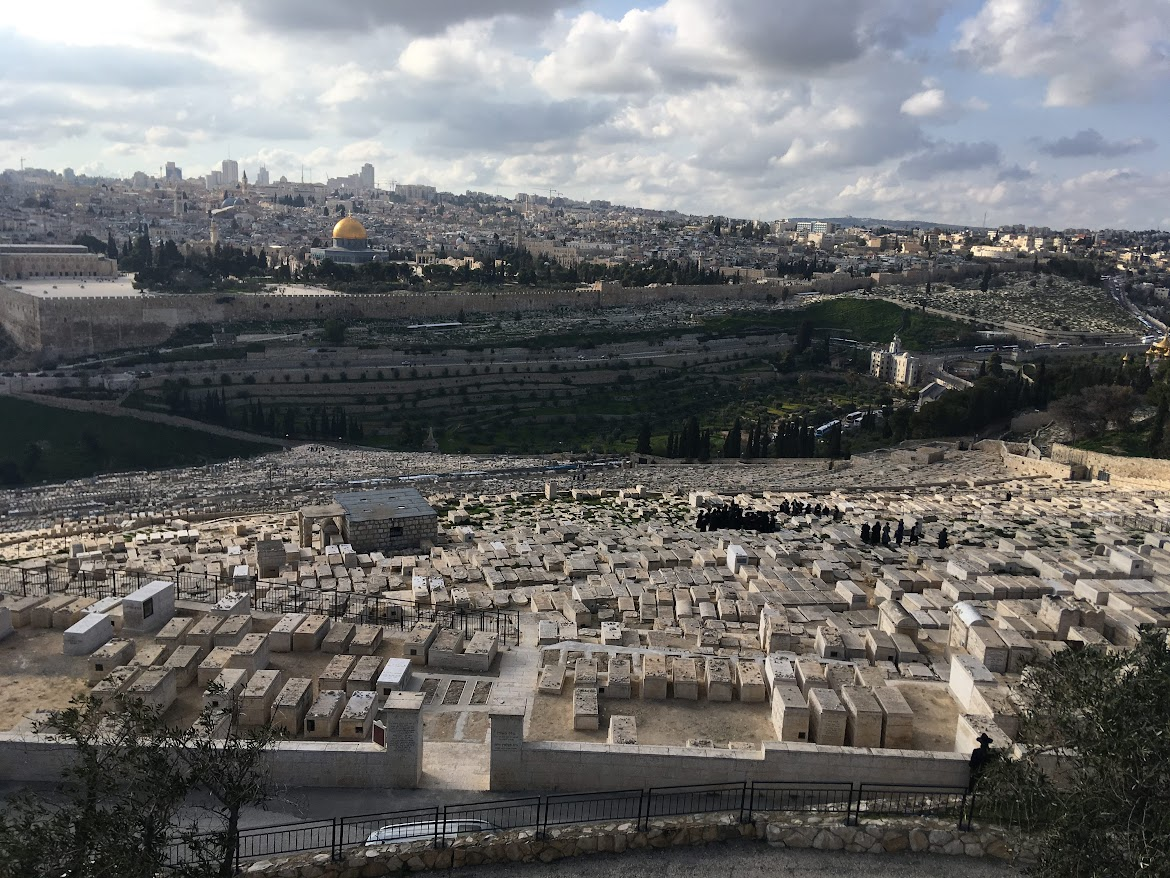
| In honor of the continuation of the first verse in Tetzave, the commandment commanding the Israelites to take “pure olive oil for the eternal light to bring it up always” (and we have already dealt here with the olive trees themselves on another occasion), we will go up this week to… Mount of Olives. The mountain, or more correctly, the ridge, is to the east of the old city of Jerusalem, and from there, we have one of the best views of the city and the area. Today, the western part is a Jewish cemetery, and burial here began thousands of years ago, because the mountain is built of soft limestone that is relatively easy to quarry, which resulted in burial caves being carved in it. However, the name of the mountain comes from the olive groves that used to cover it. So much so that according to the Midrash, Noah’s dove brought him the olive leaf from the Mount of Olives! In the Bible, the mountain is also called Mount Mashchit (destructive) because of the amount of idolatry that was done on it, and also, the Mount of Anointing, after the olive oil from which they made the anointing oil with which they anointed the kings and high priests (and some still do this to this day! for example, the royal family of England). | לכבוד המשך הפסוק הראשון בפרשת תצווה המצווה את בני ישראל לקחת “שֶׁ֣מֶן זַ֥יִת זָ֛ךְ כָּתִ֖ית לַמָּא֑וֹר לְהַעֲלֹ֥ת נֵ֖ר תָּמִֽיד” (וכבר עסקנו כאן בזיתים עצמם בהזדמנות אחרת), נעפיל השבוע ל… הר הזיתים. ההר, או יותר נכון, רכס ההר, נמצא ממזרח לעיר העתיקה בירושלים, וממנו אחת התצפיות המצוינות על העיר והאיזור. כיום, רובו המערבי הוא בית קברות יהודי, כשהקבורה כאן החלה לפני אלפי שנים, משום שההר בנוי מסלע (קרטון) רך ונוח יחסית לחציבה, מה שהביא לכך שנחצבו בו מערות קבורה. אולם שם ההר מגיע מכרמי הזיתים שהיו מכסים אותו בעבר. עד כדי כך שעל פי המדרש, היונה של נח הביאה לו את עלה הזית מהר הזיתים. בתנ”כ נקרא ההר גם הר משחית בגלל ריבוי העבודה הזרה שנעשתה עליו, וכן, הר המשחה, על שם שמן הזיתים ממנו עשו את שמן המשחה שמשחו בו את המלכים והכוהנים הגדולים (ויש שעושים זאת עד ימינו! למשל, מלכי אנגליה). |
| The most important site on the Mount of Olives for a Jew of the Second Temple period was the place where the ritual of burning the red heifer was held, which cleansed people from the (spiritual) impurity (tum’a) of the dead. In 1975, Professor Asher Kaufman suggested that the exact location was in the courtyard of the church of Dominus Flevit, the Church of the Tear on the side of the mountain. Jewish history here is rich, including the period of the Great Revolt and also after the destruction of the Temple, when the Mount of Olives continued to play an important role in the religious, public, and national life of the people of Israel in the Land and the world, sometimes serving as a kind of “temporary substitute” for the Temple where Gd’s spirit was dwelling (the Shechinah), and there it was possible, for example, to hold hakafot (laps) in Hoshana Rabbah in front of the Temple site. There are also ideas about the end of days that here will stand the feet of God fighting over Jerusalem, and also, that this will be the place where Elijah will blow the trumpet and the dead will live. With all these traditions, it’s no wonder that Christianity also tied different traditions to the mountain about Jesus’ life, so today the mountain is decorated with churches that are diverse and impressive in their architecture. The Mount of Olives is not mentioned in Islam, only to Muslims who have traditions about the end of days and how the scales of justice will stand here to weigh the good and bad deeds of people. The bridge over to hell / Gehinnom will be installed between the Mount of Olives and the Temple Mount and all will pass over the narrow bridge… | האתר החשוב ביותר בהר הזיתים ליהודי בן ימי הבית השני היה המקום שבו נערך טקס שרפת הפרה האדומה, שטיהר בני אדם מטומאת המת. ב-1975 הציע פרופסור אשר קאופמן שהמקום המדויק היה בחצר כנסיית דומינוס פלוויט, כנסיית הדמעה על צלע ההר. ההסטוריה היהודית כאן עשירה, כולל תקופת המרד הגדול וגם לאחר חורבן בית המקדש, כשהר הזיתים המשיך למלא תפקיד חשוב בחיים הדתיים, ציבוריים, לאומיים של עם ישראל בארץ ובעולם, ולפעמים שימש מעין “תחליף זמני” לבית המקדש לשם גלתה השכינה, ושם היה אפשר, למשל, לקיים הקפות בהושענא רבה מול מקום בית המקדש. ישנם גם רעיונות לגבי אחרית הימים שכאן יעמדו רגלי אלוהים שמלחמה על ירושלים, וכן, שכאן יהיה המקום בו יתקע אליהו בשופר ויחיה מתים. עם כל המסורות האלה, לא פלא שגם הנצרות קשרה להר מסורות שונות בדבר חייו של ישו, ולכן כיום ההר מקושט בכנסיות מגוונות ומרשימות באדריכלות שלהן. הר הר הזיתים לא מוזכר באיסלאם רק גם למוסלמים מסורות בענין אחרית הימים ואיך כאן יעמדו מאזני הצדק לשקילת המעשים הטובים והרעים של בני אדם. הגשר מעל לגהינום יותקן בין הר הזיתים להר הבית והכול יעברו על הגשר הצר… |
| The ancient cemetery on the Mount of Olives is a sort of national-Jewish pantheon, where you can find Rabbi Ovadia of Bartanura, Rabbi Yehuda the Chasid, Rabbi Haim ben-Atar, Rabbi Yehuda Chai Alkalai, Yoel Moshe Salomon, Eliezer ben Yehuda and his son, Itamar ben Avi, Rabbi Avraham Yitzchak HaCohen Kook, Rabbi Shlomo Goren, Sha”i Agnon, the poetess Zelda, Menachem Begin, Rabbi Adin Even Israel Steinzaltz and many more. During the Jordanian occupation (1967-1948) the cemetery was vandalized and many of its tombstones were taken and used as building materials, including the InterContinental Hotel (now called “the Seven Arches” Hotel) which was built at the top of the mountain partly over graves, and likewise the Jericho Road, which destroyed some graves in its route. Since the Six-Day War, the renovation has continued, and the burial at the site has been renewed. In the center of the mountain is a wide balcony named after General (resp.) Rehav’am Ze’evi (Gandhi) and also a camel that has been waiting for tourists for years… You can get here at any time during the day, and at night as well (with some caution). The especially wonderful hours are during sunrise and sunset, to sit, see, feel and breathe in, the city “enveloped in light” unfolding in front of us. | בית הקברות העתיק בהר הזיתים מהווה מעין פנתאון לאומי-יהודי, כשאפשר למצוא כאן את רבי עובדיה מברטנורא, רבי יהודה החסיד, רבי חיים בן עטר, הרב יהודה חי אלקלעי, יואל משה סלומון, אליעזר בן יהודה ובנו, איתמר בן אב”י, הרב אברהם יצחק הכהן קוק, הרב שלמה גורן, ש”י עגנון, המשוררת זלדה, מנחם בגין, הרב עדין אבן ישראל שטיינזלץ ועוד ועוד. במהלך הכיבוש הירדני (1948-1967) חולל בית הקברות ורבות ממצבותיו נלקחו והשתמשו בהן כחומרי בניין, כולל מלון אינטר קונטיננטל (כיום מלון שבע הקשתות) שנבנה בפסגת ההר בחלקו על-גבי קברים, וכביש “דרך יריחו, שנסלל בשטח בית הקברות, והרס קברים רבים שהיו בתוואי הכביש. מאז מלחמת ששת הימים נמשך השיפוץ, והקבורה במקום חודשה. במרכז ההר מרפסת רחבה על שם אלוף (במיל’) רחבעם זאבי (גנדי) וגם גמל שמחכה כבר שנים לתיירים….. לכאן אפשר להגיע בכל שעות היום במיוחד והלילה (בזהירות). השעות המופלאות במיוחד הן בזמן הזריחה והשקיעה, לשבת, לראות, להרגיש ולנשום את העיר ה”עוטפת אור” נפרשת מולנו. |
שבת שלום SHABBAT SHALOM



 Torah & more... תורה ועוד
אף פעם לא חשבתי על ההשוואה בין תרומה לתצווה, בעצם בין התנדבות לחובה.