מי ש… מי ש… משכן…. חודש אדר (ב) ופרשת פקודי
| בשבוע שעבר, לרגל יום האישה הבינלאומי וחודש אדר הקרב ובא, החליטו בבית הספר שלי לקיים “ערב כיף” לנשות הצוות: “בואו במצב רוח טוב”! אמרה ההזמנה הצבעונית, בנסיון להיות עליזה, “יהיה אוכל, משחקים, קריוקי וריקודים! מחכים לכולן!” | Last week, for international women’s day and the upcoming month of Adar, my school decided to hold a “fun evening” for the women on staff: “come in a good mood”! said the colorful, trying to be cheery, invitation, “there’s will be food, games, karaoke and dancing! Everyone is expected!” |
| ‘אתם צוחקים עלי’, היה כל מה שיכולתי לחשוב. הבן שלי בדיוק חזר לעוד סבב ביחידת המילואים שלו בעזה, ואני חשבתי שמפגש זום רציני הוא הדבר הכי חברתי שאני יכול לעשות, אבל אז, זמן הזום הוזז, ומצאתי את עצמי נשארת בבית הספר עם איזה פרויקט, ולפני שידעתי, מורה אחרת אמרה שגם היא הולכת, ובואי נלך ביחד ונראה מה קורה, והנה אנחנו כאן. | ‘You got to be kiddin’ me’, was all I could think, and with my son back in his reserve unit for yet another round in Gaza, I thought a somber zoom meeting is the most social thing I can do, but then, the zoom got rescheduled, and I found myself staying longer at school with some project, and before I knew it, another teacher said she’s going too, and let’s walk over together and just check it out, and here we are. |
| “משנכנס אדר, מרבים בשמחה” – קרא השלט הבהיר שהודבק מעל דלת חדר המורים שקושט לקראת הערב. השרת עבד על מערכת הקול, בודק את המיקרופונים בסדרה של צלילי פצפוץ; מורה אחת ערכה שולחן עם קצת אוכל; שתיים אחרות התגודדו בפינה ודיברו על כמה פעילויות ומבחנים בבית הספר. חשבתי שאני הולכת לשים את המעיל שלי על הכיסא הכי קרוב לדלת ולצאת בהקדם האפשרי. | “When (the month of) Adar enters, joy increases” – the bright sign was taped over the door to the teachers’ room, in process of being decorated for the evening. The janitor was working on the sound system, testing the mics in a series of crackling sounds; One teacher was setting a table with some food; two others huddled in the corner, talking about some school activities and tests. I figured I’m just going to put my jacket on the chair closest to the door and dash out asap. |
| אז לאט לאט התחילו להיכנס נשים אחרות והמקום התמלא. רובן התלבשו יפה והתייחסו לערב כמו בילוי ולא עוד מפגש בחדר המורים היום-יומי; הן נעלו נעלי עקב ושמו איפור וכיסוי ראש מפואר. חשבתי, לא יזיק לי להישאר קצת ולראות איך זה מתפתח. | Then slowly other women started coming in and the place filled up. Most dressed up quite nicely, treating it like an evening out and not another meeting in the daily teachers’ room; they put on heels and make-up and a fancy headscarf. I figured, no harm in staying a bit and seeing how this develops. |
| שעה עוברת ואנחנו כבר ליד המיקרופון, מבלבלות מילים בקריוקי. כשלא היו עוד בקשות לשירים, מישהי שמה מוזיקה, ובשעה הבאה, אנחנו מסתובבות, מדלגות, מנופפות בזרועותינו, שרות ורוקדות בסטייל חופשי מסביב לחדר. אני מסתכלת על כל אחת מהן: לזו יש ארבעה בנים ביחידות קרביות שונות בעזה; בעלה של זו הוא קצין חי”ר ובקושי היה בבית כבר חודשים, בזמן שהיא מלהטטת בין הבית, הילדים, העבודה ובני משפחה במצב דומה; לזו יש קרוב משפחה שנחטף; וחלק לא מבוטל מהן היו מורות לבוגרים שנהרגו בקרבות האחרונים. | An hour later we’re near the mic, mixing up karaoke words. When there were no more song requests, someone put on music and for the next hour, we were circling, skipping, waving our arms, singing, dancing around the room free style. I looked at each one of them: this one, has four of her boys in various combat units in Gaza; this one’s husband is an infantry officer and has barely been home in months, while she is juggling home, kids, work and other family members with similar situations; this one has a relative who was kidnapped; and quite a number of them were teachers to the graduates who were killed in action. |
| כל אחד מאיתנו איבדה שעות שינה, הזילה אינספור דמעות, אכלה יותר מדי ו/או פחות מדי, צפתה יותר מדי / מעט מדי בנטפליקס והכל בבת אחת… ועכשיו – אדר. ואנחנו כאן. ואני מבינה: אנחנו לא רוקדות כי לרגע “שכחנו” או “לא אכפת לנו”. להיפך: באופן מוזר, הריקוד שלנו כאן הוא חלק מהמלחמה שלנו; זו הדרך שלנו להילחם בחזרה. | Each one of us has lost hours of sleep, shed countless tears, ate too much and/or too little, watched too much / too little Netflix all at once… And now it’s Adar. And here we are. And I realize: we are not dancing because for a minute we “forgot” or “don’t care”. Quite the opposite: In a strange way, us dancing here is part of our war; it’s our way of fighting back. |
| בשמיני עצרת / שמחת תורה שנודע כ”שביעי באוקטובר” האחרון, כשהשבת הוחג יצאו, כתבתי בעמוד הפייסבוק שלי פוסט שאחר כך התברר כקצת שנוי במחלוקת: זה אולי נשמע מטורף, בהתחשב בחדשות, ואת הדברים הבאים אני כותבת כשדמעות בעיני, אבל היום, מחוץ לישראל, שמחת תורה, ואם אתם יכולים לחגוג בבטחה, איך שאתם בוחרים לעשות זאת , גם אם אין בית כנסת בקרבת מקום ואתם רק רוקדים בביתכם, בבקשה, בבקשה תעשו זאת! אולי תחשבו, איך את יכולה להגיד את זה, זה לא זמן לחגיגה!… אז, אני מסכימה, כדאי לא לשתות יותר מדי; ולא צריך לאכול יותר מדי; תנו לקול שלכם להיחנק כשאתם שרים; תרקדו עם דמעות בעיניים; אבל… אל תתנו להם לנצח במלחמה הזו, אל תתנו להם לקחת לנו גם את החגים שלנו —- יתרה מכך: בניגוד למה שאנו עשויים לחשוב, שמחת תורה לא עוסק בנו ובאיך אנו מרגישים; אלא, מדובר בה, בתורה; זו השמחה שלה, יום חתונתה – איתנו. אם צריך, נוכל לזייף ולהעלות חיוך במשך 20-30 דקות של ריקודים והקפות, באמונה שאפילו אם מאד קשה לראות את זה עכשיו, עם ישראל חי. | This past Shmini Atzeret / Simchat Torah that became known as “October 7th”, when Shabbat and the holiday were over here, I wrote the following on my facebook page, which turned out to be for some a little controversial post: This might sound like a crazy thing to say, considering the news, and I write it with tears in my eyes, but today, outside of Israel, is SIMCHAT TORAH and If you’re able to celebrate safely, however you opt to do so, even if there’s no synagogue nearby and you’re just dancing in your home, plz, plz do so! You might think, how can you say this, this is no time for celebration!… so, I agree, don’t drink too much; don’t eat too much; let your voice choke when you sing; dance with tears in your eyes; but… don’t let them win this war, don’t let them take away our holiday(s) as well —- Further: contrary to what we might think, SIMCHAT TORAH is not about us and how we feel; it’s about her, the Torah; it’s her joy, her wedding day – with us. If need be, we can fake it and put on a smile for 20-30 min of dancing and hakafot, trusting that, hard as it is to see it now, Am Yisrael Chai. |
| חלפה כמעט חצי שנה, והנה מגיע חודש אדר (ב’!), ומציב את אותה שאלה. ואנו נאבקים בהוראת חז”ל, זו שמתנוססת על הכרזה מעל לכניסה “משנכנס אדר, מרבים בשמחה”, בעוד ליבנו כל כך כואב וכל כך שבור. והם מסתכלים בנו בחזרה במבט איתן; והם מצביעים על כמה זמנים אפלים מאוד בהיסטוריה שלנו, זמנים שחשבנו שלעולם לא נראה ולעולם לא יקרו לנו. והם נותנים לנו יד כדי שנוכל גם אנחנו לקום ולעבור את הזמן הזה, כי בסוף, אין לנו שום אפשרות אחרת. | Almost half a year passed, and here comes the month of Adar, posing the same question. And we struggle with our sages’ instruction, the one on the banner above the door, to “increase joy”, while our hearts are so pained and so broken. And they look back at us steadfast; and they point to some very dark times in our history, times we thought we will never see and will never-ever happen to us. And they offer us a hand so we can get up too and pass through this time, for in the end, we have absolutely no other choice. |
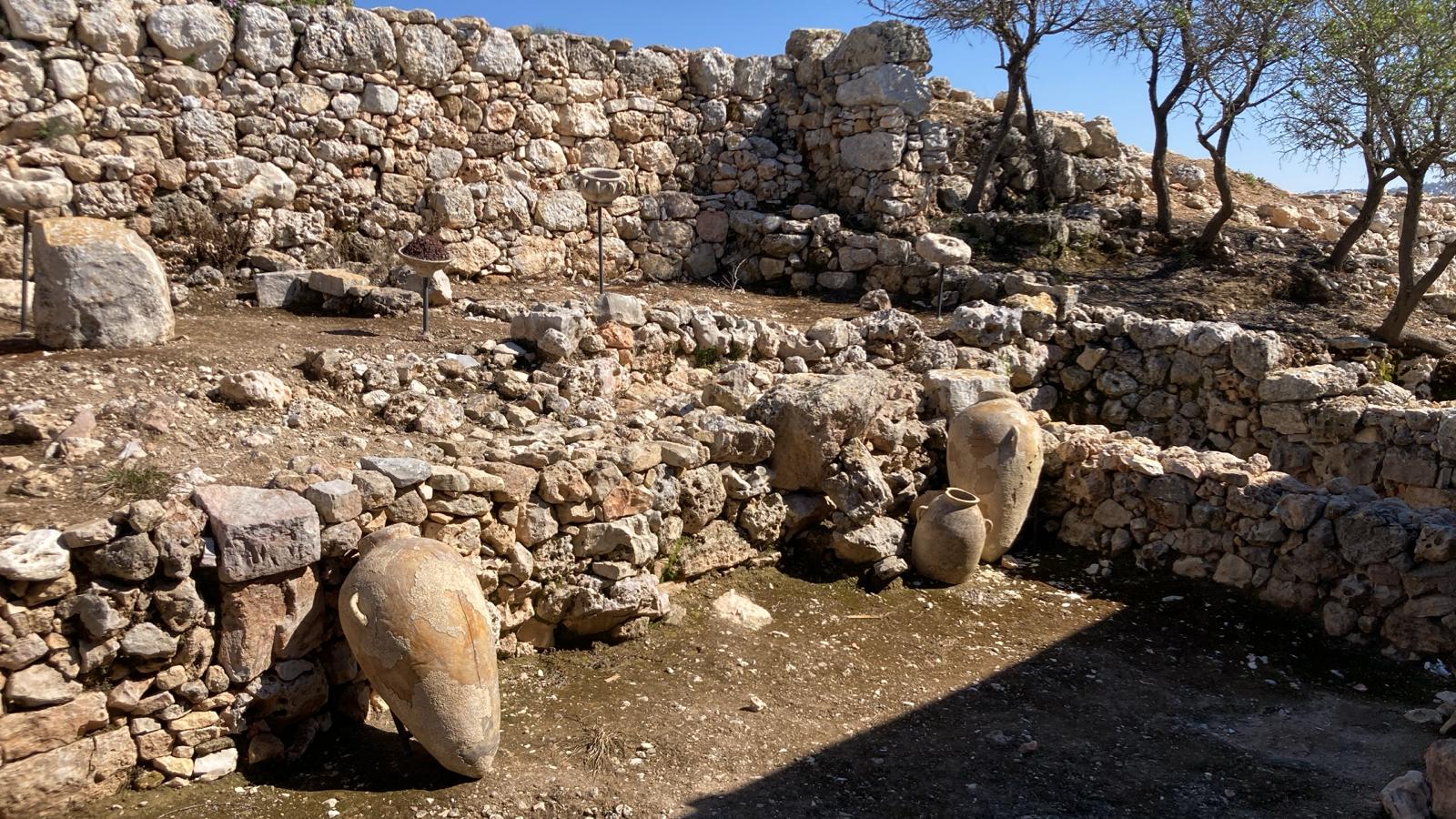
| פרשת השבוע, פקודי, פותחת בפסוק מוזר: “אֵ֣לֶּה פְקוּדֵ֤י הַמִּשְׁכָּן֙ מִשְׁכַּ֣ן הָעֵדֻ֔ת” (שמות לח,כא). אולי אתם שמים לב שהמילה “משכן” חוזרת פעמיים, ואתם מתפלאים, אבל זו לא טעות. ככה כתוב בתורה. | The Torah portion of this week, Pekudei, opens with a strange verse: “These are the records of the Tabernacle the Tabernacle of the Testimony” (Exodus 38:21). You may notice the repetition of the word – “the Tabernacle” = hamishkan – and wonder, but it’s not a mistake. That’s how it’s written in the Torah. |
| פקודי היא פרשת התורה האחרונה בספר שמות ומביאה תיאור מדויק של התרומות שהתקבלו לבניין המשכן. לאחר מכן יש תיאור של הכנת בגדי הכהונה ואחרון, הרכבת כל החלקים ביחד, כך שהכל יהיה מוכן לחנוכת המשכן הקרובה. | Pekudei is the last Torah portion in the Book of Exodus and brings a precise account of the donations received for the mishkan’s building. Then there’s a description of the preparation of the priestly garments and last, putting it all together so it’s ready for the upcoming inauguration of the Tabernacle. |
| ועדיין, היה רק משכן אחד. אז למה נאמר בפסוק הפותח “המשכן משכן“? הפרשנים תוהים על כך. רש”י, בהתבסס על מדרש תנחומא, מציע שהמילה משכן דומה למילה “משכון”, ומתוך כך אפשר להבין שהמשכן היה ה”מזכון”, הערובה לחורבן שני המקדשים על עוונותינו. זה קשה: זה אומר שהחורבן – של המשכן והמקדש אחר כך – היה בלתי נמנע?! | And yet, there was only one Tabernacle. Why does the opening verse say, “the Tabernacle the Tabernacle”? Commentators wonder about this. Rashi, based on Midrash Tanchuma suggests the word mishkan is similar to the Hebrew word for collateral, mashkon. The Mishkan therefore was the collateral for both Temples’ destruction for our iniquities. This is tough: It means that the destruction – of the Tabernacle and the Temple later – was unavoidable?! |
| במובן מסוים, כן. הרב שרקי מסביר שהמשכן הוא הופעת השכינה, נוכחותו של הקב”ה, בעולם, ומכיוון שזה דבר כל כך אלוהי וכל כך יוצא דופן, זה כאילו שהעולם לא יכול להכיל אותו, עד שהקדושה גדלה, עוד ועוד, ובית המקדש (השלישי!) והעולם סוף סוף יתאימו יותר אחד לשני. מה שאומר, שלפעמים, יהיה משכן ולפעמים יהיה בית מקדש, ולפעמים – לא. מה לעשות בתקופת ה”לפעמים – לא”? הגמרא דנה בזה ומספרת על רבי יהושע שאמר, שלא להתאבל – אי אפשר, כי אכן, קרתה טרגדיה נוראית, אך גם להתאבל יותר מידי – לא טוב… | In a way, yes. Rav Sherki explains that the Mishkan is the appearance of the Shechina, Gd’s presence, in the world, and since this is something so divine and so out of the ordinary, it is as if the world can’t contain it, until holiness grows, and the Temple (the 3rd one!) and the world will finally better match. Which means, that sometimes, there will be a Tabernacle and sometimes there will be a Temple, and sometimes – not. What should we do in that “sometimes – not” time? The Talmud deals with it and tells about Rabbi Yehoshua who said that not mourning (for tragedies) – is impossible, because indeed something awful happened, but also to mourn too much – is not good… |
| כשהתלמוד אומר, “משנכנס אדר, מרבים בשמחה” הוא לא מדבר רק על פורים, אלא, זה כבר קשור גם לפסח (רש”י על תענית כ”ט:א). זו תזכורת לגאולות בכלל, בהווה ובבעתיד, בארץ ישראל ובכל מקום אחר. השמחה של החודש הזה אינה “מצחיקה” או “מבדרת”; זו לא הימנעות או עיוורון. זו שמחה שמדברת אותנו על לעשות מה שאנחנו יכולים, להיות בנתינה ושיתוף ברוח פורים, והעיקר לא להרפות מהתקווה שלנו. | When the Talmud says, “when Adar enters, joy increases”, it’s not only about Purim; it’s already about Pesach too (Rashi on Ta’anit 29:a). It’s a reminder for redemptions in general, now and in the future, in the Land of Israel and everywhere else. The joy of this month is not “funny” or “hilarious”; it’s not avoidance or blindness to what’s going on. It’s a joy that speaks to us of doing what we can, giving and sharing in the spirit of Purim, and most of all, not letting go of our hope. |
Shabbat Shalom – שבת שלום



 Torah & more... תורה ועוד
Michal,
Thank you for the beautiful and heart wrenching drosh. Sending love and
prayers for you and that sweet little boy whose bar mitzvah we witnessed so
many years ago.
Love
Deni