הפרה והעגל: לכבוד שבת פרה
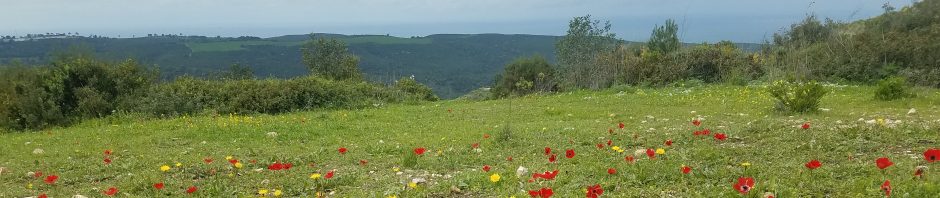
| I’ll start this time from the end: not long ago, I had the great privilege of visiting Shiloh. In the Bible, Shiloh was an Israelite city in southern Samaria, and indeed, archaeological finds at the site, indicate a succession of settlements starting from the Middle Bronze Age (about 1600-1800 BCE) to the early Arab period (700-900 CE). Magnificent mosaics were uncovered here, two churches, an ancient mosque and an ancient synagogue. The uncovering of the remains from the Iron Age led to the identification of the site with the biblical Shiloh, where the Mishkan – the Tabernacle stood during the era of the tribes for about 350 years. In 2012, coins were discovered in excavations on which was stamped “year… for the redemption of Jerusalem”, and archaeologists assume that the coins are from the time of the Great Revolt. In 2013, one of the oldest churches in the world (from the 4th century CE) was discovered at the site, with a large mosaic floor. In 2018, an ancient pottery pomegranade was discovered in Shiloh, from the period of the Mishkan. Shiloh also appears on the Midaba map, and the site is also mentioned in the 14th century writings of the traveler Ashtori Farahi. | אתחיל הפעם מהסוף: לא מזמן, זכיתי לבקר בשילה. במקרא היתה שילה עיר ישראלית בדרום השומרון, ואכן, באתר נמצאו ממצאים ארכאולוגיים ממאות שנים המעידים על רצף התיישבותי החל מתקופת הברונזה התיכונה (כ-1600-1800 לפנה”ס) ועד התקופה הערבית הקדומה (700-900 לספירה). בתל שילה נחשפו פסיפסים מרהיבים, שתי כנסיות, מסגד עתיק ובית כנסת עתיק. חשיפת השרידים מתקופת הברזל הובילה לזיהוי האתר עם תל שילה המקראית, בו עמד המשכן בתקופת התנחלות השבטים למשך כ-350 שנה. ב-2012 התגלו בחפירות מטבעות עליהם הוטבע “שנת… לגאולת ירושלים” והארכאולוגים מניחים שהמטבעות הם מתקופת המרד הגדול. בשנת 2013 נחשפה במקום כנסייה מהעתיקות בעולם (מהמאה ה-4 לספירה), ובה רצפת פסיפס גדולה. ב – 2018 התגלה בשילה רימון חרס קדום, מתקופת המשכן. שילה מופיעה גם במפת מידבא וכן מוזכר האתר גם במאה ה-14 בכתביו של הנוסע אשתורי הפרחי. |
| But in Shiloh, not only the past is famous and fascinating, but also the present and possibly the future. When we visited the site, we were got to see that red heifers are raised here! This upcoming Shabbat is called “Shabbat Para”, literally, the Shabbat of the (red) Heifer. This is the Shabbat between Purim and the Shabbat when we declare the next month, NIssan. The sages established that, at this time of the year, we should read the matter of the Red Heifer, which is mentioned in chapter 19 in the Book of Numbers, because this process had to take place near the month of Nissan in order to purify the Children of Israel immediately after the construction of the Mishkan. And so, despite everything strange and incomprehensible about this ceremony, we too pray that this purity will return. | אך בשילה לא רק העבר מפורסם ומרתק אלא גם ההווה ואולי גם העתיד. בביקור באתר זכינו לראות שבמקום מגדלים פרות אדומות! השבת הקרובה נקראית “שבת פרה”, זו השבת בין פורים לשבת החודש. חז”ל תקנו לקרוא דווקא בזמן הזה בלוח השנה שלנו בענין פרה אדומה, המוזכר בפרק יט בספר במדבר – מפני ששריפת הפרה הראשונה הייתה סמוך לחודש ניסן כדי לטהר את ישראל מיד לאחר הקמת המשכן, וכך, למרות כל המוזר והבלתי מובן בטקס זה, גם אנו מתפללים שתחזור טהרה זו. |
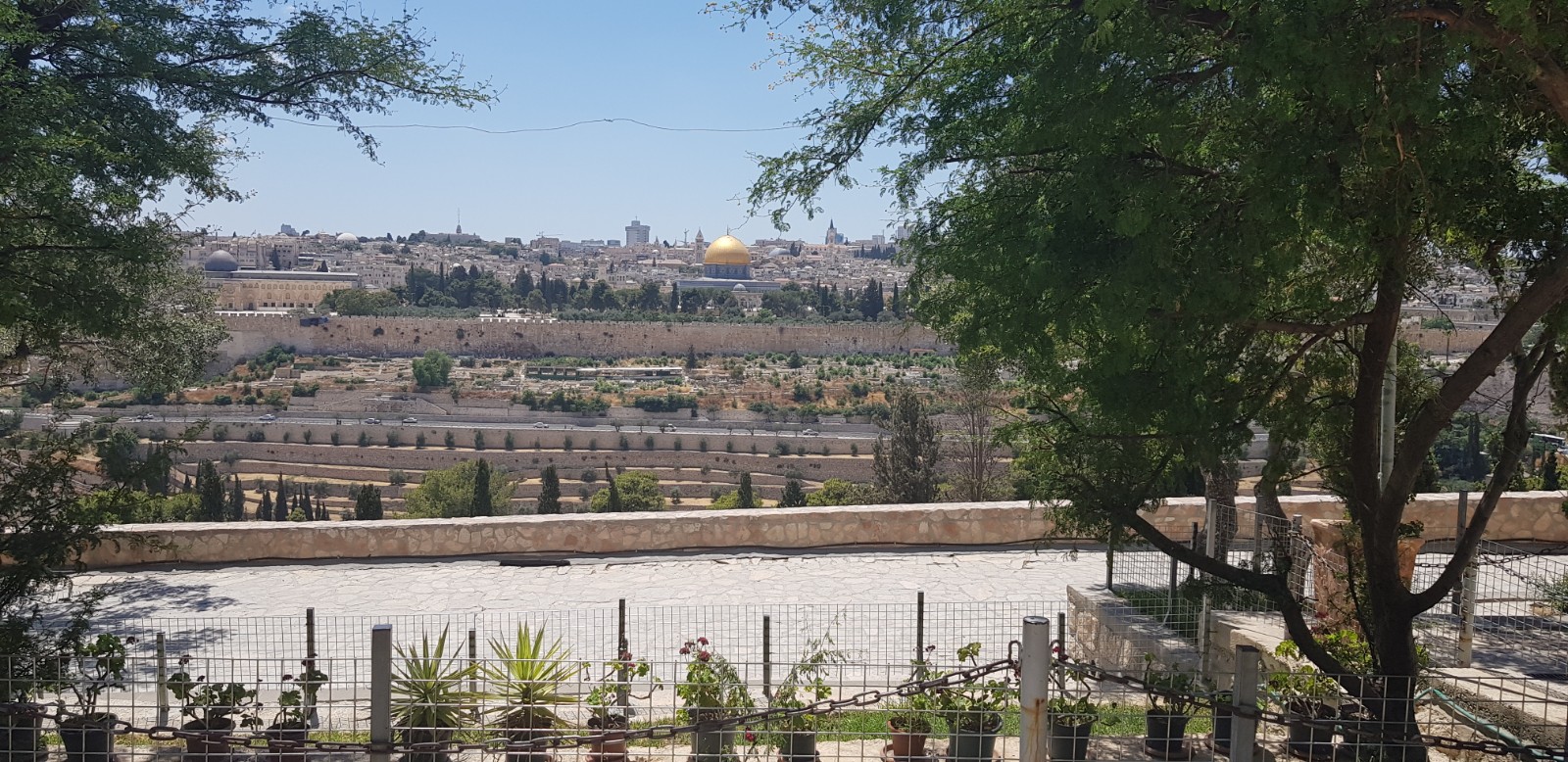
| Another place that should be mentioned in the context of the Red Heifer is Mount Olives, the place where the cow’s ashes were burned. The Mishna in Tractate Para (yes, there is a tractate by this name) describes the bridge that was built for the priest from the gates of the Temple Mount to Mount “Anointing Oil” (Mount of Olives), a bridge that rested on many arches carved from the face of the tombs. The place where the cow’s ashes were prepared and a wine cellar of pure wine were placed above a huge underground space in the center of the mountain. This space also separated it from the impurity of the graves. From precise measurements made by Rabbi Yonatan Adler, it becomes clear that the holy site that should be right in front of the Holy of Holies, is today in the fenced yard of the Dominus Flevit church (which took over the holy area and appropriated it for itself, something that unfortunately repeatedly happens in many places). | מקום נוסף שצריך אזכור בהקשר הפרה האדומה הוא הר הזיתים, מקום שרפת אפר הפרה. המשנה במסכת פרה (כן, יש כזו) מתארת את הגשר שבנו לכוהן משערי הר הבית להר המשחה (הר הזיתים), גשר שנשען על קשתות רבת שחצצו מפני הקברים. מקום הכנת אפר הפרה וגת של יין טהור הוצבו מעל חלל תת-קרקעי ענקי במרכזו של ההר. חלל זה הפריד גם הוא מטומאת קברי התהום. ממדידות מדויקות שנעשו ע”י הרב יונתן אדלר, מתברר שהאתר המקודש שצריך להיות בדיוק מול קודש הקודשים, נמצא כיום בחצר המגודרת של כנסיית דומינוס פלוויט (שהשתלטה על השטח הקדוש וניכסה אותו לעצמה, דבר שלצערנו חוזר בלא מעט מקומות). |
| The Midrash (Midrash Rabbah Chukat 19, 18, and Tanchuma Chukat 26) states that the mitzvot of a Red Heifer constitutes a kind of correction for the sin of the Golden Calf: “It’s a parable for the maidservant’s son who dirtied the king’s palace. The king said: Let his mother come and clean up the mess (the actual work is more like excrement) . Thus said the Holy One, blessed be He, let the Red Heifer come and atone for the act of the (golden) calf.” | המדרש (מדרש רבה חקת פרשה יט סימן יח, ותנחומא פרשת חקת סי’ כו) כותב שמצוות פרה אדומה מהווה מעין תיקון לחטא העגל: “משל לבן שפחה שטנף פלטרין של מלך. אמר המלך: תבוא אמו ותקנח את הצואה, כך אמר הקדוש ברוך הוא תבא פרה ותכפר על מעשה העגל”. |
| For many years I did not exactly understand this Midrash. It’s a well-known midrash but a bit strange and maybe even disturbing. What exactly is meant here? I will bring 3 ideas: (1) The mitzvah of the Red Heifer in a unique way is called “chukah“, often translated as a law that is impossible to explain. Rashi writes that the language of chukah (Numbers 19:2) means “it’s a decree before Me and you are not allowed to ponder after it.” Hence, it is possible that this is the correction for the sin of the Golden Calf: At the calf, we thought and tried to understand godliness; even to create it and worship it as we see fit. The Torah came and said, the opposite is true – only when you surrender to Gd’s will, you can worship Gd wholeheartedly and completely. As Rabbi Yehuda Halevi said, “Gd’s servant, he alone is free”… | במשך שנים רבות לא בדיוק הבנתי את המדרש הזה. זהו מדרש ידוע אבל קצת מוזר ואולי אפילו מטריד. למה בדיוק הכוונה? אביא 3 רעיונות: (1) מצוות פרה אדומה באופן יחודי נקראת “חקה”. רש”י כותב שלשון חוקה (במדבר פרק יט פסוק ב): “גזירה היא מלפני ואין לך רשות להרהר אחריה”. מכאן, יתכן שזה התיקון לחטא העגל: בעגל, חשבנו וניסינו להבין את האלוהות, אפילו ליצור אותה ולעבוד אותה כמו שלנו נראה לנכון. באה התורה ואמרה, ההיפך הוא הנכון – רק כשמתבטלים לרצון ה’, אפשר לעבוד את ה’ באופן שלם ומלא. כמו שאמר רבי יהודה הלוי, “עבד ה’ הוא לבדו חופשי”… |
| (2) The Chida (Rav Chaim Yosef David Azulai, 1724-1806) explains that it is usually impossible to transgress the entire Torah all at once. Let’s say, eating unleavened bread – on Pesach, or forbidding eating on Yom Kippur, but with regard to idolatry, one can transgress the whole Torah in one moment, and therefore the solution or atonement for this is – to take upon ourselves the “chukah of the Torah”. | (2) החיד”א (-) – מסביר שבד”כ אי אפשר לעבור על כל התורה בבת אחת. נגיד, אכילת מצה – בפסח, איסור אכילה – ביום כיפור, אבל לגבי עבודה זרה, זה מצב שאפשר לעבור על כל התורה ברגע אחד, ולכן הפתרון או הכפרה לכך זה – לקחת על עצמנו את “חוקת התורה”. |
| (3) Rav Shimshon Rafa’el Hirsch (1808-1888) as usual looks at the words and roots in Hebrew. The calf, egel – comes from the word circle, igul. It is also written – a masked calf (Exodus 32:8) possibly shaped as a circle. Accordingly, what exactly is the sin of the Golden Calf? To be in a circle. A circle is a shape that does not go anywhere; a place that has no corners, happenings, and is analogous to situations in which a person walks and go around and around himself, focused on himself without reaching anything. What is the solution to this? The heifer. The word for heifer – parah – comes from the root – to be fruitful and multiply, to grow, to contribute and to do good in the world. The solution to the calf’s naval gazing, is the fertilization, the desire to give and do, to purify and correct. | (3) הרש”ר הירש – כדרכו מסתכל על המילים והשורשים בעברית. העגל – בא מלשון עיגול. גם כתוב – עגל מסכה (שמות לב:ח), כנראה עשוי בצורה עגולה. לפי זה, מה זה בדיוק חטא העגל? להיות בעיגול. עיגול זו צורה שלא הולכת לשום מקום, שאין בה פינות, התרחשויות, והיא מקבילה לסיטואציות בהן אדם הולך ומסתובב סביב עצמו, מרוכז בעצמו בלי להגיע לכלום. מה הפתרון לכך? הפרה. הפרה באה משורש – לפרות ולרבות, לגדול, לתרום ולעשות בעולם. הפתרון ל- NAVAL GAZING של העגל, זו הפרה, ההפרייה, הרצון לתת ולעשות, לטהר ולתקן. |
| We often think that the more we take, the more we have, but it turns out that this is not true. Purim called us to give. We made mishloach manot, gave donations to the poor and more, but what if we might think it’s just a matter of that one day, a day that’s a little crazy and messy and unusual. How will we take this idea to the rest of the year? How do we transpose Esther’s call “go and gather everyone”? how do we take the need to get away from the separation and dispersion that comes between us, to learn to be together, to do things with and for each other? | לא פעם נדמה לנו שכמה ניקח יותר – יהיה לנו יותר, אבל מסתבר שזה לא כך. פורים קרא לנו לנתינה: הכנו משלוחי מנות, נתנו מתנות לאביונים ועוד, אבל אולי חלילה, נחשוב שזה רק ענין של יום אחד, יום קצת משוגע ומבולגן ויוצא דופן. איך ניקח את הרעיון הזה לשאר השנה, את הקריאה של אסתר “לך כנוס”? את הצורך להתרחק מהפירוד והפיזור שנכנס בינינו, ללמוד להיות ביחד, לעשות דברים אחד עם ובשביל השני? |
| It’s always a difficult message, and especially difficult this past year. We entered a kind of loop where everyone is sure that if everyone just thinks “like me”, everything will be fine, and this is exactly the way everything continues to be not fine. Here we are a bit like the calf, going round and round ourselves… That’s why, possibly, we have Shabbat Parah, right after, to remind us, not only to walk in circles each one around him / herself, but to raise our heads, see the other, engage in fruitful and productive, correcting and purifying matters. | זה מסר קשה תמיד, וקשה במיוחד בשנה האחרונה. נכנסנו לאיזה לופ שכל אחד בטוח שאם כולם רק יחשבו “כמוני”, הכל יהיה בסדר, וזו בדיוק הדרך שהכל ממשיך להיות לא בסדר. הנה אנחנו קצת כמו העגל, ממשיכים ומסתובבים סביב עצמנו… לכן אולי, שבת פרה מגיעה מייד אחרי, להזכיר לנו לא רק ללכת במעגלים כל אחד סביב עצמו, אלא להרים ראש, לראות את האחר, לעסוק בדברים פוריים ומפרים, מתקנים ומטהרים. |


 Torah & more... תורה ועוד