לכבוד ראש חודש ניסן
| This week was Rosh Chodesh Nissan, the first month of the biblical year, the beginning of spring in the Land of Israel (as we experienced with a lightning storm in the evening and a hail storm on the day itself…!). Like all the months’ names accepted in the Hebrew calendar since the return from the Babylonian exile, the name of the month was brought from the Babylonian culture. The origin of the name is in the Akkadian word “nisnu” which means nitzan, a bud, that is, a period when “the buds were seen in the land” (Song of Songs 2), that is, the month of spring. The sages later formed a midrash on the sound of the name of the month – Nissan, and said that it is from the word ness, miracle, because in this month miracles were performed in Israel. | השבוע היה ראש חודש ניסן, החודש הראשון בשנה המקראית, תחילת האביב בארץ ישראל (כפי שחווינו אותו בסופת ברקים בערב ובסופת ברד ביום עצמו…!). כמו כל שמות החודשים המקובלים בלוח השנה העברי מאז השיבה מגלות בבל, שם החודש הובא מהתרבות הבבלית. מקור השם במילה האכדית “ניסנו” שמשמעותה ניצן, כלומר תקופה בה “הניצנים נראו בארץ” (שיר השירים ב), כלומר, חודש האביב. חז”ל מאוחר יותר דרשו מדרש על צליל שם החודש – ניסן ואמרו שהוא מלשון נס, משום שנעשו בחודש הזה ניסים לישראל. |
| In the month of Nissan, it is customary to say Birkat Ha’Ilanot”, the blessing over blooming trees, one of the sight blessing which is said once a year in the spring, in this month when you see fruit trees in bloom. Like other blessings, the purpose of the blessing is to thank Gd for the beauty and abundance He created in His world. | בחודש ניסן נוהגים לברך את ברכת האילנות, אחת מברכות הראיה שנאמרת פעם אחת בשנה באביב, בחודש הזה כשרואים עצי פרי בפריחה. כמו ברכות אחרות, מטרת הברכה להודות לקב”ה על היופי והשפע שברא בעולמו. |
| This blessings’ origin is in Tractate Brachot (Blessings) in the Babylonian Talmud where it is said: Rav Yehuda said: One who goes out during (the month of) Nisan and sees trees that are blossoming recites: “Blessed…who has withheld nothing from His world and has created in it beautiful creatures and trees for human beings to enjoy (43:b). From the way in which a blessing is described, it sounds like there is no obligation for a person to go and purposefully look for blossoming saplings as the blessing is only for the one who “sees”. On the other hand, since this is a blessing that only happens once a year, there were those who said that it was worthwhile and necessary to leave the city and look for suitable tree. | מקור הברכה במסכת ברכות בתלמוד הבבלי שם נאמר: אמר רב יהודה: האי מאן דנפיק ביומי ניסן וחזי אילני דקא מלבלבי (כלומר: מי שיוצא בימי חודש ניסן ורואה אילנות מלבלבים), אומר: “ברוך… שלא חיסר בעולמו כלום, וברא בו בריות טובות ואילנו טובות להתנאות בהן בני אדם” (מג:ב). מהדרך בה ברכה מתוארת, נשמע שאין חובה על אדם ללכת לחפש אילנות מלבלבים והברכה היא רק על “הרואה”. מצד שני, מכיון שזו ברכה של רק פעם בשנה, היו כאלה שאמרו שכדאי וצריך לצאת מהעיר ולחפש אילנות מתאימים. |
| If so, it seems that we really like trees, and it is important for us to enjoy them. How then can we explain the mishnah in Pirkei Avot (Saying of the Fathers 3, 7) which says “if one is studying while walking on the road and ceases from his study and says, “how fine is this sapling” [or] “how fine is this newly ploughed field!” scripture accounts it to him as if he was mortally guilty” -?? It seems that this mishna says that, it’s true, Gd created beautiful trees, but you are not allowed to look at them! Can this possibly be true?? | נדמה אם כך שאנחנו ממש אוהבים עצים וחשוב לנו להנות מהם. אז איך נוכל להסביר את המשנה בפרקי אבות (פרק ג, משנה ז) שאומרת “המהלך בדרך ושונה ומפסיק ממשנתו ואומר, מה נאה אילן זה ומה נאה ניר זה, מעלה עליו הכתוב כאילו מתחיב בנפשו”. ?? נראה שהמשנה הזו אומרת שנכון, הקב”ה ברא אילנות יפים, אבל לכם אסור להסתכל עליהם! האמנם?? |
| Of course not. However, the dramatic word in this mishna is not the somewhat frightening word “mortally guilty”, but rather “and ceases from his study”. That is, those for whom looking at a sapling is considered a break from studies instead of being an integral part of it, it’s a sign that s/he lives in a divided world: s/he has the world of study and the world of practical experience, and the two do not intertwine. For such a person, in order to appreciate creation, s/he needs to stop from learning. This is a hazardous situation, so s/he really endangers himself, because he doesn’t have a life that’s whole. | ברור שלא. אלא, שהמילה הדרמטית במשנה הזו איננה המילה המפחידה משהו “מתחייב בנפשו” אלא דוקא “ומפסיק ממשנתו”. כלומר, מי שעבורו הסתכלות באילן נחשבת הפסקה ממשנתו במקום להיות חלק אינטגרלי ממנה, סימן שהוא חי בעולם חצוי: יש לו את עולם הלימוד ויש לו את עולם ההתנסות המעשית ושניהם לא מתחברים. עבורו, בשביל להעריך את הבריאה, הוא צריך להפסיק את הלימוד. זהו מצב מסוכן, ולכן הוא באמת מתחייב בנפשו, כי אין לו חיים שלמים. |
| The ideal is that both learning about… and (doing and) and seeing the… will be part of that life of holiness. Lest we create divisions. The sages said that one of the ways to become attached to the Shekinah is to engage in planting in the Land of Israel. Rabbi Shmuel Moholiver (1824-1898) wrote in one of his responses that all he wanted was to go to the Land of Israel to plant even just one tree there, and thanks to this act, he would know that he had done something with his life. | האידיאל הוא שגם הלימוד על… וגם (העשיה ו)הראיה את… יהיו חלק מאותם חיי הקדושה. שלא ניצור הפרדות. חז”ל אמרו שאחת הדרכים להידבק בשכינה זה לעסוק בנטיעה בארץ ישראל. רבי שמואל מוהליבר (1824-1898) כתב באחת מתשובותיו שכל רצונו הוא לעלות לארץ ישראל כדי לנטוע בה ולו רק עץ אחד, ובזכות זה ידע שעשה משהו בחייו. |
| The first one to plant in the world was Gd, of whom it is said, “And Gd planted a garden in Eden from east” (Genesis 2:8). When the human being joins the process of caring for trees and appreciating them, he becomes an active partner in creation, and especially in the Land of Israel where the planting of trees is part of the redemption of the Land. This brings us back to the month of Nissan, the month of spring, the month of Passover, the month of redemption, Gd willing, may it be upon us in goodness. | הנוטע הראשון בעולם היה הקב”ה עליו נאמר “ויטע ה’ אלוהים גן בעדן מקדם” (בראשית ב,ח). כשכשהאדם מצטרף לתהליך הטיפול בעצים ולהערכתם, הוא נהיה שותף פעיל בבריאה, ובמיוחד בארץ ישראל שבה נטיעת העצים היא חלק מגאולת הארץ. וכל זה, מחזיר אותנו לחודש ניסן, חודש האביב, חודש חג הפסח, חודש הגאולה ב”ה, שתבוא עלינו לטובה. |
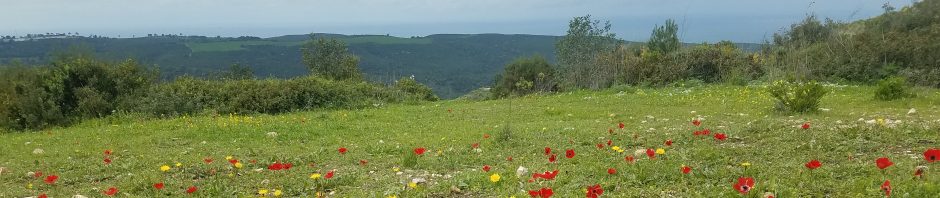
| These are difficult weeks and months that will take a long time to comprehend. We accumulate traumas in the midst of a complicated, extremely painful, and not always clear, war, when in addition to the enemy outside, day and night we are bombarded with harsh words that only make the situation worse. During this month, especially in our beautiful country that is blooming now in a multitude of wonderful shades of everything, we have the opportunity to go out, find a blooming (fruit) tree, stop by it for a moment, and breathe in the beauty of spring around us, in prayer and hope. | עוברים עלינו שבועות וחודשים קשים שיקח עוד זמן רב להבין. אנחנו צוברים טראומות בתוך מלחמה מסובכת, כואבת ביותר, ולא תמיד ברורה, כשבנוסף לאויב מחוץ, יומם ולילה אנחנו מופצצים במילים קשות שרק מחמירות את המצב. בחודש הזה, במיוחד בארצנו היפיפיה והפורחת עתה בשלל גוונים משגעים, יש לנו הזדמנות לצאת, למצוא לנו עץ (פרי) פורח, לעצור לידו לרגע, ולנשום את יופיו של האביב סביבנו, בתפילה ותקוה. |


 Torah & more... תורה ועוד
חידשת לי. הסתכלות מעניינת על המשנה בפרקי אבות
🙂 כף לי! חידוש לחודש ההתחדשות
תודה רבה ושבת שלום