אורח אחר לליל הסדר
| The following post was mostly published two years ago. The first paragraph read: “The latest series of terror attacks demands for something to be said on the matter … as if it is blasphemy to start a blog on a day “like this”, with stam, “just”, words of Torah. But for me, there is nothing to say about “the matter”, because it is not the matter. The matter is constantly to continue being who we are, even though and in spite of everything, from within and without. And “to be” – it means to connect to our Way of Life. Because it is the way. And it is – life”. | את הפוסט הבא, ברובו, פרסמתי לפני כשנתיים. הפסקה הראשונה היתה “רצף הפיגועים האחרון מבקש שנאמר משהו בענין… כאילו זה חילול הקודש להתחיל בלוג ביום “כזה”, “סתם ככה”, בדברי תורה. אבל עבורי, אין מה להגיד “בענין”, כי לא זה הענין. הענין הוא כל הזמן להמשיך להיות מי שאנחנו, אף על פי כן ולמרות הכל, מפנים ומחוץ. ולהיות – זה אומר לחבור לדרך החיים שלנו. כי היא הדרך. כי היא – חיים”…. |
| This was two years ago. And what can we say this year? Now too, the sequence of events “demands for something to be said about the matter”… but what? This past Saturday night, millions of Israelis sent hugs and hearts and “mini-wills” messages to their loved ones, fearing that we might not wake up the next morning. And lo, the next day we woke up, and at the same time as deep gratitude is felt, the wordsmith factories again are working overtime: “We want to understand Iran’s missile system and our air force’s means against them” (no, we don’t…). “Please tell me what exactly is the IDF plan for an attack on Iran” (please don’t tell…). At another station: “This was a miracle!! You won’t believe it!! A missile fell right in the yard between two houses”!! And on another station: “There was no miracle. Overall, the IDF is trained and just did what it is supposed to. Why doesn’t it always do that? Why didn’t it do what it should have done”… and on and on. And more. So what can we say that between the writing of the post and its publication will still be relevant?… I am returning to the week’s Torah portion and the upcoming Passover holiday, may it come upon us, Gd willing, in goodness. | כך היה לפני שנתיים. ומה נגיד השנה? גם עכשיו, רצף האירועים מבקש שנאמר משהו בענין”… אבל מה? במוצ”ש האחרון, מיליוני ישראלים שלחו טקסטים של חיבוק ולב ו”מיני-צוואות” ליקירהם בחשש שמא לא נתעורר בבקר המחרת. והנה, למחרת התעוררנו, ובמקביל להכרת תודה עמוקה, חרושת המילים שוב מגבירה קצב ועובדת שעות נוספות: “אנחנו רוצים להבין את מערכת הטילים של איראן ואמצעי חיל האויר שלנו נגדם” (לא, אנחנו לא…). “ספר לי בבקשה מה בדיוק היא תכנית צהל למתקפה על איראן” (בבקשה אל תספר…). בתחנה אחרת: “היה לנו נס!! לא תאמין!! טיל נפל בדיוק בחצר בין שני בתים”!! ובתחנה אחרת: “לא היה נס. בסה”כ צה”ל מאומן ועושה מה שאמור לעשות. למה לא תמיד עושה את זה? למה לא עשה מה שהיה צריך לעשות”… ועוד. ועוד. אז מה כבר אפשר להגיד שבין כתיבת הפוסט ופרסומו עדיין יהיה רלוונטי?… אני חוזרת לפרשת השבוע ולחג הפסח הבא עלינו ב”ה לטובה. |
| We’re in the middle of the Torah. Had we written the Torah, what would we place in its inner heart? It is precisely here that we come to the portion of Metzora, wrongly translated as “the leper” which deals with a puzzling subject: “This shall be the ritual for a Metzora, at the time of being purified, when he/it has been brought to the priest” (Leviticus 14:2). | אנחנו בערך באמצע התורה. אילו אנחנו כתבנו את התורה, מה היינו שמים בלב ליבה?? דוקא בשבוע זה, לפני חג החירות, החופש והגאולה, אנחנו מגיעים לאחת הפרשות הקשות והמוזרות בתורה, פרשת “מצורע” העוסקת בנושא תמוה: “זֹ֤את תִּֽהְיֶה֙ תּוֹרַ֣ת הַמְּצֹרָ֔ע בְּי֖וֹם טׇהֳרָת֑וֹ וְהוּבָ֖א אֶל־הַכֹּהֵֽן” (ויקרא יד:א-ב). |
| What does “metzora” mean? The leper of the Torah is indeed sick with a skin disease but it is not at all the same disease we have seen in various movies, like the “Papillon” or “Sofia’s Island” and others. The leprosy of the Torah is not contagious in the same way, is not cured in the same way, and the leper, as we see already from the first verse in this parsha, is taken to the priest and not to the doctor. Plus, even clothes and houses can get this leprosy! This may be one of the proofs of the tragedy in the translation of the Torah, and of the loss of meanings that were there originally. | מה פירוש “מצורע”? המצורע של התורה אכן חולה במחלת עור אבל אין זו כלל אותה מחלה שראינו בסרטים שונים, כמו ה”פרפר” או “האי של סופיה” ועוד. הצרעת של התורה אינה מדבקת באותה צורה, אינה מתרפאת באותה צורה, והמצורע, כפי שאנחנו רואים כבר מהפסוק הראשון בפרשה הזו, נלקח לכהן ולא לרופא. בנוסף, גם בגדים ובתים יכולים לקבל צרעת! יתכן שזו אחת ההוכחות לטרגיות בתרגום התורה, ולאובדן משמעויות שהיו שם במקור. |
| The leper of the Torah is not sick with a physical illness, for all its consequences, but rather, is sick with a spiritual illness that has physical manifestation. The sages interpreted that the word metzora comes from “motzi shem ra” – “brings out a bad name.” Beyond using or participating in slander and gossip, it is about a person whose way of speaking is defective. If we think of the three main relationships we have in our lives, with ourselves, with G-d and with those around us, it is speech that represent our connection with other people in our lives. | המצורע של התורה אינו חולה במחלה פיזית, על כל השלכותיה, אלא חולה במחלה רוחנית שיש לה ביטוי פיזי. חז”ל פרשו שהמילה מצורע באה מ”מוציא שם רע”. מעבר לשימוש או השתתפות בלשון הרע, הענין הוא אדם שמשהו בדרך הדיבור שלו פגומה. אם נחשוב על שלוש מערכות יחסים מרכזיות בחיינו, בין אדם לעצמו, לאלוהיו ולאחרים סביבו, הרי שהדיבור מייצג את החיבור שלנו לאנשים האחרים בחיינו. |
| It is important to see where things appear for the first time in the Torah, and thus, we may be surprised to find that the first metzora in the Torah is Moses (Exodus 4: 6). Moses is also the one who testifies about himself, twice, that he has trouble with his speech (Exodus 4:10 & 6:12). On the other hand, the five “Books of Moses” end with the book of Deuteronomy, whose name in Hebrew, Dvarim, also comes from the root of speech, d.v.r and is the book that according to our tradition Moses spoke in the last month of his life, after the death of Aaron. That means, Moses then no longer had anyone to speak for him, but wonder of wonders, he speaks an entire book without any problem! Can we say that Moses finally “recovered”? And if so, from what exactly ?? Let’s go back for a moment. | חשוב לראות איפה מופיעים דברים בפעם הראשונה בתורה, וכך, אולי נופתע לגלות שהמצורע הראשון בתורה הוא משה רבנו (שמות ד:ו). משה הוא גם זה המעיד על עצמו, פעמיים, שהוא “כבד פה וכבד לשון” (שמות ד:י) ו”ערל שפתיים” (שמות ו:יב). מצד שני, חמישה חומשי תורה מסתיימים עם ספר “דברים”, שגם שמו שייך לשורש דיבור, והוא הספר שלפי המסורת שלנו משה אמר בחודש האחרון לחייו, אחרי מות אהרון. כלומר, למשה אז כבר לא היה מי שידבר בשבילו, אך הפלא ופלא, הוא מדבר ספר שלם בלי שום בעיה! האם נוכל לומר שמשה סופסוף “החלים”? ואם כן, ממה בדיוק?? נחזור אחורה לרגע. |
| At the beginning of the Book of Exodus, it is written that, “Moses grew up and went out to his brothers” (Exodus 2:11), and the question is, who are his brothers? A careful reading will reveal to us that at this stage of the story, we do not yet know. The Ramban concludes that “his brothers” are the Children of Israel and in contrast, Ibn Ezra understands that “his brothers” are the Egyptians, since Moses grew up in Pharaoh’s palace! Rabbi Uri Shreki claims that not only Ramban and Ibn Ezra do not know who Moshe’s brothers are, but that Moshe Rabbeinu himself also did not know either, so he set out to find out. | בתחילת ספר שמות, כתוב “וַיִּגְדַּ֤ל מֹשֶׁה֙ וַיֵּצֵ֣א אֶל־אֶחָ֔יו” (שמות ב:יא), והשאלה היא, מי הם אחיו? קריאה זהירה תגלה לנו שבשלב זה של הסיפור, אנחנו עוד לא יודעים. הרמבן מסיק ש”אחיו” הם בני ישראל ולעומתו, האבן-עזרא מבין ש”אחיו”, אלו המצרים, שהרי משה גדל בארמון פרעה! רב אורי שרקי טוען שלא רק הרמבן ואבן-עזרא לא יודעים מי הם אחיו של משה, אלא גם משה רבנו לא ידע, ולכן יצא לברר זאת. |
| In the realm of between one his (her) fellow human, Moses had to “get out” of the place and point of view to which he was accustomed, and go to check, who are those with whom he “bonds” (the root for brotherhood). Only at the end of that verse, it becomes clear to us, and to him, that these are the Hebrews. Throughout his life, this is an area that challenges him. In addition, parallel to the metzora, Moshe marries, Tzipora, whose name means bird, when the leper’s purity is by a bird! | בתחום של בין אדם לחברו, משה היה צריך “לצאת” מהמקום ומנקודת הראיה בהם היה מורגל, וללכת לבדוק, מי הם אלו איתם הוא “מתאחה”. רק בסוף אותו פסוק, מסתבר לנו, וגם לו, שאלו הם העברים. במשך כל חייו, זהו תחום המאתגר אותו. עוד במקביל למצורע, משה מתחתן עם ציפורה, כאשר טהרתו של המצורע – ע”י ציפור! |
| Moses is not the only one who is stricken with this: David, Pharaoh, Miriam… other heroes in the Bible were beaten with leprosy. Due to its spiritual nature, there are two central portions for it, as well as a tractate in the Mishna, tractate of “lesions”, Nega’im. | משה אינו היחיד: גיבורים אחרים בתנ”ע הוכו בצרעת. דוד, אחרי חטא בת שבע, פרעה בגלל שעבוד בני ישראל, מרים, כשדברה “במשה”, ועוד. בגלל המשמעויות הרוחניות של הצרעת, התורה הקדישה לה כמעט שתי פרשות שלמות, ופסוקים אחרים בשאר חלקי התנכ. במשנה יש מסכת שלמה בענייני צרעת, מסכת נגעים. |
| In the previous parsha, the Torah told us, what is the process of purification that the leper has to go through: ” As for the person with a leprous affection: the clothes shall be rent, the head shall be left and the upper lip shall be covered over; and that person shall call out, “Impure! Impure!” The person shall be impure as long as the disease is present. Being impure, that person shall dwell apart—in a dwelling outside the camp” (Leviticus 13:45-46). | עוד בפרשה הקודמת, אמרה לנו התורה, מהו תהליך הטהרה שצריך לעבור המצורע: “והצרוע אשר בו הנגע בגדיו יהיו פרומים וראשו יהיה פרוע ועל שפם יעטה וטמא טמא יקרא. כל ימי אשר הנגע בו יטמא טמא הוא בדד ישב מחוץ למחנה מושבו” (ויקרא יג, מה–מו). |
| The metzora should leave the camp of Israel and sit alone outside any settlement. That is, if his actions touched and spoiled the realm between a person and his friend, that’s where the correction is too, as he is separated from the rest of people around him. But the Torah does not punish out of anger or heat of the punisher, God forbid. The word “Torah” itself comes from the language of instruction, hora’a, intending to direct one to the right place. Here, too, the goal is to give the person an opportunity to return and meet himself, assuming and hoping that the change he will go through with himself, will help him in his relationships with others. During the seven days there are other things he must do such as cover his mouth (Leviticus 13:45), and he must also wear torn clothes as appropriate for one who has torn a social “tear”. | המצורע צריך לצאת ממחנה ישראל ולשבת לבדו מחוץ לכל מקום ישוב. כלומר, אם מעשיו נגעו וקלקלו בתחום שבין אדם לחברו, שם גם התיקון והוא מופרד משאר בני האדם. אבל התורה אינה מענישה מתוך כעס או רתחה של המעניש, חלילה. המלה “תורה” עצמה באה מלשון הוראה, הכוונה למטרה הנכונה. גם כאן, המטרה היא לתת לאדם הזדמנות לחזור למפגש עם עצמו, מתוך הנחה ותקוה שהשינוי שיעבור עם עצמו, יעזור לו בקשריו עם הזולת. במהלך שבעת הימים ישנם עוד דברים שעליו לעשות כמו לכסות את פיו, כפי שהתורה אומרת: “ועל שפם יעטה” (ויקרא יג:מה), וכן עליו ללבוש בגדים קרועים כפי שמתאים למי שקרע “קרע” חברתי. |
| During this period, one reconnects to his source. When the human was created, he was said to be a “living soul” (Genesis 2:7). Onkelus, the Aramaic translation, says “living soul” means “talking spirit”, that is a speaking entity, and Rashi also adds that “beast and animal were also called a ‘living soul’, but that of the human was imbued with speech and that’s his uniqueness in the universe and in the world”. Speech is the divine expression of man. It is true that animals also express themselves through their voice but not like human. Speech is the gift given to a person, on all its challenges and blessings, as has been said, “death and life in the hand of the tongue…” (Proverbs 18:21). | בתקופה זו האדם מתחבר שוב למקורו. כשהאדם נוצר, נאמר עליו שיהיה “נפש חיה” (בראשית ב:ז). אונקלוס בפירושו מתרגם “נפש חיה” ל”רוח ממללא”, כלומר ישות מדברת, וגם רשי מוסיף ש”אַף בְּהֵמָה וְחַיָּה נִקְרְאוּ נֶפֶשׁ חַיָּה, אַךְ זוֹ שֶׁל אָדָם חַיָּה שֶׁבְּכֻלָּן, שֶׁנִתּוֹסֵף בּוֹ דֵּעָה וְדִבּוּר”. הדיבור הוא הביטוי האלוהי של האדם. נכון שגם בעלי חיים מביעים את עצמם בקולם אך לא כמו האדם. הדיבור הוא המתנה שניתנה לאדם, על האתגרים והברכות שבו, כפי שנאמר, “מָ֣וֶת וְ֭חַיִּים בְּיַד־לָשׁ֑וֹן וְ֝אֹהֲבֶ֗יהָ יֹאכַ֥ל פִּרְיָֽהּ” (משלי יח:כא). |
| If so, it is no wonder that this puzzling parsha appears right around Passover, the holiday about which commentators said that its name is not only from the language of “Pass-over” but also that it is “Pe-Sach” = a speaking mouth! It is the holiday that’s wholly celebrated in the mouth, in eating, speaking, with a book called “Haggadah”, telling, including a section called “Magid”, telling, Hallel (praising), story sharing, prayer and singing. Let us pray, that we too, will learn to release and redeem our speech the “narrow place” (Mitzrayim, Egypt) where it is still imprisoned. | אם כך, לא פלא שפרשה תמוהה זו, מופיעה דוקא סמוך לחג הפסח, החג עליו אמרו מפרשים ששמו אינו רק מלשון “לפסוח” בפי שעשה הקב”ה לאבותינו במצרים, אלא גם שהוא “פה-סח”, החג שנחגג כולו בפה, באכילה ובדיבור, בעזרת ספר שכולו “הגדה”, ובו מגיד, הלל, סיפור, תפילה ושירה. מי יתן וגם אנחנו נלמד לשחרר את הדיבור שלנו מן המיצר בו הוא עדין כלוא. |
בשורות טובות, שבת (הגדול!) שלום וחג פסח, חירות וגאולה שמח ומבורך
B’SOROT TOVOT, SHABBAT (HAGADOL!) SHALOM &
A HAPPY & BLESSED PESACH, FREEDOM & REDEMPTION HOLIDAY
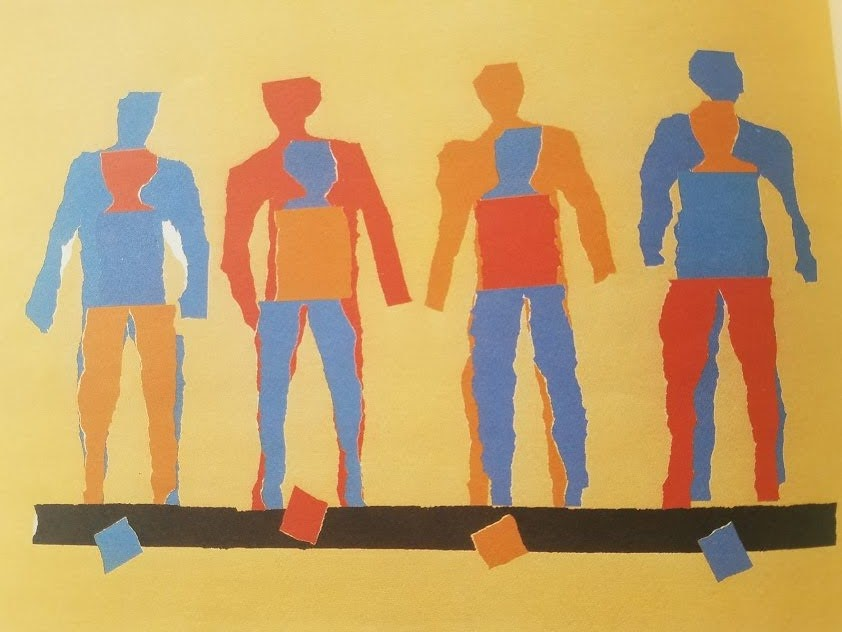
From “Israeli Haggadah” by Noam & Mishael Zion


 Torah & more... תורה ועוד