שוב יום הכיפורים? פרשת “אחרי מות”
| In the tractate Rosh Hashana of the Babylonian Talmud, Rabbi Yehoshua and Rabbi Eliezer discuss, when does the year actually begin, in Tishrei or in Nisan? Nisan is “head of the months, first of the months of the year” (Exodus 12:2), but on Rosh Hashanah in the month of Tishrei “the world was created” according to Rabbi Eliezer. So it turns out that we – count years from Rosh Hashana (in the fall) and months – from the month of Nissan (in the spring). It sounds strange, but even in the “regular” calendar we have several beginnings – the school year, the financial year, the Gregorian calendar, etc., etc. | במסכת ראש השנה דנים רבי יהושע ורבי אליעזר, מתי בעצם מתחילה השנה, בתשרי או בניסן? ניסן הוא “רֹ֣אשׁ חֳדָשִׁ֑ים רִאשׁ֥וֹן הוּא֙ לָכֶ֔ם לְחׇדְשֵׁ֖י הַשָּׁנָֽה” (שמות יב:ב), אבל בראש השנה שבחודש תשרי “נברא העולם” לשיטת רבי אליעזר. כך יצא שאנחנו – מונים שנים מראש השנה, וחודשים – מחודש ניסן. זה נשמע מוזר, אבל גם בלוח השנה ה”רגיל” יש לנו כמה התחלות – שנת הלימודים, שנת הכספים, הלוח הלועזי וכו וכו. |
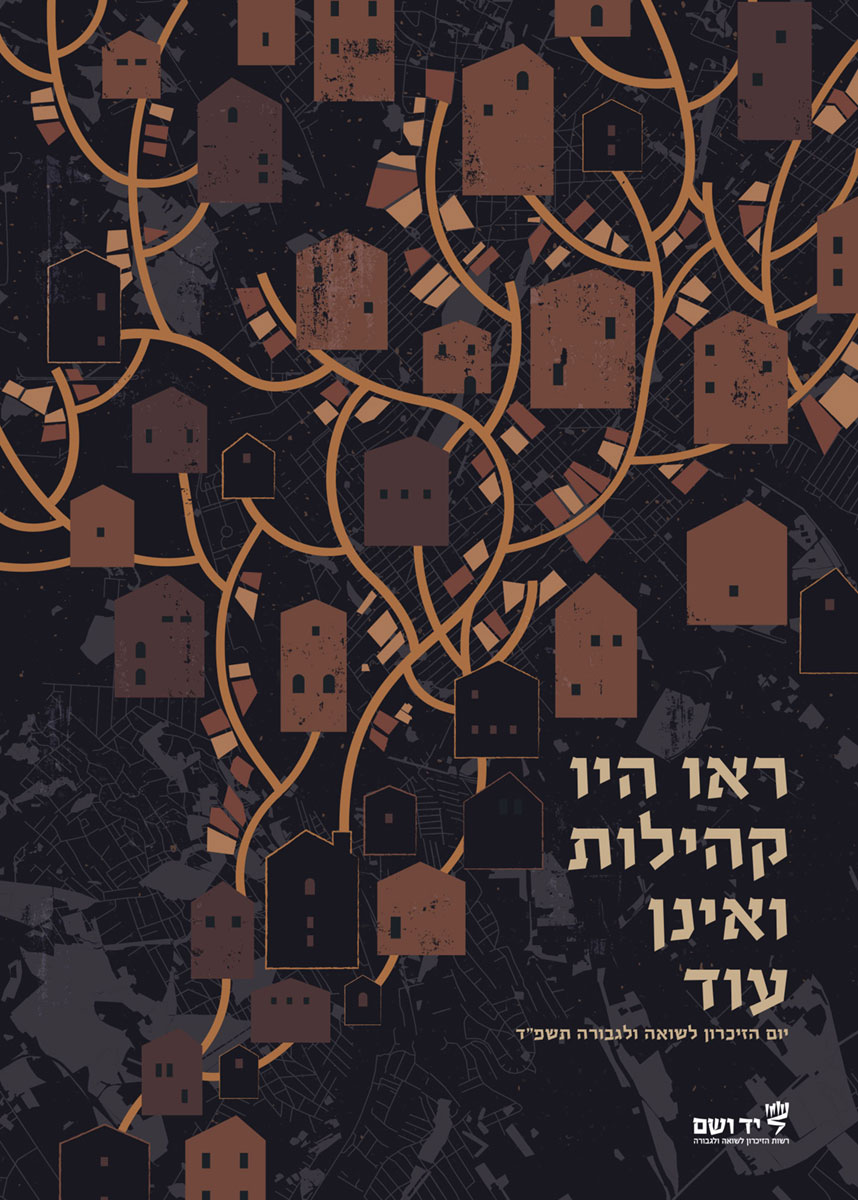
| I thought about this in connection with this week’s Torah portion, “Acharei Mot”, literally “after the death” (of two of Aaron’s sons), which describes the work of the high priest on Yom Kippur: once a year the high priest entered the Holy of Holies, not for himself or any person who asked for help, but to atone for all the Israelites in a somewhat mysterious and not entirely clear ceremony. He goes in, goes out, goes in, goes out, changes clothes again and again… what exactly is he doing there? The detailed event and the Torah portion dealing with it appear by chance (or not?), precisely at this time of the year, always around Pesach. Is there a hint of another yearly cycle here? Simultaneously, in recent years, an idea of “Ten Days of Renewal” or “Ten Days of Thankfulness” has been developed, framing the days between the end of Passover / Memorial Day for the Holocaust and Bravery (this coming Monday) and the days of Yom Hazikaron, Remembrance for Soldiers and Terror Victims – Independence (the following week). Is there any statement here that at the end (of these 10 days) comes Yom Kippur? | חשבתי על כך בהקשר לפרשת השבוע, “אחרי מות” (שני בני אהרון), שמתארת את עבודת הכהן הגדול ביום הכיפורים: פעם בשנה נכנס הכהן הגדול אל קודש הקודשים, לא עבור עצמו או אדם כלשהו שבקש עזרה, אלא לכפר על כל בני ישראל בטקס קצת מסטי ולא לגמרי ברור. הוא נכנס, יוצא, נכנס, יוצא, מחליף בגדים שוב ושוב… מה בדיוק הוא עושה שם? האירוע המפורט והפרשה העוסקת בו, מופיעים במקרה (או שלא?), דוקא בתקופה זו בשנה, תמיד בסביבות פסח. האם יש כאן רמז למעגל שנה אחר? במקביל, בשנים האחרונות, מתפתח רעיון של “עשרת ימי תקומה” או “עשרת ימי תודה” הממסגרים את הימים שבין סוף פסח / יום הזכרון לשואה ולגבורה (ביום שני הקרוב) וימי הזכרון – עצמאות (בשבוע שאחרי). האם יש כאן איזה שהיא אמירה שבסופם (של עשרת הימים האלה) מגיע יום הכיפורים? |
| And to add to the confusion, the original Yom Kippur was actually… the day of the Giving the Torah! For the purpose of the calculation, let’s return to the holiday we know of as “Giving of the Torah”, the day when Moses ascended Mount Sinai, the 6th of Sivan. Moshe stayed on the mountain for 40 days and 40 nights, and returned on the 17th of Tammuz, the day of the breaking of the first tablets. He stayed with the people for 40 days, and on the 1st of Elul, the month of Teshuva / repentance, went up to Mount Sinai again to receive (or create) the 2nd set of tablets. Again Moses sat with Gd for 40 days and 40 nights, and the Israelites experienced the month of Elul and after that, ten days of repentance. When Moshe returns with the 2nd tablets – it was Yom Kippur, the 10th of Tishrei, a day of white clothing, repentance, atonement, cleanliness, and peace. | ואם להוסיף על הבלבול, הרי שיום הכיפורים המקורי היה בעצם… יום מתן תורה! לצורך החישוב, נחזור לחג שאנחנו מכירים כחג מתן תורה, היום בו משה עלה להר סיני, ו בסיון. משה נשאר בהר 40 יום ו-40 לילה, וחזר בי”ז בתמוז, יום שבירת הלוחות הראשונים. הוא נשאר עם העם 40 יום, וביום א’ באלול, חודש התשובה, עלה שוב להר סיני כדי לקבל (או ליצור) את הלוחות השניים. שוב ישב משה עם הקב”ה 40 יום ו-40 לילה, ובני ישראל חוו את חודש אלול ולאחריו, עשרת ימי תשובה. כשמשה חוזר עם הלוחות השניים – היה זה יום הכיפורים, ה-10 בחודש תשרי, יום של בגדי לבן, תשובה, כפרה, נקיון, ושלום. |
| Obviously, we could commemorate Yom Kippur every day. There is not a day when we do not do something wrong and do not need atonement. Even the evening prayer that attached to the closing of Yom Kippur begins with the words “And He is merciful and forgives iniquity” (from the prayer book and originally from Psalms 48:38). What iniquity did we manage to do between the split second when Ne’ila, the closing prayer ended and the evening prayer began?? Nevertheless… | מן הסתם, יכולנו לציין את יום כיפור יום יום. אין יום שבו אנחנו לא טועים במשהו ולא זקוקים לכפרה. אפילו תפילת ערבית הצמודה למוצאי יום כיפור, מתחילה במילים “וְהוּא רַחוּם יְכַפֵּר עָוֹן” (מסידור התפילה ובמקור מתהילים עח:לח). איזה עוון כבר הספקנו לעשות בין השניה בה הסתיימה תפילת נעילה והתחילה תפילת ערבית?? ואף על פי כן… |
| On the other hand, we have no chance of living a healthy, productive and active life if every moment we stop to ask for forgiveness, and I am not in favor of endless probing, especially when it is so difficult to get meaningful answers. And yet. The Torah does not forbid us to examine our actions more often than just once a year. | מצד שני, אין לנו סיכוי לקיים חיים בריאים, יצרניים ומלאי עשיה אם כל רגע נעצור לבקש כפרה, ואני לא בעד החיטוט האינסופי, במיוחד כשכל כך קשה לקבל תשובות משמעותיות. ועדיין. התורה לא אוסרת עלינו לבחון את מעשינו לעיתים קרובות יותר מאשר רק פעם בשנה. |
| The upcoming days, between Holocaust and Independence, can be days like this. Just this week I was at a “Jewish” conference. One of the lecturers came on stage with a request to sing and pray in memory, in honor and for the sake of… It was a powerful moment, and all those present’s eyes – filled with tears. I thought, these are going to be some “Ten days of Renewal” this year. I only hope that, for the sake of the national mental health, each of us will concentrate on his own soul searching accounting, rather than of that of the one next to him… | הימים הבאים עלינו, בין שואה לעצמאות, יכולים להיות ימים שכאלה. רק השבוע הייתי בכנס בנושא “יהודי”. אחד המרצים עלה על הבמה בבקשה לשיר ולהתפלל לזכר, לכבוד ולמען… זה היה רגע חזק, ועיני כל הנוכחים התמלאו דמעות. חשבתי, אלו הולכים להיות “עשרת ימי תקומה” לא פשוטים השנה. אני רק מקוה שלמען בריאות הנפש הלאומית, כל אחד מאיתנו יתרכז בחשבון הנפש שלו, במקום בזה של מי שנמצא שלידו… |
| A great example of this was given to us in the book of Job. Job is suffering and no explanation will appease him. In contrast, his friends, or in the language of the book – his fellows = re’im (a word that can be interpreted both as “friend” and as “bad”) are full of explanations. They, the scholars, do not look at him as a beloved and pained friend but more as an interesting case that needs to be analyzed and from which to understand, why is there evil and suffering in the world? After all, it is written in the Gemara, “There is no death without sin, and there is no suffering without wrongdoing” (Tractate Shabbat, 55:a)! If so, surely Job did something wrong… Let’s investigate a little further, they say as they sit around him (you can imagine them, sipping their tea and caressing the beards in deep thought) – when he suffers so much – and maybe we can understand what and how and why and how much exactly Happened (they consider as they mutter to themselves)… | דוגמא נהדרת לכך נתנת לנו בספר איוב. איוב סובל ושום הסבר לא מרצה אותו. לעומתו, חבריו, או בלשון הספר – רעיו (האם בכוונה נכתבה מילה שאפשר לפרש גם כרע במובן חבר וגם כמישהו רע ורשע?) מלאים בהסברים. הם, המלומדים, לא מסתכלים עליו כעל חבר אהוב וכואב אלא יותר כעל מקרה מעניין שצריך לנתח וממנו להבין, למה יש רשע וסבל בעולם? הרי כתוב בגמרא “אין מיתה בלא חטא ואין יסורין בלא עון” (מסכת שבת, נה:א)! אם כך, בודאי שאיוב עשה משהו לא נכון… הבה נחקור עוד קצת, הם אומרים כשהם יושבים סביבו (אפשר לדמיין אותם, שותים כוס תה ומלטפים את הזקן במחשבה עמוקה)– כשהוא סובל כל כך – ואולי נוכל להבין מה ואיך ולמה וכמה בדיוק קרה (הם שוקלים בהמהום)… |
| Job does not care about any explanation. Job does not want an explanation. Maybe, if we could have asked him, he would have said he preferred a hug. Or a song. And above all, a direct reference to the suffering he is sure he is suffering for no reason. Maybe, he’d want someone who says, ‘we are sorry’ and ‘it hurts us that you are in such pain’. Hearing explanations while suffering is an addition to the suffering and not a relief. There is no doubt that Job’s friends serve as a model for ‘how not to provide chaplaincy care’… | לאיוב לא אכפת משום הסבר. איוב לא רוצה הסבר. אולי, אילו יכולנו לשאול אותו, היה אומר שהוא מעדיף חיבוק. או שיר. ובעיקר, התייחסות ישירה לסבל שהוא בטוח שהוא סובל “על לא עוול בכפו”, מישהו שיגיד, ‘אנחנו מצטערים’ ו’כואב לנו שכואב לך כך’. לשמוע הסברים תוך כדי סבל, הרי זו תוספת על הסבל ולא הקלה. אין ספק שחבריו של איוב משמשים מודל ל’איך לא לעשות ליווי רוחני’… |
| And who is right? As always, it turns out that there is room for both. There is a time and place for explanations. But there is also a need for a hug, a song, tears. After all, even if his companions were “right” in their long explanations, it is precisely Job’s lack of readiness and ability to hear them that ultimately merited him to receive direct communication between him and Gd. And what about us? Some of us are thirsty for words and explanations; words comfort, strengthen and calm them, and some – prefer the song, the hug, the tears and insist on the direct dialogue. It would be good if, especially in these days, like the high priest, we remember them all. | ומי צודק? כמו תמיד, מסתבר שיש מקום גם לזה וגם לזה. יש זמן ומקום להסברים. אך יש גם צורך בחיבוק, בשיר, בדמעות. אחרי הכל, גם אם רעיו של “צדקו” בהסבריהם הארוכים, הרי שדוקא חוסר המוכנות והיכולת של איוב לשמוע אותם, היא שמזכה אותו, בסופו של דבר, בדיאלוג הישיר בינו לבין הקב”ה. ואנחנו? יש מבינינו שצמאים למילים והסברים, המילים מנחמות אותם, מחזקות ומרגיעות, ויש – שמעדיפים את השיר והחיבוק, הדמעות וממתעקשים על הדיאלוג הישיר. יהיה טוב אם, במיוחד בימים האלו, כמו הכהן הגדול, נזכור את כולם. |
שבת שלום וחודש אייר טוב, הבא עלינו לטובה – SHABBAT SHALOM & A GOOD UPCOMING MONTH OF IYAR


 Torah & more... תורה ועוד