פרשת קורח – המוזיאון הלאומי הראשון
| During the Israelite’s forty years of wandering, many experiences and events happened to them: they received the Torah. They built a tabernacle for Gd’s presence among them. They had manna to taste like all the foods possible. From time to time, meat appeared. Sometimes, there were problems with the water. There were complaints. There were those who thought it was necessary to replace Moshe and Aaron, and there were those who appreciated and loved the established leadership. It is tempting – and this is almost certainly what will happen – to spend this Shabbat discussing leadership and controversy; whether, when and how to replace leadership and also when not; the similarities and differences between then and now… But I got to learn something exciting and new, and I would love to share it. Turns out that in the background, among all the known things, the Israelites also built the first museum in the world. What? a museum? Yes! | במשך ארבעים שנות נדודי בני ישראל, עברו עליהם הרבה חוויות ואירועים: הם קבלו את התורה. הם בנו משכן לנוכחות הקב”ה בתוכם. ירד להם מן בטעם כל המאכלים שאפשר. מידי פעם, בא להם בשר. לפעמים, היו צרות עם המים. היו תלונות. היו מי שרצו ללכת לארץ מיד, ומי שפחדו ולא רצו ללכת בכלל. היו מי שחשבו שצריך להחליף את משה ואהרון, והיו מי שהעריכו ואהבו את המנהיגות הקימת. מפתה – וקרוב לודאי זה מה שיקרה – לבלות את השבת הזו בדיון על מנהיגות ומחלוקת, אם, מתי ואיך להחליף מנהיגות וגם מתי לא, הדומה והשונה אז והיום… אך זכיתי ללמוד דבר מרגש וחדש, ואותו אשמח לשתף. כי מסתבר שברקע, בין כל הדברים הידועים, בני ישראל גם בנו את המוזיאון הראשון בעולם. מה? מוזיאון? כן! |
| The truth is that I didn’t really think about it that way either, until last Shabbat when I had the privilege to be in a thought-provoking class. The person who gave the lesson was not a famous rabbi but just someone from the community; someone who loves Torah and Eretz Yisrael and shared from his ideas. A “regular person”. When I asked Google about him, I learned that 13 years ago, he was awarded the title of “Chatan HaTanach” – Bible Contest Winner for seniors, so maybe not completely “regular”, and maybe we are blessed to merit to have these kind of people are the “regulars” nowadays, among us. Either way, how come a museum? | האמת שגם אני לא ממש חשבתי על זה כך, עד השבת האחרונה כשזכיתי להיות בשיעור מעורר מחשבה. מי שהעביר את השיעור, לא היה רב מפורסם אלא אדם מהקהילה, אוהב תורה וארץ ישראל ששיתף מרעיונותיו. אדם “רגיל”. כששאלתי את גוגל עליו, למדתי שלפני 13 שנה, זכה בתואר “חתן התנ”ך” בארץ לגימלאים, אז אולי לא לגמרי “רגיל”, ואולי אשרינו שזכינו שאלו הם האנשים “הרגילים” במקומותינו. כך או כך, מה פתאום מוזיאון? |
| In this week’s Torah portion, Korach, we’re told about the rebellion of Korah and his entire congregation against the leadership of Moshe and Aaron. As we know, the earth opens its mouth and swallows Korach and his family, as well as Datan and Aviram, his supporters. The rest of the those offering the incense, are burned by the fire that comes from Gd. Moshe commands “Eleazar son of Aaron to take the copper fire pans which had been used for offering by those who died in the fire; and they were hammered into plating for the altar, as H’ had ordered him through Moses. It was to be a reminder to the Israelites, so that no outsider—one not of Aaron’s offspring—should presume to offer incense before H’ and suffer the fate of Korah and his band” (Numbers 17:4-5). That is, they made the pans into covering for the altar to remind and learn the heritage of the past and educate for the future. | בפרשת השבוע, פרשת קורח, מסופר על מרידת קורח וכל עדתו נגד הנהגת משה ואהרון. כידוע פותחת האדמה את פיה ובולעת את קרח ומשפחתו, ואת דתן ואבירם תומכיו. שאר מקטירי הקטורת נשרפים באש שיצאה מאת ה’. משה מצווה את אלעזר בן אהרון לקחת את המחתות…. “וַיִּקַּ֞ח אֶלְעָזָ֣ר הַכֹּהֵ֗ן אֵ֚ת מַחְתּ֣וֹת הַנְּחֹ֔שֶׁת אֲשֶׁ֥ר הִקְרִ֖יבוּ הַשְּׂרֻפִ֑ים וַֽיְרַקְּע֖וּם צִפּ֥וּי לַמִּזְבֵּֽחַ׃ זִכָּר֞וֹן לִבְנֵ֣י יִשְׂרָאֵ֗ל לְ֠מַ֠עַן אֲשֶׁ֨ר לֹֽא־יִקְרַ֜ב אִ֣ישׁ זָ֗ר אֲ֠שֶׁ֠ר לֹ֣א מִזֶּ֤רַע אַהֲרֹן֙ ה֔וּא לְהַקְטִ֥יר קְטֹ֖רֶת לִפְנֵ֣י ה’ וְלֹֽא־יִהְיֶ֤ה כְקֹ֙רַח֙ וְכַ֣עֲדָת֔וֹ כַּאֲשֶׁ֨ר דִּבֶּ֧ר ה’ בְּיַד־מֹשֶׁ֖ה לֽוֹ”, כלומר, את המחתות עשו שיהיו ציפוי למזבח כדי להזכיר וללמוד מורשת העבר ולחנך לעתיד. |
| According to Wikipedia, a museum… a word that comes from the Greek as “Hall of the Muses”, is a place where collections in a certain field or several fields are gathered: art, antiquities, etc… It is an institution that allows the public access to exhibits that represent a variety of phenomena in nature, culture, history and heritage, for the purposes of education, research, study, heritage interpretation, and enjoyment. It turns out that part of what was done in the Mishkan was not only a connection with Gd, but also a connection for the people with their past, their heritage, their culture, and their history for the purposes of education, study, etc… Wow. But, maybe this is a single example… ? | לפי ויקיפדיה, מוזיאון… מילה שמקורה ביוונית כ”היכל המוזות”, הוא מקום שמרוכזים בו אוספים בתחום מסוים או בתחומים אחדים: אומנות, עתיקות וכו… זהו מוסד המאפשר לציבור גישה למוצגים המייצגים מגוון תופעות טבע, תרבות, היסטוריה ומורשת, לצורכי חינוך, מחקר, לימוד, המסרה והנאה. מסתבר שחלק ממה שנעשה במשכן לא היה רק קשר עם הקב”ה, אלא גם קשר לעם עם עברו, מורשתו, תרבותו, וההסטוריה שלו למטרות חינוך, לימוד וכו… טוב, אולי זו דוגמה יחידה… ? |
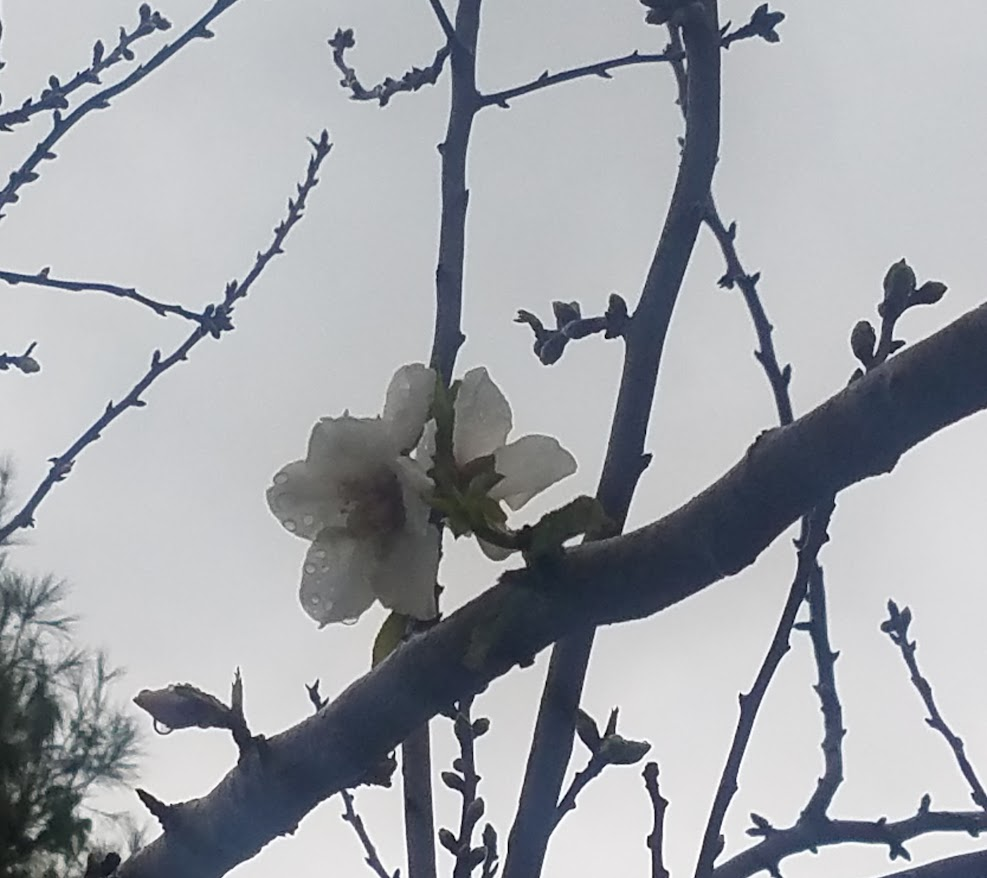
| A few verses later, we are told that in order to strengthen choosing Aaron, Gd commanded that twelve staffs be taken, a staff for each of the tribal leaders, and put them in the tent of meeting. The next day it was discovered that Aharon’s staff was the only one that bloomed with flowers and almonds. Nice! But behold, Gd commands to keep the flowering staff near the Ark of the Covenant as a testimony. Again, not for the sake of the sacrifices and the relationship between God and His people, but so that the Children of Israel can see, remember and learn from the past for the future. | כמה פסוקים לאחר מכן, מסופר לנו שכדי לחזק את בחירתו של אהרן מצווה ה’ לקחת שנים עשר מטות, מטה לכל נשיא מנשיאי השבטים, ולשים אותם באוהל מועד. למחרת נתגלה כי מטה אהרון הוא היחיד שהעלה פרחים ושקדים. נחמד! והנה, הקב”ה מצווה לשמור על המטה הפורח ליד ארון הברית לעדות. שוב, לא בשביל הקורבנות והקשר בין הקב”ה לעמו, אלא כדי שבני ישראל יוכלו לראות, לזכור וללמוד מהעבר לעתיד. |
| Another item that was placed in our museum is the Copper Snake about which we will read in next week’s Torah portion, Chukat, as well as a jar (most likely not glass but pottery) of manna. And so it is said: Moses said, “This is what H’ has commanded: Let one omer of it be kept throughout the ages, in order that they may see the bread that I fed you in the wilderness when I brought you out from the land of Egypt. And Moses said to Aaron, “Take a jar, put one omer of manna in it, and place it before H’, to be kept throughout the ages.” (Exodus 16:32-35). | פריט נוסף שהונח במוזיאון שלנו הוא נחש הנחושת עליו נקרא בפרשת חוקת בשבוע הבא, וכן צנצנת (קרוב לודאי לא מזכוכית אלא מחרס) של מן. וכך נאמר: וַיֹּ֣אמֶר מֹשֶׁ֗ה זֶ֤ה הַדָּבָר֙ אֲשֶׁ֣ר צִוָּ֣ה ה’: מְלֹ֤א הָעֹ֙מֶר֙ מִמֶּ֔נּוּ לְמִשְׁמֶ֖רֶת לְדֹרֹתֵיכֶ֑ם לְמַ֣עַן יִרְא֣וּ אֶת־הַלֶּ֗חֶם אֲשֶׁ֨ר הֶאֱכַ֤לְתִּי אֶתְכֶם֙ בַּמִּדְבָּ֔ר בְּהוֹצִיאִ֥י אֶתְכֶ֖ם מֵאֶ֥רֶץ מִצְרָֽיִם׃ וַיֹּ֨אמֶר מֹשֶׁ֜ה אֶֽל־אַהֲרֹ֗ן קַ֚ח צִנְצֶ֣נֶת אַחַ֔ת וְתֶן־שָׁ֥מָּה מְלֹֽא־הָעֹ֖מֶר מָ֑ן וְהַנַּ֤ח אֹתוֹ֙ לִפְנֵ֣י ה’ לְמִשְׁמֶ֖רֶת לְדֹרֹתֵיכֶֽם… (פרשת “בשלח”, שמות, טז, לב-לה). |
| Even the fragments of the first tablets that Moses broke in the sin of the Golden Calf, were not thrown away but placed in the ark, and the Gemara calculates exactly how much space they needed (Bava Batara 14:b). And, years later, the sword of Goliath, the Philistine was kept in the Tabernacle, and even King David’s garment that he wore in that battle against Goliath, also, was kept in the Tabernacle. | גם שברי הלוחות הראשונים ששיבר משה בחטא העגל, לא נזרקו אלא הונחו בארון, והגמרא מחשבת במדויק לכמה מקום נזקקו (בבא בתרא יד:ב), ושנים מאוחר יותר, חרב גלית הפלישתי – נשמרה במשכן, ואפילו הבגד של דוד המלך בקרב מול גולית, גם הוא נשמר במשכן. |
| Already then it was clear that the future generations would question everything, expressing different levels of disbelief that once there were miracles, there were Tablets, there was manna, there was Korah, there was a staff that bloomed with flowers and almonds. “A nation that does not know its past, has a scant present and a fogged future” said Yigal Alon, a completely modern phrase, yet, expressing something that started already thousands of years ago, when we established our “first national museum” back in the Mishkan. | כבר אז היה ברור שיבואו דורות חדשים בעתיד שישאלו שאלות ויביעו רמות שונות של חוסר אמונה בכך שפעם היו ניסים, שהיו לוחות, שהיה מן, שהיה קורח, שהיה מטה שהעלה פרחים ושקדים. “עם שאינו יודע את עברו, ההווה שלו דל, ועתידו לוט בערפל”, אמר יגאל אלון משפט מודרני לחלוטין, והנה הוא מבטא משהו שהתחיל כבר לפני אלפי שנים, כשעוד במשכן הקמנו את ה”מוזיאון הלאומי הראשון” שלנו. |
שבת שלום וחודש תמוז טוב *** SHABBAT SHALOM & A GOOD MONTH OF TAMUZ


 Torah & more... תורה ועוד