פרשת “ויגש – מפגש בחושך”
חנוכה בירושלים.
להגיד שאין מקום אחר להיות בו בחג הזה? ומה עם חגים אחרים? כן, ירושלים היא ירושלים, בכל עונות השנה, ובכל זאת חנוכה זה חנוכה. ובמים שהם החושך שבתוך החושך, כשיש הכי פחות ירח (סוף החודש העברי ותחילת החודש הבא) והכי פחות שמש בשמים (הימים הכי קצרים בשנה), בכל סמטה, הנה, כמאמר השיר “אור קטן וכולנו אור איתן”.
ובימים האלה, של החושך בתוך החושך, אנחנו קוראים על יוסף במצרים ועל המפגש המרגש של האחים.
התרגלנו לסיפור הזה. כל שנה מחדש. יהודה, רועה הצאן, בבגדיו הבלויים משהו, אולי יחף או בנעליים עשויות מחבלים ועור בהמה, מקלו בידו, ראשו מורכן, מושפל, צנוע, מתלבט, מתוודא על עוונותיו. ואחיו הצעיר מולו, לבוש בבגדי שרד מצריים, נוצץ, רשמי, מקושט, בטוח במעמד הרם אליו הגיע, שולט על כמעט הכל, מבין ויודע – כמעט – הכל.
יוסף רואה מלכות, רואה איך מה שלמד וחלם בבית אבא משפיע על כל העולם כולו: הוא ה”משביר”, נותן אוכל לאימפריה החזקה בעולם. בבית בו כולם “ספרו כבשים”, הוא רואה אלומות, שמש, ירח וכוכבים. עולם ומלואו.
את החלומות של יהודה אנחנו לא יודעים. אפשר רק לנחש אותם דרך העשיה שלו, אם בכלל היה לו זמן לחלום. הוא חי במושגים של משפחה, ערבות, נאמנות, אחריות הדדית. רועה הצאן צריך להתרכז במה שכאן ועכשיו: לאן לקחת את הצאן היום, מחר, בעונה הזו. והעולם? מי יודע. אנחנו נעשה את חלקנו ו”מציון תצא תורה”.
ועדיין.
בליבו של השליט, המשנה לפרעה – דמעות. ובליבו של יהודה – גאוות יחידה, מחוייבות ובטחון.
וכל אחד מהם מייצג גישה שונה שקיימת בתוך עם ישראל: האחד אומר, צריך לקחת את המתנות שקבלנו ולחלוק אותן עם העולם. “רק כך” נהיה “אור לגויים”. השני אומר, קודם כל, נבנה את עצמנו ומתוך כך, “רק כך” נהיה “אור לגויים”. יוסף רוצה יהדות “אוניברסלית”. יהודה רוצה “תורת ישראל לעם ישראל בארץ ישראל”.
יוסף הצדיק, שאבא עושה לו כותנת מיוחדת והוא “מסלסל בשערו”, איננו ילד מפונק עם שגעון גדלות. הוא רואה שלהמשיך את החזון והברכה שנתנו לאברהם של “ונברכו בך כל משפחות האדמה” (בראשית יב,ג) פירושו להציל את מצרים, האימפריה הגדולה והחזקה בעולם מרעב, אסון ומוות, ודרך הצלה זו, להנחיל לעולם את דרך החיים, הערכים והתורה של בני יעקב, בני ישראל.
יוסף הוא כמו ארגון הג’וינט ומדינת ישראל ששולחים כוחות הצלה ועזרה לכל מקום בעולם, בין אם זה לפיתוח חקלאות באפריקה או מצב חירום בתורכיה ועוד ועוד, בתקוה שדרך עשיה זו, נוכל גם לשתף בערכים שנתנה לנו התורה, ובתמורה לקבל קצת קרדיט, אהדה ומקום בין הגויים.
אבל גם היום וגם אז, ההצלחה שלנו בדרך זו – מוגבלת. אנחנו חושבים שאם נהיה “נחמדים” ו”מועילים” לשכננו ולעולם, “כולם” יראו את זה, ומכאן הדרך לתיקון עולם מהירה. זה מפתה. ויש בזה הגיון, רב אפילו. אך גם יוסף ה-כמעט כל יכול שקנה את כל מצרים בשנות הרעב ההן, לא הצליח לקנות את “אדמת הכהנים” (בראשית מז, יח-כו), כלומר, לא הצליח ממש לגעת בליבת מצרים. ומליבה זו, בהמשך, יצא רשע גדול, ורובו נגדנו.
זו היתה ה”קונספציה” של יוסף. ומה עושים נגד כזו? צריך שיהיה בתוך הצוות מישהו – מעצבן ביותר – שחושב שונה, שמבין את התמונה אחרת לגמרי, ויכול להעיר ולהאיר דרך נוספת.
עכשיו חשיבות המפגש בין יוסף ויהודה ברורה עוד יותר. אלו לא רק אחים ה”משלימים” אחרי יותר מ-20 שנה ב”לית ברירה”, אלא בני ישראל שמבינים בעומק, שזה לא “למרות” אלא דוקא “בגלל” השוני הגדול ביניהם שנדמה כמעט בלתי אפשרי לגישור, צריך את כולם. יהודה לא יכול לחיות לבד בארץ במנותק מהעולם. הוא צריך את ה”שבר במצרים”, ללמוד שפות, לצאת, להכיר, להיות מעורב עם הבריות. יוסף במצרים מצליח – כמעט – בהכל, אך לא בלחיות במנותק ממשפחתו ודרך חייו. את שני בניו, אפרים ומנשה, הוא ואסנת מגדלים להיות חלק משבטי ישראל.
זאת ועוד:
שכשהמשפחה כולה יורדת למצרים, נאמר: “וְאֶת־יְהוּדָ֞ה שָׁלַ֤ח לְפָנָיו֙ אֶל־יוֹסֵ֔ף לְהוֹרֹ֥ת לְפָנָ֖יו… (שם, מו, כח). רש”י אומר על המילה “לפניו” – ‘קֹדֶם שֶׁיַּגִּיַע לְשָׁם. וּמִדְרַשׁ אַגָּדָה (על המילים) “לְהוֹרוֹת לְפָנָיו” – לְתַקֵּן לוֹ בֵּית תַּלְמוּד שֶׁמִּשָּׁם תֵּצֵא הוֹרָאָה”.
כלומר, כמו בכל טיסה, ההוראה היא קודם כל לשים את מסכת החמצן ואח”כ לדאוג למי שסביב. כלומר, טוב ויפה ונכון וחשוב לעסוק בתיקון עולם, וזה גם משהו שאנחנו מתפללים עליו כל יום, שנזכה “לתקן עולם (במלכות שדי)”, אבל אנחנו חייבים גם ללמוד ולחזק את מי שאנחנו, או לפחות להבין את אלה שעסוקים ונלחמים גם על כך.
אני חושבת על כך ברחובות ירושלים, החשוכים, הקרים, הגשומים, ובמיוחד כשאני מוצאת את עצמי בסמטה מוארת אור. איך לערוך את המפגש בין יהודה ויוסף? איך לעמוד זה מול זה בדמעות וכאב מתוך מחויבות למשפחה שאנחנו? אני מקוה שנמצא את הדרך.
טעימה שבועית ממסכת סנהדרין:
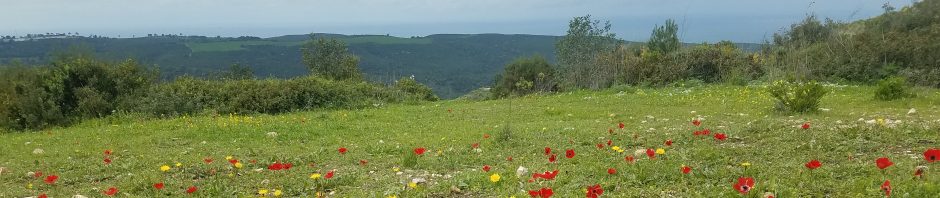
הדיון שאנחנו באמצעו הוא גודל בית הדין וכמה שופטים צריך לדיונים שונים? הדבר משתנה בהתאם לסוגיה הנידונה לפניו. אחת השאלות היא כמה חכמים צריך כדי לסמוך רבנים אחרים. בד”כ אחד לא מספיק, אך הנה סיפור שפעם נסמכו רבנים ע”י רב אחד. מתי ואיפה, איך ולמה קרה הדבר? אם נצא לרחוב השכן, נוכל להשקיף על המקום, שנמצא כ-10ק”מ מבית הספר בו אני מלמדת (תרגום שטיינזלץ מאתר ספריא):
אמר רב יהודה אמר רב: ברם [אמנם] זכור אותו האיש לטוב, ור’ יהודה בן בבא שמו… שפעם אחת גזרה מלכות הרשעה (רומי) שמד על ישראל לבטל את שרשרת הסמיכה ואת סמכותם של חכמי ארץ ישראל, ואמרו שכל הסומך — יהרג, וכל הנסמך — יהרג, ועוד קבעו שעיר שסומכין בה — תיחרב. ואף סימוני תחומין שסומכין בהן — יעקרו, כדי להרתיע את הסומכים והנסמכים מתוך חשש לשלומם של בני מקומות אחרים.
מה עשה יהודה בן בבא? הלך וישב לו בין שני הרים גדולים, ובין שתי עיירות גדולות, ובין שני תחומי שבת, כלומר, במקום שומם, שלא יוכלו לומר שהוא שייך לתחומה של עיירה מסויימת ולא יענישו את בני העיירה, בין אושא לשפרעם, וסמך שם חמשה זקנים. ואלו הן: ר’ מאיר, ור’ יהודה, ור’ שמעון, ור’ יוסי, ור’ אלעזר בן שמוע. ר’ אויא מוסיף שהיה שם אף ר’ נחמיה, בין הנסמכים.
כיון שהכירו אויביהם בהן, שנודע להם הדבר שסומכים שם, אמר להן ר’ יהודה בן בבא לחכמים: בניי, רוצו וברחו מכאן. אמרו לו: רבי, מה תהא עליך שאתה זקן ואינך יכול לרוץ? אמר להן: הרי בין כה וכה הריני מוטל לפניהם כאבן שאין לה הופכים, שבוודאי לא אוכל להימלט גם אם תעזרוני, ואם לא תמלטו לבדכם גם אתם תהרגו. אמרו: לא זזו האויבים משם עד שנעצו בו שלש מאות לונביאות (חניתות) של ברזל ועשאוהו ככברה. כלומר, הרומאים הרגו אותו בדרך אכזרית, כפי שחשש, ולנו נשאר ללמוד ממעשה זה ש- לפעמים חכם אחד בלבד יכול לסמוך, וכמובן, על הכוח, אומץ וגבורה שנדרשו כדי לשמור את דרך חיינו, אז והיום.
המשך חורף טוב ושבת שלום.
Hanukkah in Jerusalem.
To say that there is no other place to be on this holiday? And what about other holidays? Yes, Jerusalem is Jerusalem, in all seasons of the year, and yet Hanukkah is Hanukkah. And in the days that are the darkness within the darkness, when there is the least moon (the end of one Hebrew month and the beginning of the next one) and the least sun visible (the shortest days of the year), in every alley, there is, as the song says, “a small light and we are all a steadfast light.”
And during these days,of darkness within the darkness, we read about Joseph in Egypt and the moving meeting of the brothers.
We have become accustomed to this story. Every year anew. Judah, the shepherd, in his somewhat worn-out clothes, perhaps barefoot or in some sandals made of ropes and animal skin, his staff in his hand, his head bowed, humbled, hesitating, rethinking his transgressions. And his younger brother in front of him, dressed in Egyptian royal clothing, sparkling, formal, decorated, confident in the high position he has reached, controlling almost everything, understanding and knowing – almost – everything.
Joseph sees kingship; he sees how what he learned and dreamed in his father’s home will touch favorably the entire world: he is the “mashbir”, the “distributor”, providing food for the most powerful empire in the world. In a place where everyone “counted sheep”, he sees sheaves, sun, moon and stars. The world in its entirety.
We do not know Judah’s dreams. We can only guess them through his actions, if he even had time to dream. He lives in a world of family, guarantee, loyalty, mutual responsibility. The shepherd of the sheep must concentrate on what is here and now: where to take the sheep today, tomorrow, in this season. And the world? Who knows. We will do our part and “the Torah will go forth from Zion”.
And yet.
In the heart of the grand ruler, the deputy to Pharaoh – there are tears. And in Judah’s heart – a pride, commitment and confidence.
Each of them represents a different approach that exists within the Jewish people: One says, we must take the gifts we have received and share them with the world. “Only in this way” will we become a “light to the nations.” The other says, first of all, let us build ourselves and then and “only in this way” will we become a “light to the nations.” Joseph wants a “universal” Judaism. Judah wants “the Torah of Israel for the People of Israel in the Land of Israel.”
The righteous Joseph, whose father makes a special coat for him and who “curls his hair,” is not a spoiled child with delusions of grandeur. He sees that continuing the vision and blessing given to Abraham of “and in you all the families of the earth shall be blessed” (Genesis 12:3) means saving Egypt, the largest and most powerful empire in the world, from famine, disaster and death, and through this salvation, passing on to the world the way of life, values and Torah of the sons of Jacob, the sons of Israel.
Yosef is like the “Joint” (JDC) and the State of Israel who send rescue and aid to every place in the world, whether it is agriculture experts to Africa or emergency forces to an earthquake in Turkey and so on, in the hope that through this action, we can also share the values given to us by the Torah, and in return receive some credit, sympathy and a place among the nations.
But both today and back then, our success in this way is limited, to say the least. We think that if we are “nice” and “useful” to our neighbors and to the world, “everyone” will see it, and hence the path to “tikkun olam” – making the world a better place – is quick. It is tempting. And there is logic in this, a lot of it even. But even Joseph, the almost omnipotent one who bought all of Egypt during those years of famine, failed to buy the “land of the priests” (Genesis 47:18-22), that is, he failed to really touch the heart and core of Egypt. And from this core, later, great evil emerged, and much of it, directed against us.
This was Joseph’s “Concepcion.” And what can be done against it? There needs to be someone within the team – extremely annoying – who thinks differently, who understands the whole situation completely differently, and who can point out and illuminate other options, another path.
Now the importance of the encounter between Joseph and Judah is even clearer. These are not just brothers who “make peace” after more than 20 years because of “no choice,” but rather, the Children of Israel who deeply understand that it is not “despite” but precisely “because of” the great difference between them, that seems almost impossible to bridge, that everyone is needed. Judah cannot live alone in the Land, cut off from the entire world. He needs the “shever”, the “break (famine) in Egypt,” to learn languages, to go out, to get to know, to be involved with people. In Egypt, Joseph succeeds – almost – in everything, but not in living apart from his family and his way of life. He and Osnat, his wife, raise their two sons, Ephraim and Manasseh, to be part of the tribes of Israel.
Moreover:
When the whole family goes down to Egypt, it is said: “And Judah was sent before him to Joseph to teach before him… (ibid., 46:28). Rashi says about the word “before him” – ‘before he arrives there. And a Midrash Aggada (about the words) “to teach before him” says it means – to establish for him a house of learning from which teaching will come forth.”
As in every flight, the instruction is to first put on the oxygen mask and then, take care of those around you. That is, it is good and beautiful and right and important to engage in repairing the world, and it is also something we pray for every day, that we may be worthy of “repairing the world (in accordance with kingdom of Hashem),” but we must also learn and strengthen who we are, or at least understand those who are busy and fighting for that as well.
I think about this in the dark, cold, rainy streets of Jerusalem, and especially when I find myself suddenly in a dark alley-way filled with light. How should we arrange the meeting between Judah and Joseph? How should we face each other with tears and pain, out of commitment to the family that we are? I hope we will find the way.
A good winter & Shabbat Shalom.
Weekly Taste of Tractate Sanhedrin:
The discussion we are in the middle of is what’s the size of the court and how many judges are needed for different hearings? This varies, depending on the issue being discussed. One of the questions is how many sages are needed to confer rabbinic status on another. Usually one is not enough, but here is a story that once one rabbi was trusted. When and where, how and why did this happen? If we go out to the neighboring street, we can look out over the place, which is about 10 km from the school where I teach (Sanhedrin 13:b-14:a – translation from Sefaria):
The Gemara asks: And is it so that one man alone is not able to ordain a rabbi? But doesn’t Rav Yehuda say that Rav says: Indeed [beram], that man will be remembered favorably, and Rabbi Yehuda ben Bava is his name… at one time the wicked kingdom of Rome issued decrees of religious persecution against the Jewish people with the aim of abolishing the chain of ordination and the authority of the Sages. They said that anyone who ordains judges will be killed, and anyone who is ordained will be killed, and the city in which they ordain the judges will be destroyed, and the signs identifying the boundaries of the city in which they ordain judges will be uprooted. These measures were intended to discourage the Sages from performing or receiving ordination due to fear for the welfare of the local population.
What did Rabbi Yehuda ben Bava do? He went and sat between two large mountains, between two large cities, and between two Shabbat boundaries: Between Usha and Shefaram, i.e., in a desolate place that was not associated with any particular city so that he not endanger anyone not directly involved, and there he ordained five elders. And they were: Rabbi Meir, and Rabbi Yehuda, and Rabbi Shimon, and Rabbi Yosei, and Rabbi Elazar ben Shammua. Rav Avya adds that Rabbi Neḥemya was also among those ordained. This incident indicates that ordination can be performed by a single Sage.
When their enemies discovered them, Rabbi Yehuda ben Bava said to the newly ordained Sages: My sons, run for your lives. They said to him: My teacher, what will be with you? Rabbi Yehuda ben Bava was elderly and unable to run. He said to them: In any case, I am cast before them like a stone that cannot be overturned; even if you attempt to assist me I will not be able to escape due to my frailty, but if you do not escape without me you will also be killed. People say about this incident: The Roman soldiers did not move from there until they had inserted three hundred iron spears [lunkhiyot] into him, making him appear like a sieve pierced with many holes. That is, the Roman executed him in an extremely cruel manner, as he predicted, and we’re left to learn that sometimes, one sage is sufficient and of course, about the strength, courage and bravery necessary to keep and guard our way of life, then and now.
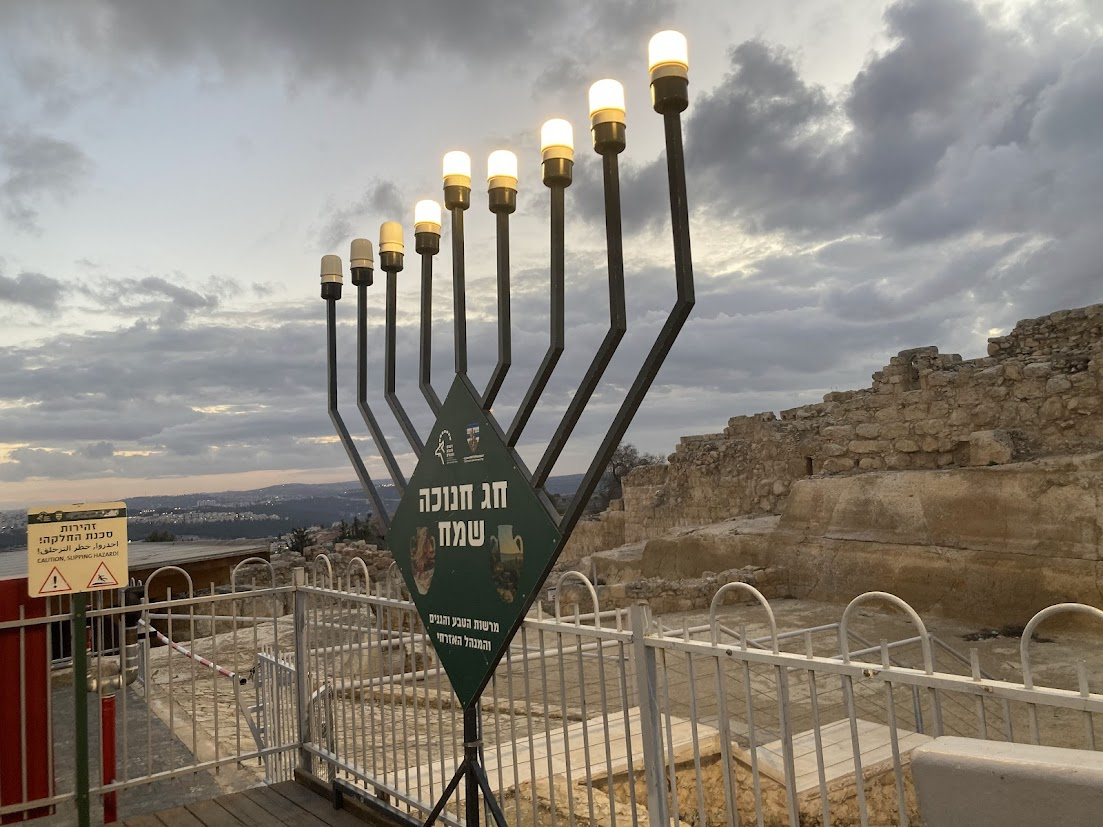
5th candle of Hanukka at Nabi Samuel



 Torah & more... תורה ועוד