פרשת אחרי-מות קדושים: ״קדושים תהיו כי קדוש אני״
״קדושים תהיו״, פותח פרק י״ט בספר ויקרא שגם פותח את פרשת קדושים, השניה מבין שתי הפרשות שנקרא בשבת זו. ״קדושים תהיו״. דיונים ארוכים נערכו מאז ומתמיד על המילה ״קדושים״. מה בדיוק פירוש המושג קדושה?
רש״י אומר: הֱווּ פְרוּשִׁים מִן הָעֲרָיוֹת וּמִן הָעֲבֵרָה… גם בספר שמות, לפני מתן תורה, כבר נאמר ״ואתם תהיו לי ממלכת כהנים וגוי קדוש״… ודעה זו היא בסיס לפרשנים אחרים שיאמרו, קדושה היא המנעות, הבדלה, הפרדה מדברים מסוימים. הרש״ר הירש מוסיף ש״אף אחת מכל הכוחות והיכולות שהוענקו לאדם, מהאינטלקטואליים ביותר ועד לחושניים ביותר אינה טובה או רעה כשלעצמה. כולם ניתנים לו למטרות מועילות, כדי להגשים את רצון האל עלי אדמות. החוק האלוהי מקצה להם מטרה חיובית וגבול שלילי. בשירות המטרה האלוהית הזו, ובתוך גבול אלוהי זה, הכל קדוש וטוב. בהסתלקות ממטרה זו ומחוץ לגבול זה, מתחיל הרע והרע״…
בתחילת פרשת “אחרי מות” אנחנו רואים שיש רק אדם אחד בישראל – הכהן הגדול – שמותר לו להתקרב אל הקודש פנימה (אל קודש הקודשים במקדש) לאחר הכנות רבות (טבילות, לבוש מסוים ועוד) ודווקא ביום מסוים בשנה (יום הכיפורים). יכולנו לחשוב שרק הוא ורק כך, אך מיד בפרשה הבא נאמר – “דבר אל כל עדת בני ישראל אמור אליהם: קדושים תהיו” (ויקרא י”ט, ב).
מסתבר שהציפייה של התורה מכולנו היא לעשות כל יום עבודה כמו זו שהיתה מוטלת על הכהן הגדול פעם בשנה, ובאותה חרדת קודש, ורק כך, כל ישראל יהיו קדושים.
הנושא הזה מעלה את השאלות, האם ישנו פוטנציאל יהודי ייחודי? האם מדובר כאן על כל פרט או איזהשהו כלל? האם זהו ענין לזמן מסוים או ״תמיד״? קרוב לוודאי שגם אם היינו אומרים כן לפוטנציאל הייחודי (וגם בזה יש ״אתגרים״ לא מעטים), הרי שזהו פוטנציאל שצריך להתגלות ולצאת אל הפועל. על כל פרט לעבוד למענו, ואין לנו ״ביטוח״ שזה כאן ועכשיו, ואצל כולם. זה האתגר.
כותב הרב אברהם אנגלי בעלון שבת האחרונה: ״בעבודת ה׳ הקשר אל הכלל איננו ״עוד״ מעלה טוב. אלא, זהו חלק בלתי נפרד מהקשר אל הקב״ה. השראת השכינה בעולם איננה ניתנת ליחידים, אלא רק לכלל ישראל״. הרמב״ם כותב: ״הפורש מדרכי ציבור ואע״פ שלא עבר עברות אלא נבדל מעדת ישראל… הולך בדרכו… וכאילו אינו מהן, אין לו חלק לעולם הבא״… רעיון זה משתקף כמעט בכל התפילות שלנו: ״אבינו, מלכנו״, אנחנו אומרים בגוף ראשון רבים, ״אלוקינו מלך העולם״, אנחנו אומרים בכל ברכה, ״ופרוש עלינו סוכת שלומך״… וכן הלאה.
רבי קלונימוס קלמן הלוי אפשטיין כותב על הפסוק שלנו: ״אם האדם ירצה לפרוש עצמו מן הציבור ולהתבודד עצמו, להתפלל ביחיד, בלתי אפשרי שישיג הקדושה העליונה… ולזה מדייק רש״י שפרשה זו נאמרה בהקהל, זו דוקא… אם האדם ירצה להמשיך את קדושת הבורא ברוך הוא, אי אפשר אלא בהקהל יחד, לעבדו שכם אחד״.
המילים האלה כאילו נאמרו אלינו, דוקא לזמננו. כשאני מזכירה אותן, מישהו מיד עונה לי, ״כן, בדיוק! אבל הם- יהיו אשר יהיו אותם ההם – לא עושים את זה. ראית איך…״? וזה בדיוק הענין. אין שם ״הם״, רק ״אנחנו״.
אז מה לעשות?
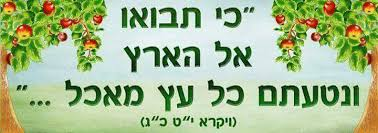
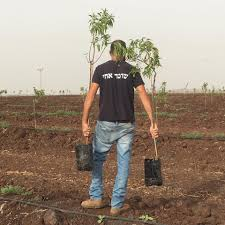
הפרשה ממשיכה ונותנת לנו רשימה ארוכה, וכל אחד יכול למצוא משהו ברשימה, כולל לֹֽא־תִשְׂנָ֥א אֶת־אָחִ֖יךָ בִּלְבָבֶ֑ךָ … וְאָֽהַבְתָּ֥ לְרֵעֲךָ֖ כָּמ֑וֹךָ (ויקרא יט:יז-יח – איך כבר אז ידעו שנזדקק למצוות האלה??). ואם זה ממש קשה לנו, אז אפשר וְכִי־תָבֹ֣אוּ אֶל־הָאָ֗רֶץ וּנְטַעְתֶּם֙ כׇּל־עֵ֣ץ מַאֲכָ֔ל… כמו הקב״ה שקודם כל נטע גן בעדן, או – מִפְּנֵ֤י שֵׂיבָה֙ תָּק֔וּם וְהָדַרְתָּ֖ פְּנֵ֣י זָקֵ֑ן… (פסוקים שפעם היו תלויים באוטובוסים…) ועוד ועוד…
לפעמים אני מרגישה שאנחנו כמו ילדים שעובדים על פאזל של 1000 חלקים, בלי שיש לנו את התמונה הסופית. לפעמים אנחנו חושבים שלמשל, החלקים הכחולים שמצאנו הם הים, אבל בהמשך מתברר שזה השמים, האדום – האם הוא פרח או ארובה או עפיפון? והירוק, זה עץ או חולצה של ילד או אוטו? אנחנו מתחילים לצעוק אחד על השני בתסכול, אבל באמת, לא נדע עד שהכל יתחבר. כל מה שברור זה שאת הפאזל צריך להרכיב – בענווה רבה – מכל החלקים שלפנינו, ושאפילו שעוד לא ברור לנו איך בדיוק, רק כך נוכל להיות מי שאנחנו ואולי אפילו קהל קדוש.
שבת שלום.
“You shall be holy,” so begins chapter 19 in the Book of Leviticus, which also opens the Torah portion of Kedoshim, the second of the two portions we will read this Shabbat. “You shall be holy.” Extensive discussions have been held since way back about the word “holy.” What exactly does holiness mean?
Rashi says: “Separate yourselves from sexual lewdness and from transgressions”… Likewise, in the Book of Exodus, before the Giving of the Torah, it was already said, “And you shall be to me a kingdom of priests and a holy nation”… and this opinion is the basis for other commentators who will say that holiness is the avoidance, separation, detachment from certain things.
Rav Samson Raphael Hirsch adds that “none of the powers and abilities granted to the human, from the most intellectual to the most sensual, is neither good or bad in itself. They are all given for useful purposes, in order to fulfill God’s will on earth. The divine law assigns them a positive purpose and a negative boundary. In the service of this divine purpose, and within this divine boundary, everything is holy and good. In departing from this purpose and outside this boundary, evil begins”…
At the beginning of this double portion, the Torah portion of “Acharei Mot”, we see that there is only one person in Israel – the High Priest – who is permitted to approach Holiness (the Holy of Holies in the Temple) after many preparations (immersion in the mikveh,donning certain clothing, etc.) and precisely on one certain day of the year (Yom Kippur). We could have thought that only he and only then and there, but immediately in the next portion it is said – “Speak to the whole assembly of the Children of Israel and say to them: You shall be holy” (Leviticus 19:2).
It turns out that the Torah expects all of us to do every day the kind of work the High Priest did once a year, and with the same awe of holiness; and that only in this way, all of Israel can be holy.
This issue raises a question, like, is there a unique Jewish potential? Is this about every individual or the general public? Is it a matter of a certain time or “always”? It is almost certain that even if we were to say yes to the unique potential (and even then, there are quite a few “challenges”), then this is a potential that needs to be revealed and put into practice. Each individual must work for it, and we have no “assurance” that it is automatically so. This is the challenge.
Rabbi Avraham Angli writes in the last Shabbat bulletin: “In the work of Gd, the communal connection is not “one more thing” does not “more” thing. Rather, it is an inseparable aspect of the relationship with Gd. The Shekhinah’s inspiration in the world is not given to individuals, but only to all of Israel.”
Maimonides writes: “He who withdraws from the ways of the community and despite not having committed any transgressions, keeps separated from the community of Israel… walks in his own way… and behaves as if he is of them, has no part in the world to come”… This idea is reflected in almost all of our prayers: “Our Father, our King,” we say in the first person plural, “Our Gd, the King of the World,” we say in every blessing, “Spread over us the shelter of peace”… and so on.
Rabbi Klonymus Kalman Halevi Epstein writes about our verse: “If a person wants to withdraw himself from the community and isolate himself so he may alone, it is impossible for him to achieve supreme holiness… And for this reason Rashi is precise that this portion was said when we’re congregated, precisely this… If a person wants to continue the holiness of the Creator, blessed be He, it is impossible to do, except in a congregation together, to worship Him as one.”
These words seem to have been spoken to us, especially at this time. When I mention them, someone immediately replies, “Yes, exactly! But they – (whoever they are) – don’t do that! Did you see how…”? And that’s exactly the point. There is no “they”, only “us”.
So what to do?
The Torah goes on to give us a long list, and anyone can find something on the list to do, including “do not hate your brother in your heart … and you shall love your neighbor as yourself” (Leviticus 19:17-18 – how did they know then that we would need these commandments??). And if it’s really hard for us, then maybe, “when you return to the Land, you should plant every kind of food bearing tree”… Like Gd who first planted a garden in Eden, or – “rise before the elderly; honor the elderly”… (verses that used to hang on buses…) and more…
Sometimes I feel that we’re like children working on a 1000-piece puzzle, without having the final picture. Sometimes we think, for example, that the blue pieces we found are the sea, but later it turns out that it’s the sky; the red ones – is it a flower or a chimney or a kite? and the green ones, is it a tree or a child’s shirt or a car? We start yelling at each other in frustration, but really, we won’t know until everything comes together. All that is clear is that the puzzle must be assembled – with great humility – from all the pieces before us, and that even if we are not yet clear on exactly how, only in this way can we be who we are and perhaps even an assembly. that’s holy.
Shabbat Shalom.
ונוסיף עוד מדרש בענייננו, מתוך הפסוק על נטיעת עצים בארץ (ויקרא רבה כ״ה:ב׳) ודאגה אחד לשני כאן:
רַבִּי הוּנָא וְרַבִּי יִרְמְיָה אָמְרוּ בְּשֵׁם רַבִּי חִיָּא בַּר אַבָּא, עָתִיד הַקָּדוֹשׁ בָּרוּךְ הוּא לַעֲשׂוֹת צֵל וְחֻפּוֹת לְבַעֲלֵי הַמִּצְווֹת אֵצֶל בְּנֵי תוֹרָה בְּגַן עֵדֶן, וְאִית לֵיהּ תְּלָתָא קְרָיָן, חָדָא (קהלת ז, יב): כִּי בְּצֵל הַחָכְמָה בְּצֵל הַכָּסֶף. ב’, (ישעיה נו, ב): אַשְׁרֵי אֱנוֹשׁ יַעֲשֶׂה זֹאת. וְהָדֵין, עֵץ חַיִּים הִיא לַמַּחֲזִיקִים בָּהּ.
שִׁמְעוֹן אַחִי עֲזַרְיָה אָמַר מִשְׁמוֹ, וַהֲלוֹא שִׁמְעוֹן הָיָה גָּדוֹל מֵעֲזַרְיָה, אֶלָּא עַל יְדֵי שֶׁהָיָה עֲזַרְיָה עוֹסֵק בִּפְרַקְמַטְיָא וְנוֹתֵן בְּפִיו שֶׁל שִׁמְעוֹן, לְפִיכָךְ נִקְרֵאת הֲלָכָה עַל שְׁמוֹ, וְדִכְוָתַהּ (דברים לג, יח): וְלִזְבוּלֻן אָמַר שְׂמַח זְבוּלֻן בְּצֵאתֶךָ וְיִשָּׂשכָר בְּאֹהָלֶיךָ, וַהֲלוֹא יִשָּׂשכָר גָּדוֹל הָיָה מִזְּבוּלוּן, אֶלָּא עַל יְדֵי שֶׁהָיָה זְבוּלוּן מְפָרֵשׁ מִיִּשׁוּב וְעוֹסֵק בִּפְרַקְמַטְיָא וּבָא וְנוֹתֵן לְתוֹךְ פִּיו שֶׁל יִשָּׂשכָר, נוֹתֵן לוֹ שָׂכָר בַּעֲמָלוֹ, לְפִיכָךְ נִקְרָא הַפָּסוּק עַל שְׁמוֹ, שֶׁנֶּאֱמַר: שְׂמַח זְבוּלֻן בְּצֵאתֶךָ וְיִשָּׂשכָר בְּאֹהָלֶיךָ.
אָמַר רַבִּי תַּנְחוּמָא כָּל מִי שֶׁיּוֹצֵא לַמִּלְחָמָה וְאֵינוֹ מְכַוֵּן לִבּוֹ לַמִּלְחָמָה, סוֹף שֶׁהוּא נוֹפֵל בַּמִּלְחָמָה, אֲבָל שִׁבְטוֹ שֶׁל זְבוּלוּן בֵּין מִתְכַּוֵּן בֵּין שֶׁאֵינוֹ מִתְכַּוֵּן, יוֹצְאִין לַמִּלְחָמָה וְנוֹצְחִין, הֲדָא הוּא דִכְתִיב (דברי הימים א יב, לד): מִזְּבֻלּוּן יוֹצְאֵי צָבָא עֹרְכֵי מִלְחָמָה, וְלַעֲדֹר בְּלֹא לֵב וָלֵב, מַהוּ בְּלֹא לֵב וָלֵב, אֶלָּא בֵּין מִתְכַּוְּנִין בֵּין שֶׁאֵינָן מִתְכַּוְּנִין הֵם יוֹצְאִים וּמְנַצְחִין.
דָּרַשׁ רַבִּי יְהוּדָה בֶּן פָּזִי, מִי יְגַלֶּה עָפָר מֵעֵינֶיךָ אָדָם הָרִאשׁוֹן, שֶׁלֹּא יָכֹלְתָּ לַעֲמֹד עַל צִוּוּיְךָ שָׁעָה אֶחָת, וַהֲרֵי בָּנֶיךָ מַמְתִּינִין לְעָרְלָה שָׁלשׁ שָׁנִים. אָמַר רַב הוּנָא כַּד שָׁמַע בַּר קַפָּרָא כָּךְ, אָמַר יָפֶה דָּרַשׁ רַבִּי יְהוּדָה בֶּן אֲחוֹתִי, הֲדָא הוּא דִכְתִיב (ויקרא יט, כג): וְכִי תָבֹאוּ אֶל הָאָרֶץ וּנְטַעְתֶּם כָּל עֵץ מַאֲכָל.
בשורות טובות ושבת שלום


 Torah & more... תורה ועוד