ברכת הכוהנים – באהבה – פרשת נשא
״תראי,, עוצרת אותי מישהי ברחוב, ״בירושלים אי אפשר ללכת ככה בלי להסתכל מסביב! תראי את הקשתות! האבנים! זה משהו… מדהים״! בתוך נהרות של אנשים המחיים מחדש את העליה לרגל לבית המקדש בחג השבועות הזה, היא מספרת לי שהיא מפונה, מקרית שמונה, כבר יותר משנה בחדר קטן בעיר. כשאני מנסה להשתתף בכאבה, היא מבטלת אותי: ״הקב״ה ברך אותי! להיות בעיר הקודש!״….
אני נפעמת. איך להרגיש את ברכת הקב״ה, ואיך להעביר אותה הלאה? זה גם האתגר שעומד בפני הכוהנים המצווים לברך את בני ישראל בפרשת ״נשא״, הארוכה ביותר בתורה עם 176 פסוקים כמו גם פרק התהילים הארוך ביותר (פרק קי”ט) וכמו המסכת הארוכה ביותר בתלמוד (בבא בתרא עם 176 דפים), כמספרים לנו על הקשר בין החלקים השונים של התורה. למה כל כך ארוך? אולי מפני שקריאת התורה הזו תמיד קרובה לחג השבועות ומתן התורה (לפני או אחרי) ורוצה להרגיש כמו להיות ליד ראש מעין מים מתוקים ששוצפים לכל עבר.
ספר במדבר – שנקרא על שם המקום הזה שבו הכל פתוח ואפשרי ושאותו התחלנו בשבוע שעבר – משתף באתגרים שקרו לנו בדרך בנושאים כמו מנהיגות, קהילה, ארץ ישראל, התמודדות עם קבוצות שונות בתוך ומחוץ לעם ישראל כולל אויבים. אבל הוא נפתח בענייני היחיד, כי רק אחרי שנעזור לפרט למצוא את מקומו השלם בינו לבין זולתו (הסוטה, המצורע) ובינו לבין אלוהיו (הנזיר) ומתוך כך גם, ב״ה, בינו לבין עצמו, נוכל להתקדם לתיקון כלל.
היחיד הבריא הכרחי לחברה, ויחד עם זאת, לטיפול הממוקד בפרט יש גם סכנה: נוצרת אשליה שכל מה שחשוב זה רק איך אני מרגיש, ומה בא לי ומה אני ואני… זו תופעת לוואי חמורה ומחמירה של הטיפול, ובימינו, נהייתה לה תופעת לוואי נוספת: האני מצטרף עם עוד “אני” אחרים שחושבים כמוהו, ומהדהד את עצמו שוב ושוב. הרעש גורם לנו לחשוב שנהיינו ל״כלל״, אבל בעצם, האני רק הרחיב וחיזק את האגואיזם שלו…
התורה חששה מכך ואולי לכן מיד עם סיום המיקוד על היחיד, אנחנו מקבלים את ברכת הכוהנים.
לברכת הכוהנים שלושה חלקים: ״יברכך ה׳ וישמרך״ – שזו הברכה הגשמית. רש״י אומר – ״שיתברכו נכסיך, ושלא יבואו עליך שודדים ליטול ממונך״… אכן, הקדושה אצלנו מחוברת לעולם הפיזי, בעולם הזה. גשם. יבול. הצלחה כלכלית. אם אדם רוצה למעט בענייני החומר, הוא יכול – בענייניו שלו (וגם זה נתון למחלוקת), אבל לא כשהוא מברך את הזולת.
על החלק השני של הברכה – “יאר ה׳ פניו אליך ויחונך״ – אומר רש״י שהקב״ה ״יראה לך פנים שוחקות, ויתן לך חן״ (תנחומא). נוכחות הקב״ה בחיינו היא הברכה הרוחנית, המשלימה את הברכה הראשונה, הפיזית. וכשנזכה לשתיהן ביחד, לכולנו, בלי הבדלים והפרדות, בלי אצבעות מאשימות, תלונות ומחשבות רעות, אלא כשאנחנו עומדים ביחד, נרגשים לפגוש אחד את השני, ב”ה, נזכה גם לשלום, כדברי החלק השלישי של הברכה.
הכוהנים נצטוו לברך בנשיאת כפיים כדי שלא יהיו רק מילים בפיהם אלא השראה להגשמה בפעולות ומעשים טובים (מבוסס על דברי ר׳ יוסף חיים קארו), ונאמר להם לברך ״את בני ישראל״ – לא לחפש את המצויינים והחשובים ולא את הגדולים והצדיקים, אלא לדעת שכל יהודי ראוי להתברך ולכן ״כה תברכו״, כמו שהם (פירוש של האדמו״ר ממודז׳יץ) ו״פנים אל פנים״ (ע״פ הגמרא בסוטה לח:ב). עוד נאמר לכוהנים לברך את בני ישראל ״באהבה״, אולי משום שיש 15 מילים לברכה, ו-15 בגימטריה שווה ״באהבה״ ואולי משום שנאמר ״ואהבך וברכך״ (דברים ז, יג) שהברכה תהיה מתוך אהבה.
ומה עלינו לעשות בזמן שהכוהנים מברכים? יש אומרים, שעל כל פסוק צריך להחזיר פסוק (סוטה לט) אבל הדעה שהתקבלה היא – להקשיב. לקבל. לספוג לתוכנו את האהבה של הקב״ה שהכוהנים מעבירים אלינו. לרגע, להגיד תודה שקטה.
ברכת הכוהנים נאמרה בלשון יחיד, ואומרים שזאת משום שהברכה העיקרית הנחוצה לבני ישראל היא אחדות, כמו במעמד הר סיני שנאמר ״ויחן שם ישראל״, וחז״ל דרשו – כאיש אחד, בלב אחד (מפירושי האדמו״ר ר׳ שלמה ליב מלנצ׳נה). וכאז כן היום.
שבת שלום.
The Priests’ Blessing with Love – the Torah portion of Naso
“Look!” a random person stops me on the street, “in Jerusalem you can’t just walk without looking around! Look at the arches! The stones! It’s something… amazing”! Amidst rivers of people reliving the pilgrimage to the Temple this Shavuot, she tells me that she has been evacuated, from Kiryat Shmona, living for over a year in a small room in the city. When I try to be compassionate, she dismisses me: “Gd blessed me! To be in the Holy City!”….
I am amazed. How to feel Gd’s blessing, and how to pass it on? This is also the challenge facing the priests who are commanded to bless the Children of Israel in the Torah portion of Naso, the longest in the Torah with 176 verses, parallel to the longest chapter in Psalms (chapter 119) and the longest tractate in the Talmud (Bava Batra with 176 pages), as they tell us about the connection between the different parts of the Torah. Why so long? Perhaps because this Torah reading is always close to the holiday of Shavuot and the Giving of the Torah (before or after) and wants to feel like being at the head of a spring of fresh water that flows in all directions.
The book of Numbers – ‘In the Desert’ – named after this place where everything is open and possible, and which we began last week – shares the challenges that have come our way on topics such as leadership, community, the Land of Israel, dealing with different groups within and outside, including even enemies. But it opens by addressing matters of the individual, because only after we assist the individual in finding a complete place between him and his Other (the Sota, the Metzora) and between him and his Gd (the Nazirite) and from there also, between him and himself, we can move onward to the Whole.
The healthy individual is necessary for society, and at the same time, there is also a danger to a treatment that focuses on the individual: an illusion is created that all that matters is how I feel, what I want, me and me and me….. This is a serious and aggravating side effect of the treatment, and in our day, it has had another side effect: the self joins in with other “me’s” who all think alike, echoing each other over and over again. The noise makes one think that we have become the “Whole”, but in fact, the self has only expanded and strengthened its egoism…
The Torah feared this and perhaps that is why, immediately after we complete the focus on the individual, we receive the priestly blessing.
The priestly blessing has three parts: “May Gd bless you and keep you” – which is the physical blessing. Rashi says – “May your possessions be blessed, and may robbers not come upon you to take your wealth”… Indeed, holiness for us is connected to the physical world, in this world, here and now. Rain. Harvest. Financial success. If a person wants to be modest in materialism, he may do so – in his own affairs (and even this is subject to dispute), but not when blessing others.
Regarding the second part of the blessing – “May Gd shine His countenance upon you and be gracious to you” – Rashi says that the Blessed One “will show you a gentle, happy face, and grant you favor” (Tanchuma). The presence of Gd in our lives is the spiritual blessing, which complements the first, physical blessing. And when we merit both together, for all of us, without differences and separations, without ponting accusing fingers, complaints and bad thoughts, but when we stand together, excited to meet each other, we will also merit Peace, as the third part of the blessing says.
The priests were commanded to pronounce the blessing by raising their hands so that there would not be just words in their mouths but inspiration for fulfillment in good deeds and actions (based on the words of Rabbi Yosef Chaim Karo), and they were told to bless “the People of Israel” – not to look for the distinguished and important, nor the great and righteous, but to know that every Jew deserves to be blessed and therefore should be “blessed in this way,” as we are (from the Rebbe of Modzitz) and “face to face” (according to the Gemara in Sota 38:b). The priests were also told to bless the People of Israel “with love,” perhaps because there are 15 words for the blessing, and 15 in the gematria equals be’ahava, “with love,” and perhaps because it says “and I will love you and bless you” (Deuteronomy 7:13) that the blessing should be out of love.
And what should we do while the priests bless us? Some say that for every verse, a verse should be said back (Sota 39;a), but the accepted opinion is – to listen. to receive. to absorb into ourselves the love of Gd that the priests convey to us. For a moment, to just say a silent thank you.
The Priestly Blessing was said in the singular, and it is said that this is because the main blessing necessary for the Children of Israel is unity, as in the event of Mount Sinai, when it was said, “and Israel camped (in the singular) there near the mountain”, and the Sages taught – as one, with one heart (from the commentaries of the Rebbe, Rabbi Shlomo Leib of Lanzana). And this is still the blessing we need today.
Shabbat Shalom.
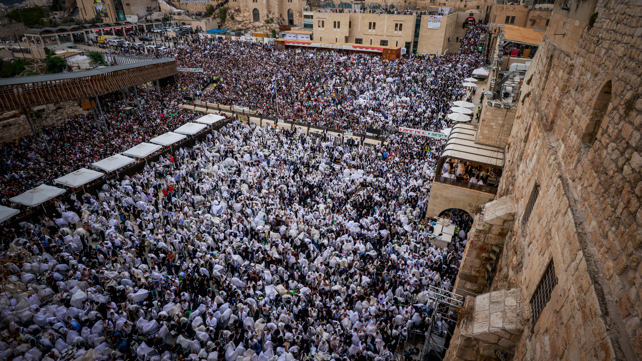
the Priestly Blessing
From the Kotel Heritage, recordings of the Priestly Blessing at the Kotel;
https://thekotel.org/he/tag/%D7%91%D7%A8%D7%9B%D7%AA-%D7%9B%D7%94%D7%A0%D7%99%D7%9D/


 Torah & more... תורה ועוד