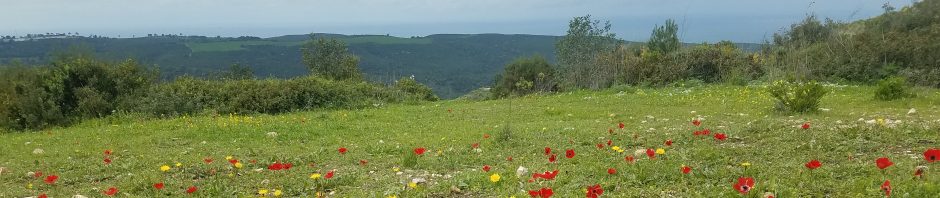
שבוע מטורף – מלחמה. הפסקת אש. אסון בעזה. וכאן קמים בבקר, חוזרים לשגרה כמו הליקופטר מאפס למאה: שוב יש פקקים בכבישים. אנשים מטיילים. יוצאים מהחנויות שנפתחות שוב, עמוסים בשקיות קניות. ילדים חוזרים לבתי הספר לעוד כמה דקות. אנשי הנקיון מטאטאים את העיר. באתרי הפגיעות שם נפלו טילים / חלקי טילים / חלקי מיירטים, עובדים יהודים וערבים לשפץ מה שנפגע. אני נושמת את עיר ילדותי והארץ הזו, וכותבת את התורה שלי.
פרשת קורח – ״ויוצא פרח, ויצץ ציץ, ויגמול שקדים״
פרשת ״קורח״ פותחת בקורח הזועק – לא ״פייר״ שמשה הוא המנהיג! ״כִּ֤י כׇל־הָֽעֵדָה֙ כֻּלָּ֣ם קְדֹשִׁ֔ים וּבְתוֹכָ֖ם ה׳ וּמַדּ֥וּעַ תִּֽתְנַשְּׂא֖וּ עַל־קְהַ֥ל ה׳״ (במדבר טז:ג). מכיוון שאנחנו כבר יודעים את סופו, אנחנו אולי קצת מלגלגים, אבל יש אמת בקריאתו.
נתחיל בזה שגם אם מדובר ב״סתם״ קנאה, לא כל קנאה היא דבר רע (״קנאת סופרים תרבה חוכמה״). ומעבר לכך, קורח מעלה שאלה חשובה: האם יש הצדקה לכך שמישהו אחד ״נבחר״ ואחר לא? בעולם בו כולנו נאבקים למען שוויון, הרי זה לא ״פייר״! זו השאלה בין קורח ומשה ואהרון, ובמקביל, בין עם ישראל והעמים. הלוא כל בני האדם נבראו בצלם! מאיפה הטענה שיש ״בחירה״ באדם, דרך או מקום מסוים?
בין שמדובר במשפחה, בחברה דמוקרטית או דיקטטורית, תמיד ימצא מישהו מתוסכל מהבחירה ומאי השייכות לקבוצה השולטת. אפשר לנסות להסביר למתוסכל את הבחירה, אך כמו שאנחנו יודעים מהעבר וההווה, לא קל לטפל בתסכול הזה.
כשעדת קורח מתלוננת על הבחירה באהרון לתפקיד הכהונה, משה מציע דרך לפתור את הויכוח: ״קְחוּ־לָכֶ֣ם מַחְתּ֔וֹת קֹ֖רַח וְכׇל־עֲדָתֽוֹ׃ וּתְנ֣וּ בָהֵ֣ן אֵ֡שׁ וְשִׂ֩ימוּ֩ עֲלֵיהֶ֨ן קְטֹ֜רֶת לִפְנֵ֤י ה׳ מָחָ֔ר וְהָיָ֗ה הָאִ֛ישׁ אֲשֶׁר־יִבְחַ֥ר ה׳ ה֣וּא הַקָּד֑וֹש״… (שם, ז-ח). בחירת הקב״ה החלטית: ״וַתִּפְתַּ֤ח הָאָ֙רֶץ֙ אֶת־פִּ֔יהָ וַתִּבְלַ֥ע אֹתָ֖ם… וְאֵ֥שׁ יָצְאָ֖ה מֵאֵ֣ת ה׳ וַתֹּ֗אכַל אֵ֣ת הַחֲמִשִּׁ֤ים וּמָאתַ֙יִם֙ אִ֔ישׁ מַקְרִיבֵ֖י הַקְּטֹֽרֶת״ (שם, לב-לה).
אם ההכרעה כה ברורה, למה, בהמשך אותה הפרשה, הקב״ה מציע מבחן נוסף: ״וְהָיָ֗ה הָאִ֛ישׁ אֲשֶׁ֥ר אֶבְחַר־בּ֖וֹ, מַטֵּ֣הוּ יִפְרָ֑ח״... (שם, יז, כ). למה צריך שהקב״ה יבחר באהרון פעמיים באותה הפרשה?
אולי מפני שהבחירה הראשונה הייתה על דרך השלילה: ״רק לא קורח״ והשאר לא חשוב, אך זה שאהרון לא נפגע עם קורח, עוד לא מעיד שהוא נבחר. צריך לראות מה התכונות הטובות שבו. כאן מגיע המטה: ״וְהִנֵּ֛ה פָּרַ֥ח מַטֵּֽה־אַהֲרֹ֖ן לְבֵ֣ית לֵוִ֑י, וַיֹּ֤צֵֽא פֶ֙רַח֙ וַיָּ֣צֵֽץ צִ֔יץ וַיִּגְמֹ֖ל שְׁקֵדִֽים״ (שם, כג).
מעניין שהמטה שעד כה, שימש בעיקר להענשה (במכות מצרים, בהכאה על הסלע ועוד), עכשיו פורח וצומח, אולי כמשל לכך שלא פעם, אותו הדבר יכול להיות גם לרע וגם לטוב, והדבר תלוי במי ואיך משתמשים בו.
בני ישראל נמשלו לעצים שונים. ראשון ביניהם – הזית שעליו נאמר שלמרות כל הייסורים שעוברים עליו, הוא לא רק מביא שמן איכותי, ממנו מדליקים את המנורה – שלאורה אנחנו הולכים לאורו של הקב״ה, אלא נשאר ״זית רענן יפה פרי תואר״ (ירמיהו ב,לא), שעליו לא נושרים, לא בקיץ ולא בחורף, והעצים – עקשנים ונאחזים באדמת הארץ, למרות כל המאורעות הרבים בעוברים עליהם.
גם עצים אחרים הוזכרו במסורת שלנו, כשבני ישראל הומשלו לגפן, לתאנה, לתמר, לארז ולרימון, כל עץ ומשליו, וכאן – נמשלו אהרון ובניו הכוהנים לשקד. מה המיוחד בשקד שדווקא הוא נבחר לתפקיד זה?
הכלי יקר כותב שהשקד מרמז על הקב״ה שלא שופט לפי מראה עיניים. כי השקד יכול להראות כעץ יבש בלי לחלוחית, אך בעזרת מים – התורה והחוכמה – הוא פורח. עוד: כוהנים קטנים – נקראים ״פרחי כהונה״, והכוהנים הגדולים היו נושאים ציץ נזר הקודש, שנרמז בביטוי ״ויצץ ציץ״. גם גמול השקדים – ״שיש בהם משמעות לשון שקידות ומהירות״ מספרים על מעלת הכוהנים, כמו פנחס שרץ לתוך הקהל לעצור את המגפה. רש״י אומר שהשקד כמו אומר ״הנני״ – לשון ענוה, זריזות ושמחה, כמו שראינו באהרון שיצא לקראת משה ״ושמח בליבו״ (שמות ד, יד) שבניגוד לקורח, לא הייתה בו כל קנאה לכך שאחיו הקטן קבל תפקיד גדול ומשמעותי.
מסופר על רבי שלמה זלמן הכהן קוק זצ״ל, אביו של מרן ראי״ה קוק זצ״ל, שנסע בתור שד״ר מארץ ישראל, ובאחת הקהילות מצא מחלוקת בין מתפללי וגבאי בית הכנסת. הרב השתמש במשל השקדים במטה אהרון ואמר, שבשקדים יש שני מינים – מר ומתוק. הסוג הראשון – מתוק בהתחלה ומר בסופו, הסוג השני – מר בהתחלה ומתוק בסופו, כמו ענייני המחלוקת והשלום: הראשון רומז למחלוקת, שכן מתוקה המריבה, ההתנגדות וההתנצחות בעצת היצר המגרה, אבל סופה מר. ואילו השלום, בהתחלה מר, היצר בוער, וכמה קשה לוותר ליריב, אבל בסופו של דבר, כמה טוב הוא ומתוק לכל הצדדים. ולכך נוכל לומר רק – הלוואי!
חודש טוב ושבת שלום
A crazy week. War. Ceasefire. Disaster in Gaza. And here, people wake up in the morning, returning to their usual routine like a helicopter, going from zero to one hundred: traffic jams are back on the roads. People are out walking. Going in and our of the shops that have reopened, loaded with shopping bags. Children are returning to school for just a few more minutes. Street cleaners are sweeping the city. At the impact sites where rockets / rocket fragments / interceptor parts fell, Jewish and Arab workers are repairing the damage. I breathe in my childhood city and this Land, and write my Torah.
“It blossomed, sprouted buds, and borne almonds” – the Torah portion of Korach
**NEW**! Surprise! check out! I’ll be looking forward to your feedback!
https://open.spotify.com/show/4NHxucO7VIVGxaGUT7N0zC?si=1yPUSdpzTM2tQ-dqemgN4A&nd=1&dlsi=d311cf22aa504f47
The Torah portion of Korach opens with Korach’s cry – “It’s not fair that Moses is the leader!” – “For all the community are holy, every one of them, and the Hashem is in their midst; why then do you raise yourselves above the Hashem’s congregation?” (Numbers 16:3). Since we already know how the story ends, we may be tempted to mock him, but there is some truth in his protest.
Let’s begin with the fact that even if this is “just” envy, not all jealousy is bad (“jealousy among scholars increases wisdom”). Moreover, Korach raises an important question: is there any justification for one person being “chosen” while another is not? In a world where we all strive for equality, isn’t that inherently unfair? This is the question at the heart of the conflict between Korach, and Moses and Aaron – and, in a broader sense, between Israel and the nations. After all, aren’t all people created in Gd’s image? What gives rise to the claim of divine “closeness” of a person, a path, a place?
Whether it’s within a family, a democratic society, or a dictatorship, someone will always feel excluded from the chosen or ruling group. We can try to explain the choice to the one who feels left out, but, as we know from both past and present, it is not easy to resolve such frustration.
When Korach’s assembly complains about Aaron being chosen for the priesthood, Moses proposes a way to resolve the dispute:
“Take fire pans—Korach and all his company—and put fire in them and lay incense on them before the Lord tomorrow. The man whom the Lord chooses shall be the holy one…” (Numbers 16:6–7).
Gd’s decision is definitive: “The earth opened its mouth and swallowed them… and fire came out from the Lord and consumed the two hundred and fifty men offering the incense” (ibid., 16:32–35).
But if the judgment was so clear, why does Gd later in the same portion offer a second test?
“The staff of the one I choose will blossom…” (Numbers 17:20).
Why was it necessary for Gd to choose Aaron again in the same section?
Perhaps because the first time was by way of elimination: “not Korach,” and the rest didn’t matter. But the fact that Aaron wasn’t punished along with Korach and his mutiny doesn’t necessarily mean he’s chosen. His positive attributes still need to be shown. And this is where the staff comes in:
“Behold, the staff of Aaron of the house of Levi had sprouted: it brought forth a blossom, budded, and borne ripe almonds” (Numbers 17:23).
It’s interesting that the staff, which until now was mostly used for punishment (in the plagues of Egypt, striking the rock, etc.), now blossoms and bears fruit—perhaps as a metaphor that the same object can be used for both good and bad, depending on who uses it and how.
The people of Israel have been compared to various trees. The first among them – the olive tree – is said to endure many hardships and yet produce high-quality oil used to light the Menorah, by which we walk in Gd’s light. It also remains “a fresh olive tree, beautiful with goodly fruit” (Jeremiah 11:16), and its leaves do not fall, neither in summer nor in winter. It’s a stubborn tree, clinging to the soil of the Land, no matter what it endures.
Other trees are also used as metaphors in our tradition, with the people of Israel compared to the grape-vine, the fig, the date palm, the cedar, and the pomegranate—each with its own symbolic message. In this Torah portion, Aaron and his priestly descendants are compared to the almond tree. What is special about the almond that it is chosen for this role?
The Kli Yakar writes that the almond alludes to Gd’s attribute of not judging based on appearances. The almond tree may look dry and lifeless, but when given water—representing Torah and wisdom—it flourishes. Furthermore, young priests are called Pirchei Kehuna, literally “flowering priests,” and the High Priests wore the Tzitz—a golden crown inscribed with holy words—hinted at in the phrase “it sprouted buds” (vayatzitz tzitz) The almonds themselves—symbolizing shkeidut (diligence) and zrizut (alacrity)—speak to the qualities of the priests, like Pinchas, who ran into the assembly to stop a plague. Rashi says the almond seems to say “Here I am!”, hineni, – and has a voice of humility, eagerness, and joy—just as Aaron came out to greet Moses “and rejoiced in his heart” (Exodus 4:14), showing no envy that his younger brother had been given a great and important role, in stark contrast to Korach.
There is a story about Rabbi Shlomo Zalman HaKohen Kook zt”l, the father of Rabbi Avraham Isaac HaKohen Kook zt”l, who while traveling as a fundraiser (Shadar) from the Land of Israel, came to a community torn by conflict between the congregants and the synagogue’s leadership. The rabbi used the allegory of the almonds on Aaron’s staff, saying that there are two kinds of almonds: one type is sweet at first and bitter in the end, the other is bitter at first and sweet at the end. The first kind symbolizes conflict—it begins with the thrill of argument and opposition, fueled by the evil inclination, but ends in bitterness. Peace, on the other hand, may begin with great difficulty—the evil inclination burns, and it’s hard to give in to one’s opponent—but in the end, it is good and sweet for all involved. And to that we can only say, halevai (may we merit)!
A Good Month & Shabbat Shalom.


 Torah & more... תורה ועוד