ואת (א)והב בסופה… לפרשת ״חוקת״
וכאילו בצ׳יק, חלפו עברו להם 38 השנים במדבר, ואנחנו בשנה הארבעים למסע במדבר, ממש לקראת הכניסה לארץ ובין כל האירועים בפרשת השבוע, ״חוקת״, פסוק לא ברור:
״עַל־כֵּן֙ יֵֽאָמַ֔ר בְּסֵ֖פֶר מִלְחֲמֹ֣ת ה׳ אֶת־וָהֵ֣ב בְּסוּפָ֔ה וְאֶת־הַנְּחָלִ֖ים אַרְנֽוֹן״… (במדבר כא, יד)
איננו יודעים מהו ספר מלחמות ה’, ומי או מה הם ״והב בסופה״, והדבר פותח מקום לאינספור מדרשים, סיפורים והסברים, אולי בכלל מדובר בשירה קדומה ששולבה בפרק הזה? רש”י מציע ש’והב’ בא מההקשר הלשוני של המילה ‘יהב’ (כמו ויעד – עד) ומתייחס לכך שעלינו לשים את יהבנו – בטחוננו בקב״ה. אבן עזרא חושב שוהב וסופה הם שמות מקומות, בהם התרחשו מלחמות בימי קדם, ואילו אור-החיים ואחרים מפרשים ש״והב״ קשור לנתינה ולאהבה.
במסכת ברכות (נד:א-ב) נמנים מקומות שונים בהם צריך לברך על ניסים שנעשו שם, למשל, המקום בו עברו ישראל את ים סוף, המקום בו עברו את הירדן, האבן שישב עליה משה בשעה שעשה יהושע מלחמה בעמלק, ועוד. וביניהם – ״מעברות נחלי ארנון״. מהו הנס שקרה כאן?
הגמרא מספרת שהיה היו פעם שני מצורעים – אדון ״את״ ״ו״אדון ״הב״ – שעשו להם מערות להתחבא בהם ואמרו, כשבנ״י יעברו כאן, נהרוג אותם, ולא ידעו שארון הברית הולך לפניהם ומיישר להם את ההרים. ואכן, כשהארון הגיע אליהם, נדבקו ההרים זה לזה, והצילו את בני ישראל.
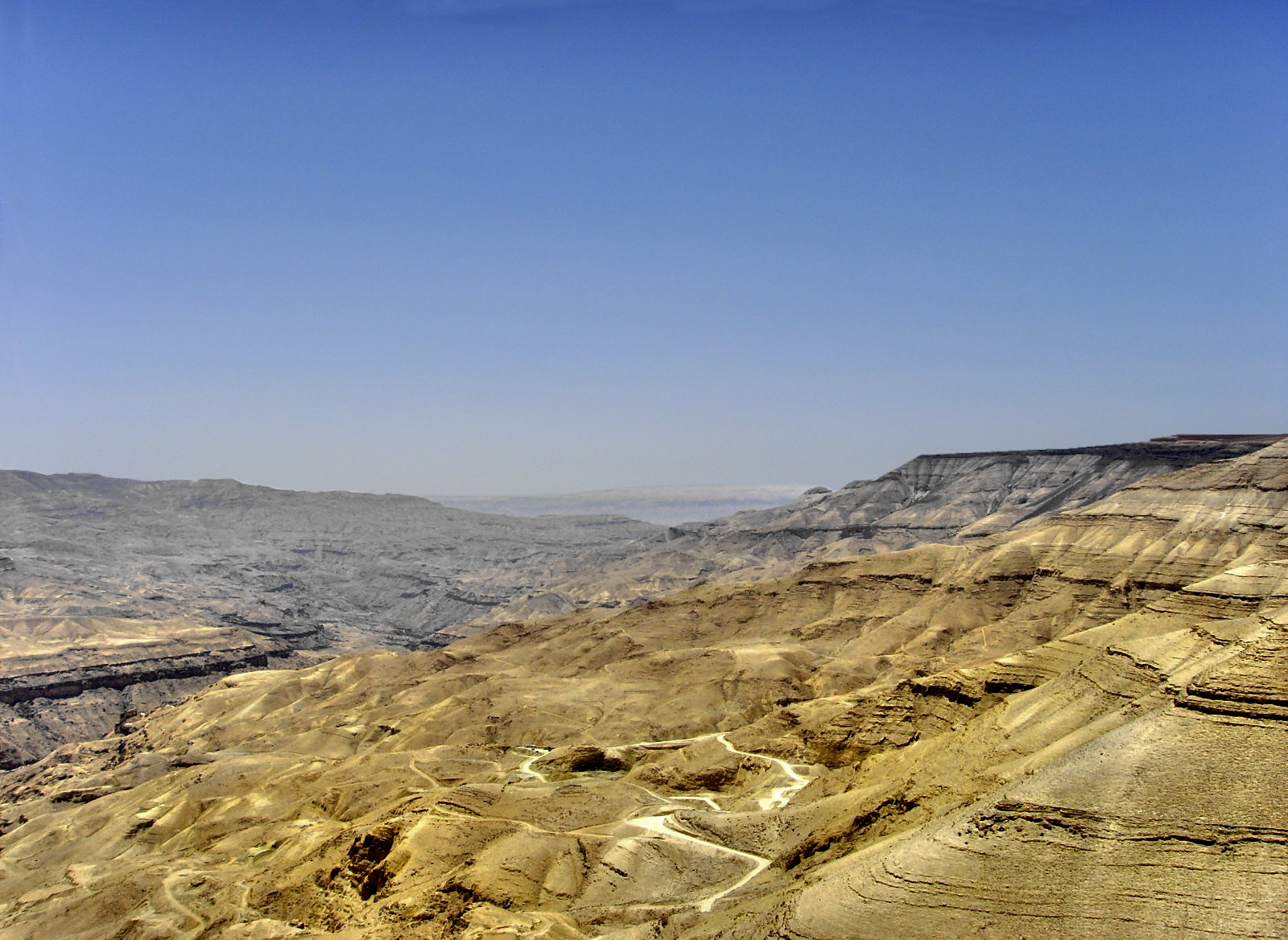
מדרש נוסף מתאר את אותו האיזור – קרוב לודאי ממזרח לערבה וים המלח, כעשוי מהרים סלעיים וצוקים בולטים מצד אחד, ומערות חלולות מצד שני (אכן) וגם כאן, כדי להגן על בני ישראל מפני האויבים מסביב, אלוהים רמז להרים להתכנס ולהפוך לאיזור שטוח, שמסתיר ושומר על העם שבפנים.
מהמדרש הזה, ״והב בסופה״, ההרים ההם, הפכו לסמלים של כוחות סותרים שמתאחדים: ״והב״ משורש – אוהב, אהבה שיש בה סופה (בשורוק) או אולי קימת, למרות הכל, עד סופה (בחולם).
רש”י מסביר על כך שהם ” נראין כאויבים״ – אבל לא עוזבים זה את זה עד שהם הופכים להיות אוהבים״. גדלנו והושפענו מאגדות דיסני, בהן סימן לאושר זה חיוך מתוק ודביק, ואילו מאבק סוער בהכרח מעיד על שנאה ושליליות, אך חכמינו ממש לא חשבו כך. להיפך. לפעמים מאבק משמעו להתעמת בסוגיות החיים העמוקות והחשובות ביותר, ואת זה אפשר לעשות רק עם מישהו קרוב, לא עם מישהו שלא אכפת לנו ממנו, ומשם – להגיע לעמק השווה, באהבה. לא נוכל שלא להבחין בקרבה בין המילים – אוהב ואויב, מאבק ומחבק…
חז״ל שאלו את הביטוי לענייני לימוד. התלמוד אומר (קידושין ל:ב): אמר רבי חייא בר אבא: אפילו האב ובנו, הרב ותלמידו שעוסקין בתורה בשער אחד, נעשים אויבים זה את זה ואינם זזים משם עד שנעשים אוהבים זה את זה, שנאמר ״ואֶת וָהֵב בְּסוּפָה״ – אל תקרי בְּסוּפָה, אלא בְּסוֹפָהּ.
ואילו הרב מאיר שפירא מלובלין מוסיף נימה לאומית-רוחנית וכותב: ״על כן יאמר בספר מלחמות ה׳״… אומות העולם מנצחים בנשק טוב ובכלי זין משוכלל, ״ועל חרבך תחיה״, זוהי הברכה שניתנה לעשו. אבל ישראל נשק אחר לו – הספר – ״ספר מלחמות ה׳״, בכוח הספר מנצח הוא במלחמות – ״לא בחיל ולא בכוח כי אם ברוחי אמר ה׳״.
הלוואי ואחרי כל החודשים האלו, נזכה להפוך מאויבים לאוהבים, והשאר יסופר בתולדות ישראל.
שבת שלום.
And You (Will) Love in the Storm…
And just like that, the 38 years in the desert have passed in a blink of an eye, and we now find ourselves in the 40th year of the journey through the wilderness—just before entering the Land of Israel. Among all the events in this week’s Torah portion, Chukat, we encounter an unclear verse:
“Therefore it is said in the Book of the Wars of Hashem, Vahev ve’Suphah and the wadis of Arnon…’” (Numbers 21:14)
We don’t know what this Book of the Wars of Hashem is, and who—or what—Vahev in Suphah refers to. This opens the door to countless midrashim, stories, and explanations. Perhaps this is an ancient poem inserted into this chapter?
Rashi suggests that Vahev comes from the linguistic root Yahav (as in vaya’ed – ed), implying that we must cast our Yahav—our trust—upon Gd. Ibn Ezra believes that Vahev and Suphah are place names where ancient battles occurred, while, Or-HaChaim and others interpret Vahev as being related to giving and to love, ahava.
In Tractate Berachot (54a–b), various locations are listed where one must recite a blessing over miracles that occurred there: for instance, where the Israelites crossed the Red Sea, where they crossed the Jordan, the rock upon which Moses sat when Joshua fought Amalek, and more. Among them—“the wadis of the Arnon streams.”
What miracle happened there?
The Talmud recounts a story of two lepers—Mr. “Et” and Mr. “Hev”—who carved out caves to hide in and said, “When the Israelites pass through here, we will kill them.” But they didn’t know that the Ark of the Covenant was going ahead of the People, flattening the mountains in their path. When the Ark reached them, the mountains pressed together and crushed the enemy—thus saving the Israelites.
Another midrash describes the same area—likely east of the Arava and the Dead Sea—as being composed of jagged cliffs and rocky mountains on one side, and hollow caves on the other. Again, to protect Israel from surrounding enemies, Gd caused the mountains to converge into a flat area, shielding and hiding the people within.
From this midrash, Vahev ve’Suphah—those very mountains—become a symbol of opposing forces uniting. Vahev, from the root ahav (to love), becomes love that includes Suphah (storm)—or perhaps love that endures until the end (from sof – end).
Rashi explains this verse as referring to parties who “appear to be enemies” but do not leave one another until they become beloveds. We who grew up on Disney tales where happiness is signaled by sweet, sticky smiles, associate fiery conflict with hatred or negativity. But our sages saw things differently. On the contrary: sometimes, struggle means wrestling with life’s deepest and most important questions, something we can only do with someone close to us—not someone we’re indifferent toward. And from there, one can reach mutual understanding—through love, and we can’t help but notice how close the Hebrew words ohev (lover) and oyev (enemy), ma’avak (struggle) and mechabek (embrace), are…
Our sages borrowed this expression to Torah learning. The Talmud (Kiddushin 30b) states:
Rabbi Chiyya bar Abba said: Even a father and his son, or a teacher and his student who engage in Torah study together on one topic, initially become enemies of one another, but they do not depart from there until they become beloveds of one another, as it is said: “Vahev ve’Suphah” –
do not read Suphah (storm), but rather Sofah (at the matter’s end).
Rabbi Meir Shapiro of Lublin adds a spiritual-national dimension and writes:
“Therefore it is said, “in the Book of the Wars of Hashem”…
The nations of the world win wars through powerful weapons and advanced military tools—“by your sword you shall live”—this was the blessing given to Esau. But Israel has a different weapon: the book—“the Book of the Wars of the Lord.” Through the power of the Book, we are victorious in our battles—“Not by might nor by power, but by My spirit, says Hashem.”
May it be that after all these months, we too will merit turning from enemies to lovers—and the rest shall be written in the history of the People of Israel.
Shabbat Shalom.


 Torah & more... תורה ועוד