בראשית: שוב נתחיל מחדש…
PODCAST WITH OR: https://open.spotify.com/episode/5aMKS9TOOFrp7hZDlltsa2
הנאום של נשיא ארה״ב בכנסת בתחילת השבוע, באחד מהימים הכי ניסיים, הכי מרגשים בתולדות מדינת ישראל… ישבנו יותר משעה והקשבנו, ולבסוף… מה הוא בדיוק אמר?… יתכן שגאוניות הנאום היא שכל אחד שמע אותו אומר בדיוק מה שהוא רצה לשמוע… מעריציו של ראש הממשלה נתניהו, שמעו את טראמפ מעריץ ותומך בו. מבקריו – שמעו אותו מבקר אותו, וכן הלאה… לא כל כך משנה מה נאמר. כל פרשן שיש לו במה כלשהי, לקח את המילים למקום שממנו הוא בא ולחיזוק והצדקת הדרך שהוא ממילא מאמין בה… וזה רק לדברי בשר ודם. מה נגיד כשאנחנו מגלגלים את התורה, שבים ומתחילים שוב את ספר בראשית מהתחלה?
מה זה הטקסט הזה, ואיך להתייחס אליו?
רש״י על בראשית א,א, אומר: ״בראשית ברא״ – אֵין הַמִּקְרָא הַזֶּה אוֹמֵר אֶלָּא דָּרְשֵׁנִי, כְּמוֹ שֶׁדְּרָשׁוּהוּ רַבּוֹתֵינוּ… כלומר, המקרא מבקש לדרוש את הקב״ה, לדעת ולהבין. ובלימוד הזה, יש דרך נכונה ויש גם דרך לא נכונה לקרוא את המקרא, ורק בגלל שהספר זמין לכל, לא אומר שאי אפשר בקלות לטעות. על דרך המשל, התורה היא כמו סיכום של מישהו שהיה בשיעור. כדי להבין מה באמת היה בכיתה, כדאי לשאול את מי שהיה שם, ולא את מי שלקח את המחברת והעתיק רק את הסיכום ועכשיו מישהו אחר מעתיק ממנו הלאה, עם השגיאות……
למשל, רש״י אומר, שאילו ניסה המקרא לספר לנו על סדר הבריאה, היה צריך לכתוב – ׳בראשונה ברא את השמים׳… או ׳בראשית ברוא (אלוהים את השמים ואת הארץ)׳… בנוסף, מיד אח״כ נאמר, ״ורוח אלוהים מרחפת על פני המים״ (א,ב)… ממשיך רש״י ואומר, וְעַדַיִין לֹא גִלָּה הַמִּקְרָא, בְּרִיאַת הַמַּיִם מָתַי הָיְתָה, הָא לָמַדְתָּ, שֶׁקָּדְמוּ הַמַּיִם לָאָרֶץ, וְעוֹד, שֶׁהַשָּׁמַיִם מֵאֵשׁ וּמַיִם נִבְרְאוּ, עַל כָּרְחֲךָ לֹא לִמֵּד הַמִּקְרָא סֵדֶר הַמֻּקְדָמִים וְהַמְאֻחָרִים כְּלוּם.
אז מה כן?
התורה תלמד אותנו על הקשר בין עם ישראל וארץ ישראל ובין שני אלו והקב״ה. אבל לא רק על דברים גדולים, אלא גם על הקשר בין איש ואשה, בין הורים לילדים, בינינו לבין בעלי החיים והסביבה שאנחנו חיים בה. היא תלמד אותנו על החיים ולכן תשאר בתוקף לנצח, בין כשנבין או כשתשתנה ההבנה שלנו או כשישתנה העולם שלנו.
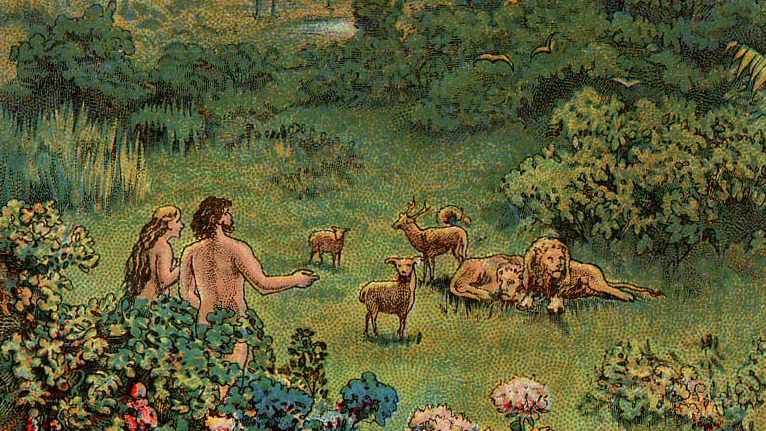
עץ החיים ועץ הדעת
אחת השאלות הגדולות על הפרקים הפותחים את התנ״כ היא, מה קרה בגן?
בפרק ב, טז נאמר:
״וַיְצַו֙ ה׳ אֱלֹהִ֔ים עַל־הָֽאָדָ֖ם לֵאמֹ֑ר מִכֹּ֥ל עֵֽץ־הַגָּ֖ן אָכֹ֥ל תֹּאכֵֽל״ – פשט הפסוק, מותר לנו לאכול ולהנות מכל עץ שנמצא בגן (שאלה אם אנחנו אוכלים את העץ? לא את הפרי?…).
אבל הפסוק לאחר מכן (ב,יז), מגביל אותנו:
״וּמֵעֵ֗ץ הַדַּ֙עַת֙ ט֣וֹב וָרָ֔ע לֹ֥א תֹאכַ֖ל מִמֶּ֑נּוּ כִּ֗י בְּי֛וֹם אֲכׇלְךָ֥ מִמֶּ֖נּוּ מ֥וֹת תָּמֽוּת״
המוסיקה קצת מפחידה… מה זה מוות? ״מות תמות״? זה לא נשמע כמו גן עדן… ולא הבנתי, אז מותר לי לאכול מכל עץ או לא?
הרב אורי שרקי מלמד שברור שמותר לנו לאכול מכל עץ הגן! ומה עם עץ הדעת? גם ממנו מותר לנו לאכול! אבל… כן, יש אבל, אבל הוא לא אותו ״אבל״ שחשבנו. האבל הוא, שאנחנו צריכים ללמוד קודם איך להתגבר על המוות. ברגע שנלמד זאת, נוכל לאכול גם מעץ הדעת.
להתגבר על המוות? אבל אנחנו בני אנוש ואפילו אדם שחי חיים ארוכים במיוחד (לא כמו מתושלח אבל עדיין, 930 שנה, די מכובד) לא חי לנצח! אז למה הכוונה?
הכוונה שנאכל קודם מעץ החיים, ואח״כ נאכל מעץ הדעת…
מה? הרי בתורה עצמה נאמר, אחרי שאכלנו מעץ הדעת, שאלוהים לא רצה שנאכל מעץ החיים ושילח אותנו מהגן (בעצם, לא אותנו, רק את האדם אבל זה פסוק אחר…)!
נכון. וזאת משום שאכלנו מעץ הדעץ קודם.
מסתבר שהסדר וסדרי העדיפות כאן חשובים מאד.
עץ החיים היא התורה, מכיוון שנאמר ״עֵץ חַיִּים הִיא לַמַּחֲזִיקִים בָּהּ וְתֹמְכֶיהָ מְאֻשָּׁר״ (משלי ג,יח). לקחת דעת בלי שיש לנו קודם ״חיים״, יכול להיות אפילו מסוכן ומזיק. אבל אם ״נאכל״ מהתורה קודם ובזה ״נרפד״ לנו את הבטן, ואח״כ ניקח גם מעץ הדעת – מה טוב.
חווה אימנו
חווה, האם הראשונה, אם כל חי (ג,כ), מספרת לנו על האימהות.
חווה שמחה כשנולדים שני ילדיה הראשונים (בראשית ד,א-ב):
״וַתַּ֙הַר֙ וַתֵּ֣לֶד אֶת־קַ֔יִן וַתֹּ֕אמֶר קָנִ֥יתִי אִ֖ישׁ אֶת־ה׳, וַתֹּ֣סֶף לָלֶ֔דֶת אֶת־אָחִ֖יו אֶת־הָ֑בֶל״…
איפה אדם? עד כה, הוא היה זה שנתן שמות, אך מאז שהגיעה חווה – היא זו הנותנת שמות. כל מעמדה משתנה עם האמהות: בשעה ששניהם שותפים בבריאה עם הקב״ה, עדיין, בגלל יכולתה להביא חיים לעולם, היא קצת פחות ״נברא״ ויותר ״בורא״.
ה״נברא״ – מקבל את החיים שלו מחוץ לעצמו, לעומת ה״בורא״ שנותן חיים לזולתו. ובקיצור: הנברא – מקבל והבורא – נותן. גם האדם יכול להיות ״בורא״ אם הוא מקבל בשביל לתת. לכן יצרה התורה מערכת שבה כל דבר שמתקבל, לא נשאר אצל האדם אלא עובר הלאה: כסף הופך לצדקה, יבול הופך למעשרות וכו’. התינוק האנושי לא נולד ועומד על רגליו ואחרי כמה שעות, מדלג באחו… הוא זקוק לטיפול נונ-סטופ. בכך, מלמד אותנו את מתנת הנתינה, ואנו – מלמדים אותו הלאה, כמה שאפשר.
אדם וחוה לא ממש יודעים איך להיות הורים, מתי להתערב ומתי לא להתערב, והתוצאות – טרגיות.
ואז נולד להם הבן השלישי, שת:
״וַיֵּ֨דַע אָדָ֥ם עוֹד֙ אֶת־אִשְׁתּ֔וֹ וַתֵּ֣לֶד בֵּ֔ן וַתִּקְרָ֥א אֶת־שְׁמ֖וֹ שֵׁ֑ת כִּ֣י שָֽׁת־לִ֤י אֱלֹהִים֙ זֶ֣רַע אַחֵ֔ר תַּ֣חַת הֶ֔בֶל כִּ֥י הֲרָג֖וֹ קָֽיִן (ד,כה)
שת הוא גרסה חדשה של הבל. פירוש שמו – יסוד, בסיס, תשתית, כלומר, איש טוב אבל לא ״הבל״ (אד, אויר, הבל פה), אלא כזה שיש לו כלים שיעזרו לו להתקיים בעולם הזה. הוא משלב חיצוניות מעשית כמו שהייתה לקין עם רוחניות טהורה וקדושה כמו שהייתה להבל. זהו. זה מה שהאנושות תצטרך, ומכאן יתחיל העולם.
שבת שלום ולקראת חודש טוב!
Starting Again – Genesis / Beresheet
The speech given by the United States President in the Knesset earlier this week—on one of the most miraculous, most emotional days in the history of the State of Israel… We sat for over an hour, listening intently, and in the end… what did he actually say? Perhaps the genius of the speech is that everyone heard exactly what they wanted to hear.
Supporters of Prime Minister Netanyahu heard Trump praising and supporting him. His critics heard him criticizing him, and so on… It almost doesn’t matter what was actually said. Every commentator with any platform took the words and interpreted them in a way that suited their own ideas and reinforced what they already believed in…
And that’s just when it comes to the words of a mortal human being. What will happen when we roll the Torah scroll and begin the Book of Genesis anew?
What is this text—and how should we approach it?
Rashi, on Genesis 1:1, writes:
“In the beginning Gd created…” — This text says nothing but ‘Interpret Me’ – namely, learn and inspire of the Holy One and do it just as our Sages did.
In other words, there is a correct way—and also an incorrect way—to read Scripture. And just because the book is available to everyone, it doesn’t mean we can easily get it wrong.
By way of analogy, the Torah is like someone’s notes from a lesson. To really understand what happened in the classroom, it’s best to ask someone who was there—not someone who just took the notebook, copied the summary, and passed it on to others, errors and all.
For example, Rashi says that if the Torah were trying to describe the chronological order of creation, it should have said: “Firstly, He created the heavens” or “At the beginning of Gd’s creating…”
Moreover, right after that (Genesis 1:2), it says:
“And the Spirit of Gd hovered over the face of the waters.”
Rashi continues:
“But Scripture has not yet told us when the waters were created! So we learn from this that the waters preceded the earth… Therefore, you must conclude that the verse is not teaching us the chronological order of events.”
So what is it teaching us?
The Torah will teach us about the relationship between the People of Israel and the Land of Israel, and between both of those and Gd.
But not just grand, lofty matters. It will also teach us about the relationship between man and woman, between parents and children, between us and the animals and the environment in which we live.
It will teach us about life—and therefore, will remain relevant forever, whether we understand it or change our minds or the world around us shifts.
The Tree of Life and the Tree of Knowledge
One of the great questions about the opening chapters of the TaNaCha is:
What really happened in the Garden?
In Genesis 2:16, it says:
“And the Hashem Gd commanded the human, saying: From every tree of the garden you may freely eat.”
The simple meaning is: we’re allowed to eat and enjoy every tree in the garden. (Although—wait—are we eating the tree? Or just the fruit…?)
But the very next verse (2:17) limits this:
“But from the Tree of Knowledge of Good and Evil you shall not eat from it—for on the day you eat from it, you shall surely die.”
The tone is ominous… What is this death? “You shall surely die”? That doesn’t sound like paradise! And, I don’t get it—so am I allowed to eat from every tree or not?
Rav Uri Sherki teaches that of course we’re allowed to eat from every tree in the garden.
And the Tree of Knowledge? We’re allowed to eat from that too!
But… yes, there’s a “but”—just not the kind of “but” we thought.
The “but” is that we must first learn how to overcome death.
Once we do that—we can eat from the Tree of Knowledge.
Overcome death? But we’re human! Even Adam, who lived a long life (maybe not Methuselah-long, but still—930 years, pretty impressive!) doesn’t live forever!
So what does it mean?
It means we must first eat from the Tree of Life, and only then eat from the Tree of Knowledge.
What? But the Torah itself says that after we ate from the Tree of Knowledge, Gd didn’t want us to eat from the Tree of Life and drove us out of the Garden (well, not us, just Adam but that’s another verse…)!
Exactly. That’s because we ate from the Tree of Knowledge first.
Turns out, the order and our priorities of things matters here. A lot.
The Tree of Life is the Torah—since it says (Proverbs 3:18):
“It is a Tree of Life to those who grasp it, and those who support it are happy.”
To take “knowledge” without first acquiring “life” can be dangerous—even harmful.
But if we “eat” from the Torah first—if we “line our stomachs” with it—and only afterward take from the Tree of Knowledge? Then it’s good.
Our Foremother Chava
Chava, the first mother, the mother of all the living (Genesis 3:20), teaches us about motherhood.
She is filled with joy at the birth of her first two sons (Genesis 4:1–2):
“And she conceived and bore Cayin, and said: ‘I have acquired a man with the Lord’; and she continued to bear his brother, Hevel.”
Where is Adam? Up to this point, he was the one giving names—but ever since Chava appeared, she is the one naming.
Her status shifts with motherhood: While both she and Adam are partners with Gd in creation, Chava—because she can bring life into the world—is now less “created” and more “creator.”
The created receives life from outside itself.
The creator gives life to others.
In short: The created receives, the creator gives.
A human being, too, can become a “creator” when they receive in order to give. That’s why the Torah designs a system where nothing we receive stays with us alone:
Money becomes Tzedakah, produce becomes tithes, and so on.
A human baby doesn’t pop out and walk within hours, like in the animal world.
It requires constant care. Through that, we learn the gift of giving—and we in turn teach it to the child, as much as we can.
Adam and Chava didn’t exactly know how to be parents.
When to intervene, when not to—
And the results were tragic.
Then came their third son—Seth (Shet):
“And Adam again knew his wife, and she bore a son and called his name Seth, for Gd has appointed me another seed instead of Hevel, for Cayin had killed him.” (Genesis 4:25)
Seth is a new version of Hevel. His name means foundation, basis, infrastructure.
In other words: a good man, but not a “Hevel” (which means vapor, breath, fleetingness)—rather, someone with tools to survive in this world.
He combines Cayin’s strong practicality with Hevel’s pure and holy spirit.
That’s it.
That’s what humanity needs.
And from here—the world begins.
Shabbat Shalom & a good new month ahead!


 Torah & more... תורה ועוד