פרשת תצוה: “שֶׁ֣מֶן זַ֥יִת זָ֛ךְ כָּתִ֖ית לַמָּא֑וֹר לְהַעֲלֹ֥ת נֵ֖ר תָּמִֽיד” (שמות כז:כ)
פרשת תצווה פותחת בהוראה לקחת שמן זית טהור למנורה. הזית זכה לתהילתו כבר בשלב מוקדם בתורה, כאשר היונה הביאה ענף ממנו לתיבה עבור נח, כמסר לחיים חדשים לאחר המבול, הזית היה אחד משבעת המינים של הארץ, שאחד מכינוייה הוא “ארץ זית-שמן”, כאשר שלמה המלך בנה את בית המקדש, הוא שילם על העצים שלו בשמן זית טהור. ידוע לנו על השימוש בשמן זית למנורה בחנוכה, יש המשתמשים בו כדי למשוח את ראשו של החתן ביום חתונתו, מדינת ישראל המודרנית בחרה בענפי זית סביב החנוכייה כסמל לשלום, ועוד.
במסכת ברכות (נז:א, בתרגום לעברית) מופיע ש”הרואה זיתים בחלום, אם היו קטנים — סימן הוא כי יפרה וירבה ויתקיים עסקוכזיתים…. אם רואה אילנות הזית סימן הוא שיהיו לו בנים מרובין, שנאמר: “בניך כשתלי זיתים סביב לשולחנך” (תהלים קכח, ג). יש שאומרים כי הרואה זית בחלום — סימן הוא כי שם טוב יוצא לו, שנאמר: “זית רענן יפה פרי תאר קרא ה’ שמך” (ירמיהו יא, טז).הרואה שמן זית בחלום — יצפה למאור תורה, שנאמר “ויקחו אליך שמן זית זך”, בדיוק מהפרשה שלנו.
במקום אחר בגמרא (מסכת מנחות פה), מסופר סיפור העוסק ברכישת כמויות פנטסטיות של שמן זית, שמתחיל באשה החכמה מתקוע שחוכמתה באה לה בגלל השימוש התכוף בשמן זית. תקוע כאן אגב, היא לא זו שבהרי יהודה, דרומית מזרחית לירושלים, אלא מקום בהרי הגליל העליון, אשר יש חושבים ששמו השתמר והשתבש בשם הכפר פקיעין. ובאשר לשמן זית וחוכמה, גם במחקר המודרני, נמצא שלשמן זית יש השפעות חיוביות בתחומים שונים כולל פעילות תקינה של המוח, שיפור יכולות קוגניטיביות, עיכוב תהליכי הזדקנות ועוד.
במדרשים ובתלמוד הזית משמש לעוד משלים רבים. הנה אחד (שנלמד בדף היומי בשבוע הבא):
א”ר יצחק: בשעה שחרב בית המקדש מצאו הקב”ה לאברהם שהיה עומד בבית המקדש, אמר לו (הקב״ה לאברהם): מה לידידי בביתי? אמר לו (אברהם): על עיסקי בני באתי… שמא חס ושלום אין להם תקנה? יצתה בת קול ואמרה לו (לאברהם), זית רענן יפה פרי תואר קרא ה’ שמך, מה זית זו אחריתו בסופו, אף ישראל אחריתן בסופן …
אמר רבי יהושע בן לוי: למה נמשלו ישראל לזית?
לומר לך: מה זית אין עליו נושרין לא בימות החמה ולא בימות הגשמים, אף ישראל אין להם בטילה עולמית לא בעוה”ז ולא בעולם הבא.
ואמר רבי יוחנן: למה נמשלו ישראל לזית? לומר לך: מה זית אינו מוציא שמנו אלא על ידי כתיתה, אף ישראל אין חוזרין למוטב אלא ע”י יסורין” (מנחות, נג ע”ב).
הנתיבות שלום (1911-2000) מרחיב ומלמד ש”זית הוא הפרי היחיד שמלבד קיומו ככזה, מסתיר בתוכו כוח מיוחד. לאחר שהוא מוכה ומרוסק, הוא חושף כוח חדש שנאגר בתוכו, הכוח להדליק אור, לגדול ולקיים להבה”, כמו, מסביר הרב, הנשמה שלנו, שלפעמים מקבלת הכוונות ואפילו מכות מהחיים, אך לעתים קרובות, כך אנחנו מקוים, הנסיונות והמצוקות הם שמוציאים גם מאיתנו את המיטב ועוזרים לנו להדליק אור גדול יותר.
הזית מייצג את המשך הצמיחה שלנו. כשכורתים עץ זית, נראה לעינינו רק גדם עצוב, אבל בטיפול טוב, יש לו סיכוי טוב לחזור לחיים. במיוחד בגליל וגם ביהודה ושומרון, אפשר לראות עצי זית בני מאות שנים, שממשיכים לתת פרי. וגם בהיותם עתיקים מאד, עצי זית אף פעם לא מאבדים את העלים הירוקים-כסופים שלהם. בהקשר לעיסוק בבגדי הכהן הגדול בפרשת ״תצווה״ ולחג פורים המתקרב – שני סיפורים שמוטיב הלבוש והבדים כל כך חזק בהם – אפשר לומר גם על עצי הזית, שהם מהעצים שתמיד ״לבושים״, ומצליחים לעשוות זאת בצניעות והידור. והלוואי עלינו.
שבת שלום ופורים שמח.
Parashat Tetzaveh:
“Pure olive oil, crushed finely for lighting, to kindle the eternal lamp” (Exodus 27:20)
Parashat Tetzaveh opens with the command to take pure olive oil for the menorah. The olive merited distinction already early on in the Torah, when the dove brought an olive branch to Noah’s ark as a message of new life after the Flood. The olive is one of the Seven Species of the Land, which is even called at time “a Land of olive oil.” When King Solomon built the Temple, he paid for its wood with pure olive oil. We are familiar with the use of olive oil for the menorah on Hanukkah; some use it to anoint a groom on his wedding day; and the modern State of Israel chose olive branches surrounding the menorah as a symbol of peace, and more.
In Tractate Berakhot (57a), it appears that “one who sees olives in a dream: if they are small, it is a sign that his business will flourish and endure like olives… If he sees olive trees, it is a sign that he will have many children, as it says: ‘Your children shall be like olive shoots around your table’ (Psalms 128:3). Some say that one who sees an olive in a dream is a sign that he will earn a good name, as it says: ‘Hashem called your name a leafy olive tree, fair with goodly fruit’ (Jeremiah 11:16). One who sees olive oil in a dream should anticipate the light of Torah, as it says, ‘They shall take to you pure olive oil’”, precisely from our parashah.
Elsewhere in the Talmud (Tractate Menachot 85b), a story is told about acquiring fantastical quantities of olive oil. It begins with the wise woman of Tekoa, whose wisdom was attributed to her frequent use of olive oil. (The Tekoa mentioned here, by the way, is not the one in the Judean hills southeast of Jerusalem, but a place in the Upper Galilee, which some think is preserved, albeit in altered form, in the name of the village Peki’in.) As for olive oil and wisdom, modern research as well has found that olive oil has positive effects in various areas, including proper brain function, improved cognitive abilities, slowing aging processes, and more.
In Midrash and Talmud, the olive also serves as a source for many parables. Here is one (to be studied in the Daf Yomi next week):
“Rabbi Yitzchak said: At the time when the Temple was destroyed, the Holy One, blessed be He, found Abraham standing in the Temple. He said to him: “What is My beloved doing in My house?” Abraham replied: “I have come regarding my children… Perhaps, Heaven forbids, they have no remedy?” A heavenly voice went forth and said to him: “‘A leafy olive tree, fair with goodly fruit, Hashem called your name’: just as the olive’s ultimate value is revealed in the end, so too Israel’s ultimate destiny will be revealed in the end…
Rabbi Yehoshua ben Levi said: Why is Israel compared to the olive? To teach you that just as the olive does not shed its leaves either in summer or in winter, so Israel will never cease to exist, neither in this world nor in the World to Come.
And Rabbi Yochanan said: Why is Israel compared to the olive? To teach you that just as the olive does not yield its oil except through crushing, so too Israel return to the right path only through suffering” (Menachot 53b).
The Netivot Shalom (1911–2000) expands on this and teaches that the olive is the only fruit that, beyond its own existence, conceals within it a special power. After it is beaten and crushed, it reveals a new force stored inside: the power to kindle light, to grow, and to sustain a flame. So too, explains the rabbi, it is with our soul: sometimes it receives direction and even blows from life, yet often, so we hope, the trials and hardships bring out the best within us and help us kindle a greater light.
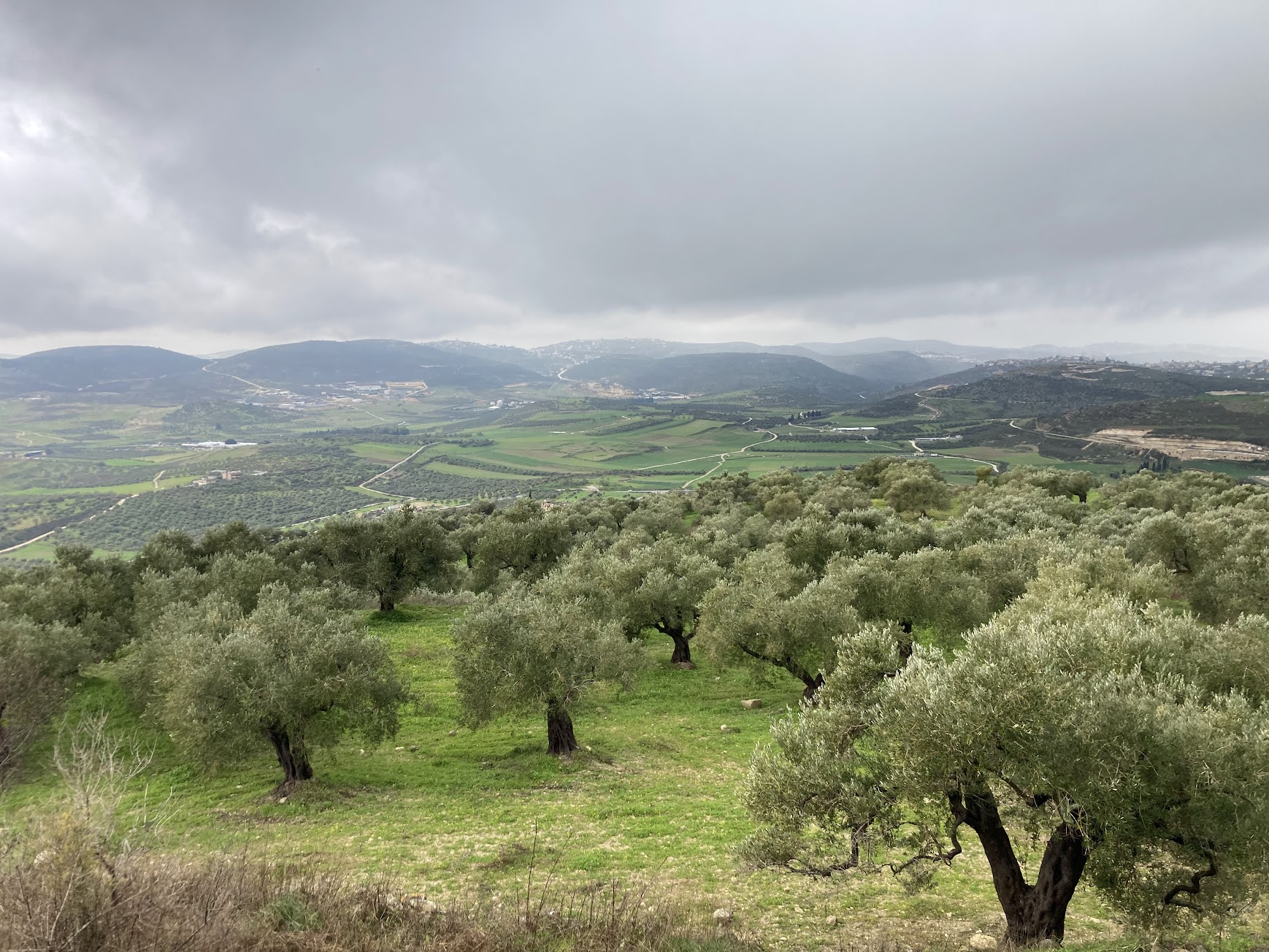
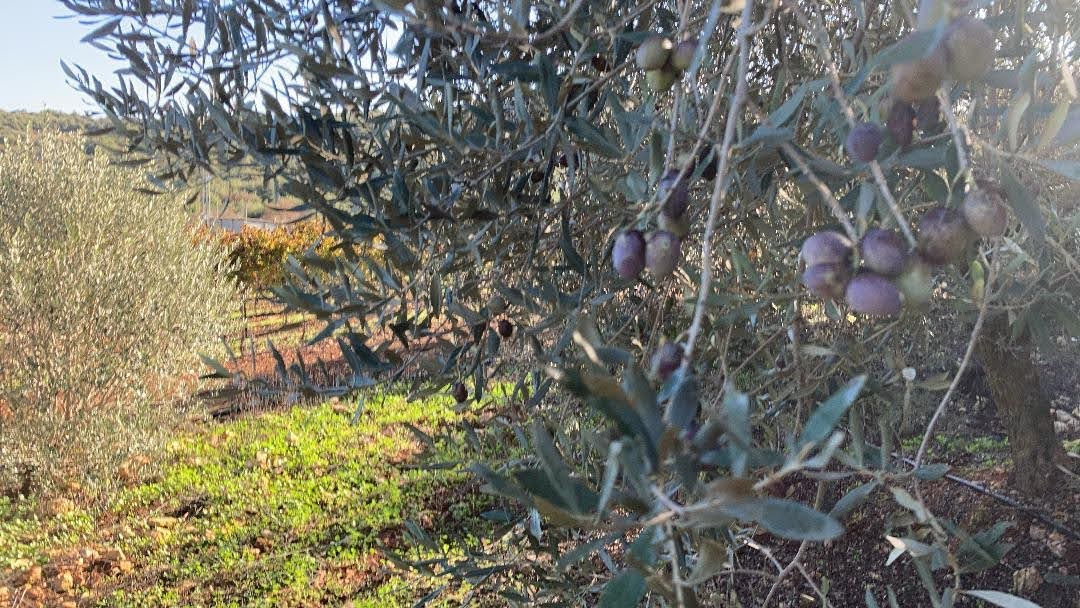
The olive tree represents our continued growth. When an olive tree is cut down, all we see is a sad stump, but with proper care, it has a strong chance of returning to life. Especially in the Galilee and in Judea and Samaria, one can see olive trees hundreds of years old that continue to bear fruit. And even in their great age, olive trees never lose their green-silver leaves. In the context of the High Priest’s garments discussed in Parashat Tetzaveh, and with the festival of Purim approaching – two narratives in which clothing and fabrics are such powerful motifs – we might say of olive trees as well that they are among the trees that are always “clothed,” managing to do so with modesty and dignity. Would that it be so for us as well.
Shabbat Shalom & Happy Purim.


 Torah & more... תורה ועוד