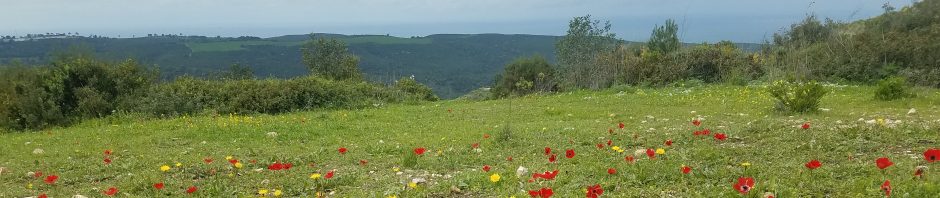
כמה מילים לשבוע זה… האמת, לא נעים להגיד, לפעמים אפשר לשכוח. יש רגעים כאלו, כשאני יושבת לכתוב עם המחשב מול הנוף, הציפורים נלחמות על פירורי החמץ שאני מפזרת להן, וברקע הפריחה של הכרמל – אין כלום, רק הווה שלו ויפיפה. השבוע, אחרי הפסקה מאז תחילת המצב הנוכחי, הלכתי לשיעור זומבה. בניגוד לחששות שלי שאהיה שם לבד, מגרש החניה היה די מלא, וגם האולם. לרגע חשבתי, שאפילו אם תהיה אזעקה, לא נשמע אותה מהמוסיקה הקצבית והשמחה של לחזור ולרקוד. חחה, זו היתה מחשבה מהירה מידי: בדיוק בסוף השיעור כשאני עומדת שם מתלבטת, מצטערת שלא הבאתי בגד-ים והלכתי גם לברכה, ה״שכנים״ שלנו החליטו לנסות אותנו שוב. במרחב המוגן, אף אחד לא קנא במי שבחר בשחיה… אבל אחרי כמה דקות, נשמנו, ויצאנו, בדקנו טלפונים וחזרנו כל אחד לענייניו: אלה לבריכה, אלה לשיעור הבא, אלה לסידורים ועבודה, ואלה למרכז הקניות. אחרי הכל, מלחמה, מלחמה, הבנו, אבל תיכף פסח, ו״סדר צריך להיות״… ואנחנו נזהרים, בטח שנזהרים, וגם, לא מתכוונים להפסיק לחיות.
*******
פרשת ויקרא שפותחת את ספר ויקרא מכניסה אותנו לעולם אחר. לא לחינם נקרא הספר הזה בלשון חז״ל גם ״תורת הכוהנים״, ובאנגלית – Leviticus. אבל אם כל כוונת הספר הוא הכוהנים ועבודתם, אפשר לשאול, מה בעצם עושה כאן משה? אולי הוא סיים את עבודתו עם הובלת העם ממצרים, דרך הר סיני והקמת המשכן? עכשיו מה נשאר? כמה חוקים ולהגיע לארץ? אף אחד לא הבטיח לו קריירה ארוכה. אולי זה יהיה תפקידו של מישהו אחר?
אבל הספר השלישי מתחיל במילה, ״ויקרא״, כאילו לומר, ׳ממש לא סיימת, משה, צריך אותך גם הלאה׳. המדרש מתאר את זה בדרכו הציורית:
כשנבנה המשכן, כולם הביאו נדבות עבור הבניה. בני ישראל הביאו זהב. הנשיאים הביאו פנינים ואבנים טובות, ו״נַפְשׁוֹ שֶׁל משֶׁה עֲגוּמָה עָלָיו, וְאָמַר: הַכֹּל הֵבִיאוּ נִדְבָתָן לַמִּשְׁכָּן וַאֲנִי לֹא הֵבֵאתִי. אָמַר לוֹ הַקָּדוֹשׁ בָּרוּךְ הוּא: ׳חַיֶּיךָ, שֶׁדִּבּוּרְךָ חָבִיב עָלַי יוֹתֵר מִן הַכֹּל׳, שֶׁמִּכֻּלָּם, לֹא קָרָא הַדִּבּוּר אֶלָּא לְמשֶׁה (לכן) ״וַיִּקְרָא אֶל משֶׁה״ (ויקרא רבה א׳:ו׳).
מעניין ואולי אפילו אירוני שמכל המתנות האפשריות, המדרש מתאר את המתנה שמשה מביא למשכן כדיבור. אנחנו זוכרים את אמירותיו בראשית דרכו, על היותו ״כבד פה וכבד לשון״ (שמות ד,י). אין ספק שבמהלך המסע ממצרים, גם הוא משתחרר מהעבדות האישית שלו, ועד שנגיע לספר דברים, כבר יוכל לדבר ספר שלם בלי היסוס, אבל אולי, יש כאן גם רמז לכך שמתנה לא נמדדת רק ברמת המושלמות שלה כלפי המקבל, אלא גם ברמת המאמץ וההשקעה של הנותן.
מדרש נוסף מתאר את הקב״ה כמו מלך ואיתו שרים ויועצים, חיילים ושומרים ״וְאֵין הָעָם יוֹדְעִים אֵיזֶה מֵהֶם חָבִיב מִכֻּלָּם, אֶלָּא מִי שֶׁהַמֶּלֶךְ הוֹפֵךְ פָּנָיו וּמְדַבֵּר עִמּוֹ הוּא חָבִיב מִכֻּלָּן. כָּךְ, ׳וְאֶל משֶׁה אָמַר עֲלֵה אַתָּה וְאַהֲרֹן נָדָב וַאֲבִיהוּא וְשִׁבְעִים זְקֵנִים׳ (שמות כד, א), וְאֵין אָנוּ יוֹדְעִים אֵיזֶה מֵהֶן חָבִיב מִכֻּלָּן, אֶלָּא מִי שֶׁהַקָּדוֹשׁ בָּרוּךְ הוּא קוֹרֵא אוֹתוֹ וּמְדַבֵּר עִמּוֹ, לְכָךְ נֶאֱמַר: וַיִּקְרָא אֶל משֶׁה (ויקרא רבה א׳:ח׳).
החשיבות של משה גדולה עד כדי כך, שהוא היחיד שכלול בשלושה עשר עיקרי האמונה (היהודית) של הרמב״ם, כפי שאנחנו שרים בשיר ״יגדל״: ״לא קם בישראל עוד, נביא ומביט את תמונתו״. הרמב״ם מציין ארבעה הבדלים בין נבואת משה לשאר הנביאים: א. נבואת משה הייתה בבחינת פנים אל פנים, בלא אמצעי ב. הנבואה לא הייתה באמצעות מחזה או מראה בזמן שהוא כעין תרדמה או שינה; ג. עמידה איתנה מול ההתגלות ללא אימה והיחלשות; ד. נבואה בכל עת (כך שמשה תמיד היה צריך להיות זמין, ולא למשל, כמו אהרון, שנכנס לקודש הקודשים רק ביום הכיפורים, פעם בשנה.
מדרש נוסף מחזיר אותנו לפרשות של השבוע שעבר, שם נאמר (18 פעמים): כַּאֲשֶׁר צִוָּה ה’ אֶת משֶׁה (שמות לט,מב ועוד). למה לחזור על אותו הפסוק שוב ושוב, ואיך זה קשור למילה ״ויקרא״? משה היה אחראי על הבניה, ועשה הכל בשביל המלך, כדרך המלך ולפי בקשתו, ובכל מקום, ״עַל כָּל דָּבָר וְדָבָר שֶׁהָיָה בּוֹנֶה הָיָה כּוֹתֵב עָלָיו שְׁמוֹ שֶׁל מֶלֶךְ, וְהָיָה בּוֹנֶה כְּתָלִים וְכוֹתֵב עֲלֵיהֶן שְׁמוֹ שֶׁל מֶלֶךְ, הָיָה מַעֲמִיד עַמּוּדִים וְכוֹתֵב עֲלֵיהֶן שְׁמוֹ שֶׁל מֶלֶךְ, הָיָה מְקָרֶה בְּקוֹרוֹת וְהָיָה כוֹתֵב עֲלֵיהֶן שְׁמוֹ שֶׁל מֶלֶךְ״. כשנכנס המלך, ראה את העבודה המושקעת והמדויקת, ולכן חשב, שלא יתכן שהוא (המלך) יהיה בפנים, בשעה שעושה המלאכה ישאר בחוץ “לְכָךְ נֶאֱמַר: וַיִּקְרָא אֶל משֶׁה״ (ויקרא רבה א,ז).
התכונה הגדולה של משה היא הענווה שלו, אבל אולי, העיקר הוא לא הענווה לכשעצמה, שאפילו יכולה להיות מסוכנת כשאדם מבטל את עצמו לחלוטין, אלא מה שהענווה הזו יכולה ליצור. אצל משה היא יצרה נאמנות, כך שמאוחר יותר, משה יקרא בפי הקב״ה, ״נאמן״ (במדבר יב). נאמנותו תהיה גדולה עד כדי כך שהקב״ה יתן לו לדבר ספר שלם בעצמו, והספר הזה יכלל בחמישה חומשי תורה כמו כל דברי ה׳.
הרב יצחק מוורקא שחי מנהיג חסידי בתחילת המאה ה-19, תיאר את הקשר בין הקב״ה ומשה כמו בין משרת וסוחר. אם בא מישהו לקנות את הסחורה בזול, בהתחלה אמר לו המשרת, ׳בעל הבית לא יכול למכור לך במחיר כזה׳, אח״כ כשהתקרבו יותר, אמר, ׳אנחנו לא נמכור לך׳, ולבסוף אמר ׳אני לא אמכור לך׳. המשל הזה בא להגיד לנו, שגם לנו, כמו למשה, יש חירות לעצב את התורה ולהשתמש בה, אם נוכל לעשות זאת מתוך מחוייבות, קרבה והזדהות עמוקה עם בעל הבית, הקב״ה.
בתפילה לבשורות טובות, חודש ניסן טוב ושבת שלום.
A few words about this week… honestly, I hate to admit it, but sometimes it’s easy to forget. There are moments like these, when I sit down to write with my computer – no news, no radio, no talk-shows – facing the view, the birds fighting over the crumbs of chametz I scatter for them, and in the background, the blossoming Carmel mountain; and there is nothing, just a peaceful and beautiful present.
This week, after a break since the beginning of the current situation, I went to a Zumba class. Contrary to my concerns that I might be there alone, the parking lot was quite full, and so was the hall. For a moment I thought that even if there were a siren, we wouldn’t hear it over the rhythmic, joyful music returning to dance. Haha. That thought came too quickly: right at the end of the class, as I stood there reconsidering, regretting that I hadn’t brought a swimsuit to go to the pool as well, our “neighbors” decided to check on us again.
In the protected area, no one envied those who had chosen swimming… but after a few minutes, we breathed, went out, checked our phones, and each returned to our own activities: some to the pool, some to the next class, some to errands and work, and some to the shopping center. After all, ok, there’s war, we get that, but Pesach is right around the corner, and “seder (order) must be”… and we are careful, of course we are careful, and yet, we do not intend to stop living.
The Torah portion of Vayikra, which opens the book of Leviticus, introduces us to a different world. It is no coincidence that this book is also called in the language of the Sages “Torat HaKohanim,” and in English, Leviticus. But if the entire purpose of the book is the priests and their service, one might ask: what exactly is Moses doing here? Perhaps he has finished his task, leading the people out of Egypt, on to Mount Sinai, and establishing the Tabernacle? What remains now, just a few laws and reaching the Land? No one promised him a long career. Maybe this will be someone else’s role?
But the third book begins with the word “Vayikra” – “And He called,” as if to say: ‘you are far from done here, Moses; we still need you going forward’. The Midrash describes this in its vivid way:
When the Tabernacle was built, everyone brought contributions for its construction. The Children of Israel brought gold; The leaders brought pearls and precious stones. And “Moses felt distressed and said: everyone has brought their contribution to the Tabernacle, and I have brought nothing.” The Holy One, blessed be He, said to him: “By your life (a language of promise or vow), your speech is more precious to Me than everything.” For from all of them, the Divine speech called only to Moses; therefore, “And He called to Moses” (Leviticus Rabbah 1:6).
It is interesting, and perhaps even ironic, that of all the possible gifts, the Midrash describes Moses’ gift to the Tabernacle as speech. We remember his words at the beginning of his journey, about being “heavy of mouth and heavy of tongue” (Exodus 4:10). There is no doubt that over the course of the journey from Egypt, he too is freed from his own personal bondage, and by the time we reach the book of Deuteronomy, he will already be able to speak an entire book without hesitation. But perhaps there is also a hint here, that a gift is not measured only by its level of perfection for the recipient, but also by the level of effort and investment of the giver.
Another Midrash describes the Holy One as a king surrounded by ministers and advisors, soldiers and guards, “and the people do not know which of them is most beloved, but the one to whom the king turns his face and speaks is the most beloved of all.” So too: “And to Moses He said: come up, you and Aaron, Nadav and Avihu, and seventy elders” (Exodus 24:1). We do not know which of them is most beloved, except the one whom the Holy One calls and speaks with. Therefore, it is said: “And He called to Moses” (Leviticus Rabbah 1:8).
The importance of Moses is so great that he is the only individual included in Maimonides’ Thirteen Articles of Faith, as we sing in the hymn “Yigdal”: “In Israel there never arose again a prophet like Moses, who beheld His image.” Maimonides notes four differences between Moses’ prophecy and that of other prophets:
a. Moses’ prophecy was face-to-face, without intermediaries;
b. It did not occur through visions or dreams, in a state like sleep;
c. He stood firm before the revelation, without fear or weakening;
d. He could prophesy at any time (meaning Moses always had to be ready, unlike Aaron, for example, who entered the Holy of Holies only once a year, on Yom Kippur).
Another Midrash takes us back to last week’s Torah portions, where it is written (18 times!): “as Hashem commanded Moses” (Exodus 39:42 and elsewhere). Why repeat the same verse again and again, and how is it connected to the word “Vayikra”? Moses was responsible for the construction and did everything for the King, in the King’s way and according to His request. And everywhere, “for every single thing he built, he would write the name of the King upon it: he built walls and wrote the King’s name on them; he erected pillars and wrote the King’s name on them; he laid beams and wrote the King’s name on them.”
When the King entered and saw the careful, devoted work, He thought, how can I be inside while the one who did the work remained outside? Therefore it is said: “And He called to Moses” (Leviticus Rabbah 1:7).
Moses’ greatest trait is his humility. But perhaps the main point is not humility in and of itself, which can even be dangerous if a person completely erases themselves, but what that humility can create. In Moses, it created loyalty, faithfulness. Later, Moses is called by Gd “faithful” (Numbers 12). His faithfulness is so great that Gd allows him to speak an entire book on his own, and that book becomes part of the Five Books of the Torah, like all the words of Gd.
Rabbi Yitzchak of Vorka, a Hasidic leader in the early 19th century, described the relationship between Gd and Moses like that between a servant and his Master. If someone came to buy goods at a cheap price, at first the servant would say, “The master cannot sell to you at that price.” Later, as they grew closer, he would say, “We will not sell.” And finally, “I will not sell…” This parable teaches us that we too, like Moses, have the freedom to shape the Torah and use it, if we can do so out of real commitment, closeness, and deep identification with the Master, the Holy One.
With a prayer for good news, a good month and a Shabbat Shalom.


 Torah & more... תורה ועוד