
.״תמונת מצב, או שמא, תמונת ״מ-צו״ -? כשבין פרשת ״צו״ השבוע, ופרשת ״שמיני״, שתבוא אחרי פסח – גם הגיע ״צו שמונה
Our podcast on (Apple or) Spotify: https://open.spotify.com/episode/04vkHThikKZJonl6P7T6Ow
:פרשת ״צו״, שבת הגדול והשלשלת
עם פרשת צו אנחנו מגיעים לאמצע הפסוקים של התורה. כן, חז״ל ספרו הכל עוד הרבה לפני גו.
שמה של הפרשה – “צו” – פירושו: ציווי. אם נוסיף עוד אות – נקבל צוות – קבוצה של אנשים שעובדים ביחד למען מטרה משותפת. נוסיף עוד אחת ונקבל צוותא- עשיה ביחד, שותפות.
הפרשה נפתחת כאשר ה’ מצווה את משה לתת הנחיות לאהרון ובניו לגבי קורבן העולה.
בהמשך, היא מפרטת את ההוראות על הקרבת מנחה, חטאת, אשם ושלמים — מי מביא אותם, מי אוכל מהם, וכיצד בדיוק להקריבם. לאחר מכן, אנחנו נפנים לתהליך ההקדשה של אהרון ובניו, עכשיו שבניית המשכן הסתיימה ועוד מעט נחגוג את חנוכת המשכן!
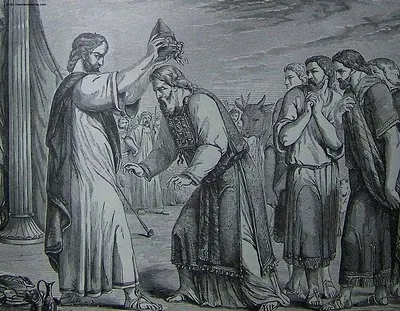
משה הוא זה שעושה הכל כאן: הוא לוקח את אהרון ואת בניו, מכנס את כל קהל ישראל לפתח אוהל מועד, רוחץ את אהרון במים, מלביש אותו בבגדי כהונה — כולל החושן, האורים והתומים ועוד, מושח אותו בשמן המשחה המיוחד, ומושח גם את המשכן וכליו. לאחר מכן, אהרון מקריב לראשונה את קרבן החטאת, העולה והמילואים. הכהנים שוהים בתוך אוהל מועד במשך שבעה ימים, לקראת היום השמיני שיהיה יום חנוכת המשכן.
אנחנו כל כך רגילים לכך שאהרון הוא הכהן הגדול, שאנחנו עלולים לפספס את העובדה שדווקא משה הוא זה שמעביר אליו את תפקיד הכהונה — בשקט, בצניעות, בלי דרמה. אבל אולי הוא מרגיש משהו מתחת לפני השטח?
בין טעמי המקרא שעוזרים לנו בקריאת התורה להטעים נכון, להדגיש מילים ולחלק פסוקים – ורבים מהם חוזרים על עצמם בכל קטע – יש טעם אחד, מתנגן וארוך במיוחד שנקרא ״שלשלת״. ה״שלשלת״ מופיעה רק ארבע פעמים בכל התורה!
השלשלת מופיעה כשנאמר ללוט לברוח מסדום – והוא “וַיִּתְמַהְמָהּ” (בראשית י”ט:טז), רמז להססנות שלו, לקושי לעזוב את סדום עירו, למרות הרוע בה ולמרות הסכנה.
אח״כ היא מופיעה כשעבד אברהם מתפלל למציאת אשה ליצחק עם המילה “וַיֹּאמַר” (בראשית כ”ד:יב), אולי כרמז לספקות שהיו לו לגבי הצלחת השליחות.
עוד היא מופיעה כשיוסף עומד בפני אשת פוטיפר היפה, שמנסה לפתות אותו. על פניו, הוא אומר לה לא, אבל הניגון עם המילה “וַיְמָאֵן” (בראשית ל”ט:ח) מספר על מאבק פנימי עז בין הרצון לפיתוי לבין המוסר.
ובפעם האחרונה מופיעה השלשלת בפרשה שלנו, כשמשה שוחט את הקורבן ומעביר את התפקיד לאהרון – “וַיִּשְׁחָט” (ויקרא ח’:כג), כתוב. הנה, הוא עשה מה שצריך, אבל אולי השלשלת מספרת לו על מה שקרה בליבו של משה, אולי היסס לרגע, אולי חש תחושת ויתור, אולי אפילו צביטה בלב.
והתורה כאילו ראתה את זה. בלי לשפוט. בלי בקורת על זה שיש לנו רגשות, אלא בהכרה ונתינת מקום, כאילו שהיא אומרת – גם לנו, כאן ועכשיו עם כל מה שקורה מסביב, וכל מה שזה מעלה בנו – זה בסדר, אני רואה אותך. אני מבינה. באמת לא קל.
קח נשימה עמוקה.
אתה יכול להמשיך הלאה.
.ב״ה, אנחנו נהיה בסדר
בשורות טובות ושבת שלום
Parashat Tzav, Shabbat HaGadol, and the Shalshelet:
With Parashat Tzav, we reach the midpoint of the Torah’s verses. Yes, the Sages counted everything long before Google.
The name of the parasha—“Tzav”—means “command.” If we add one more letter, we get tzavet—a team, a group of people working together toward a shared goal. Add another, and we get tzavta—togetherness, partnership, joint action.
The parasha opens with God commanding Moses to instruct Aaron and his sons regarding the burnt offering (olah).
It continues by detailing the laws of the meal offering, sin offering, guilt offering, and peace offering—who brings them, who may eat from them, and exactly how they are to be offered.
After that, we turn to the consecration process of Aaron and his sons. Now that the construction of the Tabernacle is complete, we are just about to celebrate its inauguration.
Moses is the one who does everything here: he takes Aaron and his sons, gathers the entire community of Israel at the entrance of the Tent of Meeting, washes Aaron with water, dresses him in the priestly garments—including the breastplate, the Urim and Thummim, and more—anoints him with the special anointing oil, and anoints the Tabernacle and all its vessels.
Then Aaron offers, for the first time, the sin offering, the burnt offering, and the inauguration offering. The priests remain inside the Tent of Meeting for seven days, in preparation for the eighth day, which will be the day of the Tabernacle’s dedication.
We are so used to Aaron being the High Priest that we might miss the fact that it is actually Moses who transfers the priesthood to him—quietly, modestly, without drama. But perhaps something stirs beneath the surface?
Among the cantillation marks (ta’amei ha-mikra) that guide us in reading the Torah—helping us emphasize words and divide verses—there is one particularly long and melodic note called the shalshelet. It appears only four times in the entire Torah.
The shalshelet appears when Lot is told to flee Sodom, and “he lingered” (Genesis 19:16), hinting at his hesitation, his difficulty leaving his city despite its wickedness and the danger.
It appears again when Abraham’s servant prays to find a wife for Isaac, with the word “and he said” (Genesis 24:12), perhaps suggesting his doubts about the success of his mission.
It also appears when Joseph stands before Potiphar’s wife, who tries to seduce him. On the surface, he refuses—but the drawn-out note on the word “and he refused” (Genesis 39:8) reveals an intense inner struggle between temptation and morality.
And for the final time, the shalshelet appears in our parasha, when Moses slaughters the offering and transfers the role to Aaron—“and he slaughtered” (Leviticus 8:23). Yes, he did what needed to be done—but perhaps the shalshelet tells us something about what was happening in Moses’ heart. Maybe he hesitated for a moment, maybe he felt a sense of letting go, perhaps even a pang.
And it is as if the Torah sees this. Without judgment. Without criticism for having emotions, but rather with recognition and space—as if to say: even for us, here and now, with everything happening around us and everything it brings up within us—it’s okay. I see you. I understand. It’s truly not easy.
Take a deep breath.
You can keep going.
With God’s help, we will be okay.
SHABBAT HAGADOL SHALOM & B’SOROT TOVOT


 Torah & more... תורה ועוד