OUR PODCAST FOR PESACH: https://open.spotify.com/episode/5WcPs1VvdlryXWa5N73YjJ
שלושה קצרים לפסח, תשפו
בשבת האחרונה, נשאבתי לתוך ספר על מלחמת העולם השניה באחד מאיי התעלה שליד חוף נורמנדי, החלק היחיד בבריטניה שנכבש בידי גרמניה. זה רומן היסטורי, וכפי שכתוב בהקדמה, ״מבוסס על אירועים אמיתיים״. בשנת 1940 מצאה את עצמה הדוויג ברקו הצעירה, יהודייה שנמלטה מהאנשלוס באוסטריה, לכודה באי ג׳רזי, כשהנאצים פלשו למקום הקטן (והאסטרטגי). הדי מתקבלת לעבודה כמתורגמנית עבור הגרמנים, מה שאפשר לה לכלכל את עצמה והסובבים אותה – ״לכלכל״ אומר שכשיש רעב נוראי באי, לה ולשותפה שלה לדירה יש עדיין כרוב אחד לשבוע. הרעב הולך וגובר בגלל חוסר האספקה לאי והעובדה שהגרמנים לוקחים את כל הסחורה לעצמם, בחודשי החורף קר ואין כסף ו/או עצים להסקה, אנשים בשוק השחור מאיימים עליה ועוד. זה ״חלק מהחיים״. והדי (הדסה היא אסתר?) עומדת בפני סכנת חיים נוספת כשכל יום (!), במשך (כ-5) שנים (!) היא צריכה להסתיר את זהותה האמיתית מתושבי האי שחלקם מתנכלים לזרה שהגיעה ממדינת אויב, מהנאצים עבורם היא עובדת, ואפילו מהקצין הגרמני, איתו יש לה ידידות שהופכת לסיפור אהבה.
הספר מתחיל באחה״צ של אותו יום קיץ כשנאצים פולשים לאי. הדי על החוף עם החול והגלים, העיירה הציורית ברקע שסביבה משבצות שדות תפוחי אדמה (בדקתי בגוגל – נראה יפיפה ושווה ביקור), שומעת את ׳זעקתה של הסירנה, עולה ויורדת׳, והנה, גם אני, כאן, עם הנוף שמשקיף לים, וזעקות הסירנה, עולה ויורדת, בדיוק… וגם, ממש לא.
הבקר, אני בחנות, עושה קניות לחג, יחד עם כל עם ישראל. יש ירקות ופירות, וביצים, וגבינות, וחלב, ובשר ויין. צפוף מקונים ומספקים שמעמיסים עוד, ובקפה הקטן שליד, אין מקום לשבת, ובגן המשחקים שבדרך הביתה, כל הנדנדות תפוסות… אני חס וחלילה לא מקטינה משום דבר שקורה כאן. אנחנו חיים במלחמה, ועדיין. הספר הזה עזר לי לקבל קצת פרופורציות. לפחות עד האזעקה הבאה.
*******
״חג שמח״ אמרתי לה, אבל היא כעסה עלי, ״מה פתאום, איזה שמח בראש שלך?״. ואני, בעוד קצת היסוס, ״טוב, אז לפחות שיהיה… חג״? והיא, יורה בי: ״חג? נראה לך? שנעשה חג ככה״? והלכה, נדה בראשה לכמה משוגעת אני עוד יכולה להיות…
ולא הספקתי להגיד, אז שמה את זה פה:
כשאנחנו מאחלים אחד לשני ״חג שמח״, אנחנו לא בהכרח מאחלים אחד לשני להיות שמחים! אנחנו מאחלים, מקוים שהחג – יהיה שמח. בטח, הוא אוהב שולחן ערוך עם מפה יפה, וארוחה של שמונה מנות, וכלים יפים ובגדים חדשים, אבל הוא לא באמת צריך את כל זה בשביל להיות שמח. הוא מבין שלא תמיד אפשר. הוא כבר איתנו אלפי שנים. ראה אותנו הרוסים, נלחמים להשתקם אחרי חורבן בית המקדש – הראשון והשני, ואחרי מרד בר-כוכבא, ובימי הביניים, ובגירוש ספרד ופורטוגל, ועוד אח״כ, בימי פרעות חמילניצקי, והפוגרומים, ובשואה, וגם בגטו ורשה ובכל מקום שהיה אפשר להגיד מה נשתנה ועבדים היינו, ובמלחמת העצמאות, ובשבועות לפני מלחמת ששת הימים, ואחרי יום כיפור, ומאז ועד עכשיו, גם בקורונה וגם במלחמה עד כה. והוא יכול להיות שמח, לא בגלל שום דבר, רק – בגלל שבאנו ואנחנו כאן.
*******
אחד הימים העצובים ביותר בהיסטוריה שלנו הוא היום בו ההגדה לפסח נכתבה. עד כדי כך גדול היה החורבן, ההרס, אובדן הפוטנציאלי שחז״ל נאלצו להעלות את כל החוכמה הזו על הכתב, ואיזה דבר הזוי – לקרוא לספר ״הגדה״ ואז לקרוא אותו, שורה, שורה, ולנו, להעביר, במקום סיפור מתח בהמשכים עם שיחה ערה מסביב לשולחן, דפים שצריך להספיק עד האוכל ועד שהילד ירדם ועד…?
באמת, אחד הימים הכי שמחים בהיסטוריה שלנו, הוא היום בו ההגדה לפסח נכתבה. איזה מבט חזוני היה לחז״ל, לכתוב את הדברים שלא ילכו לאיבוד, להתוות לנו דרך לנהל את הערב הזה, את הזכרון, את הלימוד שלנו בכלל! אילו לא נכתבו הדברים, אי אז לפני 2000 +- שנה, קרוב לוודאי שהם בכלל לא היו בידינו היום! כמה הערכה יש לי אליהם!…
ומאז (ועוד לפני…), ככה אנחנו מסתובבים בעולם, עצובים עד עמקי נשמתנו, שמחים ומודים לקב״ה על כל הניסים.
ב״ה, שיהיה חג פסח כשר ושמח, ובשורות טובות לנו ולכל עם ישראל.
Last Saturday, I “sunk” into a book about World War II, set on one of the Channel Islands off the coast of Normandy, the only part of Britain that was occupied by Germany. It’s a historical novel, and as it says in the introduction, it’s “based on true events.” In 1940, young Hedwig Bercu, a young Jewish woman who had fled the Anschluss in Austria, finds herself trapped on the island of Jersey when the Nazis invade the small (and strategic) spot. Hedy gets a job as a translator for the Germans, which allows her to support herself and those around her. “Support,” though, means that when there is terrible hunger on the island, she and her roommate still have one cabbage for that week. The hunger worsens due to lack of supplies reaching the island and the fact that the Germans take everything for themselves; in the winter months it’s cold, and there’s no money and/or wood for heating, people in the black market threaten her, and more, all “part of life.”
But Hedy (Hadassah – Esther?) faces another life-threatening danger: every single day (!), for about five years (!), she must hide her true identity from the island’s residents, some of whom harass the foreigner from an enemy country; from the Nazis she works for; and even from the German officer with whom she develops a friendship that turns into a love story.
The book opens on the afternoon of that summer day when the Nazis invade the island. Hedy is on the beach with the sand and the waves, the picturesque town in the background surrounded by patchworks of potato fields (I checked on Google, it looks beautiful and worth a visit), hearing “the wail of the siren, rising and falling.” And here I am too, with a sea view, and the sound of sirens rising and falling, exactly… and also, not at all.
This morning, I’m at the store, shopping for the holiday, together with what seems to be all the People of Israel. There are vegetables and fruits, eggs and cheeses, milk, meat, and wine. It’s crowded with shoppers and suppliers restocking shelves; the little café next door has no seats available; and in the playground on the way home, all the swings are taken… I’m not diminishing anything happening here. There’s a war, absolutely—and still. This book gave me a bit of perspective. At least until the next siren.
“Pesach Same’ach”, I said to her, “Happy Holiday”, but she snapped back at me. “What do you mean? what’s happy in your mind?” And I, hesitantly: “Well, then at least let it be… a holiday?” And she shot back: “A holiday? you really think we can celebrate like this?” And she walked off and away, shaking her head at how crazy I must be…
And I didn’t get to say anything, so I’m putting it here:
When we wish each other a “Chag Same’ach”, we’re not necessarily wishing each other to be happy. We’re wishing the holiday itself – to be happy. Sure, he loves a beautifully set table, an eight-course meal, fine dishes, new clothes, but it doesn’t really need all that to be happy. It understands that it’s not always possible. It has seen us broken, struggling to rebuild after the destruction of the Temples, 1st and 2nd; after the Bar Kokhba revolt, in the Middle Ages, during the expulsions from Spain and Portugal, later during the Khmelnytsky massacres, the pogroms, the Holocaust, in the Warsaw Ghetto and everywhere we could still say “Why is this night different?” and “We were once slaves;” during the War of Independence, in the weeks before the Six-Day War, after Yom Kippur, and from then until now, through COVID and through this war. And it can be happy, not because of anything, just because we showed up, and we’re here.
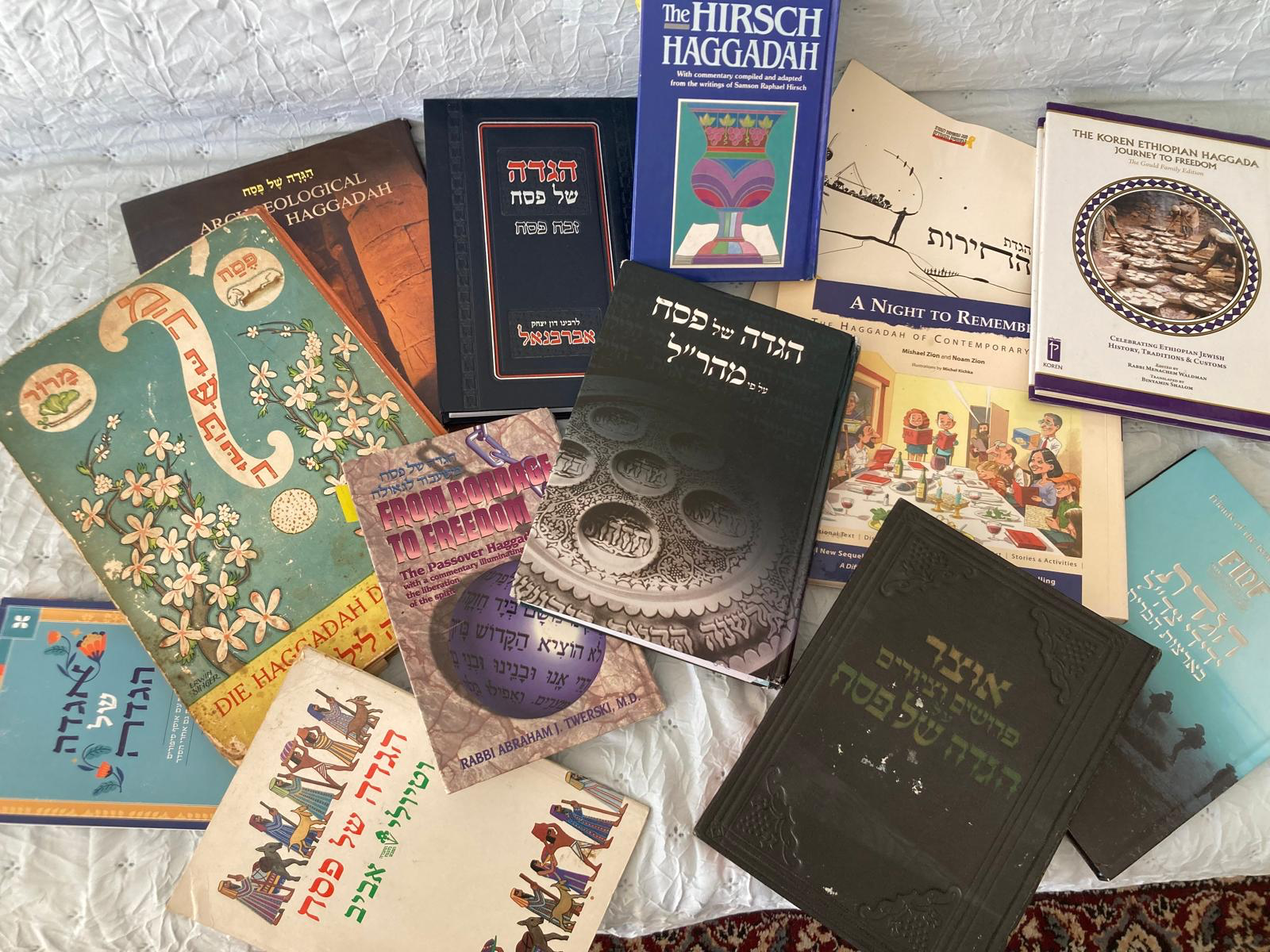
I think one of the saddest days in our history is the day the Passover Haggadah was written down. The destruction, the devastation, the real possibility of losing knowledge, a way of life, and tradition, was so great that the Sages had to put all this wisdom in spcrpt. And what a strange thing, to call a book a “telling” (Haggadah), and then read it; and for us, instead of passing on an unfolding, suspenseful story with lively conversation around the table, to pass along pages we have to rush through before the food, before the child falls asleep, before…?
Truly, one of the best days in our history is the day the Passover Haggadah was put in writing. What vision the Sages had, to write things down so they wouldn’t be lost, to chart a path for how we conduct this evening, for our learning in general! If these things hadn’t been written down some 2,000 years ago, they very likely wouldn’t be in our hands today. How much appreciation I have for them!…
And ever since (and even before…), this is how we walk around in the world, sad to the depths of our souls, joyful and grateful to Gd for all the miracles.
Bh, may it be a joyous holiday and good tidings to all.


 Torah & more... תורה ועוד