Torah & Travel with Moses & Elijah for the Torah portion of Ki Tisa

תורה ותיירות עם משה ואליהו לכבוד פרשת (והפטרת ) כי תישא

As if there aren’t enough topic to discuss in the Torah portion of Ki Tisa… It opens with additional Mishkan matters, the contribution of half the shekel, the preparation of the sink, the anointing oil and the incense. Gd instructs Moses to appoint Bezalel and Oholi’av as the main craftsmen in the construction of the Tabernacle. We receive another notice about keeping Shabbat, and then, the sin of the Golden Calf, what and how it happened, and what were its consequences.כאילו שאין מספיק נושאים לדבר עליהם בפרשת “כי תישא”… הפרשת מתחילה בענייני משכן נוספים, תרומת מחצית השקל, הכנת הכיור, שמן המשחה והקטורת. הקב”ה מורה למשה למנות את בצלאל ואהליאב לבעלי המלאכה הראשיים בבניית המשכן. אנחנו מקבלים אזהרה נוספת על שמירת השבת, ולאחר מכן, חטא העגל, מה ואיך קרה, ומה היו השלכותיו.  
And yet… the Haftara. In most non-leap years, we read a different haftara with this week’s Torah portion of Ki Tisa (in honor of one of the special Shabbtot before Pesach). This year, which is a leap year, we are honored to read the usual haftara of Ki Tisha, the story of Elijah the prophet that takes place not far from here, on Mount Carmel (1 Kings, chapter 18).ובכל זאת… ההפטרה. ברוב השנים שאינן מעוברות, אנחנו קוראים הפטרה אחרת עם פרשת כי תישא (לכבוד פרשת פרה). השנה, שהיא שנה מעוברת, אנחנו זוכים לקרוא בהפטרה הרגילה של פרשת כי תישא, את סיפורו של אליהו הנביא המתרחש לא רחוק מכאן, בהר הכרמל (מלכים א, פרק יח).  
Let’s take a step back: What is the haftara (some would say, haftorah)? The haftarah is a section from the Prophets which is customarily read in the synagogue on Shabbats and holidays after the reading of the Torah. There was a dispute regarding the period in which we started reading it as well as the reason. Did it start with the completion of the Books of the Prophets? The time of Ezra and Nehemiah? Perhaps as a replacement at a time when there were decrees that forbade the reading of the Torah, or perhaps to fight against whose who saw only the Five Books of the Torah as holy scriptures? Already in the Talmud some of the haftaroth (pl.) are detailed, but most of them were organized later, and there are often different customs between the Jews of Ashkenazi, Sefardi, Yemen and other communities as to which haftarah exactly to read. But this Shabbat, Moses. At Mount Sinai. At the Golden Calf event. And alongside him – Elijah. On Mount Carmel. With the altar and the bull.ניקח צעד אחורה: מה זו הפטרה? ההפטרה היא קטע מספרי הנביאים שנהוג לקרוא בבית הכנסת בשבתות ומועדים לאחר סיום קריאת התורה. קימת מחלוקת בקשר לתקופה בה התחילו לקרוא הפטרות וגם בקשר לסיבה. האם זה התחיל עם חתימת ספרי הנביאים? אולי עזרא ונחמיה? אולי כתחליף בזמן שהיו גזרות שאסרו על קריאת התורה, או שמא כדי להלחם בזרמים שראו רק את חמשת חומשי התורה ככתבי קודש? כבר בתלמוד קיים פירוט של חלק מההפטרות אך רובן התגבשו בהמשך, כשלא פעם ישנם מנהגים שונים בין יהודי אשכנז, ספרד, תימן ועדות אחרות איזה הפטרה בדיוק לקרוא. אבל בשבת זו, משה. בהר סיני. במעמד העגל. ומולו, איתו – אליהו. בהר כרמל. המזבח והפר.  
According to what is told in the Bible, the prophet Elijah organizes a religious-ritual conflict between himself and the 450 prophets of Ba’al here, on Mount Carmel, which was then in the possession of the tribe of Manashe in the Kingdom of Israel. The background – the policy of the Kingdom of Israel to support the worship of Ba’al, which was considered idolatrous and forbidden in the Torah. Elijah opens the conflict with a proposal that the decision be with the side whose Gd brings down fire from heaven. The proposal was accepted, and it was decided that each side would use its own altar and its own bull to prove their god’s truthfulness. The Ba’al prophet began, tried and called out, but “there is no voice and no response and no attention” (Kings 1:18, 29) .לפי המסופר בתנ”כ, אליהו הנביא מארגן עימות דתי-פולחני בינו ובין 450 נביאי הבעל כאן, בהר הכרמל, שהיה אז בנחלת שבט מנשה בממלכת ישראל. הרקע – מדיניות ממלכת ישראל לתמוך בפולחן הבעל שנחשב עבודה זרה ונאסר בתורה. אליהו פותח את העימות בהצעה שההכרעה תהיה עם הצד שאלוהיו יוריד אש מהשמים. השיטה התקבלה, והוחלט שכל צד ישתמש במזבח שלו ובפר משלו כדי להוכיח את אמיתות אלוהיו. נביא הבעל התחילו, ניסו וקראו, אך “אֵין קוֹל וְאֵין עֹנֶה וְאֵין קָשֶׁב” (מלכים א, יח, כט).    
When it was Elijah’s turn, he prepared an altar with twelve stones as the number of the tribes of the sons of Jacob (even though at that time the kingdoms had already split into Israel and Judea), and he added and built a channel of water around it, so that it would be clear that what was going to happen here was a divine act and not a coincidence. Gd answered Elijah’s prayer and sent down fire from heaven that burned the bull on the altar, the wood, the altar and the water of the trench. According to the Bible, after the confrontation ended with Elijah’s victory, the people bowed down and declared “Hashem is Gd” (Kings 1:18, 10), the same statement with which we end Yom Kippur prayers to this very day.כשהגיע תורו של אליהו, הוא הכין מזבח עם שתים-עשרה אבנים כמספר שבטי בני יעקב (למרות שבזמנו הממלכות כבר התפצלו לישראל ויהודה), והוסיף ובנה סביבו תעלה עליה יצק מים, כדי שיהיה ברור שמה שהולך לקרות כאן הוא מעשה אלוהי ולא מקריות. ה’ נענה לתפילת אליהו, והוריד אש מהשמים ששרפה את הפר שעל המזבח, עצי המזבח, המזבח ומי התעלה. לפי המקרא, לאחר שהעימות הסתיים בניצחונו של אליהו, העם השתחווה והצהיר “ה’ הוא האלוהים” (מלכים א, יח, לט), אותה קריאה איתה אנחנו מסיימים עד היום את תפילת יום כיפור.  
The Sages noted the clear resemblance between Moses and Elijah (Psikta Rabati, section 4): … “You find two prophets for Israel from the tribe of Levi: Moses, first and Elijah, last … and you find that Moses and Elijah share everything. Moses is a prophet and Elijah is a prophet. Moses was called a man of Gd and Elijah was called a man of Gd…Moses assembled Israel to Mount Sinai and Elijah assembled them to Mount Carmel. Moses got rid of isolators… and Elijah got rid of isolators and caught the prophets of Ba’al and slaughtered them.חז”ל ראו את הדמיון הברור בין משה ואליהו (פסיקתא רבתי פיסקא ד): … “אתה מוצא שתי נביאים עמדו להם לישראל משבטו של לוי: משה ראשון ואליהו אחרון … ואתה מוצא שמשה ואליהו שוין זה לזה בכל דבר. משה נביא ואליהו נביא. משה נקרא איש האלהים ואליהו נקרא איש האלהים … משה כינס את ישראל להר סיני ואליהו כינסם להר הכרמל. משה ביער עובדי עבודה זרה… ואליהו ביער עבודה זרה ותפש נביאי הבעל ושחטם.  
Moses was zealous (when he said) “who is to Hashem, join me” (Exodus 32,26) and Elijah was zealous “And Elijah said to all the people, please approach me” (Kings 1:18,30)… Moses, when he pray for Israel, takeheld on to the forefathers’ merit: “Remember Abraham and Isaac and Israel your servants” (Exodus 32:13) and so did Elijah: “The Lord is the Gd of Abraham, Isaac, and Israel” (1 Kings 18:36). Because of Moses, Israel received the Holy One’s love, saying “all that Gd spoe we will do and we will listen” (Exodus 24:7) and because of Elijah they received the Holy One’s love as it is said, “Hashem is Gd” (1 Kings 18:39)… Moses brought down the fire and Elijah brought down the fire. When Moses brought down the fire, all of Israel stood and saw it “and all the people saw it and were joyful” (Leviticus 9:24) and Elijah – “and all the people saw it and fell on their faces” (Kings 1:18,39).משה קנאי (כשאמר) “מי לה’ אלי” (שמות לב, כו) ואליהו קנאי “ויאמר אליהו לכל העם גשו נא אלי” (מלכים א, יח, ל) … משה, כשנתפלל על ישראל תפש זכות אבות: “זכור לאברהם ליצחק ולישראל עבדיך” (שמות לב,יג) וכן אליהו: “ה’ אלהי אברהם יצחק וישראל” (מלכים א, יח,לו). משה קיבלו ישראל על ידו אהבתו של מקום “כל אשר דבר ה’ נעשה ונשמע” (שמות כד,ז) ואליהו קבלו על ידו אהבתו של מקום שנאמר “ה’ הוא האלהים” (מלכים א, יח, לט)… משה הוריד את האש ואליהו הוריד את האש. משה כשהוריד את האש היו כל ישראל עומדים ורואין אותה “וירא כל העם וירונו” (ויקרא ט,כד) ואליהו “וירא כל העם ויפלו על פניהם” (מלכים א, יח, לט).  
But more than their characters, we see the repeated message of one Torah. One Gd. One people. Even if it is split – temporarily – between “Israel” and “Judea”, between Tel Aviv and Jerusalem, between a kibbutz settlement and a settlement in the Shomron…   Another Midrash (in Bamidbar Rabbah 23:9 to the Torah portion of Mas’ei) brings what happened behind the scenes between Elijah and the bull. On the surface, it seems that Elijah was afraid of any possible deception, so he told them: “Choose two twin bulls from the same mother, growing up on the same pasture, and cast lots upon them, one for Hashem and one for the Ba’el”, but maybe there’s another hint here. It sounds a little familiar…. like Aaron on Yom Kippur with the two goats?! Elijah behaves like Moses and also like Aaron, a high priest in the Temple, seeking to atone for the people.אבל יותר מדמויותיהם, נראה המסר החוזר ונשנה של תורה אחת. אל אחד. ועם אחד. גם אם הוא מפוצל – באופן זמני – בין “ישראל” ו”יהודה”, בין תל-אביב וירושלים, בין התנחלות קיבוצית והתנחלות בשומרון…   מדרש אחר (במדבר רבה כג,ט לפרשת מסעי) מביא את מה קרה מאחורי הכלאים בין אליהו והפר. על פניו נראה שאליהו חשש מכל רמאות אפשרית, לכן אמר להם: “בחרו שני פרים תאומים מאם אחת, הגדלים על מרעה אחד, והטילו עליהם גורלות, אחד לשם ואחד לשם הבעל”. אבל אולי יש כאן רמז נוסף. זה נשמע קצת מוכר…. כמו אהרון ביום כיפור עם שני השעירים?! אליהו מתנהל כמו משה וגם כמו אהרון, כהן גדול בבית המקדש, מבקש לכפר על העם.  
The midrash continues and says that Elijah’s bull immediately followed him, but the other one resisted and said: “My friend and I came out of one womb, from one cow, and we grew up in one pasture, on one manger, and he won to be along Gd’s name and the Holy One’s name is sanctified by him, and I merited to be sacrificed for the Ba’al to anger my Creator”?! Eliyahu told him “… just as Gd’s name is sanctified on that (bull) that is with me, so is it sanctified by you.”..ממשיך המדרש ומספר שהפר של אליהו מיד הלך אחריו אבל הפר השני התנגד ואמר: “אני וחברי יצאנו מבטן אחת, מפרה אחת, וגדלנו במרעה אחד, על אבוס אחד, והוא עלה בחלקו של מקום ושמו של הקב”ה מתקדש עליו, ואני עליתי בחלק הבעל להכעיס את בוראי”?! אליהו אמר לו “… כשם ששמו של הקב”ה מתקדש על אותו (פר) שעימי, כך מתקדש עליך”….  
Let’s return to this week’s Torah portion. The question arises, what did the Israelites do in the sin of the Golden Calf that was so terrible? You might say, they built a calf! And from gold! Yes, but wait… is a calf bad? Is gold bad? We are surrounded by passages that talk about the building of the Tabernacle, and that too, has parts of gold! So what exactly is the problem? When Moses explains what the people did, he says: “And they made unto themselves gods of gold” (Exodus 32:31). The emphasis of course, is mine, not the Torah’s. And its intention is to sharpen the idea that neither the gold nor the calf are the issue. But the direction of the action, which was towards themselves, instead of towards Gd. They did not make the golden calf because they were ordered to do so, because it was good and necessary item for the nation, because that is what helped the war effort, but “for themselves”, for them. ​אחזור לפרשת השבוע. נשאלת השאלה, מה עשו בני ישראל בחטא העגל שהיה כל כך נורא? תגידו, בנו עגל! ועוד מזהב! כן, אבל רגע… האם עגל זה רע? זהב זה רע? אנחנו מוקפים בפרשות שמדברות על בניית המשכן, וגם לו, חלקים מזהב! אז מה בדיוק הבעיה? כשמשה מסביר את מה שעשה העם הוא אומר: וַיַּֽעֲשׂ֥וּ לָהֶ֖ם אֱלֹהֵ֥י זָהָֽב” (שמות לב, לא). ההדגשה כמובן שלי, לא של התורה. וכוונתו לחדד שלא הזהב הוא העיקר ולא העגל. אלא כיוון העשיה שהיה כלפי עצמם, במקום כלפי הקב”ה. את עגל הזהב לא עשו כי כך נצטוו, כי כך היה טוב וצריך לאומה, כי זה מה שעזר למאמץ המלחמתי אלא “להם”, לעצמם.  
Some say that the custom of the ancient Land of Israel was to read the story of Elijah on Mount Carmel on Rosh Hodesh Tevet, when it falls on Shabbat Hanukkah, because of the similarity to the Matthias and his Maccabee sons’ zeal. Matthias, like Elijah and Moses, requires that the people choose between the path of faith in Gd and between idolatry and spiritual assimilation, which ends in actual assimilation as well. Indeed, the struggle in idol worship and spiritual-cultural assimilation is long and constant and day-to-day, even in our day and age.יש אומרים שמנהג ארץ ישראל הקדום היה לקרוא את סיפורו של אליהו בהר הכרמל בראש חודש טבת שחל בשבת חנוכה, בגלל הדמיון לקנאות מתתיהו ובניו המכבים. מתתיהו, כמו אליהו וכמו משה, דורש מהעם לבחור בין דרך האמונה בה’ ובין עבודה זרה והתבוללות רוחנית, שסופה גם התבוללות ממש. אכן, המאבק בעבודה זרה ובהתבוללות רוחנית-תרבותית הוא ארוך ומתמיד ויום-יומי, גם בימינו.  
In a terribly ironic way, Christianity chose to appropriate the connection between Moses and Elijah and connect both of them to Jesus as can be seen, for example, in the Church of the Transfiguration on Mount Tavor. For the Jews, nothing could be further. Unfortunately, the use of beautiful slogans to divide and harm is not unknown to us even today.באופן אירוני איום ונורא, בחרו הנוצרים לנכס לעצמם את הקשר בין משה ואליהו ולחבר את שניהם לישו כפי שניתן לראות למשל, בכנסית ההשתנות בהר תבור. עבור היהודים לא יכול היה להיות דבר רחוק מכך, ובנימה אדרית נאמר – נהפוך הוא לחלוטין. לצערנו, השימוש בסיסמאות יפות שעושה כדי לפלג ולהזיק, אינו בלתי מוכר לנו גם כיום.  
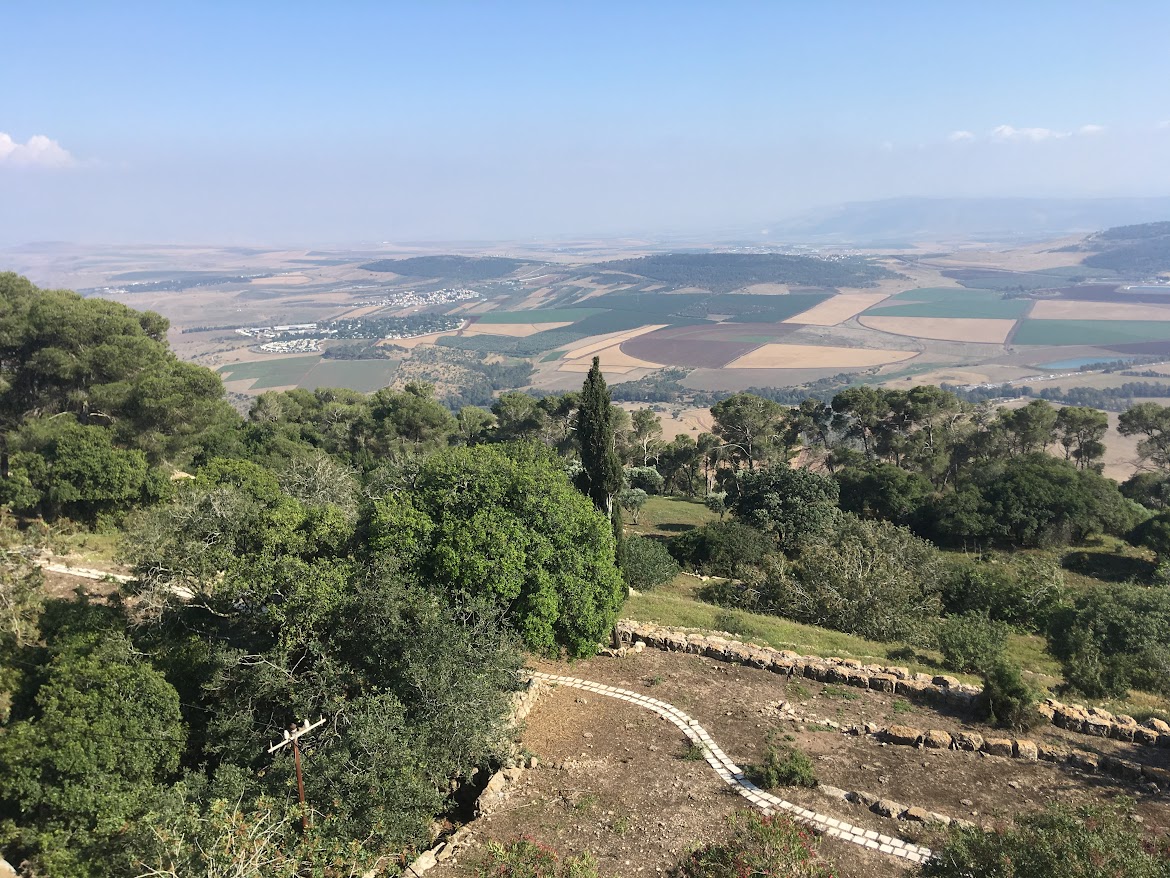
And if we’d like to go out a bit, every place in Israel during this season offers a celebration of wonderful spring blossom. We will mention two: Mount Tabor: from the mountain there is a fantastic view of the Valley, the Galilee and beyond, and a church with interesting and beautiful architecture in itself. And on the other hand, Keren Carmel, known by its name “Much’raka”, where still stands (the statue of) Eliyahu, a knife at hand, surrounded by the view of Carmel, Shomron, the Valley, the Galilee, the Golan, and on a “good day”, Mt. Hermon too (check the site’s hours before!). It was Elijah’s presence on Mount Carmel that influenced many of those who chose to come here, Baha’is, Templers and more, and made this mountain the diverse and beautiful place it is, but about that, maybe another time.ואם רוצים לצאת קצת, הרי שכל מקום בארץ בעונה זו חוגג בפריחה אביבית משגעת. נזכיר כמובן שניים: הר תבור: מן ההר נוף נפלא את העמק, הגליל והלאה, וכנסיה עם אדריכלות מעניינת ויפיפיה לכשעצמה. ומנגד, קרן כרמל, הידוע בשמו ה”מוח’רקה”, עדיין ניצב (פסלו של) אליהו עם סכין ביד, כשסביבו נוף הכרמל, שומרון, העמק, גליל, גולן, וב”יום טוב”, גם החרמון (כדאי לבדוק את שעות האתר!). נוכחתו של אליהו בהר הכרמל היא שהשפיעה על רבים מאלו שבחרו להגיע לכאן, בהאים, טמפלרים ועוד, ועשו את ההר הזה למקום המגוון והיפיפה שהוא, אבל על כך, אולי בפעם אחרת.  

ובנתיים, בשורות טובות, טיולים בטוחים ויפים ושבת שלום. And meanwhile, good tidings, safe travels & Shabbat Shalom

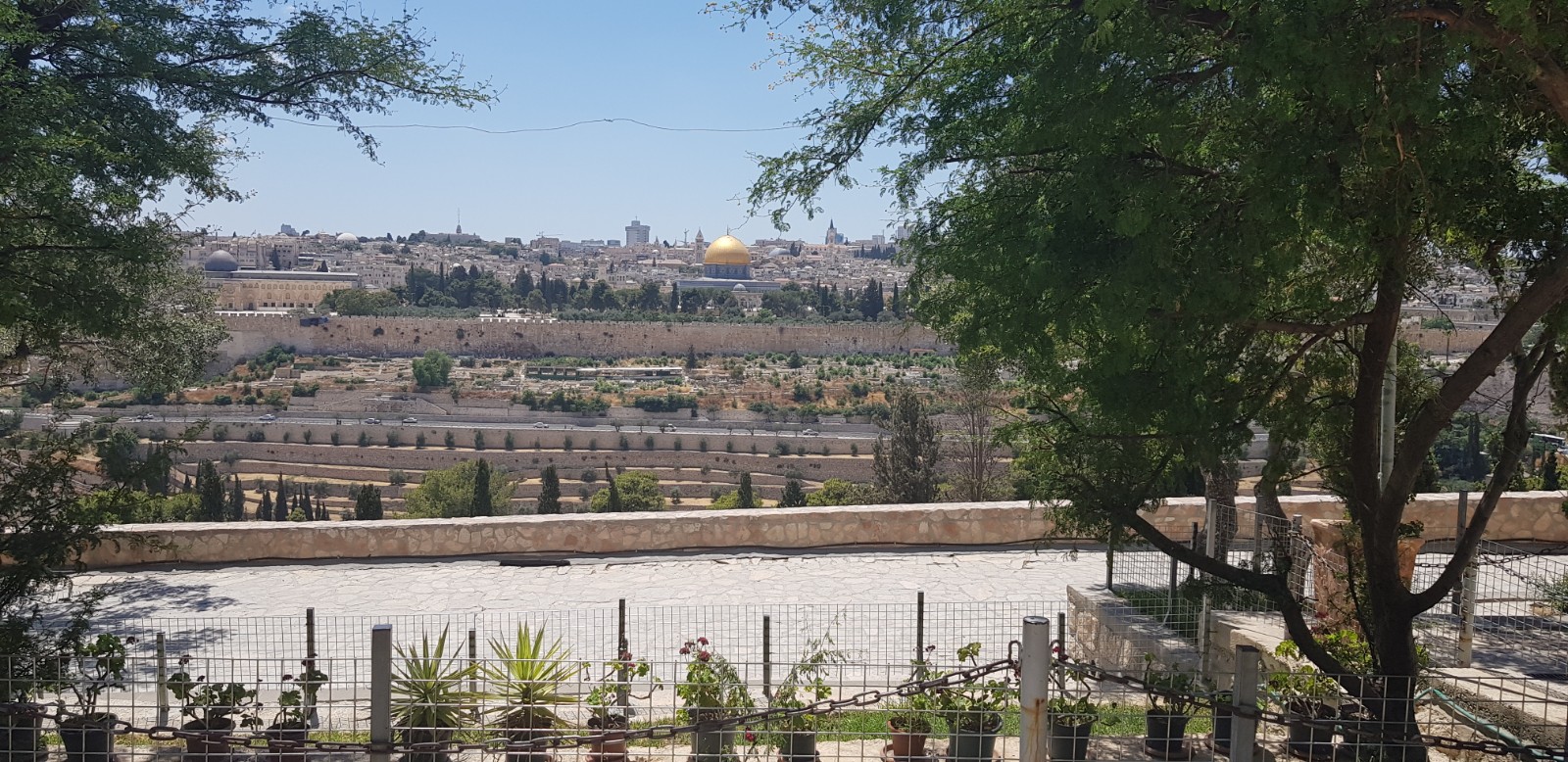
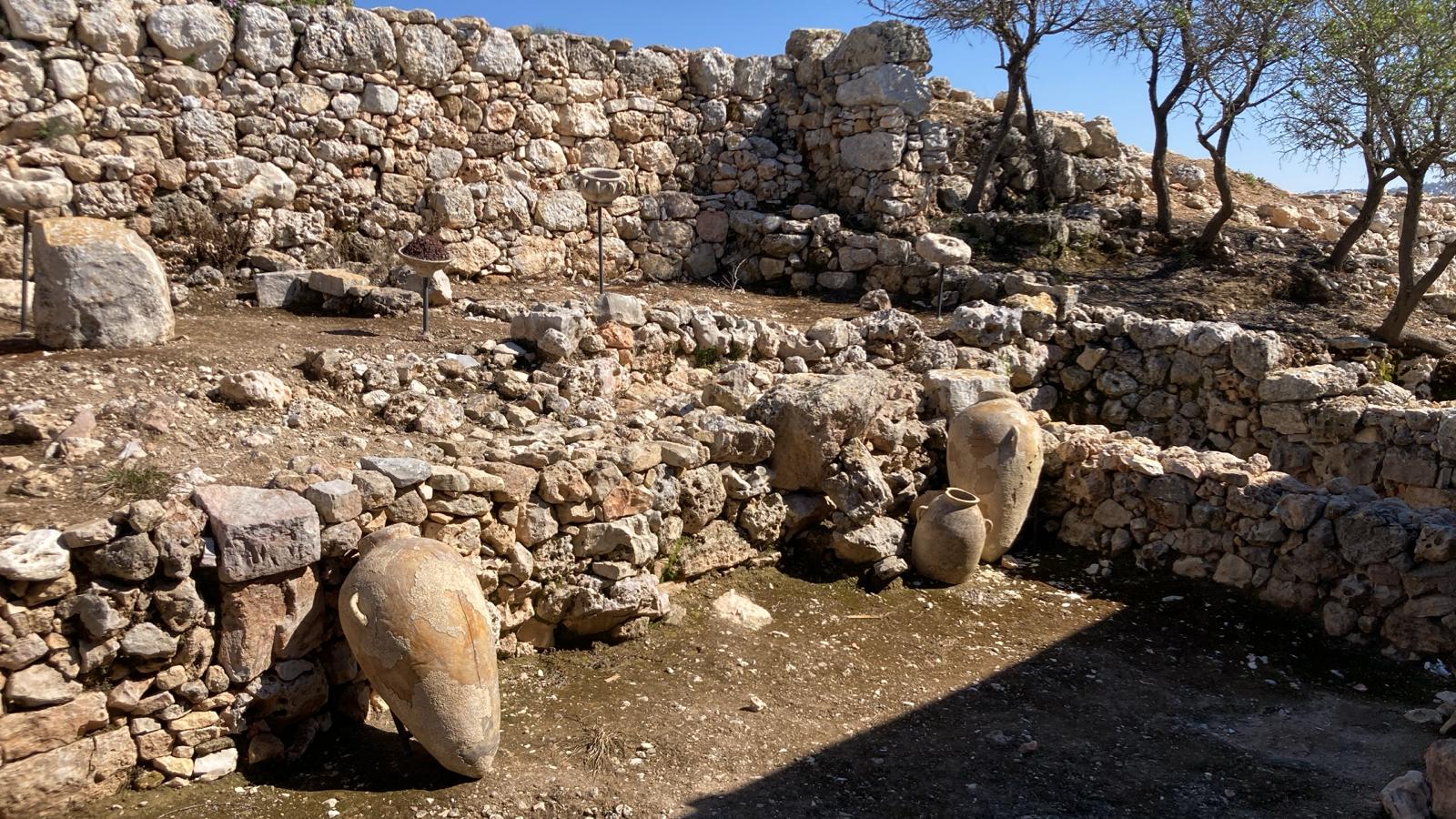
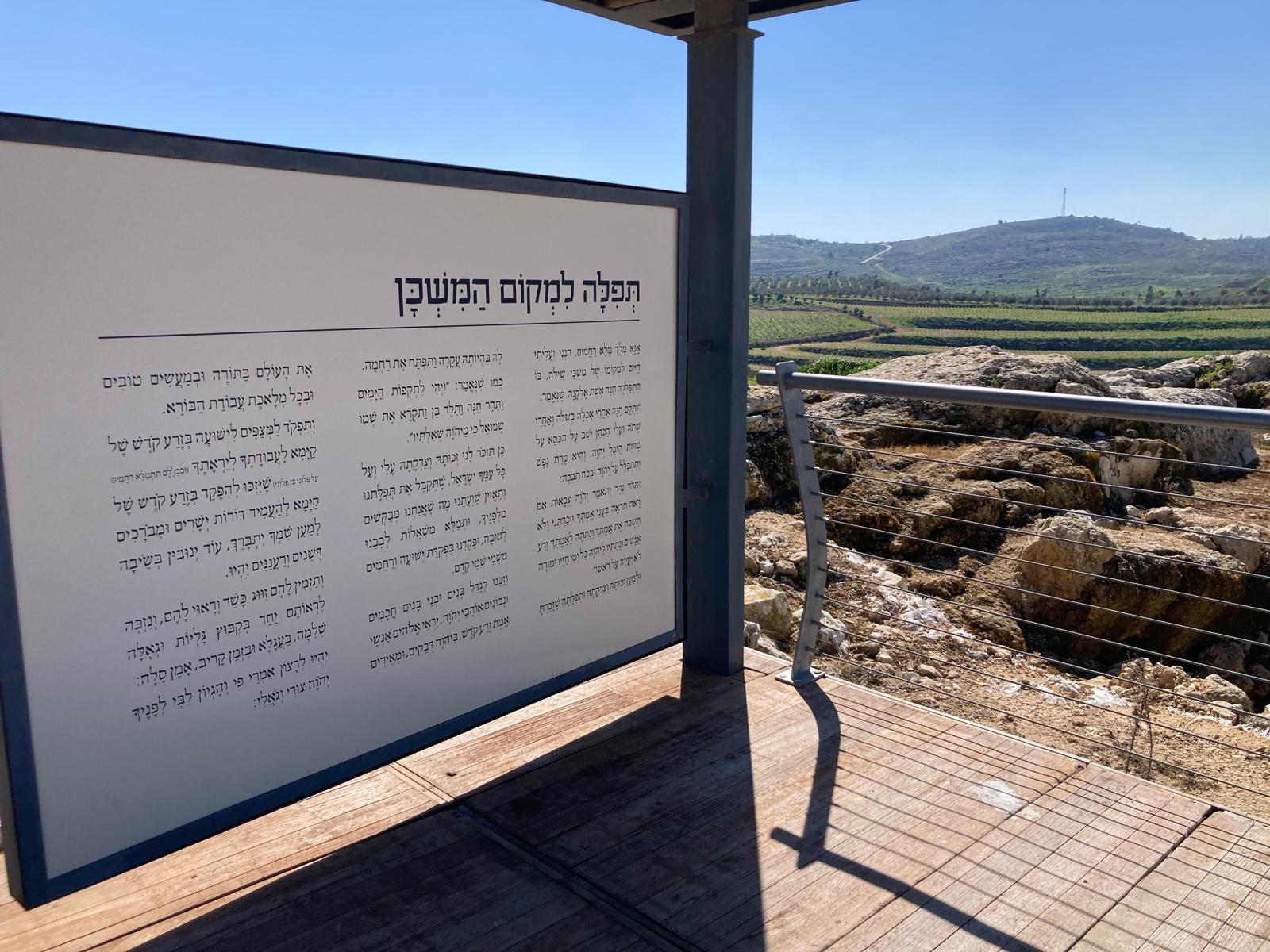
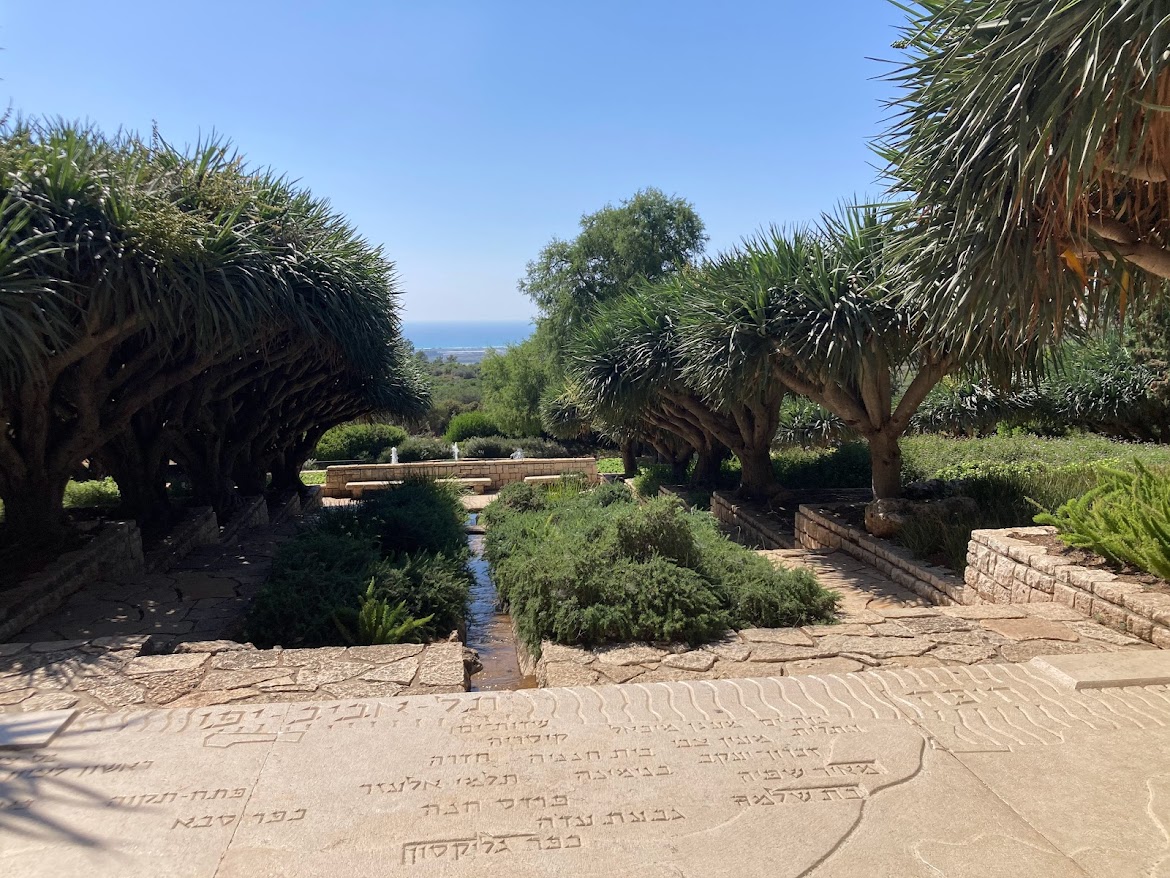
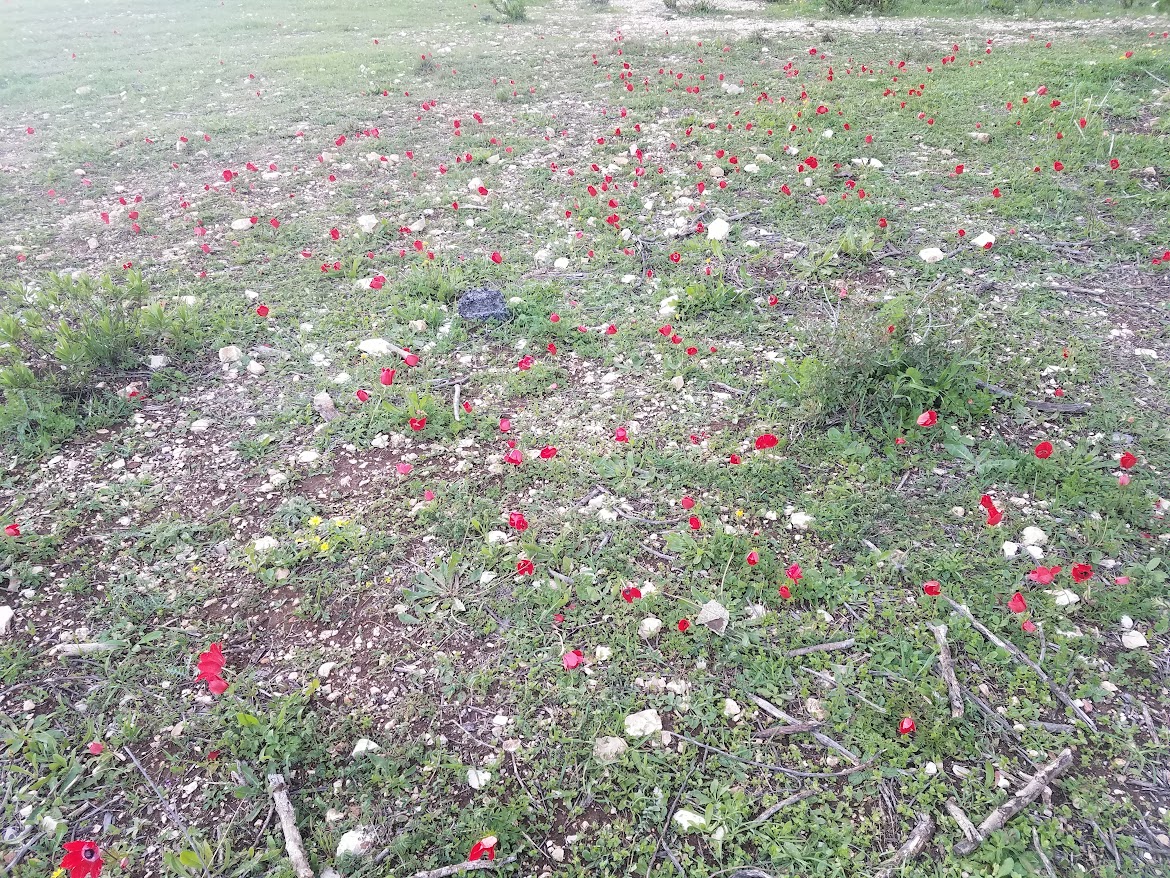
which picture is where? 🙂 extra point to anyone identifying any specific locations (the prize will be a visit to that location, next time you’re here!)

Posted in shabbat shalom, פרשת השבוע לחילוני האדוק | 1 Comment

With Moses & Aaron by Mt. Olives… The Torah portion of Tetzave

פרשת תצווה: עם משה ואהרון מול המקדש בהר הזיתים…

This week’s Torah portion, Tetzave, starts with an unusual opening: “And you shall command the Children of Israel”… (Exodus 27:20). This is the only portion since Moses’ birth until his death, where Moshe’s name is not mentioned. The commentators link the absence of his name to the condition that he set before Gd in the next Torah portion, Ki Tisa: “Now, if You forgive their sin [well and good]; but if not, please erase me from Your book which You have written!” (Exodus 32:32), that is, if you forgive them, all is well, and if not, erase my name from Your book. Gd claims again that He erases only the names of those who sin against Him, which is not Moshe’s name. And yet, this is the explanation why in our Torah portion this week, Moshe’s name does not appear, not even once.פרשת השבוע, פרשת תצווה, פותחת בפתיח לא שגרתי: וְאַתָּ֞ה תְּצַוֶּ֣ה אֶת־בְּנֵ֣י יִשְׂרָאֵ֗ל”… (שמות כז:כ).   זו הפרשה היחידה מאז הולדת משה ועד מותו, בה שמו של משה אינו מוזכר. המפרשים מקשרים את העדר שמו לתנאי שהציב לקב”ה בפרשה הבאה, פרשת כי תישא: “וְעַתָּה אִם תִּשָּׂא חַטָּאתָם, וְאִם אַיִן – מְחֵנִי נָא מִסִּפְרְךָ אֲשֶׁר כָּתָבְתָּ” (שמות לב:לב), כלומר, אם תסלח להם, הכל טוב, ואם לא, תמחוק את השם שלי מהספר שלך. הקב”ה טוען בחזרה שהוא מוחק רק שמות אלה החוטאים נגדו, כלומר, לא את שמו של משה. ובכל זאת, זהו ההסבר לכך שבפרשה השבוע שלנו, שמו של משה לא מופיע, אפילו פעם אחת.  
If Moshe does not appear here, who does? The first part of the portion deals with the commandment to prepare the priestly garments of Aaron and his sons. The “regular” priests (also called hedyotot laymen in Hebrew) had four garments: a migba’at (hat/head covering), a tunic, a sash (belt), and pants. The high priest, on the other hand, had a set of eight unique clothes: besides the tunic, sash and pants like the regular priests, he had a turban for his head, a special “crown” around the turban, a breastplate, a vest and a coat. Just like we saw with the Mishkan, where every item had meaning and significance, here too, in the clothes of the priesthood, of those who serve in the sanctuary, every detail has symbolism and meaning.אם משה לא מופיע, מי כן? החלק הראשון של הפרשה עוסק בציווי על הכנת בגדי הכהונה של אהרון ובניו הכוהנים. לכוהנים ה”רגילים” (שנקראים גם בעברית הדיוטות) היו ארבעה בגדים: מגבעת (כובע/ כיסוי ראש), כותונת, אבנט (חגורה), ומכנסיים. לכהן הגדול לעומת זאת היתה מערכת של שמונה בגדים יחודיים: מלבד הכותונת, אבנט ומכנסיים כמו הכוהנים הרגילים, היתה לו מצנפת לראשו, ציץ סביב המצנפת, חושן, אפוד ומעיל. ממש כמו שראינו במבנה המשכן, כשלכל פריט היתה משמעות ומסליות, גם כאן, לבגדי הכהונה, של אלה המשרתים בקודש, לכל פרט יש סמליות ומשמעות.  
One moment. If the priests are so central to the sacred service, where was Aaron in the previous Torah portion? Right, he wasn’t there. A coincidence? 😊 you’re guessing it’s not.רגע. אם הכוהנים כל כך מרכזיים לעבודת הקודש, איפה היה אהרון בפרשה הקודמת? נכון, הוא לא היה. מקרה? 😊 אתם מנחשים שלא.  
The presence of Moshe in the Torah portion of Teruma versus that of Aaron in Tetzave tells a broader story, about two aspects of the Torah (and not two “Torahs”): the Torah of Moses which asks the people to contribute to the tabernacle “each one as much as their heart moves them” (Exodus 25:2 ) compared with Aharon’s Torah in which the second word is “tetzave“, to command. The human being of Teruma is fundamentally righteous. From his heart he volunteers and does what is right and necessary for the common good. His goal in building the tabernacle is to draw closer to Gd, to connect heaven and earth. On the other hand, the human being of Tetzave, from which Moshe is absent, is not necessarily righteous. He doesn’t exactly know what to do and needs not only guidance but a clear command. It sounds like he might make mistakes and we need to create ways for him to correct and atone. A priest. An altar. Incense. A washbasin.נוכחותו של משה בפרשת תרומה מול נוכחותו של אהרון בפרשת תצווה, מספרת סיפור רחב יותר, על שני אספקטים של התורה (חלילה לא שתי “תורות”): תורת משה שמבקשת מהעם לתרום למשכן “כׇּל־אִישׁ֙ אֲשֶׁ֣ר יִדְּבֶ֣נּוּ לִבּ֔וֹ” (שמות כה:ב) לעומת תורת אהרון שהמילה השניה בה היא “תְּצַוֶּ֣ה”.   האדם של פרשת תרומה הוא צדיק מיסודו. מתוך ליבו הוא מתנדב ועושה מה שנכון וצריך למען הכלל. מטרתו בבנית המשכן היא להתקרב אל ה’, לחבר בין שמים וארץ.   לעומתו, האדם בפרשת תצווה, שמשה נעדר ממנה, אינו צדיק בהכרח. הוא לא בדיוק יודע מה לעשות וצריך לא רק הכוונה אלא ציווי ברור. נשמע שהוא עלול לעשות שגיאות וצריך ליצור עבורו דרכים לתקן ולכפר. כהן. מזבח. קטורת. כיור.  
We have no idea what Moshe is wearing. In the movies we saw him with a long robe, in the style of the desert monks or the Bedouins in the Negev. In contrast, Aaron has “holy clothes… for honor and glory”, colorful, expensive, magical clothes, decorated with gold and precious stones. On his chest are the Urim & Tumim with which he can communicate with the Divine. Around his coat are small bells in the shape of pomegranates so that his clothes also play music! Definitely, a performance that intends to leave an impression on the soul. Indeed, “for honor and glory”.אין לנו מושג מה לובש משה. בסרטים ראינו אותו עם גלימה ארוכה, בסגנון הנזירים במדבר או הבדואים בנגב. לעומתו לאהרון, “בגדי קודש… לכבוד ולתפארת”, בגדים צבעוניים, יקרים, קסומים, מקושטים בזהב ואבנים יקרות. על חזהו האורים והתומים איתם יוכל לתקשר עם הקודש. סביב מעילו פעמונים קטנים בצורת רימונים כך שבגדיו גם משמיעים מוסיקה! בהחלט, הופעה שכוונתה להשאיר רושם בנפש. אכן, “לכבוד ולתפארת”.  
And yet, with all this precise and beautiful setting, how many times a year is the High Priest called to enter the Holy of Holies? Once a year, on Yom Kippur. On the other hand, Moshe can enter the Holy of Holies all the time, whenever he is called, and since he does not know exactly when that is, he should always be available. On the other hand, the people feel much more comfortable with Aaron, their man, while Moses, he is a servant of God who has not risen like him “a prophet in Israel, who, Gd knew face to face” (Deuteronomy 34:10).ובכל זאת, עם כל התפאורה המדויקת והיפיפה הזו, כמה פעמים בשנה נקרא הכהן הגדול להכנס אל קודש הקודשים? פעם אחת בשנה, ביום הכיפורים. לעומת זאת, משה יכול להכנס לקודש כל הזמן, מתי שהוא נקרא, ומכיון שהוא לא יודע מתי זה בדיוק, הוא צריך להיות זמין תמיד. מצד שני, העם מרגיש הרבה יותר בנוח עם אהרון דוקא, האיש שלהם, בעוד משה, הוא עבד ה’ שלא קם כמותו “נָבִ֥יא ע֛וֹד בְּיִשְׂרָאֵ֖ל… אֲשֶׁר֙ יְדָע֣וֹ ה’ פָּנִ֖ים אֶל־פָּנִֽים” (דברים לד:10).  
This division between them is particularly noticeable here, but it will accompany us for several portions. The question that is asked of course is, whose way is better, Moshe’s or Aaron’s? And the answer of course is, yes. But things are not simple. In the book of Malachi, the last prophet, it is said (3:22-23): “Remember the Torah of Moses My servant, which I commanded in Horev (Sinai) over all Israel, laws and judgments.” On the other hand, Hillel the Elder advises us in the Sayings of the Fathers (1:12): “Hillel says: Be of the disciples of Aaron, who love peace, and pursues peace; who love those created, and brings them close to the Torah.” The “yes” we say to both is not “cholent” / chamin (stew), but two different and separate tools for our use. Most of the time, the Torah of Moses was and still is the leading one, but maybe it’s time to use a little more of the Torah of Aaron and be someone who “love peace, and pursues peace, who love those created, and brings them close to the Torah”.החלוקה הזו ביניהם בולטת במיוחד כאן, אך היא תלווה אותנו במשך כמה פרשות. השאלה שנוכל לשאול היא, דרכו של מי עדיפה, של משה או של אהרון? והתשובה כמובן היא, כן.
אך הדברים לא פשוטים.
בספר מלאכי, הנביא האחרון, נאמר (ג, כב-כג):”זִכְרוּ תּוֹרַת מֹשֶׁה עַבְדִּי אֲשֶׁר צִוִּיתִי אוֹתוֹ בְחֹרֵב עַל כָּל יִשְׂרָאֵל חֻקִּים וּמִשְׁפָּטִים”.
לעומת זאת, הלל הזקן מייעץ לנו בפרקי אבות (א,יב): “הִלֵּל אוֹמֵר: הֱוֵי מִתַּלְמִידָיו שֶׁל אַהֲרֹן, אוֹהֵב שָׁלוֹם, וְרוֹדֵף שָׁלוֹם, אוֹהֵב אֶת הַבְּרִיּוֹת, וּמְקָרְבָן לַתּוֹרָה”.
ה”כן” שאנחנו אומרים לשניהם איננו “צ’ולנט” / חמין, אלא שני כלים שונים ונפרדים לשימושנו. רוב הזמן, היתה ועודנה תורת משה המובילה, אך אולי הגיע הזמן להשתמש קצת יותר בתורת אהרון ולהיות “אוֹהֵב שָׁלוֹם,וְרוֹדֵף שָׁלוֹם, אוֹהֵב אֶת הַבְּרִיּוֹת וּמְקָרְבָן לַתּוֹרָה”.  
In honor of the continuation of the first verse in Tetzave, the commandment commanding the Israelites to take “pure olive oil for the eternal light to bring it up always” (and we have already dealt here with the olive trees themselves on another occasion), we will go up this week to… Mount of Olives. The mountain, or more correctly, the ridge, is to the east of the old city of Jerusalem, and from there, we have one of the best views of the city and the area. Today, the western part is a Jewish cemetery, and burial here began thousands of years ago, because the mountain is built of soft limestone that is relatively easy to quarry, which resulted in burial caves being carved in it. However, the name of the mountain comes from the olive groves that used to cover it. So much so that according to the Midrash, Noah’s dove brought him the olive leaf from the Mount of Olives! In the Bible, the mountain is also called Mount Mashchit (destructive) because of the amount of idolatry that was done on it, and also, the Mount of Anointing, after the olive oil from which they made the anointing oil with which they anointed the kings and high priests (and some still do this to this day! for example, the royal family of England).לכבוד המשך הפסוק הראשון בפרשת תצווה המצווה את בני ישראל לקחת “שֶׁ֣מֶן זַ֥יִת זָ֛ךְ כָּתִ֖ית לַמָּא֑וֹר לְהַעֲלֹ֥ת נֵ֖ר תָּמִֽיד” (וכבר עסקנו כאן בזיתים עצמם בהזדמנות אחרת), נעפיל השבוע ל… הר הזיתים. ההר, או יותר נכון, רכס ההר, נמצא ממזרח לעיר העתיקה בירושלים, וממנו אחת התצפיות המצוינות על העיר והאיזור. כיום, רובו המערבי הוא בית קברות יהודי, כשהקבורה כאן החלה לפני אלפי שנים, משום שההר בנוי מסלע (קרטון) רך ונוח יחסית לחציבה, מה שהביא לכך שנחצבו בו מערות קבורה. אולם שם ההר מגיע מכרמי הזיתים שהיו מכסים אותו בעבר. עד כדי כך שעל פי המדרש, היונה של נח הביאה לו את עלה הזית מהר הזיתים. בתנ”כ נקרא ההר גם הר משחית בגלל ריבוי העבודה הזרה שנעשתה עליו, וכן, הר המשחה, על שם שמן הזיתים ממנו עשו את שמן המשחה שמשחו בו את המלכים והכוהנים הגדולים (ויש שעושים זאת עד ימינו! למשל, מלכי אנגליה).  
The most important site on the Mount of Olives for a Jew of the Second Temple period was the place where the ritual of burning the red heifer was held, which cleansed people from the (spiritual) impurity (tum’a) of the dead. In 1975, Professor Asher Kaufman suggested that the exact location was in the courtyard of the church of Dominus Flevit, the Church of the Tear on the side of the mountain. Jewish history here is rich, including the period of the Great Revolt and also after the destruction of the Temple, when the Mount of Olives continued to play an important role in the religious, public, and national life of the people of Israel in the Land and the world, sometimes serving as a kind of “temporary substitute” for the Temple where Gd’s spirit was dwelling (the Shechinah), and there it was possible, for example, to hold hakafot (laps) in Hoshana Rabbah in front of the Temple site. There are also ideas about the end of days that here will stand the feet of God fighting over Jerusalem, and also, that this will be the place where Elijah will blow the trumpet and the dead will live. With all these traditions, it’s no wonder that Christianity also tied different traditions to the mountain about Jesus’ life, so today the mountain is decorated with churches that are diverse and impressive in their architecture. The Mount of Olives is not mentioned in Islam, only to Muslims who have traditions about the end of days and how the scales of justice will stand here to weigh the good and bad deeds of people. The bridge over to hell / Gehinnom will be installed between the Mount of Olives and the Temple Mount and all will pass over the narrow bridge…האתר החשוב ביותר בהר הזיתים ליהודי בן ימי הבית השני היה המקום שבו נערך טקס שרפת הפרה האדומה, שטיהר בני אדם מטומאת המת. ב-1975 הציע פרופסור אשר קאופמן שהמקום המדויק היה בחצר כנסיית דומינוס פלוויט, כנסיית הדמעה על צלע ההר. ההסטוריה היהודית כאן עשירה, כולל תקופת המרד הגדול וגם לאחר חורבן בית המקדש, כשהר הזיתים המשיך למלא תפקיד חשוב בחיים הדתיים, ציבוריים, לאומיים של עם ישראל בארץ ובעולם, ולפעמים שימש מעין “תחליף זמני” לבית המקדש לשם גלתה השכינה, ושם היה אפשר, למשל, לקיים הקפות בהושענא רבה מול מקום בית המקדש. ישנם גם רעיונות לגבי אחרית הימים שכאן יעמדו רגלי אלוהים שמלחמה על ירושלים, וכן, שכאן יהיה המקום בו יתקע אליהו בשופר ויחיה מתים. עם כל המסורות האלה, לא פלא שגם הנצרות קשרה להר מסורות שונות בדבר חייו של ישו, ולכן כיום ההר מקושט בכנסיות מגוונות ומרשימות באדריכלות שלהן. הר הר הזיתים לא מוזכר באיסלאם רק גם למוסלמים מסורות בענין אחרית הימים ואיך כאן יעמדו מאזני הצדק לשקילת המעשים הטובים והרעים של בני אדם. הגשר מעל לגהינום יותקן בין הר הזיתים להר הבית והכול יעברו על הגשר הצר…  
The ancient cemetery on the Mount of Olives is a sort of national-Jewish pantheon, where you can find Rabbi Ovadia of Bartanura, Rabbi Yehuda the Chasid, Rabbi Haim ben-Atar, Rabbi Yehuda Chai Alkalai, Yoel Moshe Salomon, Eliezer ben Yehuda and his son, Itamar ben Avi, Rabbi Avraham Yitzchak HaCohen Kook, Rabbi Shlomo Goren, Sha”i Agnon, the poetess Zelda, Menachem Begin, Rabbi Adin Even Israel Steinzaltz and many more. During the Jordanian occupation (1967-1948) the cemetery was vandalized and many of its tombstones were taken and used as building materials, including the InterContinental Hotel (now called “the Seven Arches” Hotel) which was built at the top of the mountain partly over graves, and likewise the Jericho Road, which destroyed some graves in its route. Since the Six-Day War, the renovation has continued, and the burial at the site has been renewed. In the center of the mountain is a wide balcony named after General (resp.) Rehav’am Ze’evi (Gandhi) and also a camel that has been waiting for tourists for years… You can get here at any time during the day, and at night as well (with some caution). The especially wonderful hours are during sunrise and sunset, to sit, see, feel and breathe in, the city “enveloped in light” unfolding in front of us. ​בית הקברות העתיק בהר הזיתים מהווה מעין פנתאון לאומי-יהודי, כשאפשר למצוא כאן את רבי עובדיה מברטנורא, רבי יהודה החסיד, רבי חיים בן עטר, הרב יהודה חי אלקלעי, יואל משה סלומון, אליעזר בן יהודה ובנו, איתמר בן אב”י, הרב אברהם יצחק הכהן קוק, הרב שלמה גורן, ש”י עגנון, המשוררת זלדה, מנחם בגין, הרב עדין אבן ישראל שטיינזלץ ועוד ועוד.    במהלך הכיבוש הירדני (1948-1967) חולל בית הקברות ורבות ממצבותיו נלקחו והשתמשו בהן כחומרי בניין, כולל מלון אינטר קונטיננטל (כיום מלון שבע הקשתות) שנבנה בפסגת ההר בחלקו על-גבי קברים, וכביש “דרך יריחו, שנסלל בשטח בית הקברות, והרס קברים רבים שהיו בתוואי הכביש. מאז מלחמת ששת הימים נמשך השיפוץ, והקבורה במקום חודשה. במרכז ההר מרפסת רחבה על שם אלוף (במיל’) רחבעם זאבי (גנדי) וגם גמל שמחכה כבר שנים לתיירים….. לכאן אפשר להגיע בכל שעות היום במיוחד והלילה (בזהירות). השעות המופלאות במיוחד הן בזמן הזריחה והשקיעה, לשבת, לראות, להרגיש ולנשום את העיר ה”עוטפת אור” נפרשת מולנו.  

שבת שלום SHABBAT SHALOM

Posted in Uncategorized | 1 Comment

Argaman – the meeting place in between: the Torah portion of Teruma

ארגמן – מקום המפגש בין לבין: פרשת תרומה

The entire Torah should have been two books. Max. The Book of Genesis and Book of Exodus. One book that tells about the creation of the world, the beginning of humanity and the Hebrew family, and the second book, which begins with a “vav” – the connecting letter, and is a continuation of what happened next to the people that grew out of that family and are now in Egypt. God strikes Egypt with the ten plagues, frees the slaves, and they go together – and arrive – at the land of their ancestors, where we will build our lives, like any other nation… But, that’s not how it went. So many delays and complications on the way!! Even giving the Torah, which we were so excited about, was not in the original plan at all, not to mention the story of the spies, Korah, and so many laws… No one talked to us about any of this when we left Egypt!! And no one talked to us about having to build a Mishkan – Tabernacle either.התורה כולה היתה צריכה להיות שני ספרים. מקסימום: ספר בראשית וספר שמות. ספר אחד שמספר על בריאת העולם, תחילת האדם והמשפחה העברית, והספר השני, שמתחיל בוו החיבור והוא המשך מה קרה הלאה לעם שגדל מתוך המשפחה ההיא ונמצא עכשיו במצרים. הקב”ה מכה את מצרים בעשרת המכות, משחרר את העבדים, והם הולכים ביחד – ומגיעים – לארץ האבות, ושם, שם  כבר נבנה את חיינו, כמו כל עם אחר… אז זהו, שלא. כל כך הרבה עיכובים וסיבוכים בדרך!! אפילו מתן תורה שכל כך התרגשנו איתו, לא היה בכלל בתכנית המקורית, שלא לדבר על סיפור המרגלים, קורח, וכל כך הרבה חוקים… אף אחד לא דבר איתנו על זה כשיצאנו ממצרים!! ואף אחד גם לא דבר איתנו על זה שנצטרך לבנות משכן.  
In the Song of the Sea (Exodus 15:17) we read:   “You will bring them and plant them in Your own mountain,
The place You made to dwell in, Hashem,
The sanctuary, O my lord, which Your hands established
”.  

That is, we will reach the Land and then we will build the Temple, but when it seemed that the road is getting longer, Gd decides: “Let them make Me a Tabernacle so I can dwell among them” (Exodus 25:8).  

In tractate Ketubut (62:b) there is a story about Rabbi Yehuda Hanasi who was looking for a match for his son, a daughter of the family of Rabbi Yosei ben Zamra. At first, they decided that they would help him go study for 12 years and then get married.
The son agreed and then, saw the girl. He told them, ‘let it be only six years’! She passed by him again, and he said, ‘let me marry her first, and then, go study’.
But he was ashamed of his father for he thought his father would criticize him for not being able to wait. The father said to him, “My son, you have the mind of your Maker”, that is – you are acting as Gd did: He intended to take the Israelites to the Land and build a real Temple there with them, but then, as if, he could not hold back, and told them already in the desert to build the Tabernacle
בשירת הים (שמות טו, יז) קראנו   תְּבִאֵ֗מוֹ וְתִטָּעֵ֙מוֹ֙ בְּהַ֣ר נַחֲלָֽתְךָ֔        מָכ֧וֹן לְשִׁבְתְּךָ֛ פָּעַ֖לְתָּ ה’        מִקְּדָ֕שׁ אֲדֹנָ֖י כּוֹנְנ֥וּ יָדֶֽיךָ׃     

כלומר, נגיע לארץ ואז נבנה את המקדש, אלא, כשנראה שהדרך מתארכת, הקב”ה מחליט: וְעָ֥שׂוּ לִ֖י מִקְדָּ֑שׁ וְשָׁכַנְתִּ֖י בְּתוֹכָֽם (שמות כה, ח).  

במסכת כתובות (סב:ב) מובא סיפור על רבי יהודה הנשיא שחיפש שידוך לבנו, בת ממשפחת רבי יוסיי בן זמרא. בהתחלה קבעו שהם יעזרו לו קודם כל ללכת ללמוד 12 שנים ואחכ להתחתן.
הבן הסכים ואז ראה את הנערה. אמר להם, שיהיו אלה רק שש שנים!
העבירו אותה לפניו שוב. אמר, אני אתחתן איתה קודם ואחכ אלך ללמוד.
אבל היה מתבייש מאביו שחשב שאביו יבקר אותו על כך שלא יכול היה להמתין.
אמר לו האב,
“בני, דעת קונך יש בך”, שאתה נוהג כמו שעשה הקב”ה, שהתכוון לקחת את בני ישראל לארץ ולבנות איתם מקדש שם של ממש, אבל אז כאילו, לא יכול היה להתאפק, ואמר להם כבר במדבר שיבנו את המשכן.  
And although the Children of Israel are asked to take a “Teruma… each one as his heart moves him” (25:2), and they bring whatever “they feel like”, nothing in this structure is accidental, whether the objects in it, the ark, the menorah, the altar; and whether these are the dimensions, materials or even the specific colors of the fabrics:  

And these are the gifts that you shall accept from them: gold, silver, and copper; blue, purple, and crimson yarns, fine linen, goats’ hair; tanned ram skins, dolphin (?) skins, and acacia wood; oil for lighting, spices for the anointing oil and for the aromatic incense; lapis lazuli and other stones for setting, for the ephod and for the breastplate (25:3-7).  
ולמרות שבני ישראל מתבקשים לקחת “תְּרוּמָ֑ה… כׇּל־אִישׁ֙ אֲשֶׁ֣ר יִדְּבֶ֣נּוּ לִבּ֔וֹ (כה:ב), והם מביאים כל מה “בא להם”,  שום דבר במבנה הזה אינו מקרי, בין אם אלו החפצים שיהיו בו, הארון, המנורה, המזבח, ובין אם אלו הן המידות, החומרים או אפילו הצבעים הספציפים של הבדים:  

וְזֹאת֙ הַתְּרוּמָ֔ה אֲשֶׁ֥ר תִּקְח֖וּ מֵאִתָּ֑ם זָהָ֥ב וָכֶ֖סֶף וּנְחֹֽשֶׁת׃ וּתְכֵ֧לֶת וְאַרְגָּמָ֛ן וְתוֹלַ֥עַת שָׁנִ֖י וְשֵׁ֥שׁ וְעִזִּֽים׃ וְעֹרֹ֨ת אֵילִ֧ם מְאׇדָּמִ֛ים וְעֹרֹ֥ת תְּחָשִׁ֖ים וַעֲצֵ֥י שִׁטִּֽים׃ שֶׁ֖מֶן לַמָּאֹ֑ר בְּשָׂמִים֙ לְשֶׁ֣מֶן הַמִּשְׁחָ֔ה וְלִקְטֹ֖רֶת הַסַּמִּֽים׃ אַבְנֵי־שֹׁ֕הַם וְאַבְנֵ֖י מִלֻּאִ֑ים לָאֵפֹ֖ד וְלַחֹֽשֶׁן (כה,ג-ז)  
Three colors are mentioned here – light blue, argaman (purple) and crimson (red), possibly to symbolize the sky (blue) and from that, the spiritual world and the Divine; the earth (adom= red for adama = earth; dam = blood and humans = adam); and the argaman (purple) – the place in between where we meet. This is the place for which the tabernacle was created, to be a meeting place for the People and Gdשלושה צבעים מוזכרים כאן – תכלת, ארגמן (סגול) ותולעת שני (אדום). יתכן שהצבעים באו לסמל את השמים (כחול) ומתוך כך, את העולם הרוחני והקב”ה, הארץ (אדום ולכן אדמה, דם, אדם) והארגמן (סגול) – המקום בין לבין שם אנחנו נפגשים. זהו המקום שלשמו נוצר המשכן, להוות מקום מפגש לאדם ולאל.  


The Argaman – purple-reddish – already in the ancient world, represented royalty mostly because of its cost and the difficulty in producing it.
In the olden days, it was made from the fluids in snails, called argamonim, whose habitat is along the Mediterranean Sea.
Most of the times that the argaman is mentioned in the Bible are in passages dealing with the Tabernacle, but we will recognize it in a few other places, for example, in the famous poem from the book of Proverbs (31), “A woman of valor” who “makes covers for herself; Her clothing is linen and argaman”. Likewise, in the Scroll of Esther, when the spectacular party of Ahasuerus was described with all the amazing fabrics that were presented there: “[There were hangings of] white cotton and blue wool, caught up by cords of fine linen and argaman wool to silver rods and alabaster columns; and there were couches of gold and silver on a pavement of marble, alabaster, mother-of-pearl, and mosaics” (Esther 1:6) And towards the end of the scroll, we find Mordecai who “came out from the before king’s presence in royal robes of blue and gold and a large golden crown and a mantle of fine linen and argaman wool. And the city of Shushan rang with joyous cries” (8:15).  
הארגמן – הסגול-אדמדם – כבר בימי קדם, ייצג מלכות, בעיקר עקב יוקר וקושי הפקתו. בתקופה העתיקה הכינו את הצבע מנוזל הגוף של חלוזונות מסוג ארגמונים, ששכנו לחופי הים התיכון.
רוב הפעמים שמוזכר הארגמן בתנ”כ הם בפרשות העוסקות במשכן, אך נזהה אותו בעוד כמה מקומות, למשל, בשיר המפורסם מספר משלי (לא), “אשת חיל” ש”מַרְבַדִּים עָשְׂתָה לָּהּ שֵׁשׁ וְאַרְגָּמָן לְבוּשָׁהּ”,
וכן ממגילת אסתר, כשתוארה המסיבה המרהיבה של אחשוורוש וכל הבדים המדהימים שהוצגו שם: “חוּר כַּרְפַּס וּתְכֵלֶת אָחוּז בְּחַבְלֵי בוּץ וְאַרְגָּמָן עַל גְּלִילֵי כֶסֶף וְעַמּוּדֵי שֵׁשׁ מִטּוֹת זָהָב וָכֶסֶף עַל רִצְפַת בַּהַט וָשֵׁשׁ וְדַר וְסֹחָרֶת” (אסתר א:ו).
ולקראת סוף המגילה, אנחנו מוצאים את מרדכי ש”יָצָא מִלִּפְנֵי הַמֶּלֶךְ בִּלְבוּשׁ מַלְכוּת תְּכֵלֶת וָחוּר וַעֲטֶרֶת זָהָב גְּדוֹלָה וְתַכְרִיךְ בּוּץ וְאַרְגָּמָן וְהָעִיר שׁוּשָׁן צָהֲלָה וְשָׂמֵחָה” (שם ח,טו).  
In honor of the Argaman, we will venture this time on a tour of the Jordan Valley, north of the Dead Sea. Here we find the settlement called  “Argaman” that was established in the late 1960s, but the settlement is not named for the color mentioned in the Tabernacle, but rather, for two soldiers – the Jordan Valley’s Brigade captain, Lieutenant Colonel Aryeh Regev, and the brigade operations officer, Captain Gad Menela, Two IDF commanders who fell in the area.
The name of the settlement consists of the initials of their name Arg = Aryeh Regev and Gaman = Gad Manala.
At the time, the area of the Jordan Valley and the surrounding mountain slopes earned the name “Land of the Pursuits” because of the chases that took place there after terrorists who infiltrated from Jordan to Israel during the War of Attrition, between the Six Day War and Black September (1967-1970).
The pursuits were conducted in extremely difficult terrain, sometimes in difficult weather, and in very difficult combat conditions. For many reasons, it is interesting to remember this period, especially in light of the situation in the Valley now and everything else going on.
לכבוד הארגמן, נצא הפעם לסיור בבקעת הירדן, מצפון לים המלח. כאן נמצא את הישוב “ארגמן” שהוקם בסוף שנות ה-1960, אך הישוב לא נקרא ע”ש הצבע המדובר במשכן, אלא ע”ש שני חיילים – מח”ט הבקעה, אלוף משנה אריה רגב, וקצין המבצעים החטיבתי, סרן גד מנלה, שני מפקדי צה”ל שנפלו באיזור.  
שם הישוב מורכב מראשי תיבות שמם ארג = אריה רגב ו-גמן = גד מנלה.
בזמנו, איזור בקעת הירדן ומורדות ההרים סביבה זכה לשם “ארץ המרדפים” בגלל המרדפים שנערכו בו אחר מחבלים שחדרו מירדן לישראל במהלך מלחמת ההתשה, בין מלחמת ששת הימים ועד ספטמבר השחור (1967-1970).
המרדפים התנהלו בתנאי שטח קשים ביותר, לעיתים בתנאי מזג אוויר קשים, ובתנאי לוחמה קשים מאד. מסיבות רבות, מעניין להזכר בתקופה הזו, במיוחד לאור המצב בבקעה עכשיו, וכל מה שקורה סביבנו.  
Not far from Argaman, the settlement, is the Gilgal, a site identified as an ancient area of worship that is mentioned throughout the Bible, and where (although, how not, there’s a dispute among scholars), the tribes of Israel entered the Land for the first time under the leadership of Yehoshua bin-Nun to conquer the Land and right there, was one of the places where the Mishkan stood in the Land.  

And another word about Argaman. According to Tikunei HaZohar, this word is made of initials referring to 5 angels whose names are allowed to be mentioned – Uriel, Raphael, Gabriel, Michael and Nuriel. It seems that Uriel and Nuriel are one angel, all together representing the four directions of the world around us, which create for us a kind of Tabernacle to dwell in.
לא רחוק מהישוב ארגמן, נמצא האתר גלגל, אתר המזוהה כאיזור עתיק של פולחן שמוזכר לאורך כל המקרא, ואשר שם (למרות שאיך לא, יש מחלוקת בין החוקרים), נכנסו שבטי ישראל לראשונה בהנהגת יהושע בן-נון לכבוש את הארץ ושם, היה אחד מהמקומות בהם היה המשכן בארץ.  

ועוד מילה על ארגמן. לפי תיקוני הזוהר, בראשי תיבות זו מילה שמתיחסת ל-5 מלאכים שמותר להזכיר את שמותם – אוריאל, רפאל, גבריאל, מיכאל ונוריאל, ונראה שאוריאל ונוריאל זהו מלאך אחד, ויחד הם מייצגים את ארבע רוחות העולם סביבנו, היוצרים סביבנו מעין משכן לשבת בתוכו.  

שבת שלום SHABBAT SHALOM


“התשובה”, ויליאם גודוורד, 1917, שמן על בד. שמלתה של האישה צבועה ארגמן.
Posted in Uncategorized | Leave a comment

The Torah portion of Mishpatim – just three words…

פרשת “משפטים” – יד לאשה הלוחמת

There is one tiny passage in the Torah discussing a man’s obligations towards his wife, and it can be found in this week’s parasha, Parashat Mishpatim: If he takes unto himself another (wife), her food (she’era), her clothing (k’suta), and her conjugal rights (onata), shall he not diminish (Exodus 21:10)…יש קטע אחד קטן בתורה הדן בחובותיו של אדם כלפי אשתו, וניתן למצוא אותו בפרשת השבוע, פרשת משפטים: אִם־אַחֶ֖רֶת יִֽקַּֽח־ל֑וֹ שְׁאֵרָ֛הּ כְּסוּתָ֥הּ וְעֹנָתָ֖הּ לֹ֥א יִגְרָֽע׃ (שמות כא:10)… 
Just last week, we were at Sinai; the mountain was smoking; the shofar sounded, and we could actually see the sounds! Moses brought down the Ten Commandments and we all answered in unison, “na’ase venishma” – ‘we will do and we will listen’. Wow, it was such an amazing experience! To what new heights will the Torah take us this week?  רק בשבוע שעבר היינו בסיני; ההר עשן; השופר נשמע, וממש יכולנו לראות את הקולות! משה הביא את עשרת הדיברות וכולנו ענינו פה אחד, “נעשה ונשמע”. וואו, זו הייתה חוויה כל כך מדהימה! לאילו פסגות חדשות תביא אותנו התורה השבוע? 
This week begins as if it’s a seemingly natural continuation – symbolized by the connecting letter “vav” (meaning “and”) in its opening verse, but then, it seems like a downer. This week’s Torah portion includes many detailed mitzvot, most dealing with utter minutia. Almost 10% of the 613 commandments are in this week’s Torah portion! It’s as if the Torah wants us to realize that we’re not only about dramatic experiences, thunder and lightening, shofars and voices, but rather, about bringing Gd’s presence into the tinies things in our daily life.  פרשת השבוע הזה מתחילה כאילו בהמשך טבעי לכאורה, המסומל באות המקשרת “וו” בפסוק הפותח, אבל אז, זה נראה כמו נפילה. פרשת השבוע כוללת מצוות רבות ומפורטות, רובן עוסקות בפרטי פרטים. כמעט 10% מתרי”ג מצוות מובאות בפרשת השבוע הזו! זה כאילו התורה רוצה שנבין שאנחנו לא רק בענין חוויות דרמטיות, רעמים וברקים, שופרות וקולות, אלא בלהביא את נוכחות האלוהים אל הדברים הקטנים בחיי היום-יום שלנו. 
Mishpatim begins with the laws of eved ivri – a Hebrew servant or slave and, interestingly, not the slave’s but the owner’s (!) obligations towards him. From there, the passage goes on to describe the master’s obligations towards a female maidservant (again, his obligations, not hers!). It follows that if it’s the maidservant’ right to receive all these from her master, then all the more so, these would be things that a man is obligated towards his wife.  פרשת משפטים מתחילה בהלכות עבד עברי, ומעניין, לא עוסקת בחובותיו של העבד אלא אלו של הבעלים(!) כלפיו. משם, הטקסט ממשיך לתיאור חובותיו של האדון כלפי שפחה (שוב, חובותיו שלו, לא אלה שלה!). מכאן מובן שאם אלו הן זכויותיה של השפחה לקבל את כל אלה מאדוניה, על אחת כמה וכמה, אלו יהיו דברים שגבר חייב כלפי אשתו. 
The Talmud and later commentators differ in their translations and insights about the meaning of these three requirements mentioned in the verse above, she’era, k’suta & onata. The section (from Tractate Ktubot 47:b-48:b) is a little long but well worth it:התלמוד והמפרשים המאוחרים יותר חלוקים בתרגומם ובתובנותיהם לגבי משמעותן של שלוש הדרישות הללו המוזכרות בפסוק הזה – “שארה, כסותה, עונתה”. הקטע שמסביר אותן ממסכת כתובות (מז:ב-מח:ב) קצת ארוך אבל שווה את זה: 
Rava said: This tanna, in the baraita cited below, maintains that the obligation of a husband to provide his wife’s sustenance applies by Torah law, as it is taught with regard to the verse pertaining to a husband’s obligations toward his wife: “If he takes another wife for himself, her food [she’era], her clothing [kesuta], and her conjugal rights [onata], he shall not diminish” (Exodus 21:10). “She’era”; this is sustenance, and it likewise states: “Who also eat the flesh [she’er] of my people” (Micah 3:3). “Kesuta” is understood in its literal sense as referring to clothing. “Onata”; this is her conjugal rights, which is stated in the Torah, and so it says: “If you shall afflict [te’aneh] my daughters” (Genesis 31:50), which indicates that a husband may not deprive his wife of her conjugal rights.  אמר רבא: האי תנא סבר [תנא זה שלהלן סבור] שחובת הבעל במזונות האשה היא מדאורייתא [מן התורה], דתניא [שכן שנינו בברייתא] על הכתוב באמה עבריה “כמשפט הבנות יעשה לה… שארה כסותה ועונתה לא יגרע” (שמות כא, ט-י):   “שארה”אלו מזונות. וראיה לדבר שהן מזונות — וכן הוא אומר: “ואשר אכלו שאר עמי” (מיכה ג, ג), שמשמעו — בשר עמי.   “כסותה”כמשמעו, כלומר, חובתו להלביש אותה בבגדים. “ענתה”זו עונה של תשמיש (יחסי אישות) האמורה בתורה לכל אדם לפי הפנאי שלו, וכן הוא אומר “אם תענה את בנותי” (בראשית לא, נ), שפירושו: שלא ימנע מהן עונתן.   
The araita continues: Rabbi Elazar says: “She’era”; this is her conjugal rights, and so it says: “None of you shall approach to any who is near [she’er] of kin to him, to uncover their nakedness” (Leviticus 18:6), which demonstrates that the word she’er is used in the context of sexual relations. “Kesuta” is understood in its literal sense as referring to clothing. “Onata”; this is sustenance, and so it says: “And He afflicted you [vayanekha], and made you suffer hunger, and fed you with manna” (Deuteronomy 8:3).  ר’ אלעזר אומר: “שארה”זו עונה. וראיה לדבר ש”שאר” פירושו ענין של תשמיש — וכן הוא אומר: “איש איש אל כל שאר בשרו לא תקרבו לגלות ערוה” (ויקרא יח, ו). כסותה”כמשמעו, בגדים. עונתה”אלו מזונות, וכן הוא אומר: “ויענך וירעבך ויאכילך את המן (דברים ח, ג).   
And how about this next paragraph? Don’t just give some shmate (a rag) to “put something on”, but a fitting, comfortable, useful, appropriate piece of clothing:   Rabbi Eliezer ben Ya’akov says that she’era and kesuta should be interpreted as follows: In accordance with her flesh [she’era], i.e., her age, give her clothing [kesuta]. This means that he should not give the garments of a young girl to an elderly woman, nor those of an elderly woman to a young girl. Similarly, kesuta and onata are linked: In accordance with the time of year [onata], give her clothing [kesuta], meaning that he should not give new, heavy clothes in the summer, nor worn-out garments in the rainy season, i.e., the winter, when she requires heavier, warmer clothes.  ומה על פסקת ההמשך? שלא סתם יתן לה איזה שמאטע (סמרטוט) ש”תשים משהו על עצמה”, אלא שהיו אלה בגדים מתאימים, נוחים, שימושיים: ר’ אליעזר בן יעקב אומר: “שארה” וכסותה” הם ענין אחד, והכוונה: לפום [לפי] שארה, לפי בשרה ולפי גילה — תן כסותה, שלא יתן לה לא בגדים של ילדה (צעירה) לזקינה, ולא של זקינה לילדה. וכן כסותה” ו”ענתה” הם ענין אחד: לפום [לפי] עונתה וזמנה תן כסותה, שלא יתן בגדים חדשים ועבים בימות החמה, ולא שחקים (בגדים שנשחקו) בימות הגשמים, שבימים אלה היא זקוקה לבגדים עבים ומחממים.   
‘Ok, ok, fine’ says the husband, ‘here, get yourself some dress; fine, get yourself a “nice” dress, but… I still don’t want to be too close to you’. To that the Talmud says:   Rav Yosef taught the following araita: “She’era,” this is referring to closeness of flesh during intercourse, which teaches that he should not treat her in the manner of Persians, who have conjugal relations in their clothes. The Gemara comments: This araita supports the opinion of Rav Huna, as Rav Huna said: With regard to one who says: I do not want to have intercourse with my wife unless I am in my clothes and she is in her clothes, he must divorce his wife and give her the payment for her marriage contract…. (that is, staying away from her physically is considered unacceptable and torturous for her and he’s not allowed to do that).  ‘אוקי, אוקי, בסדר’, אומר הבעל, ‘הנה, תקני לך איזה בגד, טוב, תקני לך משהו “יפה”, אבל… אני לא רוצה להיות קרוב מידי אליך’. לכך עונה התלמוד: תני [שנה] רב יוסף ברייתא זו: שארה”זו קרוב בשר בזמן תשמיש, שלא ינהג בה מנהג פרסיים שמשמשין מטותיהן בלבושיהן. ומעירים: האמור בברייתא זו מסייע ליה [לו] לרב הונא, שאמר רב הונא: האומר “אי אפשי (אין אני רוצה) לשמש את המטה אלא כשאהיה אני בבגדי והיא בבגדה” — במקרה כזה יוציא (יגרש את אשתו) ונותן כתובה, וכדברי התנא בברייתא שחובה מן התורה היא להיות בשעת תשמיש בקירוב בשר.   
Later commentators continue the debate: Onkelos, Rashi and the Rambam understand she’era to be her food and sustenance; k’suta – her clothing, and onata – sexual relations.
Ibn Ezra, however, explains that while onata might come from ona – sexual “time”, it can also be derived from ma’on – a dwelling place, thus implying housing, shelter. The Rashbam, Rashi’s grandson, agrees with Ibn Ezra’s reading of “housing” and thinks that the Torah would not have to mention sexual relations because that is “obvious”. Ramban is the most surprising since he thinks that all three have to do with the connectedness between husband and wife: she’era – from she’er basar, close relative; k’suta – hinting at the bedspread, and onata – their relations. Accordingly, there is no need to mention food and clothing as those go without saying.  
פרשנים מאוחרים יותר ממשיכים את המחלוקת: אונקלוס, רש”י ורמב”ם מבינים “שארה” – המזון והמחיה, “כסותה” – הבגדים שלה, “עונתה” – יחסי אישות.
אבן עזרא לעומתם מסביר שיתכן ש”עונתה” מגיע הקשור לעונה ויחסי אישות, אולי שייך גם למילה “מעון”, כלומר בית, מגורים, מחסה. הרשב”ם, נכדו של רש”י, מסכים עם אבן עזרא בענין ה”מעון” וחושב שהתורה לא היתה מזכירה יחסי אישות כי זה “מובן מאליו”. רמב”ן הכי מפתיע כי הוא חושב שכל שלושת המונחים עוסקים בקשר שבין איש לאשתו: “שארה”, מהמונח “שאר בשר”, כלומר, קרבה. “כסותה”, שזהו רמז לכיסוי המיטה. “עונתה” – היחסים הקבועים ביניהם. לפיו, לא צריך להזכיר מזון ובגדים כי זה ברור.  
 
It’s always amazing to note the sages’ lack of shyness as they share different personal stories about intimacy. Well known is the following (Tractate Brachot 62:a):תמיד מעניין לראות את חוסר הבושה אצל חז”ל כשהם משתפים סיפורים אישיים שונים בענייני אינטימיות. אולי המפורסם הוא הסיפור הבא (מסכת ברכות סב:א): 
Rav Kahana entered and lay beneath Rav’s bed. He heard Rav chatting and laughing with his wife, and seeing to his needs, i.e., having relations with her. Rav Kahana said to Rav: The mouth of Abba, Rav, is like one whom has never eaten a cooked dish, i.e., his behavior was lustful. Rav said to him: Kahana, you are here? Leave, as this is an undesirable mode of behavior. Rav Kahana said to him: It is Torah, and I must learn.מסופר שרב כהנא על, גנא תותיה פורייה [נכנס, ושכב תחת מיטתו] של רב. שמעיה [שמע אותו] את רב שהוא שח עם אשתו, ושחק עמה, ועשה צרכיו (שימש מטתו). אמר ליה [לו] רב כהנא לרב: דמי פומיה [דומה פיו] של אבא, רב, כמי שלא שריף תבשילא [אכל תבשיל], שנראה שהוא מתנהג בחמדנות. אמר ליה [לו]: כהנא, הכא את [כאן אתה]? פוק, דלאו ארח ארעא [צא, שאין זה דרך ארץ]. אמר לו רב כהנא: תורה היא, וללמוד אני צריך.   
But let us not mistake being open and even playful for being lightheaded, careless or disrespectful. Of course, anything related to “women’s treatment”, is an issue that raises numerous questions, debates and discussions. Nevertheless, the seriousness and respect with which the sages regarded and treated women in general and their marital relations in particular, should not be overlooked, definitely not when set on the backdrop of the ancient world and the time it was written, and you know what, maybe even more so, considering what we’ve seen recently, in the “modern” world as well, when it comes to global “women’s organizations” and their response (or lack thereof) to the Oct 7 atrocities.אבל אל לנו לבלבל פתיחות ואפילו סוג של שובבות עם קלות ראש, רשלנות או חוסר כבוד. כמובן שכל מה שקשור ל”ענייני בנשים” הוא נושא שמעלה שאלות, ויכוחים ודיונים רבים. ולמרות זאת, אין להתעלם מהרצינות והכבוד שבה ראו והתייחסו חז”ל לנשים בכלל וליחסי הנישואין שלהם בפרט, בוודאי לא כשהם עומדים על רקע העולם העתיק והתקופה שבה נכתב הטקסט, ואתם יודעים מה, אולי אפילו יותר, בהתחשב במה שראינו לאחרונה, גם בעולם ה”מודרני”, בכל הנוגע ל”ארגוני נשים” גלובליים ולתגובתם (או היעדר התגובה) לזוועות ה-7 באוקטובר. 
The question before us therefore, is not about the Torah’s ideal, but about its application in the present and future. How do we continue the journey we began at Sinai, carrying the values we received then and there into our current life? How do we answer new questions relying, using and respecting the precise letter of the law, and holding on to its spirit as well? That is the task at hand.  השאלה העומדת בפנינו אם כן, איננה לגבי האידיאל של התורה, אלא על יישומו בהווה ובעתיד. איך ממשיכים את המסע שהתחלנו בסיני, איך נושאים את הערכים שקיבלנו אז ושם לחיינו הנוכחיים? כיצד אנו עונים על שאלות חדשות תוך הסתמכות, שימוש וכבוד לדיוק בחוק ובמצוות, ויחד עם זאת, לא מאבדים גם את רוח הדבר? זו המשימה שעל הפרק. 
For this week then, let’s head south and just before Ashkelon, turn west towards Nitzan, a community that sits on the location of the old Kibbutz Nitzanim which was conquered in 1948 y the Egyptians and destroyed. The kibbutz was rebuilt a few km south and the old location went through its transformations. In 2005 it became a “temporary” home for people who were evacuated from Gush Katif / Gaza strip, where most live to this day. The 1948 battle site has been turned into a memorial, documenting and modeling what happened there. Along with that, a Monument for Fighting Women, Yad La’isha Halochemet, built marking 50 years to the battle, with a number of bronze sculptures for women fighters in that specific battle and women’s contribution to the armed forces in Israel in general, including Sarah Aronson, Hannah Senesh and more. As has been said, ‘we’ve only just begun’.  השבוע נצא דרומה וקצת לפני אשקלון, נפנה מערבה לכיוון ניצן, יישוב קהילתי שיושב על מקומו של קיבוץ ניצנים הישן שנכבש בשנת 1948 על ידי המצרים ונחרב. הקיבוץ נבנה מחדש כמה ק”מ דרומה והמיקום הישן עבר תמורות, כולל היותו כפר נוער. בשנת 2005 הוא הפך לביתם ה”זמני” של מפונים מגוש קטיף/רצועת עזה, שם מתגוררים רובם עד היום. אתר הקרב של 1948 הפך מקום הקרב לאנדרטה המתעדת ומשתפת במה שקרה שם. אחד הדברים המיוחדים זו האנדרטה “יד לאשה הלוחמת”. במקום, שנבנה במלאת 50 שנה לקרב של 1948, מספר פסלי ברונזה וציטוטים של נשים שלחמו בקרב “ניצנים הישנה” החוגגים את תרומתן של הנשים למערכת כוחות הבטחון בישראל, וביניהן גם שרה ארונסון, חנה סנש ועוד. כמו שנאמר, וזוהי רק התתחלה. 
Shabbat Shalom & a good (1st Adar) month !  שבת שלום וחודש (אדר א) טוב
מאת אבישי טייכר משתמש:Avi1111 – עצמי, CC BY-SA 2.5, https://he.wikipedia.org/w/index.php?curid=548534

Posted in Uncategorized | Leave a comment

Torah & Travel: And Jethro Heard… יתר על כן…. פרשת יתרו

A friend of mine recently told me she met a Christian clergy person who told her, ‘I would like to take the place of one of the hostages who are held captive by Hamas.’ What? ‘Yes’, he went on, ‘I want them released and I get Hamas is refusing, so if they want to keep holding on to people, I want to sit in their stead’….חברה שלי בארה”ב פגשה לא מזמן איש דת נוצרי שאמר לה, ‘אני מבקש להתחלף עם אחד החטופים שנמצאים בשבי חמאס’. מה? ‘כן,’ המשיך האיש, ‘אני רוצה שישחררו אותם ואני מבין שהחמאס לא מסכים, אז אם הם רוצים להמשיך להחזיק באנשים, אני מוכן לשבת במקומם’…   
  We would think that most people in the world get up in the morning and give thanks for not sitting in the damp, dark, dangerous tunnels of Hamas, but there are and always have been those who, nevertheless and in spite of everything, choose to tie their fate with our people, for better or for worse, like Jethro, for example, after whom this week’s Torah portion is named. And so does this Torah portion begin:  היינו חושבים שרוב בני האדם בעולם קמים בבקר ומודים על כך שאינם יושבים במנהרות הלחות, חשוכות, מסוכנות של החמאס, אך יש ותמיד היו כאלה שאף על פי כן ולמרות הכל, בוחרים לקשור את גורלם בגורל עמינו, לטוב ולרע, כמו יתרו, למשל, שעל שמו קרויה פרשת השבוע שלנו. וכך נפתחת הפרשה:   
  “Jethro priest of Midian, Moses’ father-in-law, heard all that Gd had done for Moses and for Israel his people, how Hashem had brought Israel out from Egypt. So Jethro, Moses’ father-in-law, took Zipporah, Moses’ wife… and her two sons… and Jethro, Moses’ father-in-law, came with his (Moses’) sons and wife to Moses to the wilderness, where he was encamped at the mountain of Gd” (Exodus 18:1-5).   The commentators debate, what is it exactly that Jethro heard?  וַיִּשְׁמַ֞ע יִתְר֨וֹ כֹהֵ֤ן מִדְיָן֙ חֹתֵ֣ן מֹשֶׁ֔ה אֵת֩ כׇּל־אֲשֶׁ֨ר עָשָׂ֤ה אֱלֹהִים֙ לְמֹשֶׁ֔ה וּלְיִשְׂרָאֵ֖ל עַמּ֑וֹ כִּֽי־הוֹצִ֧יא ה’ אֶת־יִשְׂרָאֵ֖ל מִמִּצְרָֽיִם. וַיִּקַּ֗ח יִתְרוֹ֙ חֹתֵ֣ן מֹשֶׁ֔ה אֶת־צִפֹּרָ֖ה אֵ֣שֶׁת מֹשֶׁ֑ה… וְאֵ֖ת שְׁנֵ֣י בָנֶ֑יהָ…. וַיָּבֹ֞א יִתְר֨וֹ חֹתֵ֥ן מֹשֶׁ֛ה וּבָנָ֥יו וְאִשְׁתּ֖וֹ אֶל־מֹשֶׁ֑ה אֶל־הַמִּדְבָּ֗ר אֲשֶׁר־ה֛וּא חֹנֶ֥ה שָׁ֖ם הַ֥ר הָאֱלֹהִֽים” (שמות יח, א-ה). נחלקו המפרשים, מה בדיוק שמע יתרו?   
Maybe he heard about the Splitting of the Sea? Or the war with Amalek? Perhaps the Torah told of Jethro before the revelation at Mt. Sinai and Jethro heard about that? And anyway, what does it matter what he heard? Shouldn’t Jethro have waited for an invitation from his young son-in-law? And why didn’t Moses send that invitation? The ShaLaH – Rabbi Isaiah Halevi Horowitz, one of the greatest Ashkenazi rabbis in the 17th century, whose named after his compilation, the Two Tablets of the Covenant (Shnai Luchot Habrit)- points that in a careful reading of the verse “And Jethro heard… all that Gd did to Moses and his people of Israel”, we can see that Moshe is mentioned first. What exactly did Gd do to Moses?  אולי שמע על קריעת ים סוף? או מלחמת עמלק? אולי הקדימה התורה את סיפור יתרו למעמד הר סיני, ויתרו שמע על כך? ובכלל, מה זה משנה מה שמע? האם לא היה על יתרו לחכות להזמנה מחתנו הצעיר? ולמה לא שלח משה את אותה ההזמנה? השל”ה – רבי ישעיה הלוי הורוביץ, מגדולי רבני אשכנז במאה ה-17, שנקרא השל”ה ע”ש חיבור שלו, שני לוחות הברית – טוען שבקריאה זהירה של פסוק “וישמע יתרו… את כל אשר עשה אלוהים למשה ולישראל עמו”, נראה שקודם כל, מוזכר משה. מה בדיוק עשה אלוהים למשה?   
Earlier we heard that G-d said to Moses: behold, I have made you an Elohim before Pharaoh and Aaron your brother will be your prophet” (7:1). Elohim is usually translated as Gd, but, Moses Gd? The same word can also be used in the sense of a judge, a strong leader. And Israel, the verse continues, “his people”, whose? Seemingly Gd’s, but also… Moses’!  מוקדם יותר שמענו שהקב”ה אומר למשה: “רְאֵ֛ה נְתַתִּ֥יךָ אֱלֹהִ֖ים לְפַרְעֹ֑ה וְאַהֲרֹ֥ן אָחִ֖יךָ יִהְיֶ֥ה נְבִיאֶֽךָ” (שמות ז:א). משה אלוהים? לא במובן של הקב”ה, אלא במובן של שופט, מנהיג חזק. וישראל, ממשיך הפסוק, “עמו”, של מי? לכאורה, של הקב”ה, אך גם… של משה! 
Jethro is considered the ultimate spiritual seeker, and here, finally, he discovers “the” thing, the idea he wants to follow. The leadership of the Gd of Israel is different from anything he has seen and known so far. He finds here a way that combines justice and truth with kindness and mercy. Love together with awe. A place with a rich past that gives roots and a foundation but does not shackled one to it, and at the same time offers a future, a belief in a better tomorrow; a vision to look forward to; a purpose and meaning. What attracts Jethro is the way in which one can constantly grow, ascend and draw closer to Gd, a way that is a continuous journey of spirituality and action, as is exemplified by Moses and “his people”. No wonder, then, that Jethro, who wants to participate in this way, comes on his own initiative, and immediately offers his help: “…Why do you sit alone, while all the people stand about you from morning until evening?” he asks Moses (18:14).יתרו נחשב המחפש הרוחני האולטימטיבי, וכאן, סופסוף, הוא מגלה את “ה”דבר, הרעיון אחריו הוא רוצה ללכת. ההנהגה של אלוהי ישראל שונה מכל מה שהוא ראה והכיר עד כה. הוא מוצא כאן דרך שמשלבת צדק ואמת עם חסד ורחמים. אהבה יחד עם יראה. מקום לעבר עשיר שנותן שורשים ובסיס אך אינו כובל אליו, ומציע יחד עם זאת גם עתיד, אמונה במחר טוב יותר, מבט קדימה לחזון, מטרה ומשמעות. מה שמושך את יתרו היא הדרך בה אפשר כל הזמן לגדול, לעלות ולהתקרב לקב”ה, דרך שהיא מסע מתמשך של רוחניות ועשיה, כדוגמתו של משה ו”עמו”.   לא פלא אם כך, שיתרו, הרוצה להשתתף בדרך זו, מגיע ביוזמתו, ומיד מציע את עזרתו: “מַדּ֗וּעַ אַתָּ֤ה יוֹשֵׁב֙ לְבַדֶּ֔ךָ וְכׇל־הָעָ֛ם נִצָּ֥ב עָלֶ֖יךָ מִן־בֹּ֥קֶר עַד־עָֽרֶב”, הוא שואל את משה (יח,יד).   
Rav Sherki takes us here to a lesson in geometry: Moshe “sits” on the ground while the people “stand” about him. Here is a picture of half, rickety, right-angle triangle. Jethro’s advice is to add a “yeter” – which is what the long side that connects the two sides of a right triangle is called, so that the base and the perpendicular lines can stand together, a yeter, like Yitro = Jethro. This is a parable to say that in order for the Torah to appear in the world, the people of Israel are needed; and Moses, the leader, the man of Gd, is needed; and the relationship with the nations of the world is also needed. And those who love gematria will say that this is why there are 620 letters in the Ten Commandments, which are 613 commandments of Israel and another seven (7) Noahide Laws. Indeed, our journey is not separate from the rest of the world, and the headlines of the world’s newspapers interested in our situation here will attest to that, without any proportion to our relative number in the world’s population or to our geographical size.הרב שרקי לוקח אותנו כאן לשיעור בגאומטריה: משה “יושב” על הארץ בשעה שהעם “ניצב” עליו. יש כאן תמונה של חצי משולש ישר זוית רעוע. עצתו של יתרו היא להוסיף “יתר” – הצלע הארוכה המחברת בין שתי הצלעות במשולש ישר זוית, כדי שהבסיס והניצב יוכלו לעמוד ביחד, יתר שהוא – יתרו. זהו משל לכך, שכדי שהתורה תופיע בעולם, צריך את העם, וצריך את משה, המנהיג, איש האלוהים, וצריך גם את הקשר עם אומות העולם. ועוד יגידו אוהבי הגימטריה, שמשום כך יש בעשרת הדברות 620 אותיות, שהם תרי”ג (613) מצוות של ישראל ועוד שבע (7) מצוות בני נח. אכן, המסע שלנו אינו תלוש משאר העולם, ויעידו על כך כותרות עיתוני העולם המתעניינים במצבנו כאן בלי שום פרופורציה למספרנו היחסי באוכלוסיית העולם או לגודלנו הגאוגרפי.   
Moses, in this Torah portion introduces us to another issue: so far, all he has said to the Israelites is that he will bring them back to the land of their ancestors, a land flowing with milk and honey. And suddenly, a stop in Sinai. Accept the Torah?? No one talked to us about Torah! We thought we were just stopping to rest a little! What is Torah anyway? Commandments? So many?? We were not told! But Moshe adds: “And you shall be unto Me a nation of priests and a holy people” (19:6), that is, along with the national goal, to get back home to the Land of our Forefathers, we also have a religious-universal role, a role that was not totally clear to them in the initial plan!משה בפרשה הזו מציג לנו ענין נוסף: עד כה, כל מה שהוא אמר לבני ישראל זה שהוא יביא אותם בחזרה לארץ אבותיהם, ארץ זבת חלב ודבש. ופתאום, עצירה בסיני. לקבל את התורה?? אף אחד לא דבר איתנו על תורה! חשבנו סתם עוצרים לנוח קצת! מה זה בכלל תורה? מצוות? הרבה?? לא אמרו לנו! אבל משה מוסיף: “וְאַתֶּ֧ם תִּהְיוּ־לִ֛י מַמְלֶ֥כֶת כֹּהֲנִ֖ים וְג֣וֹי קָד֑וֹשׁ” (יט,ו), כלומר, יחד עם המטרת הלאומית, לחזור הביתה לארץ האבות, יש לנו גם תפקיד דתי-אוניברסלי, תפקיד שלא היה לגמרי ברור להם בתוכנית המקורית!   
“”And all the people answered together and said: everything Hashem said, we will do” (19:8). This can be seen as absolute trust, but… it can also be seen as a complete lack of trust! As if the children of Israel said, ‘everything that Gd says – that we will do it, but what you, Moses, invent for us here and now – that we will not’!!“וַיַּעֲנ֨וּ כׇל־הָעָ֤ם יַחְדָּו֙ וַיֹּ֣אמְר֔וּ: כֹּ֛ל אֲשֶׁר־דִּבֶּ֥ר ה’ – נַעֲשֶׂ֑ה” (יט,ח). אפשר לראות בכך אמון מוחלט, אך… אפשר לראות בכך גם חוסר אמון! כאילו אמרו בני ישראל, אנחנו, את כל מה שדבר ה’ – את זה נעשה, אבל מה שאתה, משה, ממציא לנו כאן ועכשיו — את זה לא!!   
If so, it is possible to better understand the opening of the Ten Commandments immediately following: “I am Hashem your Gd who took you out of Egypt from the house of slavery” (20:2). Rashi tells us: “For appeared on the sea as a war hero” – that is, as a Gd of national aspirations, “And here as an old man full of mercy” – that is, as a religious man who teaches Torah, “do not say there are many Gds” – because the national purpose is not different from the Torah purpose, “rather, I am the one who appeared in Egypt and on the sea.” I (says the Almighty) am the same One, and you too, within yourselves, will build and hold these two principles: to have a unique ethical-religious-spiritual way of life, and at the same time, to be a people like all nations with a land of your own. From time immemorial, different groups pull here and there, here and there, but in the end, our path continues by interweaving both together.  אם כך, אפשר להבין יותר טוב את הפתיח של עשרת הדברות מיד לאחר מכן: “אָֽנֹכִ֖י֙ ה’ אֱלֹהֶ֑֔יךָ אֲשֶׁ֧ר הוֹצֵאתִ֛יךָ מֵאֶ֥רֶץ מִצְרַ֖יִם מִבֵּ֣ית עֲבָדִ֑͏ים” (כ:ב): אומר לנו רש”י: “לפי שנגלה על הים כגיבור מלחמה” – כלומר כאל בעל מטרות לאומיות, “וכאן כזקן מלא רחמים” – כלומר כאיש דת המלמד תורה, “אל תאמרו אלוהות הרבה יש” – שהתכלית הלאומית איננה שונה מהתכלית התורנית, “אלא אנכי הוא שנגליתי במצרים ועל הים”. אני (אומר הקב”ה) הוא אותו האחד, וגם אתם, בתוככם, תבנו ותכילו את שני העקרונות האלה: להיות בעלי דרך חיים ערכית-דתית-רוחנית יחודית, ויחד עם זאת, להיות עם ככל העמים עם ארץ משלכם. מאז ומתמיד, קבוצות שונות מושכות לכאן ולכאן, לכאן ולכאן, אבל בסופו של דבר, הדרך ממשיכה בשזירת שניהם גם יחד.   
And if we manage to get out between the rains and the situation and once again, take a little trip with the beautiful blossoms outside, then this week is most appropriate to mention Jethro’s tomb near the village of Kfar Hitim in the eastern lower Galilee (near Karnei Hitin). According to the Druze, who were given management of the place, it’s called the Tomb of A-Nabi Shuaib, after Nabi Shuaib, who is mentioned several times in the Koran as a figure whose job it is to convince the people of Midian to repent. This tombstone is the most sacred to the Druze, and they gather in the spring (April 25) to celebrate its festival.ואם נצליח לצאת בין הגשמים ובין המצב ולחזור לטייל קצת עם הפריחה היפיפיה בחוץ, הרי שהשבוע מתאים ביותר להזכיר את קבר יתרו בקרבת כפר חיטים שבגליל התחתון המזרחי (ליד קרני חיטין). בפי הדרוזים, להם ניתנה חזקה על המקום, נקרא המקום קבר א-נבי שועייב, על שם נבי שועייב המוזכר בקוראן מספר פעמים כדמות אשר תפקידה לשכנע את אנשי מדין לשוב בתשובה. ציון קבר זה הוא הקדוש ביותר לדרוזים, ומתכנסים באביב (25 באפריל) לחגוג את חגו.   
How does Jethro make it from the desert in the south to be buried in the Galilee? It is told about the Kenites tribe who ascended and entered the Land (Judges 4:11) and the descendants of Jethro who were members of the Sanhedrin and “sat in the Gazit chamber” (Sota 11:a, Sanhedrin 106:a). We have testimonies from Jewish pilgrims from the Middle Ages who used to visit Jethro’s tomb in the Kfar Hitim area, and said that not only Jethro is buried there, but also Zipporah, Moshe’s wife, and Yocheved, his mother, and perhaps Miriam his sister, and Elisheva daughter of Aminadav, his sister-in-law. In addition, there is a tradition about a stone on site with Moses’ footprint that Zipporah brought along when they entered the Land with the Israelites, and perhaps it is Jethro’s?… There are additional stories from travelers in past centuries and more. The place is beautifully renovated and open to the public. ​איך מגיע יתרו מהמדבר בדרום להקבר בגליל? מסופר על בני שבט הקיני שעלו ונכנסו לארץ (שופטים ד, יא) ועל צאצאי יתרו שהיו חברי הסנהדרין ו”ישבו בלשכת הגזית” (תלמוד בבלי, סוטה יא:א, סנהדרין קו:א). יש לנו עדויות מעולי רגל יהודיים מימי הביניים שנהגו לפקוד את קבר יתרו באיזור כפר חיטים, וספרו שלא רק יתרו קבור שם, אלא גם ציפורה, אשתו של משה, ויוכבד, אמו ואולי גם מרים אחותו, ואלישבע בת עמינדב, גיסתו. בנוסף יש מסורת לגבי אבן במקום ובה טביעת רגלו של משה שציפורה הביאה כשנכנסה לארץ עם בני ישראל, ואולי של יתרו?… סיפורים נוספים ממטיילים במאות שעברו ועוד, אפשר לקרוא כאן. המקום משופץ ומושקע ופתוח למטיילים.   

שבת שלום SHABBAT SHALOM

A stamp in honor of Jethro’s Tomb בול שהוצא לכבוד קבר יתרו
Posted in Uncategorized | Leave a comment

… “And Gd did not lead them through the land of Philistines”… the Torah portion of Be’shalach

פרשת “בשלח“: “ולא נחם אלוהים דרך ארץ פלישתים“….

The story of the “Exodus from Egypt”, the wonderful story of a group of slaves who nevertheless and despite everything, came out of bondage to freedom; the story that ignited their imagination and inspired many throughout the generations and throughout the world; that same story is also the story of darkness, of struggle, of depression, of fear, of the background to the picture; of everything that is not told, or told with barely a hint.סיפור “יציאת מצרים”, הסיפור המופלא של קבוצת עבדים שאף על פי כן ולמרות הכל, יצאו מעבדות לחירות, הסיפור שהצית את דמיונם ונתן השראה לרבים לאורך כל הדורות ובכל העולם, אותו הסיפור הוא גם הסיפור של החושך, של המאבק, של הדכאון, של הפחד, של הרקע לתמונה. של כל מה שלא מסופר, או מסופר בקושי ברמז.  
And the Children of Israel went up armed from the Land of Egytpt“, tells us this week’s Torah portion of Be’shalach (starting Exodus 13:18). Armed? How is it possible that a group of slaves, after tens, if not hundreds of years in slavery, left out with war weapons? Do we imagine the Jews of Europe after the Holocaust and the death march, going out like the current fighters of Golani and Givati? Rashi explains that, first of all, we learn from this about the journey ahead. Generally, when a person moves from one place to another on a trip or trek of some kind, he can plan to buy himself most of what he might need at the next place, but the Israelites knew that a. they are going to the desert and not to a inhabited place, and the desert is a place where you cannot buy what you need, and b. that they may encounter enemies and people who are not hospitable to them. Why would they have enemies? Who cares if these slaves finally go home? Indeed, it was already clear to them that they needed to prepare protective measures; that the journey would not be easy.וחמושים עלו בני ישראל מארץ מצרים”, אומרת לנו פרשת השבוע, בשלח (המתחילה בשמות יג:יח). חמושים? איך יתכן שחבורת עבדים, אחרי עשרות, אם לא מאות שנים בשעבוד, יצאו בכלי נשק ומלחמה? האם אנחנו מתארים לעצמנו את יהודי אירופה אחרי השואה וצעדת המוות, יוצאים כמו לוחמי גולני וגבעתי?
מסביר רש”י, שקודם כל, אנחנו לומדים מכך על המסע לקראתו הם הולכים. בד”כ, כשאדם עובר ממקום למקום, בטיול או טרק כלשהו, הוא יכול לתכנן לקנות לו במקום הבא מה שיצטרך, אך בני ישראל ידעו א. שהם הולכים למדבר ולא למקום ישוב, והמדבר הוא מקום בו אי אפשר לקנות מה שצריך, וב. שהם עלולים להתקל באויבים ואנשים שאינם מסבירי פנים להם. על מה ולמה שיהיו להם אויבים? מה אכפת למישהו שהעבדים האלה סופסוף הולכים הביתה? אכן, היה ברור להם כבר עכישו שצריך להכין אמצעי הגנה, שהמסע לא יהיה פשוט.  
Rashi brings another interpretation, and this one is the most difficult of all. Because so far, we have dealt with the “p’shat” – the “simple”, straightforward meaning of the word – chamusim means fortified, armed, possessing weapons of war. But the Mechilta (a Midrash on the Book of Exodus from about 2000 years ago which Rashi brings here) says that the word “chamushim” hints at a terrible tragedy: because its shared root with the word chamesh = 5, it means that only “one out of five came out, and four parts died in the three days of darkness”. Yalkut Shimoni adds “And some say, it was one out of fifty. And some say – one of five hundred.”ורש”י מביא עוד פירוש והוא הקשה מכולם. כי עד כה, עסקנו ב”פשט”: חמושים = חמוש, מזוין, בעל כלי מלחמה. אבל המכילתא (מדרש על ספר שמות מלפני כ-2000 שנה אותו מביא כאן רש”י) אומרת שהמלה “חמושים”, בגלל השורש המשותף לה ולמלה 5, היא רמז לטרגדיה נוראה: שרק “אֶחָד מֵחֲמִשָּׁה יָצְאוּ וְאַרְבָּעָה חֲלָקִים מֵתוּ בִּשְׁלֹשֶׁת יְמֵי אֲפֵלָה”. הילקוט שמעוני מוסיף “ויש אומרים אחד מחמשים. ויש אומרים אחד מחמש מאות”.  
That is, contrary to what we thought, not all the Israelites left Egypt. There were those who did not believe in the upcoming deliverance and certainly not in its usefulness: ‘What is the point of going to the desert now?’, they said to each other after hearing another announcer explaining the situation to them, ‘Who are we going after? After Pharaoh’s adopted son, this stutterer who barely decided who he is, the one who thinks Gd is speaking to him? Who is he anyway? Does he even have a coalition and support from the people??’… ‘Look, look’, they continued and said, ‘I’ve been here for years, and I’m telling you, we’ve already lost this war. On the first day we already lost. What is there to talk about, they have already won. What about our children that they stole from us? What if we’ll never see them again… it’s better to give up and quickly. And these two old men who always go to Pharaoh? Enough of that. Believe me, it’s just because they like to hang out in the palace… let’s just stay here and make peace with the Egyptians’…כלומר, בניגוד למה שחשבנו, לא כל בני ישראל יצאו ממצרים. היו כאלה שלא האמינו בגאולה הקרובה ובטח שלא בתועלתה: ‘מה יש לנו ללכת עכשיו למדבר?’, הם אמרו זה לזה אחרי ששמעו עוד קריין מסביר להם את המצב, ‘אחרי מי אנחנו הולכים? אחרי הבן המאומץ של פרעה, המגמגם הזה שבקושי החליט מי הוא, זה שחושב שאלוהים מדבר אליו? מי הוא בכלל? יש לו בכלל קואליציה ותמיכה מהעם??’… ‘תראו, תראו’, הם המשיכו ואמרו, ‘אני כבר פה שנים, ואני אומר לכם, את המלחמה הזו כבר הפסדנו. ביום הראשון כבר הפסדנו! מה יש לדבר, הם כבר נצחו. מה עם הילדים שלנו שהם לקחו? מה אם לא נראה אותם שוב… עדיף לוותר ומהר. ושני הזקנים האלה שכל פעם הולכים לפרעה? די עם זה. תאמינו לי, זה רק בגלל שהם אוהבים להסתובב בארמון… בואו נשאר כאן ונעשה שלום עם המצרים’….  
And I think of England in World War II, of the “Blitz”, when from September 1940 to May 1941 Germany bombed London in particular and other British cities mercilessly, day and night. And even afterwards, Britain was subject to the Nazis’ attack until March 1945 – more than 4 and a half years!! The Blitz caused the death of 43,000 civilians (forty-three thousand!! civilians!!), and the destruction of over a million houses (1,000,000!!) , but his strategic goal was not achieved: Britain did not surrender and was not prepared for ground invasion.ואני חושבת על אנגליה במלחמת העולם השניה, על ה”בליץ” כאשר מספטמבר 1940 ועד מאי 1941 גרמניה הפציצה את לונדון בפרט ושאר ערי בריטניה בלי רחמים, ביום ובלילה. וגם אח”כ, בריטניה היתה נתונה לפגיעתם של הנאצים עד מרץ 1945 – יותר מ-4 וחצי שנים!! הבליץ גרם למותם של 43,000 אזרחים (ארבעים ושלושה אלף!! אזרחים!!), ולחורבנם של למעלה ממיליון בתים (1,000,000!!), אולם מטרתו האסטרטגית לא הושגה: בריטניה לא נכנעה ולא הוכנה הקרקע לפלישה קרקעית.  
And on the other side of the globe sat, quite quietly, the USA, which one morning in December 1941, its base in Pearl Harbor in Hawaii (Hawaii!) woke up to the strangest and most surprising sound of Imperial Japanese Navy airplanes. The Japanese worked for about two years on this day, in order to surprise the Americans , and indeed, American intelligence did not discover the Japanese plan. Among other things, they had a Japanese spy in Hawaii, and they perfectly disguised their plan by sending ambiguous messages, and holding “peace talks” at the same time between the Japanese ambassador and the American secretary of state.ובצד השני של הכדור ישבה, די בשקט, ארה”ב, שבבקר אחד בחודש דצמבר 1941, התעורר בסיסה בפרל הארבור שבהוואי (הוואי!) לקולם המוזר והמפתיע ביותר של מטוסי הצי הקיסרי היפני. על היום הזה, עבדו היפנים במשך כשנתיים במטרה להפתיע את האמריקאים, ואכן, המודיעין האמריקאי לא גילה את התוכנית היפנית. בין השאר, היה להם מרגל יפני בהוואי, והם הסוו את תוכניתם בצורה מושלמת באמצעות שליחת מסרים מעורפלים, וקיימו “שיחות שלום” באותו הזמן בין השגריר היפני לשר החוץ האמריקני.  
In the surprise attack, the United States lost 12 warships, 188 aircraft and 2,459 soldiers and civilians. The next day, then-President Franklin Roosevelt gave his famous speech, and the US rallied and joined the war. Initially, the Imperial Japanese Navy enjoyed an advantage, even a significant one, but no temporary advantage, even if “temporary” meant years, enticed the US leadership to declare that “we have already lost this war”.בתקיפת הפתע איבדה ארצות הברית 12 ספינות מלחמה, 188 מטוסים ו־2,459 חיילים ואזרחים. למחרת נשא הנשיא דאז, פרנקלין רוזוולט את נאומו המפורסם, וארה”ב התלכדה והצטרפה למלחמה. בתחילה, הצי הקיסרי היפני נהנה מיתרון, אפילו משמעותי, אך שום יתרון זמני, גם אם “זמני” פירושו היה שנים, לא פיתה את מנהיגות ארה”ב להכריז ש”את המלחמה הזו כבר הפסדנו”.
The Torah portion of “Be’shelach” opens with the words: “And when Pharaoh sent the people, Gd did not lead them through the land of Philistines for it is near, for Gd said, lest they see war and returned to Egypt…”(13:17) A strange verse. It should have been said something like – ‘And when Gd sent the people, He took them by the shortest route to the Land of Israel, because they had had enough and wanted redemption now and liberation now’…פרשת “בשלח” פותחת במילים: “וַיְהִ֗י בְּשַׁלַּ֣ח פַּרְעֹה֮ אֶת־הָעָם֒ וְלֹא־נָחָ֣ם אֱלֹהִ֗ים דֶּ֚רֶךְ אֶ֣רֶץ פְּלִשְׁתִּ֔ים כִּ֥י קָר֖וֹב ה֑וּא כִּ֣י אָמַ֣ר אֱלֹהִ֗ים פֶּֽן־יִנָּחֵ֥ם הָעָ֛ם בִּרְאֹתָ֥ם מִלְחָמָ֖ה וְשָׁ֥בוּ מִצְרָֽיְמָה” (יג:יז)… פסוק מוזר. היה צריך להאמר משהו כמו – ‘ויהי בשלח הקב”ה את העם, ויקח אותם בדרך הכי קצרה לארץ ישראל, כי כבר נמאס להם והם רצו גאולה עכשיו ושחרור עכשיו’…
But the verse begins by saying that it is Pharaoh who’s the one who sent them. Walking with Gd is wonderful, but in this world, we are not disconnected from other peoples, and – good or bad, we need to work with them and their leaders; and after all the amazing plagues of Gd, it was Pharaoh who sent the people away. And the verse uses the Hebrew word nacham, related to lehanchot, to guide and also from nechama – comfort, because sometimes the longer way is the more correct and more suitable one. And further – Despite the fact that the children of Israel walk with God Almighty, they are scared, and this fear is justified and true and should be recognized because if it is not taken care of, it may have serious consequences, and for that, sometimes one must change the course of action, recalculate and plan differently on the fly, but in no way does it include giving up who we are, nor giving up on the journey.
           *******
אבל הפסוק מתחיל בכך שבכלל פרעה הוא זה ששילח אותם. ללכת עם אלוהים זה נפלא, אבל בעולם הזה, אנחנו לא מנותקים מעמים אחרים וצריכים גם לעבוד איתם ועם מנהיגיהם, על הטוב והרע, ואחרי כל המכות המדהימות של הקב”ה, היה זה פרעה ששילח את העם. והפסוק משתמש במילה “נחם” – מלשון הנחיה, וגם, מלשון – נחמה. כי לפעמים הדרך הארוכה, היא דוקא הנכונה והמתאימה יותר. ועוד – למרות זה שבני ישראל הולכים עם אלוהים הכל יכול, יש להם פחד, והפחד הזה, הוא מוצדק ונכון וצריך להכיר בו כי אם לא מטפלים בו, עלולות לו תוצאות קשות, ולשם כך, לפעמים צריך לשנות מסלול, לחשב מחדש ולתכנן אחרת תוך כדי תנועה, אבל בשום אופן, לא לוותר על מי שאנחנו, ולא לוותר על המסע.     *******   
A friend who recently visited in Israel, said to me, ‘there’s a crazy war in Gaza, and in Tel Aviv, people walk up and down the promenade as if there’s no war at all’!
I told her, ‘there’s a war in Gaza. And a war in Tel Aviv, that should not be underestimated. The war in Gaza is everything you see on the news and some. And the war in Tel Aviv is to get up in the morning. To change out of the PJ. To go to work. To but groceries, even more that’s needed. To purchase a new garment because the shopkeeper needs income too. To smile at the students in school. And the teachers. And the cleaning workers, who are not necessarily Jewish. It’s to let someone go ahead in traffic. It’s to go to a movie, meeting, show, even if it’s not clear where the shelter is. It’s all the time to act as if everything is “normal” even though no one has really slept here for more than 110 days…
חברה שבקרה לאחרונה בארץ אמרה לי, ‘בעזה יש מלחמה מטורפת, ובתל-אביב הולכים בטיילת כאילו שאין בכלל מלחמה’!
אמרתי לה, יש מלחמה בעזה, ויש מלחמה בתל-אביב שאסור לזלזל בה המלחמה בעזה היא כל מה שרואים בחדשות, ועוד. והמלחמה בתל-אביב היא לקום בבקר. היא לצאת מהפיג’מה. היא ללכת לעבודה. היא לקנות במכולת יותר ממה שצריך. היא לקנות בגד חדש כי המוכרת צריכה הכנסה. היא לחייך לתלמידים בבית הספר. וגם למורים. וגם לאנשי הנקיון, שאינם בהכרח יהודים. היא לתת למישהו להכנס לפני בתנועה. היא ללכת לאירוע – לסרט, הצגה, מפגש, אפילו אם לא ברור איפה המרחב המוגן. היא כל הזמן לעשות כאילו הכל “נורמלי”, למרות שאף אחד לא ממש ישן כאן כבר יותר מ-110 ימים….
       *******
This week comes Tu Bashvet – Rosh Hashanah for the trees. The date set by the Sages for counting the fruits of the tree in the Land of Israel according to the mitzvahs that depend on the land that practices the fruits of the tree and require a distinction between the fruits of the new year and the fruits of the year preceding it. It is customary to eat the fruits of the Land of Israel on this day, and there are The editors in it are “Seder 15 Beshevat”. The date symbolizes the connection between the people and the land, and therefore gained many meanings in this context. In recent decades, the practice of planting trees on Tu Shabbat has been renewed, and for some it has become a nature holiday to deal with environmental issues. And all this is wonderful.
*******
השבוע מגיע ט”ו בשבט – ראש השנה לאילנות. תאריך שנקבע ע”י חז”ל למניין פירות האילן בארץ ישראל במצוות התלויות בארץ הנוהגות בפירות האילן ומצריכות הבחנה בין פירות השנה החדשה לפירות השנה שקדמו לה. נהוג לאכול ביום הזה מפירות ארץ ישראל, ויש העורכים בו “סדר ט”ו בשבט”. התאריך מסמל את קשר העם והארץ, ולכן זכה למשמעויות רבות בהקשר זה. בעשורים האחרונים התחדש מנהג נטיעת עצים בט”ו שבבט, ויש שעבורם זה נהיה חג טבע לעיסוק בנושאי איכות הסביבה. וכל זה נפלא.  
And also, as it is said in the book of Deuteronomy, “For man is the tree of the field” (20:19), which was originally said in a question whose answer is no (and the tree cannot run away from enemies in battle), but was borrowed into a song (by Nathan Zech) and for a parable, that indeed, man He is (like) the tree of the field: like the tree, he may perish. Like the tree, it is consumed by fire. Like the tree, it is thirsty for water. and aims up.  וגם, כמו שנאמר בספר דברים, “כי האדם עץ השדה” (כ, יט), דבר שבמקור נאמר בשאלה שתשובתה היא לא (העץ לא יכול לברוח מפני אויבים בקרב), אך הועבר בהשאלה לשיר (מאת נתן זך) ולמשל, שאכן, האדם הוא (כמו) עץ השדה: כמו העץ, הוא עלול להגדע. כמו העץ, הוא נשרף באש. כמו העץ, הוא צמא למים. ושואף למעלה.  
Herman Hesse in his charming book “Vagabonds”, wrote a whole treatise on the trees, and at the end: “… He who has learned to listen to the trees, will never again ask to be a tree himself. He will only ask to be himself and nothing else”… perhaps precisely in In this tribe, along with the celebrations of trees and nature and the wonderful beauty of this land, we must also celebrate being who we are, believe in who we are and our journey, for all its complexities, and return to asking – to be us and nothing else.הרמן הסה בספרו המקסים “נדודים”, כתב מסה שלמה על העצים, ובסופה: “… מי שלמד להקשיב לעצים, שוב לא יבקש להיות עץ בעצמו. הוא לא יבקש אלא להיות הוא ולא דבר אחר“… דוקא בט”ו בשבט הזה, יחד עם חגיגות העצים והטבע והיופי המופלא של הארץ הזו, עלינו גם לחגוג את היותנו מי שאנחנו, להאמין במי שאנחנו ובמסע שלנו, על כל מורכבויותיו, ולחזור לבקש – להיות אנחנו ולא שום דבר אחר.  

שבת שלום SHABBAT SHALOM

A place to go this week (aside from seeing the country burst in bloom…)
ומקום לבקר השבוע (חוץ מהפריחה הצבעונית היפיפה המתפרצת בארץ)

https://en.wikipedia.org/wiki/Museum_of_Philistine_Culture

Posted in Uncategorized | Leave a comment

“Teach your Children” – the Torah portion of Bo

פרשת “בא” – והגדת לבנך….

The Torah speaks of Four Sons, so does the Passover Haggadah tell us. Three of them appear in this week’s Torah portion, “Bo” (and one, the “wise one”, is in the Book of Deuteronomy). Altogether, four sons, 3 questions, and 6 answers… who asked (and who didn’t) and what answer did they get? Here goes (and the commentary and discussion, afterwards):על ארבעה בנים דברה תורה, כך ספרה לנו ההגדה לפסח. שלושה מתוכם מופיעים בפרשת השבוע שלנו, פרשת “בא” (ואחד, ה”חכם”, בספר דברים). סה”כ, אכן, ארבעה בנים, ששואלים 3 שאלות ומקבלים 6 תשובות… מי שאל (או לא שאל) מה ואיזה תשובה קבל? הרי הם לפנינו (והפירוש והשיחה על כך, לאחר מכן):
הבן – THE CHILDפסוק ומקור – VERSE & SOURCE בהגדה – IN THE HAGGADA
חכם   WISEכִּֽי־יִשְׁאָלְךָ֥ בִנְךָ֛ מָחָ֖ר לֵאמֹ֑ר מָ֣ה הָעֵדֹ֗ת וְהַֽחֻקִּים֙ וְהַמִּשְׁפָּטִ֔ים אֲשֶׁ֥ר צִוָּ֛ה ה’ אֱלֹהֵ֖ינוּ אֶתְכֶֽם׃ וְאָמַרְתָּ֣ לְבִנְךָ֔ עֲבָדִ֛ים הָיִ֥ינוּ לְפַרְעֹ֖ה בְּמִצְרָ֑יִם וַיֹּצִיאֵ֧נוּ ה’ מִמִּצְרַ֖יִם בְּיָ֥ד חֲזָקָֽה׃ וַיִּתֵּ֣ן ה’ אוֹתֹ֣ת וּ֠מֹפְתִ֠ים גְּדֹלִ֨ים וְרָעִ֧ים בְּמִצְרַ֛יִם בְּפַרְעֹ֥ה וּבְכׇל־בֵּית֖וֹ לְעֵינֵֽינוּ׃ וְאוֹתָ֖נוּ הוֹצִ֣יא מִשָּׁ֑ם לְמַ֙עַן֙ הָבִ֣יא אֹתָ֔נוּ לָ֤תֶת לָ֙נוּ֙ אֶת־הָאָ֔רֶץ אֲשֶׁ֥ר נִשְׁבַּ֖ע לַאֲבֹתֵֽינוּ׃ וַיְצַוֵּ֣נוּ ה’ לַעֲשׂוֹת֙ אֶת־כׇּל־הַחֻקִּ֣ים הָאֵ֔לֶּה לְיִרְאָ֖ה אֶת־ה’ אֱלֹהֵ֑ינוּ לְט֥וֹב לָ֙נוּ֙ כׇּל־הַיָּמִ֔ים לְחַיֹּתֵ֖נוּ כְּהַיּ֥וֹם הַזֶּֽה׃ וּצְדָקָ֖ה תִּֽהְיֶה־לָּ֑נוּ כִּֽי־נִשְׁמֹ֨ר לַעֲשׂ֜וֹת אֶת־כׇּל־הַמִּצְוָ֣ה הַזֹּ֗את לִפְנֵ֛י ה’ אֱלֹהֵ֖ינוּ כַּאֲשֶׁ֥ר צִוָּֽנוּ (דברים ו, כ-כה).   When, in time to come, your children ask you, “What mean the decrees, laws, and rules that our Gd H’ has enjoined upon you?” you shall say to your children, “We were slaves to Pharaoh in Egypt and H’ freed us from Egypt with a mighty hand. H’ wrought before our eyes marvelous and destructive signs and portents in Egypt, against Pharaoh and all his household; and us [Gd] freed from there, in order to take us and give us the land promised on oath to our fathers. Then H’ commanded us to observe all these laws, to revere our Gd H’, for our lasting good and for our survival, as is now the case. It will be therefore to our merit before our Gd H’ to observe faithfully this whole Instruction, as [Gd] has commanded us.”  חָכָם מָה הוּא אוֹמֵר? מָה הָעֵדוֹת וְהַחֻקִּים וְהַמִּשְׁפָּטִים אֲשֶׁר צִוָּה ה’ אֱלֹהֵינוּ אֶתְכֶם. וְאַף אַתָּה אֱמוֹר לוֹ כְּהִלְכוֹת הַפֶּסַח: אֵין מַפְטִירִין אַחַר הַפֶּסַח אֲפִיקוֹמָן:   What does the wise [son] say? “‘What are these testimonies, statutes and judgments that the Lord our Gd commanded you?’ (Deuteronomy 6:20)” And accordingly you will say to him, as per the laws of the Pesach sacrifice, “We may not eat an afikoman [a dessert or other foods eaten after the meal] after [we are finished eating] the Pesach sacrifice (Mishnah Pesachim 10:8).”  
רשע   CONTRARYוְהָיָ֕ה כִּֽי־יֹאמְר֥וּ אֲלֵיכֶ֖ם בְּנֵיכֶ֑ם מָ֛ה הָעֲבֹדָ֥ה הַזֹּ֖את לָכֶֽם׃  וַאֲמַרְתֶּ֡ם זֶֽבַח־פֶּ֨סַח ה֜וּא לַֽה’ אֲשֶׁ֣ר פָּ֠סַ֠ח עַל־בָּתֵּ֤י בְנֵֽי־יִשְׂרָאֵל֙ בְּמִצְרַ֔יִם בְּנׇגְפּ֥וֹ אֶת־מִצְרַ֖יִם וְאֶת־בָּתֵּ֣ינוּ הִצִּ֑יל וַיִּקֹּ֥ד הָעָ֖ם וַיִּֽשְׁתַּחֲוֽוּ׃ וַיֵּלְכ֥וּ וַֽיַּעֲשׂ֖וּ בְּנֵ֣י יִשְׂרָאֵ֑ל כַּאֲשֶׁ֨ר צִוָּ֧ה ה’ אֶת־מֹשֶׁ֥ה וְאַהֲרֹ֖ן כֵּ֥ן עָשֽׂוּ׃ (שמות יב:כו-כח)   And when your children ask you, ‘What do you mean by this rite?’ you shall say, ‘It is the passover sacrifice to H’, who passed over the houses of the Israelites in Egypt when smiting the Egyptians, but saved our houses.’ Those assembled then bowed low in homage. And the Israelites went and did so; just as H’ had commanded Moses and Aaron, so they did. (Exodus 12:26-28)רָשָׁע מָה הוּא אוֹמֵר? מָה הָעֲבוֹדָה הַזּאֹת לָכֶם. לָכֶם – וְלֹא לוֹ. וּלְפִי שֶׁהוֹצִיא אֶת עַצְמוֹ מִן הַכְּלָל כָּפַר בְּעִקָּר. וְאַף אַתָּה הַקְהֵה אֶת שִׁנָּיו וֶאֱמוֹר לוֹ: “בַּעֲבוּר זֶה עָשָׂה ה’ לִי בְּצֵאתִי מִמִּצְרָיִם”. לִי וְלֹא־לוֹ. אִלּוּ הָיָה שָׁם, לֹא הָיָה נִגְאָל:   What does the evil [son] say? “‘What is this worship to you?’ (Exodus 12:26)” ‘To you’ and not ‘to him.’ And since he excluded himself from the collective, he denied a principle [of the Jewish faith]. And accordingly, you will blunt his teeth and say to him, “‘For the sake of this, did the Lord do [this] for me in my going out of Egypt’ (Exodus 13:8).” ‘For me’ and not ‘for him.’ If he had been there, he would not have been saved.
תם   SIMPLEוְהָיָ֞ה כִּֽי־יִשְׁאָלְךָ֥ בִנְךָ֛ מָחָ֖ר לֵאמֹ֣ר מַה־זֹּ֑את וְאָמַרְתָּ֣ אֵלָ֔יו בְּחֹ֣זֶק יָ֗ד הוֹצִיאָ֧נוּ יְהֹוָ֛ה מִמִּצְרַ֖יִם מִבֵּ֥ית עֲבָדִֽים׃ וַיְהִ֗י כִּֽי־הִקְשָׁ֣ה פַרְעֹה֮ לְשַׁלְּחֵ֒נוּ֒ וַיַּהֲרֹ֨ג יְהֹוָ֤ה כׇּל־בְּכוֹר֙ בְּאֶ֣רֶץ מִצְרַ֔יִם מִבְּכֹ֥ר אָדָ֖ם וְעַד־בְּכ֣וֹר בְּהֵמָ֑ה עַל־כֵּן֩ אֲנִ֨י זֹבֵ֜חַ לַֽיהֹוָ֗ה כׇּל־פֶּ֤טֶר רֶ֙חֶם֙ הַזְּכָרִ֔ים וְכׇל־בְּכ֥וֹר בָּנַ֖י אֶפְדֶּֽה׃ וְהָיָ֤ה לְאוֹת֙ עַל־יָ֣דְכָ֔ה וּלְטוֹטָפֹ֖ת בֵּ֣ין עֵינֶ֑יךָ כִּ֚י בְּחֹ֣זֶק יָ֔ד הוֹצִיאָ֥נוּ יְהֹוָ֖ה מִמִּצְרָֽיִם (שמות יג, יד-טז).       And when, in time to come, a child of yours asks you, saying, ‘What does this mean?’ you shall reply, ‘It was with a mighty hand that H’ brought us out from Egypt, the house of bondage. When Pharaoh stubbornly refused to let us go, H’ slew every [male] first-born in the land of Egypt, the first-born of both human and beast. Therefore I sacrifice to H’ every first male issue of the womb, but redeem every male first-born among my children.’ “And so it shall be as a sign upon your hand and as a symbol on your forehead that with a mighty hand H’ freed us from Egypt.” (Exodus 13:14-16)  תָּם מָה הוּא אוֹמֵר? מַה זּאֹת? וְאָמַרְתָּ אֵלָיו “בְּחוֹזֶק יָד הוֹצִיאָנוּ ה’ מִמִּצְרַיִם מִבֵּית עֲבָדִים”.   What does the innocent [son] say? “‘What is this?’ (Exodus 13:14)” And you will say to him, “‘With the strength of [His] hand did the Lord take us out from Egypt, from the house of slaves’ (Exodus 13:14).'”  
ושאינו יודע לשאול   THE ONE WHO DOESN’T KNOW HOW TO ASKוְהִגַּדְתָּ֣ לְבִנְךָ֔ בַּיּ֥וֹם הַה֖וּא לֵאמֹ֑ר בַּעֲב֣וּר זֶ֗ה עָשָׂ֤ה יְהֹוָה֙ לִ֔י בְּצֵאתִ֖י מִמִּצְרָֽיִם׃ וְהָיָה֩ לְךָ֨ לְא֜וֹת עַל־יָדְךָ֗ וּלְזִכָּרוֹן֙ בֵּ֣ין עֵינֶ֔יךָ לְמַ֗עַן תִּהְיֶ֛ה תּוֹרַ֥ת ה’ בְּפִ֑יךָ כִּ֚י בְּיָ֣ד חֲזָקָ֔ה הוֹצִֽאֲךָ֥ ה’ מִמִּצְרָֽיִם׃ וְשָׁמַרְתָּ֛ אֶת־הַחֻקָּ֥ה הַזֹּ֖את לְמוֹעֲדָ֑הּ מִיָּמִ֖ים יָמִֽימָה (שמות יג, ח-יא).   And you shall explain to your child on that day, ‘It is because of what H’ did for me when I went free from Egypt.’ “And this shall serve you as a sign on your hand and as a reminder on your forehead —in order that the Teaching of H’ may be in your mouth—that with a mighty hand H’ freed you from Egypt. You shall keep this institution at its set time from year to year (Exodus 13:8-11).וְשֶׁאֵינוֹ יוֹדֵעַ לִשְׁאוֹל – אַתְּ פְּתַח לוֹ, שֶׁנֶּאֱמַר, וְהִגַּדְתָּ לְבִנְךָ בַּיּוֹם הַהוּא לֵאמֹר, בַּעֲבוּר זֶה עָשָׂה ה’ לִי בְּצֵאתִי מִמִּצְרָיִם.   And [regarding] the one who doesn’t know to ask, you will open [the conversation] for him. As it is stated (Exodus 13:8), “And you will speak to your son on that day saying, for the sake of this, did the Lord do [this] for me in my going out of Egypt.”  
In the Haggadah by Mishael & Noam Zion
The Maharal from Prague asks in his Passover Haggadah, why did the Torah specifically refer to these four sons? Are there no other types of sons, such as the smart, the foolish, or the lazy son? Why did the Torah not specifically refer to them? In addition, the question arises, why is the first one the wise, and the second – the wicked? Isn’t the correct order – a righteous son and a wicked son, a wise son and a foolish son. Why are the wise and the wicked written as if against each other?המהר”ל מפראג שואל בהגדה לפסח שלו, למה התייחסה התורה דוקא לארבעה בנים אלו? וכי אין סוגי בנים נוספים, כמו הבן הפיקח, השוטה, או העצלן? מדוע אליהם לא התייחסה התורה באופן מפורש? בנוסף, נשאלת השאלה, למה הראשון הוא החכם, ואילו השני הוא הרשע? הלא הסדר הנכון הוא – בן צדיק ובן רשע, בן חכם ובן שוטה. למה נכתבים החכם והרשע כביכול אחד נגד השני?  
It seems (according to the Maharal) that there are certainly other types of sons, but in this mitzvah that deals with the transmission of knowledge, the different types of sons must be referred to in terms of their reception, acceptance, and treatment of the information conveyed to them, and according to these qualities of receiving the information and using it, indeed there are only Four types: The one, has already the knowledge and education he has, uses it as a basis for further development, and tries to add and get wiser from what he already knows. This is the “wise child”, because he is busy all day acquiring wisdom and adding knowledge. The second (the third one here) is not looking for new information. He is comfortable with what he already has, and his lack of knowledge does not bother him, only when he sees something that contradicts his previous data, will he try to find out “what it is”. Such a person is called “Tam”, a simple, wholesome child, because he is happy with what he knows and does not seek to add knowledge. The third (fourth here) not only does not seek knowledge, but also when he comes across strange things that contradict what he knows, he does not try to be interested in them, and he “does not know how to ask”. The fourth type (the second one here) is different. He is not in continuity with the others, but has the same quality as the wise one: he wants to use his knowledge to add wisdom, but his purpose in his wisdom is to harm, to fail others, to prove them wrong, and that their actions are not correct. It’s fascinating to see that a certain person’s trait is not the issue, but how he uses it, and that the exact same trait can be used for both good and bad.  ונראה לומר (כך המהר”ל), שודאי ישנם סוגי בנים נוספים אולם במצווה זו העוסקת בהעברת המסר והידיעה, יש להתייחס דוקא לסוגי הבנים השונים ביחד לצורת קליטתם, קבלתם והתייחסותם לידיעות המועבורת אליהם, וכלפי תכונות אלו של קבלת הידיעות והשימוש בהם, אכן יש רק ארבעה סוגים: האחד, מי שבידיעות וההשכלה שיש לו, משתמש כבסיס להתפתחות נוספת, ומנסה מתוך מה שכבר יודע, להוסיף ולהחכים. זהו ה”חכם”, כי הוא עסוק כל ימיו בקניית חוכמה והוספת דעת. השני (השלישי כאן) לא מחפש ידיעות חדשות. טוב לו ונוח לו במה שכבר בידו, וחסרון ידיעתו לא מפריע לו, רק כשיראה משהו שעומד בסתירה לידיעותיו הקודמות, ינסה לברר “מה זאת”. אדם כזה נקרא “תם”, מלשון שלם, כי טוב לו עם מה שהוא יודע ולא מחפש להוסיף ידע. השלישי (הרביעי כאן) לא רק שלא מחפש ידע, אלא גם כשנתקל בדברים משונים וסותרים את מה שידוע לו, לא מנסה להתעניין בהם, והוא “אינו יודע לשאול”. הסוג הרביעי (השני כאן) שונה. הוא לא נמצא בהמשכיות לאחרים, אלא הוא בעל אותה תכונה כמו החכם: הוא מעוניין להשתמש בידיעות שלו להוסיף חוכמה, אלא שמטרתו בחוכמתו היא להרע, להכשיל אחרים, להוכיח להם שהם טועים, ושמעשיהם לא נכונים. זה מרתק לראות שהתכונה של אדם מסוים אינה הענין, אלא איך הוא משתמש בה, ושאותה תכונה בדיוק יכולה להיות מנוצלת לטוב וגם לרע.  
This is also a great opportunity to pay attention to the word “rasha”, evil. In Hebrew we speak, for example, of “bad inclination” – yetzer hara, but not of yetzer rasha”, although in English both would be translated with the same word. What is the difference between “bad” – ra and “evil” – rasha? The letter “shin” conveys something that repeats itself – like chewing with the teeth (shinayim). Year / Change (shana). Mishna. “And you shall teach them diligently (veshinantam) it for your sons.” The bad guy makes mistakes, follows his inclination, doesn’t always choose the right side; but the wicked – digs into the wrong side, learns, justifies, and exploits for evil. Here too, the purpose of his question is to mock others. Not only to be a sinner but to pull others after him. We will notice in the Haggadah, the answer to the wicked and the answer to the one who does not know how to ask – is almost the same answer. Perhaps the Haggadah tries to tell us that indifference is a form of wickedness.זו הזדמנות גם לשים לב למילה “רשע”. בעברית אנחנו מדברים, למשל, על “יצר הרע”, אבל לא “יצר רשע”, למרות שבאנגלית שניהם יתורגמו עם אותה מילה. מה ההבדל בין “רע” ורשע”? האות “שין” משדרת משהו שחוזר על עצמו –כמו לעיסה בשיניים. שנה. משנה. “ושיננתם לבניך”. ה”רע” – עושה טעויות, נסחף אחרי יצרו, לא תמיד בוחר נכון. אבל הרשע – מתחפר בצד הלא נכון, לומד, מצדיק, ומנצל להרע. גם כאן, מטרת שאלתו היא ללעוג לאחרים. לא רק להיות חוטא אלא למשוך אחרים אחריו. נשים לב שבהגדה, התשובה לרשע והתשובה לזה שאינו יודע לשאול – כמעט אותה תשובה. אולי ההגדה מנסה להגיד לנו שאדישות היא סוג של רשעות.  
The wisdom of the Torah, and the Haggadah after it, is in the progressive idea that we have different children, and each one requires a different way of education. It is interesting to see that precisely in this Torah portion, when we leave slavery for redemption, we receive this educational manifesto: the same explanation will not speak to everyone, but still, this is no reason to give up on the explanation and the transmission of the tradition.חוכמתה של התורה וההגדה אחריה ברעיון המתקדם שיש לנו ילדים שונים, וכל אחד מצריך דרך חינוך שונה. מעניין לראות שדוקא בפרשה הזו, ביציאה מעבדות לגאולה, אנחנו מקבלים את המניפסט החינוכי הזה: אותו ההסבר לא ידבר לכולם, אך עדיין, אין זו סיבה לוותר על ההסבר ועל העברת המסורת.  
Further: Rav Adin Steinzaltz suggests that the sons here are not necessarily arranged in horizontal order as if they were all standing in a circle at the same time, but in vertical order, that is – intergenerational. Thus, the first generation was the “wise” (one can think of our grandparents and their connection to the Jewish world). The next generation, the rebels, kicked and asked – “What is this to you? For you and not for him”… The following generation, grew up in the house of the rebellious generation, and saw grandfather doing strange things, like keeping kosher and going to shul… The following generation, grew up in the house of the Tam, se, with his very little knowledge, and with the “rebellious” grandfather. Yes, sometimes he tells how his great-great-grandfather was a rabbi, but he himself hardly knows what to ask… about this generation it’s been said, “And you tell your children”… We must tell and say; teach and not give up. Then, hopefully, we will be able to see this generation awakening, as is happening in a most exciting ways all around us today.  ומעבר לכך: הרב עדין שטיינזלץ מציע שהבנים כאן אינם בהכרח מסודרים בסדר אופקי כאילו כולם עומדים במעגל בו-זמנית, אלא בסדר אנכי, כלומר – בין-דורי. כך, הדור הראשון היה ה”חכם” (אפשר לחשוב על סבי-סבנו והקשר שלהם לעולם היהודי). הדור הבא, התמרד, בעט ושאל – “מה העבודה הזאת לכם? לכם ולא לו”… הדור שלאחר מכן, גדל בבית של הדור המתמרד, וראה את סבא עושה דברים מוזרים, שומר כשרות והולך לבית הכנסת… הדור שלאחר מכן, גדל בבית של התם, עם הידע המועט ביותר שלו, ועם הסבא ה”מתמרד”. כן, לפעמים הוא מספר שסבא-רבא שלו היה רב, אך הוא בעצמו, בקושי יודע מה לשאול… על הדור הזה נאמר, “והגדת לבנך”. עלינו לספר, להגיד. לא לוותר. ללמד. ואז, ב”ה, נוכל לראות את הדור הזה מתעורר, כמו שקורה בצורה מרגשת ביותר היום סביבנו.  

ולכבוד הפרשה – “ביקור” קצר (עם תמונות) במפעל המצות בכפר חב”ד:

And in honor of this Torah portion, a quick visit (wit pictures) to the Kfar Chabad matzah bakery:

https://kfar-chabad.com/info/369

שבת שלום —- SHABBAT SHALOM

Learning Torah in Gaza – Suddenly, more and more…. לימוד תורה בעזה. פתאום, יותר ויותר
Posted in Uncategorized | 1 Comment

Because redemption takes time…the Torah portion of Va’era

כי הגאולה לוקחת זמן… פרשת “וארא”

פרשת “וארא” עם תחילתן של עשרת המכות, מעלה שאלה מעניינת: כמה זמן עבר מהרגע שמשה קבל את משימתו במפגש הסנה הבוער שראינו בשבוע שעבר, ועד ליציאת-מצרים ותחילת הגאולה? אנחנו רגילים לקרוא את המכות בליל הסדר – דם, צפרדע, כינים… 10 טיפות יין נקוות בשלוליות קטנות על הצלחת. במקרה הטוב זה לוקח לנו כ- 60 שניות, אבל האמת שהדברים לקחו זמן. הרבה זמן.

במסכת ראש השנה (י:ב-יא:ב), מנהלים שני חכמי התלמוד, רבי אליעזר ורבי יהושע דיון לגבי השאלה מתי היתה בריאת העולם, בתשרי או בניסן? מתי תהיה הגאולה, בתשרי או בניסן? ויש גם דברים עליהם שניהם מסכימים, כמו זה ש”בראש השנה נפקדה שרה רחל וחנה, בראש השנה יצא יוסף מבית האסורין, בראש השנה בטלה עבודה מאבותינו במצרים”….

רגע, רגע. מה? אני ראיתי את “נסיך מצרים” ולא מעט פעמים, וראיתי איך העבדים עבדו בפרך עד הרגע האחרון, ורק אז, עייפים ורצוצים, בשארית כוחותיהם, הצטרפו למשה המוביל את בני ישראל אל המדבר… מה זאת אומרת, ש”בראש השנה בטלה עבודה מאבותינו במצרים”? ראש השנה הוא בתשרי, כלומר בסתו, חצי שנה לפני שאנחנו חוגגים את פסח ויציאת מצרים!? האם פרעה, עסוק בצרות שהביאו עליו המכות, עזב את העבדים ואולי אפילו שחרר אותם, שינוחו? שיתארגנו? אולי שימשיכו לעבוד מרצונם כ”עובדים” ולא כ”עבדים”?

ואם בתשרי הוא כבר שחרר אותם ויש לנו חצי שנה שלא שמנו לב אליה, כמה זמן לקחו המכות לפני כן, עד לנקודה זו?

אכן, הגאולה – לקחה זמן…

אחרי שמשה ואהרון הלכו לדבר עם פרעה ולהזהיר אותו מפני מה שהולך להגיע והוא לא הקשיב להם (כלומר, הקשיב, אבל לא התרשם שהם רציניים), יום אחד, בבקר, הנהר הפך לדם. זה לא היה רק מחזה רגעי של הזריחה או השקיעה על המים, אלא שעות וימים שכולם יכלו לראות, אפילו פרעה. ואנשים אמרו אחד לשני, ראיתם?? מה זה היה? אולי הזוית של השמש?

ואחרי כל ההסברים, הנהר חזר לקדמותו, ואנשים חשבו שזהו, ופתאום, עלתה צפרדע מהמים… אחת, גדולה, ושמנה… ובכל פעם שמישהו ניסה להכות בה, היא התפצלה לעוד ועוד צפרדעים, ואלה קפצו וקרקרו והתרבו עוד ועוד, לא היה מקום בו לא היו, ממלאות כל פינה, וכשלא יכלו יותר לקפוץ ולהרעיש, התפלצו ונפחו את נשמתן, משאירות סרחון, וגועל נפש שהצריך ניקוי, וסידור, וארגון.

וזה לקח זמן.

ואז, בדיוק כשהם חשבו, שהנה, השתלטנו על הענין ואולי יש רגע לנשום, הגיעו הכינים, ובעזרת כשפים ומשחות וחומרים שונים, הם ניסו להפטר מהיצורים המעצבנים ביותר, ובמשך ימים ולילות, בדקו אחד לשני את הראש והגוף, כל פעם מוצאים אחת פה ואחת פה, ובדיוק כשסופסוף היה נדמה שהנהר איכשהו בסדר, ואין צפרדעים משוגעות, וגם הראשים נקיים, הגיע הערוב.

חיות פרא מסוכנות הסתובבו ברחובות ובין הבתים ובמשך ימים על ימים, אי אפשר לצאת החוצה מהפחד והסכנה. אי אפשר היה להביא אוכל ומים ולבשל ולהיות ביחד עם השכנים, ולדבר לחיות, רק לשבת ולחכות.

וזה לקח זמן.

ויום אחד, הערוב נעלם, וכמעט היה אפשר לנשום, אבל אז הגיע הדבר. בהמות גדולות חלו, פלבלו בעיניהם, ומתו בעינויים ממחלות ממאירות, בכאב ויללות קורעות לב, ומסביב, שוב פחד ומהומה, לכלוך וסכנה. רכוש יקר, צאן ובקר אבדו. ושוב היה צורך לנקות ולסדר, וזה לקח זמן אבל הזמן כבר מזמן איבד משמעות.

ומתישהו כשכל זה כמעט נרגע, פתאום מישהו התחיל לגרד. ואחכ – גם השכנים, ואלה בצד השני. וגם הילדים והזקנים והעובדים והמורים והמהנדסים. וכשהם הלכו לרופאים, הם גילו שגם הם לא יכולים לטפל באף אחד כי הם לא ישנו כבר כמה לילות מרוב גירודים, וכל העור שלהם היה אדום ומלא בועות מנופחות וכואבות ומכוערות של שחין. וכל זה לקח זמן.

ומתישהו, לאט לאט הם בכל זאת החלימו, אבל אז, קול נורא החריד אותם, כשהם שמעו את הברד מכה על הגגות והעצים, והערוגות והשדות. וכשהציצו מבין התריסים, ראו שכמעט כל היבול נהרס. ומה שלא נשחת בסופה של אש וקרח שנמשכה ימים, ומה שהתחיל שוב – כמעט – לגדול טיפ-טיפה, נפגע במכת נחיל הארבה שנחת משום מקום וכילה את הכל.

וכל זה לקח זמן.

וכשכבר חשבו, שאוקי, הנה, שרדנו, ובוא נחשוב על איך ומה הלאה, השתחרר חושך, חושך מצרים, חושך עבה כל כך שאף אחד לא ראה את חברו למשך שלושה ימים לפחות, וכשחזר האור, פתאום היו אנשים חסרים ביניהם שמתו או נעלמו בחושך הזה, ואף אחד לא ראה או שמע ואי אפשר היה למצוא אותם בכלל, ובעוד הם מתמודדים עם האבל, הלכלוך, הסכנות, וחוסר אספקת המים והמזון, הופיעה מכת בכורות.

כך נראה שבמשך כמה חודשים, אולי שנה, שנה וחצי, השתוללו תופעות הטבע המוזרות סביב. ובני ישראל, בחלק מהזמן לפחות, כבר ישבו מובטלים מעבודה, אך עדיין שבויים בקונספציה שלהם, חושבים, ‘בעצם, לא כל כך רע כאן, נכון שכבר עשרות ומאות שנים אנחנו עבדים משועבדים רחוק מארצנו, אבל הנה, אפשר להסתדר. והאמת, מה דעתכם שמשה יהיה מלך מצרים במקום פרעה, ואנחנו נחיה לנו כאן? מה זה כל השטויות האלה על לצאת? ממצרים? מצרים זה מקום נפלא עם מערכת המים והחקלאות המשוכללת, והפירמידות ושאר המוניומנטים, ונבנה לנו ממלכה לתפארת, אור לגויים, עם המצרים, למה לא, אז מה אם הם העבידו אותנו בפרך ורצו להרוג לנו את הבנים ולקחת את הבנות שלנו, בסה”כ, זו לא אשמתם, היו להם תנאים קשים וצריך להבין אותם’…

ובני ישראל יושבים וכותבים מאמרים ארוכים, ומעלים “סטוריז” ו”סלפיז” ורואים חדשות, ומצטלמים ליד הנהר שחזר לקדמותו וליד איפה שהיה ערוב וליד השדה שהוכה בברד, והם מכרסמים גרגרי חיטה, ומנתחים למה זה לוקח המון זמן, ומביאים סיפורים על איך משה ואהרון בכוונה דוחים את הנצחון, והם סתם אוהבים לבקר בארמון, ויש רגעים שזה נראה כאילו לא “יציאת מצרים” ולא יציאת בני ישראל – כבר לא תקרה לעולם. והם כבר לא אופים ולא אורזים ולא מתכוננים ולא כלום.

ויום אחד, “פתאום” – בשבוע הבא – מגיע משה ואמר, עכשיו, עכשיו, צאו, צאו, צאו!!!

ופתאום, זה ברור.

ברור שהיה צורך בכל הזמן הזה לקראת הרגע הזה, שהרגע לא יכול להגיע משום מקום, ושאפילו אם הקב”ה יכול לעשות “הכל” ויותר, בין אם זה לברוא עולם או להכניע את פרעה, בחלקיק שניה, אנחנו – לא. ואנחנו, כמו עץ השדה, כמו זרע מתחת לאדמה שלפעמים נדמה כ”יושב בחוסר מעש”, אבל בתוך תוכו, בין אם הוא יודע או לא, כבר מתחיל תהליך, שברגע הנכון, יפתח ויפרח ויהפוך לעץ. או פרח. למה שהוא צריך להיות. ובתוך התהליך הזה, אי אפשר להוציא את הצמח כל רגע מהאדמה, לראות אם הוא כבר גדל. וכבר לבלב. וכבר “ניצח”. כי הגאולה לוקחת זמן.

ובתלמוד הירושלמי נכתב:  רבי חייא הגדול ורבי שמעון בן חלפתא היו מהלכין בתוך בקעת הארבל (ליד כנרת) לפנות בקר, וראו אילת השחר שבקע אורה (קרן אור ראשונה מפציעה). אמר רבי חייא הגדול לרבי שמעון בן חלפתא: כך היא גאולתם של ישראל, בתחילה קמעא קמעא, כל מה שהיא הולכת (הזריחה ובהתאמה הגאולה – מתקדמת), הרי שהיא רבה והולכת (ומתקדמת עוד ועוד. תלמוד ירושלמי ברכות ד’).

בברכת בשורות טובות וסבלנות, חודש שבט טוב ושבת שלום.

The Torah portion of “Va’era” with the beginning of the ten plagues, raises an interesting question: how much time passed from the moment Moses accepted his mission at the Burning Bush which we saw last week, until the Exodus from Egypt and the beginning of redemption? We are used to reading the plagues on Seder night – blood, frog, lice… 10 drops of wine make little puddles on our plates. At best, that takes us about 60 seconds, but the truth is that things took time. A lot of time.

In Tractate Rosh Hashanah (10:b-11:b) the two Talmudic sages, Rabbi Eliezer and Rabbi Yehoshua discuss the question of when was the world created, in the month of Tishrei, in the fall, or Nisan, in the spring? When will the redemption be, in Tishrei or in Nisan? And there are also things on which they both agree, such as that “on Rosh Hashanah, Sarah Rachel and Hannah were remembered; on Rosh Hashanah Yosef was released from prison; on Rosh Hashanah, labor was held back (“canceled”) from our ancestors in Egypt”….

Wait, wait. What? I have watched “Prince of Egypt” quite a few times, and I have seen how the slaves worked hard until the last moment, and only then, tired and exhausted, with barely what’s left of their strength, joined Moses leading the Israelites into the desert… What does this mean, that “on Rosh Hashanah, labor was held back (“canceled”) from our ancestors in Egypt”…?

Rosh Hashanah is in Tishrei, that is, in the fall, half a year before we celebrate Passover and the Exodus!? Did Pharaoh, occupied with the troubles brought upon him by the plagues, left the slaves and perhaps even freed them, so that they may rest, get organized, and maybe continue to work voluntarily as “workers” and not as “slaves”?

And if in Tishrei he already released them and we have had another unnoticed six months, how long did the plagues take before that, up to this point?

Indeed, redemption took time…

After Moses and Aaron went to talk to Pharaoh and warn him of what was coming and he didn’t listen to them (that is, he listened, but didn’t get the impression that they were serious), one day, in the morning, the river turned to blood. It was not just a momentary spectacle of sunrise or sunset on the water, but hours and days that everyone could see and feel, even Pharaoh. And people said to each other, did you see?? what was that? Maybe the angle of the sun?

And after all the explanations, the river went back to normal, and people thought that was it, then suddenly, A frog came out of the water… one, big and fat frog… and every time someone tried to hit it, it split into more and more frogs, and these jumped and croaked and multiplied more and more, there was nowhere they were not; they filled every corner, and when they could no longer jump and make terrible noises, they bloated and dropped dead, leaving a disgusting stench that required cleaning and reorganization.

And all that took time.

And then, just when they thought, here we are, we got things under control, and maybe there is a moment to breathe, the lice arrived, and with the help of potions and ointments and various substances, they tried to get rid of these most annoying creatures; and for days and nights, they examined each other’s heads and bodies, each time finding one here and one there, and when it finally seemed that the river was somehow okay, and there were no crazy frogs, and their heads were all clean, the Arov, a collection of bad animals.

Dangerous wild animals roamed the streets and ran between the houses, and for days on end, it was impossible to go out for the fear and danger. It was impossible to bring food and water and cook and be with the neighbors, and talk and live; just sit and wait.

And all that took time.

And one day, the Arov disappeared, and it was almost possible to breathe, but then Dever came. Great beasts fell ill, their eyes rolling, they died tortured from malignant diseases, in pain and heart-wrenching wails, and all around, again fear and chaos, filth and danger. Valuable property, sheep and cattle were lost. And once more, it was necessary to clean and take care and organize, and it took time, but time has long lost its meaning.

And sometime, when all this had almost calmed down, suddenly, someone started scratching. And then – the neighbors too, and those on the other side. And, the children and the elderly and the workers and the teachers and the engineers. And when they went to the doctors, they discovered that they couldn’t treat anyone either because they hadn’t slept for several nights because of the itching, and their skin was red and full of swollen, painful, ugly boils. And all this took time.

And sometime, little by little, they nevertheless recovered, but then, a terrible sound terrified them, when they heard the hail hitting the roofs and trees, and the garden-beds and the fields. And when they peeked through the shutters, they saw that almost the entire crop was destroyed. And what was not destroyed in the storm of fire and ice that lasted for days, and what started again – almost – to grow bit by bit, was hit by the plague of the locust swarm that landed out of nowhere and consumed everything.

And all this took time.

And when they thought, OK, here we are, we have survived, and let’s think about how and what to do next, darkness settled over everywhere, the “darkness of Egypt”, darkness so thick that no one could even move for at least three days, and when the light returned, suddenly there were missing people among them who died or disappeared in this darkness , and no one saw or heard and it was impossible to find them at all, and while they were dealing with the grief, the dirt, the dangers, and the lack of water and food supply, a plague of firstborns appeared.

It seems that for several months, maybe a year, a year and a half, the strange natural phenomena raged around. And the Children of Israel, at least part of the time, were already unemployed, but still captive in their own “conception”, thinking, ‘actually, it’s not so bad here, it’s true that we’ve been enslaved far from our country for decades and hundreds or years, but look, we can manage. And the truth is, what do you think about Moses becoming the king of Egypt instead of Pharaoh, and we will all just live here? What is all this nonsense about leaving Egypt? Egypt is a wonderful place with a sophisticated water system and advanced agriculture, and the pyramids and other monuments, and we will build a glorious kingdom, a light unto the nations, with the Egyptians, why not, so what if they enslaved us and wanted to kill our sons and take our daughters, in total, this was not their fault, they had difficult conditions and one should understand them’…

And the Israelites sit and write long articles, and upload “stories” and “selfies” and watch the news, and take pictures next to the river that has returned to its former state, and next to where there was Arov and next to the field that was beaten by hail, and they chew on wheat kernels, and analyze why it takes so long, and tell about how Moshe and Aaron deliberately postpone the victory, and they just like to visit the palace, and there are moments when it seems as if neither “Yetzi’at Mitzrayim” nor the Exodus of the Israelites – will ever happen. And they no longer bake or pack or prepare or anything.

And one day, “suddenly” – next week – Moshe comes and said, now, now!! Get out, get out, get out!!!

And suddenly, it’s clear.

It is clear that all this time was needed in preparation for this moment; that the moment cannot come from nowhere; and that even if the Almighty can do “everything” and more, whether it’s create a whole world or subdue Pharaoh, in a fraction of a second, we – cannot. And we, like a “tree the of the field”, like a seed underground, sometimes seem to be “sitting idly”, but within, whether it’s known it or not, a process is already beginning, which at the right moment, will open and blossom and become a tree. Or a flower. Or whatever it needs to be. And within this process, it’s impossible to take the plant out of the ground every moment, to see if it has already grown. And already blossomed. And already merged “victorious”. Because redemption takes time.

In the Jerusalem Talmud it is written: Rabbi Hiya the Great, and Rabbi Shimon ben Chalfata were walking in the Arbel Valley (near the Sea of Galilee) early morning, and they saw the dawn’s first spark. Rabbi Haya the Great said to Rabbi Shimon ben Chalfta: Behold, this is how the redemption of Israel is, at first little by little, but the more it goes (sunrise and correspondingly, redemption – progresses), the further it gets (progressing more and more. Jerusalem Talmud Brachot 4).

With blessings of good tidings and patience; a good month of Shvat & Shabbos Shalom.

Posted in Uncategorized | Tagged , , , , , , | 2 Comments

The Book & Torah portion of Shmot: “And these are the Names”…

ספר ופרשת ואלה שמות…

ספר שמות ואיתו, השהות במצרים: בהתחלה ממש טוב, אחכ – כזה בסדר, אחכ – לא משהו, ואחכ, כאילו פתאום – עבדות ושעבוד… תיאור מדויק של התהליך, איך מישהו – יחיד או קבוצה, אפילו עם – נכנס למצב נוראי ממנו קשה לצאת, ובלתי אפשרי לעשות זאת לבד. האם להתחיל שם? או אולי בנשים הלביאות המדהימות שאנחנו רואים סביב כאן, שפותחות את הספר השני בתורה: מרים, יוכבד, המיילדות, ציפורה, בת פרעה שחז”ל קראו לה בת-יה… כמו הנשים האלה שאנחנו רואים ושומעים בחדשות, מחזיקות, מחזקות, מעוררות השראה… ואולי בהולדת משה, בהתלבטויות שלו כשהוא גדל: מי הם בדיוק האחים שלו? האם הוא מצרי או עברי? מה זה “סנה בוער ואיננו אוכל”, ומה בדיוק קרה לו שם? ולמה בוחר לנו הקב”ה מתוך כל בני ישראל, דוקא מנהיג שהוא “כבד פה וכבד לשון”? לא היה אף אחד עם דיבור רהוט מלכתחילה? או שאפילו כאן יש לימוד מסוים עבורינו?

אבל למרות העושר הנפלא בפרשה הזו, אני חוזרת לפסוק הראשון: “וְאֵ֗לֶּה שְׁמוֹת֙ בְּנֵ֣י יִשְׂרָאֵ֔ל הַבָּאִ֖ים מִצְרָ֑יְמָה אֵ֣ת יַעֲקֹ֔ב אִ֥ישׁ וּבֵית֖וֹ בָּֽאוּ” (שמות א,א), פסוק שמהדהד את מהדורות החדשות של השבועות האחרונים, כשהן נפתחות במילים האיומות והמצמררות: דובר צהל מסר לפרסום… ואלה שמות…

מה השם שלך? איך אנשים שונים קוראים לך?
יש עוצמה בשם. שם מציע ומאפשר זהות: ‘קוראים לי … אבל בשם חיבה קוראים לי…. אני נקראתי על שם’…. לא פלא שאחד מהכינויים שלנו לקב”ה זה – ה-שם, ושאחד הדברים שהכי מטרידים את משה במפגש בסנה הבוער, הוא “הִנֵּ֨ה אָנֹכִ֣י בָא֮ אֶל־בְּנֵ֣י- יִשְׂרָאֵל֒ וְאָמַרְתִּ֣י לָהֶ֔ם אֱלֹהֵ֥י אֲבוֹתֵיכֶ֖ם שְׁלָחַ֣נִי אֲלֵיכֶ֑ם וְאָֽמְרוּ־לִ֣י מַה־שְּׁמ֔וֹ מָ֥ה אֹמַ֖ר אֲלֵהֶֽם” (שם, ג, יג). לעומת זאת, בשואה למשל, אחד הצעדים היה לקחת מהיהודים את שמם ולתת להם מספרים. גם כאן, אנחנו רואים שלמרות הפתיח המבטיח של “ואלה שמות”, מהר מאד, אחד מסימני העבדות הראשונים זה, העלמות השמות, ואנשים מקבלים משמעות רק מתפקידם – המלך. המיילדות. האמא של. האחות של. הילד. הנער. רק כשמשה נולד, חוזרים השמות. תחילת הגאולה היא – אפשרות לקרוא למישהו בשמו.

אך מסתבר האמירה הזו כאן של “ואלה שמות”, כבר נאמרה כמעט באותה לשון קודם לכן, כשבני ישראל ירדו למצרים. אם כן, בעצם, למה לחזור שוב? על הפסוק הראשון הזה, הפשוט כביכול, יש אינספור פירושים, ואציע רק כמה מתוכם:

אומר לנו רש”י:

ואלה שמות בני ישראל. אַעַ”פִּ שֶׁמְּנָאָן בְּחַיֵּיהֶם בִּשְׁמוֹתָם (הכוונה שכבר הוזכר פסוק כזה קודם לכן בספר בראשית מו,ח, כשבניו של יעקב ירדו למצרים), חָזַר וּמְנָאָם בְּמִיתָתָם, לְהוֹדִיעַ חִבָּתָם, שֶׁנִּמְשְׁלוּ לְכוֹכָבִים, שֶׁמּוֹצִיאָם וּמַכְנִיסָם בְּמִסְפַּר וּבִשְׁמוֹתָם (שמות רבה), שֶׁנֶּאמר “הַמּוֹצִיא בְמִסְפָּר צְבָאָם לְכֻלָּם בְּשֵׁם יִקְרָא” (ישעיהו מ’).

אכן, כוכבים זוהרים בשמי החושך. בדיוק כפי שאנו רואים במהדורות החדשות. כל אחת מהתמונות. כל אחד מהשמות. כי לקרוא למישהו בשמו, אומר לנו רש”י, זה סימן של חיבה.

הרשב”ם, נכדו של רש”י, שלא פעם מתנגד לדרשות ולפירושים של סבא שלו (טוב לדעת שזה קורה גם במשפחת רש”י…), אומר שכוונת הכתוב כאן היא אחרת לגמרי. עבורו, הרעיון הוא להדגיש שבני ישראל הגיעו למצרים רק ב”שבעים נפש”, ובתוך ששה פסוקים כבר נאמר עליהם ש”בְנֵ֣י יִשְׂרָאֵ֗ל פָּר֧וּ וַֽיִּשְׁרְצ֛וּ וַיִּרְבּ֥וּ וַיַּֽעַצְמ֖וּ בִּמְאֹ֣ד מְאֹ֑ד וַתִּמָּלֵ֥א הָאָ֖רֶץ אֹתָֽם” (שם, שם, ז). זה גם מתחבר לפסוק הבא: וַיָּ֥קׇם מֶֽלֶךְ־חָדָ֖שׁ עַל־מִצְרָ֑יִם אֲשֶׁ֥ר לֹֽא־יָדַ֖ע אֶת־יוֹסֵֽף (שם, שם, ח), פסוק שהטריד מפרשים רבים. איך יתכן שקם מלך שלא מכיר את יוסף? האם אפשר שמישהו לא יודע איך יוסף הציל את מצרים וכל האיזור?

הרש”ר הירש למשל, מסביר ש”קם” פירושו  הפיכה אלימה, כמו בפסוק – “ויקום קין על הבל אחיו” (בראשית ד,ח). אם כך, הדגש הוא שהעם ידע את יוסף ובני משפחתו שנשארו לחיות איתם במצרים והכיר לו ולהם תודה, אך זהו שליט חדש. מכאן שהשושלת הישנה הופלה, ומי שעלה לשלטון, חושש מכל מי שעלול לאיים עליו. הסבר אחר (ששמעתי בדרך הביתה ברדיו – איזה כף שיש רדיו שמדבר פרשת שבוע – ולצערי לא שמעתי מי אמר אותו), שהשליט “לא ידע את יוסף” במובן שלא הכיר את דרך החיים של יוסף, שמצליח להפוך כל דבר רע שקורה לו, לכוח ממנף ומחזק. לו היה יודע זאת המלך החדש, לא היה מתעסק עם בני ישראל, כי היה יודע שהתעלמות למשל, מזיקה להם הרבה יותר מאשר הצקה, והיה כבר יודע שכמה שהוא יציק להם יותר, הם רק יתחזקו.

ונחזור לשמות: הכלי יקר (פירוש על התורה מאת רבי שלמה אפרים מלונטשיץ, שחי בפראג במאה ה-17), מרחיב על רש”י והרעיון של בני ישראל ככוכבים ואומר ש”הכוכב אע”פ שאינו נראה ביום, מכל מקום הוא בנמצא גם ביום, כמו הצדיק …. לפי שכל עיקר שם טוב של אדם אינו ניכר כי אם אחר מותו, כי בחייו אין הדבר ידוע… (ו)אין מקום לסיפור שבחו כי מי יודע אם ישאר בצדקתו”… כלומר, כשהוזכרו בני ישראל בספר בראשית, עוד לא ידענו בדיוק מי ומה הם ואיך יסיימו את חייהם, אבל עכשיו, בתחילת ספר שמות, כשכבר הלכו לעולמם, אנחנו רואים שהם אכן, כמו כוכבים, שהם תמיד שם, גם כשקשה לראות אותם, מלווים אותנו, עם “חלום עצוב של יופי וחיוך שלא יחלוף לי לעולם” (מתוך השיר נערי, של נתן יונתן).

המלבי”ם (חי במאה ה-19 באיזור אוקרינה), טוען שהפתיח הזה של “ואלה שמות”… בא להראות איך בני ישראל היו חשובים הן מבחינת עצמם ברמה האישית, והן מבחינת עם ישראל כעם, וגם היו נכבדים בעיני המצרים שבתוכם ישבו “מצד שיוסף היה במצרים, הוא המושל על הארץ, והם אחי המלך ומשפחתו”, וכל זה בכוונה, לעמוד בניגוד משווע לסיפור העבדות והשעבוד שיבוא עליהם ולהראות איך הם ירדו מגדולתם בכל תחום אפשרי.

הרש”ר הירש (חי במאה ה-19 בגרמניה) מתמקד דוקא בהמשך הפסוק, ובכך שבני ישראל היו גם אנשים בוגרים, עצמאיים, וגם בניו של אב אחד, המתואר ב”אֵ֣ת יַעֲקֹ֔ב אִ֥ישׁ וּבֵית֖וֹ בָּֽאוּ”: לא “עם” או כל מילת יחס אחר, כי אם – “את”, להראות את הקרבה הגדולה שיש להם עדיין גם כמשפחה. והעם הזה יחזיק את התכונה הזו, לעודד אינדיבידואליות של כל אחד, ובו זמנית, לא לשכוח את היותנו – עם אחד. עם ישראל חי. מצרים, הוא טוען, יהיה הרחם של בני ישראל מתוכו יוולדו מחדש, כעם. גם החיד”א ( חי במאה ה-18 בין חברון וירושלים) מביא שהמילה “מצרימה” שווה בגימטריה למילה “שכינה”, כדי שנזכור שיש ניצוץ שכינה גם במקום הצר והחשוך ביותר, ושנזכור לראות ולהחזיק בו, כדי לעבור את התקופה הזו שבאה עלינו משום מקום.

וכך מתחילה ההסטוריה של העם היהודי, בספר הזה, וגם היום, כמו אז, ההסטוריה הפרטית והמשפחתית ממשיכה ומתערבבת, יוצרת ומתחברת אל ההסטוריה הלאומית, ב”ה, בתפילה שזה יהיה לטוב ולמוטב.

בשורות טובות ושבת שלום

The Book of Shmot, “names”, and with it, staying in Egypt: at first things are really good, then – it’s sort of fine, then – not great, and then, as if suddenly, slavery and servitude… A precise description of the process that can happen to anyone – an individual or a group, even a People – entering a terrible situation from which it is difficult, even impossible to get out, alone. Should I start here? Or perhaps with the amazing lionesses, the women we see all around us, who open the 2nd Book of the Torah: Miriam, Yocheved, the midwives, Zipporah, Pharaoh’s daughter whom the Sages called Bat-Ya, no longer the daughter of Pharaoh but rather, the daughter of Gd… like the women we see and hear about here and now, holding, strengthening, caring, inspiring… and perhaps the birth of Moses, his deliberations when growing up: who exactly are his brothers? Is he an Egyptian or a Hebrew? What is the “burning bush which is not consumed”, and what exactly happened to him there? And why does Gd choose him out of all the Israelites, a leader who is “heavy of mouth and heavy of tongue”? Was there no one eloquent in his speech to begin with? Or is there, even here, a certain lesson for us?

But despite the wonderful richness of this Torah portion, I return to the first verse: “And these are the names of the Children of Israel arriving in Egypt, Jacob and everyone and their family” (Exodus 1:1), a verse that echoes the news editions of the recent weeks, when they open with the horrible and chilling words: An army spokesman announced… and these are names…

What is your name? What do different people call you?

There is power in a name. A name offers and enables identity: ‘I am called … but my nickname, affectionately is…. I was named after’…. It is no wonder that one of our names for Gd is Hashem, the Name. And no wonder that one of the things that most bother Moses at the Burning Bush is “when I come to the Israelites and say to them, ‘The Gd of your fathers’ [house] has sent me to you,’ and they ask me, ‘What is [Gd’s] name?’ what shall I say to them?'” (ibid, 3:13). On the other hand, in the Holocaust for example, one the steps taken, was to obliterate the Jews’ names and give them numbers. Here too, we see that, despite the promising opening of “and these are names”, very quickly, one of the first signs of slavery is this disappearance of the names, when people gain meaning only from their role – the king. the midwives. the mother of. the sister of. the child. the boy. Only when Moshe is born, names start returning. Indeed, the beginning of redemption is – the possibility of calling someone by his name.

But it turns out that this statement here of “and these are names”, was already said, in almost the same words, earlier, when the Israelites went down to Egypt. If so, in fact, why repeat it? There are countless interpretations of this first verse, which is seemingly simple; I will offer only a few:

Rashi tells us:

And these are the names of the Children of Israel: even though he counted them during their lifetime using their names, (that such a verse was already mentioned earlier in Genesis 46:8 when Jacob’s sons went down to Egypt), he counted them again after their passing, to let everyone know of his love to them, likening them to stars, which he takes out and places precisely by number and name (Shemot Rabbah)….

Indeed, stars who shine in the dark sky. Just as we see in the news releases. Each picture. Each name. Because calling someone by their name, Rashi tells us, is a sign of affection.

The Rashbam, who’s Rashi’s grandson, and who often opposes his grandfather’s sermons and interpretations (it’s good to know that this also happens in Rashi’s family…), says that the intention of scripture here is completely different. For him, the idea is to emphasize that the Israelites arrived in Egypt Only in “seventy souls”, and within six verses it is already said about them that “the Children of Israel were fruitful and multiplied and became strong and filled the land” (ibid, ibid, 7). This also connects to the next verse, “and a Pharaoh rose who knew not Joseph” (ibid, ibid, 8), a verse that troubled many commentators. How is it possible that a king arose who does not know Joseph? Is it possible that someone does not know how Joseph saved Egypt and the whole region?

Rav Hirsch, for example, explains that “arose” here means a violent coup, as in the verse – “and Cain arose against Abel his brother” (Genesis 4:8). Therefore, the emphasis is that the Egyptian people knew Joseph and the members of his family who remained to live with them in Egypt, appreciated him and were thankful to him, but not this is a new ruler. Hence, the old dynasty was overthrown, and whoever came to power fears anyone who might threaten him. Another explanation (which I heard on the way home on the radio – how wonderful there is a radio that speaks about the weekly Torah portion here! – and unfortunately, I didn’t hear who said it), that the ruler who “knew not Joseph” did not know Joseph’s way of life, and did not know how Joseph managed to turn every bad thing that happens to him into a leveraging, strengthening, positive force. If the new king had known this, he would not have messed up with the Israelites, because he would have known that ignoring them, for example, harms them much more than bullying them, and he would have known that the more he’d fight them, the stronger they’d get.

But back to the names: the Kli Yakar (commentary on the Torah by Rabbi Shlomo Ephraim of Luntschitz, lived in Prague in the 17th century), expands on Rashi and the idea of the Israelites as stars, saying that “a star is not visible during the day, though it is also present then, like the tzaddik, righteous person… accordingly, one’s good name is not evident until after his death, because in his lifetime it is not known… (and) there is no place for the story of his praise because who knows if s/he will remain righteous”… That is, when the Children of Israel were mentioned in the book of Genesis, we did not yet know exactly who and what they were and how they would end their lives, but now, at the beginning of the Book of Exodus, when they have already passed away, we see that they were indeed, like stars, who are always there, even when it is difficult to see them, accompanying us, with “a sad dream of beauty and a smile that will never depart from me” (from the song “My boy”, by Natan Yonatan).

The Malbim (18th century, Ukraine), claims that this opening of “and these are names”… came to show how the Israelites were important both in terms of themselves on a personal level, and in terms of the people of Israel as a nation, and were also respected in the eyes of the Egyptians among whom they lived “since Joseph had been in Egypt, the governor of the land, and they are the brothers of the king and his family,” and this was done purposefully, to stand in stark contrast to the story of slavery and servitude that will follow, to show how they have fallen from their greatness in every possible manner.

Rav Hirsch (19th century, Germany) focuses on the rest of the verse; the fact that the Israelites were both mature, independent people, and the sons of one father, described as “Jacob, and everyone and their family”: the preposition used is not “with” but the Hebrew “et”, preceding a direct object and showing greater closeness that they had, still, as a family. And this People will uphold this quality, to encourage each person’s individuality, while simultaneously, not forgetting that we are One People, Am Yisrael Chai. Egypt, he claims, will be the Children of Israel’s womb, from where they are to be reborn, as a Nation. The Chida (18th century between Hebron and Jerusalem) brings that the word “towards Egypt” and “Shechina”, Gd’s divine presence – have an equal value in gymatria, so we remember that a spark of that Divine Presence is there, even in the narrowest and darkest place; that we’ll remember to see it, hold and strengthen it, to go through this era, that fell on us from nowhere.

And so the history of the Jewish people begins, in this book, and even today, as back then, the personal and familial history continues and mixes, creates and connects to the national history, praying for goodness of this journey.

Bsorot Tovot & Shabbat Shalom.

Posted in Uncategorized | Leave a comment

About life & blessings & continuity – closing Beresheet / Genesis w the Torah portion of VaYechi

על חיים, ברכות והמשכיות – סוגרים את ספר בראשית עם פרשת ויחי

כמעט כל בקר אני רואה אותה שם, במכנסי גי’נס, ידיים משולבות, ראשה במטפחת כהה מהודקת לראשה. יושבת על הספסל בסבלנות ומחכה. על מה היא חושבת? עוד מעט הוא יצא, בחולצה לבנה, חליפה כהה וכיפה שחורה. בידו יחזיק את הסל-קט וימסור לה אותו לשמור עליו למשך היום. מסביב – מלחמה. חדשות. חטופים. כותרות. קשה לנשום והלב דופק. ובאמצע, התמונה הזו: אשה ערביה. מוסלמית. אבא חרדי. עם תינוק שמנמן וחמוד. שכונה חיפאית שקטה עם נוף לחצי ארץ ישראל. אף על פי כן ולמרות הכל – חיים.

פרשת השבוע נקראת “ויחי” ובאופן אירוני, לפחות שני אנשים חשובים מתים בה: יעקב ויוסף. ואף על פי כן, לא מוות עניינה אלא חיים והמשכיות וברכות, כשיעקב לפני מותו מברך כל אחד מבניו, ולפחות שניים מנכדיו, בברכה מיוחדת.

מה זו ברכה?

בעברית המילה קשורה לשתי מילים לכאורה לא שייכות: אחת – ברך (ברגל) והשניה – ברכה (ברכת מים). אולי בחיבור של ענווה, הרכנת ראש כשעומדים לפני מישהו שמברך, ואולי כי רגע הברכה הוא מעין צלילה למים צלולים ומרעננים ותזכורת למשהו חשוב ונותן חיים.

עוד בענין המילה ברכה – יש אומרים שמילת הקסם אַבְּרָקָדַבְּרָה או אברא כדברא מקורה בארמית – “אברא כדברא” – שיברא כדבריי – כלומר ציווי להפוך מילים למציאות, מה שמזכיר את בריאת העולם שגם נעשה באמצעות עשר אמירות. או אולי מלשון “הברכה דברה”, ביחוס כוח לברכות (ויש דיעות נוספות).

אבל האמת שאנחנו לא רואים ברכות, ובמיוחד ברכות בין הורים וילדים, כקסמים, אלא כהבעת תקווה שהאדם המבורך יהיה הטוב ביותר שהוא יכול לפי מי שהוא. גם יעקב, בעזרת המילים והברכות שלו, לא עשה את הבן המסוים למי שהוא, אלא ראה אותו כפי שהוא וחיזק בו את יסודותיו, כך שתפקידו בעתיד ההסטוריה הישראלית הובהר ונקבע.

חז”ל אומרים שכשיעקב בקש להגיד לבניו “אֵת אֲשֶׁר יִקְרָא אֶתְכֶם בְּאַחֲרִית הַיָּמִים” (בראשית מט, א), פתאום “נסתלקה ממנו שכינה והתחיל אומר דברים אחרים” (רש”י). כלומר, יעקב חשש שאולי בעצם, לא כולם יהיו ממשיכי דרכו ודרכם של אברהם סבו ויצחק אביו?

מספר המדרש, שהבנים אמרו – “שְׁמַע יִשְׂרָאֵל” (כלומר יעקב ששמו גם ישראל) – ה’ אֱ-לֹהֵינוּ ה’ אֶחָד” – כלומר, אנחנו מאמינים כמוך באל האחד, ונמשיך את דרך החיים הזו. (פסחים נו, א). על כך שמח יעקב וענה: “ברוך שם כבוד מלכותו לעולם ועד”, מה הוסף לתפילה מיד לאחר “שמע ישראל”, כאילו הבין שלמרות החשש שלו מדרכיהם השונות בעתיד, הוא רואה שכולם ישארו חלק מבני ישראל. את החשש ואת קיום הנבואה שלו, אנחנו רואים עד ימינו. כמה שונים הם הבנים של יעקב! אלה חרדים ואלה קיבוצניקים. אלה חיים בארץ ואלה חיים בחו”ל. אלה מפגינים נגד ואלה – בעד. ועדיין, כולם בני ישראל….

ויחד עם זאת, לכל אחד יש תפקיד שונה בתוך העם, ובפרשת “ויחי” מתברר שלנו מהם התפקידים השונים, ומי בכל זאת, יהיה המנהיג:

ראובן, למרות שהוא הבכור, לא יכול להיות המלך כי הוא “פַּ֤חַז כַּמַּ֙יִם֙” (בראשית מט,ד), מנהל מדיניות של פזיזות. שמעון ולוי מתנהלים בדרך קנאית שיש בה תועלת לזמנים מיוחדים, אבל לא יכולה להיות הקו המנחה את התנהלות העם. זבולון ” לְח֥וֹף יַמִּ֖ים יִשְׁכֹּ֑ן” (שם, שם, יג), עוסק במסחר בינלאומי ויכול להיות נתון לקונפליקטים בין טובת הכלכלה המקומית, לטובת אומתו. יששכר הוא לומד התורה שיכול להעדיף את הלימוד על הכל, גולל העצמאות המדינית של העם.

דן “נָחָ֣שׁ עֲלֵי־דֶ֔רֶךְ שְׁפִיפֹ֖ן עֲלֵי־אֹ֑רַח הַנֹּשֵׁךְ֙ עִקְּבֵי־ס֔וּס וַיִּפֹּ֥ל רֹכְב֖וֹ אָחֽוֹר” (שם, שם, יז), מתאים למלחמות גרילה, כמו למשל, שמשון הגיבור שבא משבט זה, אך לא למלחמה של מדינה מאורגנת. גד, “גְּד֣וּד יְגוּדֶ֑נּוּ וְה֖וּא יָגֻ֥ד עָקֵֽב” (שם, שם יט), ראה דברים בהיבט צבאי ומתאים יותר כשר בטחון מאשר מנהיג העם. 

נפתלי “אַיָּלָ֣ה שְׁלֻחָ֑ה הַנֹּתֵ֖ן אִמְרֵי־שָֽׁפֶר” (שם, שם, כא), מתאים להיות דובר, ואשר – “שְׁמֵנָ֣ה לַחְמ֑וֹ וְה֥וּא יִתֵּ֖ן מַֽעֲדַנֵּי־מֶֽלֶךְ” (שם, שם, כ) מתאים לעסוק בענייני חקלאות וכלכלה פנים. יוסף מקבל ברכות ארוכות וטובות “… מֵאֵ֨ל אָבִ֜יךָ וְיַעְזְרֶ֗ךָּ וְאֵ֤ת שַׁדַּי֙ וִיבָ֣רְכֶ֔ךָּ בִּרְכֹ֤ת שָׁמַ֙יִם֙ מֵעָ֔ל בִּרְכֹ֥ת תְּה֖וֹם רֹבֶ֣צֶת תָּ֑חַת בִּרְכֹ֥ת שָׁדַ֖יִם וָרָֽחַם” (שם, שם, כה). בניו יקבלו שטחים גדולים במרכז הארץ, ומקומות רבים, גם בימינו יקראו על שם חלקים מברכתו. האחים אמנם עשו איתו “שולם” ומברכים על הצלתו אותם מרעב, אך עדיין, אהדתם נתונה לו במסורה. בנימין “זְאֵ֣ב יִטְרָ֔ף בַּבֹּ֖קֶר יֹ֣אכַל עַ֑ד וְלָעֶ֖רֶב יְחַלֵּ֥ק שָׁלָֽל” (שם, שם, כז), כלומר, הוא מתאים להנהיג בראשית המלכות ובסופה, למשל, המלך הראשון לישראל בא משבט זה, כמו גם מרדכי ואסתר בתקופת סיום והתחלה.

ולעומתם, יש לנו את יהודה, עליו נאמר – “גּ֤וּר אַרְיֵה֙ יְהוּדָ֔ה, מִטֶּ֖רֶף בְּנִ֣י עָלִ֑יתָ, כָּרַ֨ע רָבַ֧ץ כְּאַרְיֵ֛ה וּכְלָבִ֖יא מִ֥י יְקִימֶֽנּוּ” (שם, שם, ט), כלומר יהודה הוא גם גור, וגם לביא וגם אריה. הוא נמצא שם לאורך כל שלבי ההסטוריה, מכיר במסע הארוך, בחזון ובסבלנות הנדרשים. כמו שראינו במפגש עם יוסף, המנהיגות שלו היא מתוך דאגה לכלל. הוא לא מושלם. הוא עושה טעויות, ומתוך כך, מכיר את דרך התשובה והתיקון. הוא מביא לאחיו את הרעיון של ערבות הדדית ואחריות זה לזה. ובשמו – הוא מביא הודאה, הרעיון איתו אנחנו קמים בבקר, של מודה אני, וממנו ומכל הדברים שהוא מייצג, אנחנו מקבלים את השם בו אנחנו נקראים – היהודים, אלה שחיים בתודעה עמוקה לחיים ולמשמעותם, לא בלי כאב, אלא בהערכה והכרת הטוב.

בשורות טובות ושבת שלום.

Almost every morning I see her there, in jeans, hands folded, her head in a dark kerchief wrapped tightly around her head, patiently, sitting on the bench waiting. What is she thinking about? Soon he’ll come out, in a white shirt, a dark suit and a black hat. He will hold the car-seat, and hand it over to her to watch over him for the day. All around – there’s war. News. Hostages. Headlines. It’s hard to breathe and the heart is pounding. And in the middle, this picture: an Arab Muslim woman. An Ultra-Orthodox father. A chubby, cute baby. A quiet Haifa neighborhood with a view of half of the Land of Israel. In spite of everything — Life.

This week’s Torah portion is called, “VeYechi”, literally – “and he lived”, and ironically, at least two important people die in it: Jacob and Yosef. And yet, not death is its concern, but life and continuity and blessings, as when Yaakov, before his death blesses each of his sons, and at least two of his grandchildren, with a special blessing.

What is a blessing?

In Hebrew the word is related to two apparently unrelated words: one – berech – knee and the other – brecha – pool. Perhaps connected with the bowing motion, bending at the knee, conveying humility, lowering one’s head when standing before someone who blesses us, and perhaps because the moment of blessing is akin to diving into clear and refreshing water and a reminder of something important and life-giving.

Further: some say that the magic word Abracadabra or Abra Kadbra comes from Aramaic – ‘that will be created as I say’ – meaning, there’s a commandment to turn words into reality, which reminds us of the creation of the world which was also done through ten statements. Or perhaps from the expression “hab’racha dibra” – the blessing spoke, attributing power to blessings (and, of course, there are other opinions).

But the truth is that we do not see blessings, and especially blessings between parents and children, as magic, but as an expression of hope that the blessed person will be the best s/he can, according to who s/he is. Jacob also, with his words and blessings, did not turn any particular son into who he was, but saw him as he was, and, with his words, helped strengthen that foundations within him, so that his role in the future of Israeli history was clear and determined.

The sages say that when Jacob wanted to say to his sons, “Come together that I may tell you what is to befall you in days to come” (Genesis 49,1), suddenly, according to Rashi, “the Shechinah (Gd’s presence) departed from him, and he began to say other things”. That is, was Jacob concerned that maybe not all of his sons would be successors in the way of Abraham his grandfather and Isaac his father?

According to the midrash, the boys said – “Shma Yisrael – Hear O Israel” (because Jacob’s name was also Israel) – Hashem our Gd, Hashem is one” – that is, we believe just like you in the One Gd, and we will continue this way of life. (Peschaim 56,a). Jacob rejoiced and answered: “Blessed be the glory of his majesty for ever and ever”, what has been added to the prayer immediately after “Shma Yisrael“, as if he understood that despite his fear of their different ways in the future, he sees that they will all remain part of the Children of Israel. We witness his fear and the fulfillment of his prophecy nowadays. How diverse and different from each other are the sons of Jacob! Some are ultra-Orthodox, and some are Kibbutzniks; some live in the Land of Israel and some live abroad; some are protesting against and some – are in favor. And yet, they are all the Children of Israel…

And at the same time, each one has a different role within the nation, and in the Torah portion of “VaYechi”, it becomes clear to us what the different roles are, and who, after all, will be the leader:

Reuben, even though he is the eldest, cannot be the leader because he is “unstable as water” (Genesis 49, 4), and manages things recklessly.

 Shimon and Levi behave in a zealous manner, that can be useful for a certain time, but cannot be the mindset that guides the conduct of the People. Zebulun “shall dwell by the seashore” (ibid., ibid., 13), deals in international trade and can be subject to conflicts of interests between the good of the local economy and the good of his nation. Issachar is a Torah learner who can prefer study above everything, even more than the nation’s political independence.

Dan “shall be a serpent by the road, a viper by the path, that bites the horse’s heels, so that his rider is thrown backward” (ibid., ibid., 17), and is therefore, suitable for guerrilla wars, such as, for example, Samson the brave who came from this tribe, but not for the war of an organized state. Gad “shall be raided by raiders, but he shall raid at their heels” (Ibid., Ibid. 19), saw things in a military perspective, and therefore, is more suitable to be a security or defense minister than a leader of the People.

Naftali “is a hind let loose, which yields lovely fawns” (literally – “improved words” idid., ibid., 21), is suitable to be a speaker, and Asher – “his bread shall be rich, and he shall yield royal dainties” (ibid., ibid., 20) is appropriate to engage in matters of agriculture and domestic economy. Yosef receives long and good blessings “the Gd of your father’s [house], who helps you, and Shaddai who blesses you, with blessings of heaven above, blessings of the deep that couches below, blessings of the breast and womb (ibid., ibid., 25). His sons will receive large areas in the center of the country, and many places, even in our days, will be named after parts of his blessing. The brothers did “make peace” with him and appreciate him for saving them from starvation, but still, their sympathy for them is limited. Benjamin – “is a ravenous wolf;
in the morning he consumes the foe, and in the evening he divides the spoil.” (ibid., ibid., 27), that is, he is suitable to lead at the beginnings of time and at its end. For example, the first king of Israel came from this tribe, as well as Mordecai and Esther at the end and beginning of Diaspora life.

In contrast to them, we have Judah, about whom it is said “Judah is a lion’s cub; on prey, my son, have you grown. He crouches, lies down like a lion-cub, like a full-grown lion—who dare rouse him?” (ibid., ibid., 9), meaning that Judah is both a cub, and a lion, and a mature lion. Symbolically, he can be there throughout all the stages of history, he recognizes the long journey, the vision and the patience required. As we saw in the meeting with Yosef, his leadership is out of concern for the whole. He is not perfect. He makes mistakes, and from that, knows the way to make corrections (tikkun) and do teshuva (repentance). He brings to his brothers the idea of being mutual guarantors, and hold responsibility for each other. And in his name – Yehuda – he holds the word –toda, thankfulness, the idea with which we get up in the morning, saying mo-de ani, I give thanks; and from him and from all the things he represents, we receive the name by which we are called – Yehudim, Jews, those who live with a deep mindfulness of life and its meaning, not without pain, but with appreciation and gratitude.

Here’s praying for good tidings and Shabbat Shalom

at school the verse, which is also a song: “do-not fear, Israel, for you are lion cub (of Judah)”….
https://www.youtube.com/watch?v=wBkFZb48HKY
Posted in Uncategorized | 2 Comments