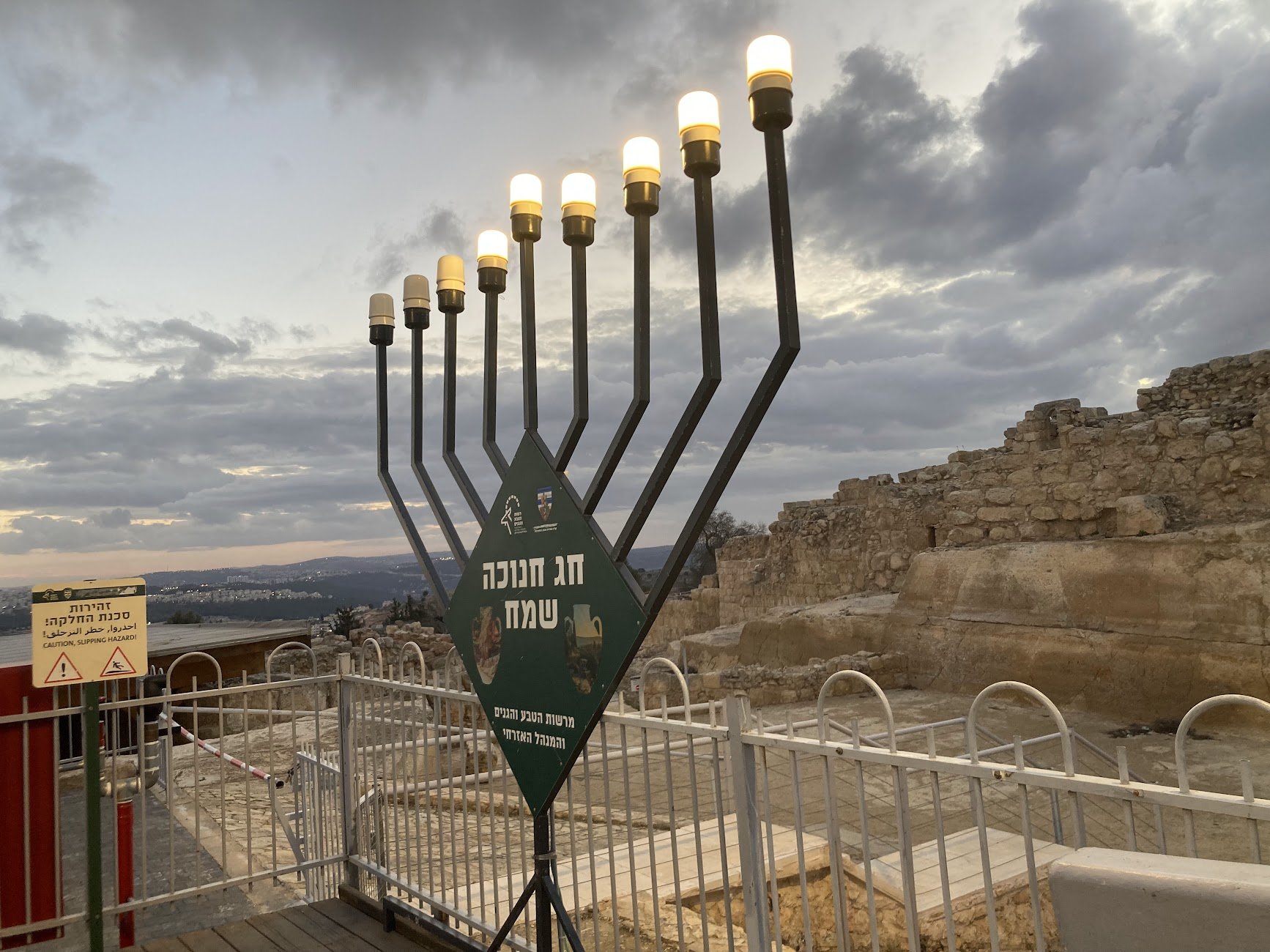
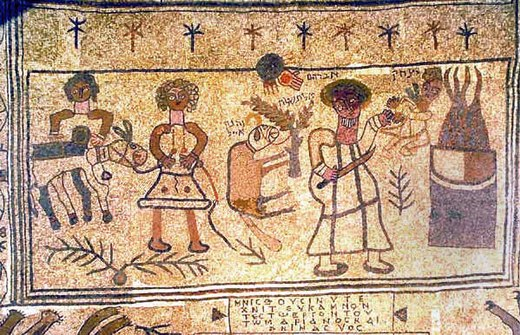
It’s Sukkot, again – ושוב, חג סוכות

בערב החג הזה אני מעלה פוסט שכתבתי לקראת חג סוכות לפני שנתיים… קצת עצלני? ובכל זאת… כשמצאתי אותו, הופתעתי כמה הוא רלוונטי.

בדיוק ציינו 50 שנה למלחמת יום הכיפורים, בלי לדעת מה מחכה מעבר לפינה… מבחינות רבות, הכל השתנה. וגם… לא הכל.
חג סוכות חוזר ומאתגר אותנו ב״ושמחת בחגך״, ועכשיו, כשאנחנו עוצרים את נשימתנו, אותה שאלה עדיין עולה: האם זה אפשרי, אף על פי כן ולמרות הכל?

On this – almost – Sukkot, I’m reposting a post I wrote on Sep 2023, two years ago… A little lazy? and yet… when I came across it, I was surprised how relevant it was.
We marked then 50 years to the Yom Kippur War, not knowing what awaits us right around the corner… In many aspects, everything changed, and also,,, not everything.
Sukkot is back to challenge us with its mitzvah to “be joyful in the holiday”, and now, as we’re holding our breath, the same question is still with us: is it possible, even though and in spite of everything?

Wishing you and your a Chag Same’ach — בברכת בשורות טובות וחג שמח לכם וליקירכם

Posted in Uncategorized | Leave a comment

“Yeshurun grew fat and kicked”… The Torah portion of Ha’azinu

PODCAST WITH OR: https://open.spotify.com/episode/38baCFnK1KSSnOSxHcgZ3c

בפרשת ״האזינו״, שכוללת את שירתו הלא קלה להבנה של משה, אחד הפסוקים המפורסמים והקשים הוא:

וַיִּשְׁמַ֤ן יְשֻׁרוּן֙ וַיִּבְעָ֔ט, שָׁמַ֖נְתָּ עָבִ֣יתָ כָּשִׂ֑יתָ        וַיִּטֹּשׁ֙ אֱל֣וֹהַּ עָשָׂ֔הוּ, וַיְנַבֵּ֖ל צ֥וּר יְשֻׁעָתֽוֹ (דברים לב,טו).

היה לנו רב בקהילה שהיה מברך את בני המצווה ב״שיהיו לך אתגרים וקשיים אופטימליים״… לא יותר מידי חלילה אבל גם לא פחות מידי. כלומר, יותר מידי – עלול לשתק, אך גם פחות מידי – מונע צמיחה. על דרך ההשוואה, זרע של פרח לא יכול לגדול אם אין קצת מים שמדגדגים אותו, שמעירים אותו, שמטרידים אותו וגורמים לו אפילו כאב, להפתח ככה, לגדל שורשים פתאום, וגבעול… בלי הדגדוג של המים לא היה קורה כלום, אבל רק מפני שמים זה טוב, זה לא אומר שהמון מים, זה עוד יותר טוב. להיפך: זה יכול לגרום נזק עצום. גם כאן, לשבוע – זה מעולה. להשמין… פחות. מרוב שפע לא מנוצל כאן, הפסוק מזהיר שזה יביא לשכחת האל שיצר את כל העולם ושבזכותו יש לנו את מה שיש לנו. 

התורה אור מזכיר שאנשים בד״כ לא בועטים, ו״יבעט״ זה קטע בהמי, שכחה מוחלטת של מי שאנחנו. אברבנאל מקשר את הפסוק הזה – לחורבן בית ראשון, ואת ההמשך – צ֥וּר יְלָדְךָ֖ תֶּ֑שִׁי וַתִּשְׁכַּ֖ח אֵ֥ל מְחֹלְלֶֽךָ (שם, שם, יח) – לחורבן בית שני.

הרש״ר כותב על ״שמנת, עבית, כשית״: ״בדרך כלל, עם ישראל עמד יפה במבחן היסורים, אולם רק לעיתים נדירות היה בכוחו לשאת את האושר״… הוא מנתח בדייקנות מה פירוש ״שומן״ ומסביר שלאדם יש אחריות לגבי החומר שהוא מכניס לתוכו. אם אוכלים יותר ומוסיפים לגוף ״דשנים״, צריך להחליף את החומר הנוסף בכוח ובעבודה, להגביר פעילות ומעש. אם נעשה זאת, נוכל לשלוט בשפע, והאדם – או העם – יישאר בריא בגופו וברוחו, והגדלת מעשיו – תעלה את ערכו המוסרי. אבל, אם האדם אוכל יותר מכפי שהוא מוציא, חומר המזון לא ינוצל ״והוא ישקע בירכתי גופו והוא ישמין ויגדל כרס ובמקום לשלוט בשפע, השומן יתגבר עליו, והוא עצמו בעצמיותו הרוחנית הפעילה, יאבד ברוב הטובה״. 

ולמרות הצרות הרבות, לבסוף, יהיה פיוס: ״וְכִפֶּ֥ר אַדְמָת֖וֹ עַמּֽוֹ״ (לב,מג) – עם ישראל, ארץ ישראל והקב״ה יתנחמו ויהיו ביחד בטוב. ״כפר״ – מלשון לכסות, כמו הכפורת בבית המקדש. הכוונה כאן, שעמו של הקב״ה יכסה את אדמתו, כלומר, עם ישראל ישוב לארץ ישראל, יחיה ויפרח בה. 

רש״י מוסיף ברוח כמעט נבואית (איך הוא לא מוותר על החזון הזה, עם הצלבנים וכל הצרות מסביב!): ״לְאוֹתוֹ הַזְּמַן יְשַׁבְּחוּ הָאֻמּוֹת אֶת יִשְׂרָאֵל, רְאוּ מַה שִּׁבְחָהּ שֶׁל אֻמָּה זוֹ, שֶׁדָּבְקוּ בְּהַקָּבָּ”ה בְּכָל הַתְּלָאוֹת שֶׁעָבְרוּ עֲלֵיהֶם וְלֹא עֲזָבוּהוּ, יוֹדְעִים הָיוּ בְּטוּבוֹ וּבְשִׁבְחוֹ״… 

ומשה אומר, ״ כִּ֠י לֹא־דָבָ֨ר רֵ֥ק הוּא֙ מִכֶּ֔ם כִּי־ה֖וּא חַיֵּיכֶ֑ם וּבַדָּבָ֣ר הַזֶּ֗ה תַּאֲרִ֤יכוּ יָמִים֙ עַל־הָ֣אֲדָמָ֔ה אֲשֶׁ֨ר אַתֶּ֜ם עֹבְרִ֧ים אֶת־הַיַּרְדֵּ֛ן שָׁ֖מָּה לְרִשְׁתָּֽהּ״ (לב,מז). 

שבת שלום והמשך חודש תשרי טוב


One of the most famous — and difficult — verses is:

“And Jeshurun grew fat and kicked;
You grew fat, thick, and corpulent.
Then he abandoned the God who made him,
And scorned the Rock of his salvation.”
(Deuteronomy 32:15)

I remember a rabbi who used to bless the Bar / Bat Mitzvah students with “may you have optimal challenges and difficulties” — not too many, Gd forbid, but not too few either.
Too many can be paralyzing, but too few prevent growth.

By way of analogy, a flower seed cannot grow without a bit of water to tickle it, to awaken it. They even cause it pain, to open up, grow roots, get a stem out… But just because water is good, that doesn’t mean more water is better. On the contrary — too much water can cause immense damage.

Here too, to be satisfied is great; to have access and be fat… less so. The verse warns that unused – or misused – abundance and excess can lead to forgetting Gd — the one who created the world and from whom all we have ultimately comes.

The Torah Or points out that people don’t normally “kick.” The verb “kicked” (vayiv’at) implies something animalistic — a total forgetting of who we are.
The Abarbanel connects this verse with the destruction of the First Temple, and the continuation of the passage:

“You ignored the Rock who gave birth to you,
You forgot the God who brought you forth.”
(Deuteronomy 32:18)

— with the destruction of the Second Temple.

Rabbi Samson Raphael Hirsch writes about the phrase “You grew fat, thick, and corpulent”:

Generally speaking, the Jewish people have passed the test of suffering with dignity.
But only rarely have we been able to withstand the test of happiness.
..”

He offers a precise analysis of what “fatness” means and explains that a person is responsible for the material they bring into themselves. If someone eats more and adds “richness” to their body, they must convert that excess into strength and action — to increase activity and deeds.
If they do that, they can control the abundance, and both the person and the nation will remain healthy — in body and in spirit — and their increased actions will raise their moral stature.

But if a person consumes more than they expend, the excess nourishment won’t be used.
Instead, it will sink into the depths of their body — and they will grow fat, their belly will swell, and rather than ruling over abundance, the fatness will rule over them.
They — in their active spiritual essence — will be lost in the midst of so much goodness.

And yet, despite all the troubles, there will ultimately be reconciliation:

“He will atone for His Land and His People.”
(Deuteronomy 32:43)

The people of Israel, the Land of Israel, and Gd will be comforted and united in goodness.
The word “atone” (kipper) here comes from the word to cover, like the kaporet — the covering of the Ark in the Holy Temple.
The meaning is that Gd’s people will cover His Land — in other words, the People of Israel will return to the Land of Israel, live in it, and flourish in.

Rashi adds, in a nearly prophetic spirit — how he never gave up on this vision, despite the Crusaders and all the troubles around him!:

“At that time, the nations will praise Israel:
‘Look at the praise of this nation!
They clung to the Holy One, Blessed be He, through all the sufferings they endured, and they did not abandon Him.
They always knew of His goodness and His glory.’”

And Moses says:

“For it is not an empty thing for you — it is your life!
And by this word you shall prolong your days upon the land that you are crossing the Jordan to possess.”
(Deuteronomy 32:47).

Shabbat Shalom and a good month of Tishri!

From: https://sloanreview.mit.edu/article/broaden-your-influence-by-adapting-how-you-listen/

Posted in Uncategorized | Leave a comment

״For with You is forgiveness״ – Reflections for Yom Kippur, 5786

כִּֽי־עִמְּךָ֥ הַסְּלִיחָ֑ה לְ֝מַ֗עַן תִּוָּרֵֽא…. מחשבות ליום הכיפורים, תשפ״ו

לקראת יום הכיפורים, נשלחות מצגות ואימוג׳ים חביבים לבקשות סליחה יצירתיות ואפילו מרגשות, אבל… אני זוכרת שמישהי נגשה אלי פעם עם סוג של התנצלות על פגיעה שפגעה בי. האמת, שאני כבר שמתי את כל הסיפור בצד ושכחתי – או השכחתי אותו ממני, אבל כשאמרה, שאלה, ׳אני רק רוצה לוודא שאנחנו בסדר׳, כל מה שממש לא היה בסדר, חזר ועלה…  כלומר, לא בדיוק ״סלחתי ושכחתי״ כמו שרציתי לחשוב…

אז מה זה בדיוק סליחה? זה אפשרי? אנחנו מצופים וגם יכולים למחוק משהו שכבר קרה? לגמרי??

שִׁ֥יר הַֽמַּעֲל֑וֹת מִמַּעֲמַקִּ֖ים קְרָאתִ֣יךָ ה׳, קורא משורר התהילים בשירו, 

אֲדֹנָי֮ שִׁמְעָ֢ה בְק֫וֹלִ֥י תִּהְיֶ֣ינָה אׇ֭זְנֶיךָ קַשֻּׁב֑וֹת לְ֝ק֗וֹל תַּחֲנוּנָֽי

אִם־עֲוֺנ֥וֹת תִּשְׁמׇר־יָ֑הּ אֲ֝דֹנָ֗י מִ֣י יַעֲמֹֽד, 

כִּֽי־עִמְּךָ֥ הַסְּלִיחָ֑ה לְ֝מַ֗עַן תִּוָּרֵֽא…

מסתבר שזה לא כל כך פשוט. 

סליחה אמיתית, אומר משורר התהילים, אפשרית רק לקב״ה. בן אדם כשהוא סולח ומוחל למי שחטא כנגדו, תמיד עושה את זה בגלל עניינים נוספים. אולי החוטא התחרט, או רחם על עצמו או על מי שפגע בו, או רוצה למצוא חן בעיניו, ואם כן, סיבת הסליחה – לא תמיד, אם בכלל – נמצאת עם הסולח, אלא אולי רק עם מי שסולחים לו. 

אבל הקב״ה, הסליחה איתו ובו, ״כי אי אפשר שיצוייר אל בורא ומקיים ברואיו, אם לא יהיה סולח לעולם״, כל המלבי״ם בפירושו על הפסוק הנ״ל. הסליחה של הקב״ה ביום הכיפורים מתוארת כשמים שנוקו מעננים וחזרו להיות תכולים, נקיים, כאילו מעולם לא היה בהם שום-כלום. זה דבר שאדם לא יוכל אי פעם להגיע אליו. 

על פי המדרש אברהם אבינו אומר לקב”ה, ׳אם דין אתה מבקש – אין עולם, ואם עולם אתה מבקש – אין דין״. השניים לא יכולים לדור בכפיפה אחת: אם העולם ישפט רק ע״פ דין, העולם שהוא לא מושלם ועושה טעויות לא יוכל להתקיים, ואם נרצה לשמור על העולם בכל מחיר, לא נוכל שיהיה דין, אמת, צדק.

אנחנו חיים עם ערכים נפלאים – בתאוריה, כשבביצוע – יש פשרה. סליחה מוחלט אפשרית רק אצל הקב״ה ולכן נאמר במזמור, ״כי עמך הסליחה״. סליחה אמיתית מעבירה ״את העוון כאילו לא היה במציאות כלל, וזה לא יוכל האדם לעשות״, כי האדם לא יכול לברוא משהו מכלום וגם לא יכול להעלים דבר שהיה במציאות כאילו לא היה, ״ועל כן, לא נמצא בשום מקום בתנ”ך סליחה מאדם לאדם רק מה’״.

אם אין לנו באמת אפשרות לסלוח אחד לשני, אז מה כן? 

מה שיש בין בני אדם, במקרה הטוב, זהו – פיוס. 

פיוס הוא משהו שאפשר ללמוד מ-יוסף״, והרי רמז – יש להם יש את אותן אותיות!
האם יוסף ״סולח״ לאחים שלו? האם אפשר להגיד שהכל נמחק ביניהם כמו ענן שנעלם מהשמים?

האמת, לא ממש.

אז מה כן?

כשהם נפגשים וסופסוף מתוודעים אחד לשני, יוסף אומר לאחיו:

״וְעַתָּ֣ה אַל־תֵּעָ֣צְב֗וּ וְאַל־יִ֙חַר֙ בְּעֵ֣ינֵיכֶ֔ם כִּֽי־מְכַרְתֶּ֥ם אֹתִ֖י הֵ֑נָּה, כִּ֣י לְמִֽחְיָ֔ה שְׁלָחַ֥נִי אֱלֹהִ֖ים לִפְנֵיכֶֽם… וַיִּשְׁלָחֵ֤נִי אֱלֹהִים֙ לִפְנֵיכֶ֔ם לָשׂ֥וּם לָכֶ֛ם שְׁאֵרִ֖ית בָּאָ֑רֶץ וּלְהַחֲי֣וֹת לָכֶ֔ם לִפְלֵיטָ֖ה גְּדֹלָֽה״ (בראשית מה:ה-ז) 

ושוב אחרי שיעקב נפטר, והאחים דואגים שאולי עכשיו יוסף יתנקם בהם, הוא אומר: ״וְאַתֶּ֕ם חֲשַׁבְתֶּ֥ם עָלַ֖י רָעָ֑ה, אֱלֹהִים֙ חֲשָׁבָ֣הּ לְטֹבָ֔ה, לְמַ֗עַן עֲשֹׂ֛ה כַּיּ֥וֹם הַזֶּ֖ה לְהַחֲיֹ֥ת עַם־רָֽב״ (בראשית נ,כ). 

רגע, אז הוא סולח?! אז למה הוא לא אומר את זה במפורש? 

אולי כי באמת סליחה מוחלטת – אי אפשר, אבל אפשר לקחת נשימה עמוקה, לזוז צעד אחורנית, לזכור שאנחנו חלק מסיפור גדול הרבה יותר, שגם אם אנחנו לא רואים בו הכל מיידית, לא אומר שהוא לא שם. נכון, אנחנו לא יכולים להזיז עננים בשמים, אבל אולי שם, ברגע הזה, יש את הדבר הכי קרוב לסליחה שיכול להיות לנו. 

גמר חתימה טובה ושנה טובה

“For with You is forgiveness – that You may be revered”

As Yom Kippur approaches, we receive all kinds of notes, PowerPoints and cute emojis with creative and sometimes even moving apology messages.
But…

I remember someone once approached me with a kind of apology for something they had done that hurt me. To be honest, I had already put the whole story behind me — or maybe pushed it out of my mind.
But when she said, sort of asked: “I just want to make sure we’re okay,” — suddenly everything that wasn’t okay came rushing back… turns out I didn’t “forgive and forget as I might have tried to think…

So what exactly is forgiveness?
Is it really possible?
Are we expected — and even capable — of erasing something that already happened? Completely??

“A song of ascents. Out of the depths I call to You, O Lord.
Lord, hear my voice; let Your ears be attentive to the voice of my pleas.
If You, O God, should mark iniquities, who could stand?
For with You is forgiveness — so that You may be revered…”

(Psalm 130)

It turns out forgiveness is not so simple.
True forgiveness, says the Psalmist, is only possible for Gd.
When a human being forgives someone who has wronged them, it’s often not because of what the offender did, but because of other factors — maybe either one felt regret, or the one forgiving felt compassion, or perhaps they wanted to be on good terms with the other.
Either way, the reason for the forgiveness doesn’t necessarily come from within the forgiver — but perhaps from the person being forgiven.

But with Gd — forgiveness is with Him and in Him.
As the Malbim explains on this verse:
“It is inconceivable to imagine a Creator who sustains His creations, and yet is not eternally forgiving.”
Gd’s forgiveness on Yom Kippur is described like a sky cleared of clouds — returning to blue, clean, as if nothing was ever there.
That is something no human being can ever achieve.

According to the Midrash, Abraham says to Gd:
“If You demand strict justice, there can be no world. And if You desire a world — there can be no strict justice.”
The two cannot fully coexist:
If the world was judged only by pure justice, a world that is imperfect and prone to mistakes could not survive.
But if we wish to preserve the world at all costs, we must compromise on justice, truth, and fairness.

We live by beautiful values — in theory.
In practice, they often require compromise.
Perfect forgiveness is only possible with Gd.
That’s why the verse says:
“For with You is forgiveness.”

True forgiveness means the sin is erased — as if it never existed.
And that is something no human being can do.
We cannot create something from nothing, and likewise — we cannot make something that happened disappear from reality.

“And so,” writes the Malbim, “nowhere in the Bible does it speak of a person forgiving another — only of Gd’s forgiveness.”

So if we can’t truly forgive one another — what can we do?

What is possible, between human beings, at best — is reconciliation (piyus in Hebrew).
Reconciliation is something we can learn from Yosef — and fittingly, the Hebrew word “piyus” shares the same letters as “Yosef” (פ,י,ו,ס)!

Does Yosef “forgive” his brothers?
Can we really say that everything between them was erased — like a cloud that simply vanished from the sky?

Not really.

So what can be done?

When they finally reunite and reveal themselves to each other, Yosef says to his brothers:

“And now, do not be distressed, and do not be angry with yourselves for selling me here;
for it was to save life that Gd sent me ahead of you…
Gd sent me before you to make for you a remnant in the land, and to keep you alive for a great deliverance.”
(Genesis 45:5–7)

And again, after Jacob dies and the brothers are afraid Yosef will take revenge, he tells them:

“You intended to harm me, but Gd intended it for good,
to bring about this present result — to preserve the lives of many people.”
(Genesis 50:20)

So… does he forgive them?
Then why doesn’t he say it explicitly?

Maybe because full, absolute forgiveness isn’t possible.
But we can take a deep breath, take a step back, and remember that we are part of a larger story.
Even if we don’t see it all clearly yet (or at all)— that doesn’t mean it’s not there.
True, we can’t move clouds in the sky, but maybe, at that moment — that’s the closest we can ever get to forgiveness.

Gmar Chatima Tova & Shana Tova.


Posted in Uncategorized | Tagged , | 2 Comments

“Write for yourselves this song”… (Vayelech)

PODCAST: https://open.spotify.com/episode/3YwFQywaAcQqRHeg3CEQ8u

פרשת וילך היא הקצרה בתורה: היא מתחילה כשמשה הולך לדבר אל כל בני ישראל. בין הדברים שהוא אומר להם ביומו האחרון:

וְעַתָּה כִּתְבוּ לָכֶם אֶת הַשִּׁירָה הַזֹּאת וְלַמְּדָהּ אֶת בְּנֵי יִשְׂרָאֵל שִׂימָהּ בְּפִיהֶם לְמַעַן תִּהְיֶה לִּי הַשִּׁירָה הַזֹּאת לְעֵד בִּבְנֵי יִשְׂרָאֵל (דברים לא,יט)… הַקְהִילוּ אֵלַי אֶת כָּל זִקְנֵי שִׁבְטֵיכֶם וְשֹׁטְרֵיכֶם וַאֲדַבְּרָה בְאָזְנֵיהֶם אֵת הַדְּבָרִים הָאֵלֶּה וְאָעִידָה בָּם אֶת הַשָּׁמַיִם וְאֶת הָאָרֶץ …. וַיְדַבֵּר מֹשֶׁה בְּאָזְנֵי כָּל קְהַל יִשְׂרָאֵל אֶת דִּבְרֵי הַשִּׁירָה הַזֹּאת עַד תֻּמָּם: (שם, כח עד סוף הפרק).  

הרעיון ללמוד משהו בשיר, בניגון, בחרוז, במבנה… ואיזה מצווה יפה, לכתוב שירה וללמד אותה לכולם, כדי שתשאר בפינו, בליבנו. אחת השאלות לגבי משה היא, איך הוא ידע שהוא עברי. יש כל מיני אפשרויות, למשל, היה לו צבע עור אחר מאשר למצרים והוא נראה שונה, או שאולי, בת פרעה ספרה לו. הסרט ״נסיך מצרים״ מציע אופציה אהובה עלי במיוחד: יוכבד ומרים, אמו ואחותו, שרות לו שיר ערש מלא תקווה כילד, והניגון הזה נטמע בו יותר מכל מלל שיכלו לתת לו בגיל הצעיר בו עזב את הבית. שנים מאוחר יותר, כשהוא שומע את אותו הניגון, חוזר אליו משהו מהווייתו הראשונית. 

מדהים שהאיש שהתחיל את חייו ככבד פה וכבד לשון, מסיים אותם בנאום של ספר שלם ועכשיו גם בשירה. השירה עצמה, שיש אומרים שהיא שירת האזינו של פרשת השבוע הבא, עוד תגיע, אבל הציווי לכתוב, ללמוד ולשנן אותה, הוא כאן, כולל קיום הדברים: “וַיִּכְתֹּב מֹשֶׁה אֶת הַשִּׁירָה הַזֹּאת בַּיּוֹם הַהוּא וַיְלַמְּדָהּ אֶת בְּנֵי יִשְׂרָאֵל” (שם, לא,כב), כלומר, כתיבה, לימוד, הבנה, ושינון בע״פ… ויש אומרים, שהתורה כולה היא השירה, והשירה היא התורה, וכשנכנסים לבית מדרש, במיוחד בפעם הראשונה, אפשר לשים לב שרועש, ויש כל הזמן ברקע מעין המהום ניגוני כזה, כשלומדי בית המדרש שרים ומנגנים את המילים הנלמדות. 

“ועתה כתבו לכם את השירה”, אמר רבא: אף על פי שהניחו לו אבותיו לאדם ספר תורה (כלומר, שהיו ספרי תורה כשהגענו לעולם), מצווה לכתוב לו לשמו. “ולמדה את בני ישראל שימה בפיהם” – שתהא מושמת היא בפיהם ומסודרת (פסיקתא זוטרתא (לקח טוב) דברים פרשת וילך).

פרשת וילך נקראת לא פעם בשבת שבין ראש השנה ויום כיפור. זהו זמן לא פשוט, כשמילים כמו ״דין״, ״חטא״, ״אשמה״ נוכחות. כמה טוב שיש גם שיר, וכמה נעימות ומרגשות הן המנגינות של התקופה הזו. הלוואי שהן והרוח שבן ישארו איתנו במשך כל השנה.

שבת שלום ושנה טובה

The Torah portion of Vayelech is the shortest in the Torah, beginning with Moses going to speak to all of Israel. Among the many things he tell them in his last day is this:

And now, write for yourselves this song, and teach it to the Children of Israel; put it in their mouths, so that this song may be for Me as a witness against the Children of Israel. (Deuteronomy 31:19)
Gather to me all the elders of your tribes and your officers, and I will speak these words in their ears and call heaven and earth to witness against them…
Then Moses spoke the words of this song in the ears of the entire congregation of Israel, until they were finished.(Deuteronomy 31:28 to the end of the chapter)

The idea of learning something through a song, a melody, a rhyme, or a structure… what a beautiful mitzvah (commandment) it is—to write poetry and teach it to everyone, so that it may remain in our mouths and in our hearts.

One of the questions about Moses is: how did he know he was a Hebrew? There are several possibilities—for example, maybe he had a different skin color than the Egyptians and looked different, or perhaps Pharaoh’s daughter told him.
The film Prince of Egypt offers a version I especially love: Yocheved and Miriam, his mother and sister, sing him a lullaby full of hope when he is a baby, and this melody becomes embedded in him more deeply than any words could have at the young age when he left home. Years later, when he hears that same melody, something essential from his original identity comes back to him.

It’s amazing that the man who began his life as “slow of speech and slow of tongue” ends it with a speech that spans an entire book—and now, also with a song.
The song itself—some say it’s the Song of Ha’azinu from next week’s Torah portion—is still to come. But the command to write it, to study it, and to recite it is already here, including its fulfillment:
“And Moses wrote this song on that day and taught it to the Children of Israel.” (Deuteronomy 31:22)

This means: writing, learning, understanding, and memorizing by heart.

And some say that the entire Torah is the song—and the song is the Torah. When entering a beit midrash (house of study), especially for the first time, you can often notice the noise: there’s a constant background hum, a kind of melodic murmuring, as the learners chant and sing the words they’re studying.

“And now, write for yourselves this song” — Rava said: Even if one inherited a Torah scroll from one’s ancestors (i.e., there were already Torah scrolls in the world when we arrived), it is still a mitzvah to write one for oneself, for its own sake.
“And teach it to the Children of Israel; put it in their mouths” — meaning, it should be firmly placed in their mouths and well-ordered.
(Pesikta Zutreta [Lekach Tov], Deuteronomy, Parashat Vayelech).

Vayelech is often read on the Shabbat between Rosh Hashana and Yom Kippur. This is not a simple time when words like judgement and guilt and sin are present. How nice there’s also song; how lovely and emotional are the season melodies. Hopefully they and their spirit remain with us even throughout the year.

Shabbat Shuva Shalom & Shana Tova

Posted in Uncategorized | Leave a comment

The Human-being’s creation & Rosh Hashana

בריאת האדם וראש השנה

סיפור לחג: 

אָמַר רַבִּי סִימוֹן: 

בְּשָׁעָה שֶׁבָּא הַקָּדוֹשׁ בָּרוּךְ הוּא לִבְרֹא אֶת אָדָם הָרִאשׁוֹן, נַעֲשׂוּ מַלְאֲכֵי הַשָּׁרֵת כִּתִּים כִּתִּים, וַחֲבוּרוֹת חֲבוּרוֹת. מֵהֶם אוֹמְרִים אַל יִבָּרֵא, וּמֵהֶם אוֹמְרִים יִבָּרֵא, הֲדָא הוּא דִכְתִיב (תהלים פה, יא): חֶסֶד וֶאֱמֶת נִפְגָּשׁוּ צֶדֶק וְשָׁלוֹם נָשָׁקוּ. 

חֶסֶד אוֹמֵר יִבָּרֵא, שֶׁהוּא גּוֹמֵל חֲסָדִים. 

וֶאֱמֶת אוֹמֵר אַל יִבָּרֵא, שֶׁכֻּלּוֹ שְׁקָרִים. 

צֶדֶק אוֹמֵר יִבָּרֵא, שֶׁהוּא עוֹשֶׂה צְדָקוֹת. 

שָׁלוֹם אוֹמֵר אַל יִבָּרֵא, דְּכוּלֵיהּ קְטָטָה. 

מֶה עָשָׂה הַקָּדוֹשׁ בָּרוּךְ הוּא? נָטַל אֱמֶת וְהִשְׁלִיכוֹ לָאָרֶץ, הֲדָא הוּא דִכְתִיב (דניאל ח, יב): וְתַשְׁלֵךְ אֱמֶת אַרְצָה. 

אָמְרוּ מַלְאֲכֵי הַשָּׁרֵת לִפְנֵי הַקָּדוֹשׁ בָּרוּךְ הוּא, רִבּוֹן הָעוֹלָמִים מָה אַתָּה מְבַזֶּה תַּכְסִיס אַלְטִיכְסְיָה שֶׁלָּךְ, תַּעֲלֶה אֱמֶת מִן הָאָרֶץ, הֲדָא הוּא דִכְתִיב (תהלים פה, יב): אֱמֶת מֵאֶרֶץ תִּצְמָח. 

רַבָּנָן אָמְרֵי לָהּ בְּשֵׁם רַבִּי חֲנִינָא בַּר אִידֵי וְרַבִּי פִּינְחָס וְרַבִּי חֶלְקִיָּה בְּשֵׁם רַבִּי סִימוֹן אָמַר, מְאֹד, הוּא אָדָם. הֲדָא הוּא דִכְתִיב (בראשית א, לא): ״וַיַּרְא אֱלֹהִים אֶת כָּל אֲשֶׁר עָשָׂה וְהִנֵּה טוֹב מְאֹד״, וְהִנֵּה טוֹב אָדָם. 

רַב הוּנָא רַבָּהּ שֶׁל צִפּוֹרִין אֲמַר: עַד שֶׁמַּלְאֲכֵי הַשָּׁרֵת מִדַּיְּנִין אֵלּוּ עִם אֵלּוּ וּמִתְעַסְּקִין אֵלּוּ עִם אֵלּוּ בְּרָאוֹ הַקָּדוֹשׁ בָּרוּךְ הוּא. אָמַר לָהֶן מָה אַתֶּם מִדַּיְּנִין? כְּבָר נַעֲשָׂה אָדָם. 

(בראשית רבה ח,ה).

בריאת האדם נמצאת בלב ראש השנה. 

עם ארבעה מלאכים – ערכים שונים – התייעץ הקב״ה כשבא לברוא את האדם: חסד, אמת, צדק ושלום, ולא פלא שהם התחילו להתווכח. חסד ואמת לא ממש מסתדרים. לפעמים, כדי לעשות מעשה חסד, למשל, לתת למישהו מחמאה מכל הלב, צריך לדלג על קצת מהאמת, ולפעמים כשאומרים את ״האמת״, לא בהכרח מתנהגים בחסד לאדם השני.  

גם צדק ושלום רבו. אחרי הכל, אם אני רוצה את כל הצדק שמגיע לי, אני עלולה למצוא את עצמי במלחמה כלשהי, ומנגד, אם אני ממש רוצה שלום, יתכן שאצטרך לוותר על הצדק שמגיע לי. 

מפה לשם, בזמן שהמלאכים התווכחו אחד עם השני, הקב״ה כבר ברא את האדם, משנה את המילה ״נַֽעֲשֶׂ֥ה״ בפסוק ״נַֽעֲשֶׂ֥ה אָדָ֛ם בְּצַלְמֵ֖נוּ כִּדְמוּתֵ֑נוּ״ (בראשית א:כו) שנכתבה בעתיד, לנעשה – בקמץ תחת השין בעבר, כלומר, אופס, כבר קרה. במקביל, השליך הקב״ה את אמת לארץ, כי ״אמת מארץ תצמח״ (תהילים פה,יב), כי בלי ״אמת״ אבסולוטית, קל לברוא את האדם. ועכשיו מה?

האדם קבל משהו שאין למלאכים, וזה – זמן. 

זמן זו בעיה כי זה ערך מתכלה, אבל זמן זו גם מתנה. 

אי אפשר לעשות הכל בבת אחת – גם חסד וגם אמת, גם צדק וגם שלום. כמו כל דבר שמופיע עם דרישת ״עכשיו״ מסתבר כבלתי אפשרי. אבל עם הזמן, האדם יוכל להביא לעולם חסד, ואמת, צדק ושלום, וב״ה, לבנות עולם טוב יותר. 

שנמשיך ונעשה מה שאפשר ואולי קצת יותר. 

בברכת שנה טובה.

A story for the holiday:

Rabbi Simon said:

When the Holy One blessed be He came to create Adam the first man, the ministering angels divided into various factions and various groups. Some of them were saying: ‘Let him not be created,’ and some of them were saying: ‘Let him be created.’ That is what is written: “Kindness and truth met; righteousness and peace touched” (Psalms 85:11). K

indness said: ‘Let him be created, as he performs acts of kindness.’

Truth said: ‘Let him not be created, as he is all full of lies.’

Righteousness / Justice said: ‘Let him be created, as he performs acts of righteousness.’

Peace said: ‘Let him not be created, as he is all full of discord.’

What did the Holy One blessed be He do? He took Truth and cast it down to earth. That is what is written: “You cast truth earthward” (Daniel 8:12).

The ministering angels said before the Holy One blessed be He: ‘Master of the universe, why are You demeaning Your very seal? Let Truth ascend from the earth.’ That is what is written: “Truth will spring from the earth” (Psalms 85:12). 
The Rabbis say in the name of Rabbi Ḥanina bar Idi, and Rabbi Pinḥas and Rabbi Ḥilkiya said in the name of Rabbi Simon: Meod, this refers to Man [adam]. That is what is written: “Gd saw everything that He had made, and, behold, it was very [meod] good” (Genesis 1:31) – Man [adam] was good. 
Rav Huna, the rabbi of Tzippori, said: While the ministering angels were busy deliberating with one another and engaging with one another, the Holy One blessed be He created him. He said to them: ‘Why are you deliberating? Man has already been created.’ (Beresheet Rabba 8,5).

The Creation of the Human being is held at the Heart of Rosh Hashanah
When Gd came to create the human being, He consulted with four angels — each representing a different value: Kindness, Truth, Justice, and Peace. Unsurprisingly, they began to argue. Kindness and Truth don’t always get along. Sometimes, in order to perform an act of kindness — like sincerely complimenting someone — one has to skip over a bit of the truth… And sometimes, when one speaks “the truth,” it might not necessarily be a kind thing to the other person.

Justice and Peace also clashed. After all, if I insist on receiving every bit of justice I deserve, I might find myself in some kind of conflict. On the other hand, if I deeply desire peace, I might have to give up on the justice I’m entitled to.

Meanwhile, as the angels were busy arguing, Gd had already created the human being — changing the word “let us make” (na’aseh) in the verse “Let us make man in our image, after our likeness” (Genesis 1:26) from future tense to past tense — na’asah, “it’s already been done.” Oops — too late.

At the same time, Gd cast Truth down to the ground, because “Truth will spring forth from the earth” (Psalms 85:12). Without absolute “Truth,” it’s much easier to create a human being. And now what?

Human beings were given something the angels don’t have, and that is time.
Time is a challenge, because it’s a limited resource. But time is also a gift.

You can’t do everything all at once — not Kindness and Truth, not Justice and Peace. Any demand that comes with a sense of “right now” turns out to be impossible. But over time, a person can bring kindness, truth, justice, and peace into the world — and, Gd willing, build a better world.

May we be able to keep doing what’s possible and maybe a bit more –

Sending you best wishes for a Shana Tova.

Posted in Uncategorized | Tagged , , | Leave a comment

Is It in Heaven or Not? The Answer Is—Yes… Parashat Nitzavim

בשמים או לא בשמים היא? התשובה היא – כן… ברוכים הבאים לפרשת ״ניצבים״

PODCAST: https://open.spotify.com/episode/1m4KfWZwT0TdaKoPOMj593

פרשת ״ניצבים״ כולה יפה ומרגשת גם בקריאה ״יחפה״, אבל פסוק אחד בה התפרסם במיוחד.

כשהיא מצווה אותנו על ה״תשובה״, היא מייד עונה לחשש טבעי שלנו, שתהליך כזה יכול להיות ארוך וקשה וכואב, ואומרת לנו: 

כִּ֚י הַמִּצְוָ֣ה הַזֹּ֔את אֲשֶׁ֛ר אָנֹכִ֥י מְצַוְּךָ֖ הַיּ֑וֹם לֹא־נִפְלֵ֥את הִוא֙ מִמְּךָ֔ וְלֹ֥א רְחֹקָ֖ה הִֽוא׃ לֹ֥א בַשָּׁמַ֖יִם הִ֑וא… וְלֹא־מֵעֵ֥בֶר לַיָּ֖ם הִ֑וא… כִּֽי־קָר֥וֹב אֵלֶ֛יךָ הַדָּבָ֖ר מְאֹ֑ד בְּפִ֥יךָ וּבִֽלְבָבְךָ֖ לַעֲשֹׂתֽוֹ”…. (דברים לא,יב-יד).

בפסוק הזה ״לא בשמים היא״ משתמש רבי יהושע בסיפור התלמודי המפורסם ״תנורו של עכנאי״ (בבא מציעא נט:ב). הסיפור עוסק במחלוקת הלכתית בדיני טומאה וטהרה של תנור מסוים, ונפתח כעוד ויכוח בין חכמים, אבל אז רבי אליעזר, אולי נואש מאי יכולתו לשכנע את החכמים בצדקתו, מתחיל לעשות ניסים: אם הלכה כמותי, החרוב יוכיח. קם החרוב וזז ממקומו. ואח״כ, המים באמת-המים זרמו לאחור, וקירות בית המדרש החלו מטים ונופלים. לבסוף אומר רבי אליעזר, ״אם הלכה כמותי, מן השמים יוכיחו״. מיד יצאה בת קול מן השמים והכריזה שהפסיקה ההלכתית של רבי אליעזר נכונה ׳תמיד׳ (למה לא פשוט אמרה, שהוא צודק דווקא כאן? אולי מפני שזה בכל זאת לא עד כדי כך פשוט…). מולו, קם רבי יהושע על רגליו וציטט מהפרשה שלנו ״לא בשמים היא״!

הסיפור נחשב לאחד החשובים והידועים בסיפורי המסורת היהודית. חשיבות הסוגייה אינה בגלל הפרט ההלכתי (יש יאמרו – הזניח) בשאלת התנור, אם טהור או טמא. אילו היה התנור העניין המרכזי, קרוב לוודאי היה הסיפור מסופר במסכת אחרת ובסדר אחר, אך הסיפור כלול במסכת בבא מציעא בסדר נזיקין ומובא בתוך סוגייה העוסקת ב״אונאת דברים״.

בניגוד לנזקים חומריים – פיזיים – כספיים, ״אונאת דברים״ מתייחסת לפגיעה מילולית-רגשית באחר, והסיפור בא להמחיש כמה חמור נזק שכזה. אחרי הוויכוח, חרם הוכרז על רבי אליעזר, ובעקבותיו רבן גמליאל, ראש הישיבה שהוא במקרה – או לא – גם גיסו של רבי אליעזר, מצא את מותו. 

הרקע ההיסטורי של הסיפור מחזיר אותנו לתקופה שאחרי המרד הגדול ברומאים וחורבן בית המקדש ולעניות דעתי, חשוב בהבנתו. אין כאן עוד שאלת ״כשרות״ רגילה ואפשרות לנהוג לפי מנהגי עדות שונות, אלא שאלה גורלית: איך לחיות בתקופה בה אין יותר בית מקדש שמרכז ומאחד את ה

עם? רבי אליעזר מציע להמשיך כרגיל, אולי הוא חושב שתיכף בית המקדש יבנה מחדש, כמו שקרה בזמן בית המקדש הראשון. רבי יהושע אומר, אין יותר ״כרגיל״. קרה דבר יוצא דופן והוא מחייב תגובה יוצאת דופן. נהיה חייבים להשאר ביחד ולסמוך אחד על השני בלבד, ולא על הקול משמים שנהיה עמום ושמור לאירועים מיוחדים, לא בהכרח צפויים. 

וכך חיינו כמעט אלפיים שנה, כשהקול משמים נחלש והוחבא, אולי מפחד – לא בלתי מוצדק – שמא יוביל לטעויות ופיצולים נוספים. עד שהגענו לימינו, כשהסיפור לא פעם נלקח לקיצוניות השניה, ומשומש לאג׳נדות שונות עם הקריאה של רבי יהושע ״לא בשמים היא״, כמעין הצדקה לכך שהתורה כבר ניתנה לנו, ו״לכן״ קבלנו גם הרשות לעשות בה כרצוננו, ע״פ החלטת הרוב – או הרוב הצועק חזק יותר. 

אך, כדאי לקרוא את כל הסיפור ממש עד סופו, מעבר לקריאתו של רבי יהושע ואפילו מעבר ל״נצחוני בני״. אם נגיע, נפגוש, למשל, אשה תלמודית חכמה, ששמה במקרה – או לא – אמא שלום, ושהיא גם במקרה – או לא – אשתו של רבי אליעזר ואחותו של רבן גמליאל. ונראה, שאכן, יש דברים שבכוחנו להכריע בהם, ואלו ״לא בשמים״ הם, אבל נשאר עוד הרבה שתמיד יהיה לגמרי ״בשמים״, ושאנחנו חיים בעולם בו שתי האפשרויות קיימות תמיד. 

בלב פרשת ״ניצבים״ יש עוד פסוק מעניין: הַנִּ֨סְתָּרֹ֔ת לַה׳ אֱלֹהֵ֑ינוּ וְהַנִּגְלֹ֞ת לָ֤ׄנׄוּׄ וּׄלְׄבָׄנֵ֙ׄיׄנׄוּ֙ׄ עַׄד־עוֹלָ֔ם לַעֲשׂ֕וֹת אֶת־כׇּל־דִּבְרֵ֖י הַתּוֹרָ֥ה הַזֹּֽאת (דברים כט,כח) –הנקודות האלה מעל למילים ״לנו ולבנינו״ אינן לכלוך של איכות ההדפסה או פירורים על המחשב, אלא ככה נכתב הפסוק, ובשעה שאם יכתב ספר תורה בלי הנקודות, עדיין יחשב הספר לכשר, נהוג להוסיף אותן, והן משמשות כרמז לכך שדווקא, במיוחד, כאן יש עוד משמעויות עמוקות יותר לפסוק. אחת השאלות היא איפה לשים את הפסיק בפסוק: הנסתרות לה׳ אלוהינו – פסיק – והנגלות לנו ולבנינו… או שמא – הנסתרות לה׳ אלוהינו והנגלות – פסיק, אולי אפילו חצי נקודותיים, ו-לנו ולבנינו… לעשות? אני מעדיפה את החלוקה השנייה. היא מזכירה לנו שגם במה שנדמה לנו כנגלה, גם בו יש נסתר, כ״בהסתרה שבתוך הסתרה״, ומשאירה לנו לא לעסוק במופלא אלא ״לעשות את כל דברי התורה הזאת״.  

שבת שלום וכמעט שנה טובהֿ

Is It in Heaven or Not? The Answer Is—Yes… Parashat Nitzavim

Parashat Nitzavim is beautiful and moving, even on a “barefoot” reading. But one verse in it became especially well-known. When the Torah commands us to engage in teshuvah—repentance or return—it immediately addresses our natural fear that such a process might be long, hard, and painful. It reassures us:

“For this commandment that I command you this day—it is not too wondrous for you, and it is not far off. It is not in heaven… and it is not across the sea… for the matter is very close to you, in your mouth and in your heart to do it.”
(Deuteronomy 30:11–14)

This verse—“It is not in heaven”—is famously used by Rabbi Yehoshua in the Talmudic story of Tanuro shel Achnai(“The Oven of Achnai”) in Bava Metzia 59b.

That story concerns a halachic dispute regarding the ritual purity or impurity of a certain kind of oven. It begins like many other rabbinic arguments, but then takes a surprising turn: Rabbi Eliezer, perhaps desperate that he can’t convince the other sages of his position, starts performing miracles. He says: “If the halacha is in accordance with me, let this carob tree prove it”—and the tree uproots itself and moves. Then the stream flows backward. The walls of the study hall begin to collapse.

Finally, Rabbi Eliezer says, “If the halacha follows me, let Heaven prove it!” And a bat kol (heavenly voice) rings out: “The halacha is always like Rabbi Eliezer!”

(Why didn’t the voice just say he was right in this particular case? Perhaps because even in Heaven, it’s not thatsimple…)

At this point, Rabbi Yehoshua stands up and boldly declares the verse from our parasha:
“It is not in heaven!”

This story is one of the most famous and significant in Jewish tradition. Its importance doesn’t come from the specific legal detail—it’s not really about the oven. If that were the central issue, it would have appeared in a different tractate, not in Bava Metzia, which deals with civil law (Nezikin). The story appears in the middle of a discussion about ona’at devarim—verbal or emotional harm—highlighting how serious such harm can be.

After the debate, Rabbi Eliezer is excommunicated, and in the aftermath, Rabban Gamliel—the head of the yeshiva, and, perhaps not coincidentally, Rabbi Eliezer’s brother-in-law—dies.

Understanding the historical context of the story helps shed light on it. This is the period after the Great Revolt against Rome and the destruction of the Second Temple. This is not just another question of kashrut or different customs—it’s existential.

Rabbi Eliezer wants to continue as before, perhaps thinking that the Temple will soon be rebuilt, as it was after the destruction of the First Temple.
But Rabbi Yehoshua says: there is no more “business as usual.” Something unprecedented has happened, and it demands an unprecedented response.

From now on, we must rely on each other, not on a heavenly voice. That voice is now dim, reserved for rare and unexpected moments.

And so we lived for almost 2,000 years, with the heavenly voice growing weaker and hidden—perhaps out of a not-unjustified fear that it would lead to further mistakes and divisions.

Until today—when sometimes the story is taken to the other extreme, and Rabbi Yehoshua’s statement “It is not in heaven” is used as justification for all kinds of ideologies: “The Torah has been given to us, and therefore we are now free to do whatever we want with it,” as long as we have majority vote—or at least the loudest majority.

But it’s worth reading the entire story, even beyond Rabbi Yehoshua’s line and beyond God’s famous response—“My sons have defeated Me.”

Eventually we meet a wise woman from the Talmud whose name, perhaps not coincidentally, is Imma Shalom. She is Rabbi Eliezer’s wife—and Rabban Gamliel’s sister. And through her, we see that yes, there are matters we can decide, that are “not in heaven.” But there’s still much that is in heaven—and we live in a world where both options exist simultaneously.

At the heart of Nitzavim is another fascinating verse:

“The hidden things belong to the Lord our God, but the revealed things belong to us and our children forever, to carry out all the words of this Torah.”
(Deuteronomy 29:28)

The dots above the words “to us and to our children” aren’t a printing error or crumbs on your screen—they are part of the original script. Even though a Torah scroll written without these dots is still considered valid, the tradition is to include them. These dots hint that this verse holds deeper layers of meaning.

One central question is: where do we put the comma?
Is it: “The hidden things belong to the Lord our God*[,]* and the revealed things belong to us and our children…”*
Or: “The hidden things belong to the Lord our God and the revealed things[,] to us and our children…”*

I prefer the second option. It reminds us that even in the “revealed,” there is still much that remains hidden—a hiddenness within the hidden.

It also grounds us with the clear takeaway:
Don’t waste your time obsessing over the unknowable—just focus on “doing all the words of this Torah.”

Shabbat Shalom & almost Shana Tova

Posted in Uncategorized | Leave a comment

“And it shall be when you come into the Land today…” – Ki Tavo

והיה “כי תבוא” אל הארץ היום… 

פרשת ״כי תבוא״ פותחת במילה “והיה”, וחז”ל אומרים ש״והיה – לשון שמחה״, לעומת ״ויהי״ שתמיד מצביע על צער או אסון מתקרב. לכאורה, יש כאן ״טריק״ ידוע בעברית תנכית: את הטיית הפועל בעבר אפשר יחד עם ״וו ההיפוך״ להפוך מעבר לעתיד. כך, ״והיה״ נהיה במשמעותו ל-יהיה.

אבל הטכניקה הדקדוקית אינה רק טכניקה אלא דרך לבטא את האפשרות שלנו להפוך את העבר לעתיד. בעבר, יש יסודות, שורשים, היסטוריה, מאין באנו, כל מה שמהווה את הבסיס להיותנו מי שאנחנו. אלו יכולים להוות משקולות כבדים מאד, גם ברמה אישית וגם ברמה הלאומית. אבל הם יכולים להיות גם כלים למינוף שמתוכם נבנה חזון ותקווה. כך הם יהפכו ממשקולת כבדה שעלולה לגרור אותנו למטה, לכלי לטיפוס שמושך אותנו מעלה, ויעזרו לנו ליצור עתיד טוב עוד יותר. 

הכניסה לארץ מלווה באתגרים רבים, סכנות ואויבים מחוץ וגם מפנים. הסכנה הגדולה ביותר, ע״פ התורה, איננה אויב, אכזר ככל שיהיה, או מישהו מבני ישראל שלא חושב בדיוק כמוני. הסכנה הגדולה ביותר היא שניקח את הכל כמובן מאליו, נשתקע ו”נשקע”. אחת התרופות לכך היא מצוות הביכורים. התיאור כל כך יפה: עלינו לקחת את הטנא עם הפרי הראשון שגדל בשדנו, וללכת לכהן ״אשר יהיה בימים ההם״. אפשר לראות את החקלאי ב״סלנו על כתפנו״, צועד לו בנחת בשבילי הארץ לבית המקדש… 

אך הביכורים הציבו אתגר עצום, שעומד במיוחד בניגוד לחיינו אנו. בימינו, החיים הפכו למאד מהירים. כמו שיש לנו ״פאסט פוד״, אוכל מהיר, הכל צריך להיות ״כאן״ ו״עכשיו״, מייד או אפילו. הביכורים עבדו לפי שעון אחר לגמרי. 

שנים של חריש, זריעה, שתילה, טיפול וטיפוח… ואז, הנה, עכשיו התאנה הראשונה כאן! אנחנו רוצים לתת ביס גדול בפרי העסיסי והטעים! באה תורה ואומרת, רגע. הנה, נקשור על התאנה הזו סרט מיוחד, נשמור עליה יפה, נוודא שהיא ממשיכה להבשיל ואז נקטוף אותה, נעטוף בזהירות, נשים בסל ונצא לנו לירושלים בתפילה ששום דבר בטנא לא יתקלקל, וגם בתפילה, שהשדות שהשארנו בבית – לא יפגעו. ושם, בבית המקדש, אתה אומר לכהן, ואת האמירה הזו רש״י מפרש ש״שאינך כפוי טובה״. בפסוקים אנחנו אומרים משהו כמו, ׳הנה פרי השותפות שלי עם המתנות הנפלאות שהקב”ה העניק לי ולמשפחתי. יפה, נכון? קחו לכם אותה, תודה רבה׳. ואז חוזרים הביתה בידיים ריקות ולב מלא שמחה, כי בתוך כל ים האתגרים סביבנו, גם שמחה היא מצווה, והעונשים שיתוארו בהמשך נאמר שיגיעו ״תַּ֗חַת אֲשֶׁ֤ר לֹא־עָבַ֙דְתָּ֙ אֶת־יְהֹוָ֣ה אֱלֹהֶ֔יךָ בְּשִׂמְחָ֖ה וּבְט֣וּב לֵבָ֑ב מֵרֹ֖ב כֹּֽל״ (דברים כח,מז). מסתבר שלא מספיק רק לעשות, צריך גם שנעשה משמחה, בלי הפרצוף החמוץ הזה שעושה טובה… ושוב נשאל, אפשר לצוות על שמחה? הרי אי אפשר ״להכריח״ מישהו להיות שמח… אבל אולי כי התורה חשבה ששמחה זה לא רק מה שקורה לנו מחוץ, אלא גם החלטה אישית, לאומית, מושכלת, לבחור לראות את הטוב. 

מעניין שהאדם שמביא את הביכורים, אומר, בין השאר, לכהן: “הגדתי היום… כי באתי אל הארץ“… התיאור ״באתי אל הארץ״ התאים רק לדור של יהושע. אח״כ עם ישראל ישב בארצו. לא היתה קליטת עליה, לפחות עד לחורבן בית ראשון… למה להכניס כאן פסוק לטקסט שלא יהיה רלוונטי במשך מאות שנים? יתכן שהתורה רצתה שהתחושה שלנו תהיה של ׳היום, באתי את הארץ׳. היום, ביום זה ממש. כל יום. לפתוח חלון ולהגיד – וואו! בלי אבל… אח״כ. להתרגש ולהרגיש את ההתחדשות של המקום הזה, לדעת שלהגיע לכאן לא שייך רק לדורות הקודמים, ושזו רק ההתחלה.

בסוף הפרשה, אחרי הברכות ו-98 קללות (!), משה אומר את אחד הפסוקים האהובים עלי: “וְלֹא־נָתַן֩ ה’ לָכֶ֥ם לֵב֙ לָדַ֔עַת וְעֵינַ֥יִם לִרְא֖וֹת וְאׇזְנַ֣יִם לִשְׁמֹ֑עַ עַ֖ד הַיּ֥וֹם הַזֶּֽה” (כט:ג). עד היום הזה?! 40 שנה אחרי צאתם ממצרים, רק עכשיו הם מתחילים להבין מה הייתה יציאת מצרים ומה כל המסע הזה? אמרה הגמרא: ״מכאן למדו חכמינו שאין אדם עומד על דעת רבו עד ארבעים שנה״ (עבודה זרה ה:א), כלומר, למרות הרצון להבין את ההווה מיידית (ועוד יותר, ״להסביר״ אותו שוב ושוב…), זהו דבר בלתי אפשרי, חסר תועלת ולפעמים גם מזיק. יש דברים שצריך לעשות ולחוש ״היום״, אבל צריך גם לזכור שאנחנו עם שחי על שעון אחר, ויש דברים שצריכים זמן. ופרספקטיבה. ונשימה. עמוקה. מאד. 

שבת שלום. 

“And it shall be when you come into the Land today…”

Parashat Ki Tavo opens with the word “Vehaya” (“And it shall be”), and the Sages say that “Vehaya” always implies joy, in contrast to “Vayehi” which signals sorrow or an impending disaster. At first glance, this seems like a well-known “trick” in Biblical Hebrew: a past tense verb can be flipped into the future using the “vav conversive”. “Haya” means – was; “Vehaya” actually means “It shall be.”

But this grammatical technique is more than just a technicality — it’s a way to express our ability to transform the past into the future. The past contains foundations, roots, history, our origins, everything that forms the basis of who we are. These can be heavy weights, both personally and nationally. But they can also be tools of leverage — which we can use to build vision and hope. In this way, they can become not burdens that drag us down, but stepping stones that pull us upward and help us shape a better future.

Entering the Land comes with many challenges — dangers and enemies from outside and within. But according to the Torah, the greatest danger is not some cruel enemy, nor is it a fellow Israelite who doesn’t think exactly like I do. The greatest danger is taking it all for granted, becoming complacent and indifferent.

One of the remedies for this is the mitzvah of Bikkurim (the offering of first fruits). The description is so beautiful: we are to take a basket filled with the first fruits that grew in our field and bring it to the kohen “who will be in those days.” You can almost see the farmer in your imagination, carrying the basket on his shoulder, walking peacefully along the paths of the Land toward the Temple…

But Bikkurim presented a huge challenge, especially when contrasted with our modern way of life. Today, everything is fast. Just like we have “fast food,” we expect everything to be “here” and “now,” instantly or even sooner. But the mitzvah of Bikkurim operated on a completely different clock.

Years of plowing, sowing, planting, nurturing… and then, finally, the first fig appears! Our natural instinct is to take a big bite of that juicy, delicious fruit! But the Torah says — wait. Tie a special ribbon around that fig, watch over it, make sure it keeps ripening, then gently pick it, carefully wrap it, place it in a basket, and set out for Jerusalem — praying that nothing in the basket spoils, and also praying that nothing harms the fields we’ve left behind. And there, in the Temple, we recite a passage that essentially says: Here is the fruit of my partnership with the wondrous gifts that God has given me and my family. It’s beautiful, right? Take it, thank you very much. And then — we return home, empty-handed but with hearts full of joy. Because in the midst of all the challenges around us, joy is also a mitzvah. And the punishments listed later in the parashah are said to come “because you did not serve the Lord your God with joy and a good heart out of the abundance of all things” (Deuteronomy 28:47).

It turns out that it’s not enough just to do the right thing — we also have to do it with joy, not with that sour face that makes it look like we’re doing the world a favor… And again we ask — can one be commanded to be happy? After all, you can’t force someone to be joyful… But maybe the Torah’s perspective is that joy isn’t only a reaction to what happens to us externally, but also an intentional, national, thoughtful decision to see the good.

It’s interesting that the person bringing the first fruits says to the priest: “I declare today… that I have come to the Land…” The phrase “I have come to the Land today” only really made sense for the generation of Joshua. After that, the people of Israel were already settled in the Land. There was no mass aliya — at least not until after the destruction of the First Temple. So why include a verse that wouldn’t be relevant for hundreds of years?

Perhaps the Torah wants us to feel as if “Today, I have come to the Land.” Today — this very day. Every day. To open the window and say, Wow! with no “but…” afterwards; to be moved and feel the renewal of this place; to understand that arriving here, in the Land, isn’t something that only belonged to earlier generations — it’s just the beginning.

At the end of the Torah portion, Moses says one of my favorite verses:

And the Lord has not given you a heart to know, eyes to see, or ears to hear — until this day.” (Deut. 29:3)

Until this day?! Forty years after leaving Egypt, only now they are beginning to understand what the Exodus from Egypt was really about and what this whole journey meant?

The Talmud says: “From here our sages learned: a person does not fully grasp the mind of their teacher until forty years have passed” (Avodah Zarah 5a). In other words, as much as we want to understand the present moment instantly (and even more — to explain it over and over…), it’s actually impossible, unhelpful, and can be even harmful.

There are things that must be felt and acted upon today, but we also need to remember, that we are a People who live by a different clock. Some things just need time. And perspective. And a deep, deep breath.

Shabbat Shalom.

ק֥וּמִי א֖וֹרִי כִּ֣י בָ֣א אוֹרֵ֑ךְ וּכְב֥וֹד ה׳ עָלַ֥יִךְ זָרָֽח (ישעיהו ס,א) 
Arise, shine, for your light has dawned;
The Presence of GOD has shone upon you! (Isaiah 60,1)

Posted in Uncategorized | 3 Comments

Ki Tetze – what happens when we go out…

כי תצא…תראה שיש כל כך הרבה… 

OUR PODCAST: https://open.spotify.com/episode/2duaSw4doSNnd0XHrSVhWx

ע״פ חז״ל בפרשה הזו, שיאנית המצוות, נמצא 74 מצוות, מהן 27 מצוות עשה ו-47 מצוות לא תעשה, והן נוגעות לכל היבט בחיים. ראשיתן – ביציאה של האדם, בעיקר מעצמו אל העולם, יציאה שכמעט תמיד מחייבת מלחמה, כזו או אחרת, ומשם… הדרך ארוכה. המדרש (דברים רבה ו, ה) מתאר כיצד כל מצווה קשורה לאחרת וכיצד כולן איתנו כל הזמן:

זֶה שֶׁאָמַר הַכָּתוּב (משלי א,ט):” כִּי לִוְיַת חֵן הֵם לְרֹאשֶׁךָ“… אָמַר רַבִּי פִּינְחָס בַּר חָמָא לְכָל מָקוֹם שֶׁתֵּלֵךְ הַמִּצְווֹת מְלַוּוֹת אוֹתְךָ (דברים כב,ח): כִּי תִבְנֶה בַּיִת חָדָשׁ וְעָשִׂיתָ מַעֲקֶה לְגַגֶּךָ. אִם עָשִׂיתָ לְךָ דֶּלֶת הַמִּצְווֹת מְלַוּוֹת אוֹתְךָ, שֶׁנֶּאֱמַר (דברים ו, ט):  וּכְתַבְתָּם עַל מְזֻזוֹת בֵּיתֶךָ. אִם לָבַשְׁתָּ כֵּלִים חֲדָשִׁים, הַמִּצְווֹת מְלַוּוֹת אוֹתְךָ, שֶׁנֶּאֱמַר (דברים כב, יא): לֹא תִלְבַּשׁ שַׁעַטְנֵז. אִם הָלַכְתָּ לְגַלֵּחַ, הַמִּצְווֹת מְלַוּוֹת אוֹתְךָ, שֶׁנֶּאֱמַר (ויקרא יט, כז): לֹא תַקִּפוּ פְּאַת רֹאשְׁכֶם, וְאִם הָיָה לְךָ שָׂדֶה וְהָלַכְתָּ לַחֲרשׁ בְּתוֹכָהּ, הַמִּצְווֹת מְלַוּוֹת אוֹתְךָ, שֶׁנֶּאֱמַר (דברים כב, י):  לֹא תַחֲרשׁ בְּשׁוֹר וּבַחֲמֹר יַחְדָּו. וְאִם זָרַעְתָּ אוֹתָהּ, הַמִּצְווֹת מְלַוּוֹת אוֹתְךָ, שֶׁנֶּאֱמַר (דברים כב, ט): לֹא תִזְרַע כַּרְמְךָ כִּלְאָיִם. וְאִם קָצַרְתָּ אוֹתָהּ, הַמִּצְווֹת מְלַוּוֹת אוֹתְךָ, שֶׁנֶּאֱמַר (דברים כד, יט):  כִּי תִקְצֹר קְצִירְךָ בְשָׂדֶךָ וְשָׁכַחְתָּ עֹמֶר בַּשָֹּׂדֶה, אָמַר הַקָּדוֹשׁ בָּרוּךְ הוּא אֲפִלּוּ לֹא הָיִיתָ עוֹסֵק בְּדָבָר אֶלָּא מְהַלֵּךְ בַּדֶּרֶךְ, הַמִּצְווֹת מְלַוּוֹת אוֹתְךָ, מִנַּיִן, שֶׁנֶּאֱמַר: כִּי יִקָּרֵא קַן צִפּוֹר לְפָנֶיךָ… (דברים כב, ו)…

נאמר בזוהר ״לית אתר פנוי מיניה״ – אין מקום בו הקב״ה לא נוכח, ומכיון שכך, בכל מקום יש לנו אפשרות לקשר בינינו לבין הקב״ה, או כמו שמישהו אמר לי פעם, ״להיות יהודי, זה פול-טיים-ג’וב”. 

אני בוחרת רק אחת לשבוע זה: 

מאז ה-7.10, עלתה למודעות גבוהה יותר בציבור מצוות היבום והחליצה. ייבום מתייחסת למצב כשאחיו (הנשוי) של אדם, מת בלא שהשאיר צאצאים. האח החי מצווה לשאת את אחיו כדי להקים שם לאחיו. במקביל, אפשרה התורה ״חליצה״: אם האיש לא רוצה לשאת את אשת אחיו והם לא רוצים להקים בית ביחד, אפשר לבצע טקס שמנתק את הזיקה ביניהם, ולאחר מכן, האלמנה מותרת להנשא לגבר אחר. 

הנושא רחב ומורכב, ובכל זאת, מילה: 

רבים נוטים לראות את הטקס כ״השפלה״, אני כאשה, מה פתאום מישהו יגיד לי עם מי להתחתן או לא ומתי? אך אפשר לראות את זה גם באור אחר, בעין התורה. אין כוונת התורה להשפיל, בטח שלא אנשים במצב כאוב שכזה. להיפך. רצונה של התורה למצוא דרך לא רק לחיות, אלא גם, כפי שאמר הרב קוק, להחיות. 

מצוות היבום באה להציע תיקון. אני זוכרת כשהייתי בהודו ופגשתי אלמנה צעירה. שאלתי אותה, אם היא חושבת לפעמים להנשא שוב. מה פתאום, הזדעזעה, זו הקרמה שלי, ככה זה… האלמנה יכולה להיות גלמודה, בודדה, עניה מרודה, ואין מושיע. 

התורה מצידה מציעה שביל זהב. היא לא גוזרת אובדן על צד אחד של המשפחה כשאין לו המשכיות: יש אפשרות להביא ילדים שישאו את שם המת. אך במידה וזה לא מתאפשר, היא גם לא גוזרת על האשה בדידות לנצח. היא אינה מזלזלת במי שהיה כאן והלך לעולמו טרם זמנו, אך היא גם אינה כובלת את האשה או האח עד סוף חייהם. היא מציעה דרך לעצור, לתקן ולהמשיך. 

*******

השבוע סיימנו את מסכת ״עבודה זרה״ בדף היומי. מסכת ״עבודה זרה״ היא השמינית בסדר נזיקין ועוסקת באיסור עבודה זרה ובהלכות הרחקה (ולכן גם מידת הקרבה המותרת) מהגויים. מתוך כך, בין השאר, היא נוגעת גם בדיני כשרות, כלים שהיו בשימוש אצל מישהו שאינו יהודי ועוד. 

גם כיום, בבתים שומרי כשרות אפשר לראות סכו״ם תקוע בעציץ. זאת מכיון שיש הנוהגים לנעוץ בקרקע סכין שבטעות השתמשו בה למשהו לא כשר 10 פעמים ואז לשוב ולהשתמש בה כרגיל. יש לדרך זו הגבלות, למשל, שימוש רק בצונן ועוד, וצריך ללמוד את ההלכה בעיון. מה שמעניין הוא סיפור שסוג של, נוגע בענין ונמצא ממש בסוף המסכת, וכך מספרת הגמרא (ברשותכם, בעברית סיפורית): 

מעשה במר יהודה, שהיה אדם גדול מבית ראש הגולה, ובאטי בר טובי שהיה (יהודי) עשיר מופלג, שהיו יושבים לפני שבור מלכא מלך פרס. הביאו לפניהם אתרוג, חתך שבור המלך מהאתרוג ואכל ממנו משהו, חתך עוד חתיכה, ונתן אותה לבאטי בר טובי. אחר כך נעץ את הסכין עשר פעמים בקרקע, מפני שרצה להכשיר את הסכין, ואז חתך ונתן חתיכה למר יהודה. אמר לו באטי בר טובי: ומה איתי, אני לא ״בן ישראל״ (כלומר, יהודי)? למה אתה נוהג בו כבוד זה להרחיק אותו מהאיסור, ובי לא נהגת כך? אמר לו המלך: אני יודע שאדון זה, רב יהודה אדם כשר ומדקדק במצוות, ולא יאכל דבר אסור, ואתה לא מוחזק בעיני ככזה מקפיד. 

ויש אומרים שהמלך אמר לבאטי, זכור מה עשית אתמול בלילה, שע״פ רש״י, מנהג הפרסים היה לשלוח נשים לכל אורח, ורב יהודה לא הסכים לקבל אשה ולהשתתף במנהג הזה, אבל באטי בר טובי קיבל את האשה ששלחו לו, ואם כן, אומר המלך, לא צריך לנהוג בו מנהגי כשרות גם בזמן האוכל.

כך מסתימת לה דווקא מסכת ״עבודה זרה״ – כשלמרות כל ההרחקות, יש יהודים שחוגגים במנהגי הפרסים, ויש מלך לא יהודי שהוא מלומד ואכפתי ומקפיד על ההלכה יותר מאשר היהודים, וכשאנחנו חושבים שאף אחד לא רואה ולא יודע, כדאי לחשוב שנית. 

*******

מזמן לא כתבתי (כמעט) שום דבר בעייתי… כלומר, מאז שכתבתי על כאב ההתנתקות לכבוד תשעה באב ויש מי שסרב לפרסם את זה באסופת דברי התורה שלהם כי – למרות שזה קרה בתשעה באב, ולמרות שנתבקשנו לנושאים עכשוויים – ״זה לא הנושא״… עכשיו אזכיר את אותה מלת ״גנאי״ שוב – ״התנתקות״ אלא שהפעם זו שמה של סדרת טלוויזיה חדשה – ראשונה מסוגה – בכאן 11, ורק משפט אחד: זה כבר לא משנה איפה היינו בהתנתקות, אם בכלל נולדנו או הצבענו או חשבנו בעד או נוראנגד. זה רק משנה שנעצור רגע ונקשיב לכאב אחד של השני, שאולי משם, יש סיכוי שתתחיל החלמה. 

Ki Tetze… what happens when we go out…

According to our Sages, this Torah portion is the one with the highest number of mitzvot—74 of them: 27 positive mitzvot and 47 negative ones, touching upon nearly every aspect of life.

It all begins with a person’s “going out”—primarily a going out of themselves and into the world, a movement that almost always requires some kind of battle, whether inner or outer.
And from there… the journey is long.

The Midrash (Devarim Rabbah 6:5) describes how every mitzvah is connected to another, and how the mitzvot are always with us:

“For they shall be a graceful garland on your head…” (Proverbs 1:9)
Rabbi Pinchas bar Chama said:
Wherever you go, the mitzvot accompany you:
When you build a new house – “you shall make a parapet (railing) for your roof” (Deut. 22:8)
If you put up a door – “you shall write them on the doorposts of your house” (Deut. 6:9)
If you put on new clothes – “do not wear sha’atnez” (Deut. 22:11)
If you go to get a haircut – “do not round off the side-growth of your heads” (Lev. 19:27)
If you go to plow your field – “do not plow with an ox and a donkey together” (Deut. 22:10)
If you sow the field – “do not sow your vineyard with mixed species” (Deut. 22:9)
If you harvest – “when you reap your harvest… and forget a sheaf in the field” (Deut. 24:19)
Even if you are simply walking down the road – the mitzvot accompany you.
As it says: “If a bird’s nest happens to be before you on the way…” (Deut. 22:6)

And the Zohar adds: Leit atar panui mineih – There is no place void of Gd.
And therefore, in every situation, we have the opportunity to connect to the Divine.
Or, as someone once told me: “Being Jewish is a full-time job.”


This week, I’ll focus on just one mitzvah:
Since October 7th, the mitzvah of yibbum (levirate marriage) and chalitzah (the release ceremony) has resurfaced in public awareness. 

Yibbum refers to a case where a man dies childless, and his brother is obligated to marry the widow—to continue his brother’s name and legacy. However, the Torah also provides an alternative: Chalitzah – a ceremony performed if the brother and widow choose not to marry, formally releasing them from that obligation. After chalitzah, the widow is permitted to marry someone else.

This topic is complex and deeply emotional, but here is a single thought: Many view the chalitzah ceremony as degrading, especially from a modern feminist lens: “Why should someone tell me who I can or can’t marry, and when?”

But there’s another way to see it—through the Torah’s eyes. The Torah does not intend to shame—certainly not people in the midst of heartbreak and loss. On the contrary: Its goal is not only to live, but, as Rav Kook said, to revive life.

The mitzvah of yibbum is meant to offer a form of repair. I remember meeting a young widow in India. I asked her if she ever considered remarrying. “Absolutely not,” she answered, shocked. “This is my karma. That’s just how it is…”In many places, a widow is left alone, vulnerable, and destitute—with no one to help her. 
But the Torah offers a middle path.

It doesn’t sentence one side of the family to extinction; it allows the possibility of children carrying on the name of the deceased. But if that’s not possible, it also doesn’t sentence the woman to lifelong isolation. It honors the one who passed, while also not binding the woman or the brother for life. It offers a way to pause, repair, and continue onward.

Shabbat Shalom

Posted in Uncategorized | Leave a comment

Building a Just Society (or – just a society?…) with Shoftim

PODCAST with Or: https://open.spotify.com/episode/1iTlN45akdKmzSrZz2NZlR

ממש בסופה של פרשת ״שופטים״, אנחנו מוצאים תיאור מקרה מורכב: אם מישהו מוצא ״חָלָ֗ל בָּאֲדָמָה֙״ ואנחנו לא יודעים מי הרג אותו או מה בדיוק קרה – זקני ושופטי האזור צריכים למדוד את המרחק מהגופה אל העיר הקרובה ביותר, ואז, זקני אותה עיר צריכים לכפר על הדם שנשפך באמצעות טקס שכולל לקיחת עגלה (עֶגְלַת עֲרוּפָה) ושבירת מפרקתה ליד נחל איתן, רחיצת ידיים בדם ובמים, וכך “לעשות את הישר בעיני ה'”.
קשה שלא לקרוא את זה ולחשוב – מה???

למזלנו, פרשנים וחכמים גדולים במשך הדורות גם הם הופתעו מהסיפור הזה והשאירו לנו את מחשבותיהם.
אברבנאל (1437–1508) שאל את אותה שאלה – איך ייתכן שדם של עגלה מכפר על הרג אדם? ועוד: אם “לא יודעים מי עשה את זה”, למה מישהו בכלל צריך לעשות משהו?

נניח שאנחנו בטיול ערב בשכונה, ובמקום להיתקל בחזיר בר למשל, אני, חס ושלום, נתקלת בגופה באמצע שום מקום. מה הייתי עושה?
כנראה קודם כל צורחת… אולי נבהלת ושותקת… אולי מחפשת עזרה, אבל אין אף אחד מסביב…
אפשר לשמוע את הקול בראש שאומר: “עזבי, הוא כבר מת ואי אפשר לעזור לו, ואת רק תסתבכי! קחי כמה צעדים אחורנית ותעשי כאילו לא ראית כלום… שמישהו אחר ימצא אותו ויטפל בזה…”

אבל נניח שאחרי כמה דקות בכל זאת התעשתתי, חזרתי לעיר הקרובה וסיפרתי למישהו.
ונניח שהוא אפילו מאמין לי, שגם זה לא מובן מאליו, ונניח שהשתקנו את הקול בראש המשותף שלנו שאמר, ״באמת נורא ואיום, אבל מה זה שייך לנו… אנחנו במלחמה, וזה קורה״… 
התורה אומרת שנצטרך להביא את ״זְקֵנֶ֖יךָ וְשֹׁפְטֶ֑יךָ וּמָדְדוּ֙ אֶל־הֶ֣עָרִ֔ים אֲשֶׁ֖ר סְבִיבֹ֥ת הֶחָלָֽל״ (דברים כא,ב). אנחנו לא יכולים לקרוא סתם לכל אחד שמחפש סצנה, קהל סקרנים, עיתונאים מקומיים, אולי מישהו שעוד רוצה לשדוד את המת המסכן. אנחנו צריכים לקרוא לקבוצת אנשים מכובדים, כאלה שנבחרו בזכות אמון הקהילה בהם, ואלה צריכים לצאת ולמדוד את המרחק לערים הקרובות. אין לנו גוגל-ארת׳ ואי אפשר לעשות את זה בהערכה גסה מהבית. צריך ללכת, לראות את האיש, לבדוק את המרחק בדיוק עד לערים הקרובות.
איזו תהלוכה מוזרה זו ודאי הייתה! כולם רואים, כולם מתחילים לשאול שאלות. הקהילה כולה מתערבת: הי, שמעתם? ראיתם? מי זה? אתם מכירים אותו? מה קרה כאן? יכול להיות שהוא ביקש עזרה ולא ראינו? אולי נזקק לאוכל, מקום לישון, מישהו לדבר איתו?

מתחילה חקירה.

אם לא גילינו מה קרה ומי היכה אותו, עוברים לשלב הבא. 
נצטרך להביא עגלה לנחל הקרוב. יש לכם במקרה עגלה? “עֶגְלַ֣ת בָּקָ֗ר אֲשֶׁ֤ר לֹֽא־עֻבַּד֙ בָּ֔הּ אֲשֶׁ֥ר לֹא־מָשְׁכָ֖ה בְּעֹֽל״ (שם, ג)? יש לכם עגלה כזאת?? איזה יופי. ואתם מוכנים לוותר עליה ולהרוג אותה למען הטקס הזה?

אני חוששת שאם לי היתה עגלה מיוחדת כזו, הייתי עושה כל שביכולתי להימנע מזה.

אולי זה מתבטא בפסוק שאומרים הזקנים בסוף הטקס:
“יָדֵינוּ לֹא שָׁפְכוּ אֶת הַדָּם הַזֶּה…” (שם,ז)
שואלת הגמרא (סוטה לח:ב): וְכִי עַל לִבֵּנוּ עָלְתָה שֶׁזִּקְנֵי בֵּית דִּין שׁוֹפְכֵי דָמִים הֵם? אֶלָּא, לֹא בָּא לְיָדֵינוּ וּפְטַרְנוּהוּ, וְלֹא רְאִינוּהוּ וְהִנַּחְנוּהוּ. לֹא בָּא לְיָדֵינוּ וּפְטַרְנוּהוּ בְּלֹא מְזוֹנוֹת, לֹא רְאִינוּהוּ וְהִנַּחְנוּהוּ בְּלֹא לְוָיָיה.

כלומר, למה צריכים זקני העיר להגיד את זה?זה לא מובן מאליו? מישהו באמת חושב שהם, זקני ושופטי העיר, הרגו את הבן-אדם??
לא. אלא שהם מצהירים בפומבי שהם עשו כל שביכולתם למנוע הרג כזה, לא רק עבורו אלא שהם תמיד נוהגים באחריות, בחמלה, בחסד, ושהם גם מלמדים את הקהילה שלהם לנהוג כך.
האם הם באמת יכולים לומר זאת? 

האם אנחנו?

אני רוצה לחשוב ש״עגלה ערופה״ כמעט ולא קרתה, כי התנאים לכך כל כך רבים ומורכבים, אבל אולי זה משני לסיפור. 

כל פרשת שופטים עוסקת ביצירת סדר וצדק חברתי. אנחנו מנסים לדייק ולגעת בכל מצב אפשרי, ועדיין, גם אם יהיו אינסוף חוקים ואינסוף ״שופטים ושוטרים״ – זה לעולם לא יספיק.
בסוף הכול תלוי בכל אחד מאיתנו.

אולי התורה מנסה להגיד לנו שלפני הרצח המסתורי הבא, לפני שצריך לחפש עגלה מיוחדת, צריך שנדאג לאנשים סביבנו, לזרים ולמכרים, ליקרים ולפחות מוכרים, שנבנה קהילה שלא נגיע בה למצב שלא נוכל לתקן משהו שלא היינו צריכים להיות בו מלכתחילה. 

שבת שלום וחודש אלול טוב

At the very end of the Torah portion “Shoftim”, we find a complex case:
If someone finds a body lying in the field, and we don’t know who killed the person or what exactly happened — the elders and judges of the area must measure the distance from the body to the nearest city. Then, the elders of that city must atone for the spilled blood through a ritual that includes taking a heifer (an “egla arufa”), breaking its neck near a flowing stream, washing their hands in blood and water, and thus “doing what is right in the eyes of the Lord” (Deuteronomy 21:1-9)

It’s hard not to read this and immediately think — what???

Fortunately, commentators and great sages throughout the generations were also puzzled by this strange ritual and left us their reflections.
Abarbanel (1437–1508) asked the same question: How can the blood of a calf atone for the murder of a human being? And furthermore: if “no one knows who did it”, why should anyone have to do anything?

Let’s imagine this today: suppose we’re out for a walk in the evening in our neighborhood, and instead of me running into, say, a wild boar, we (Gd forbid) come across a body in the middle of nowhere.
What would I do?

I’d probably first scream… or freeze in shock… or maybe look for help, but there’s no one around…

You can almost hear that voice in your head saying:
“Forget it — he’s already dead, you can’t help him, and you’ll just get yourself in trouble! Step back slowly and pretend you didn’t see anything… Let someone else find him and deal with it…”

But let’s say, a few minutes later, I pull myself together and make my way to the nearest city and tell someone.

Let’s say — and this isn’t a given — that they even believe me.
Let’s say we silence that collective internal voice that says, “It’s horrible, but what does it have to do with us? We’re in a war… things like this happen…”

The Torah says we then need to bring “your elders and your judges, and they shall measure to the cities around the corpse” (Deuteronomy 21:2).
We can’t just call over random people looking for a story, or a crowd of curious onlookers, or local journalists, or even someone who might try to rob the poor dead man.
We need to summon a respected group, people chosen because of the community’s trust in them.
And they must go out and measure the distance to the nearby cities.

We don’t have Google Earth. We can’t just “eyeball” it from home.
We have to physically walk there, see the man, and carefully measure the distance to each nearby city.

What a strange procession this must have been!
Everyone could see, everyone would start asking questions.
The entire community gets involved: “Hey, did you hear? Did you see? Who is it? Do you recognize him? What happened here? Could it be that he asked for help and we didn’t notice? Maybe he needed food? A place to sleep? Someone to talk to?”

An investigation begins.

And if we don’t find out who did it — we move to the next stage.
We need to bring a heifer to the nearby stream.
Do you have such a heifer, by any chance?
A calf “that has never been worked and has never pulled a yoke” (Deut. 21:3)?
Do you have one of those?

Great.
Now — are you willing to give it up and have it killed for this ritual?

Honestly, if I had such a special calf, I’d probably do everything I could to avoid giving it away.

Maybe that’s why the elders must say at the end of the ritual:
“Our hands have not shed this blood…” (Deut. 21:7)
The Talmud (Sotah 45b) asks:
“Would we ever think that the elders of the court are murderers??”
Rather, they declare: He did not come into our hands and was dismissed by us without food; we did not see him and send him away without escort.

In other words — why do the elders need to say this? Isn’t it obvious?
Does anyone actually believe that the elders or judges killed the man??

No.
But they are publicly declaring that they did everything they could to prevent such a death — not just for this particular person, but as a way of life. That they acted with responsibility, kindness, and compassion, and that they taught their community to do the same.

Can they really say that?

Can we?

I want to believe that the ritual of the “egla arufa” hardly ever happened, because the conditions are so complex and rare. But perhaps that’s not the point.

All of Parashat Shoftim is about creating a just and orderly society. We try to cover every possible scenario. But still — even if we had endless laws and endless “judges and officers”, police and military — it would never be enough.

In the end, everything depends on each one of us.

Maybe the Torah is trying to tell us —
Before the next mysterious murder,
Before we have to search for the right kind of heifer,
Let’s care for the people around us —
Strangers and friends, those we love and those we barely know —
Let’s build a community where we won’t reach a point of no return,
Where we won’t find ourselves trying to fix something that we should have never gotten into in the first place.

SHABBAT SHALOM

השבוע יצא אודי כגן במונולוג על חוויותיו כהלום קרב, והקטע צובר אלפי צפיות, גם כי זה הוא וגם בגלל הנושא הכואב שהוא מעלה בחיוך ודמעות גם יחד, ואני מניחה אותו כאן. אפשר לקשור את זה לפרשת השבוע עם תחילת הדיון בהלכות הקשורות במלחמה – ונמשיך בשבוע הבא, אבל גם אם זה לא היה ״קשור״ לכלום, הרי זה קשור לחיים שלנו כאן ו – תמיד – צריך מקום:
https://www.youtube.com/watch?v=3sVqhVJYSzk&t=57s

Oh, the Places You’ll Go!


Posted in Uncategorized | Leave a comment

Jerusalem in the Torah? “Seek it” in the Torah portion of Re’e

PODCAST: https://open.spotify.com/episode/4NGHRrNK3KHrmFo3oO4GRP

וירושלים מן התורה מנין? או “תִדְרְשׁ֖וּ וּבָ֥אתָ שָֽׁמָּה”

כמה פעמים מוזכרת ירושלים, כך בשמה זה, בתורה? אחרי הכל, עיר הקודש בתוך ארץ הקודש אליה מועדות פנינו במשך כל ארבעים שנות המסע במדבר! ועוד לפני כן, אברהם. יצחק. יעקב… 

אבל ירושלים לא מוזכרת בשמה בתורה כך אפילו פעם אחת! רק לאחר-מכן, בספר יהושע שמספר לנו על הכניסה לארץ ועל חלוקת הארץ לשבטים, מוזכרת ירושלים ואפילו בדייקנות מדהימה שאפשר לזהות כיום. אבל בתורה – רק רמזים. 

כשאברהם – אז עדיין אברם, חוזר מהנצחון על ארבעת המלכים, מלכיצדק “מלך שלם” יוצא לקראתו (בראשית, יד,יח). מאוחר יותר (בפרק כב), אברהם מצווה להעלות את יצחק לעולה על “הר המוריה”, וכשמסופר על שלמה שהחל לבנות את בית ה’ “בִּיר֣וּשָׁלִַ֔ם בְּהַר֙ הַמּ֣וֹרִיָּ֔ה”, אנחנו מבינים שזה אותו המקום (דברי הימים ב, ג:א).

המדרש (בראשית רבה נו,י) מסביר את שמה של ירושלים כשילוב בין שני פסוקים: במקום אחד נאמר שאברהם קרא ״שֵׁם הַמָּקוֹם הַהוּא ה’ יִרְאֶה” (בראשית כב,יד) ובפסוק אחר נאמר ששם, בנו של נח, קרא לאותו המקום שלם, שנאמר ״וּמַלְכִּי צֶדֶק מֶלֶךְ שָׁלֵם” (בראשית יד, יח).

הקב”ה התלבט איך לקרוא למקום הזה, וחשב לעצמו:  

אִם קוֹרֵא אֲנִי אוֹתוֹ יִרְאֶה כְּשֵׁם שֶׁקָּרָא אוֹתוֹ אַבְרָהָם, שֵׁם, אָדָם צַדִּיק, מִתְרָעֵם, וְאִם קוֹרֵא אֲנִי אוֹתוֹ שָׁלֵם, אַבְרָהָם אָדָם צַדִּיק מִתְרָעֵם, אֶלָּא הֲרֵינִי קוֹרֵא אוֹתוֹ יְרוּשָׁלַיִם כְּמוֹ שֶׁקָּרְאוּ שְׁנֵיהֶם, יִרְאֶה שָׁלֵם, יְרוּשָׁלַיִם.

כלומר, שמה של ירושלים הוא שילוב של יראה ושלם. אז למה לא נקראה יראהשלם?

כדי לא להפלות את אברהם לטובה, שיקבל 4 אותיות בשם העיר הקדושה לעומת שם שיקבל רק 3, במילה יראה – ״הולחמו״ שתי האותיות האחרונות לאות אחת: א+ה=ו. כך נהייה שם המקום מ״יראהשלם״ ל-ירו-שלם. הקב”ה הוסיף עוד אות אחת בשם העיר, האות יוד, האות המסמלת את שמו. עכישו שמה מושלם – הוא מסמל יראה ושלום יחד עם שם ה’. בסה״כ – 7 אותיות כמספר הקנים במנורה וכמספר המסמל שלמות בטבע. 

בפרשת השבוע שלנו נאמר:

כִּ֠י אִֽם־אֶל־הַמָּק֞וֹם אֲשֶׁר־יִבְחַ֨ר ה’ אֱלֹֽהֵיכֶם֙ מִכָּל־שִׁבְטֵיכֶ֔ם לָשׂ֥וּם אֶת־שְׁמ֖וֹ שָׁ֑ם לְשִׁכְנ֥וֹ תִדְרְשׁ֖וּ וּבָ֥אתָ שָֽׁמָּה (דברים יב:ב).

למה לא נכתב במפורש לבנות את בית המקדש בירושלים?

מאות שנות פרשנות הורישו לנו הסברים רבים ושונים, כל אחד נפלא לפי דרכו.

אביא כאן רק כמה, כל אחד יחודי בדרכו ומשלים את חברו: 

החזקוני הסביר שהמקום לא מזוכר בדיוק כי השכינה שרתה בכמה מקומות ו״חייב אדם לשנות לתלמידו בדרך קצרה״. כמובן שהפסוק ארוך יותר מרשימת המקומות אך כנראה כוונתו שיותר קצר ונכון ללמד כלל ועיקרון מאשר פרטים. 

האברבנאל כתב שהעיקר הוא, במיוחד על רקע הפסוקים הקודמים בפרשה שלנו, שהמקום איננו בכל המקומות שהעמים האחרים היו עובדים לאלוהיהם אלא מקום אחד שמשקף את האל האחד.

הרמב”ם אומר שבכוונה לא נאמר שם המקום משלוש סיבות: 1. מפני שאם העמים האחרים ידעו איפה המקום, הם ילחמו עליו. 2. מי שהמקום בידו, עלול לעשות הכל להרוס אותו כליל. ו-3. כל שבט עלול לבקש שבית המקדש יהיה בנחלתו, מה שיגרום לריבים ומחלוקות. לכן קודם כל יהיה מלך, ואחדות בעם, ורק אחר-כך, יבנה בית המקדש. אלו הן סיבות שהוכחו כנכונות לאורך ההיסטוריה. 

לעומתם, פירוש על ספר דברים מבקש שנשים לב שנאמרה בפסוק המלה ” תִדְרְשׁ֖וּ” – אנחנו צריכים לעבוד ולעבור תהליך כדי לגלות את המקום. אחרי שנטרח, נחפש ונמצא, יהיה נביא שיאשר לנו שאכן, כאן הוא, אך אל לנו לשבת בחוסר מעש ולחכות לאותו הנביא. על דרך המשל, אנחנו במעין חפש את המטמון עם הקב”ה: המטמון כבר שם. קדושתה של ירושלים הינה מאז ועד עולם, ובלתי תלויה בנו. אבל עלינו לגלות את המקום ולהאיר את יופיו.  

יכול היה להיות קצר, מדויק וברור לתורה להגיד, לכו לירושלים! אבל התורה בחרה להוסיף לנו ״תדרשו״… במיוחד בתקופה זו, בה לכולנו יש את ״ה״תשובה ״ה״נכונה ל״הכל״ במיידי, פרשת ״ראה״ כולה בענין בחירה, והספרי מזכיר שאולי לא פחות מהפתרון, גם ה״לדרוש״ חשוב. 

לקראת חודש אלול טוב ושבת שלום


How many times is Jerusalem mentioned by its name in the Torah?
After all, it’s the Holy City in the Holy Land toward which our journey in the desert was directed for all forty years! And even before that—Abraham, Isaac, Jacob…

But the name Jerusalem is not mentioned even once in the Torah! Only later, in the book of Joshua, which tells of the entry into the Land and its division among the tribes, is Jerusalem mentioned—and even with incredible precision that can still be recognized today. But in the Torah itself – only hints…

When Abraham—then still Abram—returns from the victory over the four kings, Malkizedek, King of Shalem, comes out to greet him (Genesis 14:18). Later on (chapter 22), Abraham is commanded to offer Isaac as a burnt offering on “Mount Moriah,” and when we read that Solomon began building the House of God “in Jerusalem, on Mount Moriah” (2 Chronicles 3:1), we understand – it’s the same place.

The Midrash (Genesis Rabbah 56:10) explains Jerusalem’s name as a combination of two verses: in one place, it says that Abraham called the place “Hashem Yir’eh” (“Gd will see”) (Genesis 22:14), and in another, that Shem, the son of Noah, called it Shalem, as it says: “And Melchizedek, King of Shalem” (Genesis 14:18).

Gd “struggled” with what to name the place, thinking:

“If I call it Yir’eh as Abraham named it, Shem, a righteous man, will be upset. And if I call it Shalem as Shem named it, Abraham, also a righteous man, will be upset. Therefore, I will call it Jerusalem (Yerushalem), as both of them named it – Yir’eh + Shalem = Yerushalem.”

So the name Jerusalem is a combination of Awe (Yir’eh) and Wholeness/Peace (Shalem).
So why not call it Yirehshalem?

In order not to favor Abraham with four letters (in Yir’eh) while Shem would only get three (in Shalem), the two final letters of Yir’ehaleph and heh—were “merged” into one letter: vav. This is how the name evolved from Yirehshalem to Yeru-shalem.
Gd then added one more letter—yod, symbolizing His Name.
Now the name is complete – it represents awe and peace along with Gd’s Name.
Altogether, it contains seven letters, like the seven branches of the menorah and the number representing completeness in nature.

In our weekly Torah portion, we read:

“But only to the place that the Lord your God will choose from all your tribes to place His name there—you shall seek His dwelling and come there.”
(Deuteronomy 12:5)

So why isn’t it stated explicitly that the Temple should be built in Jerusalem?

Hundreds of years of commentary have given us many different and beautiful explanations.
I will bring here just a few, each unique in its approach and complementary to the others:

  • The Chizkuni explains that the place isn’t mentioned precisely because the Divine Presence rested in several places over time, and “a person must teach his student in a concise manner.” Of course, the verse is longer than just listing locations, but perhaps his intention was that it’s better to teach a general principle than to get lost in specific details.
  • The Abarbanel writes that the main point—especially in light of the preceding verses in our portion—is that the chosen place will not be like all the other locations where the nations worshiped their gods, but a single place that reflects the One true God.
  • Maimonides (Rambam) says that the location was deliberately not revealed for three reasons:
    1. If the other nations knew the place, they would fight to take it.
    2. Whoever held it might seek to destroy it completely.
    3. Each tribe might claim the Temple should be in its territory, causing arguments and division.
      Therefore, first there had to be a king and unity among the people—and only then, the Temple could be built.
      These concerns have unfortunately proven true throughout history.

In contrast, one commentary on Deuteronomy points out that the verse uses the word “you shall seek (tidreshu)“—meaning that we must work and undergo a process to discover the place.
After we exert effort and truly search, a prophet will confirm to us that yes, this is the place.
But we must not sit idly by and wait for that prophet to come.
As a metaphor, it’s like a divine treasure hunt: the treasure is already there.
The sanctity of Jerusalem exists from eternity and is independent of us.
But it is up to us to uncover the place and reveal its beauty.

The Torah could have simply stated: Go to Jerusalem!
But instead, it added the word “you shall seek (tidreshu)“…
Especially nowadays, when everyone thinks they have the immediate and correct answer for everything, this Torah portion of Re’e speaks to us about choice, and the Sifrei (Midrashic commentary) reminds us that perhaps no less than the solution itself, the seeking is what really matters.

With blessings to a good new month of Elul & Shabbat Shalom!

Zoom class in Oakland on the topic:
https://www.youtube.com/watch?v=NMvoafaQZ8Q

Posted in Uncategorized | Tagged , , | Leave a comment