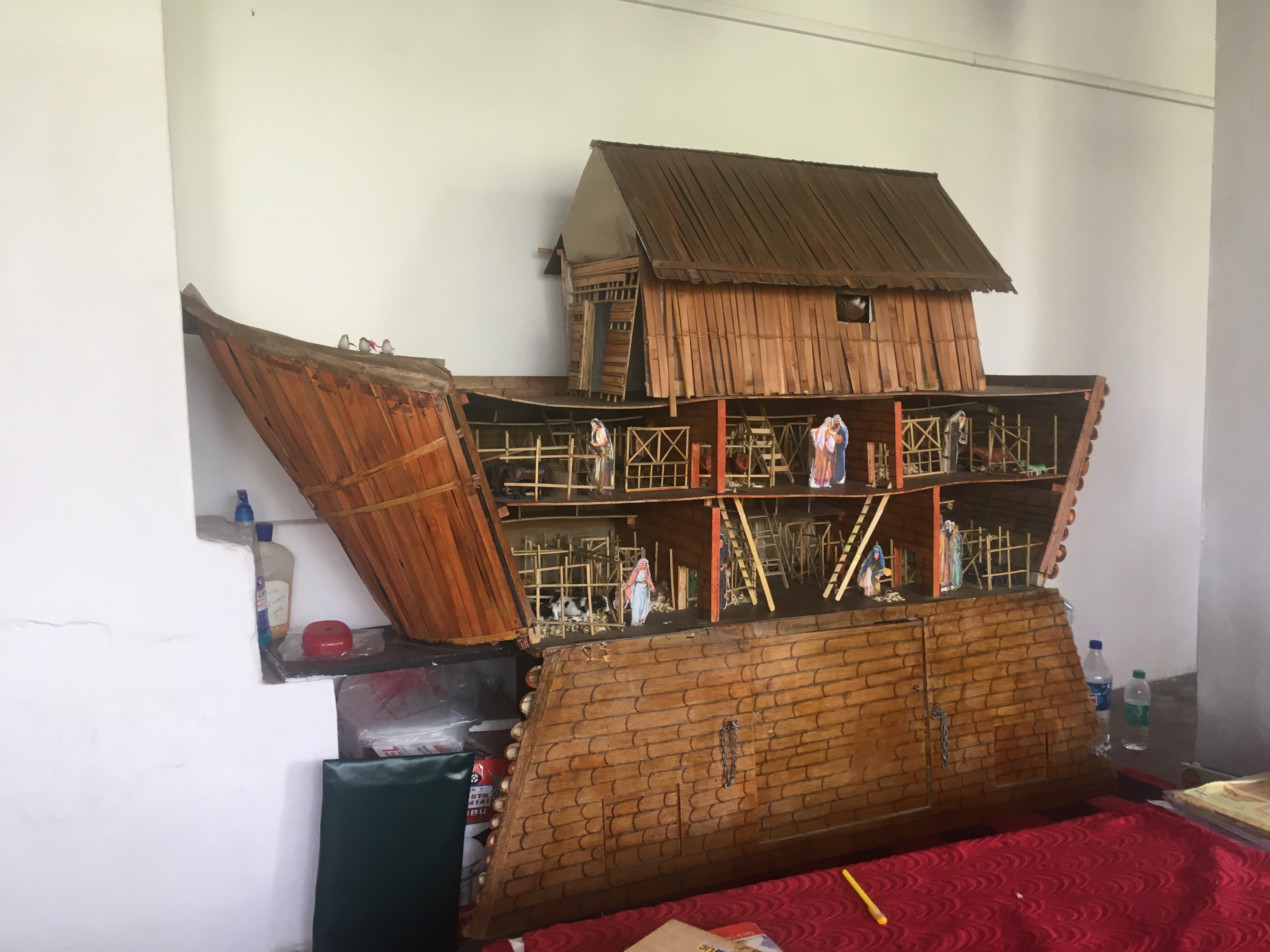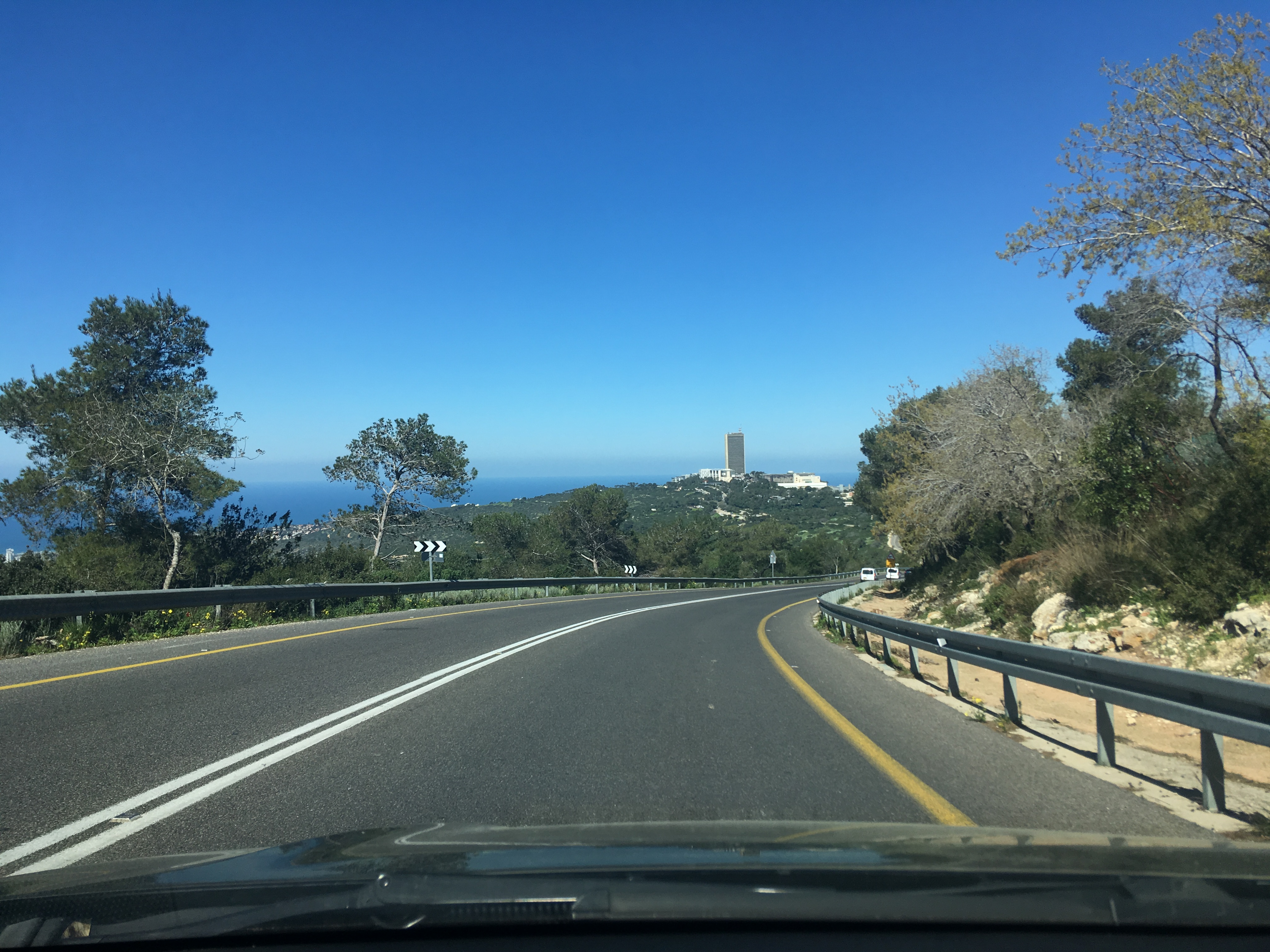
And the journey begins… the Torah portion of Lech Lecha

עשרה נסיונות נתנסה אברהם אבינו עליו השלום ועמד בכולם להודיע כמה חיבתו של אברהם אבינו עליו השלום
“With ten tests our father Abraham was tested” – The rabbis tell us in Pirkei Avot (5:3) – “and he withstood them all–in order to make known how great was our father Abraham’s love [for G-d]”.
The “tests” aim to answer some questions (why did G-d choose Abraham; why does it say ‘all of a sudden’ (in Genesis 22:1) that “G-d tested Abraham”) but leave many more unanswered. There is no agreement on what exactly are the ten tests, not to mention that we struggle to explain why would G-d “test” anyone, let alone Abraham, when, by definition, G-d already knows everything. Either way, although commentators differ on some of the tests, they all agree that the last one was the akeida, the Binding of Isaac.
After the akeida G-d doesn’t speak to Abraham again. Some say that this is because Abraham failed, and G-d doesn’t want anything to do with those who are willing to sacrifice their children; while others says that Abraham passed all the tests with flying colors, and therefore, G-d didn’t need to give him anymore personal instructions, worthy to be recorded in the Torah.
But, maybe there’s a third option.
it seems as if the first time we hear about Arbaham’s life is in the opening verses of this week’s Torah portion, with the famous “Lech Lecha” command and the beginning of Abraham’s journey, but in fact, Abraham is already introduced at the end of last week’s Torah portion, Noah (Genesis 11:26-32).

There we learn that Abraham is a Hebrew, as Joseph, his great-grandson will tell about himself much later, that he came from the “Land of the Hebrews” (Genesis 40:15). It seems like this (the Land of Israel / Canaan) is where the Hebrews lived before. And now, after years in the diaspora as well as a rough antisemitic spell that included throwing people into burning ovens (which is how his brother, Haran, died), the family is thinking about going back to their homeland. On the verge of annihilation, Abraham, then Abram, takes a wife, Sarai, and Nachor takes to a wife her sister, Milkah, both daughters of Haran, possibly to continue the family and / or because there was no one else to marry. At this point it seems that, of Abraham’s family, 1/3 died in the “ovens”; 1/3 stayed abroad, in “Aram-erika”, and 1/3 opted to “make aliya” and continue to the homeland… this might sound eerily familiar to what we’ve seen in the last century, when also, “coincidentally”, Abraham was born in 1948 of the Jewish calendar…

But what is perhaps most noticeable is that after an extensive list of begets, we are told that “Sarai was barren, she had no child” (Genesis 11:30). Is she is barren And has not child, how will the people continue? It’s as if an early hint was dropped: the story of this People is going to be miraculous; it’s going to proclaim the unnatural’s presence in the world, or – that of G-d.

This is perhaps, another reason why G-d only speaks to Abraham after he marries Sarah, and indeed, the last time G-d speaks to Abraham is at the akeida, which coincides with Sarah’s death. Which means, that G-d never speaks to Abraham without Sarah. In my metaphor, Abraham and Sarah can be likened to a radio and antenna. He might be the one doing all the talking, but without the antenna, there is no reception at all.

Abraham and Sarah don’t have an easy life. Theirs is not the peaceful ride into the sunset, with the “they lived happily ever after” caption shmeared across their screen. Once, even G-d Himself had to intervene in their disputes, but what it did have, was an almost constant dialog with G-d, and how to bring His presence into the world. Maybe this is something worth having an argument or two over.

Shabbat Shalom.



Posted in Uncategorized | Leave a comment

Remembering = Love: the Torah portion of Noah

Noah 2019

“Journniversary”:

October 30, 1984. Goodbye hugs at the “old” Ben Gurion airport; a giant backpackers backpack towering over my head; sleeping-bag tied below; winter coat for trekking in Nepal; shorts for the islands of Thailand; malaria pills; cassettes with Israeli songs recorded off the 4 o’clock “best hour” on the radio; a Walkman; notes on the route; a journal.

Dear journal, it will be 8 months before I’m back here again; my stomach is in knots; I packed everything… did I pack everything? Why am I doing this, travel, leave? I love this place; I tour guide and teach teens to love it too… Dear journal, only 8 months to loop around the world and so much to see!! I’m so excited!! Soooo excited!! I can’t wait to get on the plane already and visit all these exotic sites I saw in pictures from the National Geographic! And take a break from this little “bathtub” where everyone knows who I am and what I could / should / would do since before I was born; ok, ok, enough with the teary goodbyes and sticky hugs; one more sandwich for the road… Only 8 months! less than a year!! I’ll be back before you know it….

The Jewish people celebrate their journey anniversary every year with lengthy stories, food, drinks… Mine, of course, was celebrated on a flight. 35 years later, and not a day older… I am back.


NOAH

Which is worse: actions of humans against humans or actions of humans against G-d? This week’s Torah portion allows us a quick comparison: Noah’s generation does excessive evil against each other, while the Tower of Babel story, tells of people’s actions against G-d and of their desire to be “bigger” than Him. At the latter events, G-d semi-smiles. Though saddened by the people’s idea and efforts to eliminate Him from their lives, He is confident enough about Himself and His abilities. In one “poof” He scatters everybody to different corners of the world, to live happily ever after – or not – on their own. But Noah’s generation is a different thing. The most “righteous” person who “walks with G-d” and “finds favor in Hashem’s eyes” can barely save himself and his family, and has no power – or interest – to save anyone else, ending up in a dull destruction of everyone, even the animals and plants who were left outside the ark.

Perhaps the Torah tells us that a world where people have “issues” with G-d, is manageable, but a world where people carelessly harm each other, is not worth keeping.

*******

The word for ark in this story, teiva, appears in the whole Bible only in two contexts; here and in the story of “baby Moses”. In both cases, a teiva is a life saving vessel, floating on the water (not a boat or basket-) and its purpose is survival rather than arrival somewhere. Interestingly, in Hebrew, the word teiva can also be used for “word” or syllable (as in rashei teivot). This would mean that G-d invites Noah to come into the “word”.

Which word is G-d inviting Noah into?

G-d’s name is yod, heh, vav, heh. Yod = 10; Heh = 5; Vav = 6; Heh = 5.

5X10=50

5X6=30

5X6X10 =300

What are these numbers? A fun coincidence: these are the measurements of the ark:

וְזֶ֕ה אֲשֶׁ֥ר תַּֽעֲשֶׂ֖ה אֹתָ֑הּ שְׁלֹ֧שׁ מֵא֣וֹת אַמָּ֗ה אֹ֚רֶךְ הַתֵּבָ֔ה חֲמִשִּׁ֤ים אַמָּה֙ רָחְבָּ֔הּ וּשְׁלֹשִׁ֥ים אַמָּ֖ה קוֹמָתָֽהּ׃

This is how you shall make it: the length of the ark shall be three hundred cubits, its width fifty cubits, and its height thirty cubits.

*******

On Rosh Hashana we say that G-d remembers Noah with love. G-d has a lot of issues with Noah. Noah is far from perfect. He “finds favor”, which means, some of his bad qualities were overlooked. But he was saved. Indeed, remembering someone is – love.

Shabbat Shalom.


Posted in Uncategorized | Leave a comment

Starting all over – the Torah portion of Beresheet

The first Rashi on the Torah is so bizarre, it’s worth bringing it in its own words (with Sefaria’s help):

בראשית IN THE BEGINNING — Rabbi Isaac said: The Torah which is the Law book of Israel should have commenced with the verse (Exodus 12:2) “This month shall be unto you the first of the months” which is the first commandment given to Israel. What is the reason, then, that it commences with the account of the Creation? Because of the thought expressed in the text (Psalms 111:6) “He declared to His people the strength of His works (i.e. He gave an account of the work of Creation), in order that He might give them the heritage of the nations.” For should the peoples of the world say to Israel, “You are robbers, because you took by force the lands of the seven nations of Canaan”, Israel may reply to them, “All the earth belongs to the Holy One, blessed be He; He created it and gave it to whom He pleased. When He willed He gave it to them, and when He willed He took it from them and gave it to us” (Yalkut Shimoni on Torah 187).

Rashi’s question is, if the Torah is a book of laws, it should have started in Exodus 12:2; where the first mitzvah given to the People is mentioned. For what use to us are all the stories before that? His answer is, so that one day, when anyone might show up and wonder why we “took” the Land of Israel, we’ll be able to say something like, you know G-d who created the whole world? He is the One who gave it to us’.

Of course, the answer suffers from an internal logic paradox: why would someone who doesn’t believe in G-d or the Torah ask us this question and accept such an answer, but to me, that’s the least of it. What’s mind-boggling, is that Rashi, who lives in 11th century France, caring for his vineyard and busy writing extensive commentary (without electricity and word-processors…), 1000 years after the Second Temple was destroyed, and just prior to the Crusaders who are about the sweep through Europe in deadly marches, looks at the whole “diaspora-experience” is just a little accident on our history but the real thing, the whole reason for the Torah, and why it begins where it does, is for our connection with the Land of Israel.

*******

A fantastic conversation took place between the House of Shamai and the House of Hillel. Here it is (from Tractate Eruvin 13:b, with Sefaria’s help):

תנו רבנן שתי שנים ומחצה נחלקו בית שמאי ובית הלל. הללו אומרים נוח לו לאדם שלא נברא יותר משנברא, והללו אומרים נוח לו לאדם שנברא יותר משלא נברא. נמנו וגמרו נוח לו לאדם שלא נברא יותר משנברא….

The Sages taught the following baraita: For two and a half years, Beit Shammai and Beit Hillel disagreed. These say: It would have been preferable had man not been created than to have been created. And those said: It is preferable for man to have been created than had he not been created. Ultimately, they were counted and concluded: It would have been preferable had man not been created than to have been created.

What does that mean? And how come Beit Shamai is “wining” this argument? In the Psalms   (133:1), we find the famous song: hine ma tov uma na’im… הנה מה טוב ומה נעים behold, how good and pleasant… because we know things that are good but not pleasant, or pleasant but not good… Likewise, we just finished wishing each other, Shana Tova U’metuka, both a good and sweet year, because sometimes those two don’t come together. Why were humans created? We don’t know! Indeed, as the Mei Shiloach explains, it might have been “more comfortable”, more no’ach, easier or “preferable” in the above translation, if the human being was not created, but possibly not “more good”. That piece is left for us.

Shabbat Shalom.

Posted in Uncategorized | Leave a comment

Sukkot in Israel – ושמחת בחגך

People file into the trail quietly and excitedly as the sun rises over Mount Scopus. It’s the annual Jerusalem “march”, a word that doesn’t quite describe for me tze’ada, which is more of a national walk. A decades’ long tradition, years ago it was a three-day-hike from different routes in the hills around, like the pilgrimage of old. As teens, we’d go with various youth groups, sleep in tents and walk into the city for the finale march, dirty, sweaty, with blistery feet, sunburned face and oh, so proud. For various reasons – the logistics of that ordeal became nightmare’ish and dangerous, and the event shortened to a single day happening. There are still three routes: 12km for the hardcore, 9km for the undecided and 5km for families and those needing wheels. Of course, I have to take the first option, which means starting from Ammunition Hill in northern Jerusalem, now a national memorial site and once a fortified Jordanian military post, a place known for its Six-Day-War bloody battle.

The route goes through Mount Scopus and a newly planted olive grove area, which has become an active nature and agriculture learning center run by the Society for Protection of Nature. People of many ages come there to learn about and care for the trees, pick and prepare its oil. Further down, there’s an archeological sifting site, where scientists and volunteers search for ancient coins and other artifacts; then we come upon Gethsemane church with its urban garden at the foot of Mount of Olives facing the closed Gate of Mercy, and onwards, up the stairs to The City of David with its beautiful Jerusalem Archeological Park and its exhibit of coins and findings from Second Temple Days. The tze’ada is organized so there’s enough time to detour and see the sites along the way while not losing the pace. We are constantly joined by more people, creating that pilgrimage feeling described in Isaiah 2:2:

In the days to come, The Mount of the Lord’s House Shall stand firm above the mountains And tower above the hills; And all the nations Shall gaze on it with joy.

A stream of people flows up, passing by Zion Gate and Mount Zion to Yemin Moshe and into Rehavia, by the home of Reuven Rivlin, Israel’s president, which is open to visitors (waiting in an all too long line…) onward along the trail through “Valley of the Cross” (–), overlooking the Israel Museum and Shrine of the Book, entering Sacher Park, where part one of the “walk” ends with music – singer Nasrin Kadri is warmly welcomed performing a mix of Hebrew and Arabic tunes; there’s are food booths and kids’ activities and bounce-houses and photo ops and more. The scene is somehow all reminiscent of San Francisco’s past Israel in the Gardens: it was created to be a reminder of Israel, and now Israel is a reminder of it…

Part two is a festive march through the city for which groups around the big lawn practice, tambourines at hand, waving flags, singing marching tunes. That’s when it dawns on me that the flags around include not only those of Israeli banks, hospitals and other local organizations, but, those of many nations. When I ask one lady, she tells me she’s part of a group from China, that they pray for us daily and love, love the Jewish people and the holy city of Jerusalem; she thanks me for being an Israeli…. Her husband meanwhile hands little red flags to kids around. When I was a child (and dinosaurs roamed the earth), we used to sing songs about how the whole world is against us; meeting people from china was complicated to say the least, let alone in Israel. And here we’re all chatting together. Then a group from Ivory Coast marches up in orange, white and green, flags in hand, big smiles of their faces, and then, on the other side, a group sporting a big sign, “South Korea” with big and little flags, the ladies behind in traditional dresses and lovely traditional umbrellas; right behind them there is another group with an Australian flag, while at the same time on the lawn in front of us, a news reporter talking to a Dutch couple, looking for a lady from Sweden…

Matching prophecies and history is much safer to do in great retrospect, and yet, when seeing all this, as best I can with the tears in my eyes, it is hard not to think of the words of the prophet Zachariah (chapter 8 and elsewhere):

כֹּ֚ה אָמַ֣ר יְהוָ֔ה שַׁ֚בְתִּי אֶל־צִיּ֔וֹן וְשָׁכַנְתִּ֖י בְּת֣וֹךְ יְרֽוּשָׁלִָ֑ם וְנִקְרְאָ֤ה יְרוּשָׁלִַ֙ם֙ עִ֣יר־הָֽאֱמֶ֔ת וְהַר־יְהוָ֥ה צְבָא֖וֹת הַ֥ר הַקֹּֽדֶשׁ׃ (ס)

Thus said the LORD: I have returned to Zion, and I will dwell in Jerusalem. Jerusalem will be called the City of Faithfulness, and the mount of the LORD of Hosts the Holy Mount.

כֹּ֤ה אָמַר֙ יְהוָ֣ה צְבָא֔וֹת עֹ֤ד יֵֽשְׁבוּ֙ זְקֵנִ֣ים וּזְקֵנ֔וֹת בִּרְחֹב֖וֹת יְרוּשָׁלִָ֑ם וְאִ֧ישׁ מִשְׁעַנְתּ֛וֹ בְּיָד֖וֹ מֵרֹ֥ב יָמִֽים׃

Thus said the LORD of Hosts: There shall yet be old men and women in the squares of Jerusalem, each with staff in hand because of their great age.

וּרְחֹב֤וֹת הָעִיר֙ יִמָּ֣לְא֔וּ יְלָדִ֖ים וִֽילָד֑וֹת מְשַׂחֲקִ֖ים בִּרְחֹֽבֹתֶֽיהָ׃ (ס)

And the squares of the city shall be crowded with boys and girls playing in the squares.

כֹּ֤ה אָמַר֙ יְהוָ֣ה צְבָא֔וֹת כִּ֣י יִפָּלֵ֗א בְּעֵינֵי֙ שְׁאֵרִית֙ הָעָ֣ם הַזֶּ֔ה בַּיָּמִ֖ים הָהֵ֑ם גַּם־בְּעֵינַי֙ יִפָּלֵ֔א נְאֻ֖ם יְהוָ֥ה צְבָאֽוֹת׃ (פ)

Thus said the LORD of Hosts: Though it will seem impossible to the remnant of this people in those days, shall it also be impossible to Me?—declares the LORD of Hosts.

כֹּ֤ה אָמַר֙ יְהוָ֣ה צְבָא֔וֹת הִנְנִ֥י מוֹשִׁ֛יעַ אֶת־עַמִּ֖י מֵאֶ֣רֶץ מִזְרָ֑ח וּמֵאֶ֖רֶץ מְב֥וֹא הַשָּֽׁמֶשׁ׃

Thus said the LORD of Hosts: I will rescue My people from the lands of the east and from the lands of the west,

וְהֵבֵאתִ֣י אֹתָ֔ם וְשָׁכְנ֖וּ בְּת֣וֹךְ יְרוּשָׁלִָ֑ם וְהָיוּ־לִ֣י לְעָ֗ם וַֽאֲנִי֙ אֶהְיֶ֤ה לָהֶם֙ לֵֽאלֹהִ֔ים בֶּאֱמֶ֖ת וּבִצְדָקָֽה׃ (ס)

and I will bring them home to dwell in Jerusalem. They shall be My people, and I will be their God—in truth and sincerity….

כֹּ֥ה אָמַ֖ר יְהוָ֣ה צְבָא֑וֹת עֹ֚ד אֲשֶׁ֣ר יָבֹ֣אוּ עַמִּ֔ים וְיֹשְׁבֵ֖י עָרִ֥ים רַבּֽוֹת׃

Thus said the LORD of Hosts: Peoples and the inhabitants of many cities shall yet come—

וְֽהָלְכ֡וּ יֹשְׁבֵי֩ אַחַ֨ת אֶל־אַחַ֜ת לֵאמֹ֗ר נֵלְכָ֤ה הָלוֹךְ֙ לְחַלּוֹת֙ אֶת־פְּנֵ֣י יְהוָ֔ה וּלְבַקֵּ֖שׁ אֶת־יְהוָ֣ה צְבָא֑וֹת אֵלְכָ֖ה גַּם־אָֽנִי׃

the inhabitants of one shall go to the other and say, “Let us go and entreat the favor of the LORD, let us seek the LORD of Hosts; I will go, too.”

וּבָ֨אוּ עַמִּ֤ים רַבִּים֙ וְגוֹיִ֣ם עֲצוּמִ֔ים לְבַקֵּ֛שׁ אֶת־יְהוָ֥ה צְבָא֖וֹת בִּירוּשָׁלִָ֑ם וּלְחַלּ֖וֹת אֶת־פְּנֵ֥י יְהוָֽה׃ (ס)

The many peoples and the multitude of nations shall come to seek the LORD of Hosts in Jerusalem and to entreat the favor of the LORD.

כֹּ֥ה אָמַר֮ יְהוָ֣ה צְבָאוֹת֒ בַּיָּמִ֣ים הָהֵ֔מָּה אֲשֶׁ֤ר יַחֲזִ֙יקוּ֙ עֲשָׂרָ֣ה אֲנָשִׁ֔ים מִכֹּ֖ל לְשֹׁנ֣וֹת הַגּוֹיִ֑ם וְֽהֶחֱזִ֡יקוּ בִּכְנַף֩ אִ֨ישׁ יְהוּדִ֜י לֵאמֹ֗ר נֵֽלְכָה֙ עִמָּכֶ֔ם כִּ֥י שָׁמַ֖עְנוּ אֱלֹהִ֥ים עִמָּכֶֽם׃ (ס)

Thus said the LORD of Hosts: In those days, ten men from nations of every tongue will take hold—they will take hold of every Jew by a corner of his cloak and say, “Let us go with you, for we have heard that God is with you.”

May this Sukkot be a holiday of joy, peace and happiness to you and yours. Shabbat Shalom.


Posted in Uncategorized | Leave a comment

A Happy Yom Kippur & Joyful Sukkot

Yom Kippur in Haifa of my childhood: some of us in white rushing, all too seriously, to attend “services” in one of the many shuls around, to contemplate, to find meaning, to read ancient prayers which are almost impossible to understand…. But what is really taking place in my neighborhood of old is a huge impromptu street party – no musical instruments or stages, not that far, but a “happening”: kids of different ages, most in white shirts, on bicycles, tricycles, skateboards and roller-blades enjoying the fact that the streets are empty and mostly “car-less”, zip-zapping around freely back and forth; young parents escort their toddler on what seems to be a brand-new bike, still with shiny streamers and clean, spotless training wheels, “especially for Yom Kippur”; mom’s a bit concerned; dad’s encouraging from the back, balancing the mobile gently. When this kid grows up, he can tell his children what Yom Kippur meant for him…

I am mostly in silent awe. I want to walk on and on, all night, as if to touch this wonder. The same scene repeats itself in various intersections, and it is captivating. My “religious” side (totally in “-“) thinks about all the “transgressions”, the list we just read at shul. And at the same time,  I can’t help realize: People are celebrating Yom Kippur with in intense joy. Is there joy to Yom Kippur?? For those of us in shul, beating on our chests with the famous ashamnu, bagadnu… lengthy confession, the question itself seems preposterous: Yom Kippur?? Joy?? No food, no washing, no pleasures… what joy?? And yet, I would argue that Yom Kippur is absolute joy! The idea that G-d almighty, the One who created the world, who has been before everything and will eb here after, that great, awesome One, beyond words, even put anywhere in His grand agenda to forgive little, unknown me; even has me in mind, on this day… on any day… wow! I am not flawless and yet, G-d is ok with it, and let’s me be, rethink who I am, reconsider my path, regret, make amends, make new plans… there are many moments when we debate whether we believe in G-d; turns out, that while we’re busy with that, G-d is trying to let us know, He Believes in us…. In Hebrew, the word for osher, אושר shares its root with ishur,  אישור permission and le’asher, to approve, לאשר, perhaps indicating that feeling we have permission – approval to be who we are is happiness.

Which leads me to think that maybe what we see in the streets of modern Israel is not an objection for the day and its meaning, but a deep, pained cry for balance: not only remorse, guilt and regret blended with sorrowful, heart aching melodies, but joy and happiness, friendship and togetherness.

Walking home from Ne’ila, my footsteps are accompanied by rhythmic banging sounds. Breathing lighter, hammer in hand, people begin to welcome the holiday when we’re commanded to be joyful, as if G-d says, ‘you know what, maybe we didn’t finish discussing everything on this one “dreadful and awe-ful” day; it is a bit much, I know; so why don’t you join me in my summer hut next week for a chill time together? There will be delicious food, beautiful decorations and special guests for us to enjoy together? I hope you will come!’

Will you?

Shabbat Shalom & Chag Sukkot Same’ach


Posted in Uncategorized | 1 Comment

Moses and His Fitbit (2) – the Torah Portion of Vayelech

I love Moshe in the Torah portion of Vayeylech. I loved him last year and love him just the same if not more this year. I think of him daily. At 120 years old, he walks. And not for his own musing, but in order to speak to the People “all these things” (Deuteronomy 31:1). Couldn’t they come to him? Didn’t anyone think, ‘oh, Moshe is getting old, our journey is nearing its end, we should try to hear as much Torah from him as possible, let’s all go to see him and sit at his feet”… Instead, the humblest person we know of, gets up and goes, so that we too will learn to walk; to go talk; to ask, to teach, to bid farewell when the time comes; to not sit around and wait for things to happen, but to get up and make them happen, at least start.
At 120, he also writes the Torah, coincidentally or not, with the same Torah portion he “walks”, possibly to hint at a connection between the constant movement needed – not a speedy run but not a standstill either – but a walk, when it comes to Jewish Law, halacha from the same root as Vayelech.

In the Haifa of my childhood I too, walk. I reacquaint myself with the streets I took my first steps. Some places are still there: the lottery tickets booth hasn’t budged; others have been altered, demolished, rebuilt, added. The little chocolate store turned into a candy boutique. Trees have grown bigger; some have been removed to widen the main street; houses making new neighborhoods popped up where we used to drag broken pieces of wood for campfires and scouts tents; and new tenants have arrived in the form of herds of wild boars in the woods around. I come across old familiar corners and new sites. All essentials are in place, a shul nearby (two) and groceries and post office and even Israeli dancing. But sometimes, suddenly, I see myself sitting in my school uniform on a bench, waiting for a bus with my friends, still chatting and laughing; then I notice she’s someone else…

But mostly I walk – with Moses – looking to learn the Jewish – Israeli – continuum where I can join, find and / or invent what’s next. Like a hidden map, Haifa is not Jerusalem and not Tel Aviv and needs to be discovered as well as invented. The Carmel is a bit sleepy, always was. We have great views, and a gorgeous coastline, good coffee and we love to work; yes, there’s always work in this industrious “red” city; ‘we are a diligent people, sprayed by Yekke (German Jews)-powder of those who came here in the 1930’s and 40’s; we don’t have time for… you wanted to talk to about… what? Learning?? Talmud? Peoplehood? Are you trying to make me religious?? Sorry, can this wait? I’m finally off work and heading to the beach’…

I hold on to Moses and we keep walking; I’m small in his shadow; I’m not worried; we have Torah to share.

Shabbat Shalom & still, Shana Tova & Gmar Chatima Tova.


Posted in Uncategorized | 2 Comments

Teshuva as a Love Story: the Torah portion of Nitzavim & Rosh Hashana

Walking in Haifa of my childhood, less than a mile from where I grew up, sometimes I meet myself coming and going. Yesterday she was sitting at a bus stop, chatting with friends in her school’s uniform, ponytail bouncing as she laughs with them… On the eve of Rosh Hashana 5780 – 2019, Israel’s population nearly tripled from those days when I actually walked the streets and sat on the benches here – or more likely, a low stonewall near my house. I am so glad to finally, be one of these 9 million living here, whoever and however they are counted, and perhaps at no other season is this so poignant than the season of teshuva.

Teshuva has many translations. Simply, it means “answer”, but during these days, it also means “repentance” or “return”. Some say, it comes from “lashevet”, to sit, to feel settled. Do I? What is the meaning of any of this?

In the Torah portion we most often read before Rosh Hashana, that of Nitzavim, we find the instructions for teshuva (Deuteronomy 20:2-10):

וְשַׁבְתָּ֞ עַד־יְהוָ֤ה אֱלֹהֶ֙יךָ֙ וְשָׁמַעְתָּ֣ בְקֹל֔וֹ כְּכֹ֛ל אֲשֶׁר־אָנֹכִ֥י מְצַוְּךָ֖ הַיּ֑וֹם אַתָּ֣ה וּבָנֶ֔יךָ בְּכָל־לְבָבְךָ֖ וּבְכָל־נַפְשֶֽׁךָ׃

and you return to the LORD your God, and you and your children heed His command with all your heart and soul, just as I enjoin upon you this day,

וְשָׁ֨ב יְהוָ֧ה אֱלֹהֶ֛יךָ אֶת־שְׁבוּתְךָ֖ וְרִחֲמֶ֑ךָ וְשָׁ֗ב וְקִבֶּצְךָ֙ מִכָּל־הָ֣עַמִּ֔ים אֲשֶׁ֧ר הֱפִֽיצְךָ֛ יְהוָ֥ה אֱלֹהֶ֖יךָ שָֽׁמָּה׃

then the LORD your God will restore your fortunes and take you back in love. He will bring you together again from all the peoples where the LORD your God has scattered you.

אִם־יִהְיֶ֥ה נִֽדַּחֲךָ֖ בִּקְצֵ֣ה הַשָּׁמָ֑יִם מִשָּׁ֗ם יְקַבֶּצְךָ֙ יְהוָ֣ה אֱלֹהֶ֔יךָ וּמִשָּׁ֖ם יִקָּחֶֽךָ׃

Even if your outcasts are at the ends of the world, from there the LORD your God will gather you, from there He will fetch you…..

וְאַתָּ֣ה תָשׁ֔וּב וְשָׁמַעְתָּ֖ בְּק֣וֹל יְהוָ֑ה וְעָשִׂ֙יתָ֙ אֶת־כָּל־מִצְוֺתָ֔יו אֲשֶׁ֛ר אָנֹכִ֥י מְצַוְּךָ֖ הַיּֽוֹם׃

You, however, will again heed the LORD and obey all His commandments that I enjoin upon you this day.

וְהוֹתִֽירְךָ֩ יְהוָ֨ה אֱלֹהֶ֜יךָ בְּכֹ֣ל ׀ מַעֲשֵׂ֣ה יָדֶ֗ךָ בִּפְרִ֨י בִטְנְךָ֜ וּבִפְרִ֧י בְהֶמְתְּךָ֛ וּבִפְרִ֥י אַדְמָתְךָ֖ לְטוֹבָ֑ה כִּ֣י ׀ יָשׁ֣וּב יְהוָ֗ה לָשׂ֤וּשׂ עָלֶ֙יךָ֙ לְט֔וֹב כַּאֲשֶׁר־שָׂ֖שׂ עַל־אֲבֹתֶֽיךָ׃

And the LORD your God will grant you abounding prosperity in all your undertakings, in the issue of your womb, the offspring of your cattle, and the produce of your soil. For the LORD will again delight in your well-being, as He did in that of your fathers,

כִּ֣י תִשְׁמַ֗ע בְּקוֹל֙ יְהוָ֣ה אֱלֹהֶ֔יךָ לִשְׁמֹ֤ר מִצְוֺתָיו֙ וְחֻקֹּתָ֔יו הַכְּתוּבָ֕ה בְּסֵ֥פֶר הַתּוֹרָ֖ה הַזֶּ֑ה כִּ֤י תָשׁוּב֙ אֶל־יְהוָ֣ה אֱלֹהֶ֔יךָ בְּכָל־לְבָבְךָ֖ וּבְכָל־נַפְשֶֽׁךָ׃

since you will be heeding the LORD your God and keeping His commandments and laws that are recorded in this book of the Teaching—once you return to the LORD your God with all your heart and soul.

The process here is described to have three stages: that of returning to the Land of Israel, because it’s connected to the the in-gathering of the People; the second is returning to the actions that connect and bind us to G-d (those we call “commandments”); and then, that of just “simply” returning to G-d.

The whole idea is bizarre: the fact that this has to do with “return” means I’ve been there once…. Have I? Alternatively, if we are made in G-d’s image, then isn’t G-d already within us? Where shall we go back to? What if we’ve never been “there”??

In Israel the term “chazara bitshuva” loosely translated as “returning on the return / finding an Answer”, has taken on a new face: that of becoming religious after growing up secular, a term which is fraught with emotions and challenges. I remember a friend who grew up with “nothing”, married a religious man and became “religious” herself. She told me how when people ask her if she’s a “chozeret bitshuva”, she says, “no, I have a love story”. This is what I think Rav Kook would say too: teshuva is not only about a place or an action; it’s not about a list of to do’s and ‘ I once didn’t light Shabbat candles and now I do’. Action is important because it conveys who we are, but it’s not everything. Therefore, teshuva rather, is about a soul reaching for and flowing towards – and with – its source; about a deep desire for Oneness and Flow; indeed, about reconnecting with the love story between us and G-d, and centering that in our life.

Shabbat Shalom & Shana Tova Umetuka.

Posted in Uncategorized | Leave a comment

Turning the past into a future: The Torah portion of Ki Tavo

One month in Israel, not even close to scraping the surface of this old-new seashell. There are moments that I’m not sure what I was thinking, and there are moment that I can’t believe I’ve waited so long to be back, not for any particular reason, just because the air feels right, the beach is glorious, especially at sunset when the water is still warmish and the sun softer and you can walk forever, and the cottage-cheese tastes like my childhood.

These Torah portions speak of going and coming, Ki Tetze and Ki Tavo: if you go out – for war… when you come – into the Land… perhaps implying that going out is always a struggle, even in best case scenario, while coming in is a return home.

This week’s parasha opens with the word Vehaya: haya means – was; the vav before, is known as vav hahipuch: it causes verb after to change times, turning it from “it was” into “and it will come to be when”…. This happens elsewhere, for example, shamru means they kept, in the past. When this vav is added, it turns into veshamru, and (they) will keep (the Children of Israel the Shabbat for their generations…). What a concept! That we can play with time! It is possible for us, says the Hebrew grammar, to turn the past into a future.

By contrast, the word yehi means – will be (so will be your will – וכן יהי רצון); vayehi though means “and it came to pass” in the past. Therefore, the sages understood the latter to be a sign of doom – a promise for a brighter future that holds a danger, reversal of hope (see Genesis 41:1: Vayehi miketz… Pharaoh wakes up from a dream after two extra years of Joseph in jail, which starts Joseph’s ascend but ultimately lands the Children of Israel in slavery in Egypt). But here, the word vahaya is a sign of blessing ahead. The ability to turn the past into a future is a sign a joy. This is how the description of coming to the Land of Israel opens. We have an opportunity to reverse the past. This was true in Torah times, and it is even more true, noticeable and easy to grasp – nowadays.

So ok. If the goal is to come to the Land and that’s the future and blessings, then great, let’s make the most of it. Life is not easy, you know; if we can get anything out of this rocky ground, let’s enjoy it. But then, the very first thing one must do is bring the first fruit to the Temple. Ouch! Finally, there is a little fig on my tree, and now I have to give it away?? how could that make sense? If we think we are the absolute owners, then it doesn’t, but if we remember that we are caretaker and work with the Owner then maybe it’s possible.

The next strange thing is that the Torah insists on when we come to priest “today”, we should say, that we’ve come to the Land… but what if someone has been here for seven generations, or even one? This too has to do with a feeling of not taking for granted. Being here should not be a result of historical coincidence – I’m here, so I’m here – but, rather, accompanied by a sense of choice. There is a constant feelings of renewal, excitement, mission, place and role, things to do. I admit, this is not always obvious to me when I wait in line at the bank or some office, again. But then I open my shutters and take a deep breath as I gaze at the view.

Shabbat Shalom.

וְהָיָה֙ כִּֽי־תָב֣וֹא אֶל־הָאָ֔רֶץ אֲשֶׁר֙ ה’ אֱלֹהֶ֔יךָ נֹתֵ֥ן לְךָ֖ נַחֲלָ֑ה וִֽירִשְׁתָּ֖הּ וְיָשַׁ֥בְתָּ בָּֽהּ׃

When you enter the land that the LORD your God is giving you as a heritage, and you possess it and settle in it,

וְלָקַחְתָּ֞ מֵרֵאשִׁ֣ית ׀ כָּל־פְּרִ֣י הָאֲדָמָ֗ה אֲשֶׁ֨ר תָּבִ֧יא מֵֽאַרְצְךָ֛ אֲשֶׁ֨ר ה’ אֱלֹהֶ֛יךָ נֹתֵ֥ן לָ֖ךְ וְשַׂמְתָּ֣ בַטֶּ֑נֶא וְהָֽלַכְתָּ֙ אֶל־הַמָּק֔וֹם אֲשֶׁ֤ר יִבְחַר֙ ה’ אֱלֹהֶ֔יךָ לְשַׁכֵּ֥ן שְׁמ֖וֹ שָֽׁם׃

you shall take some of every first fruit of the soil, which you harvest from the land that the LORD your God is giving you, put it in a basket and go to the place where the LORD your God will choose to establish His name.

וּבָאתָ֙ אֶל־הַכֹּהֵ֔ן אֲשֶׁ֥ר יִהְיֶ֖ה בַּיָּמִ֣ים הָהֵ֑ם וְאָמַרְתָּ֣ אֵלָ֗יו הִגַּ֤דְתִּי הַיּוֹם֙ לַה’ אֱלֹהֶ֔יךָ כִּי־בָ֙אתִי֙ אֶל־הָאָ֔רֶץ אֲשֶׁ֨ר נִשְׁבַּ֧ע ה’ לַאֲבֹתֵ֖ינוּ לָ֥תֶת לָֽנוּ׃

You shall go to the priest in charge at that time and say to him, “I acknowledge this day before the LORD your God that I have entered the land that the LORD swore to our fathers to assign us.”

וְלָקַ֧ח הַכֹּהֵ֛ן הַטֶּ֖נֶא מִיָּדֶ֑ךָ וְהִ֨נִּיח֔וֹ לִפְנֵ֕י מִזְבַּ֖ח ה’ אֱלֹהֶֽיךָ׃

The priest shall take the basket from your hand and set it down in front of the altar of the LORD your God.

וְעָנִ֨יתָ וְאָמַרְתָּ֜ לִפְנֵ֣י ׀ ה’ אֱלֹהֶ֗יךָ אֲרַמִּי֙ אֹבֵ֣ד אָבִ֔י וַיֵּ֣רֶד מִצְרַ֔יְמָה וַיָּ֥גָר שָׁ֖ם בִּמְתֵ֣י מְעָ֑ט וַֽיְהִי־שָׁ֕ם לְג֥וֹי גָּד֖וֹל עָצ֥וּם וָרָֽב׃

You shall then recite as follows before the LORD your God: “My father was a fugitive Aramean. He went down to Egypt with meager numbers and sojourned there; but there he became a great and very populous nation.

וַיָּרֵ֧עוּ אֹתָ֛נוּ הַמִּצְרִ֖ים וַיְעַנּ֑וּנוּ וַיִּתְּנ֥וּ עָלֵ֖ינוּ עֲבֹדָ֥ה קָשָֽׁה׃

The Egyptians dealt harshly with us and oppressed us; they imposed heavy labor upon us.

וַנִּצְעַ֕ק אֶל־ה’ אֱלֹהֵ֣י אֲבֹתֵ֑ינוּ וַיִּשְׁמַ֤ע ה’ אֶת־קֹלֵ֔נוּ וַיַּ֧רְא אֶת־עָנְיֵ֛נוּ וְאֶת־עֲמָלֵ֖נוּ וְאֶת־לַחֲצֵֽנוּ׃

We cried to the LORD, the God of our fathers, and the LORD heard our plea and saw our plight, our misery, and our oppression.

וַיּוֹצִאֵ֤נוּ ה’ מִמִּצְרַ֔יִם בְּיָ֤ד חֲזָקָה֙ וּבִזְרֹ֣עַ נְטוּיָ֔ה וּבְמֹרָ֖א גָּדֹ֑ל וּבְאֹת֖וֹת וּבְמֹפְתִֽים׃

The LORD freed us from Egypt by a mighty hand, by an outstretched arm and awesome power, and by signs and portents.

וַיְבִאֵ֖נוּ אֶל־הַמָּק֣וֹם הַזֶּ֑ה וַיִּתֶּן־לָ֙נוּ֙ אֶת־הָאָ֣רֶץ הַזֹּ֔את אֶ֛רֶץ זָבַ֥ת חָלָ֖ב וּדְבָֽשׁ׃

He brought us to this place and gave us this land, a land flowing with milk and honey.

וְעַתָּ֗ה הִנֵּ֤ה הֵבֵ֙אתִי֙ אֶת־רֵאשִׁית֙ פְּרִ֣י הָאֲדָמָ֔ה אֲשֶׁר־נָתַ֥תָּה לִּ֖י ה’ וְהִנַּחְתּ֗וֹ לִפְנֵי֙ ה’ אֱלֹהֶ֔יךָ וְהִֽשְׁתַּחֲוִ֔יתָ לִפְנֵ֖י ה’ אֱלֹהֶֽיךָ׃

Wherefore I now bring the first fruits of the soil which You, O LORD, have given me.” You shall leave it before the LORD your God and bow low before the LORD your God.

וְשָׂמַחְתָּ֣ בְכָל־הַטּ֗וֹב אֲשֶׁ֧ר נָֽתַן־לְךָ֛ ה’ אֱלֹהֶ֖יךָ וּלְבֵיתֶ֑ךָ אַתָּה֙ וְהַלֵּוִ֔י וְהַגֵּ֖ר אֲשֶׁ֥ר בְּקִרְבֶּֽךָ׃ (ס)

And you shall enjoy, together with the Levite and the stranger in your midst, all the bounty that the LORD your God has bestowed upon you and your household.

Posted in Uncategorized | Leave a comment

While out walking… and the Torah portion of Shoftim

Evening walk on this Haifa street: red-roofed, multi-family homes on left, woodsy forest of pines and oaks on the right, and a movement in the thicket. A person? Too wide. A cat or dog? Too big. But there is movement. And eyes. And a furry back. What can it be? A wild boar meandering along, casually looking for food, totally oblivious to the people around (me!), then heading back and disappearing among the trees. What to do when we run into strange and unusual things?? The Torah portion of Shoftim introduces us to one such case.

Here is the short:

If you chance upon a dead body in the field and you don’t know what happened and who killed the person, the elders and judges of the area, should measure from that body to the nearest city, so the elders of that city can atone for the dead with a certain “ritual”. The ritual includes taking a heifer and breaking its neck in the gushing river nearby, washing hands in the blood and water, and thus “doing right in the eyes of G-d”. It’s hard to read this and not just go, what???
Luckily, the great commentators and sages throughout the centuries have been likewise baffled by this and left us their thoughts. Abravanel (1437-1508) asked the same question, wondering how can the blood of a beheaded heifer atone for the iniquity and blood of the slain man? And furthermore: if ‘no one knew’ and ‘no one did it’, why is anyone required to do anything at all???
Let’s try and picture the scene:

I’m taking my evening walk, and instead of spotting the wild boar in Haifa, I, g-d forbid, chance upon a body in the middle of nowhere. What would / could / should I do? Probably first, scream; or maybe, be horrified and speechless; maybe look right and left for help, but we’re nowhere and there is no one… I can hear my mind going, ‘the guy is dead, there’s nothing to help him with, and you can get in trouble! Will I slowly back up and pretend I didn’t see it, and this didn’t happen?? If I try to get help, what if I get blamed? What if they don’t believe me?? And it’s so far from anywhere, and I have things to do!! Let someone else find him and deal with it!!
I know it’s tempting to think we would just “naturally” “know” to do the “right thing”, but most often, there is a reason why we were given laws. It’s that we davka don’t automatically do the “right thing”. It takes work.
So, suppose I collected my breath, made it to the nearby city, and told someone about the whole thing. And suppose they even believe me, they can still say, hey, thank you so much, but that’s really the next city’s jurisdiction…. But according to the Torah, they now have to assemble “my elders and my judges” – not just anyone but sages who have gained the community’s trust – who need to go out and measure. We don’t have google earth and can’t do this from home. We have to walk the distances to the nearby cities. What a strange procession we must be! Surely, we attract others’ attention. This now means, more people are involved from all the towns around. In pre e-days, this is our way of telling everyone of what happened: Hey listen, something serious; someone was killed nearby to us!!
People are starting to talk: Who is that someone? Do we recognize him? Do we know him? Is he from around here? Did he have enemies? Did anyone see him?? If yes, what’s going on among us?? If no, how come he was near our towns and we did not know? Did he need hospitality and we didn’t provide it? Food? Shelter? Someone to talk with?? No doubt, there is an investigation. We must uncover what happened, we must find the murder; we must because if not, we know what’s next.
We need a heifer. Do you have one?? Not anyone; we need a heifer “which has not been worked with and which hath not drawn in the yoke”. Do you have that one?? And if you do, if you do have that little, cute, young, heifer that “has not been worked with”, that you so need, because, after all, we live in a place where heifers are extremely valuable, are you sure you want to give it to us, to be beheaded for this ritual??
I think not. I think you- or me, if I had that heifer- would do everything possible to avoid this. This is perhaps expressed in the verse which the elders say at the end, “our hands have not shed this blood…”. Asks the Talmud, why do they need to even say this? Would we think that the elders have actually shed this man’s blood?? But rather, they publicly acknowledge that they have done all they can, not just for this one person, but that they were loving, kind, hospitable; they exemplified responsibility to their fellow town-people and travelers alike; and they taught others to do so as well. Can they say that? Have they (we) really done all they can?? Do we??
I’d like to think that the ordeal of “egla arufa” (Deuteronomy 21:1-9) happened very rarely if ever, because the conditions for it, are so numerous and complicated, but its lessons are what matters. The whole Torah portion is about creating order and justice in society from the gates and inward. And yet, there is not enough police force in the world to assure “nothing” will ever happen. The main thing goes back to us. Let’s not wait to worry about finding the “right” heifer and solving obscure murder cases. We should think about doing things well before, for the strangers among us and those dear and near; value and care for those around us so we avoid getting into a situation from which it’s hard to get out.

Shabbat Shalom.

Posted in Uncategorized | Leave a comment

To Hear and To See – Ekev-Re’e

The tension between hearing, listening and seeing, looking are emphasized in the Book of Deuteronomy, especially in this week and last week’s reading. First, “our manta”: Shma! שמע Listen! Then, this week  – Re’e! ראה. Listening is considered more internal; see – more external. We might think the Torah should be only about the “internal”, so spiritual, it would reject the material, outside world, and are proven wrong. Both are critical, like a driver of a car – he can’t do anything without the car, and the car can’t go anywhere without him.

The Or HaChayim (18th century – Morocco – Israel) suggests that in order to know how many blessings are in store for us in the Hereafter, we have to have a deep appreciation and success in this world: “If the person preaching the values of the Hereafter were not himself blessed with success in this life, his listeners would not believe him thinking that he consoles himself with something in the future because he had been unable to attain it in the here and now”… While we know that others might say, that the way to know the world to come is by avoiding this world, this is not the Jewish path. Whatever Hashem gave us that we can legally, by Torah law, enjoy, we can and we should.

Both – Shma & Re’e – שמע – ראה – are said in the singular form of the verb, which means they are spoke to everybody as one. Re’e is followed with a plural: “See, I set before you today the blessing and the curse..” (Deuteronomy 11:26). The word for “before you” is לפניכם lifneichem in the plural, before all of you, or – before each and every one of you, maybe to indicate that everyone has a different path where we can find blessing as well as curse.

*******

The next verse opens with the word את הברכה “et habracha” (Deuteronomy 11:27). This את “et” is a seemingly useless, untranslatable Hebrew construct. The word appears before a specific direct object. Rabbi Yaakov Ben Asher, known as “Ba’al Haturim” (1269-, Germany – 1343, Spain) explains that because את “et” is made from א- ת alef & tav, the first and last letters of the alphabet, so will be the blessing, all inclusive. This parallels the description of the blessings in Leviticus 3:3-13, which begin with an Alef אם בחוקותי תלכו and end with a Tav – קוממיות.

On the other hand, the curse is introduced with the letters הא – וו – Vav & Heh – vehaklala (Deuteronomy 11:28). They parallel the curses in Leviticus (26:14-46) which (coincidentally 🙂 also begin with a וו – Vav and end with a הא – Heh. Vav & Heh are right next to each other, as if to let us know, Hashem would much rather shower us with goodness than subject us to bad; the “curse” is short and the goodness is so much greater, and goes on forever…

That this makes sense to us now, well, ok, maybe sort of. But how did someone write this hundreds of years ago, in times of pogroms, exiles, and already more than 1000 years after the Temple was destroyed with no end in sight? How did anyone believe it hundreds of years later and miles away (as this is brought by Rabbi Hayim David Azulay (the Hida, Jerusalem, 1784-1804)? Maybe it’s not only about “choosing good” but more that, choosing to see good.

Shabbat Shalom & Chodesh Elul Tov from Haifa, Israel.

Posted in Uncategorized | 1 Comment