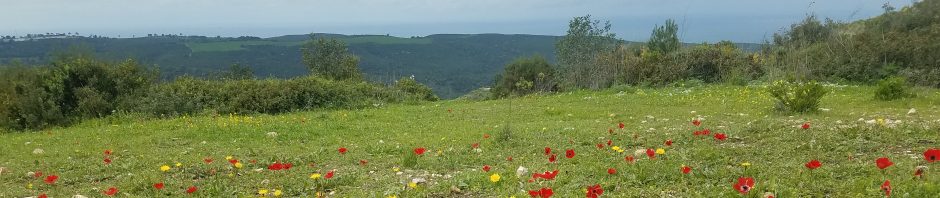
….בראשית – שוב להתחיל מהתחלה
| The first Torah portion in the Book of Genesis a wonderful and profoundly deep section. True, this is the case with all the Torah portions, and yet… it begins, as it were, a little naive: The Almighty God creates, with great precision, a perfect world, with a paradise and a man and a woman and a serpent… how tempting it is to read it as if it were a children’s story, and to think we understood… but a second, third look, and even after thousands of years, reveals a bit, hides more, dancing with us between darkness and light. | פרשת בראשית היא פרשה מופלאה ועמוקה. נכון, שכך הוא הדבר לגבי כל פרשות התורה, ובכל זאת… זה מתחיל כביכול קצת נאיבי: אלוהים הכל-יכול בורא, בקפדנות רבה, עולם מושלם, עם גן עדן ואדם ואשה ונחש… כמה מפתה לקרוא את זה כאילו זה סיפור ילדים, ולחשוב שהבנו… אך מבט שני, שלישי, וגם אחרי אלפי שנה, מגלה טפח, מסתיר שניים, רוקד איתנו בין חושך לאור. | |
| Already the first verse, often translated as “in the beginning, Gd created the heavens and the earth”, should knock us off balance. Unfortunately, most of us learned it already in 1st or 2nd grade, so it sounds “normal” to us. But literally the verse would be: “in A beginning, creates gods the heavens and the earth”… And we forgot to ask, how is it that G-d, the “one, unique and special”, has a name in the plural? How is it that about this Being that is described in the plural, the text says, “creates” in the singular? And what is the strange order of the words in the first verse? And really, what’s this word, “Beresheet”, In a beginning of….) anyway? In Hebrew it’s a word in proximity, and here… it’s in proximity to… ? ‘in the beginning of… the creation’? But it says “bara” as in “creates”, so… ‘in a beginning creates’…. what’s going on here? | כבר הפסוק הראשון, בְּרֵאשִׁ֖ית בָּרָ֣א אֱלֹהִ֑ים אֵ֥ת הַשָּׁמַ֖יִם וְאֵ֥ת הָאָֽרֶץ, צריך להוציא אותנו משיווי המשקל. לצערנו, רובנו למדנו אותו כבר בכיתה א’ או ב’, ולכן הוא נשמע לנו “נורמלי”. שכחנו לשאול, איך זה שלקב”ה, ה”אחד, יחיד ומיוחד”, קוראים “אלוהים” בלשון רבים? איך זה שעל הישות הזו שמתוארת בלשון רבים, כתוב “ברא” ביחיד? ומהו הסדר המוזר של המילים בפסוק הראשון? והאמת, מה זה בכלל “בראשית”? בעברית “תקנית”, זו מילה בסמיכות, וכאן… בסמיכות ל…? בראשית של… הבריאה? אבל כתוב “ברא” אז… מה קורה כאן? | |
| But even before the attempts to explain the words in the verse, Rashi raises the question, why even start the Torah from “Beresheet”? If the Torah is a book of laws for the Jews, then we need to start from the first mitzvah we received as a people, establishing an orderly calendar: “This month is for you the head of all months”… (Exodus 12:1-2)! And in his words: | אבל עוד לפני הנסיונות להסביר את המילים בפסוק, רש”י מעלה את השאלה, למה בכלל להתחיל את התורה מ”בראשית”? אם התורה היא ספר חוקים של היהודים, אז צריך שנתחיל מהמצווה הראשונה שקבלנו כעם, קביעת לוח שנה מסודר: “הַחֹ֧דֶשׁ הַזֶּ֛ה לָכֶ֖ם רֹ֣אשׁ חֳדָשִׁ֑ים” (שמות יב, א-ב)! ובלשונו: | |
| Rabbi Yitzchak said that The Torah should not have begun anywhere, but with ‘this month is for you’ which is the first mitzvah in which Israel was commanded, and what is the meaning of the opening in ‘In the beginning’? Because of the power of His deeds, He told His people to give them the inheritance from among the Peoples (Psalms 11), for if the nations of the world say to Israel that they are deceiving you, that you conquered the lands of seven nations, They (Israel) say to them: All the earth belongs to the Holy One, He created it and gave it to those who were he thought should have it, at His will He gave it to them, and at His will He took it from them, and gave it to us: | אָמַר רַבִּי יִצְחָק לֹֹֹֹֹא הָיָה צָרִיךְ לְהַתְחִיל אֶת הַתּוֹרָה אֶלָּא מֵהַחֹדֶשׁ הַזֶּה לָכֶם, שֶׁהִיא מִצְוָה רִאשׁוֹנָה שֶׁנִּצְטַוּוּ בָּהּ יִשׂרָאֵל, וּמַה טַּעַם פָּתַח בִּבְרֵאשִׁית? מִשׁוּם כֹּחַ מַעֲשָׂיו הִגִּיד לְעַמּוֹ לָתֵת לָהֶם נַחֲלַת גּוֹיִם (תהילים קי”א), שֶׁאִם יֹאמְרוּ אֻמּוֹת הָעוֹלָם לְיִשְׁרָאֵל לִסְטִים אַתֶּם, שֶׁכְּבַשְׁתֶּם אַרְצוֹת שִׁבְעָה גוֹיִם, הֵם אוֹמְרִים לָהֶם: כָּל הָאָרֶץ שֶׁל הַקָּבָּ”ה הִיא, הוּא בְרָאָהּ וּנְתָנָהּ לַאֲשֶׁר יָשַׁר בְּעֵינָיו, בִּרְצוֹנוֹ נְתָנָהּ לָהֶם, וּבִרְצוֹנוֹ נְטָלָהּ מֵהֶם וּנְתָנָהּ לָנוּ: | |
| Rashi’s answer is that the Torah begins where it begins, so that one day, when someone shows up, wondering, why we “took” the Land of Israel, we can say to him, ‘G-d is the one who created the whole world, therefore He decides who gets each inheritance, And He is the one who gave us this place.’ Of course, there is a paradox in the answer: Why would someone who does not believe in Gd or the Torah, ask us this question, and accept such an answer, but, in my opinion, that’s the least of it. | התשובה של רש”י היא שהתורה מתחילה במקום בו היא מתחילה, כדי שיום אחד, כשמישהו יופיע ויתהה למה “לקחנו” את ארץ ישראל, נוכל לומר לו, ‘הקב”ה הוא שברא את כל העולם, לכן הוא מחליט מי מקבל כל נחלה, והוא זה שנתן לנו את המקום הזה’. כמובן שיש בתשובה פרדוקס: למה שמישהו שלא מאמין באלוקים או בתורה, ישאל אותנו את השאלה הזו, ויקבל תשובה כזו, אבל, בעיני, זה, עוד מילא. | |
| What fascinates me in Rashi’s answer is that here’s a man living in France in the 11th century, busy with his vineyard, and writing an extensive commentary on the Torah and Talmud (without electricity and word processors…); it’s 1000 years after the destruction of the Second Temple, after the People have been dispersed to all ends of the world, living not in the best conditions, and just when the crusaders are about to begin sweeping over Europe with murderous and deadly marches, without any renewed Zionist movement in sight, and he looks at the whole “diaspora experience” as if it were just a small accident in our history, and the real thing, the whole reason for the entire Torah, and why it starts where it starts, it is for our connection with the Land of Israel, a connection that we live its depth, its beauty and its pain, every moment, especially these days… It would have made so much sense for him to “grow-up” already and “leave this nonsense” a long time ago, but, even then, even there, he didn’t. | מה שמרתק אותי בתשובתו של רש”י, זה שאדם שחי בצרפת של המאה ה-11, עסוק בכרם הענבים שלו, וכתיבת פרשנות נרחבת לתורה ולתלמוד (בלי חשמל ומעבדי תמלילים…), 1000 שנה אחרי חורבן בית המקדש השני, אחרי שהעם פוזר לכל קצוות תבל, חי בתנאים לא משהו, ובדיוק כשהצלבנים מתחילים לשטוף את אירופה בצעדות רצחניות וקטלניות בלי תנועה ציונית מתחדשת באופק, הוא מסתכל על כל “חווית הגולה” כאילו זו רק תאונה קטנה בהיסטוריה שלנו, והדבר האמיתי, כל הסיבה לתורה כולה, ולמה היא מתחילה היכן שהיא מתחילה, היא לחיבור שלנו עם ארץ ישראל, חיבור שאנחנו חיים את עומקו, יופיו ואת כאבו, כל רגע, במיוחד בימים אלו… כל כך היה הגיוני שהוא מזמן כבר “יתבגר” ו”יעזוב את השטויות”, אבל, גם אז, גם שם, ואולי – דוקא אז, דוקא שם – הוא לא. | |
| And another question that follows might be, what this thing with a “beginning”? with “Genesis”? Suppose we accept the idea that the world was not always and there was a starting point, ok, but why again? And further, how can one even start, again? Where does the strength come from, to return, again and again, to arrive in the unbearable darkness, to find a terrible chaos, and in the terrible chaos to feel a slight “spirt of Gd hovering over the surface of the water”… How is it possible, to roll up one’s sleeves, move the water, make room for the earth, again – plant flowers, bushes, trees, wait for the fruit… to light the lights in the sky so we’ll be able to mark the times, raise animals, give birth to people, celebrate life…. And maybe this is the greatness of the Book of Genesis, this stubbornness, not to give up. To look the terrible chaotic reality in the eyes, to repeatedly say, over and over again, even when we have no idea how, there will indeed be paradise here again. Shabbat Shalom & B’sorot Tovot | ועוד שאלה שעולה בהמשך היא, מה זה הענין הזה של “התחלה”, של “בראשית”? נניח שקבלנו את הרעיון שהעולם לא תמיד היה והיתה התחלה אחת, אוקי, אבל למה שוב? ואולי – איך בכלל אפשר להתחיל, שוב? מנין הכוחות, לחזור, שוב ושוב, להגיע בחושך הכבד מנשוא, למצוא תוהו-ובוהו נוראי, ובתוך הכאוס הנורא לחוש איזה משב קל של “רוח אלוהים מרחפת על פני המים”… איך אפשר, להפשיל שרוולים, להזיז את המים, לעשות מקום לאדמה, שוב לטעת פרחים, שיחים, עצים, לחכות לפרי… להדליק את המאורות בשמים כדי לחזור ולציין את הזמנים, לגדל בעלי חיים, ללדת אנשים, לחגוג את החיים…. ואולי זו גדולתו של ספר בראשית, העקשנות הזו, לא לוותר. להביט למציאות עם התוהו-ובוהו הנורא בעיניים, לחזור ולהגיד, שוב ושוב, גם כשלא ברור איך, כאן עוד ישוב ויהיה גן עדן. שבת שלום ובשורות טובות |



 Torah & more... תורה ועוד
Thank you Michal. So beautiful and insightful. Thinking of you.
B’shalom,
Claudia
<
div dir=”ltr”>
<
blockquote type=”cite”>
Shalom Shalom Michal Madam