תורה ותיירות עם משה ואליהו לכבוד פרשת (והפטרת ) כי תישא
| As if there aren’t enough topic to discuss in the Torah portion of Ki Tisa… It opens with additional Mishkan matters, the contribution of half the shekel, the preparation of the sink, the anointing oil and the incense. Gd instructs Moses to appoint Bezalel and Oholi’av as the main craftsmen in the construction of the Tabernacle. We receive another notice about keeping Shabbat, and then, the sin of the Golden Calf, what and how it happened, and what were its consequences. | כאילו שאין מספיק נושאים לדבר עליהם בפרשת “כי תישא”… הפרשת מתחילה בענייני משכן נוספים, תרומת מחצית השקל, הכנת הכיור, שמן המשחה והקטורת. הקב”ה מורה למשה למנות את בצלאל ואהליאב לבעלי המלאכה הראשיים בבניית המשכן. אנחנו מקבלים אזהרה נוספת על שמירת השבת, ולאחר מכן, חטא העגל, מה ואיך קרה, ומה היו השלכותיו. |
| And yet… the Haftara. In most non-leap years, we read a different haftara with this week’s Torah portion of Ki Tisa (in honor of one of the special Shabbtot before Pesach). This year, which is a leap year, we are honored to read the usual haftara of Ki Tisha, the story of Elijah the prophet that takes place not far from here, on Mount Carmel (1 Kings, chapter 18). | ובכל זאת… ההפטרה. ברוב השנים שאינן מעוברות, אנחנו קוראים הפטרה אחרת עם פרשת כי תישא (לכבוד פרשת פרה). השנה, שהיא שנה מעוברת, אנחנו זוכים לקרוא בהפטרה הרגילה של פרשת כי תישא, את סיפורו של אליהו הנביא המתרחש לא רחוק מכאן, בהר הכרמל (מלכים א, פרק יח). |
| Let’s take a step back: What is the haftara (some would say, haftorah)? The haftarah is a section from the Prophets which is customarily read in the synagogue on Shabbats and holidays after the reading of the Torah. There was a dispute regarding the period in which we started reading it as well as the reason. Did it start with the completion of the Books of the Prophets? The time of Ezra and Nehemiah? Perhaps as a replacement at a time when there were decrees that forbade the reading of the Torah, or perhaps to fight against whose who saw only the Five Books of the Torah as holy scriptures? Already in the Talmud some of the haftaroth (pl.) are detailed, but most of them were organized later, and there are often different customs between the Jews of Ashkenazi, Sefardi, Yemen and other communities as to which haftarah exactly to read. But this Shabbat, Moses. At Mount Sinai. At the Golden Calf event. And alongside him – Elijah. On Mount Carmel. With the altar and the bull. | ניקח צעד אחורה: מה זו הפטרה? ההפטרה היא קטע מספרי הנביאים שנהוג לקרוא בבית הכנסת בשבתות ומועדים לאחר סיום קריאת התורה. קימת מחלוקת בקשר לתקופה בה התחילו לקרוא הפטרות וגם בקשר לסיבה. האם זה התחיל עם חתימת ספרי הנביאים? אולי עזרא ונחמיה? אולי כתחליף בזמן שהיו גזרות שאסרו על קריאת התורה, או שמא כדי להלחם בזרמים שראו רק את חמשת חומשי התורה ככתבי קודש? כבר בתלמוד קיים פירוט של חלק מההפטרות אך רובן התגבשו בהמשך, כשלא פעם ישנם מנהגים שונים בין יהודי אשכנז, ספרד, תימן ועדות אחרות איזה הפטרה בדיוק לקרוא. אבל בשבת זו, משה. בהר סיני. במעמד העגל. ומולו, איתו – אליהו. בהר כרמל. המזבח והפר. |
| According to what is told in the Bible, the prophet Elijah organizes a religious-ritual conflict between himself and the 450 prophets of Ba’al here, on Mount Carmel, which was then in the possession of the tribe of Manashe in the Kingdom of Israel. The background – the policy of the Kingdom of Israel to support the worship of Ba’al, which was considered idolatrous and forbidden in the Torah. Elijah opens the conflict with a proposal that the decision be with the side whose Gd brings down fire from heaven. The proposal was accepted, and it was decided that each side would use its own altar and its own bull to prove their god’s truthfulness. The Ba’al prophet began, tried and called out, but “there is no voice and no response and no attention” (Kings 1:18, 29) . | לפי המסופר בתנ”כ, אליהו הנביא מארגן עימות דתי-פולחני בינו ובין 450 נביאי הבעל כאן, בהר הכרמל, שהיה אז בנחלת שבט מנשה בממלכת ישראל. הרקע – מדיניות ממלכת ישראל לתמוך בפולחן הבעל שנחשב עבודה זרה ונאסר בתורה. אליהו פותח את העימות בהצעה שההכרעה תהיה עם הצד שאלוהיו יוריד אש מהשמים. השיטה התקבלה, והוחלט שכל צד ישתמש במזבח שלו ובפר משלו כדי להוכיח את אמיתות אלוהיו. נביא הבעל התחילו, ניסו וקראו, אך “אֵין קוֹל וְאֵין עֹנֶה וְאֵין קָשֶׁב” (מלכים א, יח, כט). |
| When it was Elijah’s turn, he prepared an altar with twelve stones as the number of the tribes of the sons of Jacob (even though at that time the kingdoms had already split into Israel and Judea), and he added and built a channel of water around it, so that it would be clear that what was going to happen here was a divine act and not a coincidence. Gd answered Elijah’s prayer and sent down fire from heaven that burned the bull on the altar, the wood, the altar and the water of the trench. According to the Bible, after the confrontation ended with Elijah’s victory, the people bowed down and declared “Hashem is Gd” (Kings 1:18, 10), the same statement with which we end Yom Kippur prayers to this very day. | כשהגיע תורו של אליהו, הוא הכין מזבח עם שתים-עשרה אבנים כמספר שבטי בני יעקב (למרות שבזמנו הממלכות כבר התפצלו לישראל ויהודה), והוסיף ובנה סביבו תעלה עליה יצק מים, כדי שיהיה ברור שמה שהולך לקרות כאן הוא מעשה אלוהי ולא מקריות. ה’ נענה לתפילת אליהו, והוריד אש מהשמים ששרפה את הפר שעל המזבח, עצי המזבח, המזבח ומי התעלה. לפי המקרא, לאחר שהעימות הסתיים בניצחונו של אליהו, העם השתחווה והצהיר “ה’ הוא האלוהים” (מלכים א, יח, לט), אותה קריאה איתה אנחנו מסיימים עד היום את תפילת יום כיפור. |
| The Sages noted the clear resemblance between Moses and Elijah (Psikta Rabati, section 4): … “You find two prophets for Israel from the tribe of Levi: Moses, first and Elijah, last … and you find that Moses and Elijah share everything. Moses is a prophet and Elijah is a prophet. Moses was called a man of Gd and Elijah was called a man of Gd…Moses assembled Israel to Mount Sinai and Elijah assembled them to Mount Carmel. Moses got rid of isolators… and Elijah got rid of isolators and caught the prophets of Ba’al and slaughtered them. | חז”ל ראו את הדמיון הברור בין משה ואליהו (פסיקתא רבתי פיסקא ד): … “אתה מוצא שתי נביאים עמדו להם לישראל משבטו של לוי: משה ראשון ואליהו אחרון … ואתה מוצא שמשה ואליהו שוין זה לזה בכל דבר. משה נביא ואליהו נביא. משה נקרא איש האלהים ואליהו נקרא איש האלהים … משה כינס את ישראל להר סיני ואליהו כינסם להר הכרמל. משה ביער עובדי עבודה זרה… ואליהו ביער עבודה זרה ותפש נביאי הבעל ושחטם. |
| Moses was zealous (when he said) “who is to Hashem, join me” (Exodus 32,26) and Elijah was zealous “And Elijah said to all the people, please approach me” (Kings 1:18,30)… Moses, when he pray for Israel, takeheld on to the forefathers’ merit: “Remember Abraham and Isaac and Israel your servants” (Exodus 32:13) and so did Elijah: “The Lord is the Gd of Abraham, Isaac, and Israel” (1 Kings 18:36). Because of Moses, Israel received the Holy One’s love, saying “all that Gd spoe we will do and we will listen” (Exodus 24:7) and because of Elijah they received the Holy One’s love as it is said, “Hashem is Gd” (1 Kings 18:39)… Moses brought down the fire and Elijah brought down the fire. When Moses brought down the fire, all of Israel stood and saw it “and all the people saw it and were joyful” (Leviticus 9:24) and Elijah – “and all the people saw it and fell on their faces” (Kings 1:18,39). | משה קנאי (כשאמר) “מי לה’ אלי” (שמות לב, כו) ואליהו קנאי “ויאמר אליהו לכל העם גשו נא אלי” (מלכים א, יח, ל) … משה, כשנתפלל על ישראל תפש זכות אבות: “זכור לאברהם ליצחק ולישראל עבדיך” (שמות לב,יג) וכן אליהו: “ה’ אלהי אברהם יצחק וישראל” (מלכים א, יח,לו). משה קיבלו ישראל על ידו אהבתו של מקום “כל אשר דבר ה’ נעשה ונשמע” (שמות כד,ז) ואליהו קבלו על ידו אהבתו של מקום שנאמר “ה’ הוא האלהים” (מלכים א, יח, לט)… משה הוריד את האש ואליהו הוריד את האש. משה כשהוריד את האש היו כל ישראל עומדים ורואין אותה “וירא כל העם וירונו” (ויקרא ט,כד) ואליהו “וירא כל העם ויפלו על פניהם” (מלכים א, יח, לט). |
| But more than their characters, we see the repeated message of one Torah. One Gd. One people. Even if it is split – temporarily – between “Israel” and “Judea”, between Tel Aviv and Jerusalem, between a kibbutz settlement and a settlement in the Shomron… Another Midrash (in Bamidbar Rabbah 23:9 to the Torah portion of Mas’ei) brings what happened behind the scenes between Elijah and the bull. On the surface, it seems that Elijah was afraid of any possible deception, so he told them: “Choose two twin bulls from the same mother, growing up on the same pasture, and cast lots upon them, one for Hashem and one for the Ba’el”, but maybe there’s another hint here. It sounds a little familiar…. like Aaron on Yom Kippur with the two goats?! Elijah behaves like Moses and also like Aaron, a high priest in the Temple, seeking to atone for the people. | אבל יותר מדמויותיהם, נראה המסר החוזר ונשנה של תורה אחת. אל אחד. ועם אחד. גם אם הוא מפוצל – באופן זמני – בין “ישראל” ו”יהודה”, בין תל-אביב וירושלים, בין התנחלות קיבוצית והתנחלות בשומרון… מדרש אחר (במדבר רבה כג,ט לפרשת מסעי) מביא את מה קרה מאחורי הכלאים בין אליהו והפר. על פניו נראה שאליהו חשש מכל רמאות אפשרית, לכן אמר להם: “בחרו שני פרים תאומים מאם אחת, הגדלים על מרעה אחד, והטילו עליהם גורלות, אחד לשם ואחד לשם הבעל”. אבל אולי יש כאן רמז נוסף. זה נשמע קצת מוכר…. כמו אהרון ביום כיפור עם שני השעירים?! אליהו מתנהל כמו משה וגם כמו אהרון, כהן גדול בבית המקדש, מבקש לכפר על העם. |
| The midrash continues and says that Elijah’s bull immediately followed him, but the other one resisted and said: “My friend and I came out of one womb, from one cow, and we grew up in one pasture, on one manger, and he won to be along Gd’s name and the Holy One’s name is sanctified by him, and I merited to be sacrificed for the Ba’al to anger my Creator”?! Eliyahu told him “… just as Gd’s name is sanctified on that (bull) that is with me, so is it sanctified by you.”.. | ממשיך המדרש ומספר שהפר של אליהו מיד הלך אחריו אבל הפר השני התנגד ואמר: “אני וחברי יצאנו מבטן אחת, מפרה אחת, וגדלנו במרעה אחד, על אבוס אחד, והוא עלה בחלקו של מקום ושמו של הקב”ה מתקדש עליו, ואני עליתי בחלק הבעל להכעיס את בוראי”?! אליהו אמר לו “… כשם ששמו של הקב”ה מתקדש על אותו (פר) שעימי, כך מתקדש עליך”…. |
| Let’s return to this week’s Torah portion. The question arises, what did the Israelites do in the sin of the Golden Calf that was so terrible? You might say, they built a calf! And from gold! Yes, but wait… is a calf bad? Is gold bad? We are surrounded by passages that talk about the building of the Tabernacle, and that too, has parts of gold! So what exactly is the problem? When Moses explains what the people did, he says: “And they made unto themselves gods of gold” (Exodus 32:31). The emphasis of course, is mine, not the Torah’s. And its intention is to sharpen the idea that neither the gold nor the calf are the issue. But the direction of the action, which was towards themselves, instead of towards Gd. They did not make the golden calf because they were ordered to do so, because it was good and necessary item for the nation, because that is what helped the war effort, but “for themselves”, for them. | אחזור לפרשת השבוע. נשאלת השאלה, מה עשו בני ישראל בחטא העגל שהיה כל כך נורא? תגידו, בנו עגל! ועוד מזהב! כן, אבל רגע… האם עגל זה רע? זהב זה רע? אנחנו מוקפים בפרשות שמדברות על בניית המשכן, וגם לו, חלקים מזהב! אז מה בדיוק הבעיה? כשמשה מסביר את מה שעשה העם הוא אומר: “וַיַּֽעֲשׂ֥וּ לָהֶ֖ם אֱלֹהֵ֥י זָהָֽב” (שמות לב, לא). ההדגשה כמובן שלי, לא של התורה. וכוונתו לחדד שלא הזהב הוא העיקר ולא העגל. אלא כיוון העשיה שהיה כלפי עצמם, במקום כלפי הקב”ה. את עגל הזהב לא עשו כי כך נצטוו, כי כך היה טוב וצריך לאומה, כי זה מה שעזר למאמץ המלחמתי אלא “להם”, לעצמם. |
| Some say that the custom of the ancient Land of Israel was to read the story of Elijah on Mount Carmel on Rosh Hodesh Tevet, when it falls on Shabbat Hanukkah, because of the similarity to the Matthias and his Maccabee sons’ zeal. Matthias, like Elijah and Moses, requires that the people choose between the path of faith in Gd and between idolatry and spiritual assimilation, which ends in actual assimilation as well. Indeed, the struggle in idol worship and spiritual-cultural assimilation is long and constant and day-to-day, even in our day and age. | יש אומרים שמנהג ארץ ישראל הקדום היה לקרוא את סיפורו של אליהו בהר הכרמל בראש חודש טבת שחל בשבת חנוכה, בגלל הדמיון לקנאות מתתיהו ובניו המכבים. מתתיהו, כמו אליהו וכמו משה, דורש מהעם לבחור בין דרך האמונה בה’ ובין עבודה זרה והתבוללות רוחנית, שסופה גם התבוללות ממש. אכן, המאבק בעבודה זרה ובהתבוללות רוחנית-תרבותית הוא ארוך ומתמיד ויום-יומי, גם בימינו. |
| In a terribly ironic way, Christianity chose to appropriate the connection between Moses and Elijah and connect both of them to Jesus as can be seen, for example, in the Church of the Transfiguration on Mount Tavor. For the Jews, nothing could be further. Unfortunately, the use of beautiful slogans to divide and harm is not unknown to us even today. | באופן אירוני איום ונורא, בחרו הנוצרים לנכס לעצמם את הקשר בין משה ואליהו ולחבר את שניהם לישו כפי שניתן לראות למשל, בכנסית ההשתנות בהר תבור. עבור היהודים לא יכול היה להיות דבר רחוק מכך, ובנימה אדרית נאמר – נהפוך הוא לחלוטין. לצערנו, השימוש בסיסמאות יפות שעושה כדי לפלג ולהזיק, אינו בלתי מוכר לנו גם כיום. |
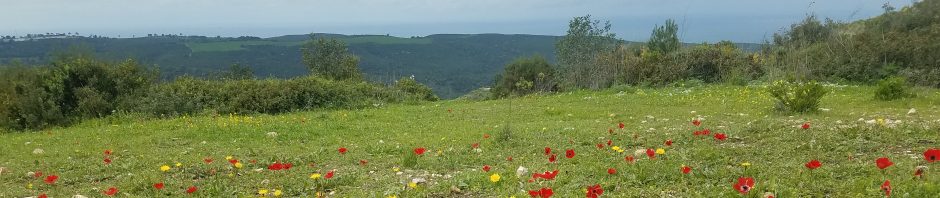
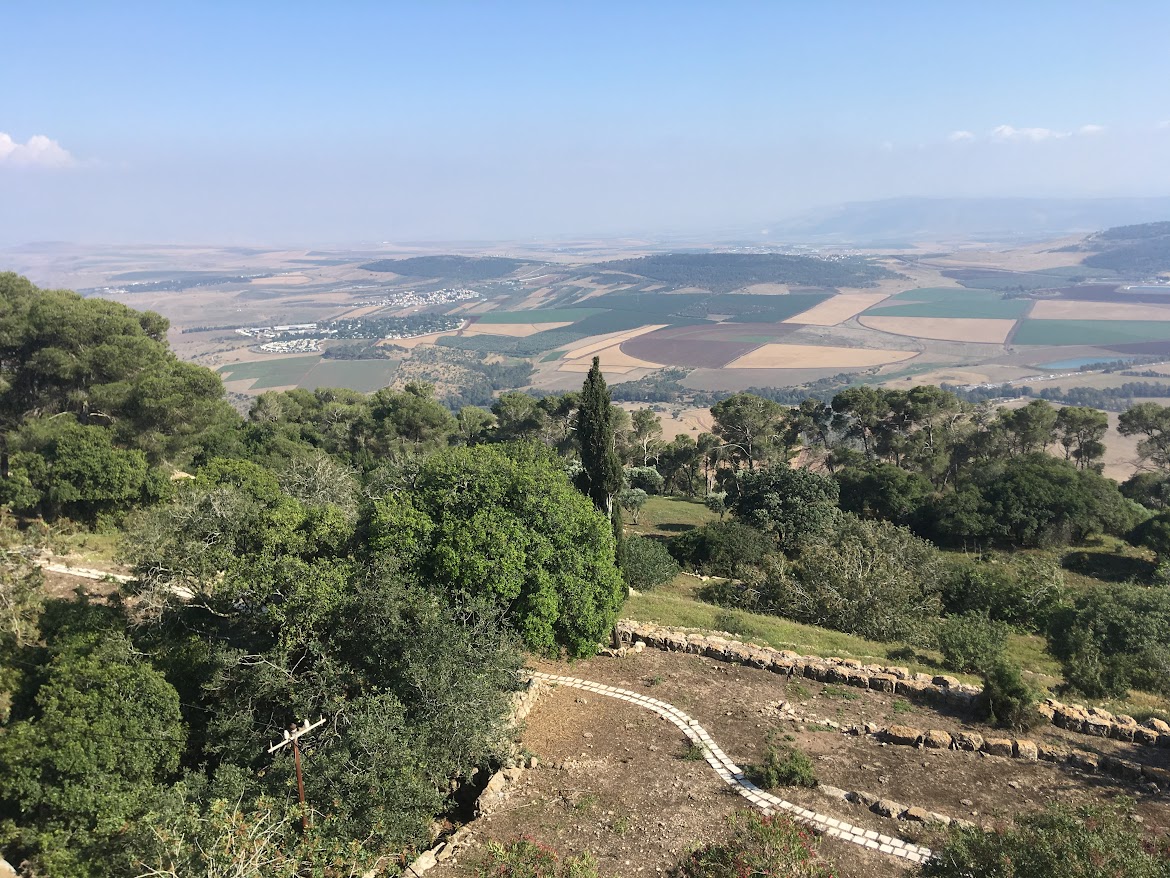
| And if we’d like to go out a bit, every place in Israel during this season offers a celebration of wonderful spring blossom. We will mention two: Mount Tabor: from the mountain there is a fantastic view of the Valley, the Galilee and beyond, and a church with interesting and beautiful architecture in itself. And on the other hand, Keren Carmel, known by its name “Much’raka”, where still stands (the statue of) Eliyahu, a knife at hand, surrounded by the view of Carmel, Shomron, the Valley, the Galilee, the Golan, and on a “good day”, Mt. Hermon too (check the site’s hours before!). It was Elijah’s presence on Mount Carmel that influenced many of those who chose to come here, Baha’is, Templers and more, and made this mountain the diverse and beautiful place it is, but about that, maybe another time. | ואם רוצים לצאת קצת, הרי שכל מקום בארץ בעונה זו חוגג בפריחה אביבית משגעת. נזכיר כמובן שניים: הר תבור: מן ההר נוף נפלא את העמק, הגליל והלאה, וכנסיה עם אדריכלות מעניינת ויפיפיה לכשעצמה. ומנגד, קרן כרמל, הידוע בשמו ה”מוח’רקה”, עדיין ניצב (פסלו של) אליהו עם סכין ביד, כשסביבו נוף הכרמל, שומרון, העמק, גליל, גולן, וב”יום טוב”, גם החרמון (כדאי לבדוק את שעות האתר!). נוכחתו של אליהו בהר הכרמל היא שהשפיעה על רבים מאלו שבחרו להגיע לכאן, בהאים, טמפלרים ועוד, ועשו את ההר הזה למקום המגוון והיפיפה שהוא, אבל על כך, אולי בפעם אחרת. |
ובנתיים, בשורות טובות, טיולים בטוחים ויפים ושבת שלום. And meanwhile, good tidings, safe travels & Shabbat Shalom
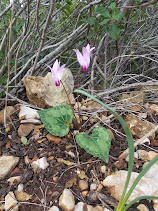
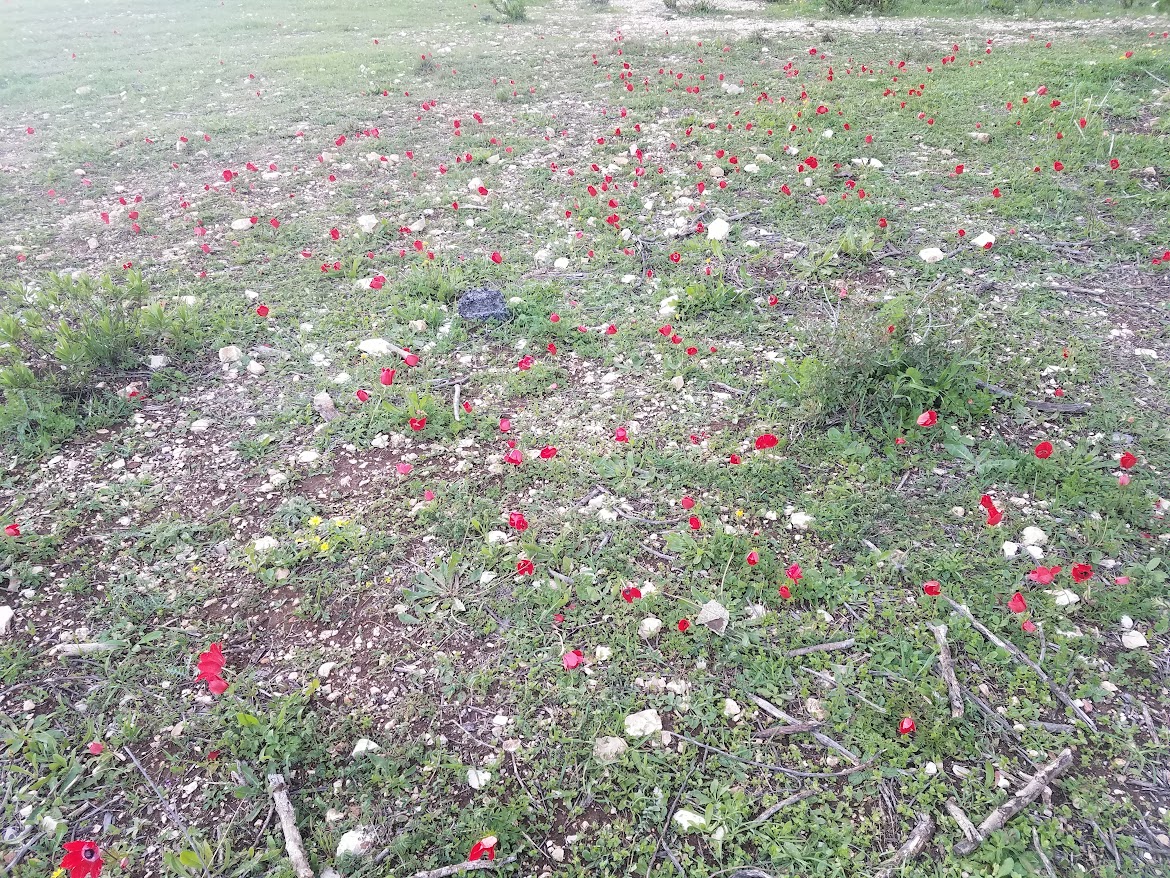
which picture is where? 🙂 extra point to anyone identifying any specific locations (the prize will be a visit to that location, next time you’re here!)





 Torah & more... תורה ועוד
Pingback: Purim & Tish’a Be’av; Moses & Esther; and the Torah portion of Ki Tisa too | Torah & more… תורה ועוד