ויחי: סוגרים את ספר בראשית
אנחנו מגיעים לפרשת ״ויחי״, האחרונה בספר בראשית. התרגלנו כל כך שזה סוף החומש הראשון שאולי כבר שכחנו לשאול, מדוע מסתיים ספר בראשית דוקא כאן?
אנחנו יכולים לתאר לעצמנו שהקלף נהיה כבד מידי… אולי לא היה מעשי ״לסחוב״ הכל ככה… ועדיין, למה לעצור דווקא כאן?
אולי מפני שהגענו למצרים ואנחנו משתקעים בגלות, אך גם אברהם ירד למצרים וגם יעקב גר בחו״ל. אלא שאחד הדברים המרכזיים שספר בראשית עוסק בהם הוא קשרי האחים במשפחה, ובנושא זה, כאן אנחנו מגיעים, סופסוף, לנקודת עצירה וסוג של פתרון, אולי השלמה.
עד כה, ״אתה מוצא, כל האחים שונאים זה לזה. קין שונא להבל, ישמעאל שונא ליצחק, עשו שונא ליעקב, ואפילו שבטים שונאים ליוסף״ (תנחומא על פרשת שמות, כז:פא). השנאה הזו כל כך קשה שהיא מובילה אפילו לרצח במקרה אחד, למכירת אח לעבדות במקרה אחר, ולרצון, מחשבה ותכנית לכך במקרים אחרים.
כשעשו רוצה להרוג את יעקב, הוא אומר: …״אַהַרְגָה אֶת יַעֲקֹב אָחִי״… (בראשית כז מא). אנחנו כבר יודעים שהוא אחיו, ומדוע היה צורך בתוספת המילה ״אחי״ כאן? מסתבר שדווקא כשעשו רוצה להרוג את יעקב, הוא קורא לו אחי… למרות או אולי בגלל?
יעקב ועשו רבים על הבכורה. השורש ב.כ.ר מורכב מאותיות שכל אחת שניה בקבוצתה: ב׳ (2) כ׳ (20) ו-ר׳ (200). הבכור הוא ראשון בדורו ושני רק להורים. כשהוא נולד, הוא מרכז עולמם של הוריו, ואז קורה משהו נורא: הילד הופך ממרכז העולם ל”אח של”… ל”אח-ר”, ל”אח-ראי על”…. אמא שלי הייתה מספרת שאחרי שאחי הצעיר נולד, שאלתי אותה מתי אמא שלו תבוא לקחת אותו הביתה…
אצל יעקב יש ארבעה בכורות: ראובן – הבכור מאביו יעקב ומאמו לאה, דן – בכור מבלהה, שפחת רחל, גד – בכור מזלפה, שפחת לאה, ויוסף – בכורה של רחל, והאמת, לא פלא שהם, ואחים בכלל, רבים. יש ביניהם תחרות על משאבים סופיים: נחלה, ירושה, אהבת ההורים וקבלה על ידם.
ראינו גם ״שולם״, גם אם חלקי, בין אחים: יצחק וישמעאל נפגשים במערת המכפלה לקבור את אביהם. עשו ויעקב נפגשים על אם הדרך. אנחנו יכולים גם לתאר לעצמנו ויכוחים בין אברהם ונחור: איפה כדאי לגור? להשאר בחוצלארץ או ללכת לארץ? אברהם מתעקש לקחת לבנו אשה ממשפחתו אבל באותה עקשנות ונאמנות גם בוחר שלא לגור לידם. בכל המקרים האלו, גם אם האחים הגיעו לסוג של פשרה והסכמה איך לחיות ״ביחד״ באותו העולם, היחד הזה הוא בנפרד.
עד שאנחנו מגיעים לבניו של יעקב, בני ישראל. אלה הם אחים שמתווכחים ולא מסכימים על דברים עקרוניים ביותר. הם עוברים נסיונות קשים. ועדיין – נשארים ביחד. יתכן שזה קשור להתנהלותו של יהודה בפרשה של השבוע שעבר, ויתכן שזהו סגנון הבכורה המיוחד של יוסף, שדואג ואוהב את אח שלו ולא מוותר עליו. בנימין מצידו, כמו שראינו בשבוע שעבר וכמו שמספר לנו המדרש, קורא לכל עשרת בניו בשמות על-שם דברים שקשורים באחיו הגדול, ולא שוכח אותו על אף העדרו במשך יותר מ-20 שנה.
אך יתכן שיש עוד רמז בפרשה הזו, ואלו הם הברכות של יעקב. יעקב נותן לכל בן ברכה משלו, מכיוון שלמרות שהם אחים, לכל אחד מהם יש תפקיד ומטלה ייחודיים שרק הוא יכול למלא: זה חקלאי, וזה סוחר, זה לומד וזה מתאים למלחמת גרילה, זה מנהיג לאחרית הימים וזה מנהיג לשגרה. יעקב שמואשם לא פעם על טעויות שעשה בחינוך ילדיו, מלמד אותנו כאן סוד חשוב בהורות: לראות כל ילד על אופיו, מתנותיו, יכולותיו שלו, לתת לו את המקום שלו, ולאשר ולאפשר לו להיות מי שהוא ולגדול בכך. ורק אז, כשאנחנו עוברים מלהיות ״אחים״ ל״אחווה״ ופיוס (שגם הן אותיות ״יוסף״), מסתיים ספר בראשית.
הספר מסתיים כשאנחנו במצרים. בשונה ממסעות האבות הזמניים, עכשיו כולנו ״תקועים״ ביחד בארץ לא לנו. כמו צוות ב״גיבוש״, אנחנו מנותקים ממקור החיים, מקבלים מטלות חדשות ומוזרות, לזמן ארוך שאינו תלוי בנו. כנראה שיש דברים שנוכל ללמוד רק כך, דווקא שם. זו תקופת חושך – בשנה ובהיסטוריה שלנו. על ה-210 ויש אומרים 400 שנה הקרובות, התורה לא תספר לנו כמעט כלום. כמו זרע מתחת לאדמה, אנחנו יושבים ונרקבים שם, מחכים לקרן אור.
שבת שלום.
We arrive at Parashat Vayechi, the last Torah portion in the Book of Genesis. We have grown so accustomed to the fact that this is the end of the first of the Five Books of the Torah that perhaps we have forgotten to ask: why does Genesis end davka here?
We might imagine that the parchment simply became too heavy… perhaps it was no longer practical to “carry” everything like this… and still—why stop here?
Perhaps because we have arrived in Egypt and are settling into exile. Yet Abraham also went down to Egypt, and Jacob lived abroad. Rather, one of the central themes of Genesis is the relationships between siblings within the family, and in this regard, here we finally reach a stopping point and a kind of resolution, perhaps even reconciliation.
Until now, “you find that all the brothers hate one another: Cain hates Abel, Ishmael hates Isaac, Esau hates Jacob, and even the tribes hate Joseph” (Tanchuma on Parashat Shemot 27:1). This hatred is so severe that in one case it leads to murder, in another to the sale of a brother into slavery, and in other cases to the desire, the thought, and the plan to do so.
When Esau wants to kill Jacob, he says: “…I will kill Jacob my brother…” (Genesis 27:41). We already know he is his brother, so why add the word “my brother” here? It seems that precisely when Esau wants to kill Jacob, he calls him “my brother”… despite – or perhaps because of – that fact.
Jacob and Esau quarrel over the birthright. The root ב.כ.ר (b-k-r) is made up of letters that are each second in their numerical group: bet (2), kaf (20), and resh (200). The firstborn is first of his generation and second only to his parents. When he is born, he is the center of his parents’ world. But then, something terrible happens: the child goes from being the center of the world to being an ach – “brother,” to being an ach-er – “the other brother,” and the ach-rai, the one responsible for another. My mother used to share that after my younger brother was born, I asked her when was his mother coming to pick him up…
With Jacob, there are four firstborns: Reuben—the firstborn of Jacob and Leah; Dan—the firstborn of Bilhah, Rachel’s handmaid; Gad—the firstborn of Zilpah, Leah’s handmaid; and Joseph—the firstborn of Rachel. And truly, it is no wonder that they—and brothers in general—quarrel. They are in competition over finite resources: land, inheritance, parental love, and acceptance.
We have also seen “peace,” even if partial, between brothers: Isaac and Ishmael meet at the Cave of Machpelah to bury their father. Esau and Jacob meet along the road. Similarly, we can even imagine disputes between Abraham and Nahor: Where is it better to live? To remain outside the Land or to go to it? Abraham insists on taking a wife for his son from his family, yet with the same determination and loyalty, chooses not to live near them. In all these cases, even when the brothers reach some form of compromise and agreement on how to live “together” in the same world, that togetherness is separate.
Until we reach the sons of Jacob, the Children of Israel. These are brothers who argue and disagree over the most fundamental issues. They undergo severe trials, and still, they remain together. This may be connected to Judah’s conduct in last week’s portion, and it may also reflect Joseph’s unique style of firstborn leadership: he cares for and loves his brother and does not give up on him. Benjamin, for his part, as we saw last week and as the Midrash tells us, names all ten of his sons after matters connected to his older brother, and does not forget him despite his absence for more than twenty years.
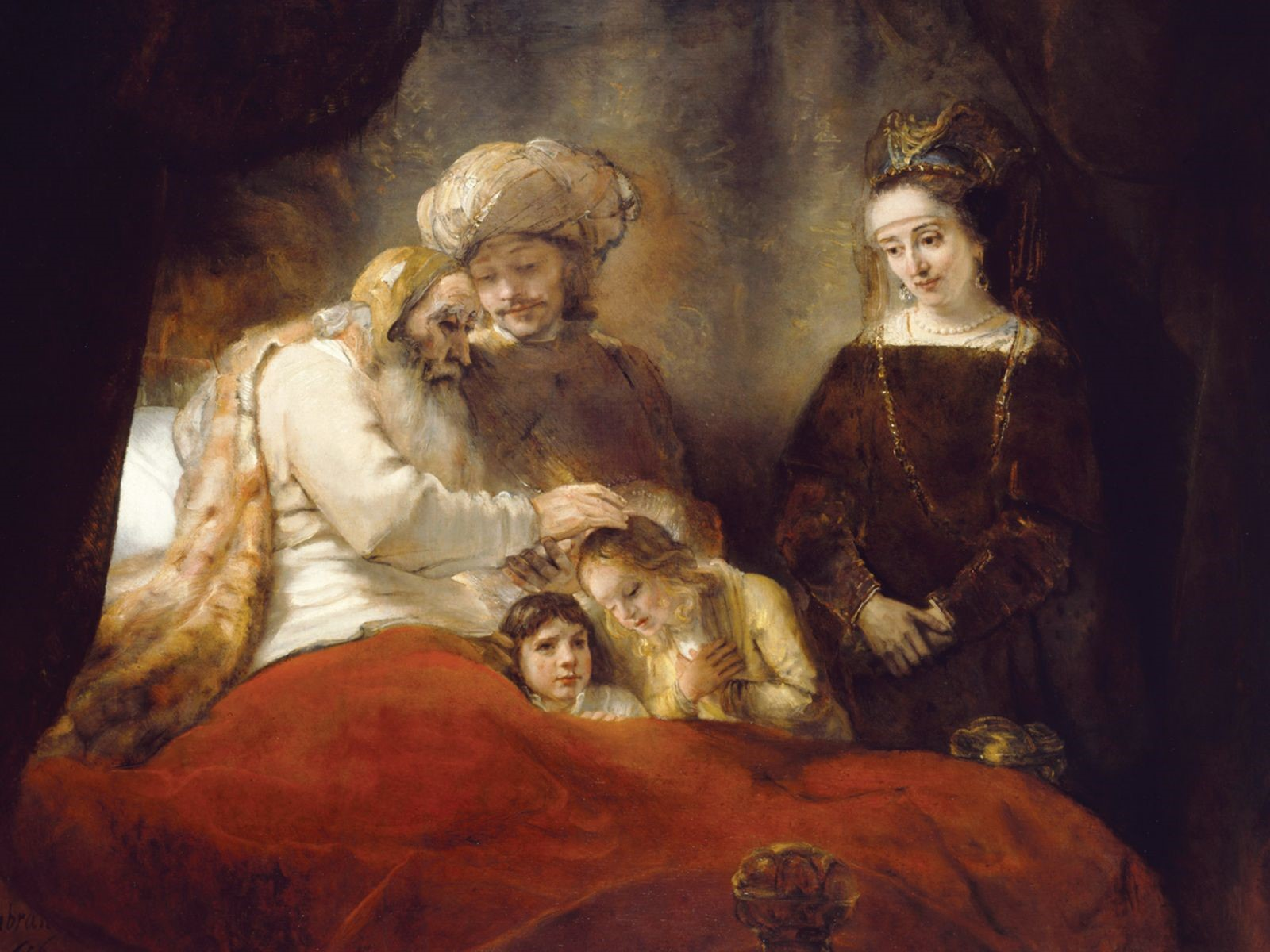
But perhaps there is another hint in this portion, and that is Jacob’s blessings. Jacob gives each son his own blessing, because despite being brothers, each of them has a unique role and task that only he can fulfill: one is a farmer, another a merchant; one is a scholar, another is suited for guerrilla warfare; one is a leader for the end of days, another a leader for everyday life. Jacob, who often has been accused of mistakes in raising his children, teaches us here an important secret of parenting: to see each child according to his character, his gifts, and his abilities; to give him his place; and to affirm and enable him to be who he is and to grow through that. And only then, when we move from being merely “brothers” to brotherhood and piyus, reconciliation (which are also letters of the name “Joseph”), does the Book of Genesis come to an end.
The book ends with us in Egypt. Unlike the temporary journeys of the Patriarchs, now we are all “stuck” together in a land that is not ours. Like a team in a bonding exercise, we are cut off from the source of life, given new and strange tasks, for a long period that is not in our control. There are probably things we can learn only this way, specifically there. This is a period of darkness, in the year and in our history. About the next 210 (and some say 400) years, the Torah will tell us almost nothing. Like a seed beneath the ground, we sit and decay there, waiting for a ray of light.
Shabbat Shalom.