פרשת ויקהל – הנס הגדול בתורה וביקור בגני הנדיב
| Every time we come to the Torah portion of Vayakhel, it is clear to me that it is precisely here that the greatest miracle in the Torah is hidden, and perhaps this year we should repeat it again. Seemingly, it’s an event that is difficult to get excited about: Ok, we have heard two and a half portions of countless instructions and explanations, measurements and materials, and now the Israelites are finally gathering to build the Mishkan itself. A miracle?? Maybe you mean the Exodus from Egypt, the Splitting of the Sea…? But, all the other miracles were done by G-d, and G-d, by definition, can do anything, so for Him, to bring forth water out of a rock, or a frog from the river; to cause a barren woman to give birth or to make a bush burn by fire and not consumed, is the same ease. But for us, that’s another story. | בכל פעם שאנחנו מגיעים לפרשת “ויקהל”, ברור לי שדוקא כאן מסתתר הנס הכי גדול בתורה, ואולי דוקא השנה צריך לחזור על כך שוב. לכאורה, אירוע שקשה להתרגש ממנו: אוקי, שמענו שתיים וחצי פרשות של אינספור הוראות והסברים, מידות וחומרים, ועכשיו סופסוף בני ישראל מתקהלים כדי לבנות את המשכן עצמו. נס?? אולי אפשר להגיד יציאת מצרים, בקיעת ים סוף…? אבל, כל הניסים האחרים נעשו ע”י הקב”ה, והקב”ה בהגדרה, יכול לעשות הכל, כך שבשבילו, להוציא מים מהסלע, או צפרדע מהיאור, לגרום לעקרה ללדת או לעשות סנה שבוער באש ואיננו אוכל, זה אותו קלי קלות. אבל אנחנו, זה כבר סיפור אחר. |
| The magnitude of the miracle can be understood if we imagine the building of the Tabernacle nowadays: we will go out and tell everyone, wherever they are, whether they are demonstrators on the streets of Tel Aviv, settlers in Judea and Samaria, evacuees in the hotels, residents of the northern border, those living in Jerusalem (for a year or generations)… everyone, eve-ry-one, ‘go home, bring whatever your hearts desire’, and together all these things will work out so that we build one tabernacle, only one! not one Sephardi and one Ashkenazi; not one religious and one “open” and one secular and one ultra-Orthodox… Only one, complete and beautiful. And we will make it precisely, without any ego, without any interference, with the right colors, ingredients and sizes, everything according to the instructions, and in order to manage this whole project, we will take two skilled people: one from the largest and most royal tribe, and one from the most “messy” and “lose cannon” tribe… the comparison to our own days, you can make by yourself, which makes understanding the magnitude of the miracle – easy. | את גודל הנס אפשר להבין אם נדמיין לעצמנו את בניית המשכן כיום: נצא החוצה ונגיד לכולם באשר הם, למפגינים ברחובות תל-אביב, למתיישבים ביהודה ושומרון, למפונים במלונות, לתושבי גבול הצפון, לחיים בירושלים לשנה או מזה דורי-דורות… לכו-לם, כולם, ‘לכו הביתה, תביאו כל אחד מה ש”ידבנו ליבו”, וביחד כל הדברים האלו יסתדרו לכך שנקים משכן אחד, רק אחד, לא אחד ספרדי ואחד אשכנזי ולא אחד דתי ואחד “פתוח” ואחד חילוני ואחד חרדי… רק אחד, שלם ויפה. ונעשה אותו במדויק, בלי שום אגו, בלי שום הפרעות, עם הצבעים הנכונים, המרכיבים והגדלים, הכל לפי ההוראות, וכדי לנהל את כל הפרויקט הזה, נקח שני אנשים אומנים: אחד מהשבט הכי גדול ומלכותי, ואחד מהשבט הכי “בלגניסט”… את ההשוואה לימינו תעשו כבר לבד, ואת גודל הנס – קל להבין. |
| Indeed, the tabernacle is not just a portable tent, but an amazing structure, so much so that the sages compared it to the creation of the world! Part of that comparison has to do with the similar words that can be found in both stories and that connect the two; and part of it, has to do with the connection and the role of the Mishkan, the human, the world and G-d. Among the connecting words, there are many. I won’t bring all, just one example: | אכן, המשכן הוא לא סתם אוהל נייד אלא דבר מדהים, עד כדי כך, שחז”ל השוו את המשכן לבריאת העולם! חלק מן ההשוואה הזו מקורו בלימוד על מילים דומות שמקשרות את השניים, וחלק – בגלל תפקידו את המשכן, האדם, העולם והאל, והקשר ביניהם. בתוך רשימת המילים המקשרות, יש רבות מאד. לא אביא את כולן, רק דוגמא אחת: |
| When the human being is expelled from Eden, it is said: “So Adam was driven out; and east of the garden of Eden were stationed (yashken) the cherubim (kruvim) and the fiery ever-turning sword, to guard the way to the tree of life” (Genesis 3:24). Even if I didn’t understand exactly what it means, I see “yashken”, a verb related to “mishkan”, and I see “cherubim” guarding the way of the tree of life, and I know that the Torah is also called “tree of life”. | כשהאדם מגורש מגן עדן, נאמר: “וַיְגָ֖רֶשׁ אֶת־הָֽאָדָ֑ם וַיַּשְׁכֵּן֩ מִקֶּ֨דֶם לְגַן־עֵ֜דֶן אֶת־הַכְּרֻבִ֗ים וְאֵ֨ת לַ֤הַט הַחֶ֙רֶב֙ הַמִּתְהַפֶּ֔כֶת לִשְׁמֹ֕ר אֶת־דֶּ֖רֶךְ עֵ֥ץ הַֽחַיִּֽים” (בראשית ג,כד). גם אם לא הבנתי בדיוק מה זה אומר, אני רואה “וישכן”, הפועל של ה”משכן”, ואני רואה “כרובים” השומרים על דרך עץ החיים, וידוע לי שהתורה נקראת גם היא “עץ חיים”/ |
| At the same time, the Mishkan is the only place other than the Garden of Eden where cherubim are mentioned: “Make two cherubim of gold—make them of hammered work—at the two ends of the cover…. And the cherubim shall have their wings spread out above, shielding the cover with their wings. They shall confront each other, the faces of the cherubim being turned toward the cover” (Exodus 25:18-20). It can be said that in the tabernacle too, the cherubim sit on the Ark of the Testimonies and “guard” the “way of life”. | במקביל, המשכן הוא המקום היחידי הנוסף חוץ מגן עדן בו מוזכרים כרובים: “וְעָשִׂ֛יתָ שְׁנַ֥יִם כְּרֻבִ֖ים זָהָ֑ב מִקְשָׁה֙ תַּעֲשֶׂ֣ה אֹתָ֔ם מִשְּׁנֵ֖י קְצ֥וֹת הַכַּפֹּֽרֶת… וְהָי֣וּ הַכְּרֻבִים֩ פֹּרְשֵׂ֨י כְנָפַ֜יִם לְמַ֗עְלָה סֹכְכִ֤ים בְּכַנְפֵיהֶם֙ עַל־הַכַּפֹּ֔רֶת וּפְנֵיהֶ֖ם אִ֣ישׁ אֶל־אָחִ֑יו אֶ֨ל־הַכַּפֹּ֔רֶת יִהְי֖וּ פְּנֵ֥י הַכְּרֻבִֽים” (שמות כה, יח-כ). ניתן לומר שגם במשכן, הם יושבים על ארון העדות ו”שומרים” על “דרך החיים”. |
| The parallel between the tabernacle and creation and thereby, the connection between them, brings us back to the initial connection between the human and Gd. The human was created in the image of Gd. His role is to be in the image and likeness of Gd. Just as G-d created the world and “placed” (sheeken) the human in it, the human is asked to build a place for G-d: “And they shall build for me a Temple and I will dwell among them” (Exodus 2:8). In creation, the human begins his partnership with Gd, when he is called (in chapter 2 of the book of Genesis) to work and guard the garden, a partnership that, as it turns out in chapter 3, needs help, or a “repair” (tikun). That is why what’s done in the tabernacle is also called “work” and “guard” (as it is said about the priests and the Levites in Numbers 3:8). The comparison continues between the Garden of Eden, the Mishkan and – the Land of Israel as well, as a place for the inspiration of the Shekhinah. From here too, we experienced expulsion, but, from various prophecies and from what we can see, the future of Shekhinah is to return to Israel – to the Land of Israel and the People of Israel. | ההקבלה בין המשכן לבריאה ומתוך כך, החיבור ביניהם, מחזיר אותנו לקשר הראשוני בין האדם והקב”ה. האדם נברא בצלם אלוהים. תפקידו להיות בצלם אלוהים ובדמותו. כמו שהקב”ה ברא עולם ו”שיכן” בו את האדם, האדם מתבקש לבנות מקום לקב”ה: “וְעָ֥שׂוּ לִ֖י מִקְדָּ֑שׁ וְשָׁכַנְתִּ֖י בְּתוֹכָֽם” (שמות כה,ח). בבריאה, האדם מתחיל את השותפות שלו עם הקב”ה, כשהוא נקרא (בפרק ב של ספר בראשית) לעבוד ולשמור את הגן, שותפות שכפי שמסתבר בפרק ג, צריכה עזרה, או “תיקון”. לכן העשיה במשכן נקראת גם היא “עבודה” ו”שמירה” (כשעל הכהנים והלווים נאמר “וְשָׁמְר֗וּ אֶֽת־כׇּל־כְּלֵי֙ אֹ֣הֶל מוֹעֵ֔ד וְאֶת־מִשְׁמֶ֖רֶת בְּנֵ֣י יִשְׂרָאֵ֑ל לַעֲבֹ֖ד אֶת־עֲבֹדַ֥ת הַמִּשְׁכָּֽן” (במדבר ג,ח). המשך ההקבלה – בין גן עדן, המשכן ו-ארץ ישראל, כמקום להשראת השכינה. גם מכאן, חוינו גירוש, אך, מנבואות שונות וממראה עינינו, עתידה שכינה לשוב לישראל – לארץ ישראל ולעם ישראל. |
| And if we’re dealing with the Shekinah’s return and a connection to creation and a wonderful garden, and the building of the Land along with the Mishkan’s spirit of generosity of “take from you a donation to Hashem, every generous person will bring the donation of Hashem” (Exodus 35,5), we will head out to the Gardens of “Ramat HaNadiv”, a beautiful nature park, established on the south-western side of Mount Carmel, around the gravesite of Baron Benjamin Edmond de Rothschild, and his wife, Ada – Adelheid. | ואם בחזרת השכינה, ובחיבור לבריאת העולם וגן נפלא ובנין הארץ יחד עם רוח הנדיבות של בניית המשכן – “קְח֨וּ מֵֽאִתְּכֶ֤ם תְּרוּמָה֙ לַה’ כֹּ֚ל נְדִ֣יב לִבּ֔וֹ יְבִיאֶ֕הָ אֵ֖ת תְּרוּמַ֣ת ה'” (שמות לה,ה), נצא השבוע לגני רמת הנדיב, פארק טבע יפיפה שהוקם בקצה הדרומי-מערבי של הר הכרמל סביב חלקת הקבר של הברון בנימין אדמונד דה-רוטשילד, ואשתו, עדה – אדלהייד. |
| The Rothschild family is known all over the world for its influence and wealth, but the way there, is fascinating. The baron’s grandfather, Meir Anschel Rothschild was born in 1744 in the Jewish ghetto in Frankfurt to a family of 11 children. His father died when he was 11 years old and his mother – when he was 12 years old. The house where they lived was built back in 1567 and decorated with the “red shield” symbol, hence he started using the name “Rothschild” (‘red shield’). He studied in a yeshiva, but after his father died, he was sent to study banking. Then, he started bartering and lending money to important people in Europe. He sent his five sons to live in different European cities (London, Paris, Frankfurt, Vienna, Naples) and before his death he ordered his sons to all participate in the trade and share the profits equally. His son, Baron James Jacob Meir Rothschild, founded the family’s French branch, and he is the father of the “Nadiv”, “the philanthropist”, Baron Benjamin Edmond de Rothschild, who made many decisive contributions to the settlement and development of the country. | משפחת רוטשילד נודעה בכל עולם בזכות השפעתה ועושרה, והדרך לכך מרתקת. סבו של הברון, מאיר אנשל רוטשילד נולד ב-1744 בגטו היהודי בפרנקפורט למשפחה בת 11 ילדים. אביו נפטר כשהיה בן 11 ואמו – כשהיה בן 12. הבית שבו התגוררו נבנה עוד בשנת 1567 ועוטר בסמל ה”מגן האדום”, ומכאן התחיל להשתמש בשם “רוטשילד” (מגן אדום). הוא למד בישיבה, אך לאחר שאביו נפטר, נשלח ללמוד את מקצוע הבנקאות. מכאן התחיל לעסוק בחלפנות והלוואות לחשובי אירופה. את חמשת בניו שלח לגור בערים שונות באירופה (לונדון, פריז, פרנקפורט, וינה, נאפולי) ולפני מותו ציווה את בניו כי ישתתפו כולם במסחר ויתחלקו ברווחים באופן שווה. בנו, הברון ג’יימס יעקב מאיר רוטשילד, ייסד את הענף הצרפתי של המשפחה, והוא אביו של ה”נדיב”, הברון בנימין אדמונד דה-רוטשילד, שתרם רבות תרומה מכרעת ליישוב ופיתוח הארץ. |
| By his side, all along, was his wife, Ada Adelheid de Rothschild. As was customary, the marriage was within the family: Adelheid’s father was Edmund’s cousin. In this way, the family’s power was guaranteed and its financial resources – maintained. The baron and baroness visited the Land of Israel five times, a particularly challenging operation during that time, and when they were almost 80 years old, was their last visit. Not much is known about her, but it is known that she was more pious than her husband, and that she greatly considered the role of the Jewish religion in the settlers’ lives. It is said that the building of the beautiful synagogues of the colonies was her initiative, that when she spoke to the women back then, she always emphasized the importance of Jewish education, and that she donated to museums, libraries, scientists, artists, hospitals and orphanages in Israel and around the world. | לצידו, לאורך כל הדרך, היתה רעייתו, עדה אדלהייד דה-רוטשילד. כמקובל במשפחה, הנישואין היו בתוך המשפחה: אביה של אדלהייד היה בן דודו של אדמונד. כך הובטח כוחה של המשפחה ושמירה על משאביה הכלכליים. חמש פעמים ביקרו הברון והברונית בארץ ישראל, מבצע אתגרי במיוחד בתקופה זו, כשבביקורם האחרון היו כבר כמעט בני 80. לא ידוע עליה הרבה אך ידוע שהיא היתה יותר אדוקה מבעלה, והחשיבה מאד את חלקה של הדת היהודית בחיי המתיישבים. מספרים שבניית בתי הכנסת היפים של המושבות היו ביוזמתה של הברונית, כשדברה עם הנשים במושבה, תמיד הדגישה את חשיבות החינוך היהודי, ותרמה למוזיאונים, ספריות, מדענים, אמנים, בתי חולים ובתי יתומים בארץ ובעולם. |
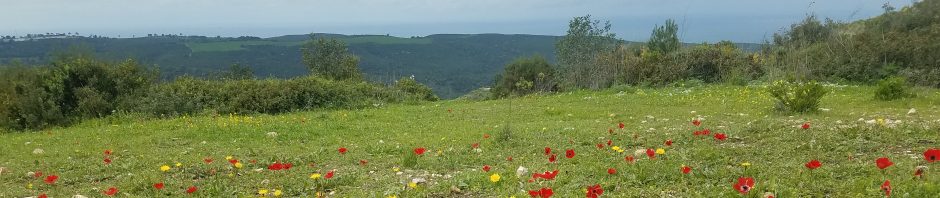
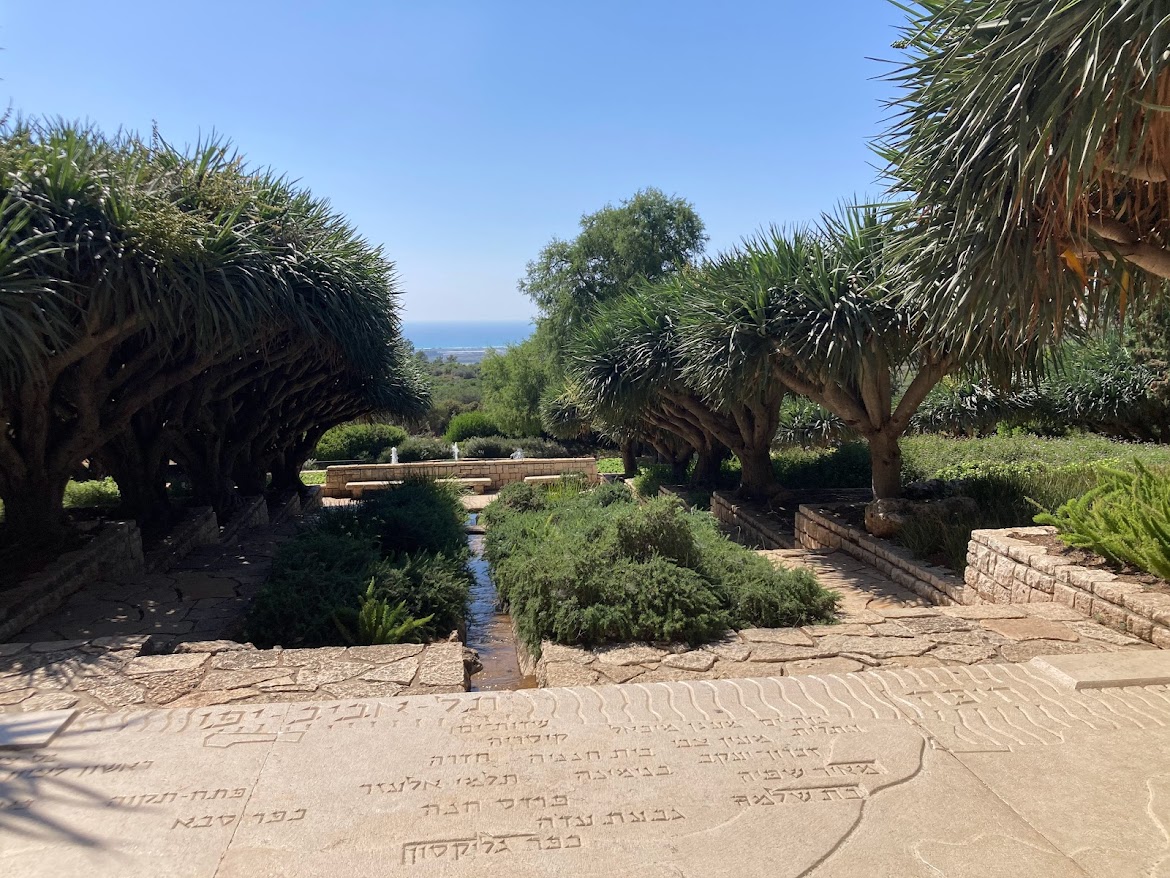
| The baron and his wife’s graves are located within an area of approximately 18 acres of attractive well-manicured and well-planned gardens. In the area there are hiking trails and archaeological sites, and gardens by theme: the waterfall garden, the rose garden, the palm garden, the irises garden and the fragrance garden. There is also an amphitheater where summer concerts are held; and a new, “green” and beautiful visitor center. Around the gardens – an open area of about 1235 acres covered with Mediterranean vegetation and forest, pines, cypresses, and at this season, a colorful and wonderful flower spread of anemones, cyclamen, and more. Recommended! | קבריהם של הברון ואשתו נמצאים שתוך שט של כ-70 דונם גנים מטופחים ומתוכננים היטב המהווים מקום משיכה לביקורים. באזור מסלולי טיול ואתרים ארכאולוגים, וגנים לפי נושאים:גן המפלים, גן הוורדים, גן הדקלים, גן האירוסים וגן הריחות. יש גם אמפיתיאטרון בו נערכים קונצרטים בקיץ. ומרכז מבקרים חדש, “ירוק” ויפה. סביב הגנים – שטח פתוח של כ-5000 דונם מכוסה בצומח וחורש ים-תיכוני, אורנים, ברושים, ובתקופה זו, פריחה צבעונית ונפלאה של כלניות, רקפות, ועוד. מומלץ! |
בשורות טובות ושבת שלום ועוד מעט, גם חודש טוב! –
GOOD TIDINGS & SHABBAT SHALOM 7 ALMOST, A GOOD MONTH TOO!
In the pictures, the gardens (my pics, June 2023) and the baron and baroness during their 1914 visit (from wikipedia):



 Torah & more... תורה ועוד
אומרים שהנס הגדול של יציאת מצרים היה ש 600,000 יהודים עשו אותו דבר באותו זמן
גם זה נכון!! 🙂
שבת שלום