תשעה באב וטו בשבט – קיץ תשפד – 2024
| הדבר הכי גרוע בתשעה באב, חוץ מזה שזה הצום הכי ארוך והכי חם בשנה, זה שזה קורה באמצע הקיץ, כשבית הספר בחופש הגדול. בנקודה מסוימת, היתה הצעה לשלב את יום השואה ותשעה באב. אחרי הכל, אמרו אלה שהיו בעד, יש לנו כבר יום אבל לאומי. בואו ונשים את כל הצרות הלאומיות שלנו עליו. מייסדי המדינה אמרו לא (אגב, היתה גם הצעה ב-1949 לבטל את תשעה באב בגלל הקמת המדינה, וגם לכך, מסיבות שונות ולא בלתי מוצדקות, אמרו, לא). לכן, למזלנו, באם נרצה בזאת או לא, לפחות על השואה אנחנו יודעים דבר או שניים, מה שאי אפשר לומר, על חלקים גדולים מאיתנו, בענין תשעה באב. בשעה שיש מועדים שיהודים דתיים וחילונים חווים באופן דומה, כמו חנוכה, ויש חגים של אווירת משפחתיות ותחושת שותפות, כמו פסח ויום כיפור, תשעה באב הוא מועד שחילונים ודתיים חווים באופן שונה בתכלית. לפי נתוני מדד צהר ליהדות ומסורת, רק 8% מהחילונים מציינים את תשעה באב, לעומת 98% מהדתיים והחרדים, ו-41% מהמסורתיים (מתוך אתר “צוהר”). או אם להזכיר משהו שאמר לי אחד מתלמידי: “תשעה באב…. רגע!? זה לא החג ההוא שאנחנו שותלים עצים? אה, נכון, ההוא זה טו בשבט… אוי, הם נשמעים ממש דומים”… כך קרה שבמשך שנים היו לנו שיחות על איך להכניס תוכן ליום הזה. השנה, אחרי “השביעי באוקטובר”, השיחות הן אחרות כמובן, אבל האמת, לא ממש: אנחנו מתיחסים ליום הזה כהזדמנות לציין ולחוות, שוב, כאב שלנו, בד”כ בלי קשר לתשעה באב המקורי. אחרי הכל, מה פירוש שבית המקדש נחרב? למי אכפת? עברו כבר אלפיים שנה! גם על כך אמר לי תלמיד: “אם בנין נהרס או מה שלא קרה לו, וכל כך חשוב לבנות אותו, אז תבנו! למה להתבכיין?!” להתיחס לחורבן בית המקדש כאילו זה סתם עוד בנין, זה כמו לחיות בעולם בלי שמש, ושמישהו יגיד, ‘על מה אתם מתבכיינים? הנה, יש כאן מנורת לילה קטנה. תחברו אותה ויהיה אור’. אולי זו הטרגדיה הגדולה ביותר של היום הזה, שאנחנו בעצמנו לא מבינים מה חסר לנו, ועל מה ולמה. ******* | The worst thing about Tish’a Be’av, aside from being the longest, hottest fast of the year, is that it falls in the middle of the summer, when there is no school. At some point, there was an idea to combine Holocaust Day into Tish’a Be’av. After all, argued those in favor, we already have a national mourning day. Let’s tag all our national troubles to that one. The founders of our State said no (by the way, there was also a suggestion / inquiry to cancel Tish’a Be’av because of the State’s establishment). Therefore, lucky for us, whether we like it or not, at least about the Holocaust, we know a thing or two, which can’t be said – for a large segment of our People – when it comes to Tish’a Be’av. While there are holidays that religious and secular Jews experience quite similarly, such as Hanukkah, and there are holidays that have a special sense of camaraderie, such as Passover and Yom Kippur, Tish’a Be’av is a day that secular and religious people experience in a completely different way. According to the data of the Zohar Index for Judaism and Tradition, only 8% of the seculars observe Tish’a Be’av, compared to 98% of the religious and ultra-orthodox, and 41% of the traditional (from the “Zohar” website). Or, if to mention one of my past students who said to me, ‘Wait, Tish’a Be’av? Isn’t that the day we plant trees? Oh, that’s Tu Bishvat? My oh my, they do sound similar… So it happened that for years, we’ve had discussions about how to find meaning on this day. This year, following “October 7th”, these discussions are different, of course, but still, not really: we treat this day as a chance to mark and experience, again, a pain that’s ours, most often, without any connection to the original Tish’a Be’av. After all, what does it mean that the Temple was destroyed? Who cares? It’s been 2000 years! As another one of my students said to me, “if a building collapses, or whatever happens to it, and you want it fixed, then fix it! Why the whining?” To treat the destruction of the Temple in this manner, as if it’s just another building, is like living in a world devoid of sunlight, and for someone to say, ‘what are you complaining about? Here, plug in this little night light, you’ll be fine’. Maybe that’s one of the biggest tragedies of this day in our time, that we don’t even know what we’re missing, and what this is all about. ******* |
| באחת קבוצות, כתבה מכרה שלי ש”אחינו בארץ ישראל משותקים מפחד”… רק בשבוע שעבר הייתי בכנס הקיץ של צוהר: בחניה ליד תחנת הרכבת, לא היה מקום. ברכבת לא היה קל למצוא מושב פנוי. ובכנס עצמו, היו אלפי אנשים. תגידו, טוב, נו, הדתיים האלה… ואז תמצאו אותי מחפשת שולחן בבית קפה מקרי בעיר, חברות שמספרות לי על קייטנות הגלישה בחוף הכרמל. זה נכון, יש פחות אנשים ברחובות. אנחנו נזהרים. מכינים את הממ”ד. וכולם, לא משנה מאיזה סידור או בלעדיו, מתפללים. אבל משותקים? עד כאן. | In one of the groups I’m in, a friend wrote about “our brothers in Israel who are paralyzed with fear”… Just last week I was at the Zohar summer conference: in the parking lot near the train station, there was barely one last spot for me; it wasn’t easy to find an empty seat on the train; and at the conference itself, there were thousands of people. You might say, well, well, these religious people… and then you’ll find me looking for a table at a random cafe in town, listening to friends talk about the kids’ surfing summer camps at Carmel Beach. It’s true, there are fewer people on the streets. We are careful. The saferoom is prepared. And everyone, no matter what Siddur they are holding or not, prays. But paralyzed? That’s too far. ******* |
| בית המקדש הראשון חרב בגלל חטאים גדולים: שפיכות דמים, גילוי עריות ועבודה זרה. ובית המקדש השני? “שנאת חינם”. מה זה שנאת חינם? אנשים פשוט שנאו אחד את השני בלי “סיבה”, רק בגלל איך שאלוהים ברא אותם, שונים מהם. בתקופת בית המקדש השני כולם היו “צדיקים”, ומרוב שהם היו גם “צדיקים” וגם הכי “צודקים”, כל אחד חשב שכל מי שלא מסכים איתו, צריך לחסל אותו כי הוא מיותר בעולם… “אילו רק לא היו כאן (מלאו את החסר לפי הדובר), אז הכל היה בסדר”… וגם: “את לא מאלה ש…? אלה, צריך”… (וכאן מגיע איזה מונח כליה כזה או אחר). בשיעור תלמוד, אנחנו קוראים מאגדות החורבן. התיאורים קשים, וכל אחד חושב על מישהו – אחר – שזה “ממש, ממש מתאים לו”, מישהו שלא נהג כשורה, מישהו שלא התיחס יפה, רק כמובן, לא אני. אני? אני הרי הכי פתוח, הכי מקבל, הכי הגיוני, הכי חושב, הכי עושה, הכי יודע, הכי… הכי צודק. אני נמנעת מהחדשות, לא בטוחה בקשר לכותרות. אבל הדיבור הזה, זה מפחיד אותי יותר מכל. | The 1st Temple was destroyed because of great sins: bloodshed, incest and idolatry. And the 2nd Temple? “Sin’at Chinam”, baseless hatred. What is “baseless hatred”? People just hated each other for no “reason”, just because of how Gd made them, different from them. During the time of the 2nd Temple, everyone was “righteous”, and since they were both “righteous” and “right”, everyone thought that anyone who disagreed with them, should be eliminated because he was unnecessary in the world… “If only “they” were not here (substitute according to the speaker), everything was fine”… and: “You’re not one of those who…? because they should”… (and here comes some elimination term). In Talmud class, we read from the stories of the destruction. The descriptions are difficult, and yet, everyone thinks of someone – someone else – that this “really, really suits him”, someone who didn’t behave well, someone who mistreted, only, of course, not me. I? I am the most open, the most accepting, the most logical, the most thinking, the most doing, the most knowledgeable, the most… the most “right”. I avoid the news, am unsure about the headlines. But this kind of talk, this scares me more than anything. ******* |
| השבתות לפני ואחרי תשעה באב: השבת שלפני תשעה באב נקראת “שבת חזון”, וזו שאחריו נקראת “שבת נחמו”…. זה מוזר! היה צריך להיות הפוך!? קודם נחמה, כהכנה לצרות, לחורבן, לגלות, ואח”כ, אחרי שנשרוד, “אם” נשרוד, אז, כמו לכל ארגון בתקופת מעבר, נסדר לנו שבת “חזון”… אבל חז”ל אמרו, הפוך: כשנכנסים לתוך צרה, לא צריך נחמה. צריך כוחות. צריך מיקוד. וצריך – חזון. צריך יכולת לראות מעבר. ואחרי כן, נשב, ננחם ונתנחם. ובשבוע זה, משה גם מציג לנו ערך חדש: אהבה: “ואהבת את ה’ אלוהיך”… (דברים ו:ד). מה זה?? אפשר לצוות על מישהו לאהוב? אפשר בכוח להכריח מישהו לאהוב? לא. אז אולי זו בקשה? גם זה מוזר. אלוהים בד”כ לא מבקש. הוא מצווה והוא אומר…. אני חושבת שהוא מציין עובדה: ככה זה הולך להיות. כמו ביחסים בין אנשים, הקשר שלנו עם הקב”ה לא תמיד יהיה מסודר וצפוי. יתכן שיהיו רגעים מטורפים, אירועים בלתי מוסברים, ריבים מלאי תשוקה ולהט, חזרות נרגשות, אבל תמיד, נהיה ביחד, מונחים ע”י הכוח הכי הפשוט, הכי מורכב, המרפא והעוצמתי ביותר ביקום – אהבה. | The two shabbatot before and after Tish’a Be’av: the one before is called Shabbat Chazon – Shabbat of Vision, and the one after, this Shabbat coming up this week, Shabbat Nachamu – Shabbat of Comfort. And I’m puzzled: shouldn’t it be the other way around? First comfort, in preparation of the calamities ahead, and then, once we survive, IF we survive, we’ll work on our vision… but the sages tell us – opposite: going into disaster, you don’t need comfort. We need strength; we need focus; and we need – vision. We need the ability to see beyond. Later, we’ll sit, comfort and be comforted. And, in this Torah reading Moses also introduces a new value – love: “You shall love you G-d”… (Deuteronomy 6:4). What is this? Can love actually be commanded?? Who can be forced to truly love? Not possible. Is it a request, as some suggest?? Also, strange. Gd usually does not ask. He commands. And he says. I think, it’s simply – a fact. This is how it’s going to be. Just like with people, your relationship with G-d will not always be predictable, not always neat and organized. There will be crazy moments, unexplainable events, passionate break ups and emotional come-backs, but always, together, guided by the most simple, complicated, healing and powerful force in the universe – love. |
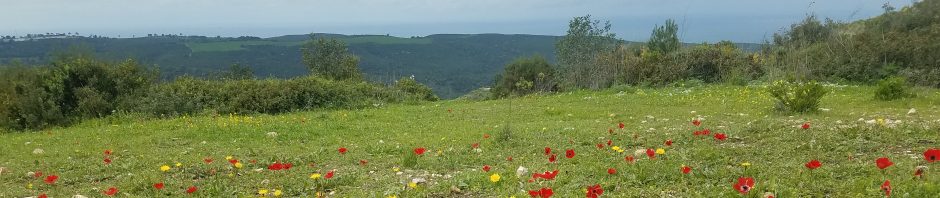
| בתשעה באב, חרב בית המקדש הראשון והשני, וגם גלות ספרד, ומלחמות עולם, וההתנתקות מגוש קטיף. ובתשעה באב, אומר התלמוד הירושלמי, המלך המשיח נולד. שנלך לחפש למי יש יומולדת בימים אלו? קרוב לודאי שלא, אבל כן, להזכיר לנו, שאולי בכל זאת, יש קשר בין תשעה באב וט”ו בשבט. לא נוח לגרעין באדמה הרטובה והחשוכה, לא נעים לו להבקע ולהפתח, אבל אם הוא רוצה להפוך לעץ, הוא חייב לעבור דרך השלב הנוראי הזה, ומשם, בתקוה שגם אנחנו נבין ונדע להמשיך לגדול מחושך לאור. | On Tish’a Be’av, the 1st and 2nd Temples were destroyed; the expulsion from Spain took place; world wars began; and the disengagement from Gush Katif. And on Tish’a Be’av, says the Jerusalem Talmud, the Messiah is born. Should we look through people’s birthdays? Probably not. But we should be reminded that there may bea connection between Tish’a Be’av and Tu Bishvat after all. It is uncomfortable for the see in the wet and dark dirt; it’s not pleasant to crack and open; but if it wants to become a tree, it must go through this awful stage, and from there… hopeful, we too, will and that we’ll understand and know to keep growing from darkness to light. |
Bsorot Tovot – בשורות טובות



 Torah & more... תורה ועוד
May you have a meaningful Tisha A’bv
Hugs and love
Kirsten
Thank you, Michal