(English below) ארבעים שעות בעוטף עזה
הרמז הראשון לכך שאני מתקרבת היא תחנת דלק קטנה מצפון לאשקלון. אפשר לעזור? שואלת אותי בנימוס וחיוך, מישהי שמנהלת את המקום לבדה ונראית כאילו רק סיימה תיכון. יש מים? לקנות בקבוק? אני שואלת, מבהירה. “כנסי למשרד שלי”, היא אומרת כשהיא יוצאת למשאבה לעזור ללקוח אחר, “את יכולה למלא לך שם”. איך אמרה דורות’י? יש לי הרגשה שזה כבר לא קנזס…
בכביש 232 אני פונה לדרום מערב. זה “ה”כביש. בתוך כמה שעות, נאנסו, נטבחו ונרצחו כאן כ-1,150 אזרחים, שוטרים וחיילים ישראלים – מתוכם 364 מבלים שהיו במסיבת הנובה, לא כולל 251 אנשים שנחטפו לרצועת עזה. ההערכות הן שקרוב ל-6000 מחבלים נכנסו מקרוב ל-120 פרצות בגדר. זה מעגן אותי לכתוב את כל המספרים האלה. 6000 מחבלים יכלו לרצוח 60,000 או 120,000או מי יודע כמה… האם יש אפשרות לראות את זה כנס? נס במחיר גבוה ביותר. ועדיין. נס?
דוברי זק”א ספרו על הכביש הזה שלכל אורכו, “כל 10–15 מטר היה רכב בצד, הפוך או שרוף. בכל רכב כזה היו נרצחים ששכבו לאחר שרצחו אותם וגם וידאו הריגה… היו רכבים שהמחבלים זרקו לתוכם רימונים אחרי שרצחו את הנוסעים. ראינו שם גופות שרופות וכלי רכב שעדיין היו רותחים לאחר שבערו. מצאנו נרצחים שהיו בתעלות בצידי הכביש שברחו וירו בהם”… כאן שמענו גם על גיבורים שחזרו שוב ושוב לתוך התופת להציל אחרים, שנלחמו בגבורה ומנעו בגופם אסון כבד יותר.
אני עוברת את הכניסה לאנדרטת חץ שחור. בקרתי במקום לפני קצת יותר משנה במסגרת קורס מורי הדרך, מתצפתים בבטחון לעבר עזה. בדיוק שם, מול קיבוץ מפלסים ישנו עיקול בכביש 232. המחבלים ניצלו את האטת המכוניות בעיקול ורצחו בו כ-50 ישראלים תוך שהם מבצעים וידוא הריגה ולפעמים גם אונס קודם לכן. לכל אורך כביש 232 הוקמו מספר אנדרטאות המנציחות את הנרצחים על הציר. שמות. תמונות. פרחים. מילים. הכביש מטושטש מבעד לדמעות, לכאב, לכעס. אי אפשר לנסוע כאן בלי לחזור שוב ושוב, לאותן תמונות, לאותם זכרונות.
אבל אני לא כאן בטיול מאורגן לראות אנדרטאות ולשמוע סיפורים. אני כאן לביקור אצל הילד שלי שעושה – שוב – מילואים, הפעם באחד מישובי העוטף. אני מחזקת את עצמי לקראת מה שאני עלולה לראות, ואכן, הפתעה. בשער מקדמים את פני פרחים רעננים. לאורך כביש הכניסה ההשקיה עובדת והצמחים מלבלבים. ליד החניה, הדשא ירוק וגזום. מישהו התחיל גינת ירק ליד אחד המבנים. אני לא בטוחה מה לחשוב. זה לא שאין מבנים שרופים ועקבות קרב, אבל גם מאד ברור שידיים אוהבות מטפלות במקום ועושות כל שאפשר להשיב אותו יפה כמקודם ואולי אף יותר, לתושביו ומתישביו לכשיורשו לחזור.
דבר ראשון, אני רוצה לדעת, מה אם תהיה אזעקה? כאן אין דקה או דקה וחצי. יש בקושי 15 שניות, ולפעמים גם זה לא. כמה צעדים אפשר ללכת, אולי לרוץ, לא למעוד, ב-15 שניות? בהתחלה אני מחשבת במדויק כמה התרחקתי מהמיגונית האחרונה ואיפה המיגונית הבאה. בומים בחוזקים שונים נשמעים ברקע. “מה זה היה?” אני שואלת בבהלה אחרי הראשון, שני, שלישי. “זה אצלם. הכל אצלם. הצבא שלנו עושה עבודה. כאן, כבר כמעט שאין אזעקות, ואפילו כשיש, זה לא פעם בגלל זיהוי שווא”. פה ושם כלב עזוב ותועה מגיע מהרצועה, מחפש לעצמו אחר אוכל וחיים טובים יותר. אני דואגת. מה אם… ? כל כך הרבה “מה אם”… אבל הילד מחייך. מה אתה מחייך? אני? אני לא בפניקה! אני פשוט “דואגת”! איך אפשר שלא? הרי גם לפני אמרנו שהכל בסדר! “זה נכון”, הוא אומר לי, “הלכנו רחוק בשאננות, אבל גם בפניקה אפשר ללכת רחוק. יש מקום בין הפניקה ובין לנשום”. אם הוא אומר.
אני מנסה לנשום. חצי נשימה. אחכ עוד אחת. שלמה קצת יותר. אני מגלה שפה ושם יש עוד רכב, שניים, שלושה, ליד בית כזה או אחר. יש אור. יש עציצים. שהתושבים, עוד לא באופן רשמי (גם אני בכלל לא הייתי כאן…) מתחילים לחזור, רק לבדוק מה קורה, רק להשקות, רק לקחת משהו, רק לכמה שעות, רק בסופ”ש…
“בסדר, אני מתפשרת, “בוא נלך להוציא דברים מהאוטו. הבאתי מאפים מהמאפיה ש…” הוא עושה לי טובה ונוגס בבורקס שהבאתי. “קרה משהו?” אני תוהה, כמעט נעלבת. “תיכף תראי”.
כמה רגעים לאחר מכן נשמע ברקע טרטור של ג’יפ צה”לי. הוא ניגש עם חבר לאסוף את הכבודה, שקיות ומגשים, עדיין חמים. “מה, מה זה? מאיפה”? אני המומה, מציצה פנימה לראות. ארוחת שבת לתפארת. כל דבר ארוז ומסומן באשר לתוכן ולרמת הכשרות: עוף. אורז. כשר. בד”צ. פרווה. ועל כל מאכל, לא משנה מה, יש פתק. יש כאלה בכתב עגול ומדויק. יש – בכתב שרץ על השורות, אין זמן ויש עוד המון עשיה, אבל כולם – באהבה רבה: “חייל יקר, שמור על עצמך, תודה על מה שאתה עושה, הקב”ה ישמור אותך, רק תחזור מהר ובשלום…. ” יש לבבות. וציור. לפעמים מספר טלפון. קו חיים.
“רגע”… אני מנסה לעכל מבעד לדמעות, הפעם מהתרגשות, “אני לא מבינה”… “ככה כל שבת”, הוא מסביר, “ולא רק לנו”, הוא מזכיר לי. “לכל מי שיושב לאורך הקו”.
כמה שהוא מסביר יותר אני מבינה פחות.
כבר כמעט שנה.
מלחמה. חזית. הישגים. נפילות. הפגנות. צעקות. שמחות. לוויות…
כבר כמעט שנה.
‘עזבי’, אני יכולה לשמוע אותן, ‘מה הבעיה, אני ממילא מכינה אז, עוד משהו קטן, מה, זה שום דבר, הכל לחיילים שלנו, הגיבורים שלנו’… אני מרימה את המכסים: סלטים טריים. שניצלונים קטנים מגוללים בפירורי לחם אחד אחד. סיר אורז עם ירקות ותבלינים. דג חרפרף עם תפוחי אדמה. עוגות ביתיות אמיתיות. אני רואה איך היא לשה, מפזרת סוכר, מערבבת, מגלגלת. אופה. מחכה. אורזת. כותבת. עם ישראל שלא מופיע בחדשות, מתעלם מכל רואי השחורות, מפנים ומחוץ, וממשיך לעשות.
לפני כמה חודשים הגיעה לבקר בארץ חברה שלי מארה”ב: “מה קורה כאן”, שאלה אותי מבולבלת, “בעזה נלחמים ובשאר הארץ, הכל רגיל”? “גם בשאר הארץ נלחמים”, אמרתי, “אבל אחרת”. כי מאחורי כל הרעש החדשותי, עם ישראל ממשיך ונלחם על חייו, מתעקש על השפיות, על הפרחים והעצים והגינה הקטנה, על המרק והעוגה, ועל סיפור האהבה שיש לנו כאן.
את האוכל אנחנו מסדרים על פלטה שאיכשהו הגיע למקום הזה. ‘מה זה שייך, תמיד יש כאן חיילים ש”שומרים”’. המילה “הדתה” לא קימת במקום הזה. גם לא ה”אנטי” לדברים היהודים. אחד מכין מיחם לשבת, והשני מחפש סרט בטלויזיה. יש מספיק שבת לכולם.
אני שואלת לגבי בית כנסת. כאן אין, אבל יש בבסיס לא רחוק. אפשר ללכת ולנסות. חבורה קטנה של כאלה ש”שומרים” וכאלה שלא יוצאת לקבלת שבת. הש.ג. שואל את השאלות הרגילות, מחליט שאנחנו לא מסוכנים, ונותן לנו להמשיך לתפילה, שם אני מוצאת את אחת מקבלות השבת היפות ביותר שחויתי אי-פעם בחיי. קשה לדעת מאיפה להתחיל ומה מרגש יותר: זה שיש עזרת נשים ויש שם עוד חילת ששרה ומתפללת בדבקות, וגם מחייכת אלי ונותנת לי חיבוק. או מזה שמישהו דואג לספרים וחומר קריאה רציני. או מזה שהחיילים שרים ברוממות רוח והרמוניה נפלאה. או מזה שאחד מהם, עם הנשק עליו בהצלב, נותן דרשה על הפטרות הנחמה בתקופה זו. ואולי מזה שהכל נעשה בנחת, וכאן בפנים, למרות הכל, עכשיו שבת. והשבת ממשיכה גם לארוחת הערב שהושארה על הפלטה ועכשיו מוכנה. האוכל החם מועמס על עגלה וכדי שגם הש.ג. יוכל להשתתף, השלחן מתארגן ליד עמדת השמירה.
בין לבין אני מוצאת אסופת מאמרים על המדף: המעין, גליון מורחב במלאת 50 שנה למלחמת יום כיפור. הקובץ יצא לאור בתשרי, תשפ”ד. אני מדפדפת ובמקרה נתקעת במאמר של הרב זאב ויטמן. ב-6 באוקטובר, 1973 הוא נקלע למלחמת יום הכיפורים כשהגיע לבסיס הצבאי לתל פארס בצפון רמת הגולן להיות שליח ציבור ביום הכיפורים, ובהמשך המלחמה גם לחם בחזית הדרומית בסיני. סיפור המלחמה דאז מצמרר, אך מה שמצמרר עוד יותר הן מילותיו בהווה: “זכרון זה של מלחמת יום כיפור קשה עלי במיוחד בימים אלו… אם לא נתעשת ונשכיל לשמור על אחדותנו, אנו עלולים חס וחלילה למצוא את עצמנו שוב במצב בו היינו בראשית מלחמת יום כיפור… האיראנים, חיזבאללה, חמאס ושאר אויבינו מחככים ידיהם בהנאה כשהם רואים את מלחמות האחים שמתחוללות לנגד עיניהם – עבודתם נעשית על ידינו אנו”…. כל זה, ימים ספורים לפני המתקפה בשמיני עצרת.
ביום ראשון, ב-6 בבקר אני יוצאת בחזרה צפונה, שוב מתפתלת עם כביש 232. השמש מתגלה קמעא קמעא, כמו הגאולה מעל בקעת ארבל בגמרא, לזריחה יפיפיה ממול. אני מצלמת ומעלה תמונה בפייס. זה מזכיר לי, כותבת לי חברה, את ביאליק: ‘השמש זרחה, השיטה פרחה והשוחט שחט…” (מתוך “על השחיטה”). כן, אני עונה לה: “השמש זורחת, הפרחים פורחים, החקלאים עובדים קשה ולאט לאט חוזרים. זה לא שאין כאב ואין זכרון, חלילה, אבל זה גם לא השיר של ביאליק. זו לא הגלות. זו ארץ ישראל”.
40 hours in Otef Aza
The first clue that I’m getting close is a small gas station just north of Ashkelon. “Can I help you?”, politely and with a smile, a young lady asks me who runs the place alone and looks like she just graduated high school. “Can I get water? I mean, a water bottle?” I ask, clarifying. “Come into my office,” she says as she goes out to the pump to help another customer, “You can fill yours in there.” I have a feeling, it’s not Kansas anymore…
On road 232 I turn southwest. This is “the” road. Within a few hours, approximately 1,150 Israeli citizens, policemen, and soldiers were raped, massacred and murdered here – of which 364 were partygoers who were at the Nova party, not including 251 people who were kidnapped to the Gaza Strip. It is estimated that close to 6,000 terrorists entered through close to 120 holes in the fence. It anchors me to write all these numbers: 6,000 terrorists could have murdered 60,000 or 120,000 people or who knows…. Is it possible to see a miracle? A miracle at the highest price. And still, a miracle?
Zaka spokesmen shared that along this road, “every 10-15 meters there was a vehicle on its side, upside down or burned. In every such vehicle there were murdered people who were lying down after they were shot again and again, to make sure they are dead… There were vehicles into which the terrorists threw grenades after murdering the passengers. We saw burnt bodies and vehicles that were still boiling after burning. We found murdered people who were in the ditches on the sides of the road who ran away and were shot”… here we also heard about heroes who repeatedly returned to the inferno to save others, who fought valiantly, personally, physically, and with their own bodies, prevented a heavier disaster.
I pass the entrance to the Black Arrow Monument. I visited this place a little more than a year ago as part of the tour guide course, looking out safely towards Gaza. Right there, in front of Kibbutz Miflasim, there is a curve on road 232. The terrorists took advantage of the cars slowing down at the curve here and murdered about 50 Israelis, shooting them over and over again, sometimes raping the victims beforehand. Several monuments commemorating those murdered here were erected along the entire length of road 232. Names. pictures. Flowers. Loving words. The road is blurred through tears, pain, anger. It is impossible to drive here without going back, again and again, to those photos, those memories.
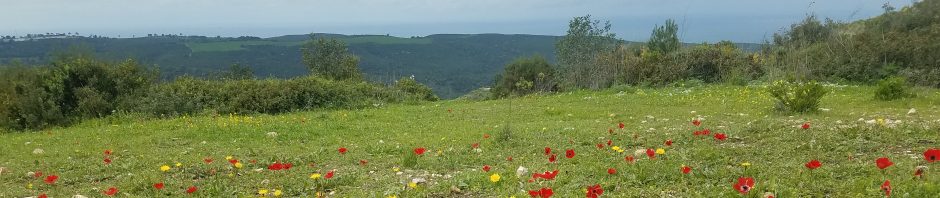
But I’m not here on an organized trip to see monuments and hear stories. I am here to visit my son who is – again – doing his reserve duty, this time in one of the Otef (area around Gaza) settlements. I brace myself for what I might see, and indeed – a surprise. Fresh flowers greet me at the gate. Along the entrance road, the irrigation system is working and the plants are blooming. Near the parking lot, the grass is green and trimmed. Someone started a vegetable garden next to one of the buildings. I’m not sure what to think. It’s not that there aren’t burned buildings and traces of battle, but it’s also very clear that loving hands are taking care of the place and doing everything possible to restore it to be as beautiful as before, maybe even more, for when the residents will be allowed to return.
The first thing I want to know is, what if there is an alarm? There is no minute or minute and a half here, as there is – currently – in the north. There are barely 15 seconds, and sometimes not even that much. How many steps can one walk, maybe run, not stumble, in 15 seconds? In the beginning, I accurately calculate how far I have moved away from the last shelter and where the next shelter is. Booms of different volumes are heard in the background. “What was that?” I ask in a fright after the first, second, third. “It’s there; everything is there. Our army is doing its job. Here, there are almost no alarms anymore, and even when there are, it’s often because of a false identification.” Here and there a stray dog from Gaza shows up, looking for food and a better life. I worry, “what if…?” There are so many “what ifs”… but my kid is smiling. “Why are you smiling? I’m not in a panic! I just worry! How can you not? After all, we also said before, that everything is fine!” “It’s true,” he says, “We went way too far in complacency, but you can also go too far in panic. There is a place between panic and breathing.” Ok, if he says so…
I’m trying to breathe; half a breath; then another one, a little more complete. I discover that there is another car, two, three, near some of the houses. There is light in a few houses; there are flower pots cared for by the residents who are starting to come back – not yet officially (after all, I wasn’t here either…) – showing up just to check what’s going on, just to water the plants, just to take something, just for a few hours, just for the weekend, just because it’s impossible to leave…
“Okay”, I compromise, “Let’s go get things out of the car. I brought pastries from the bakery…” He does me a favor and bites into one of the burekas I brought. “What? Is it spoiled? Is something wrong?” I wonder, almost offended. “You’ll see soon”, he answers.
A few moments later, the rumble of an IDF jeep is heard from the parking lot. He goes with a friend to collect bags and trays, still warm. “What, what is this? From where?” I am stunned, peeking in to see. A glorious Shabbat meal. Everything is packaged and marked as to the content and level of kashrut: Chicken. Rice. Kosher. Extra kosher. And every package, no matter what, has a note. Some in round and precise writing. Some in writing that runs through the lines, as if there is no time and there is still a lot to do. But each one is written with great love: “Dear soldier, please take care of yourself; Thank you for what you are doing; May G-d protect you; Just come back quickly and safely…” There are hearts. And sometimes a phone number. A lifeline.
“Wait”… I try to digest through the tears, this time because I am so touched, “I don’t understand”… “It’s like this every Shabbat”, he explains, “and not just for us”, he reminds me, “for everyone who sits along the border.” .
The more he explains, the less I understand.
It’s been almost a year.
A war. A frontier. Achievements. Drawbacks. Demonstrations. Yelling. Joy. Funerals…
Almost a whole year.
“Oh, don’t worry about it”, I can hear them say, “What’s the big deal, I’m preparing for my family anyway, so another little something? It’s nothing, everything for our soldiers, our heroes…” I lift the lids: Fresh salads. Small schnitzels rolled in breadcrumbs one by one. Rice pots with vegetables and spices. Scalloped fish with potatoes. Real homemade cakes. I don’t know her but I can see how she kneads, sprinkles sugar, mixes, rolls, bakes, waits, packs, writes… The people of Israel that do not appear in the news, ignore all the doomsayers from within and without, grit their teeth, and continue to do.
A few months ago, a friend of mine from the USA came to visit Israel: “What’s going on here?” she asked me bewildered, “There’s fighting in Gaza and in the rest of the country, everything is just fine?” “There’s also fighting in the rest of the country,” I said, “but differently.” Because behind all the noise the news spews, the people of Israel continue to fight for their lives, insisting on sanity, on flowers and trees and little gardens, on soup and cake, and on the love story we have here.
We arrange the food on a hotplate that somehow got to this definitely not religious place. The word “religify” – which has become another news “buzz-word”, does not exist in this place. Neither does being “anti” to Jewish things. One is preparing the hot water urn for Shabbat, and the other is looking for a movie on TV. There is enough Shabbat for everyone.
I ask about a synagogue. There are none here, but there is one at an army base nearby. We can go and try. A small group, both with those who “keep” Shabbat and those who don’t, go out to Kabbalat Shabbat. The guard asks us the usual questions, decides that we are not dangerous, and lets us proceed to the shul, where I find one of the most beautiful Kabbalat Shabbat services I have ever experienced in my life. It’s hard to put my finger on what exactly is so moving: the fact that there is a women’s section, and there is a female soldier there that sings and prays devoutly, smiling at me and giving me a hug. Or because someone cares about books and serious reading material. Or because the soldiers sing in high spirits and wonderful harmony. Or because one of them, his weapon diagonally on him, gives a sermon about the consolation haftara during this period. Or maybe because it was all done with ease, and here inside, in spite of everything, it is now Shabbat. And Shabbat continues with the dinner that was left on the hotplate and is now ready. The hot food is loaded on a cart, and so that the guard at the front gate will be able to participate, the table is set up near the guard post.
Somewhere I come across a collection of articles on the 50th anniversary of the Yom Kippur War. It was published in Tishrei 5784. I stumble on an article by Rav Ze’ev Whitman. On October 6, 1973, he was caught up in the Yom Kippur War when he arrived at the Tel Fares military base in the northern Golan Heights to be a Yom Kippur prayer leader, and later, fought on the southern front in Sinai. The story of the war at that time is chilling, but what is even more chilling are his words now: “This memory of the Yom Kippur War is especially difficult for me these days… If we don’t come to our senses and preserve our unity, G-d forbid, we may find ourselves again in the situation that we were in at the beginning of the Yom Kippur War… Iran, Hezbollah, Hamas, and our other enemies are rubbing their hands with pleasure when they see the internal fighting between us taking place before their eyes – their work is being done by us”… all of that, written just a few days before October 7th, 2023.
On Sunday morning at 6am I head back north, again along road 232. The sun appears little by little, reminiscent of the Gemara that tells about the redemption, like light rays over the Arbel Valley, growing into a beautiful sunrise. I take a picture and upload it to Facebook. “This reminds me”, writes a friend, “of Bialik’s poem: ‘The sun rose, the tree blossomed, and the murderer slaughtered…’” (from Bialik’s “On the Slaughter”).
Well, I answer her: “The sun does rise, the trees do bloom, and the farmers work hard so that they can slowly return home to their lands. It’s not that there is no pain and no memory, G-d forbid, but we’re not living Bialik’s poem. This is not exile. This is the Land of Israel.”


 Torah & more... תורה ועוד