פרשת כי תבוא אל הארץ ושמחת בכל הטוב…. (English below)
“וְהָיָה֙ כִּֽי־תָב֣וֹא אֶל־הָאָ֔רֶץ אֲשֶׁר֙ ה’ אֱלֹהֶ֔יךָ נֹתֵ֥ן לְךָ֖ נַחֲלָ֑ה וִֽירִשְׁתָּ֖הּ וְיָשַׁ֥בְתָּ בָּֽהּ”…
ספר דברים מעלה שאלה מעניינת: האם המצוות ניתנו אך ורק למען חיינו בארץ, וכשאנחנו לא בארץ, לא צריך לעשות אותן, וכל מה שאנחנו עושים בחוצלארץ, זה רק אימונים לקראת היום בו נחזור לארץ – או – שהמצוות עניינן בכל מקום ורק חלקן שייך בארץ ישראל?
הרב שרקי אומר שהיהודים הם כמו אסקימוסים שהוגלו למדבר סהרה, ושם במדבר, הם בנו לעצמם מזחלות ומגלשות מחול וגלשו על הדיונות… העיקר, לא לשכוח מה נעשה לכשנחזור לארץ ישראל…
לקראת סוף ספר דברים, מקומה של הארץ ומצוות הארץ – מתחזק ומתעצם:
וְהָיָה֙ כִּֽי־תָב֣וֹא אֶל־הָאָ֔רֶץ אֲשֶׁר֙ ה’ אֱלֹהֶ֔יךָ נֹתֵ֥ן לְךָ֖ נַחֲלָ֑ה וִֽירִשְׁתָּ֖הּ וְיָשַׁ֥בְתָּ בָּֽהּ׃ וְלָקַחְתָּ֞ מֵרֵאשִׁ֣ית כׇּל־פְּרִ֣י הָאֲדָמָ֗ה אֲשֶׁ֨ר תָּבִ֧יא מֵֽאַרְצְךָ֛ אֲשֶׁ֨ר ה’ אֱלֹהֶ֛יךָ נֹתֵ֥ן לָ֖ךְ וְשַׂמְתָּ֣ בַטֶּ֑נֶא וְהָֽלַכְתָּ֙ אֶל־הַמָּק֔וֹם אֲשֶׁ֤ר יִבְחַר֙ ה’ אֱלֹהֶ֔יךָ לְשַׁכֵּ֥ן שְׁמ֖וֹ שָֽׁם… (דברים כו:א-ב).
החיבור הזה, בין אדם לאדמתו ליבול – במיוחד הביכורים, הפירות הראשונים שנותנת לו אותה האדמה – חזק בכל מקום, אבל בשביל עם ישראל, הוא נכון ומרגש במיוחד בארץ. רק כאן אנחנו יכולים לספר את הסיפור שלנו כולו, אותו הסיפור שנספר גם בהגדה של פסח: “אֲרַמִּי֙ אֹבֵ֣ד אָבִ֔י וַיֵּ֣רֶד מִצְרַ֔יְמָה”… משם הביא אותנו הקב”ה אל “אֶ֛רֶץ זָבַ֥ת חָלָ֖ב וּדְבָֽשׁ”, למקום אשר בחר “לְשַׁכֵּ֥ן שְׁמ֖וֹ שָֽׁם” (שם,שם,ה-ט).
זה אומר, שאנחנו לא נמצאים בארץ ישראל רק כי מישהו, איפהשהו לא רצה אותנו. גם לא כי “כאן נולדתי”. אלא אנחנו כאן כי זה הבית של המשפחה שלנו: לכאן הוליך הקב”ה את אברהם אבינו. מכאן נלקח יוסף העברי. לכאן הוחזרו בני ישראל מגלות מצרים. כאן בנינו את בית המקדש. לכאן פנינו בתפילה, מכל מקום, שלוש ויותר פעמים ביום. לכאן חזרנו אחרי אלפיים שנות, נס שאנחנו עדיין לא לגמרי מבינים. התורה כדי שלחזק את כל זה בנו, אמרה לסיום טקס הבאת הביכורים: “וְשָׂמַחְתָּ֣ בְכׇל־הַטּ֗וֹב אֲשֶׁ֧ר נָֽתַן־לְךָ֛ ה’ אֱלֹהֶ֖יךָ”... (שם,שם,יא).
זו תמיד נראית לי המצווה המפתיעה והקשה ביותר בתורה… “ושמחת”?? האם אפשר לצוות על שמחה? להיות שמח בפקודה? או שיתכן וזו הבטחה? ככה יהיה, אתה תשמח? גם זה קשה…
ואולי, כוונת התורה, שהשמחה היא כמו כל מצווה – משהו לעשות. יתכן שלא יהיה קל, אבל רמת הקושי לא שייכת. להיפך: זה שזו מצווה אומר שזה בידיים שלנו. גם אם לא נצליח ב-100%, זה בסדר. אנחנו גם לא תמיד “מצליחים” עם כל המצוות האחרות, אבל לפחות, נעשה.
זה כמובן מביא אותנו לשיחה מאד עכשוית. כי כבר באופק הלא רחוק, מתיצב לו חג שעיקרו – שמחה. והשאלה שעולה מסביב היא, מה לעשות בשמחת תורה, בשנה זו, בדיוק שנה למלחמה?
לא מזמן הגיעה אלי חוברת “המעין – גליון מורחב במלאת 50 שנה למלחמת יום כיפור”, אסופה של מאמרים שיצאה לכבוד חודש תשרי תשפד, ממש לפני המלחמה שפרצה באותה שבת שמיני עצרת / שמחת תורה. בין הכותבים, הרב ד”ר (סא”ל מיל.) מרדכי הלפרין שהיה רב צעיר בישיבת הגולן שרק הוקמה במושב רמת מגשימים. הרב מספר על ה”בומים” העל-קוליים באמצע תפילת שחרית של יום הכיפורים, המטוסים באויר, וההפגזה הקשה כשמאות פגזים הומטרו על המשק כל אותו אחר הצהרים.
הרב עצמו גוייס במוצ”ש והועבר לסיני בראש כוח של הרבנות הצבאית שיועד לפינוי חללים מאיזור הלחימה. במאמרו הוא מתאר אינספור התלבטויות מוסריות, אנושיות והלכתיות קשות במהלך המלחמה. למשל, ביום שמיני עצרת / שמחת תורה (תשלד) הוא התבקש לצאת לפנות גופות של חיילי צה”ל במוצב שהיה צה”לי, נכבש ע”י המצרים ביום הכיפורים, ושוב נכבש ע”י צה”ל. את הפיסקה על כך הוא פותח במילים: “בשמחת תורה, אחרי ההקפות בשחרית“…
לא אכנס להתלבטות ולתאור עצמו. חמש המילים הראשונות “בשמחת תורה, אחרי ההקפות בשחרית”… היכו בי. שמחת תורה. פחות משבועיים לאחר פרוץ מלחמת יום הכיפורים. עדיין בעיצומה של המלחמה, מלחמת פתע שפגעה בנו קשה בשתי חזיתות במקביל, מלחמה שבתוך שלושה שבועות תגבה כמעט פי שניים הרוגים ממה שחוינו במשך כל השנה האחרונה, כשבמדינת ישראל היו בין שליש לחצי מאוכלוסיתה כיום. תגידו – כבוד הרב, סליחה, מה שייך שמחת תורה והקפות עכשיו?
לא התאפקתי. כתבתי לרב הלפרין ושאלתי אותו: האם היו הקפות באותו חג שמחת תורה, תשל”ד (1973)? והרב ענה: “היו הקפות רגילות עם התאמה לסדר היום של החיילים והקצינים. איש לא חשב לפגום בשמחת התורה. להיפך. השמחה נסכה עוז ותעצומות בלב משתתפיה. כך למשל, יצאנו לאזור הצליחה המסוכן ללא הרגשת פחד וללא מורא”…
אני לא אומרת מה צריך לעשות השנה בשמחת תורה. זה כל קהילה תצטרך להחליט מה מתאים לה ולחבריה, אבל לפחות לקחת רגע לחשוב על זה בזוית נוספת.
הרב חיים סולובייציק, כתב לפני כ-80 שנה: “שמחת תורה… החג לא נקרא “שמחת ישראל” אלא שמחת תורה (כלומר – שמחה של התורה), ולא (כל כך חשוב) שישראל ישמחו בתורה, אלא העיקר שהתורה תשמח בישראל”.
“וְהָיָה֙ כִּֽי־תָב֣וֹא אֶל־הָאָ֔רֶץ”… נאמר במדרש ש”כל מקום שנאמר במקרא “והיה” – זו לשון שמחה (בראשית רבה מב, ב). אומר האור החיים, שעלה לארץ ממרוקו בשנת 1742 על הפסוק שלנו: “לשון שמחה שאין לשמוח אלא בישיבת הארץ”…
“לשמוח בישיבת הארץ”??? איך? את לא שומעת חדשות? זה פשוט בלתי אפשרי!!
נכון, גם בפרשת השבוע שלנו, לא קל. יחד עם העתיד הנפלא בארץ, משה מקדיש גם פרק שלם ארוך וכואב לסדרה השניה של הברכות והקללות. הקללות כל כך איומות שקשה להתאושש מהן. לכן אחריהן משה רוצה להזכיר לעם את הטובה שעשה להם ה’ עד כה – אף על פי כן ולמרות הכל, קרו להם כל כך הרבה ניסים! האם יצליחו בני ישראל לראות גם אותם?
אומר להם משה: “וְלֹא־נָתַן֩ ה’ לָכֶ֥ם לֵב֙ לָדַ֔עַת וְעֵינַ֥יִם לִרְא֖וֹת וְאׇזְנַ֣יִם לִשְׁמֹ֑עַ עַ֖ד הַיּ֥וֹם הַזֶּֽה” (כט:ג). עד היום הזה! כלומר, 40 שנה אחרי צאתם ממצרים!! רק עכשיו לאט לאט הם מתחילים להבין מה היתה יציאת מצרים… אמרה הגמרא: מכאן למדו חכמינו שאין אדם עומד על דעת רבו עד ארבעים שנה (עבודה זרה ה:א), כלומר, כדי להבין את ההווה צריך זמן, צריך לנשום, צריך פרספקטיבה.
אמרה לנו התורה, “וְשָׂמַחְתָּ֣ בְכׇל־הַטּ֗וֹב”… האם היה “יותר טוב” בימי חורבן בית ראשון או שני? או בימי הביניים? אולי בימי גירוש ספרד? בפרעות חמילניצקי או בשואה? כמובן שלא. בכל אחת מהתקופות בהסטוריה שלנו היו טרגדיות נוראיות ברמה האישית והלאומית, ואני חלילה לא מקטינה – לא מהן ולא ממה שעובר עלינו. כל שנאמר הוא שאנחנו מתבקשים, מוזמנים – מצטווים – להסתכל, לא רק על מה שחסר, כואב, פוגע, שלילי, אלא דוקא – על כל הטוב. להיות שמח כשהכל טוב ומושלם וכל רצונותינו מתגשמים, זה קל. אבל לאסוף את עצמנו, דוקא עכשיו, ולהצליח לזהות, ולשמוח בטוב שיש – ועדיין יש – זו המצווה.
שתהיה שבת שלום ובשורות טובות.
“And when you come to the Land that Hashem your Gd gives you as an inheritance and you will settle in it”…
The book of Deuteronomy raises an interesting question: Were the commandments given solely for our life in Israel, and when we are not in the Land, we don’t need to do them, and everything we do outside the Land, is merely a training for the one day in the future when we return home – or – are the commandments relevant everywhere and only some of them belong in Israel ?
Rav Sherki says that the Jews are like Eskimos who were exiled to the Sahara desert, and there, in the desert, they built themselves skis and sleds out of sand, skiing down the dunes… The main thing is not to forget what we will do when we return to the Land of Israel…
Towards the end of the book of Deuteronomy, the place of the Land and the commandments of the Land become more and more central:
When you enter the land that Hashem your Gd is giving you as a heritage, and you possess it and settle in it, you shall take some of every first fruit of the soil, which you harvest from the land that Hashem your Gd is giving you, put it in a basket and go to the place where Hashem your Gd will choose to establish the divine name (Deuteronomy 26:1-2).
This connection, between a person and his land and the harvest – especially the first fruits that the land gives him – is strong everywhere, but for the People of Israel, it is especially true and touching in Israel. Only here can we tell our entire story, the same story that is also told in the Passover Haggadah: “”my father was a wondering Aramean who went down to Egypt”… from there the Holy One brought us to a “Land flowing with milk and honey” to where “He chose to place His Name” (ibid 5-9).
This means that we are not in the Land of Israel just because someone, somewhere did not want us; nor because “we were born here”. Rather, we are here because this is the Home of our family: this is where Gd led our forefather Abraham. This is where Joseph the Hebrew was taken from. This is where the Israelites were brought back to from exile in Egypt. This is where we built the Temple. Where we have returned to after two thousand years, a miracle that we still do not fully comprehend. The Torah, in order to strengthen all this in us, said that we should close the ceremony of bringing the first fruit with the words: “And you will be joyous in all the goodness that Hashem your Gd gives you” (ibid 11).
This always seems to me to be the most surprising and difficult mitzvah in the Torah… “And you will be joyous”… ? Is it possible to command joy? To be happy on command? Or maybe it’s a promise, that this is how we will be, joyous?
And maybe the Torah’s intention is that joy is like any mitzvah – something to do. It may not be easy, but the level of difficulty is not relevant. On the contrary: the fact that it is a mitzvah means that it is in our hands. Even if we don’t succeed 100%, that’s okay. We also don’t always “succeed” with all the other mitzvot, but at least, we can do.
Which of course brings us to a very current conversation. For already on the not-so-distant horizon there’s holiday coming up whose main theme is – joy. And the question that’s being raised is, what to do on Simchat Torah this year, exactly one year to the war?
Not long ago, I came across a collection of articles called “Ha-Ma’ayan – expanded Issue on the 50th anniversary of the Yom Kippur War” published in honor of the month of Tishrei 5783 / 2023, right before the war that broke out on that Shabbat of Shmini Atzerat / Simchat Torah. Among the authors, Rav Dr. (Lt. Col. In the reserves) Mordechai Halperin who was a young rabbi at the Golan Yeshiva, just established in Moshav Ramat Magshimim. The rabbi tells about the supersonic “booms” in the middle of Yom Kippur morning prayer, the airplanes overhead, and the heavy bombing when hundreds of shells rained on the moshav all through that afternoon.
The rabbi himself was recruited Sat night and transferred to Sinai at the head of a rabbinic military force designated for the removal and proper burial of bodies from the combat zone. In his essay he describes countless difficult moral, human and halachic dilemmas during the war. One of them is when he’s told – on Shmini Atzeret / Simchat Torah (5733 / 1973) – to go out in order to clear bodies of soldiers in an IDF post that was conquered by Egyptians on Yom Kippur, and then again conquered by the IDF. He opens the paragraph about this with the words: “On Simchat Torah, after the completion of the hakafot (dancing around with the Torah)”…..
I will not go into deliberation and description itself. These first few words ” On Simchat Torah, after the completion of the hakafot” hit me. Simchat Torah was less than two weeks after the outbreak of the Yom Kippur War; we were still in the middle of this war, which comprised of a surprise attack on two fronts at the same time; a war that in three weeks will claim almost twice as many deaths as we have experienced in this whole last year, at a time that the State of Israel had between a third and a half of its current population today. You may say – Rabbi, excuse me, with all respect, what’s to do with Simchat Torah and the hakafot at such a time?
It blew my mind, so I decided to write Rav Halperin and asked him: Were there hakafot on that holiday of Simchat Torah, 1973? And he answered: “There were regular hakafot with an adjustment to the daily schedule of the soldiers and officers. No one thought of forgoing Simchat Torah. On the contrary. The joy was strong and enormous in the participants’ hearts. So, for example, we went to the dangerous Suez Canal area without feeling fear and without dread”…
I am not suggesting to anyone what should be done this year on Simchat Torah. Each community will decide what is right for its members, but I would like to think about, in conjunction with this week’s Torah portion.
Rav Chaim Soloveitchik wrote about 80 years ago: “Simchat Torah… the holiday is not called “Simchat Israel” (i.e. the joy of Israel) but Simchat Torah (that is – the joy of the Torah), and it is not (that important) that Israel rejoice in the Torah, but the main thing is that the Torah rejoices in Israel “.
“And when you (vehaya) come to the Land”… It is said in the Midrash that “every place where it is said in the Tanach “and when you” as in “vehaya” – it is a joyful language (Beresheet Rabbah 42:2). The Or Hachayim, who came to the Land of Israel from Morocco in 1742, said about our verse: “we’re using here a language of joy because one cannot be joyful except by dwelling in the Land”…
“To be joyful by dwelling in the Land”?? how? Don’t you hear news? It’s just impossible!!
True, even in this week’s Torah portion it’s not easy. Along with the wonderful future in the Land, Moses also devotes an entire long and painful chapter to the second set of blessings and curses. The curses are so terrible that it is difficult to recover from them. That is why afterwards Moses wants to remind the People of the good that Gd has done for them thus far – nevertheless and in spite of everything, so many miracles happened to the! Will the Children of Israel be able to see them as well?
Moses says to them: “Yet, Gd has not given you a mind to understand or eyes to see or ears to hear till this very day” (ibid 29:3). Till this very day! That is, 40 years after you’ve left Egypt!! Only now, little by little, they are beginning to comprehend some of what the Exodus from Egypt was… The Talmud says: From this our sages learned that “a person does not fully understand his teacher’s words until 40 years have passed” (tractate Avodah Zarah 5:b), that is, to understand the present one needs time, one needs to breathe, one needs some perspective.
The Torah told us, “Vashmachta” – and you will be joyous… Were things “better” during the time of the destruction of the First or Second Temple? Or in the Middle Ages? Maybe during the Expulsion from Spain? In the Khmelnytskyi Riots or the Holocaust? Of course not. In each of these eras in our history there have been terrible tragedies on a personal and national level, and Gd forbid I am not diminishing – them nor of what we are going through nowadays.
One of my students said to me, ‘maybe, we only have to be joyous with the good; if it’s not good, then vesamachta is not needed’!!
But I don’t think so. I hear that we’re asked, invited – commanded – to look, not only at what is missing, painful, hurtful, negative, but precisely – at all the good. Being happy when everything is good and perfect and all our desires come true – is easy. But to collect ourselves, davka now, and be able to recognize and rejoice in the good that there is – and there still is – this is the mitzvah.
May we have a Shabbat Shalom and good tidings.

Arise, shine, for your light has dawned (Isaiah 60:1-22)
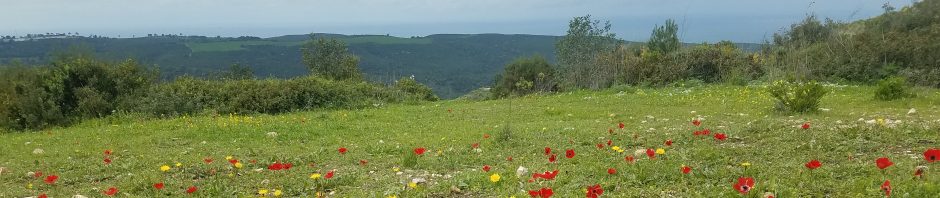
photo credit to: https://www.kimhussey.com/blog/blog-post-title-three-nleab-wb97k-p53y4


 Torah & more... תורה ועוד