
פרשת פקודי ושבת החודש: ביחד להמשיך במסע (EN below)
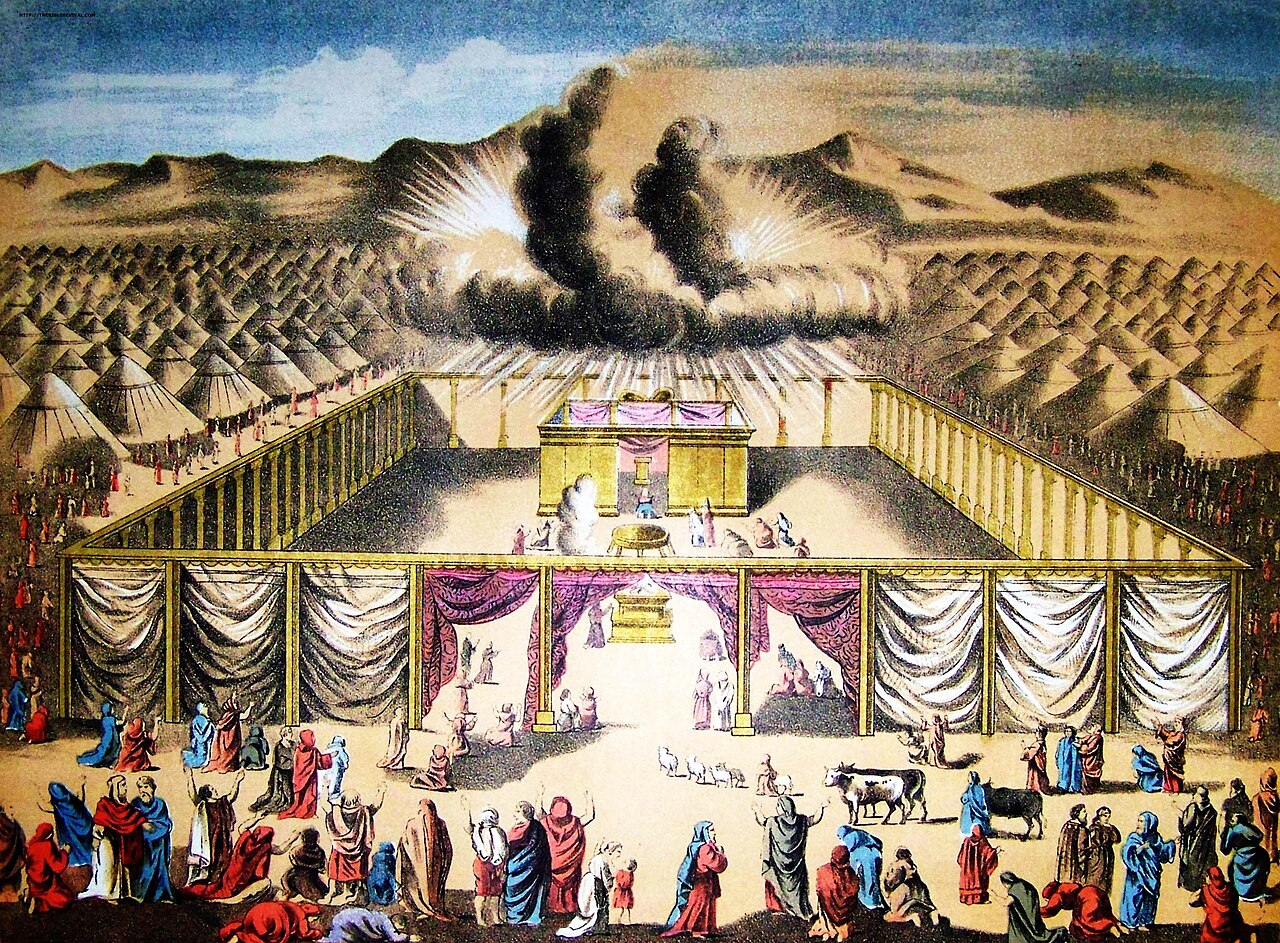
“אֵ֣לֶּה פְקוּדֵ֤י הַמִּשְׁכָּן֙ מִשְׁכַּ֣ן הָעֵדֻ֔ת אֲשֶׁ֥ר פֻּקַּ֖ד עַל־פִּ֣י מֹשֶׁ֑ה”… (שמות לח:כא). המדרש מספר לנו שמשהסתיימה הבניה, ערך משה חשבון מדוקדק על כל דבר ודבר שנתרם ונכלל במשכן. ומיד נשאלת השאלה, האמנם? משה? הרי עליו יאמר “לֹא־כֵ֖ן עַבְדִּ֣י מֹשֶׁ֑ה בְּכׇל־בֵּיתִ֖י נֶאֱמָ֥ן הֽוּא׃ פֶּ֣ה אֶל־פֶּ֞ה אֲדַבֶּר־בּ֗וֹ וּמַרְאֶה֙ וְלֹ֣א בְחִידֹ֔ת וּתְמֻנַ֥ת ה’ יַבִּ֑יט וּמַדּ֙וּעַ֙ לֹ֣א יְרֵאתֶ֔ם לְדַבֵּ֖ר בְּעַבְדִּ֥י בְמֹשֶֽׁה”… (במדבר יב:ז) האם אנחנו חושדים במשה, שלקח דבר מה, או שטעה בחישוב ובבניה??
אך, מסתבר שאין חדש, וההנהגה תמיד היתה תחת בקורת גדולה יותר, ולא תמיד בלי צדק. ממשיך המדרש ומספר שמשה שמע את בני ישראל מדברים אחריו כשעבר במחנה. חלק אכן דברו בשבחו, אך חלק הביטו אחריו כשהלך לאוהל, ואמרו דברים “לגנאי… ראה צווארו! ראה שוקיו! ראה כרעיו! אוכל משל יהודים, שותה משל יהודים, וכל מה שיש לו משל יהודים!” ממשיך ומסיים המדרש: “כיון ששמע משה כך אמר להם: חייכם (לשון שבועה) משהמשכן נגמר, אני נותן לכם חשבון. שנאמר ‘אלה פקודי המשכן’” (ילקוט שמעוני על התורה תט״ו:א׳).
מייד לאחר מכן, מציינת התורה את שמות הבונים: “וּבְצַלְאֵ֛ל בֶּן־אוּרִ֥י בֶן־ח֖וּר לְמַטֵּ֣ה יְהוּדָ֑ה עָשָׂ֕ה אֵ֛ת כׇּל־אֲשֶׁר־צִוָּ֥ה ה’ אֶת־מֹשֶֽׁה׃ וְאִתּ֗וֹ אׇהֳלִיאָ֞ב בֶּן־אֲחִיסָמָ֛ךְ לְמַטֵּה־דָ֖ן חָרָ֣שׁ וְחֹשֵׁ֑ב וְרֹקֵ֗ם בַּתְּכֵ֙לֶת֙ וּבָֽאַרְגָּמָ֔ן וּבְתוֹלַ֥עַת הַשָּׁנִ֖י וּבַשֵּֽׁשׁ”. נשאל, מדוע הוזכרו שניהם, ומדוע לא נכתב אחרי שמות שניהם שעשו “אשר צווה ה’ את משה”? אך בצלאל ואהליאב היו שונים זה מזה כמו ששבט יהודה שבט דן היו שונים זה מזה.
ֿהמלך הראשון שלנו הוא שאול משבט בנימין, אך כשהמלכות מתגבשת, היא עוברת משבט בינימין השוכן מצפון לירושלים, לשבט יהודה השוכן יותר דרומה. במקביל, שבט דן עובר לצפון, אולי בצעד סמלי של התנגדות למסגרות מימסדיות. מהיותו ״בן השפחה״ ומאז מקרה המקלל (ויקרא כד:י-יד), שבט דן מייצג את הטיפוס היותר אנרכיסט ואינדיבידואליסט, בשעה שמשבט יהודה באה שושלת המלוכה של דוד, ועל שמו נקראה בהמשך הממלכה הדרומית.
במדרש אנחנו מוצאים: “א”ר חנינא בן פזי: אין לך גדול מכל השבטים משבט יהודה, ואין לך ירוד מן שבט דן שהיה מן השפחות… שגדול וקטן שוין לפני הקב”ה. א”ר חנינא: לעולם אל יגיס (יתגאה) אדם בכבודו, המשכן נעשה בשני שבטים אלו, ואף בית המקדש כן עשוהו – שלמה מיהודה וחירם מדן…“ (תנחומא, פרשת כי תשא י”ג).
שוב אנחנו מקבלים תזכורת, למקרה שכבר שכחנו את בניית המשכן המשותפת, ואת ״לך כנוס״ של מגילת אסתר. יתכן שהתזכורת חוזרת, שוב ושוב, כי הדברים מאתגרים עבורנו, כאז כן עתה. ואף על פי כן. הנה, אי אפשר לבנות מקום לשכינה בישראל בלי שותפות של כל הכוחות בעם, גם אם הם מנוגדים לחלוטין זה לזה ולא תמיד, ואולי אף פעם לא, מסכימים זה עם זה. דבר זה משתקף שוב בפסוק “ויהי המשכן אחד” (שמות ל”ו, יג): המשכן עשוי מחלקים, צבעים וחומרים רבים ושונים, אך כדי שיתקיים, צריך את כולם, בדיוק כמונו.
הספר השני בתורה מסתיים בפסוק: “כִּי֩ עֲנַ֨ן ה’ עַֽל־הַמִּשְׁכָּן֙ יוֹמָ֔ם וְאֵ֕שׁ תִּהְיֶ֥ה לַ֖יְלָה בּ֑וֹ לְעֵינֵ֥י כׇל־בֵּֽית־יִשְׂרָאֵ֖ל בְּכׇל־מַסְעֵיהֶֽם” (שמות מ,לח). באותו הפסוק, גם המשכן – הנייח יחסית, וגם המסע הנייד הם חלק משלם אחד. רש״י על הפסוק הזה אומר: ״בְּכָל מַסָּע שֶׁהָיוּ נוֹסְעִים, הָיָה הֶעָנָן שׁוֹכֵן בַּמָּקוֹם אֲשֶׁר יַחֲנוּ שָׁם; מְקוֹם חֲנִיָּתָן אַף הוּא קָרוּי מַסָּע…. לְפִי שֶׁמִּמְּקוֹם הַחֲנִיָּה חָזְרוּ וְנָסְעוּ, לְכָךְ נִקְרְאוּ כֻלָּן מַסָּעוֹת”.
יכולנו לחשוב שמסע וחניה הם שני דברים שונים, בין אם זה בטיול או בחיים. אדם יכול להגיד, ‘עבדתי כך וכך שעות ואחכ נחתי ולא עשיתי כלום’… לטענת רש”י, החניה היא חלק מהמסע, בדיוק כמו שהמרחב בין התוים הוא חלק מהמוסיקה, הלבן בין האותיות הוא חלק מהכתב, השבת וימי החול הם חלק מאותו השבוע, ואנשים ״אחרים״ הם חלק מהעם הזה, ועדיין, הכל הוא חלק מאותו מסע משותף. עם סיום ספר שמות נזכר גם בדבריו של הרב צבי יהודה קוק שלימד שספר ויקרא הוא “תורת הבית” וספר במדבר הוא “תורת הדרך”. יכולנו לחשוב שקבלנו את התורה לזמנים שאנחנו ישובים בנחת בבית, אך בדרך, בעת מלחמת ההישרדות, אין תורה ואין כללים. ואולי להיפך: בבית, אני יכול לעשות מה ש״בא לי״, אבל בחוץ אתנהג יפה… אך לא. תורה אחת ויחידה נתנה לנו.
לפני כחודש שרנו בשמחה – ״מי שנכנס אדר, מרבים בשמחה״ (תענית כט:א), ורש״י שם מוסיף: ״ימי נסים היו לישראל – פורים ופסח״. את השמחה שהתחלנו באדר, אנחנו רוצים להמשיך גם לחודש ניסן.
שיהיה זה חודש טוב, בשורות טובות, ושבת שלום.
Parashat Pekudei and Shabbat Hachodesh: Continuing the Journey Together
“”These are the ordinances (pekudei) of the tabernacle, the tabernacle of the testimony, which were commanded by Moses”… (Exodus 38:21). The Midrash tells us that when the construction of the tabernacle was completed, Moses made a careful accounting of every single thing that was donated and included. And the question immediately arises really? Moses? For it will be said of him, “… there was no one as faithful as my servant Moses, face to face I speak with him… and how were you not scared to speak of my servant Moses” (Numbers 12:7). Do we suspect Moses that he took anything or miscalculated any item in the construction?
Turns out, there’s nothing new under the sun, and leadership was always under greater criticism, and not always unjustifiably so. Some indeed spoke his praise, but some looked after him as he went to the tent, and said things like, “what a disgrace… Look at his neck! Look at his shins! Look at his calves! He eats from the Jews(‘ donations), drinks from there’s, and everything he has, is from them!” The Midrash continues and concludes: “When Moses heard this, he said to them: I swear! when the tabernacle is finished, I will give you an accounting. As it is said, ‘These are the ordinances (pekudei) of the tabernacle’” (Yalkut Shimoni al-Hatorah 415:a).
Immediately afterwards, the Torah mentions the names of the builders: “And Betzal’ell the son of Uri the son of Hur, of the tribe of Judah, made all that the Lord had commanded Moses; and with him was Oholiav, the son of Achisamach, of the tribe of Dan, an artist and craftsman, doing embroidery with blue, purple, and scarlet.” We ask, why were both mentioned, and why was it not written after the names of both of them that they did “what the Lord had commanded Moses”? But Betzal’el and Oholiav were as different from each other as the tribe of Judah and the tribe of Dan were from each other.
Our first king is Saul of the tribe of Benjamin, but as the kingship develops, it moves from the tribe of Benjamin, north of Jerusalem, to the tribe of Judah, further south. At the same time, the tribe of Dan moves north, perhaps in a symbolic act of resistance to institutional structure. From being the “son of the slave girl” and ever since the incident of the curser (Leviticus 24:10-14), the tribe of Dan represents the more anarchic and individualistic type, while from the tribe of Judah came to the royal line of David, after whom the southern kingdom was later named.
In the Midrash we find: “Rabbi Hanina ben Pazi said: there’s no greater than the tribe of Judah, and no inferior than the tribe of Dan, who was born of one of the maidservants… as great and small are equal before the Holy One. Rabbi Hanina said: Let no man ever boast of his honor, since the Tabernacle was created from these two tribes, and even the Temple was built in the same way – Solomon from Judah and Hiram from Dan…” (Tanchuma, Parashat Ki Tisha 13).
Again we are reminded, in case we have already managed to forget, of the joint construction of the Tabernacle, and the “lech knos” – go gather everyone – that Esther asked for in her Scroll. Perhaps the reminder is repeated again and again, because this is so challenging for us, then as they are now. And yet. It is impossible to build a place for the Shekhina in Israel without the partnership of all the forces from among the people, even if they are completely opposite each other and do not always, and perhaps never, agree with each other. This is reflected again in the verse “And the tabernacle was one” (Exodus 36:13): The tabernacle is made of many different parts, colors, and materials, but in order for it to exist, it needs all of them, just like us.
The second book of the Torah ends with the verse: “For the cloud of Hashem would remain over the tabernacle by day, and a fire would appear in it by night; before the eyes of all the House of Israel throughout their journeys” (Exodus 40:38). In the same verse, we find the tabernacle, a stationary object, and the mention of the journey, a moving idea, both part of one whole. Rashi says of this verse: “in every journey that they traveled, the cloud would remain in its place when they camped; therefore, the camp-place is also called “journey”… for they departed and returned to their encampment, so the whole thing is called – journey, the travels and the camping.”
We could have thought that journey and parking are two different things, whether it is on a trip or in life. A person might say, ‘I worked for so and so many hours and then I rested and did nothing’… According to Rashi, resting is part of the journey, just as the space between the notes is part of the music, the white space between the letters is part of the script, Shabbat and the weekdays are part of the same week, and “other” people are part of this people, and everything is part of the same joint journey.
At the end of the Book of Exodus, we are also reminded of the words of Rabbi Zvi Yehuda Kook, who taught that the Book of Leviticus is “Torah of the House” and the Book of Numbers is “Torah of the Way.” We could have thought, that we received the Torah for times when we are sitting comfortably at home, but while on the road, during the struggle for survival, there is no Torah and no rules. Or perhaps the reverse: at home, I can do whatever “I want” and “feel like”, but outside, I will behave myself… But no. There’s One and only Torah that was given to us.
About a month ago we sang with joy – “when Adar enters, joy increases” (Ta’anit 29:a), and Rashi there adds: “days of miracles were for Israel – Purim and Passover“. We hope to continue the joy that we began in Adar into the month of Nissan.
May it be a good month with good news, and Shabbat Shalom.
| ״זַמֵּר בְּכׇל יוֹם, זַמֵּר בְּכׇל יוֹם״, אומר רבי עקיבא על לימוד התורה, והבן יהוידע אומר על כך:זַמֵּר בְּכָל יוֹם, זַמֵּר בְּכָל יוֹם (משלי טז, כו). נראה לי בס”ד (בסיעתא דשמיא) אם תעסוק בתורה בשמחה כאדם השמח בזמר וכמו שאמר דוד המלך ע”ה זְמִרוֹת הָיוּ לִי חֻקֶּיךָ (תהלים קיט, נד) תזכה לעשות זמר בכל יום…ואמר ‘בְּכָל יוֹם‘ כי כל יום הוא פרצוף בפני עצמו… | ״Sing every day, sing every day”, i.e., review your studies like a song that one sings over and over, so says Rabbi Akiva.And the Ben Yehoyada adds on this:Sing every day, sing every day” (Proverbs 16,26). It seems to me, with Gd’s help, that if you’re busy in the Torah with joy, like someone who’s joyfully singing, and like King David said, “your Laws were songs to me ” (Psalms 119,54) – you should also merit to sing (Torah) every day… and it is said “every day” because every day has its own face… |
| אָמַר רַב יִצְחָק בַּר אֲבוּדִימִי: מַאי קְרָא? שֶׁנֶּאֱמַר: ״נֶפֶשׁ עָמֵל עָמְלָה לּוֹ כִּי אָכַף עָלָיו פִּיהוּ״. הוּא עָמֵל בִּמְקוֹם זֶה, וְתוֹרָתוֹ עוֹמֶלֶת לוֹ בְּמָקוֹם אַחֵר. אָמַר רַבִּי אֶלְעָזָר: כׇּל אָדָם לְעָמָל נִבְרָא, שֶׁנֶּאֱמַר ״כִּי אָדָם לְעָמָל יוּלָּד״. אֵינִי יוֹדֵעַ אִם לַעֲמַל פֶּה נִבְרָא אִם לַעֲמַל מְלָאכָה נִבְרָא. כְּשֶׁהוּא אוֹמֵר ״כִּי אָכַף עָלָיו פִּיהוּ״, הֱוֵי אוֹמֵר לַעֲמַל פֶּה נִבְרָא. וַעֲדַיִין אֵינִי יוֹדֵעַ אִם לַעֲמַל תּוֹרָה אִם לַעֲמַל שִׂיחָה. כְּשֶׁהוּא אוֹמֵר ״לֹא יָמוּשׁ סֵפֶר הַתּוֹרָה הַזֶּה מִפִּיךָ״, הֱוֵי אוֹמֵר לַעֲמַל תּוֹרָה נִבְרָא…. והבן יהוידע אומר על המילה עמל שהיא ראשי תיבות של ״על מנת ללמוד״ או ״על מנת להתפלל״ או…ואני חשבתי, אולי העיקר הוא שלאדם יש מטרה טובה בחיים, ולכן הוא נברא לעמ״ל – על מנת ל… עשות טוב. וכל זה, רק כמה שורות מדף צט שבפרק המופלא, פרק ״חלק״ במסכת סנהדרין. | Rav Yitzḥak bar Avudimi says: From what verse is this derived? It is as it is stated: “The hunger of the laborer labors for him; for his mouth presses upon him” (Proverbs 16:26), i.e., he exhausts his mouth through constant review and study. He labors in Torah in this place, this world, and his Torah labors for him in another place, the World-to-Come.Rabbi Elazar says: Every man was created for labor, as it is stated: “Man is born for toil” (Job 5:7). Based on this verse, I do not know whether he was created for toil of the mouth, speech, or whether he was created for the toil of labor. When the verse states: “For his mouth presses upon him” (Proverbs 16:26), you must say that he was created for toil of the mouth. And still I do not know with regard to the toil of the mouth whether it is for the toil of Torah or for the toil of conversation. When the verse states: “This Torah scroll shall not depart from your mouth” (Joshua 1:8), you must say that he was created for the toil of Torah…Sanhedrin 99 |


 Torah & more... תורה ועוד